
REVIEW · AKAROA TOURS
Akaroa: Akaroa Marine Reserve Sea Kayaking Tour
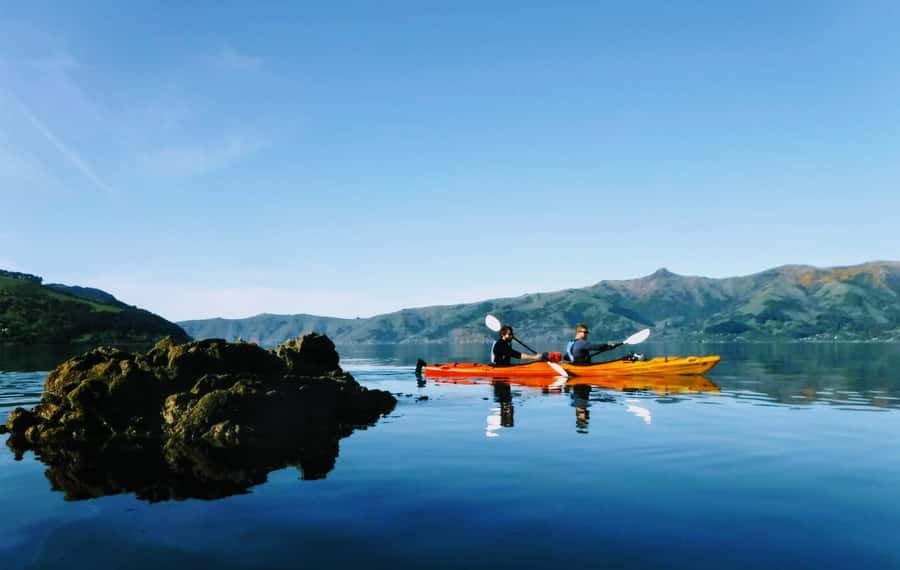
Volcanic walls make this paddle special. The Akaroa Marine Reserve Sea Kayaking Tour takes you across the turquoise waters of an extinct, sea-flooded crater, with small groups of up to eight and a guide leading the way. I like the mix of gentle scenery, fresh air, and real wildlife possibilities, especially the chance to see Hector dolphins, fur seals, and white-flippered penguins in their natural home.
I also like that this is more than a paddle-for-paddle’s-sake outing. Guides such as Alex, Max, William, Lucia, and Adam have been praised for clear safety help, local nature stories, and calm encouragement. The main thing to consider is effort: wind can raise waves on the return, and one review described the tour as tiring. Wildlife is common in season, but it is never promised.
In This Review
- Key points before you book
- Why Akaroa Harbour is such a good place to kayak
- Meeting at the bowling club and getting ready
- The first paddle across the crater
- Inlets, caves, and the harbour’s rocky edges
- Watching for Hector dolphins and marine life
- The guide makes the difference
- When the wind changes the character of the tour
- Small-group value at $80
- Who should book this Akaroa kayak tour
- Should you book it?
- FAQ
- How long is the Akaroa sea kayaking tour?
- How much does the tour cost?
- Where is the meeting point?
- What equipment is included?
- How large is each group?
- Can I see Hector dolphins on the tour?
- What other wildlife might I see?
- What should I bring?
- Can I cancel or pay later?
Key points before you book
- You paddle inside an extinct volcanic crater: Akaroa Harbour’s sheltered bays, rocky features, and sea caves give the trip a strong sense of place.
- Wildlife sightings are possible, not guaranteed: Hector dolphins, fur seals, white-flippered penguins, and birdlife may appear during the kayaking season.
- The group stays personal: One guide leads a maximum of eight people, allowing for individual help and questions.
- The kayaks are stable and comfortable: All kayaking equipment, instruction, and a safety briefing are included.
- The tour takes 150 minutes: That is enough time to get beyond the launch area without turning the outing into a full-day workout.
- Bring only the basics: Carry water in a reusable bottle, sunscreen, a hat, and a light wind or rain jacket. Large bags are not allowed.
Why Akaroa Harbour is such a good place to kayak
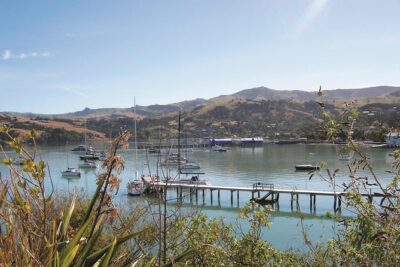
Akaroa sits about 80 minutes from Christchurch, yet the setting feels far removed from the city. The harbour occupies an extinct volcanic crater that was later flooded by the sea. You are not simply paddling along a pretty coastline. You are moving through the remains of a huge geological event, with steep headlands, sheltered inlets, and water filling the old crater.
From a kayak, the scale works nicely. You sit close to the water, with no engine noise and no high railings blocking the view. The surrounding slopes, bays, and rock formations unfold at a slower pace than they would from a road or a larger boat.
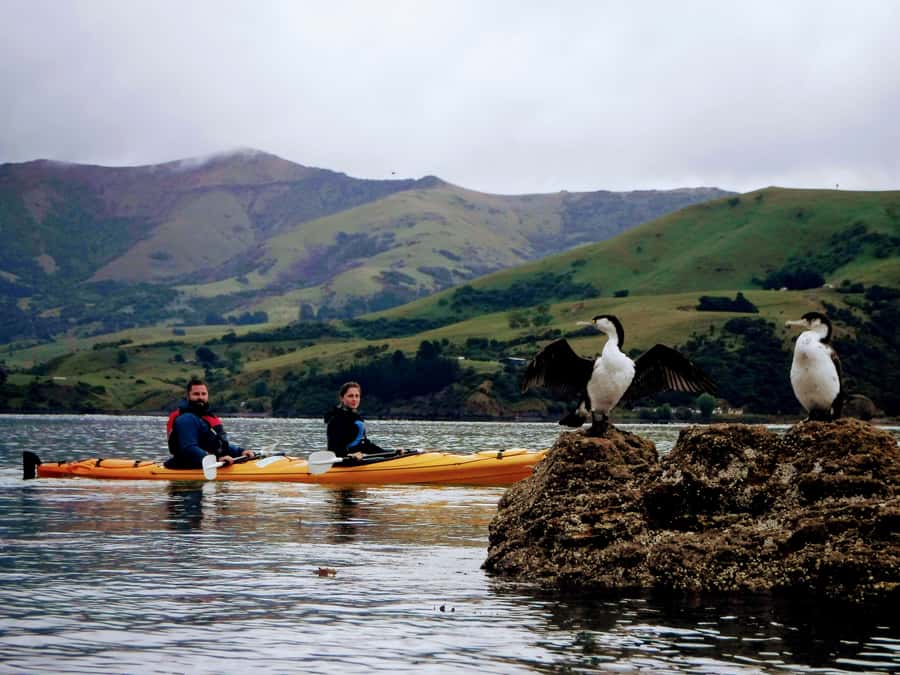
I especially like the combination of quiet water and small natural details. The route includes serene inlets, caves, and coastal features that are easy to miss from shore. You may find yourself watching a bird near the rocks one moment and scanning the water for a dolphin the next.
More Kayak Trips in Akaroa:
- Shore Excursion Guided Sea Kayaking through Akaroa Marine Reserve
★ 5.0 · 160 reviews - Sunrise wildlife sea kayaking in Akaroa marine reserve
★ 5.0 · 123 reviews - Akaroa: 4WD Safari and Guided Sea-Kayaking Experience
★ 4.8 · 120 reviews
Meeting at the bowling club and getting ready
The meeting point is opposite the bowling club in Akaroa. Look for the picnic benches on the grass. This is a simple meeting arrangement, but you should arrive ready to identify the group and follow the guide’s directions before heading onto the water.
The tour provides a stable, comfortable sea kayak and all kayaking equipment. You also receive full instruction, a safety briefing, and guidance throughout the outing. That matters if you are new to kayaking or feel uneasy about managing a boat on open water.
Several people who were nervous at first received especially good support. One family member described being put at ease quickly by the guides, while another guide helped the group understand how to sit properly and paddle with confidence. That sort of attention is important in a small craft, where a little early instruction can make the rest of the trip much more enjoyable.
Bring drinking water in a reusable bottle, sunscreen, a sun hat, and a light windbreaker or rain jacket. Do not bring luggage or large bags. The practical rule is simple: carry what you need for sun, wind, and hydration, and leave everything bulky behind.
The first paddle across the crater
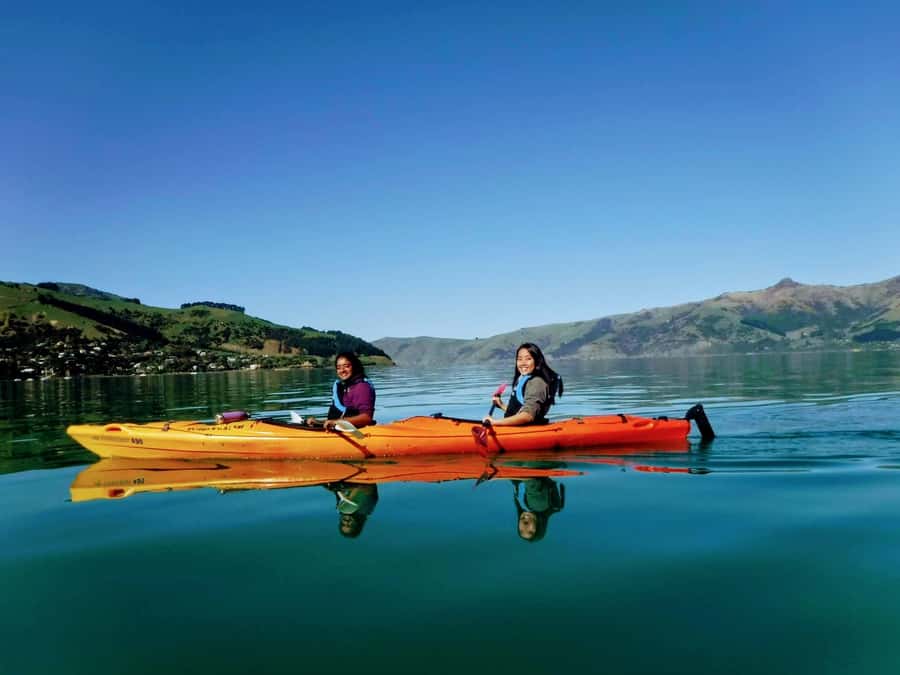
Once the safety talk is complete, you begin with instruction and practice on the water. The stable kayaks are intended for all ability levels, though that does not mean the outing requires no effort. You will paddle for much of the 2.5 hours, and your arms will notice the work, especially if the wind rises.
The early section gives you time to settle into the rhythm. A good guide watches the group, adjusts the pace, and helps people who need extra direction. Past guide feedback points to this as one of the strongest parts of the experience. Jake, for example, was praised for giving clear instructions, helping everyone get properly situated, and keeping a close eye on safety throughout the trip.
The group size helps here. With one guide for no more than eight people, questions do not have to compete with a crowd. You can ask about birds, rock formations, or the harbour itself without losing the guide in a large flotilla.
The double kayak setup may not suit everyone. One person specifically preferred a single kayak, so ask about the available boat arrangement if paddling alone matters to you. The supplied information confirms that double kayaks have been used, but it does not guarantee a particular type for every departure.
Inlets, caves, and the harbour’s rocky edges
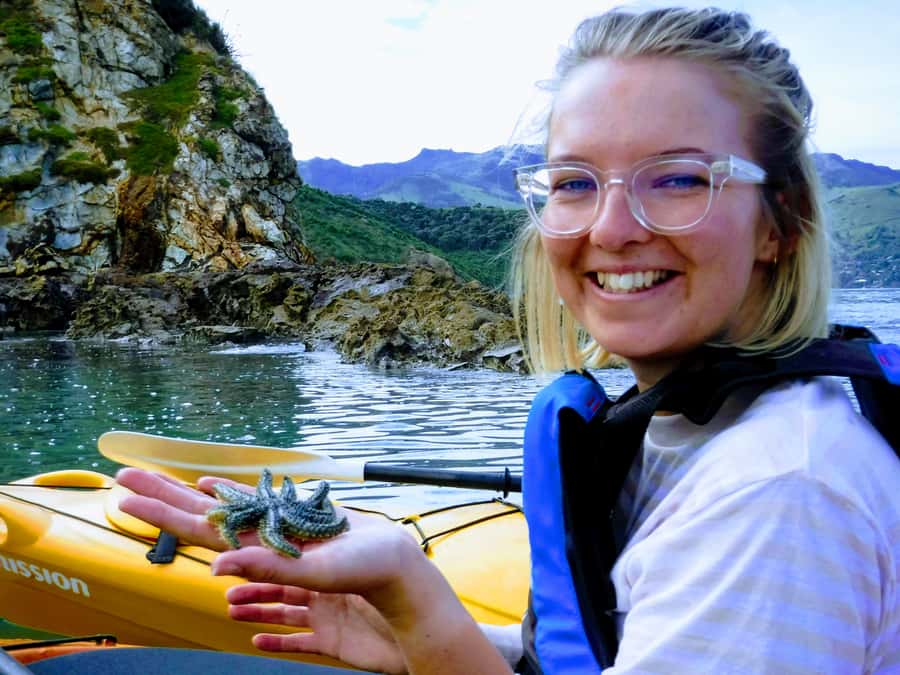
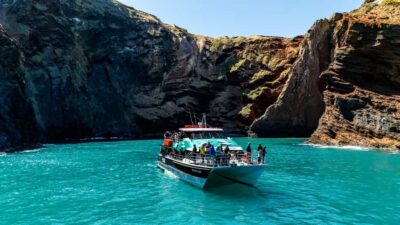
The middle part of the trip is where the scenery becomes more varied. You glide into calm bays and along rocky edges, with caves and other coastal features providing places to look closely rather than simply paddle past.
These formations give the tour a useful sense of discovery without requiring a strenuous shore walk. From water level, you can look into openings in the rock and see how the coastline has been shaped over time. The volcanic setting is not just background decoration. It gives the guide plenty to explain, linking the harbour’s present-day wildlife to its unusual geological past.
William was praised for combining wildlife information with explanations of the geological features. That balance is valuable. A guide who only points out animals can leave you unsure of the larger story, while a guide who talks only about geology can miss the lively part of a marine reserve. Here, the best moments are likely to come from hearing both kinds of information while you are right beside the features being discussed.
The scenery also works for people who do not want a nonstop activity. There are pauses for looking around, listening, and taking photographs. You receive photos as part of the tour, which means you can concentrate more on paddling and wildlife instead of trying to document every moment yourself.
A few more to weigh up in Akaroa
- Akaroa Dolphins ~ Harbour Nature Cruise
★ 5.0 · 2,143 reviews - Akaroa: Dolphin Nature Cruise
★ 4.9 · 440 reviews - Akaroa Harbour Nature Cruise
★ 5.0 · 332 reviews - Akaroa Harbour 2-Hour Dolphin Nature Cruise
★ 4.7 · 235 reviews
Watching for Hector dolphins and marine life
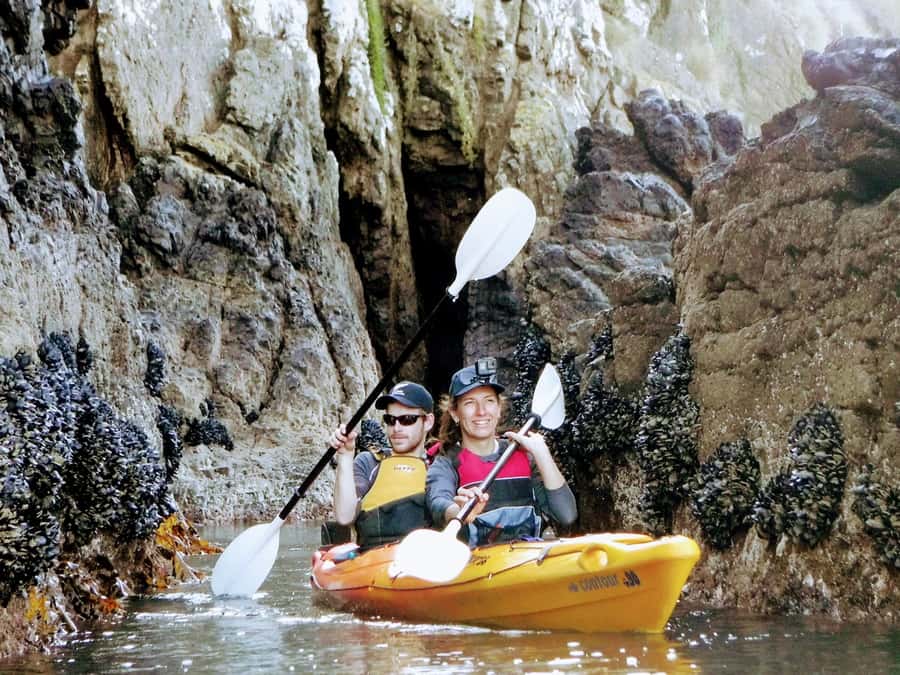
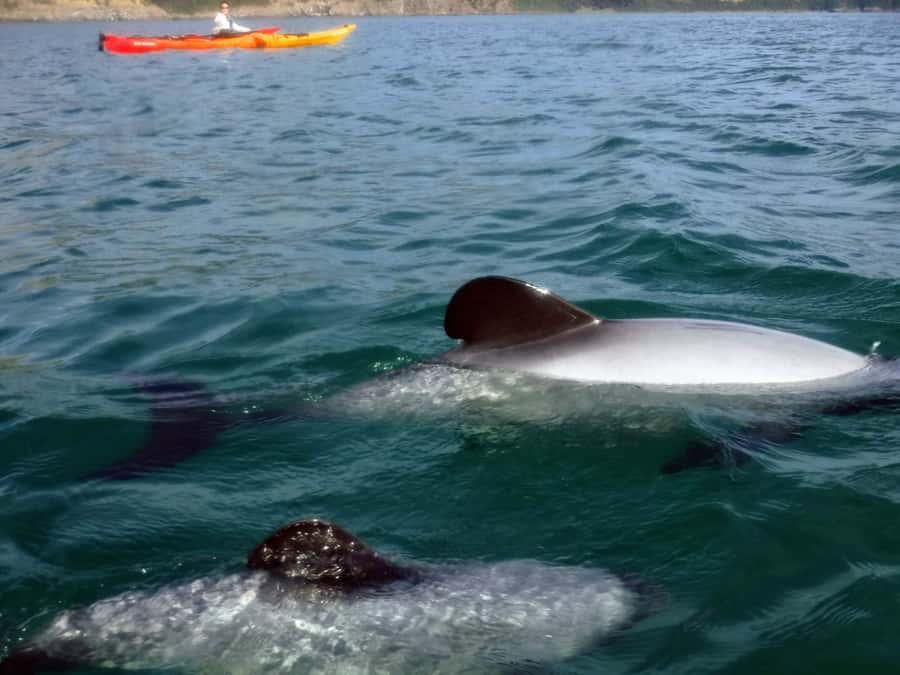
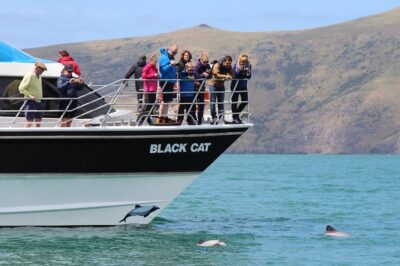
The wildlife is the tour’s most exciting possibility, but you should set your expectations correctly. Hector dolphins are native to New Zealand and are among the rarest marine mammals in the world. Sightings can be frequent during the sea kayaking season, but nature does not work to a timetable.
The best approach is to enjoy the setting first and treat wildlife as a bonus. A memorable dolphin encounter has happened on this outing, with dolphins swimming around the kayaks for an extended time and one appearing between two boats. That is a remarkable possibility, but it should not be treated as the normal result of every departure.
You may also look for fur seals, white-flippered penguins, and a wide range of birdlife. One outing produced sightings of seals and penguins, while another had no wildlife sightings at all but still delivered a good paddle through the crater and past the caves. That contrast tells you what you are buying: a guided experience in a productive marine environment, not a guaranteed animal show.
The guide helps by explaining what you see and where to look, while keeping the kayaks safe and respectful around wildlife. Lucia was singled out for a dolphin outing, and other guides have been praised for explaining local animals in an interesting, easy-to-follow way. The small boats also give you a quieter way to observe than a powered vessel, though you should always follow the guide’s instructions around animals.
The guide makes the difference
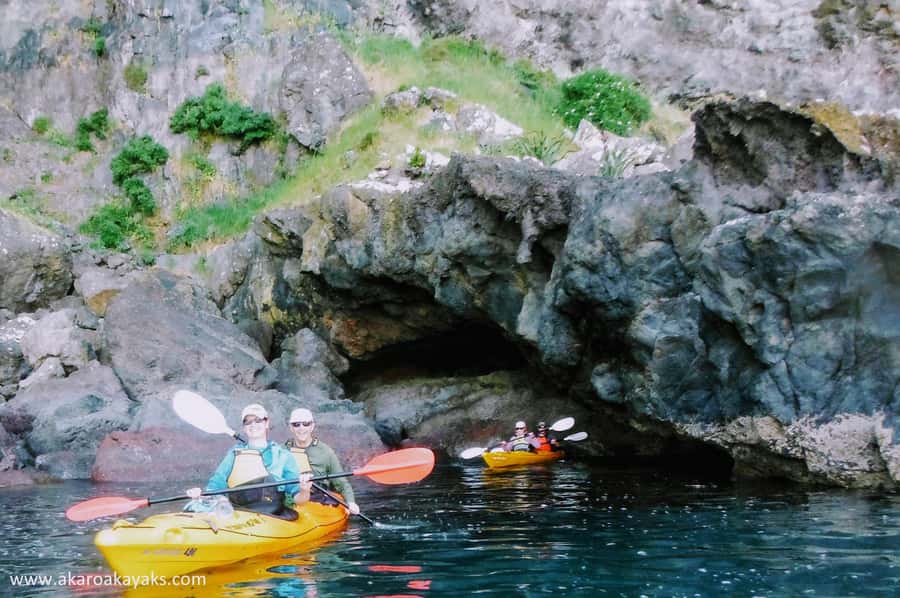
A sea kayak is a fairly simple piece of equipment. The guide is what turns the outing into a worthwhile nature tour.
The strongest guide feedback is consistent: friendly personalities, clear explanations, attention to safety, and the ability to make people with different skill levels feel comfortable. Alex was praised for sharing information about the bay and its wildlife. Max was described as both friendly and well informed about Akaroa. Thomas received particularly warm praise for keeping conversation flowing and showing genuine interest in the people on his tour.
That does not mean every guide will have the same personality. It does mean the format gives you a good chance to interact with someone who knows the harbour well and can respond to the group. The available languages are English, Spanish, and French.
For beginners, this personal help is worth more than a flashy route. You need a guide who notices when someone is struggling, explains the paddle stroke again, and keeps the group together. Adam was praised for encouragement when the wind made the return more exciting, while other guides helped nervous paddlers feel capable without making a fuss.
When the wind changes the character of the tour
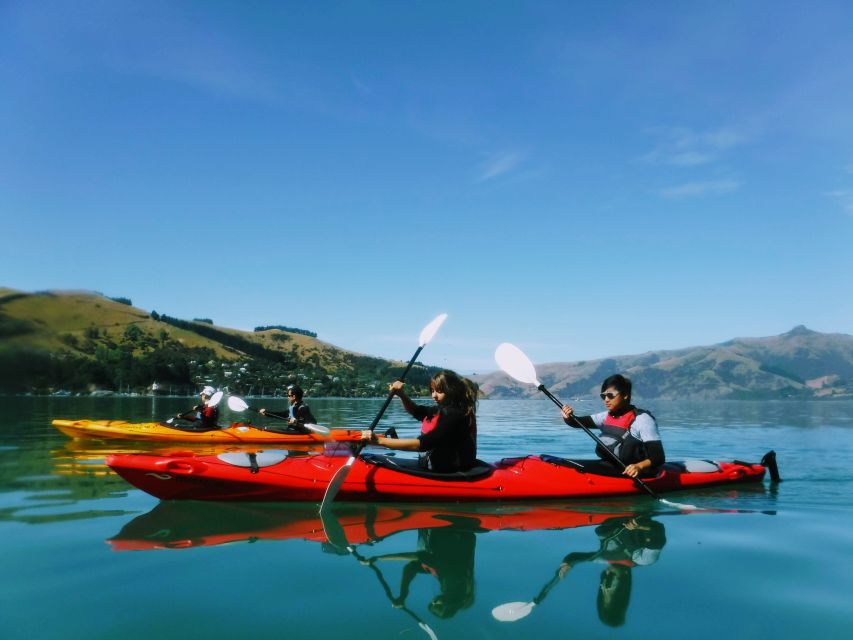
Akaroa can look calm at the start and feel more active later. One outing became quite exciting when the wind came up on the way back and created plenty of waves. That is not necessarily a problem, but it is a reminder that sea kayaking is an outdoor activity, not a glassy-water sightseeing ride.
The stable kayaks and safety briefing help, and the guide controls the pace and route. Still, you should be comfortable with some physical work and changing conditions. If you want a completely passive afternoon, choose a boat trip instead.
I would plan to wear practical clothing that can handle wind and a little spray. The supplied advice specifically calls for a windbreaker or light rain jacket, hat, sunscreen, and water. A reusable bottle is requested, which fits the low-impact approach to operating in the marine reserve.
Small-group value at $80
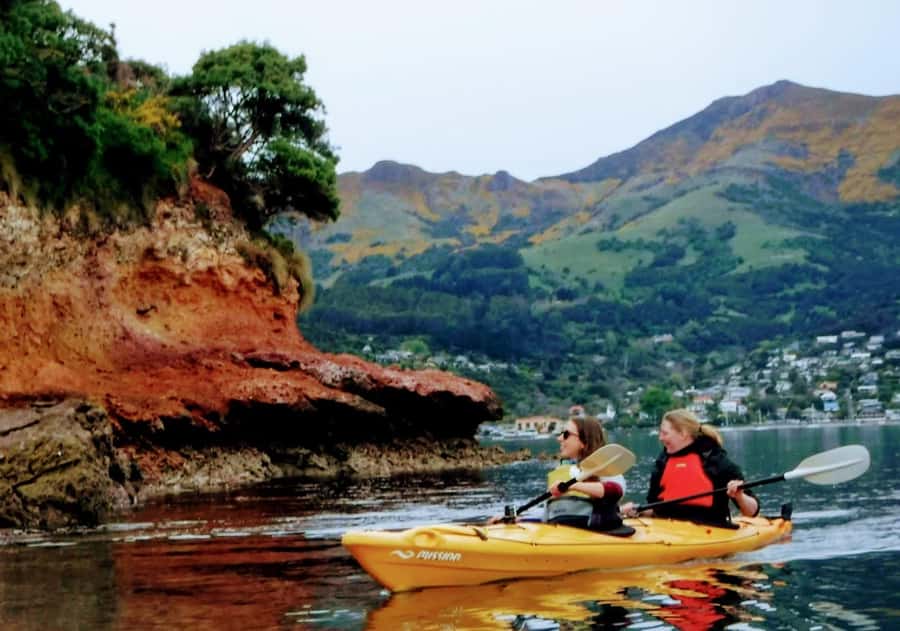
At $80 per person, the tour offers reasonable value for a 150-minute guided outing. The price includes the kayak, all gear, instruction, safety briefing, guide, and photos. You are also paying for access to a setting that is difficult to appreciate fully from the road.
The strongest value comes from the small group. A maximum of eight people means the guide can provide more direct help than on a large commercial outing. That makes the price easier to justify for first-time paddlers, families, and anyone hoping for useful information rather than simply following a boat.
The tour is less compelling if you already own sea kayaking equipment and only want unstructured time on the water. You are paying for the full package: equipment, safety, local nature interpretation, and a guided route. For most visitors making a special trip to Akaroa, that combination is practical.
You can reserve now and pay later, and cancellation is free up to 24 hours before the start time for a full refund. Check the available departure time when booking, since the tour lasts 150 minutes.
Who should book this Akaroa kayak tour
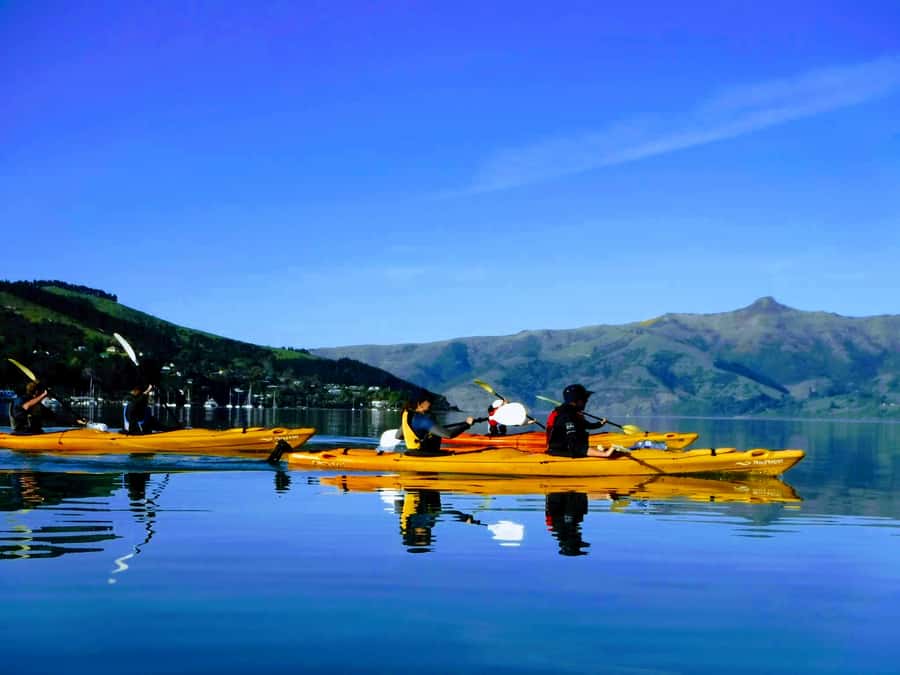
I would recommend it to active visitors who want to see Akaroa from the water without committing to a full-day expedition. It suits couples, families, solo participants, and small groups, provided everyone is comfortable with paddling and outdoor conditions.
It is also a good choice for people who like nature with context. You are not left to guess what you are seeing. The guide can explain the crater, marine reserve, birds, seals, penguins, dolphins, and other sea life as you move through the area.
Beginners should not be put off. The equipment is described as stable and comfortable, instruction is included, and several outings have received praise for making nervous or inexperienced paddlers feel safe. You should still expect exercise. The tour is suitable for all abilities according to the operator, but the water can become more demanding if wind and waves pick up.
Should you book it?
Book this tour if you want a close-up look at Akaroa Harbour, enjoy a little physical activity, and like the idea of wildlife appearing on its own terms. The volcanic crater, sea caves, small group, and strong guide support give the outing more substance than a simple equipment rental.
Skip it if you dislike paddling, want guaranteed dolphins, or prefer to stay completely dry and passive. For everyone else, $80 buys a well-supported 2.5-hour outing in one of the South Island’s most striking coastal settings. Bring water, sunscreen, a hat, and a light jacket, then let the harbour supply the surprises.
FAQ
How long is the Akaroa sea kayaking tour?
The tour lasts 150 minutes, or 2.5 hours.
How much does the tour cost?
The listed price is $80 per person.
Where is the meeting point?
Meet opposite the bowling club in Akaroa, at the picnic benches on the grass.
What equipment is included?
A safe, stable, comfortable sea kayak and all kayaking gear are included. You also receive instruction and a safety briefing.
How large is each group?
One guide leads a maximum of eight people.
Can I see Hector dolphins on the tour?
Hector dolphin sightings are possible and can be frequent during the sea kayaking season, but sightings are not guaranteed.
What other wildlife might I see?
Possible sightings include white-flippered penguins, fur seals, birdlife, and other sea creatures.
What should I bring?
Bring drinking water in a reusable bottle, sunscreen, a sun hat, and a light wind or rain jacket.
Can I cancel or pay later?
You can cancel up to 24 hours in advance for a full refund. Reserve now and pay later is also available.
Just added in Akaroa
- Akaroa Wildlife Cruise★ 5.0 · 101 reviews
- Shore Excursion Guided Sea Kayaking through Akaroa Marine Reserve★ 5.0 · 160 reviews
- Night Awe – Stargazing tour in Akaroa★ 5.0 · 61 reviews
- Solar Explorer in Akaroa – Sun-Viewing Tour with Telescopes★ 5.0 · 5 reviews
- Sailing and Wildlife Tour Akaroa Fox II Sailing★ 5.0 · 76 reviews
- Small group guided sea kayaking in Akaroa marine reserve★ 5.0 · 116 reviews
- Electric Mountain Bike & Sea Kayak Tour in Akaroa★ 4.5 · 3 reviews
- Lava Loop- Guided electric mountain bike tour in Akaroa★ 5.0 · 34 reviews
Akaroa Tours, compared.
Akaroa Shore Excursion: Banks Peninsula and Christchurch City Sights Tour
Read our review →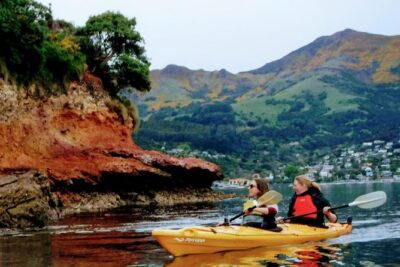
Shore Excursion Guided Sea Kayaking through Akaroa Marine Reserve
Read our review →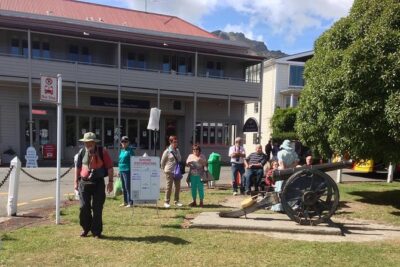
Akaroa Shore Excursion: Banks Peninsula, Christchurch City Tour and the International Antarctic Centre
Read our review →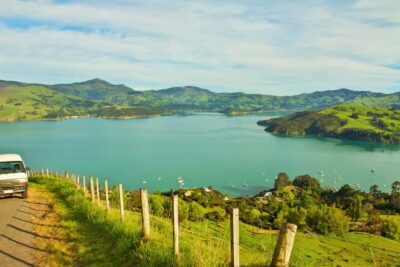
Pohatu Penguins Scenic Nature 2-Hour or 4-Hour Tour
Read our review →Browse the lists this tour appears in