
REVIEW · HOKITIKA GORGE TOURS
Hokitika: The National Kiwi Centre Tickets
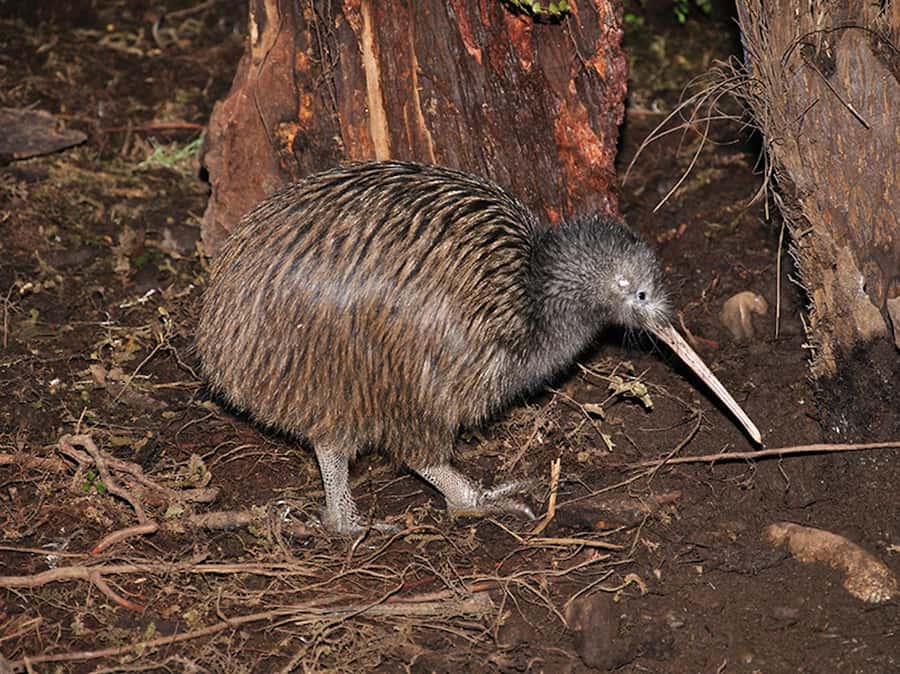
Kiwi are far harder to spot than you might expect. The National Kiwi Centre in central Hokitika gives you a controlled, close-up chance to see these shy birds, along with tuatara, giant eels, crayfish, and whitebait. I like the purpose-built nocturnal house and the regular eel feeding, which adds action to an otherwise quiet wildlife visit.
I also like the friendly team and the centre’s clear conservation focus. The main drawback is simple: kiwi sightings are not guaranteed to be long or dramatic. The centre has Brown Kiwi and Little Spotted Kiwi, but some visitors see only two birds, and one may appear for just a few seconds.
At $23 per person, this one-hour visit is fairly priced if you want a compact wildlife stop in Hokitika. It suits families, curious first-time visitors to New Zealand, and anyone who understands that seeing a nocturnal bird requires patience rather than bright lights and guaranteed poses.
In This Review
- Key points to know before you go
- Why Hokitika’s kiwi centre is worth your time
- What the one-hour visit feels like
- Seeing Brown Kiwi and Little Spotted Kiwi
- Giant eel feeding gives the visit its liveliest moment
- Tuatara, crayfish, and whitebait add West Coast context
- The staff make a real difference
- Is $23 good value for one hour?
- Who should book this experience?
- How to plan your visit in Hokitika
- Should you book the National Kiwi Centre?
- FAQ
- Where is the National Kiwi Centre?
- How long does the visit take?
- How much does entry cost?
- What animals can I see?
- When are the giant eel feedings?
- Is giant eel feeding included in the ticket?
- Can I take photos of the kiwi?
- Is the centre wheelchair accessible?
Key points to know before you go
- Kiwi viewing happens in a purpose-built nocturnal house: You see Brown Kiwi and Little Spotted Kiwi in conditions designed around their safety and natural habits.
- Giant eel feeding runs three times daily: Plan for 10:00 AM, 12:00 PM, or 3:00 PM if you want to catch this lively part of the visit.
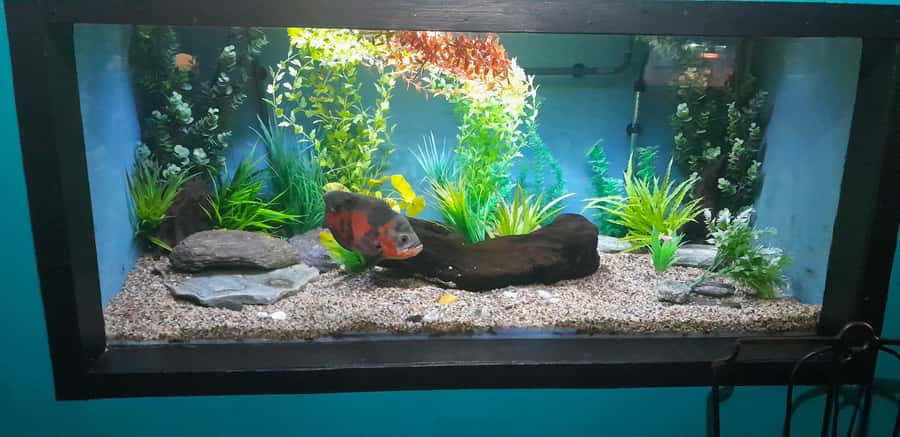
- The centre offers more than kiwi: Tuatara, crayfish, whitebait, and giant eels give the hour more variety.
- Photography around kiwi is restricted: You cannot take your own photos of the kiwi, but some visitors have received a complimentary kiwi picture and chocolate as an extra.
- The visit is short and easy to fit into a Hokitika day: The advertised duration is one hour, with English-speaking staff and wheelchair access.
- The best value comes from timing your entry: Arriving for a scheduled eel feeding makes the compact visit feel fuller.
Why Hokitika’s kiwi centre is worth your time
Hokitika is well known as a West Coast base, but you do not need a full day to visit the National Kiwi Centre. The attraction sits in the heart of town, making it an easy stop between other Hokitika plans.
The centre brings together several native species in one place. That matters because kiwi are only one part of New Zealand’s wildlife story. You also get a look at ancient tuatara, long-bodied eels, freshwater crayfish, and whitebait, a small fish closely linked with the waterways of the West Coast.
I like this mix because it prevents the visit from becoming a single gamble on one hidden bird. If a kiwi stays out of sight, the eels and other exhibits still give you something to watch and learn about.
The tone is educational without needing a long schedule. The team is described as welcoming and passionate, and the eel talk is a particularly strong part of the experience. You are not simply walking past tanks and signs. Staff help explain the animals and draw your attention to the feeding times.
More Hokitika Gorge trips:
- Hokitika: West Coast Tree Top Tower Zip Line and Walk
★ 4.2 · 55 reviews - Greymouth: Hokitika Gorge and Tree Top Walkway Half-Day Tour
★ 4.6 · 24 reviews - Greymouth to Franz Josef via Hokitika small group tour 1 Way
★ 4.4 · 4 reviews
What the one-hour visit feels like
The visit is best understood as a compact wildlife encounter rather than a large zoo or a full-day attraction. You enter the National Kiwi Centre, move through its native wildlife displays, and spend time in the kiwi house before or after seeing the eel feeding.
The exact order can depend on when you arrive. If you want the clearest structure, build your visit around one of the three daily feeding times: 10:00 AM, 12:00 PM, or 3:00 PM. You can then use the rest of the hour for the kiwi and other exhibits.
The short duration is useful. You can add the centre to a morning in Hokitika without giving up the rest of your day. It also works well for families, since an hour is long enough to see the main animals but not so long that younger children lose interest.
Still, do not expect a packed program every minute. Kiwi viewing is quiet by nature. You may spend time watching a dark enclosure and waiting for movement. That pause is part of seeing nocturnal wildlife, but it can feel slow if you want constant activity.
Seeing Brown Kiwi and Little Spotted Kiwi
The kiwi house is the emotional centre of the visit. It is purpose-built as a nocturnal environment, so the birds can follow a schedule suited to them rather than to daytime visitors.
You may see Brown Kiwi and Little Spotted Kiwi. These are not birds placed in an open exhibit for easy viewing. Their shy behavior and nighttime habits mean that even a close encounter can be brief.
That is the key expectation to set before paying your entry fee. A kiwi may walk into view, pause, and disappear again. One recent account described a large kiwi as especially good to see close up, while another found that one of two kiwi appeared only for a few seconds. Both experiences are possible in a habitat designed to protect the birds.
I appreciate the restrictions on photography here. You are not allowed to take your own pictures of the kiwi, a rule intended to protect them from camera flashes and disruption. It may disappoint anyone hoping for a personal wildlife photo, but it is the sensible trade-off for a sensitive nocturnal species.
Some visitors have received a free kiwi photograph and chocolate, which can soften the no-camera rule. Treat those extras as a pleasant possibility rather than the main reason to book.
The best approach is to slow down and watch the enclosure carefully. You may not get a postcard-perfect view, but seeing a kiwi move naturally in a protected setting is more meaningful than a forced photo opportunity.
Giant eel feeding gives the visit its liveliest moment
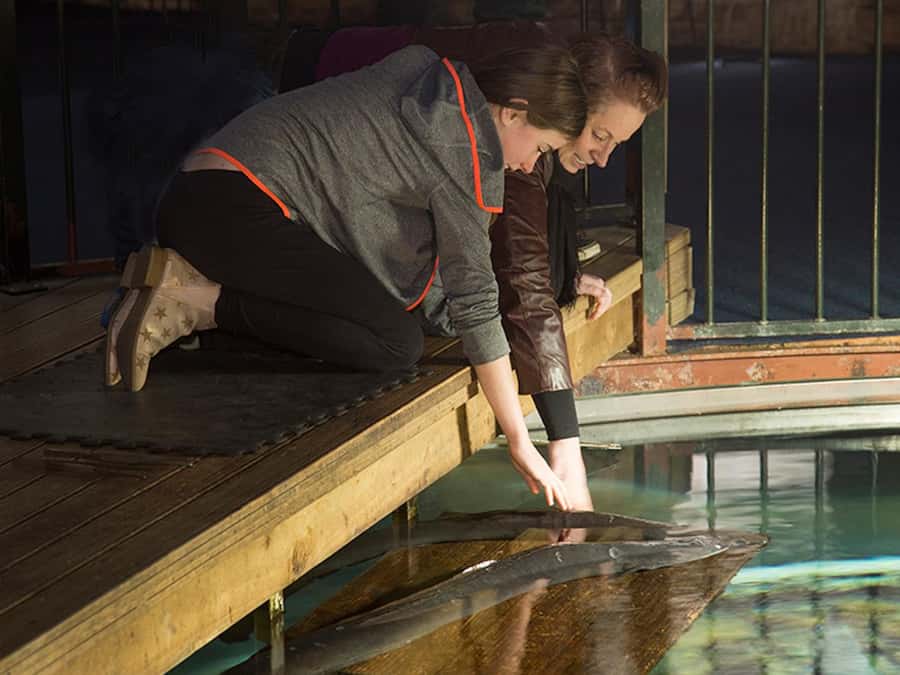
The giant eels are a major strength of the centre. Their feeding times are fixed at 10:00 AM, 12:00 PM, and 3:00 PM, so timing makes a real difference.
A feeding session gives you something active to watch and gives the staff a chance to explain the eels. The talk has been singled out as a highlight, and the eels themselves are more impressive than you might expect. Their size and movement create a sharp contrast with the quiet kiwi house.
If you arrive outside a feeding time, you can still see the eels, but you may miss the most engaging part of the presentation. I would choose the 12:00 PM or 3:00 PM session if it fits your plans, then allow time on either side for the other displays.
The feeding also helps balance the visit. Kiwi watching can involve waiting, while eels provide immediate movement. For children, this may be the part they remember best. For adults, it adds useful context about another native species rather than making the entire visit about one famous bird.
A few more to weigh up in West Coast
- TranzAlpine Train Journey from Greymouth to Christchurch
★ 4.5 · 182 reviews - West Coast Treetop Walk
★ 4.5 · 131 reviews - From Greymouth: Highlights West Coast Day Tour
★ 4.9 · 54 reviews - Greymouth: Full-Day Best Of The West Tour
★ 5.0 · 30 reviews
Tuatara, crayfish, and whitebait add West Coast context
The National Kiwi Centre is not only a kiwi enclosure with a few side exhibits. Tuatara, crayfish, giant eels, and whitebait broaden the story.
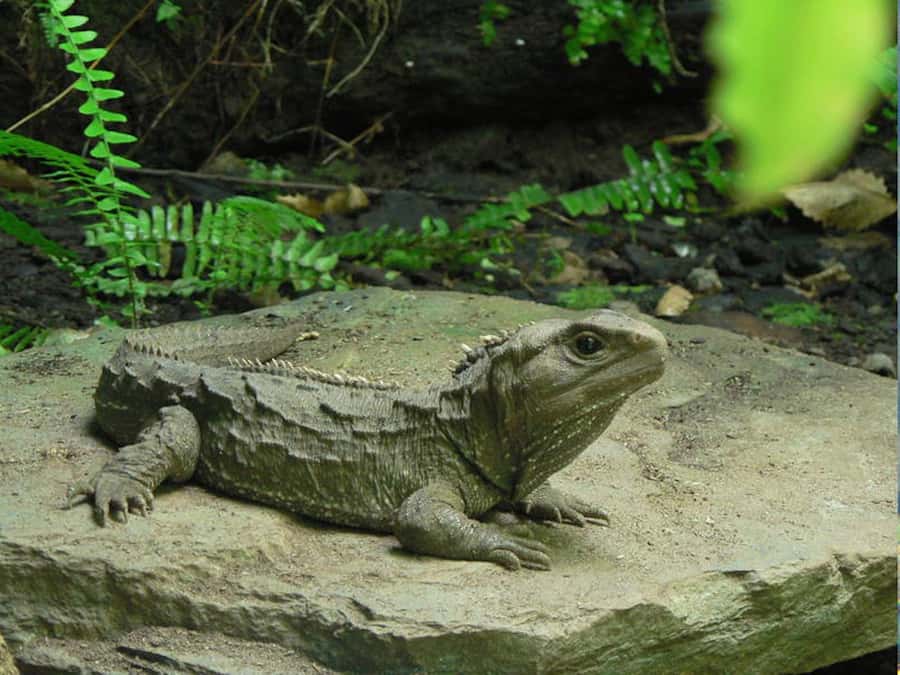
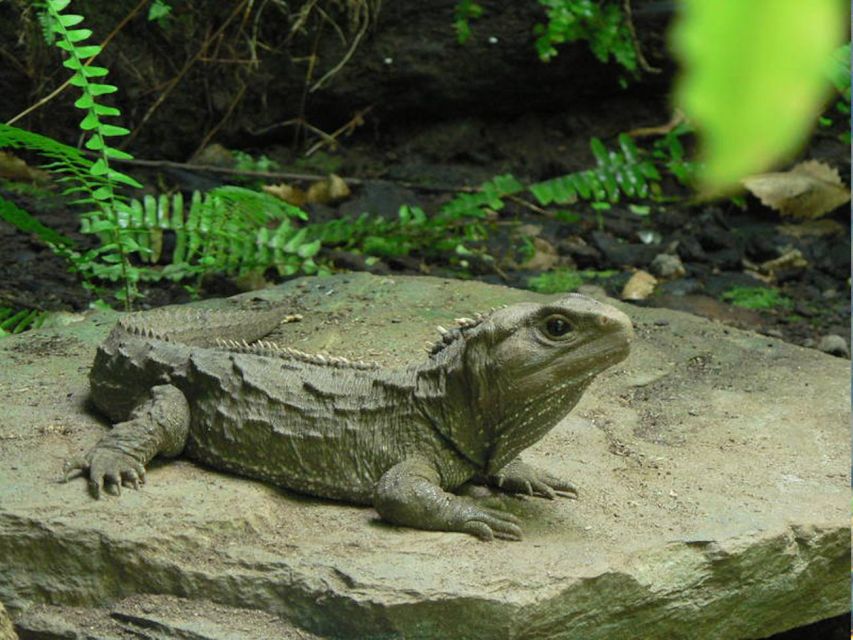
Tuatara are especially valuable to see because they are one of New Zealand’s most distinctive native animals. Their unusual appearance and ancient lineage make them a natural companion to the kiwi exhibit, even though they offer a very different kind of encounter.
The crayfish and whitebait help connect the centre to freshwater and coastal ecosystems. These smaller animals may not attract the same attention as a kiwi or a giant eel, but they make the visit more useful as an introduction to the country’s native wildlife.
The quality of the displays has pleasantly surprised some visitors, particularly because the fish and eel exhibits are more substantial than expected. That is important when you are deciding if $23 is fair. You are paying for a collection of native species, not just a quick look into a kiwi house.
You should still keep your expectations in proportion. This is a compact town attraction, not a sprawling wildlife park. The advantage is that the exhibits are easy to see in one visit, and you do not need a whole day or extensive walking to cover them.
The staff make a real difference
A wildlife centre can feel flat if you are left to read signs and move on. The National Kiwi Centre benefits from an English-speaking team that takes an active role in explaining the animals.
The eel presentation is the clearest example. A good feeding talk turns a large animal into a memorable story, helping you understand what you are seeing instead of simply watching food disappear.
The staff are also described as exceptionally nice and welcoming. That matters in a small attraction, where a short conversation can shape the whole visit. If you have a question about the kiwi, tuatara, or eels, this is the sort of place where asking is part of the experience.
No individual guide names are provided, so you should not expect a named private tour. The format is a centre visit with English-speaking hosts and staff support rather than a personal guided walk.
Is $23 good value for one hour?
At $23 per person, the price is reasonable, but the value depends on what you want from the visit.
I would call it good value if you care about native New Zealand animals and want to see several species in a central Hokitika location. The entry includes the centre’s exhibits and giant eel feeding, so you do not pay an extra charge for that scheduled activity.
The price is less compelling if your only goal is a guaranteed, extended kiwi sighting. You may see two kiwi, but one could remain hidden or appear briefly. No wildlife centre can make a nocturnal bird perform on command, and the centre’s design puts animal welfare before visitor photography.
The strongest value comes from choosing a feeding time and giving yourself the full hour. A quick walk through at an unscheduled time may feel thin, while an eel talk followed by careful kiwi viewing creates a more complete visit.
Food and drinks are not included. That is not a major issue for a one-hour attraction, especially since the centre is in Hokitika, but you should plan your café stop separately.
Who should book this experience?
I would recommend the National Kiwi Centre to:
- First-time visitors to New Zealand who want a close look at iconic native animals.
- Families looking for a manageable one-hour activity with regular feeding action.
- Wildlife fans who understand that rare and nocturnal animals can be hard to see.
- Visitors based in Hokitika who want a central attraction that does not require transport.
- People interested in conservation who prefer protected viewing over staged animal encounters.
- Anyone with limited time who wants several native species in one compact stop.
I would be more cautious if you need a guaranteed close kiwi photograph or expect a large collection of birds. The centre offers Brown Kiwi and Little Spotted Kiwi, but the number visible at any moment may be small.
The attraction is wheelchair accessible, which makes it a practical choice for visitors who need an easier indoor wildlife visit. The supplied information does not give further details about specific paths or facilities, so you may want to confirm any individual access needs before arrival.
How to plan your visit in Hokitika
The simplest plan is to select a feeding time first, then build the rest of your Hokitika schedule around it. The three options are 10:00 AM, 12:00 PM, and 3:00 PM.
Allow the full one-hour duration even if you are mainly interested in kiwi. You will get more from the ticket if you take time with the tuatara, crayfish, whitebait, and eel displays rather than treating them as a quick walk-through.
Keep your camera expectations modest. You cannot take your own kiwi photos, and the restriction exists to protect the birds. Watch with your eyes, and enjoy any complimentary picture if one is offered during your visit.
The booking terms are useful for changeable West Coast plans. You can cancel up to 24 hours ahead for a full refund, and the reserve-now, pay-later option lets you hold a place without paying at the time of booking. Check the available start times before committing, especially if you want to attend the eel feeding.
Should you book the National Kiwi Centre?
Book it if you want a short, well-focused look at New Zealand wildlife and can accept that kiwi viewing is unpredictable. The combination of Brown Kiwi, Little Spotted Kiwi, tuatara, giant eels, crayfish, and whitebait gives the hour real variety, while the eel feeding adds a lively highlight.
Skip it if you want a large wildlife park, a long guided tour, or guaranteed photographs of several kiwi. For everyone else, the $23 ticket is a fair way to spend an hour in Hokitika, especially when you arrive for the 10:00 AM, 12:00 PM, or 3:00 PM feeding.
FAQ
Where is the National Kiwi Centre?
The National Kiwi Centre is in the heart of Hokitika on New Zealand’s South Island.
How long does the visit take?
The advertised duration is one hour.
How much does entry cost?
The listed price is $23 per person.
What animals can I see?
You can see Brown Kiwi, Little Spotted Kiwi, tuatara, giant eels, crayfish, and whitebait.
When are the giant eel feedings?
Feedings take place at 10:00 AM, 12:00 PM, and 3:00 PM.
Is giant eel feeding included in the ticket?
Yes. Entry to the National Kiwi Centre and giant eel feeding are included.
Can I take photos of the kiwi?
No. Visitors are not allowed to take their own photos of the kiwi to help protect them.
Is the centre wheelchair accessible?
Yes. The National Kiwi Centre is listed as wheelchair accessible.
Just added in West Coast
- Greymouth: Hokitika Gorge and Tree Top Walkway Half-Day Tour★ 4.6 · 24 reviews
- Greymouth to Franz Josef via Hokitika small group tour 1 Way★ 4.4 · 4 reviews
- Greymouth: Full-Day Best Of The West Tour★ 5.0 · 30 reviews
- From Greymouth: Highlights West Coast Day Tour★ 4.9 · 54 reviews
- Greymouth: 2-Hour Beginner Surf Lesson★ 4.5 · 2 reviews
- From Greymouth: Punakaiki Blowholes & Pancake Rocks Tour★ 4.8 · 28 reviews
- Franz Josef to Christchurch via Hokitika 1 Way Day Tour★ 3.3 · 3 reviews
- Christchurch: to Franz Josef via Hokitika 1 Way Tour★ 4.6 · 4 reviews
Hokitika Gorge Tours, compared.
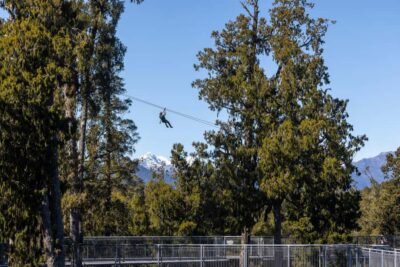
Hokitika: West Coast Treetop Walkway Entrance Ticket
Read our review →
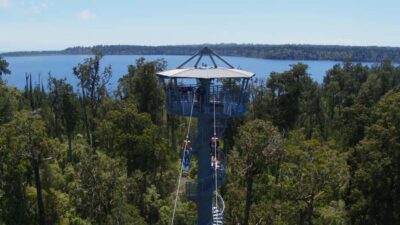
Hokitika: West Coast Tree Top Tower Zip Line and Walk
Read our review →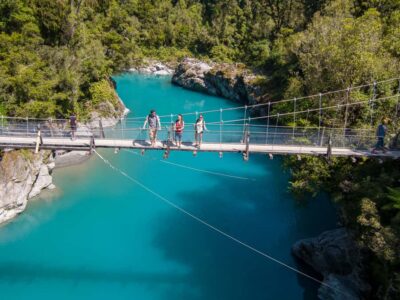
Hokitika Gorge and Tree Top Walkway Half-Day Tour
Read our review →
Christchurch to Franz Josef 1-Way Small Group Tour via Hokitika
Read our review →

Greymouth to Franz Josef via Hokitika small group tour 1 Way
Read our review →
Franz Josef to Christchurch via Hokitika 1 Way Day Tour
Read our review →Browse the lists this tour appears in