
REVIEW · NATIONAL PARKS
Kiwi Night Encounter at Nga Manu Nature Reserve
Kiwi watching rewards patience. At Ngā Manu Nature Reserve, I like the tiny group size and the chance to see two North Island brown kiwi in a private enclosure, not a public display. I also like that the birds belong to the North Island Brown Kiwi Breeding Recovery Program, so your visit supports a real conservation effort. The catch is simple: these are wild animals, and one evening produced no kiwi sighting at all.
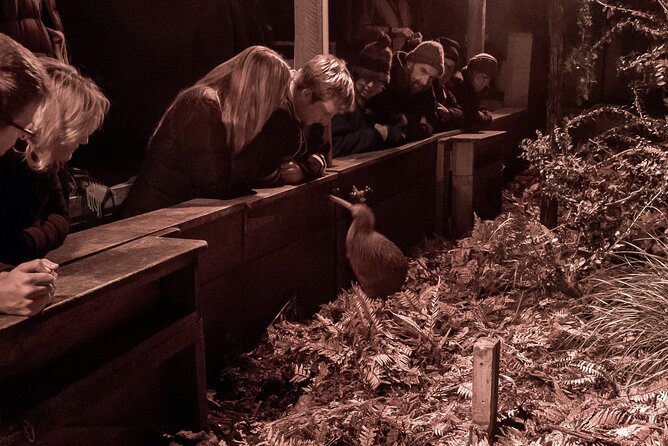
The 90-minute encounter is quiet, personal, and very different from a standard zoo visit. Your volunteer guide explains the kiwi recovery work, then leads up to 10 people into the dark with an ultra-red light. I especially like the possibility of seeing the kiwi following its normal routine while two ruru, or morepork, move through the same habitat.
The main practical concern is the start time. One booking display showed 6:45 PM to 8:15 PM, while the actual start appeared closer to 8:40 PM. Confirm the local start time with Ngā Manu before you set out, especially if you are arranging transport or another evening activity.
In This Review
- Key points to know before you book
- Why this kiwi encounter feels different
- Walking into the private enclosure after dark
- Watching kiwi with ultra-red light
- The unexpected ruru encounter
- What the conservation program adds
- Is NZ$49.65 good value?
- Who will enjoy this most?
- Timing, cancellation, and simple planning advice
- FAQ
- Where does the Kiwi Night Encounter begin?
- Where does the experience end?
- How long does the encounter last?
- How many people can join?
- When does the experience operate?
- Are the kiwi guaranteed to appear?
- Are photographs allowed?
- What is included?
- Can I cancel for a refund?
- Should you book the Ngā Manu kiwi encounter?
Key points to know before you book
- Only 10 people maximum: The small group gives you a much better chance of quiet viewing and a clear position near the enclosure.
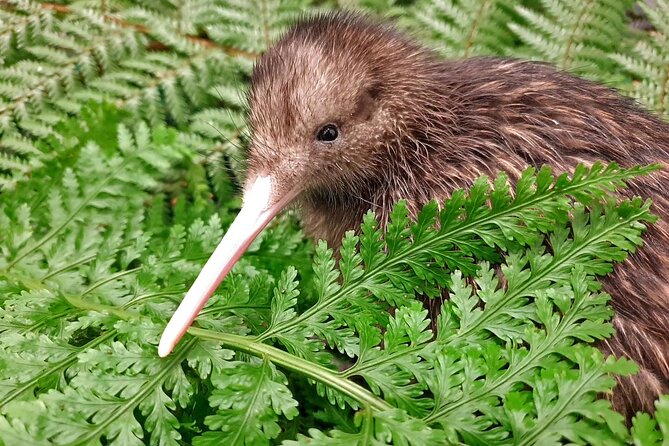
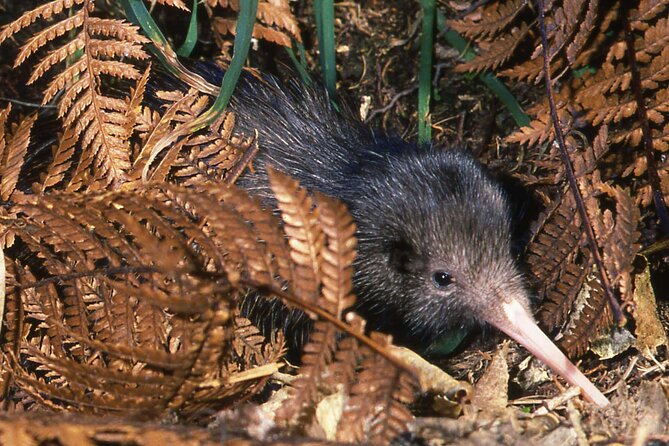
- Two kiwi live in a private habitat: They are part of the North Island Brown Kiwi Breeding Recovery Program and are kept away from the general public.
- Two ruru share the enclosure: Morepork may fly around while you watch, adding another native night-time encounter.
- The viewing uses ultra-red light: This lets you watch the kiwi without disturbing its usual routine.
- No photography is allowed: You will need to keep your phone and camera away during the encounter.
- Bring patience, not certainty: The kiwi may not appear, since the birds decide what they do each night.
Why this kiwi encounter feels different
New Zealand’s kiwi is a national icon, but seeing one is not guaranteed just because you visit a reserve. Kiwi are nocturnal and private. They do not perform on schedule, and that is the central truth of this outing.
Ngā Manu places the birds in their own private natural habitat. You are not looking through a normal daytime exhibit or waiting beside a busy public path. The group enters after dark, sits quietly, and watches for natural movement.
That setup gives the experience its appeal. If the kiwi comes out, you may see it close by as it follows its usual routine. The ultra-red light allows the guide to provide visibility while limiting disruption. You are still observing an animal on its own terms, at least as much as a managed conservation setting allows.
I also appreciate the scale. With no more than 10 people, this is not a large crowd gathered around one viewing window. A small group matters at night. Less shuffling means less noise, and fewer people means a better chance of focusing on the soft sounds and sudden movement around you.
Still, you should book this as a kiwi encounter, not a guaranteed kiwi sighting. One evening ended without the birds appearing. Ngā Manu acknowledged that this was unusual and offered a return visit at no extra cost, but you should not count on that policy as a substitute for planning. Nature keeps the final say.
More National Park Trips in Wellington:
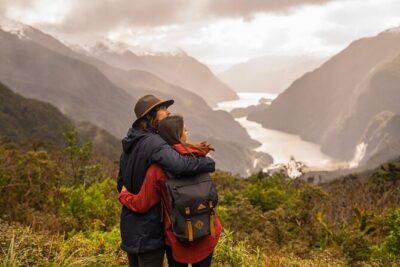
- From Manapouri: Doubtful Sound Wilderness Day Trip
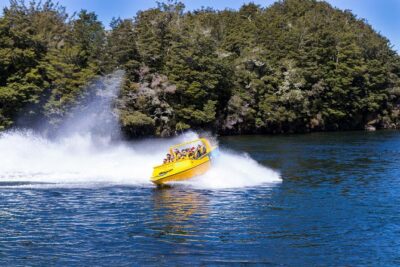
★ 4.8 · 1,621 reviews - Jet Boat Journey through Fiordland National Park – Pure Wilderness
★ 5.0 · 678 reviews - Dart River Jet Boat and Wilderness Experience
★ 5.0 · 531 reviews
Walking into the private enclosure after dark
The visit begins at 74 Nga Manu Reserve Road in Waikanae, at Ngā Manu Nature Reserve. The activity ends back at the same meeting point, which keeps the evening straightforward once you arrive.
Your volunteer guide leads the group into the private kiwi enclosure. The guide also explains Ngā Manu’s part in the kiwi recovery program, giving the sighting a useful purpose beyond simply ticking a famous bird off your list.
The experience lasts about 1 hour and 30 minutes. That includes the introduction, the walk into the enclosure, and time spent quietly watching. This is not a fast-moving tour with several stops. There is one main place to visit, and the quality of the evening depends on how much time the group can spend still and attentive.
Kneel pads are included. That detail tells you something about the viewing style: you may spend time crouched or kneeling rather than standing the whole way. If kneeling is uncomfortable for you, it is worth asking the operator what alternatives are available before booking, since no other seating details are provided.
The reserve operates this encounter from Thursday through Sunday, from 8:30 PM to 10:00 PM, during the stated operating period of January 15, 2026 through February 18, 2027. The published schedule and the time shown in one booking experience did not match, so I would check the exact start time after booking.
Watching kiwi with ultra-red light
The guide uses an ultra-red light to reveal the kiwi without making the bird aware of your presence in the usual way. This is the key tool of the evening. Without it, you would be trying to see a dark, nocturnal bird in a dark enclosure.
The goal is not to shine a bright beam directly around the habitat or turn the encounter into a photo session. Instead, the light gives the group enough visibility to follow the bird’s movements while it carries on with its normal routine.
That can mean a rewarding close view, but it can also mean waiting. You might see the kiwi moving through the habitat, or you might spend much of the visit listening and watching an empty patch of darkness. I would bring a calm attitude and treat the waiting as part of the activity rather than a sign that the tour has gone wrong.
The no-photography rule is important. You cannot record the sighting for social media or take a flash-free souvenir photo. For some people, that will feel like a drawback. For others, it improves the encounter by removing the temptation to stare at a screen.
I think the rule fits the setting. Kiwi viewing depends on quiet, darkness, and limited disturbance. You will need to enjoy the moment as it happens, then rely on your memory afterward.
The unexpected ruru encounter
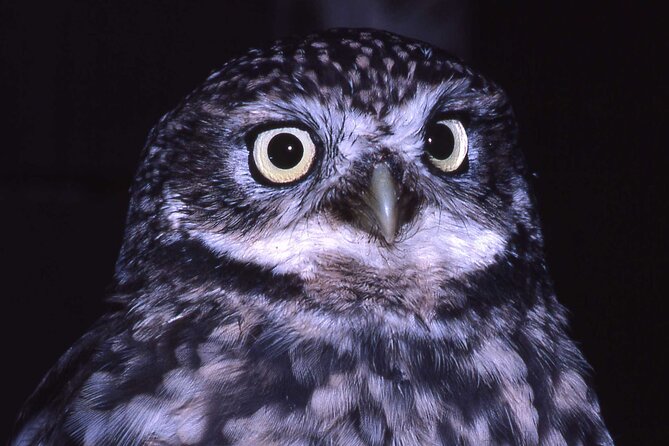
The kiwi are not the only birds in the enclosure. Two ruru share the habitat. Ruru are also called morepork or small brown owls, and they may fly around the group while you are watching the kiwi.
This adds an unpredictable second layer to the evening. The ruru are not presented as a separate performance or scheduled sighting. Their movement is part of the living habitat, and you may notice them passing overhead or moving through the darkness as you wait.
For me, this makes the experience more than a single-bird viewing session. If the kiwi stay hidden, the ruru may still give the night some movement and atmosphere. But you should keep your expectations clear: the advertised focus is the kiwi, and no particular ruru behavior is promised.
The combination also helps explain why the private enclosure matters. The birds share the same space rather than appearing one at a time in separate displays. You are observing a small night setting with more than one native species active around you.
A few more to weigh up in Wellington
- Wellington: Wētā Workshop Guided Tour Ticket
★ 4.7 · 997 reviews - Wētā Workshop Experiences Tour – Wellington
★ 5.0 · 875 reviews - Wellington: Return Cable Car Ticket
★ 4.6 · 714 reviews - Half Day Tour of Wellington
★ 4.5 · 638 reviews
What the conservation program adds
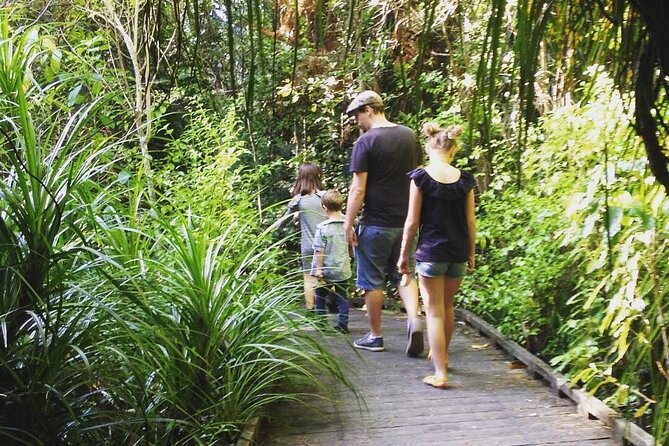
The two kiwi are part of the North Island Brown Kiwi Breeding Recovery Program. That information gives your visit a stronger reason for being there. You are not simply paying for access to a rare bird. You are also learning how Ngā Manu participates in the effort to support kiwi recovery.
The guide explains the kiwi and Ngā Manu’s contribution before taking you into the enclosure. I would pay close attention during this part, because the bird may not cooperate later. Even on a successful night, the background helps you understand why kiwi are protected and why a controlled viewing environment is useful.
The conservation connection also makes the no-photography and low-light rules easier to accept. The evening is designed around the birds first. The visitor experience matters, but it is not meant to turn the kiwi into a stage act.
You should also keep the program’s limits in mind. A conservation role does not make the birds predictable. The reserve can care for the habitat and guide your group, but it cannot order the kiwi to walk into view.
Is NZ$49.65 good value?
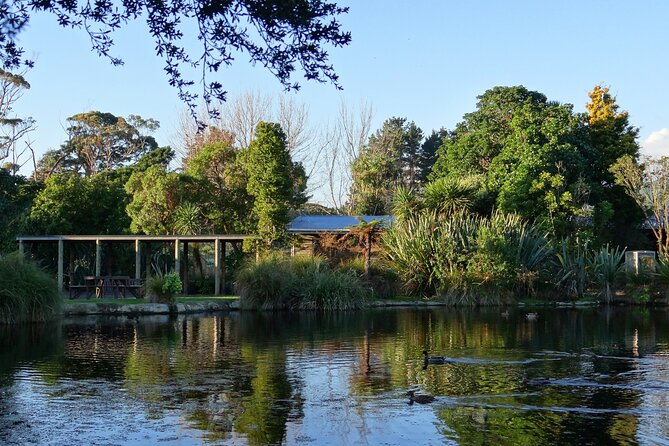
The price is NZ$49.65 per person. Whether that feels worthwhile depends on what you want from a night out.
For a guaranteed attraction with a fixed show, this may feel expensive. The encounter lasts around 90 minutes, there is one main stop, and photography is not included because it is not allowed. You could also finish the evening without seeing a kiwi.
For a small-group conservation encounter, the price is more reasonable. The group is limited to 10 people, the birds occupy a private habitat, a volunteer guide leads the visit, and the experience gives you a chance to see a national icon in a carefully managed night setting. Private tours are also available, although no private-tour price is provided.
I would consider the cost fair if you value access, conservation, and a quieter setting more than a guaranteed result. The strongest value comes when you see the kiwi close by. If the birds remain hidden, the educational part and the ruru sightings become more important, but the value will feel less certain.
The experience had been booked more than five times in the previous week, so popular dates may fill. That figure can change, but it suggests you should not leave the decision until the last minute if your schedule is fixed.
Who will enjoy this most?
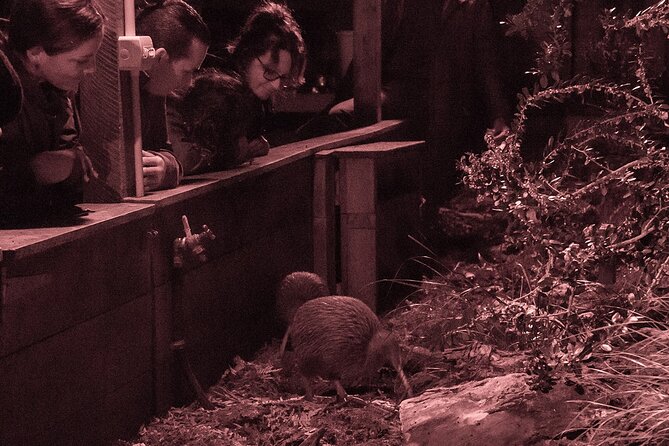
I would recommend the encounter to people who enjoy native animals, conservation, and slow observation. It suits anyone who would rather spend an evening quietly watching a habitat than moving through a long list of attractions.
It is also a good fit if you have already seen New Zealand’s daytime sights and want something less ordinary. The night setting changes the pace completely. You will not get broad views or a long route through the reserve. You will get darkness, careful guidance, and the chance to notice small movements.
Families and mixed-age groups may also enjoy it, provided everyone can remain quiet and patient. The maximum group size helps, but the birds still require calm behavior. People who need constant activity or a guaranteed photo may find the format frustrating.
I would be cautious about booking it as your only chance to see a kiwi. The sighting is not certain. If seeing one is essential, you may prefer to pair this with another kiwi-focused visit, though no other attraction is included here.
Timing, cancellation, and simple planning advice
The stated operating days are Thursday through Sunday, with evening hours from 8:30 PM to 10:00 PM. Confirmation is sent within 48 hours of booking, subject to availability.
The conflicting time information deserves attention. One booking showed a 6:45 PM start and an 8:15 PM finish, while the actual start was understood to be about 8:40 PM. Check your confirmation carefully and contact Ngā Manu if the time looks different from the reserve’s stated hours.
You receive a mobile ticket, and the meeting and end point are both at Ngā Manu Nature Reserve. No transport service is listed, so you need to arrange your own way to 74 Nga Manu Reserve Road.
Free cancellation is available if you cancel at least 24 hours before the local start time. Cancellations or changes made within 24 hours are not accepted for a refund. The activity also requires a minimum number of people, and if Ngā Manu cancels because that number is not reached, you can receive another date or experience, or a full refund.
FAQ
Where does the Kiwi Night Encounter begin?
It begins at 74 Nga Manu Reserve Road, Waikanae 5391, New Zealand.
Where does the experience end?
The activity ends back at the meeting point at Ngā Manu Nature Reserve.
How long does the encounter last?
The experience lasts approximately 1 hour and 30 minutes.
How many people can join?
The maximum group size is 10 people. Larger groups are handled in separate groups of up to 10 at a time.
When does the experience operate?
It operates Thursday through Sunday from 8:30 PM to 10:00 PM during the stated period from January 15, 2026 through February 18, 2027.
Are the kiwi guaranteed to appear?
No. The kiwi are wildlife, so they may choose not to come out during your visit.
Are photographs allowed?
No photography is allowed during the experience.
What is included?
Kneel pads are included. A mobile ticket is also provided for the booking.
Can I cancel for a refund?
Yes. You can receive a full refund if you cancel at least 24 hours before the local start time. Cancellations within 24 hours are not refunded.
Should you book the Ngā Manu kiwi encounter?
Book it if you want a small, quiet conservation experience and you can accept uncertainty. The private habitat, group limit of 10, ultra-red viewing, and two ruru make this more personal than a standard daytime animal visit.
Skip it if you need a guaranteed kiwi sighting, a fixed early-evening schedule, or photographs. Before paying, confirm the start time and leave room in your plans for a patient 90-minute visit. If the kiwi appears, the close encounter could be one of your most memorable New Zealand moments. If it does not, you will still have learned about the recovery program, but you may feel the price was harder to justify.
Just added in Wellington
- Wellington: Secret Realms of Middle-earth – Lothlorien★ 5.0 · 2 reviews
- Wellington Zoo General Entry Tickets★ 3.9 · 7 reviews
- Wellington: Remutaka Rail Trail Cycle Tour★ 4.9 · 17 reviews
- Wellington Helicopters Scenic Harbour Flight★ 4.4 · 19 reviews
- Wellington: Private custom tour with a local guide★ 4.6 · 3 reviews
- Wellington: Lord of the Rings Half-Day Guided Tour inc Weta★ 5.0 · 5 reviews
- Wellington: Martinborough Private Winery Tour with Lunch★ 5.0 · 3 reviews
- Wellington: Half-Day City Highlights Tour and Cable Car Ride★ 4.5 · 60 reviews
National Parks, compared.
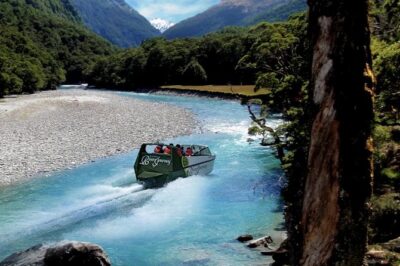
Jet Boat Journey through Fiordland National Park – Pure Wilderness
Read our review →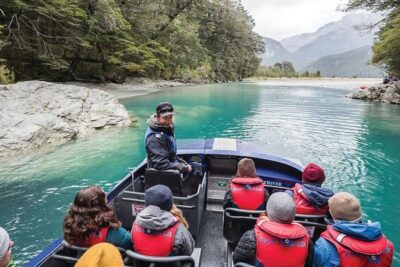
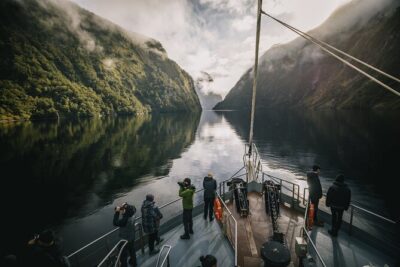
Doubtful Sound Wilderness Day Cruise from Manapouri
Read our review →
Waitakere Ranges Wilderness Experience Tour from Auckland
Read our review →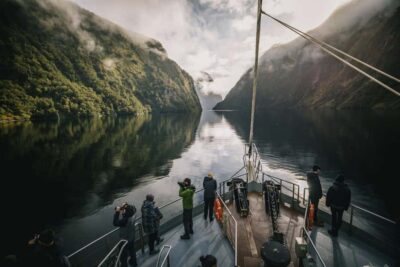
Browse the lists this tour appears in