
REVIEW · QUEENSTOWN TOURS
Kiwi Park Queenstown Admission
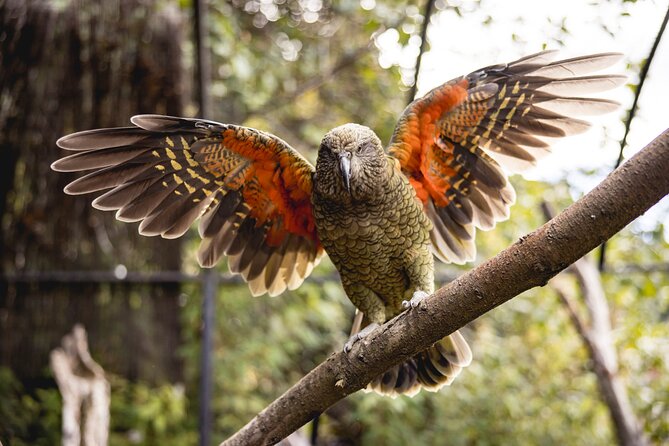
Kiwis come out after dark. Kiwi Park Queenstown gives you a rare look at New Zealand’s national bird, along with tuatara, kea, weka, parrots, pigeons, ducks, and birds of prey. The five-acre park sits in central Queenstown, close to the Skyline Gondola, so it is easy to fit into a day in town.
I especially like the nocturnal kiwi house, where the dim light suits the birds instead of forcing them into an artificial daytime routine. I also like the conservation show, which turns a simple animal visit into a useful lesson about breeding, rehabilitation, and releasing native wildlife back into the wild. The main drawback is price: at $39.72 per person, the park is small, and kiwi viewing can take patience in a very dark room.
- Kiwi encounters run several times daily, with different schedules from October through April and from May through September.
- The conservation show includes free-flying native birds, including kakariki and kereru.
- A tuatara encounter brings you close to one of New Zealand’s oldest and most unusual reptiles.
- Your ticket lasts all day, so you can return to a favorite enclosure or time your visit around the talks.
- The complimentary audio guide helps you explore at your own pace and is available in different languages.
- The park supports native wildlife conservation, including injured-animal rehabilitation and kiwi breeding for release.
In This Review
- A quiet wildlife park beside the Queenstown Gondola
- Plan the day around the kiwi encounter
- Why the conservation show is worth your time
- Meeting a tuatara, New Zealand’s ancient reptile
- A forest walk with birds, water, and audio stories
- Native species you may not spot in the wild
- Conservation work gives the admission more weight
- Is $39.72 good value for a small park?
- The practical way to visit
- Who will enjoy Kiwi Park most?
- Should you book Kiwi Park Queenstown?
- FAQ
- How long should I allow for Kiwi Park Queenstown?
- What are the Kiwi Park opening hours?
- Is kiwi viewing included in the admission price?
- What time are the kiwi encounters held?
- When are the conservation shows held?
- Is the park suitable for children?
- Is the park close to public transportation?
- Can I cancel for a refund?
A quiet wildlife park beside the Queenstown Gondola
Kiwi Park is tucked into central Queenstown, right near the entrance to the Skyline Gondola. That location matters. You do not need a car, a long transfer, or a full day away from town to see New Zealand wildlife.
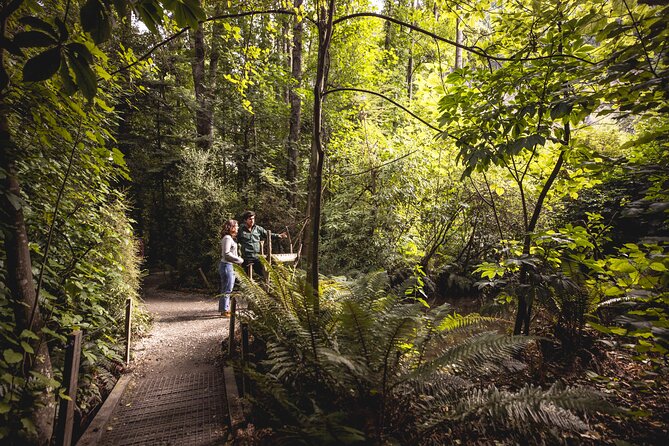
The park covers about five acres, or two hectares, with paths through native bush, trout-filled streams, bird enclosures, and nocturnal houses. It is not a huge zoo. Think of it as a compact introduction to local species, with the kiwi as the main event.
I would allow two to three hours. You can move faster if you care mainly about kiwi, and one family found that about an hour and a half was enough for a focused visit. If you attend the talks, use the audio guide, pause at the enclosures, and stop for a drink or snack at the cafe, two and a half hours feels more realistic.
The setting is one of the park’s best features. After entering near the base of the gondola, you move from the busy center of Queenstown into a greener, calmer area. The paths can be steep in places, so comfortable walking shoes are a good idea. Sun protection is also advised, even though several parts of the park are shaded.
Plan the day around the kiwi encounter
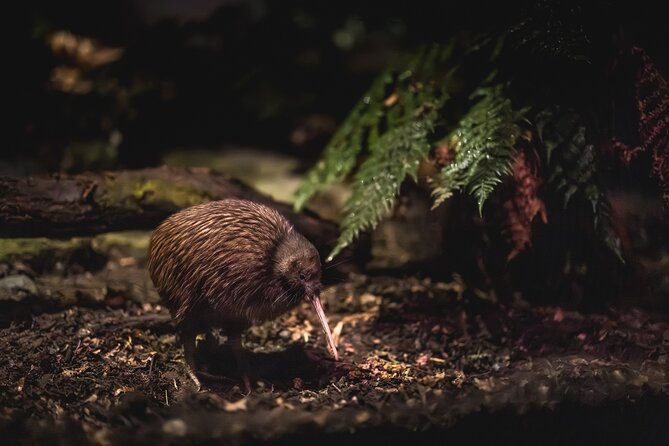
The kiwi house uses a darkened, nocturnal environment because kiwis are active at night and rest during daylight hours. This is the right choice for the birds, but it affects what you see. Do not expect a brightly lit enclosure with a kiwi posing in plain view.
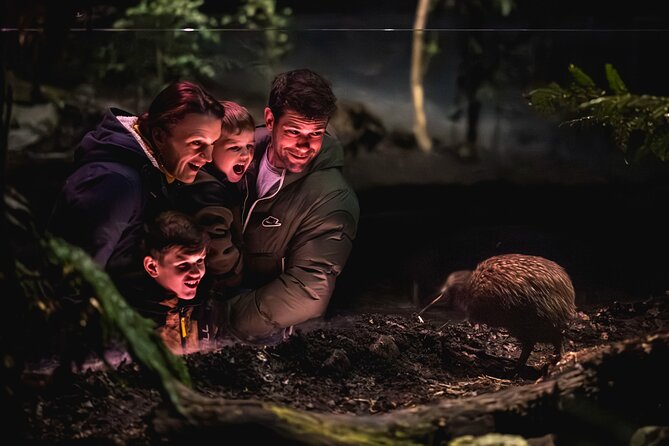
Your eyes need time to adjust. At first, you may see only movement or a shadow. After a few minutes, the kiwi’s shape becomes easier to follow as it searches for food and moves through the enclosure. The birds can be active, but they may also keep to darker corners.
Kiwi encounters are scheduled several times each day:
October through April:
- 10am
- 11am
- 12:15pm
- 1pm
- 2:15pm
- 3pm
- 4:15pm
- 5pm
May through September:
- 10am
- 11am
- 12:15pm
- 1pm
- 2pm
- 3:45pm
- 4:43pm
The times are unusually specific, so check the schedule when you arrive and plan around it. If seeing kiwi is your top goal, I would begin with the first available encounter or arrive early enough to make the 10am session. One particularly useful tip is to give yourself enough time in the dark room. Someone who walks in, looks for ten seconds, and leaves may decide the kiwi is impossible to see. Patience makes a real difference.
The first 50 people at one early visit received tokens for time inside the Kiwi House with a naturalist. The park’s exact procedure can change, so ask at entry if a token or timed arrangement is being used that day.
A few more to weigh up in Queenstown
- Queenstown: Walter Peak Gourmet BBQ & Lake Whakatipu Cruise
★ 4.8 · 2,713 reviews - Shotover River Extreme Jet Boat Ride in Queenstown
★ 5.0 · 2,540 reviews - Small Group, Award Winning Milford Sound Day Experience & Cruise
★ 5.0 · 2,416 reviews
Why the conservation show is worth your time
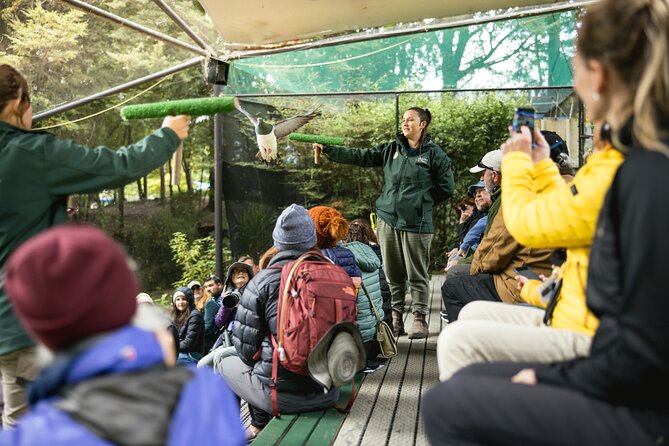
The New Zealand Conservation Show is held outdoors in a netted area, usually two or three times daily depending on the season. From October through April, shows are scheduled at 11:30am, 1:30pm, and 3:30pm. From April through September, they run at 11:30am and 3pm.
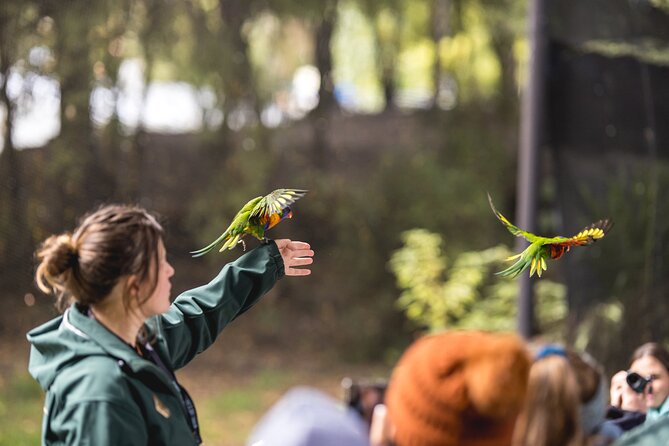
The show gives you a closer look at birds that are hard to spot in the wild. Kakariki, a native parakeet, and kereru, New Zealand’s wood pigeon, may fly freely within the enclosed area. You can also learn about birds of prey, pateke ducks, buff weka, and Antipodes Island parakeets.
This is more than a quick animal display. The presentation explains how native species live and why conservation work is needed. It also brings the subject to life with animals close enough for you to see their behavior rather than just read a label.
I would schedule the show near the beginning of your visit. It gives you useful background before you walk around the enclosures, and it helps you understand why a small park can still have value. The show may be outdoors, so a light rain jacket is sensible in Queenstown’s changeable weather.
Meeting a tuatara, New Zealand’s ancient reptile
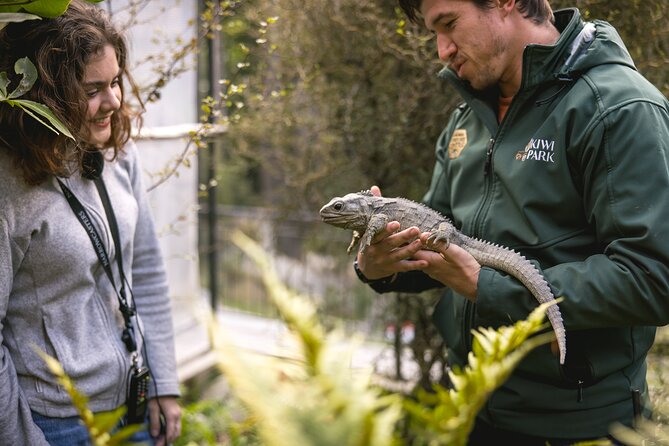
The Tuatara Encounter is one of the park’s most unusual stops. A tuatara may look like a lizard, but it is a distinct reptile with a very old lineage. The experience presents it as a kind of living dinosaur, a playful description that works well for children while still hinting at its age and rarity.
The encounter gives you a close view of this prehistoric-looking animal. It is a welcome change from a bird-only visit, especially for children who may not have much patience for small enclosures. One family described their children thinking the kiwi looked like little dinosaurs, so the tuatara is likely to get the same reaction.
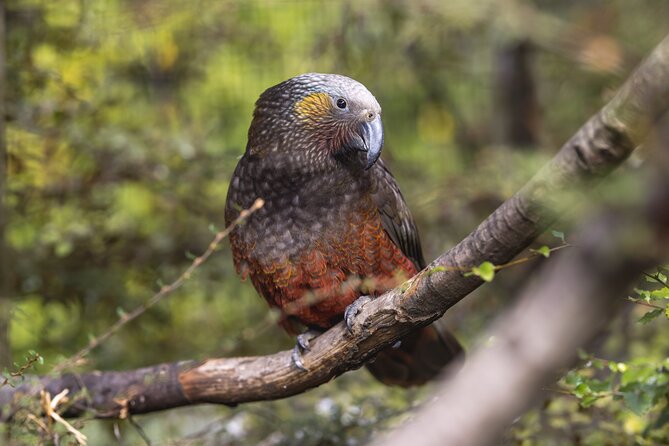
The park also holds many other native birds, including kea. Several parts of the park let you get unusually close to birds, and some enclosures can be entered. That makes the visit feel more personal than walking past distant animals behind thick barriers.
A forest walk with birds, water, and audio stories
Between the scheduled presentations, follow the forest paths at your own speed. Trout-filled streams add sound and movement to the walk, while the native bush gives the park a more natural setting than a row of standard zoo cages.
The complimentary audio guide is useful here. You can listen as you go rather than trying to absorb every sign. Different language options are available, including Mandarin, which helps families and children who are less comfortable listening to English.
The audio tour also gives you control over the pace. If a child wants to spend ten minutes watching a kea, you do not need to hurry to keep up with a group. If you have only a short window before the gondola, you can focus on the kiwi house, tuatara, and conservation show.
The park map helps with navigation, although the entrance and internal signage may not be immediately clear. Ask staff to point out the route and show times when you arrive. That small step can save you from missing a presentation.
A completely different sort of day out:
- Milford Sound Fly-Cruise-Fly Tour from Queenstown
★ 5.0 · 1,792 reviews - Queenstown: Shotover River and Kawarau River Jet Boat Ride
★ 4.7 · 1,682 reviews - From Queenstown: Milford Sound Cruise and Coach Day Tour
★ 4.7 · 1,681 reviews - From Queenstown: Milford Sound Full-Day Trip by Plane & Boat
★ 4.9 · 1,558 reviews
Native species you may not spot in the wild
Kiwi Park includes more than 20 native bird species. The list includes several animals that are difficult to see during an ordinary trip around New Zealand.
The kea is one of the highlights. This large alpine parrot is famous for its intelligence and strong personality. Seeing one at close range gives you a better sense of its size and expressive behavior.
The kereru is another worthwhile stop. New Zealand’s native wood pigeon has a distinctive shape and flight, but it can be easy to miss in the bush. The conservation show gives you a better chance to see one clearly.
The kakariki, or native parakeet, adds color and energy. The park also introduces you to buff weka, pateke, Antipodes Island parakeets, and birds of prey. For someone new to New Zealand wildlife, this range makes the park a useful first lesson.
The enclosures are not meant to imitate a wilderness hike perfectly. They give you a reliable chance to see species that may remain hidden in the wild, while also supporting care and breeding work.
Conservation work gives the admission more weight
The best reason to visit is not simply to check kiwi off your list. Your entry supports a park involved in the rehabilitation of injured wildlife and the breeding of kiwi for release into the wild.
The talks explain the work more clearly than a short sign could. You learn about young kiwi being raised until they reach a safer age, then returned to natural areas. That context changes the experience. You are not just looking at an unusual bird in a dark room. You are seeing part of a wider effort to protect a species that is closely tied to New Zealand’s identity.
The park is run with donations as part of its support model, and several parts of the experience encourage you to think about protecting native ecosystems. The conservation show is especially helpful for families because it turns a visit into something children can understand and remember.
Is $39.72 good value for a small park?
At $39.72 per person, Kiwi Park is not a bargain attraction in the same way as a free walking trail. Its value depends on what you want from your Queenstown day.
If you have always wanted to see a kiwi, the admission can be worthwhile. Kiwi are nocturnal, shy, and difficult to spot in the wild. The park gives you a dependable opportunity, along with staff talks that explain what you are seeing.
The ticket is also valid for the entire day. That helps if you want to split the visit around other Queenstown plans. You can attend the conservation show, explore the birds, leave for lunch or the gondola, and return later for a kiwi session if the schedule allows.
The price feels less convincing if you expect a large zoo with many mammals and hours of entertainment. The park is compact, and the kiwi enclosure is intentionally dark. Some people find the birds hard to see, and the number of animals may feel limited for the admission cost.
I see the price as fair for a focused conservation attraction, especially if you attend both the kiwi encounter and the conservation show. It is less compelling for someone who only wants a quick walk through animal enclosures.
The practical way to visit
The park is open daily from 9:30am to 5:30pm. Since the ticket lasts all day, you have room to plan around weather and scheduled sessions.
A good plan is:
- Arrive near opening if kiwi are your main reason for coming.
- Check the day’s kiwi encounter and conservation show times.
- Attend the conservation show first if the timing works.
- Walk the bird enclosures and forest paths with the audio guide.
- Visit the tuatara encounter.
- Return to the kiwi house with enough time for your eyes to adjust.
There is no hotel pickup or drop-off, and parking is not included. The park is near public transportation and sits in central Queenstown, so it is practical to reach without arranging a private transfer.
Wear comfortable shoes. Bring sun protection, and be ready for an outdoor show. The cafe offers tea and a bite to eat, while a gift shop and honey shop provide small extras after the wildlife visit.
The park is family-friendly, and most people can take part. For anyone with mobility concerns, ask about the steeper sections before setting out. The paths are manageable for many people but are not completely flat.
Who will enjoy Kiwi Park most?
I would recommend Kiwi Park to families, first-time visitors to New Zealand, bird lovers, and anyone determined to see a kiwi. Children get close views of unusual animals, while adults get a clearer explanation of conservation work than they might receive from a standard zoo visit.
It also suits a rainy or cold Queenstown day. Some parts are outdoors, but the kiwi house and other covered exhibits give you a useful break from poor weather. The central location makes it easy to combine with the gondola or other town activities.
You may want to skip it if you have already seen kiwi in a conservation center and do not care much about birds. The park is small, and the admission may feel high if you want a full-day animal attraction.
Keep noise down in the kiwi house. Children may be excited, but loud voices can make the viewing less pleasant and may disturb the experience for everyone. A calm visit is the best way to see movement in the darkness.
Should you book Kiwi Park Queenstown?
Book it if seeing a real kiwi matters to you. The park gives you one of the easier chances to see New Zealand’s national bird, and the conservation show, tuatara, kea, and native bird collection make the visit more than a single dark enclosure.
I would book with a simple plan: arrive early, attend at least one conservation show, and allow two hours or more. If you want a large zoo, you may find the park too small for $39.72. If you want a central, educational introduction to New Zealand wildlife that supports active conservation work, it is a worthwhile Queenstown stop.
Free cancellation is available up to 24 hours before the experience begins. Canceling less than 24 hours ahead does not qualify for a refund, and changes inside that period are not accepted.
FAQ
How long should I allow for Kiwi Park Queenstown?
Plan on about two to three hours. A shorter visit is possible if you focus on the kiwi house, while the talks, audio guide, forest walk, and bird enclosures can fill more of the day.
What are the Kiwi Park opening hours?
The park is open Monday through Sunday from 9:30am to 5:30pm.
Is kiwi viewing included in the admission price?
Yes. Kiwi viewing, the audio guide, and the conservation show are included in the admission ticket.
What time are the kiwi encounters held?
From October through April, kiwi encounters are scheduled at 10am, 11am, 12:15pm, 1pm, 2:15pm, 3pm, 4:15pm, and 5pm. From May through September, they are scheduled at 10am, 11am, 12:15pm, 1pm, 2pm, 3:45pm, and 4:43pm.
When are the conservation shows held?
From October through April, shows are held at 11:30am, 1:30pm, and 3:30pm. From April through September, shows are held at 11:30am and 3pm.
Is the park suitable for children?
Yes. The park is family-friendly, and most people can participate. Children can see kiwi, tuatara, kea, and other native species, along with educational presentations.
Is the park close to public transportation?
Yes. Kiwi Park is near public transportation and is located in central Queenstown, close to the Skyline Gondola entrance.
Can I cancel for a refund?
You can receive a full refund if you cancel at least 24 hours before the experience start time. Cancellations and changes made less than 24 hours before the start time are not accepted for a refund.
Just added in Queenstown
- Thrillzone Queenstown: Multiplayer Virtual Reality★ 5.0 · 3 reviews
- The Grand Circle 35-Minute Helicopter Tour & Alpine Landing★ 5.0 · 6 reviews
- Taupo: Lake Taupo Western Bays Catamaran Tour with Bush Walk★ 4.6 · 11 reviews
- Kinloch: Lake Taupo Catamaran Cruise with Paddleboarding★ 5.0 · 4 reviews
- Queenstown: Tasman Glacier Helihike with Flight Transfers★ 3.9 · 9 reviews
- Queenstown: Scenic Alpine Heli-Flight★ 4.7 · 88 reviews
- Scenic Blue Ice Glacier Flight from Glenorchy | 40 min★ 5.0 · 1 review
- Queenstown: White Water Surfing Along the Kawarau River★ 4.6 · 30 reviews
Queenstown Tours, compared.

Walter Peak Gourmet BBQ & Lake Whakatipu Cruise
Read our review →
Shotover River Extreme Jet Boat Ride in Queenstown
Read our review →
Small Group, Award Winning Milford Sound Day Experience & Cruise
Read our review →
Milford Sound Fly-Cruise-Fly Tour from Queenstown
Read our review →
Shotover River and Kawarau River Jet Boat Ride
Read our review →

Browse the lists this tour appears in