
REVIEW · CYCLING TOURS
Master the bike park: Guided coaching + uplift included
Queenstown’s trails reward control. This four-hour session combines expert coaching with lift access, giving you time to work on braking, body position, and line choice while riding the Queenstown bike park. I like the mix of long beech-forest flow trails and jump lines with room to progress. I also like the tiny group size, capped at four riders, which should leave more time for useful feedback.
The main caution is simple: you need prior mountain-bike experience and enough fitness for about three hours of downhill riding, with some pedaling between the lift and trail starts. At $194 per person, this is not a casual sightseeing outing. It makes the most sense if you want to improve your riding, not just roll around and take in the views.
In This Review
- Key points for choosing this Queenstown bike session
- Four hours in the Queenstown bike park
- Pickup, equipment, and the start of the ride
- Riding up with the Skyline Gondola
- The three skills that shape the session
- Braking without panic
- Body position for balance
- Reading terrain before it arrives
- Flow trails through the beech forest
- Jump trails with room to build confidence
- What the small group changes
- Is $194 good value?
- What to bring and how to pace yourself
- Who should book this experience?
- Should you book Master the Bike Park?
- FAQ
- How long does the Queenstown bike park experience last?
- Is prior mountain-bike experience required?
- How many people are in each group?
- Is pickup included?
- Are bike rentals and protective gear included?
- What skills will the instructor teach?
- What should I bring?
- Can I cancel for a full refund?
Key points for choosing this Queenstown bike session
- Four hours on lift-accessed terrain: The gondola helps you spend more time riding and less time climbing.
- Small groups of four or fewer: A compact group gives the instructor a better chance to watch your technique.
- Coaching starts with the basics: Braking, body position, and terrain reading form the backbone of the session.
- Flow and jump trails offer progression: You can work from easier features toward more demanding lines as your skills allow.
- Bike and gear setup are handled: Rental bikes are adjusted for your height and weight, and protective equipment is checked for fit.
- Queenstown pickup is available: A courtesy shuttle operates within a 20-kilometre radius, with earlier pickup times for places farther out.
Four hours in the Queenstown bike park
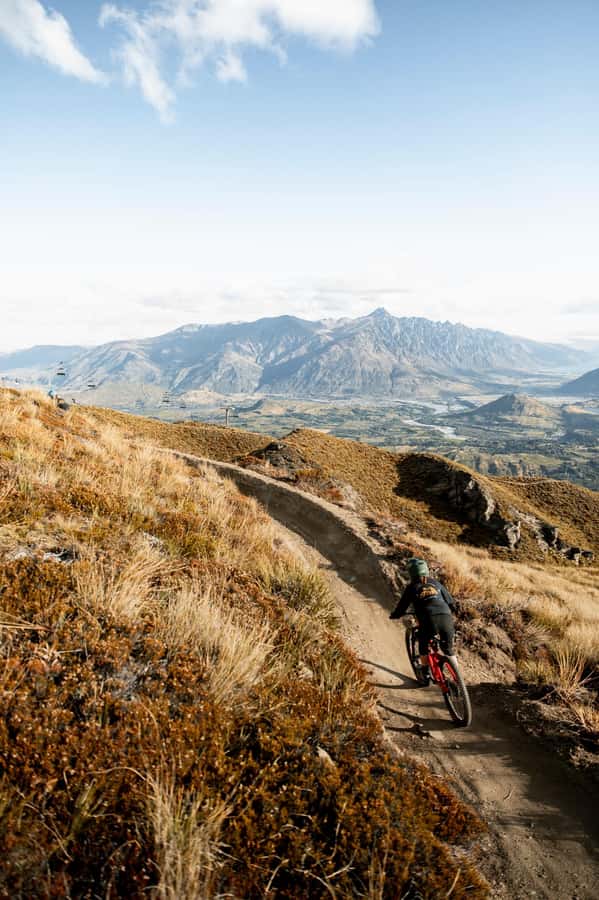
This experience is built around a straightforward idea: use the Queenstown Skyline Gondola to reach the bike park, then spend the bulk of your time riding with an instructor nearby.
That lift access matters. Downhill riding can give you more actual trail time than a standard mountain-bike outing, but the session still requires work. You will pedal in places, move between trail starts, and manage your energy across four hours. The advertised fitness level is enough for roughly three hours of downhill riding, so do not confuse lift access with an effortless day.
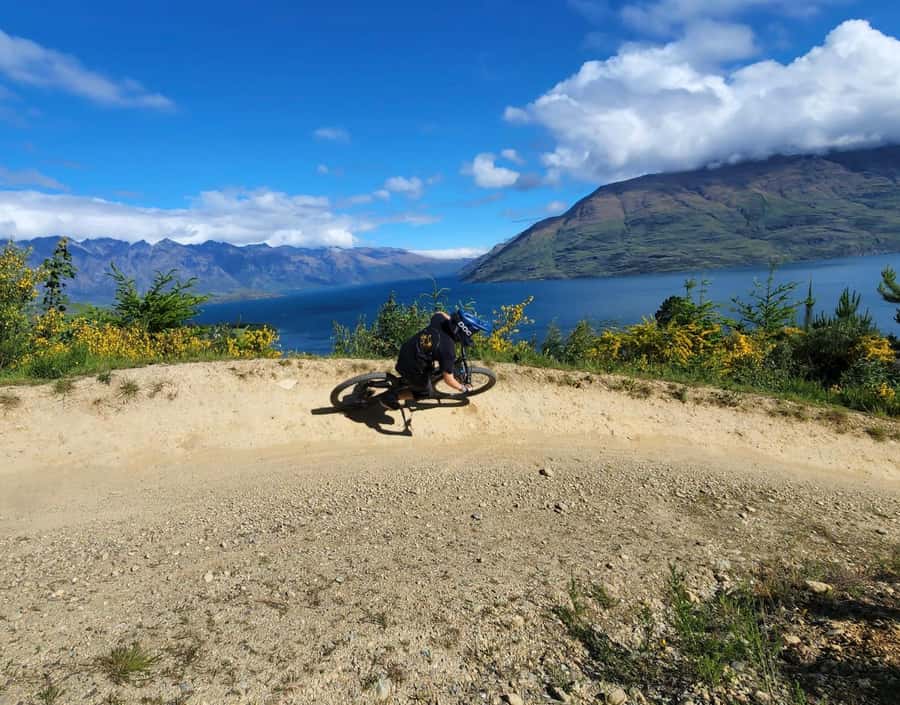
The bike park offers a useful mix for skill building. You can expect long, winding corners, beech forest trails, flow sections, and several jump trails with different progression options. That variety lets the instructor match the terrain to your ability instead of forcing everyone onto one fixed route.
Your exact lines will depend on your experience. The promise is not that every rider tackles the biggest feature in the park. The value is in choosing terrain that challenges you without turning every run into a survival exercise.
More Bike Tours in Queenstown
- Queenstown: Quad Biking Experience
★ 4.9 · 436 reviews - Otago Central Rail Trail One Day Wonder Cycle tour
★ 5.0 · 300 reviews - CHP Bike Rentals Cromwell
★ 5.0 · 280 reviews
Pickup, equipment, and the start of the ride
Pickup is available in Queenstown, with a courtesy shuttle covering a 20-kilometre radius. If you are staying farther away, you should be ready earlier. Someone based in Arrowtown, for example, should plan to be ready one hour before the activity begins.
That early timing can matter on a riding day. You do not want to arrive rushed, still sorting out transport, clothing, or rental details. Have your outdoor clothes and hiking shoes ready, and keep sunscreen, medication, water, and snacks within reach.
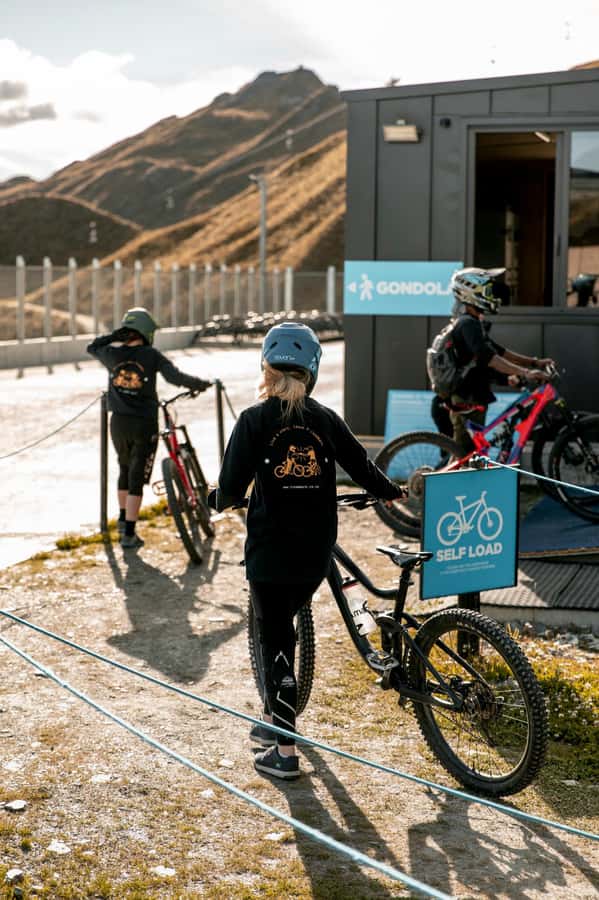
If rental bikes are part of your booking, the operator collects and sets them up using the height and weight information supplied at booking. This is one of the most practical details here. A bike that fits properly is easier to control, especially when you are learning to brake smoothly or hold a steady position through turns.
Protective gear can also be hired and fitted for you. The information does not specify which items are available, so you should confirm your personal equipment needs when booking. The useful point is that the fitting is treated as part of the preparation, rather than left entirely to you at the trailhead.
Your passes and rental equipment are collected in advance, so the aim is to get you riding once you are at the gondola. That saves time, particularly in a four-hour session where every run counts.
Riding up with the Skyline Gondola
The itinerary begins with the Queenstown Skyline Gondola. From there, the mountain-bike session takes over for four hours.
The gondola is more than transport. It gives the session its downhill rhythm, allowing you to reach the upper part of the bike park without riding the full climb under your own power. You still need to pedal at points, but the lift makes repeated runs practical.
For a first-time bike-park rider, that setup can feel demanding at the start. A gondola-accessed trail system gives you choices, but it also puts you on terrain that may be steeper or more technical than ordinary cycle paths. That is why the prior mountain experience requirement matters.
I would arrive ready to listen before chasing speed. The goal is to learn how to manage the bike, then let speed come as a result of better control. The instructor sets the foundations early, so the first part of the session is likely to feel more like a lesson than a race.
The three skills that shape the session
A completely different sort of day out:
- Queenstown: Walter Peak Gourmet BBQ & Lake Whakatipu Cruise
★ 4.8 · 2,713 reviews - Shotover River Extreme Jet Boat Ride in Queenstown
★ 5.0 · 2,540 reviews - Small Group, Award Winning Milford Sound Day Experience & Cruise
★ 5.0 · 2,416 reviews - Milford Sound Fly-Cruise-Fly Tour from Queenstown
★ 5.0 · 1,792 reviews
Braking without panic
Good braking is the difference between control and a rushed, uncomfortable descent. You will work on modulating the brakes, using the front and rear brakes effectively, and managing speed without skidding.
That sounds basic, but braking technique becomes harder when the trail tilts down, turns sharply, or changes surface. A rider who grabs both levers suddenly can lose balance or slide. A rider who never uses enough brake may arrive at a corner too fast.
The useful coaching point is moderation. You want to slow the bike before a turn, carry a manageable speed into it, and avoid leaving all your braking until the last second. This is the sort of skill that stays useful long after the Queenstown session ends.
Body position for balance
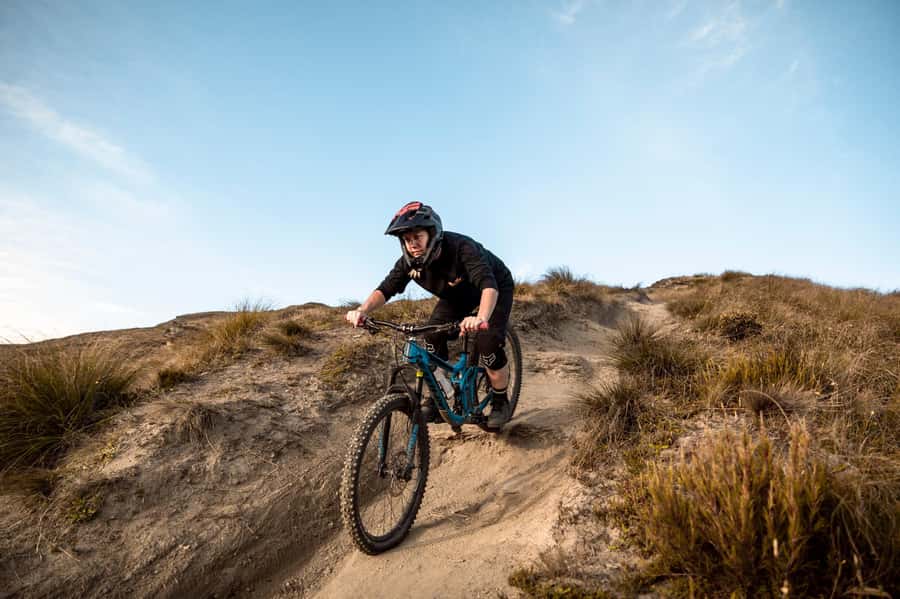
The instructor also works on how you use your body over the bike. Body position affects balance, cornering, obstacle control, and your ability to handle rougher sections.
You will learn to shift your weight in response to the trail rather than locking yourself into one stiff posture. That matters on flow trails, where turns come in sequence, and on rougher ground, where the bike needs room to move beneath you.
This is also where coaching can save time. Many riders sense that something feels wrong but cannot identify whether the problem is their arms, hips, braking, or line. A small group gives the instructor a better chance to watch and correct those habits while they are happening.
Reading terrain before it arrives
Terrain analysis means looking ahead and deciding how to approach the ground in front of you. You will work on assessing trail conditions, choosing a line, and adapting to rocky sections, roots, mud, and steeper gradients.
The benefit is not only technical. Reading the trail early helps you make decisions before the bike is committed. You can spot the easier line, prepare your braking, and place the bike where you want it instead of reacting at the last moment.
That skill should be especially useful in a park with a large range of trails. You are not learning one trick for one run. You are learning a way to deal with changing surfaces and different levels of challenge.
Flow trails through the beech forest
The flow trails are likely to be the most approachable part of the experience for many riders. Long, winding corners and continuous beech forest sections give you room to practise rhythm, braking, and body position without jumping straight into the biggest features.
A flow trail can look easy from the side and still expose weak habits. If you enter a corner too fast, brake in the wrong place, or sit too rigidly, the next turn arrives before you have recovered. The instructor can help you link the sections together rather than treating every corner as a separate emergency.
The forest setting also gives the ride a strong sense of place. You are not simply repeating drills on a featureless training track. You are building technique while moving through Queenstown’s mountain bike terrain, with the trail itself providing the lesson.
The exact trail choice will depend on your abilities. That is a strength, but it also means you should not expect a fixed sightseeing route. The focus is on appropriate coaching and riding progress.
Jump trails with room to build confidence
The bike park includes multiple jump trails and progression options. This does not mean you must launch every jump you see. It means you have a better chance of finding features that match your current level and give you a sensible next step.
A good progression is measured. You might first work on speed, body position, and keeping the bike stable, then approach larger or more technical features when the instructor believes you are ready. The available information does not promise a particular number of jumps or a specific jump line, so the session should be judged by the quality of the coaching rather than by how many features you complete.
If jumps are your main reason for booking, tell the instructor early. If they are not your interest, the flow and forest trails still provide plenty to work on. That flexibility is helpful for mixed groups, although the group limit of four does not guarantee that every rider will receive identical terrain or coaching goals.
What the small group changes
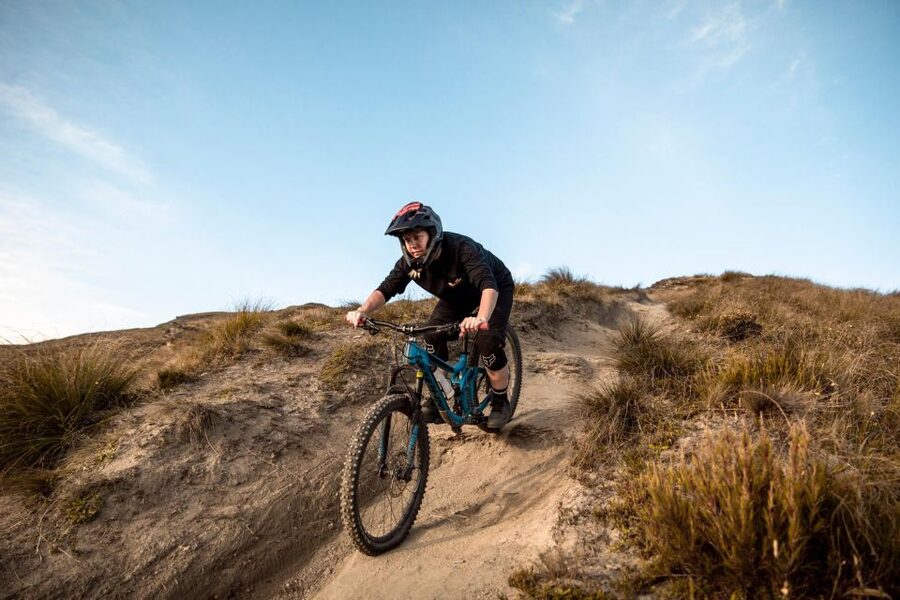
With a maximum of four participants, this is much more personal than a large skills clinic. The instructor can pay attention to how you brake, where you look, how you move on the bike, and which trail choices suit your current control.
A verified booking from March 2024 gave the experience a five-out-of-five rating. Manuel Martinez of Mexico singled out the guide’s preparation, clear explanations, enjoyable teaching style, and the range of trails for different levels. The guide’s name is not provided, so I cannot give you a personal name to request.
That praise points to the strongest part of the experience: the instructor is not simply leading a ride. The job is to explain what you need to know, then help you apply it on real terrain. For a rider who wants to return home feeling more capable, that is more valuable than a guide who only points toward the next trail.
Small groups have limits, too. The session is still shared, so you may wait while another rider receives advice or works through a feature. Even so, four people is a reasonable ceiling for a hands-on lesson.
Is $194 good value?
At $194 per person, the price is fair if you use the coaching and included services. It covers the four-hour guided ride, lift access, passes, and the collection and setup of rental bikes and protective equipment when those rentals are included in your booking.
The setup work has real value. Correct bike settings and a properly fitted helmet or other protective gear can affect comfort and control. You are also paying for a guide who can help you make better use of the park, rather than leaving you to guess which trail fits your level.
The price is less attractive if you already know the Queenstown bike park well and only want independent riding. In that case, the coaching may not add enough for you. But if you are still building confidence, a few clear corrections can prevent a full day of repeating the same mistakes.
The four-hour length is another point in its favor. It is long enough to establish technique, try it on several types of terrain, and finish with a stronger sense of what to practise next. It is not an all-day marathon, which may suit riders who have other Queenstown plans.
You can reserve now and pay later, and cancellation is free up to 24 hours before the activity for a full refund. Those terms give you some flexibility when planning an outdoor activity, though you still need to account for the physical demands before booking.
What to bring and how to pace yourself
Bring outdoor clothing, hiking shoes, drinking water, and snacks. Lunch is not provided, although the group may stop for food if everyone wants to.
I would treat the snack advice seriously. Four hours of riding, even with lift access, can drain your energy. Keep food easy to reach, and do not wait until you are already tired to eat.
Carry sunscreen and any medication you may need. The activity takes place outdoors, and the operator specifically asks you to bring both. Alcohol and drugs are not allowed.
Most important, be honest about your experience. You need prior mountain-bike experience, not just comfort on a flat cycle path. You also need relative fitness for about three hours of downhill riding and some pedaling to reach trailheads.
Who should book this experience?
This suits a mountain biker who already handles basic off-road riding and wants to improve technique in a proper bike park. It is a strong fit if you want help with corners, braking, rough ground, line choice, or gradual progress on jump trails.
It also suits riders who prefer instruction over trial and error. The guide can help you identify a problem quickly, which is useful when you have only a few days in Queenstown.
I would be cautious about booking if you are a complete beginner, uncomfortable on steep terrain, or not fit enough for several hours of riding. Lift access reduces the climbing, but it does not remove the physical work or the need to control a mountain bike downhill.
The session is conducted in English. You should also be comfortable following spoken instruction while riding.
Should you book Master the Bike Park?
Book it if you have prior mountain experience and want more than a rental-bike outing. The strongest reasons are the compact group, hands-on instruction, proper bike and gear setup, and access to a broad mix of Queenstown trails.
I especially like that the coaching focuses on skills with lasting use: braking, body position, and reading terrain. The flow trails and jump options give you ways to apply those lessons, while the lift keeps the session focused on riding.
Skip it if you only want a relaxed ride, have no mountain-bike background, or plan to spend most of your time sightseeing. At $194, this is best treated as a skills session with memorable terrain, not a cheap way to borrow a bike for a few hours.
FAQ
How long does the Queenstown bike park experience last?
The activity lasts four hours, including the guided mountain-bike session accessed from the Queenstown Skyline Gondola.
Is prior mountain-bike experience required?
Yes. You need prior mountain experience before booking. The ride also requires enough fitness for about three hours of downhill riding, plus some pedaling to reach trailheads.
How many people are in each group?
The group is limited to four participants.
Is pickup included?
Yes. Pickup is included in Queenstown, and a courtesy shuttle operates within a 20-kilometre radius of the Queenstown area.
Are bike rentals and protective gear included?
Rental bikes and protective gear are included when those items are part of your booking. The operator collects rental bikes and adjusts them using the height and weight information provided, and checks that hired protective gear fits correctly.
What skills will the instructor teach?
The session covers braking techniques, body position, and terrain analysis. You will work on speed control, balance, line choice, and adapting to rocky sections, roots, mud, and steeper gradients.
What should I bring?
Bring outdoor clothing, hiking shoes, snacks, drinking water, sunscreen, and any medication you may need. Lunch is not provided, though the group may stop for food if everyone wishes.
Can I cancel for a full refund?
Yes. You can cancel up to 24 hours in advance for a full refund. You can also reserve the activity and pay later.
Just added in Queenstown
- Thrillzone Queenstown: Multiplayer Virtual Reality★ 5.0 · 3 reviews
- The Grand Circle 35-Minute Helicopter Tour & Alpine Landing★ 5.0 · 6 reviews
- Taupo: Lake Taupo Western Bays Catamaran Tour with Bush Walk★ 4.6 · 11 reviews
- Kinloch: Lake Taupo Catamaran Cruise with Paddleboarding★ 5.0 · 4 reviews
- Queenstown: Tasman Glacier Helihike with Flight Transfers★ 3.9 · 9 reviews
- Queenstown: Scenic Alpine Heli-Flight★ 4.7 · 88 reviews
- Scenic Blue Ice Glacier Flight from Glenorchy | 40 min★ 5.0 · 1 review
- Queenstown: White Water Surfing Along the Kawarau River★ 4.6 · 30 reviews
Cycling Tours, compared.
The Classic: our most popular electric bike tour of Auckland’s Highlights
Read our review →
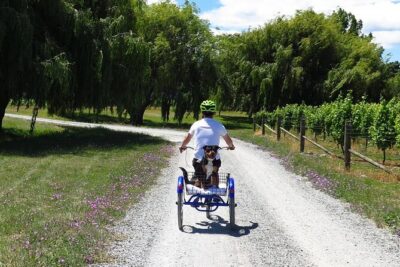
Self-Guided Wine Tours by Bike with Lorelle & Greg
Read our review →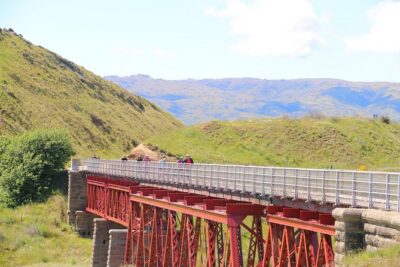
Otago Central Rail Trail One Day Wonder Cycle tour
Read our review →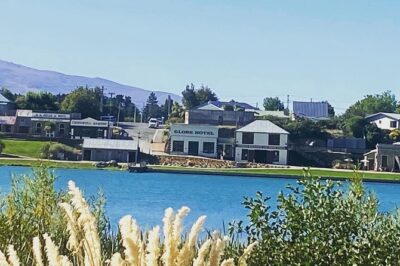
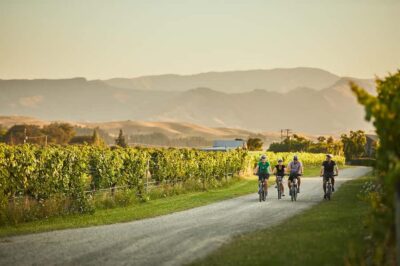
Marlborough: Full-Day Self-Guided Biking Wine Tour
Read our review →
Browse the lists this tour appears in