
REVIEW · WALKING TOURS
Nelson: Brook Waimārama Sanctuary Guided Night Walk
Night changes the forest. This 105-minute walk at Brook Waimārama Sanctuary gives you a rare look at New Zealand wildlife after sunset, with glowworms, tuatara, insects, ruru calls, and perhaps a kiwi call in the dark. I like the easy 10-minute drive from Nelson and the small-group setting, which makes it easier to hear the guide and pause quietly for wildlife.
I also like that the tour explains real conservation work, including predator control, habitat repair, and the movement of native species into a protected area. The main drawback is simple: kiwi sightings are never promised. You may hear one, as some people did, but the walk can turn into a close look at insects, geckos, wētā, tuatara, and glowworms instead.
In This Review
- Key points to know before you go
- Why the forest feels different after sunset
- Beginning at the Visitor Centre
- Entering the 690-hectare sanctuary
- Listening for ruru and kiwi pukupuku
- Glowworms and the small creatures underfoot
- What the guide adds to the evening
- Is $34 a fair price?
- Who should book this walk?
- Booking and cancellation basics
- Should you book the Brook Waimārama night walk?
- FAQ
- How long does the Brook Waimārama Sanctuary night walk last?
- How much does the experience cost?
- How far is the sanctuary from Nelson city centre?
- Is transportation included?
- What wildlife might I hear or see?
- What is included in the ticket?
- What should I bring, and who cannot join?
Key points to know before you go
- 690 hectares of protected forest: You are exploring New Zealand’s largest fully fenced eco-sanctuary.
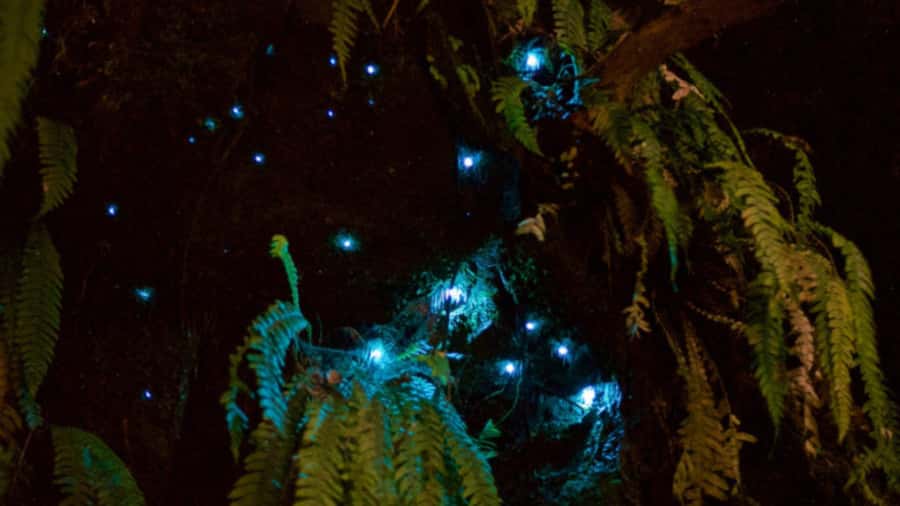
- Glowworms after dark: The small blue-green lights can be one of the evening’s most memorable sights.
- Kiwi are possible, not guaranteed: You may hear kiwi pukupuku or notice movement, but silence is part of wildlife watching.
- A short trip from Nelson: The sanctuary is about 10 minutes from the city centre, though transport is not included.
- A warm drink is included: Your ticket covers a hot beverage, biscuit, guide, and red head torch.
- Small and selective: Booking information lists a maximum of eight people, while the wider tour description refers to groups of up to 10, so check the exact group size when booking.
Why the forest feels different after sunset
Brook Waimārama Sanctuary is not simply a place to take a nighttime stroll. It is a protected forest where the dark changes what you notice. During the day, your eyes do most of the work. At night, you depend on sound, patience, and the narrow beam of a red head torch.
The sanctuary covers 690 hectares and is fully fenced to protect native species from introduced predators. That matters because much of New Zealand’s wildlife evolved without the mammalian predators that later arrived in the country. A fenced sanctuary gives species such as tuatara, kākāriki karaka, and kiwi pukupuku a safer place to live and recover.
I like the way this setting gives the walk a purpose beyond sightseeing. You are not just hoping for a lucky animal encounter. You are learning why this protected forest exists, how it is managed, and what it takes to give native species a fighting chance.
The night also brings a quieter kind of excitement. You may hear leaves move before you can see anything. You may pause for an owl call, scan the ground for insects, or wait while the guide points out a faint glow in the vegetation. The experience rewards patience more than speed.
More Walking Tours in Nelson
- Abel Tasman: Sea Shuttle Cruise and Walking Tour Combo
★ 4.6 · 704 reviews - Abel Tasman National Park: Sailing and Self-Guided Walk
★ 4.8 · 238 reviews - Kayak & Walk
★ 5.0 · 161 reviews
Beginning at the Visitor Centre
Your evening starts inside the Brook Waimārama Sanctuary Visitor Centre. This is where your English-speaking guide welcomes the group and explains the sanctuary’s conservation work before you enter the forest.
The opening discussion is an important part of the experience. It covers habitat restoration, predator management, and translocations, the process of moving native animals into safer areas. This background helps you understand why the sanctuary is fenced and why quiet, careful behavior matters once you are on the track.
The early talk has received strong praise for being clear, engaging, and useful. One guide, Emma, was singled out for making the introduction exciting, while another guide, Bo, was praised for being friendly and highly capable. The guides are clearly central to the experience, since much of the wildlife is heard rather than seen.
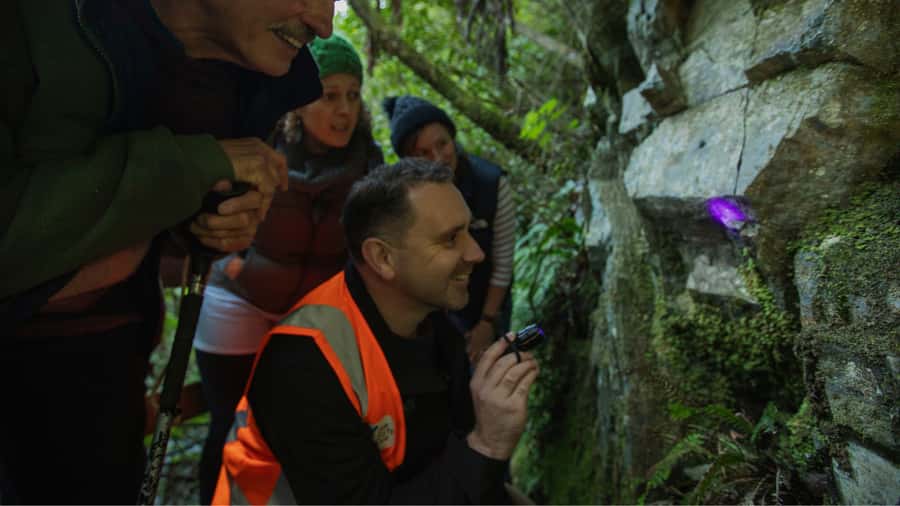
The guide also gives you the red head torch that helps you move through the forest. Red light is useful on a night walk because it gives you a way to see without turning the outing into a bright, artificial spectacle. You still need to watch your footing, but the light keeps the mood dark and calm.
Entering the 690-hectare sanctuary
Once you leave the Visitor Centre, the tour moves into the ngahere, the Māori word for forest. The walk lasts 105 minutes, so you have enough time to settle into the darkness rather than rush from one animal sighting to the next.
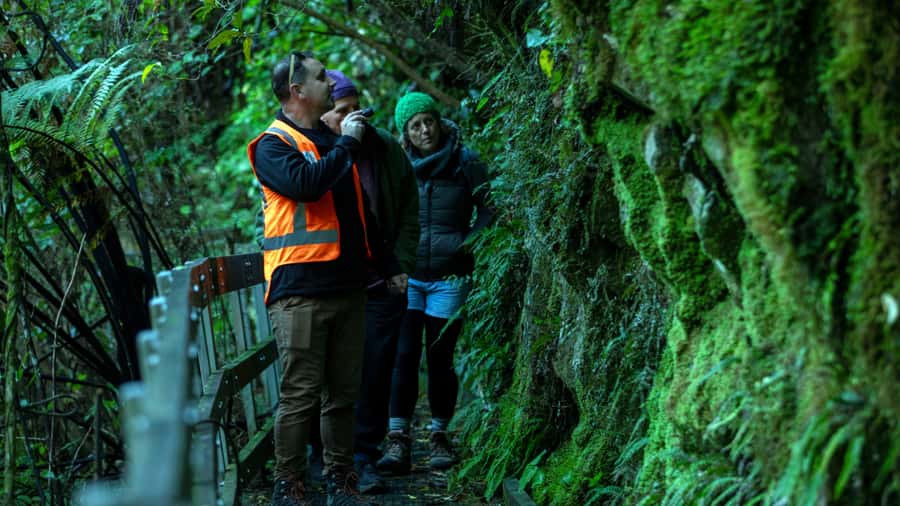
You will follow your guide through the protected native forest while listening for nocturnal movement. The guide explains the behavior of the animals you might encounter and helps you look in the right places. This is useful because many small creatures are easy to miss without trained eyes and a patient pace.
The walk is not presented as a high-speed hike. It is a guided wildlife search, with pauses built into the evening. You may stop to listen for an owl, examine a patch of vegetation, or wait quietly near signs of animal activity.
That slower rhythm is a strength, but it may not suit everyone. If you want constant action or guaranteed sightings, this tour could feel quiet. If you enjoy the suspense of not knowing what will appear next, the pace works well.
A low level of fitness is listed as unsuitable, and people with mobility impairments are advised not to book. You should also wear warm clothing and closed-toe shoes. The sanctuary is in a cool forest environment after dark, and a proper layer matters more than stylish evening clothes.
Listening for ruru and kiwi pukupuku
The sound of the forest is one of the main reasons to choose a night walk. Ruru, also called the morepork owl, may call from the trees. You might hear rustling in the undergrowth as small creatures move through the forest.
Kiwi pukupuku, or little spotted kiwi, are also part of the story. Hearing a kiwi is possible, but it is not something the guide can arrange on demand. Some people heard a kiwi call, while others heard rustling that suggested one was nearby. At least one person in a group spotted a young kiwi disappearing quickly, but that kind of sighting is unusual rather than standard.
This is worth understanding before you pay. The tour should not be treated as a guaranteed kiwi-spotting trip. The wildlife is free to remain hidden, and that is a sign that the experience respects the animals rather than disturbing them for a better photograph.
The guide’s role is to help you interpret small clues. A call, a rustle, or a brief movement can become meaningful when you know what you are hearing. The best part may be the moment the whole group stops talking and listens together.
You should also keep expectations flexible about photography. The information provided does not promise special photography conditions, and the forest is dark. You may find it difficult to capture wildlife clearly. Bring your attention first and your camera second.
A completely different sort of day out:
- Abel Tasman National Full Park Scenic Cruise
★ 4.4 · 855 reviews - Abel Tasman Vista Cruise
★ 4.5 · 414 reviews - The Family Cruiser
★ 5.0 · 244 reviews - Best Abel Tasman Day trip
★ 5.0 · 229 reviews
Glowworms and the small creatures underfoot
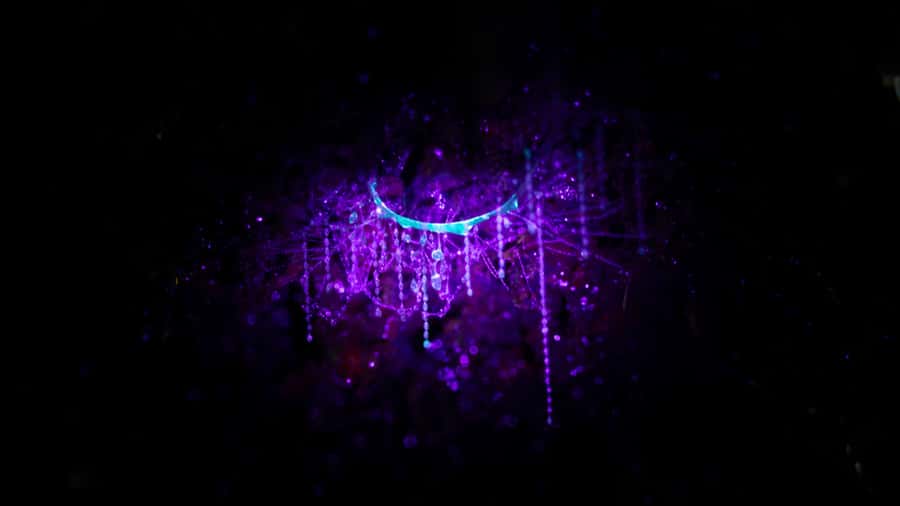
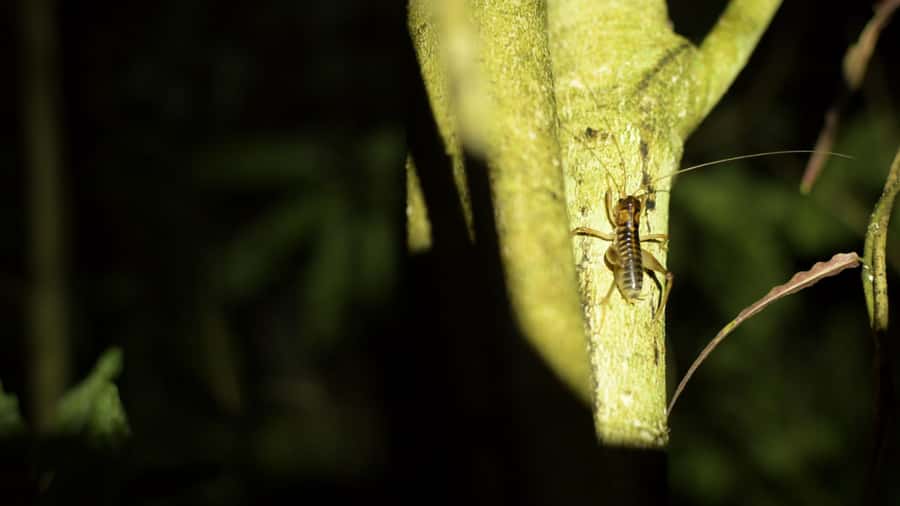
Glowworms are a major highlight. Their faint bioluminescent lights can appear along the forest floor and vegetation, creating tiny points of color in the darkness.
The glowworms are not a large spectacle. Their appeal is more delicate. You need to slow down, let your eyes adjust, and follow the guide’s direction. The reward is a natural display that feels far removed from city lights and electronic entertainment.
The tour also gives you a chance to look for insects, geckos, and wētā. One evening included a particularly strong focus on a wētā guide, along with tuatara and glowworms. Another person appreciated the guide’s patience while the group waited to see insects and hear sounds in the dark.
That patience is a real benefit of a small group. With only a handful of people, the guide can pause without holding up a large crowd. You get more time to look carefully, ask questions, and let a shy creature remain undisturbed.
Tuatara add another layer to the experience. They are ancient-looking reptiles found in protected parts of New Zealand, and seeing one can be more reliable than seeing a kiwi. Still, wildlife encounters vary from night to night. You should see the possible animal list as a guide to what may be found, not a promise of everything on it.
What the guide adds to the evening
A night walk depends heavily on its guide. In daylight, a printed map and a marked path may be enough. In darkness, you need someone who can identify sounds, manage the group, and know when to stop.
The strongest part of the tour appears to be the guide commentary. Emma was praised for making the walk exciting, while Bo was described as friendly and well informed. The guides are also described as enthusiastic and deeply committed to the sanctuary’s work.
That enthusiasm matters because the wildlife can be subtle. A good guide turns a barely heard rustle into a lesson about nocturnal behavior. A glowworm becomes more interesting when you understand what creates its light. A quiet stretch of track becomes part of the search rather than dead time.
I would pay attention during the first discussion at the Visitor Centre. It gives you the context needed to appreciate the walk later. If you listen closely at the start, you will get more from the pauses, calls, and small discoveries in the forest.
The group size also helps. The detailed booking information lists a maximum of eight people, though the general description refers to up to 10. Either way, this is intended to be a small-group activity, not a large procession. Confirm the exact limit for your chosen date if group size is important to you.
Is $34 a fair price?
At $34 per person, this is a reasonably priced evening activity, especially if you value conservation and guided interpretation. Your fee includes the 105-minute tour, English commentary, a red head torch, a hot drink, and a biscuit.
You are also supporting the work of the Brook Waimārama Sanctuary Trust. The price helps fund an experience connected to predator management, habitat repair, and protection for threatened native species. That gives the outing more value than a simple after-dark walk.
The price is easiest to justify if you are already staying in Nelson. The sanctuary is only about 10 minutes from the city centre, so you do not lose a full evening to transport. But you need to arrange your own way there, since transportation is not included.
The value depends partly on your expectations. If you require a visible kiwi, $34 may feel disappointing. If you are happy to hear wildlife, learn about conservation, and spend time in a quiet native forest, the cost is modest for the setting and guide time.
I also like the included hot drink. It is a small touch, but after more than an hour outside at night, a warm cup and biscuit make the experience feel complete.
Who should book this walk?
This outing suits you if you enjoy nature, wildlife, conservation, and quiet outdoor activities. It is also a good choice if you want something different from Nelson’s daytime attractions without committing to a full-day trip.
You will get the most from it if you can stand and walk comfortably, dress warmly, and accept that wildlife does not follow a schedule. Children under 10 are not permitted, and the activity is not suitable for people with mobility impairments, diabetes, visual impairments, or a low level of fitness.
The walk is also a good fit for anyone who likes learning as much as looking. The opening talk and ongoing commentary explain how the sanctuary protects species, not just where to point your torch.
I would be cautious about booking if you dislike darkness, uneven outdoor conditions, or long pauses with no visible animal. The walk can focus heavily on geckos, insects, glowworms, and wētā if kiwi remain out of sight. That is not a failure of the tour, but it is an important part of the deal.
You should also leave bulky items at home. Backpacks, baby strollers, baby carriages, alcohol, drugs, bare feet, and electric wheelchairs are not allowed. Warm clothing and closed-toe shoes are required.
Booking and cancellation basics
The meeting point is inside the Brook Waimārama Sanctuary Visitor Centre. Check the available starting times when you book, since the tour runs after dark and the exact schedule can vary.
You can cancel up to 24 hours in advance for a full refund. The reserve-now, pay-later option may help if your Nelson plans are still shifting.
English is the only listed tour language. The small-group format is intended to keep the walk personal and quiet, which is useful when the main sights may be faint or hidden.
Should you book the Brook Waimārama night walk?
I would book it if you want a calm, well-priced wildlife experience close to Nelson and you understand that hearing an animal can be just as likely as seeing one. The glowworms, tuatara, wētā, insects, and conservation story give the evening plenty of substance even if the kiwi stay hidden.
Book it for the forest after dark, not for a guaranteed checklist. If you dress warmly, wear proper shoes, listen carefully, and let the guide set the pace, this can be one of Nelson’s more unusual and worthwhile short outings.
FAQ
How long does the Brook Waimārama Sanctuary night walk last?
The guided night walk lasts 105 minutes.
How much does the experience cost?
The listed price is $34 per person.
How far is the sanctuary from Nelson city centre?
The Brook Waimārama Sanctuary is about a 10-minute drive from Nelson city centre.
Is transportation included?
No. You need to arrange your own transportation to the Visitor Centre.
What wildlife might I hear or see?
You might hear ruru and kiwi pukupuku, and you may see glowworms, tuatara, geckos, insects, and wētā. Kiwi sightings and calls are not guaranteed.
What is included in the ticket?
The ticket includes a fully guided English-language tour, commentary, a red head torch, a hot beverage, and a biscuit.
What should I bring, and who cannot join?
Bring warm clothing and closed-toe shoes. The activity is not suitable for children under 10, people with mobility impairments, diabetes, visual impairments, or a low level of fitness. Backpacks, strollers, baby carriages, alcohol, drugs, bare feet, and electric wheelchairs are not allowed.
Just added in Nelson
- Three Day Classic★ 5.0 · 2 reviews
- Tasman’s Great Taste Trail: Spooner’s Tunnel to Tāhunanui★ 5.0 · 1 review
- Nelson: Wine Tour with Tastings and Lunch★ 5.0 · 9 reviews
- Nelson: Helicopter Flight with Mountain Landing & Bay Views★ 5.0 · 1 review
- Nelson: Great Taste Trail Coastal Bike Ride to Mapua★ 4.0 · 8 reviews
- Nelson: Golden Bay in a Day Tour★ 4.7 · 6 reviews
- Nelson: Abel Tasman Cruise-Fly Day Tour★ 3.4 · 7 reviews
- Nelson: Abel Tasman Kayaking & Great Taste Trail Bike Tour★ 4.8 · 6 reviews
Walking Tours, compared.
Hobbiton™ Movie Set Walking Tour from Shires Rest
Read our review →
Rotorua’s Ultimate Zipline: 6 ziplines, 400 m Tandem, Cliff Walk
Read our review →
Waitomo Caves: Ruakuri Glowworm Cave Guided Walking Tour
Read our review →

Abel Tasman: Sea Shuttle Cruise and Walking Tour Combo
Read our review →


Browse the lists this tour appears in