
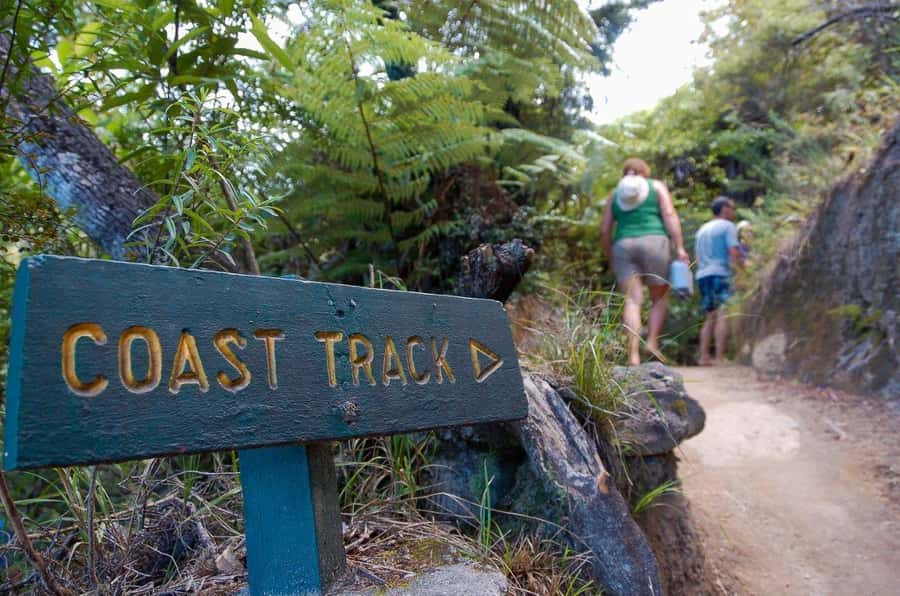
REVIEW · 3-DAY EXPERIENCES
Three Day Classic
Three days by kayak can change your idea of a beach holiday. I like the fully catered camping and the chance to paddle the entire coast from Totaranui and Awaroa to Marahau. I also like the small group limit of 10, which keeps the trip personal while guides handle the gear, meals, campsites, and water taxi transfers.
The main drawback is simple: you need to be comfortable in water, walking, and basic outdoor conditions. Camping on the beach is peaceful, but it is not a hotel stay, and the three-day route asks for steady participation. Anyone under 14 cannot join.
In This Review
- Key points at a glance
- Why three days suits Abel Tasman National Park
- Starting at Marahau and heading north
- The northern coast from Totaranui to Awaroa
- Lagoons and rocky outcrops in the middle section
- Beach camping under the night sky
- Finishing through the southern beaches
- What the $716 price really covers
- Who should book this trip
- Practical packing advice for a comfortable trip
- Booking flexibility and group arrangements
- Should you book the Three Day Classic?
- FAQ
- Where does the Three Day Classic meet?
- How long does the experience last?
- What route does the kayak journey follow?
- Is camping equipment included?
- Are meals included?
- Is kayak equipment provided?
- Are water taxi transfers included?
- Is the activity guided?
- How many people can join the group?
- Can children join the tour?
- What level of fitness do I need?
- What should I bring?
Key points at a glance
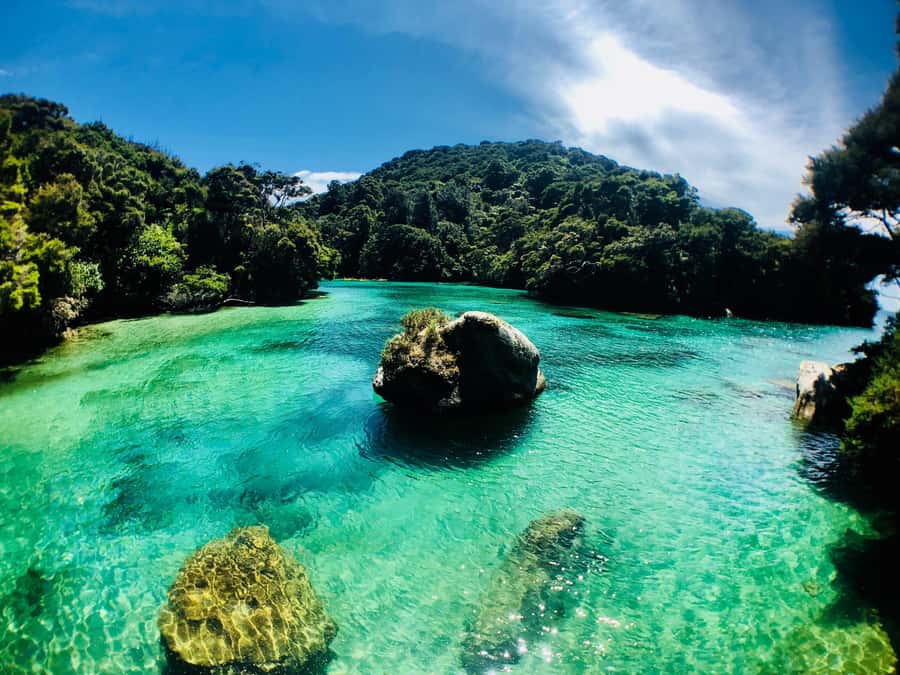
- The route covers much of Abel Tasman’s coastline, from the quieter northern reaches near Totaranui and Awaroa to the beach-lined southern section near Marahau.
- Everything needed for camp is supplied, including tents, meals, kayak equipment, and equipment storage.
- Beachside nights are the heart of the trip, with waves nearby, birdsong in the morning, and clear skies that may reveal the Milky Way.
- Wildlife can be a major highlight, with the chance to see seals, birds, stingrays, and even orcas.
- A small group of up to 10 people gives the guide room to offer help and keep the pace manageable.
- The $716 price includes a lot, but you still need to budget for personal expenses and your own transport to and from Marahau.
Why three days suits Abel Tasman National Park
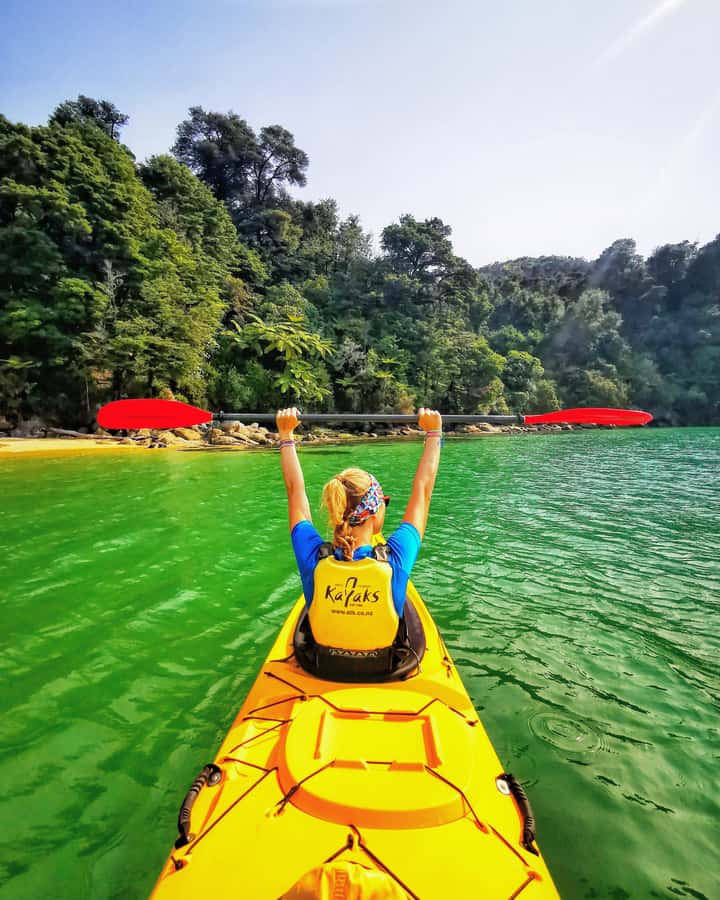
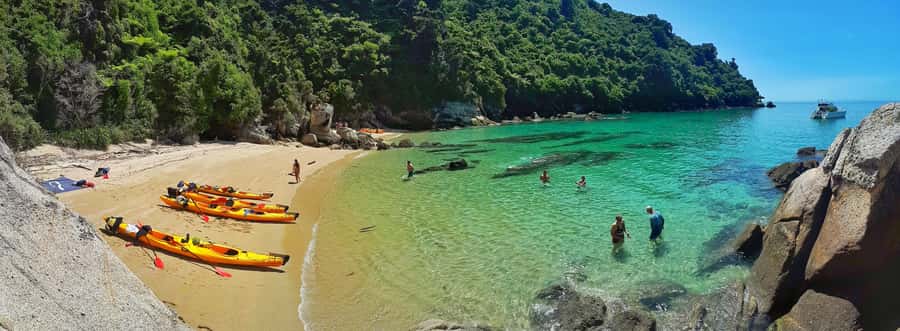
Abel Tasman National Park is made for slow travel. Its coast is a changing line of golden beaches, coves, rocky outcrops, forest, and calm water. A quick boat ride can show you the park, but three days by kayak lets you experience its quieter rhythm.
This trip runs from the northern part of the park down to Marahau in the south. That matters because the scenery changes along the way. The north feels more open and secluded. The middle section brings lagoons and rock formations. The south finishes with a string of beaches, giving the trip a satisfying sense of progress.
I like that the route is not built around one famous viewpoint. Your reward comes from the steady collection of small scenes: a sheltered cove, a seal near the water, forest above the shore, or the sound of waves near camp. You are not rushing from one attraction to the next.
The trip lasts three days, though exact starting times depend on availability. You should plan for a full outdoor experience rather than a short kayak outing with a little camping attached.
A few more to weigh up in Nelson
- Abel Tasman National Full Park Scenic Cruise
★ 4.4 · 855 reviews - Abel Tasman: Sea Shuttle Cruise and Walking Tour Combo
★ 4.6 · 704 reviews - Abel Tasman Vista Cruise
★ 4.5 · 414 reviews
Starting at Marahau and heading north
Your meeting point is the Abel Tasman Kayaks base at 273 Sandbay Marahau Road, Road 2, Marahau. The company provides client transporters and water taxi transfers, so the trip does not require you to paddle both directions along the coast.
The water taxi transfer is an important part of the design. It moves you toward Totaranui and Awaroa, where the northern section begins, then lets you kayak back toward Marahau. This gives you access to a long stretch of park without turning the journey into a punishing out-and-back route.
The northern coast is described as vast and serene. That should appeal to you if you want space, quiet, and a stronger sense of being away from town. It may feel less immediately busy than the beaches closer to Marahau, though the tradeoff is that your days are tied to the group route and outdoor conditions.
At the start, expect practical preparation rather than ceremony. You will get kayak equipment, meet your professional English-speaking guide, and settle into the rhythm of paddling. The group cap of 10 is useful here. Smaller groups are easier to brief, easier to keep together, and less awkward when everyone is learning how to handle the kayaks.
You need only a basic level of fitness, but that should not be mistaken for no effort. You will paddle, walk, handle outdoor equipment, and spend time around water. If you are uneasy in the water or dislike physical activity over several days, this is probably not the right choice.
The northern coast from Totaranui to Awaroa
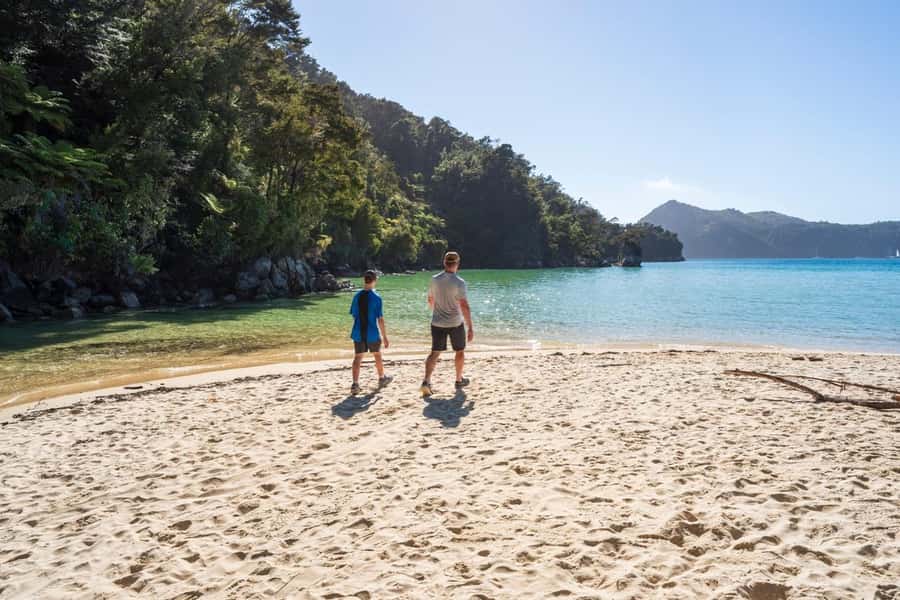
The northern section is where the trip gains its sense of distance. Totaranui and Awaroa provide the starting point for a long coastal journey, with coves, cliffs, forest, and open water shaping the view.
I would expect this part to feel calm and spacious. The route is not sold as a race, and the guide is there to manage the practical side while you focus on the coast. You may find this is the best section for simply settling into the kayak and paying attention to the details around you.
The scenery can be especially rewarding when the water is calm. A kayak places you close to the surface, so small changes in the shoreline are easy to notice. Cliffs appear from a different angle than they would from a walking track, while coves and inlets become part of the route instead of scenery viewed from a distance.
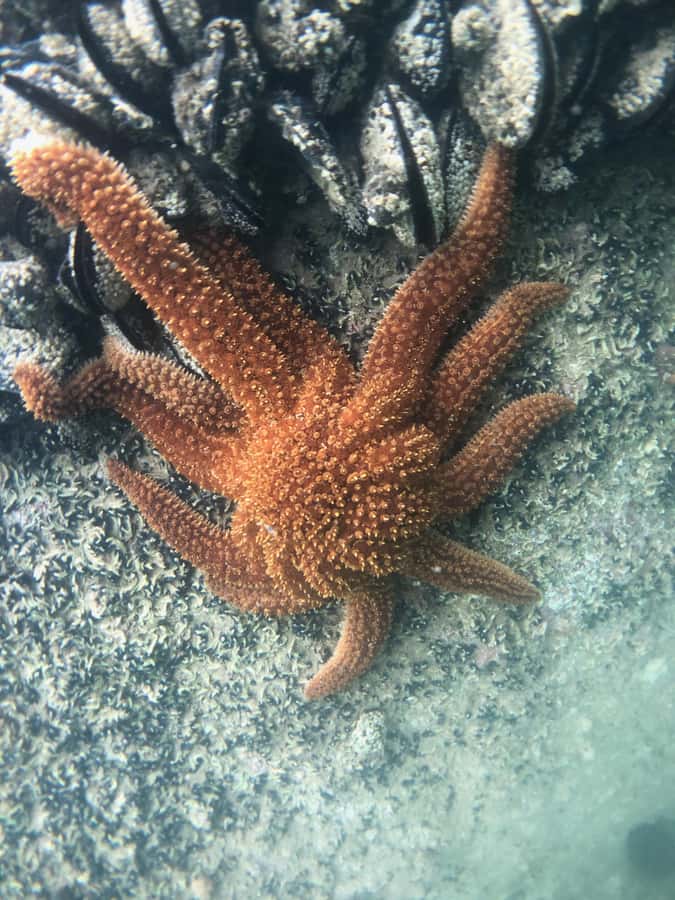
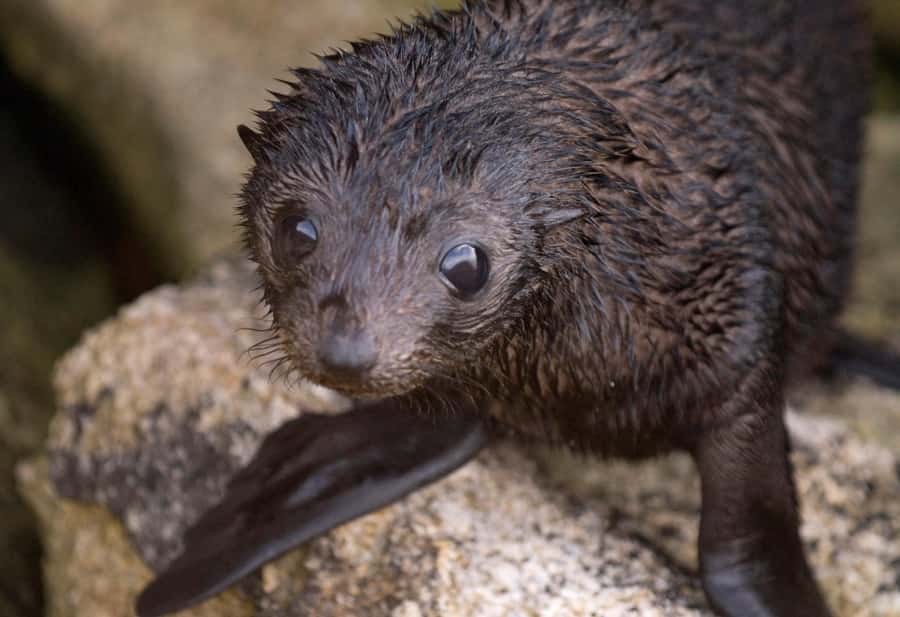
Wildlife adds another layer. The experience has produced sightings of seals, birds, stingrays, and even orcas. No wildlife sighting is guaranteed, of course, but the range of animals gives you a good reason to keep looking beyond the next beach.
Bring a camera if you want one, but protect it carefully around salt water. You should also pack sunscreen, a hat, a windbreaker, and a reusable water bottle. The coast can look gentle while still feeling exposed to sun and wind.
Lagoons and rocky outcrops in the middle section
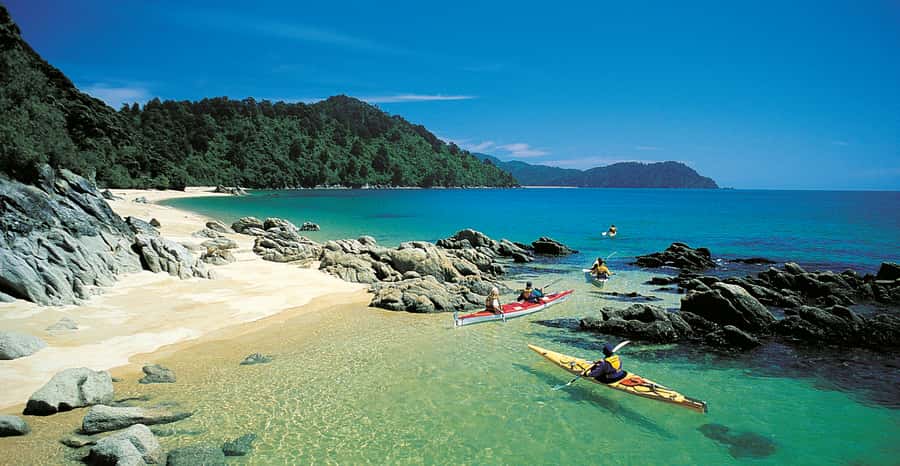
As you continue south, the character of the coast changes. The middle portion includes lagoons and rocky outcrops, giving you more variety than a simple beach-to-beach paddle.
Lagoons can make a kayak route feel exploratory. You are moving through water rather than just along a straight shoreline, and the surrounding forest and rock formations add texture to the view. This is also the sort of section where a guide adds real value, since the group needs to follow the right route and keep an eye on changing conditions.
The rocky coast gives the trip a little drama without requiring a difficult climb. You get cliffs and outcrops at water level, plus the chance to look for birds and marine life. The supplied equipment is described as modern, which should make the physical side more comfortable, though you will still need to paddle at a shared group pace.
This section may be less restful than simply floating beside a beach. You will have more to watch and more changes in direction, and some people may find that more interesting. Others may prefer the broad, open beaches of the northern and southern sections.
The trip is fully catered, so you do not need to carry a three-day food supply or plan camp cooking. That is a major advantage. You can use your energy for paddling and walking instead of shopping, packing, and washing up.
A completely different sort of day out:
- The Family Cruiser
★ 5.0 · 244 reviews - Abel Tasman National Park: Sailing and Self-Guided Walk
★ 4.8 · 238 reviews - Best Abel Tasman Day trip
★ 5.0 · 229 reviews - Nelson: Cable Bay Adventure Park Skywire Experience
★ 4.8 · 207 reviews
Beach camping under the night sky
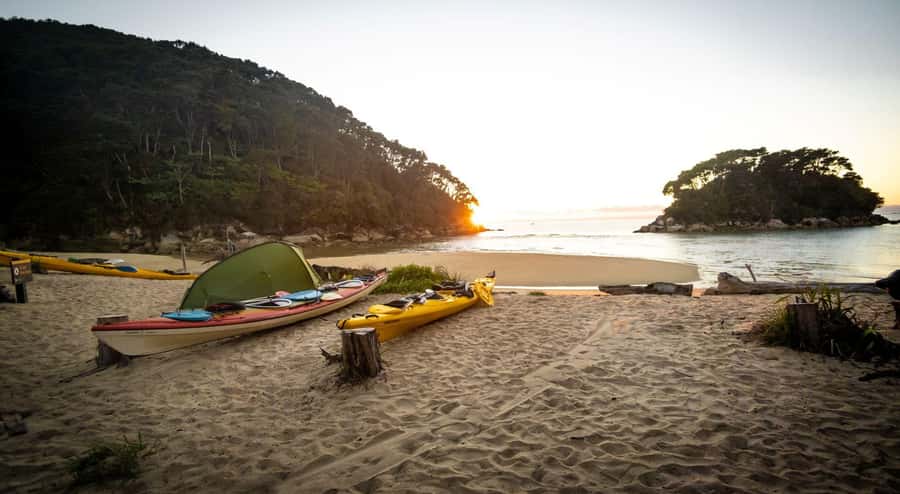
The camping is not an afterthought. It is one of the main reasons to choose this trip instead of a day kayak tour.
You sleep beside the beach, with the sound of waves nearby. In the morning, birdsong replaces an alarm clock. At night, the park can offer clear views of the Milky Way. Those details turn the trip into more than daytime sightseeing, since you experience the coast at quiet hours when day visitors are gone.
All camping equipment is provided, which lowers the barrier for anyone who likes the idea of a multiday outdoor trip but does not own tents or specialist kayak gear. You still need to bring warm clothing, a change of clothes, and a towel. A windbreaker is especially sensible, since the coast can feel cool even during summer.
You should also bring personal medication and insect repellent. The operator supplies the main equipment, but personal comfort items remain your responsibility. There is no reason to overpack, but do not treat this as a trip where you can rely on a suitcase being close at hand.
The camps are described as fully catered and beachside. That means you get a comfortable level of support for an outdoor trip, not luxury accommodation. You will not have a private room, hotel bathroom, or full control over the evening schedule. If you enjoy the sound of the sea and simple camp life, that is the point. If you want a soft bed and indoor facilities each night, choose a different Abel Tasman experience.
Finishing through the southern beaches
The southern part of the route includes twelve beautiful beaches before you reach Marahau. This gives the final stretch a strong visual payoff, with repeated changes in sand, forest, coves, and shoreline.
A run of beaches can sound similar on paper, but it creates a pleasant variety from a kayak. Each beach gives you a new angle back toward the coast, and the group can experience the park as a connected route rather than a collection of separate stops.
Ending in Marahau also makes practical sense. The trip starts at the Abel Tasman Kayaks base, and the route finishes back in the same general area after moving through the park. Equipment storage is included, which helps if you need to leave bags securely at the base while you are away.
The final day may feel rewarding but tiring. Three days of paddling and walking is not extreme for someone with basic fitness, yet it is still more demanding than a half-day outing. Keep your pace steady, drink regularly, and do not wait until you are exhausted before telling the guide you need help.
What the $716 price really covers
At $716 per person, this is a substantial purchase. The value depends on whether you would otherwise need to arrange the same pieces yourself.
The price includes a professional guide, all meals, camping equipment, kayak rental, water taxi transfers, hot showers, equipment storage, and client transporters. Wi-Fi is available at the kayak base. The package removes many common costs and chores from a three-day trip.
The meals matter most for convenience. Food planning for a remote camping trip can become a project of its own, especially when you also need to think about kayak equipment and transport. Here, the main work is done for you.
The water taxi transfer also adds value. It gives you a practical way to reach the northern end of the route, allowing the three-day journey to cover more of Abel Tasman than a simple local paddle. The supplied modern gear is another useful inclusion, particularly if you do not own a suitable kayak or camping kit.
Still, $716 does not cover hotel pickup and drop-off or personal expenses. You need to reach the meeting point in Marahau yourself, and you should allow for your own medication, drinks or snacks if desired, and other personal items.
I would call the price fair for a guided, catered, fully equipped three-day route. It is less attractive if you already own camping and kayak equipment and prefer to organize food and transport on your own.
Who should book this trip
I would recommend the Three Day Classic to you if you want to see a large part of Abel Tasman National Park without carrying a full camping setup. It suits people who enjoy outdoor activity but appreciate having the hard logistics handled by a guide.
It is also a good fit for couples, friends, and solo participants who like small-group trips. A maximum of 10 people is large enough for a social atmosphere but small enough to avoid the feel of a crowded commercial outing.
You should be comfortable with water and walking. Basic fitness is enough according to the activity information, but you need to take part each day. The age limit is firm: children under 14 cannot join.
This may not suit you if you need private accommodation, dislike shared group schedules, or want a trip with no physical demands. It is also not ideal if you only have time for a quick taste of the park. Three days is the point here.
Practical packing advice for a comfortable trip
Pack for changing outdoor conditions rather than just warm weather. Your useful basics are:
- Warm clothing
- A windbreaker
- Hat and sunscreen
- A change of clothes
- Towel
- Reusable water bottle
- Insect repellent
- Personal medication
- Camera
Keep your packing sensible. The operator provides the main camping and kayak equipment, so you do not need to bring those items. A small, organized personal bag is easier to manage than a large load of unnecessary clothing.
The complimentary hot showers are available, but the trip is still centered on outdoor camping. Bring the clothes that will help you stay warm and dry, rather than dressing only for photographs.
Booking flexibility and group arrangements
The tour is conducted in English with a live guide. If you need another language, this experience may not suit you.
You can cancel up to 24 hours before the activity for a full refund, and the reserve-now-pay-later option lets you hold a place without paying at the time of booking. Starting times vary, so check availability before planning other transport or activities around the trip.
The small group limit is one of the stronger practical features. With no more than 10 participants, the guide can keep the group together and give clearer support with equipment and paddling. It also means your experience will still depend partly on the pace and habits of the other people in your group.
That is normal for a guided kayak trip. You gain support and shared transport, but you give up some freedom to stop whenever you like or change the route on a whim.
Should you book the Three Day Classic?
Book it if you want a supported three-day adventure that combines kayaking, wildlife, beaches, and real camping in Abel Tasman National Park. The strongest reasons are the long north-to-south route, catered meals, supplied equipment, beachside nights, and small group size.
Skip it if you want a hotel-style holiday, a short activity, or complete control over your schedule. At $716, it is not a casual add-on, but the package covers enough equipment, food, guiding, and transport to make the cost reasonable for the right person.
For an active visitor with basic fitness who wants more than a quick coastal look, this is one of the most complete ways to experience the park. Just arrive ready for water, walking, shared camping, and three days outdoors.
FAQ
Where does the Three Day Classic meet?
The meeting point is the Abel Tasman Kayaks base at 273 Sandbay Marahau Road, Road 2, Marahau.
How long does the experience last?
The activity lasts three days.
What route does the kayak journey follow?
The journey runs from Totaranui and Awaroa in the north down to Marahau in the south.
Is camping equipment included?
Yes. All camping equipment is included in the price.
Are meals included?
Yes. The trip is fully catered, and all meals are included.
Is kayak equipment provided?
Yes. Kayak equipment rental is included.
Are water taxi transfers included?
Yes. Water taxi transfers are included in the package.
Is the activity guided?
Yes. A professional, live English-speaking guide leads the experience.
How many people can join the group?
The group is limited to 10 participants.
Can children join the tour?
Children under 14 are not permitted to participate.
What level of fitness do I need?
The trip is suitable for participants with a basic level of fitness. You should also be comfortable in water and with walking.
What should I bring?
Bring warm clothing, a windbreaker, hat, change of clothes, towel, camera, sunscreen, insect repellent, personal medication, and a reusable water bottle.
Just added in Nelson
- Tasman’s Great Taste Trail: Spooner’s Tunnel to Tāhunanui★ 5.0 · 1 review
- Nelson: Wine Tour with Tastings and Lunch★ 5.0 · 9 reviews
- Nelson: Helicopter Flight with Mountain Landing & Bay Views★ 5.0 · 1 review
- Nelson: Great Taste Trail Coastal Bike Ride to Mapua★ 4.0 · 8 reviews
- Nelson: Golden Bay in a Day Tour★ 4.7 · 6 reviews
- Nelson: Brook Waimārama Sanctuary Guided Night Walk★ 4.9 · 7 reviews
- Nelson: Abel Tasman Cruise-Fly Day Tour★ 3.4 · 7 reviews
- Nelson: Abel Tasman Kayaking & Great Taste Trail Bike Tour★ 4.8 · 6 reviews
3-Day Experiences, compared.
Hobbiton, Rotorua, Waiotapu and Waitomo 3-Day Tour
Read our review →
3 Day Bay Of Islands Tour from Auckland including Waitangi and Cape Reinga
Read our review →
Private 3 Days Tour From Auckland: Hobbiton, Hamilton, Rotorua & Waitomo Caves
Read our review →
3-Day Hobbiton, Rotorua, Whakarewarewa, and Waitomo Tour
Read our review →
3 Day Waitomo Caves, Hobbiton Movie Set and Rotorua Tour from Auckland
Read our review →
Browse the lists this tour appears in