
REVIEW · WAIKATO TOURS
Waikato: Ancient Forest Guided Tour
A fence can change an entire forest. At Sanctuary Mountain Maungatautari, the 90-minute guided walk takes you into Te Tūī a Tāne, a protected remnant of Aotearoa’s native forest. I like the small groups, limited to five people, and the chance to climb a viewing tower above the canopy. The strongest part is the connection between bird sightings and the major conservation work behind them.
The main consideration is that this is a focused nature walk, not a fast-moving attraction. Bird sightings are never guaranteed, and you will need comfortable shoes and warm clothing. At $40 per person, the price is fair because it includes entry, the guided tour, visitor-centre facilities, and a Sanctuary Explorer Day Pass for more time on the mountain.
In This Review
- Key points to know before you go
- Crossing into Te Tūī a Tāne
- Walking beneath tawa, rimu, and northern rātā
- Rare birds and the chance to see kiwi
- The stories behind a community-powered sanctuary
- Climbing the tower above the canopy
- What the 90-minute schedule feels like
- Is $40 good value?
- Who should book this forest walk?
- Should you book the Ancient Forest Guided Tour?
- FAQ
- Where does the Ancient Forest Guided Tour start?
- How long does the guided walk last?
- How much does the tour cost?
- What does the price include?
- Is hotel pickup and drop-off included?
- What birds might I see?
- What should I bring?
- Are dogs allowed?
Key points to know before you go
- The predator-proof fence changes the experience: Crossing into the Southern Enclosure feels like entering a safer world for native species.
- Small groups make a difference: With no more than five participants, you have room to ask questions and listen for birds.
- Rare birds may appear: Keep watch for tīeke, pōpokotea, North Island robin, hihi, kākā, kōkako, rifleman, and kiwi.
- The forest has a strong local story: Your guide explains how volunteers, workers, and the wider community restored this maunga.
- The viewing tower is the grand finish: You gain a broad view above the forest canopy after walking beneath towering native trees.
- Your ticket supports conservation: The booking helps protect rare species and includes a day pass to continue exploring.
Crossing into Te Tūī a Tāne

The tour begins at Sanctuary Mountain Maungatautari Visitor Centre, at 99 Tari Road in Pukeatua. From there, you join a local English-speaking guide for a walk through the Southern Enclosure of Sanctuary Mountain Maungatautari.
The first important detail is the predator-proof fence. It is described as the world’s longest multi-species predator-proof fence, and it gives the sanctuary its purpose. This is not simply a pretty patch of bush with a few information panels. The protected area is part of a major effort to give native birds and other species a safer place to live and recover.
That idea gives the walk more weight. When you hear birdsong in the forest, you are not only enjoying a pleasant sound. You are seeing one result of years of planning, labour, pest control, and community support.
The name Te Tūī a Tāne points to the connection between the forest and the birds that depend on it. Your guide helps explain that relationship as you move along the gently graded trails. The pace should suit anyone who prefers to stop, listen, and look rather than rush from one sight to the next.
A few more to weigh up in Waikato
- Raglan: Scenic Harbour Sunset Cruise
★ 4.8 · 87 reviews - Raglan: Group Surf Lesson
★ 5.0 · 79 reviews - Lake Karapiro: Evening Kayak Glowworm Tour
★ 4.5 · 42 reviews
Walking beneath tawa, rimu, and northern rātā
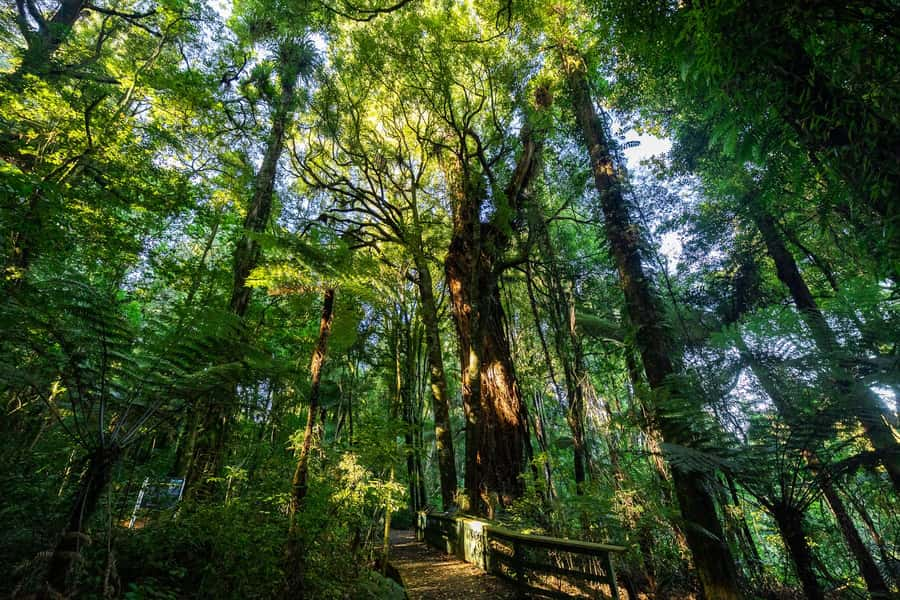
The forest itself provides the setting for much of the tour. The trail passes beneath towering tawa, rewarewa, rimu, and northern rātā. These trees help you understand what a native forest can feel like when it is allowed to grow with protection from introduced predators.
I like that the guide-led format gives the trees and plants a proper place in the story. A self-guided walk can be peaceful, but it is easy to miss the links between the forest, the birds, and the sanctuary’s wider goals. Here, the guide can point out details and explain why the work matters.
The trails are gently graded, which makes the outing more approachable than a demanding mountain hike. Still, this is a forest walk, so comfortable shoes are sensible. Warm clothing is also recommended. Conditions in a forest can feel cooler than expected, and standing quietly to watch birds is different from walking briskly through town.
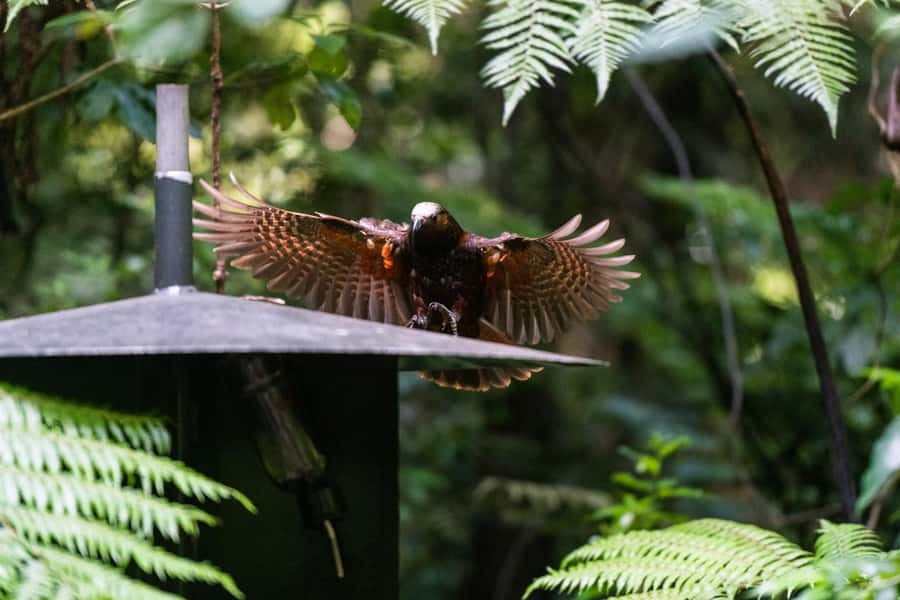
You should allow yourself to slow down. The best moments may come when you stop looking for a dramatic sight and simply listen. Tūī, bellbirds, tīeke, hihi, tomtits, robins, fantails, and kererū are all possible. The cheeky kākā parrots may gather in a forest clearing, giving you one of the more lively encounters on the route.
Rare birds and the chance to see kiwi
Birdlife is the tour’s great draw, but you should arrive with realistic expectations. The sanctuary is home to rare and endangered species, including kōkako and rifleman, and more than 3,000 kiwi are mentioned as part of the project. That does not mean you will see every bird listed during a 90-minute walk.
This is where a guide adds real value. An experienced local guide knows how to talk about the species, their needs, and the protection work without turning the walk into a dry lecture. The high praise for the guide’s knowledge makes sense because the subject is complex, and the setting gives every explanation a direct connection.
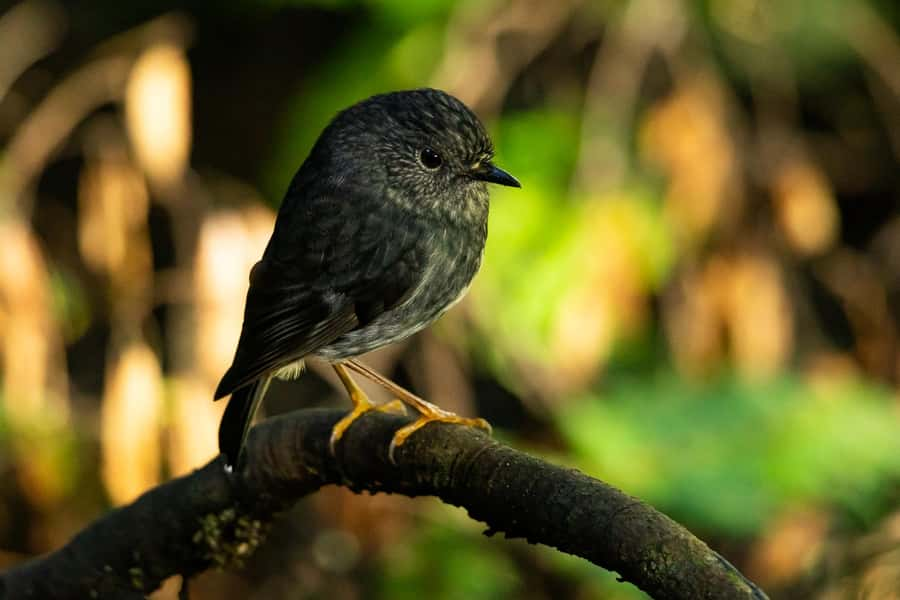
You might spot a tīeke, pōpokotea, or North Island robin. You may hear birds before you see them. A kākā can bring a burst of personality, while a fantail or kererū may appear more briefly. The forest also contains wētā, including the possibility of seeing one tucked into a wooden wētā hotel.
That uncertainty is part of the bargain. If you need guaranteed wildlife sightings, this may not be the right activity. If you enjoy patient observation and want to understand why a sanctuary matters, the possibility of seeing something rare makes the walk worthwhile.
The sanctuary’s bird population also gives the tour a sense of progress. You are not visiting a static display. You are seeing a living conservation project, one that aims to restore native species and protect the forest that supports them.
The stories behind a community-powered sanctuary
The strongest human element is the story of the people who brought the maunga back to life. Your guide shares the vision and dedication of the volunteers and workers who helped make the sanctuary possible.
That background deserves attention. Large conservation projects can seem remote when you only see the finished fence or read a short sign. On this walk, the project becomes easier to understand as a long-term community effort. The sanctuary is presented as an example of what Predator Free 2050 could look like in practice today.
I especially like this part because it prevents the tour from becoming a simple bird-spotting outing. You learn why the fence exists, what it protects, and how people have worked to create conditions where native species can flourish.
The community element was also the most warmly praised aspect of the experience. One verified five-star review singled out the faithful volunteers and workers whose efforts made the project possible. That praise points to something you can feel during the visit: your ticket is connected to ongoing protection, not just a one-time activity.
Your booking directly supports rare species and the continued operation of the sanctuary. That makes the $40 price easier to assess. You are paying for a guided experience, but also contributing to a place with a clear conservation purpose.
A completely different sort of day out:
- Cambridge Waikato New Zealand: Tour -45 Min Extreme Jet Boat
★ 4.7 · 36 reviews - Raglan: Scenic Nature Boat Cruise
★ 4.9 · 29 reviews - Cambridge, Matamata, Waitomo: 1-Hour Ecological River Cruise
★ 4.8 · 22 reviews - Raglan: Karioi Canyoning
★ 4.8 · 17 reviews
Climbing the tower above the canopy
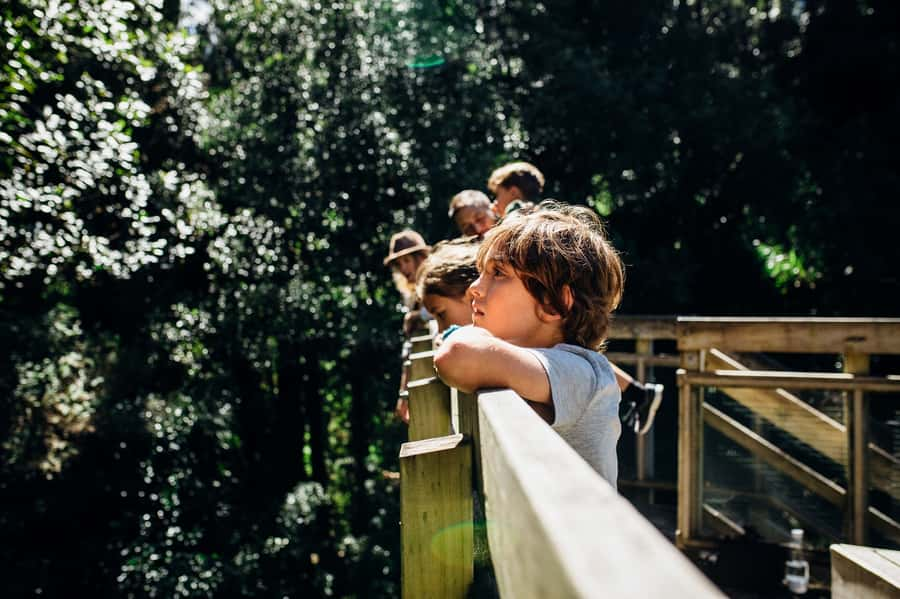
The viewing tower gives the walk a strong finish. After following the forest trails, you climb above the canopy for a broad view over the trees.
This change in viewpoint is useful. At ground level, you notice trunks, leaves, bird calls, and small forest details. From the tower, you can see the scale of the forest and gain a clearer sense of how much habitat the sanctuary protects.
The tower is also a practical reason to keep the camera ready, though the value is not only the photograph. Looking out over the canopy offers a quiet moment to consider the work described during the walk. The view turns an abstract conservation idea into something you can see.
You should not expect a long climb or a separate adventure activity. It is the final viewpoint within a short guided tour. For many people, it will be the most memorable visual moment, especially after walking under the trees rather than looking at them from a road or parking area.
What the 90-minute schedule feels like
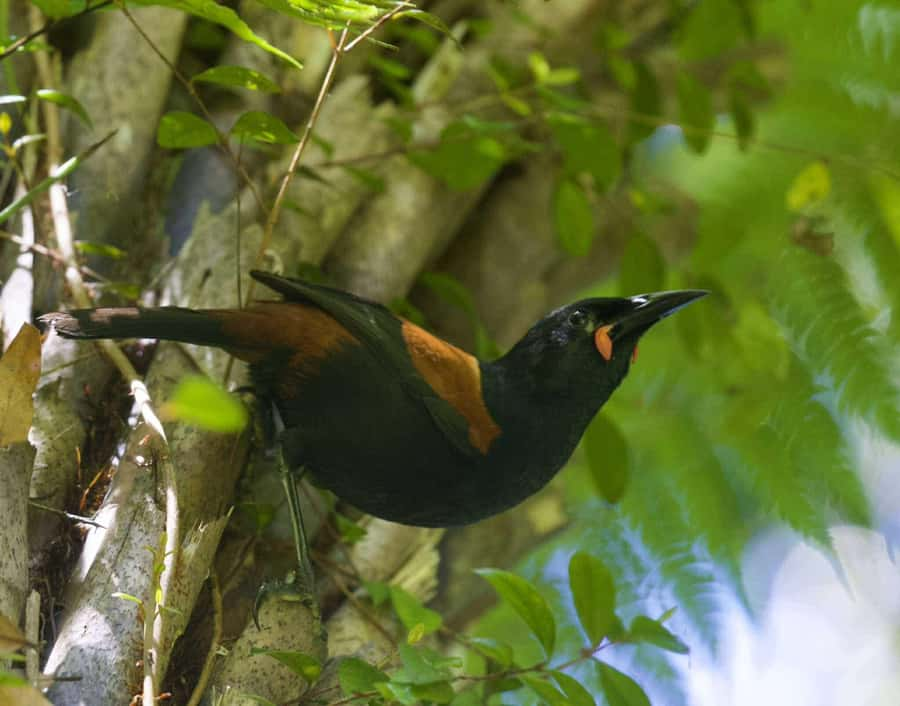
The advertised duration is 90 minutes, long enough to provide context without taking over your whole day. You begin at the visitor centre, join the guide, follow the forest trails, look for native wildlife, hear the sanctuary story, and finish at the viewing tower.
Because the group is limited to five participants, the outing should feel more personal than a large group walk. You have a better chance to ask questions, and the guide can keep the pace suited to the group. It also helps with quiet wildlife watching. A smaller group generally makes less noise and is easier to manage when everyone pauses to listen.
The small group size is one of the best practical features here, but it also means booking is essential. Daytime guided tours operate subject to availability. Check the starting time before you set out, since the activity lasts 90 minutes and the time slots can vary.
There is no hotel pickup or drop-off. You need to make your own way to the Sanctuary Mountain Maungatautari Visitor Centre in Pukeatua. That makes this a better choice for visitors already exploring the Waikato by car or planning their own route through the region.
The Sanctuary Explorer Pass is included, so the experience does not have to end when the guide says goodbye. You can use the rest of the day to continue exploring the sanctuary or spend quiet time at the visitor centre. The pass adds useful value, especially if you have travelled some distance to reach the mountain.
Is $40 good value?

At $40 per person, this is not the cheapest short walk in New Zealand. It is also not just a basic entry ticket. The price includes the Ancient Forest guided tour, entrance fees, visitor-centre facilities, and the Sanctuary Explorer Day Pass.
The guide is the key part of the value. Without the guide, you would still have the forest and the sanctuary, but you would miss the organised explanation of the rare birds, the predator-proof fence, and the people who restored the area.
The day pass matters too. A 90-minute walk can feel brief if you have spent a long time reaching the site. The included pass gives you a reason to stay longer and makes the ticket feel less like a single timed activity.
I would consider it good value for anyone interested in New Zealand’s native birds, conservation, and forest ecology. It is also a sensible choice if you prefer a small, guided experience rather than a large commercial tour.
The value is less clear if you only want a guaranteed close-up of a kiwi or a packed schedule of attractions. Wildlife sightings are possible, not promised. The experience rewards patience and interest in the work behind the sanctuary.
Who should book this forest walk?
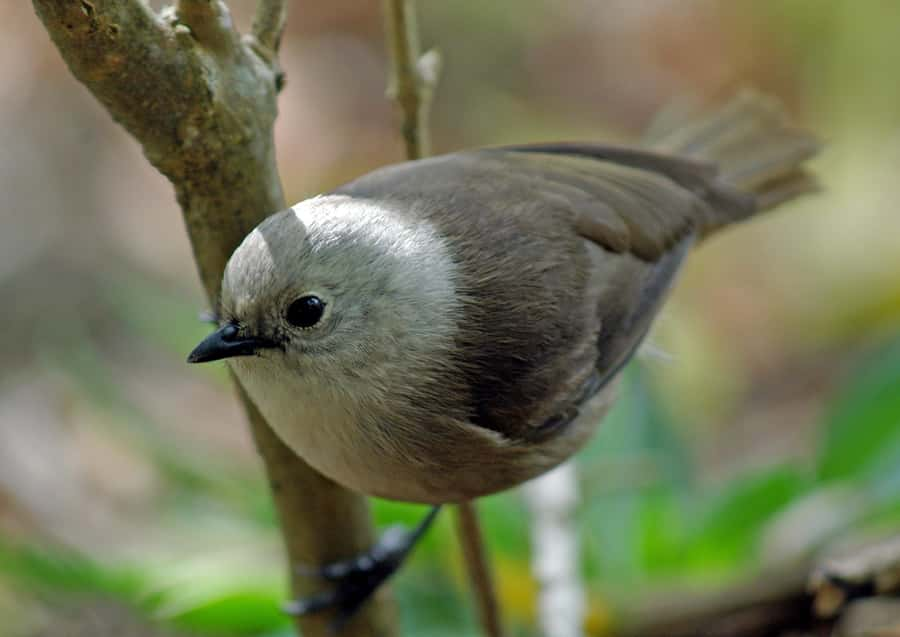
I would recommend the tour to birdwatchers, nature lovers, families with an interest in wildlife, and anyone who wants to understand New Zealand’s conservation efforts in a real setting. The gently graded trails and short duration make it more approachable than a full-day hike.
It also suits visitors who like asking questions. A group of five leaves space for conversation, and the guide can explain the forest at a human pace. If you are curious about species such as tīeke, kōkako, rifleman, hihi, or kākā, this is a useful introduction.
The tour may not suit you if you dislike walking on forest trails, have no interest in conservation, or need guaranteed animal sightings. It is also not a pet-friendly outing. Dogs are not permitted anywhere on Sanctuary Mountain Maungatautari.
Bring comfortable shoes and warm clothing. You do not need to treat this as an expedition, but basic preparation will make the walk more pleasant. The forest is the star, and you will enjoy it more if you are comfortable enough to pause and pay attention.
Booking is flexible in one helpful way: you can cancel up to 24 hours in advance for a full refund, and reserve now while paying later. Those terms are useful when your Waikato plans are still taking shape.
Should you book the Ancient Forest Guided Tour?
Book it if you want more than a scenic walk. The tour gives you a close look at a major conservation project, a chance to hear native birds, and a climb to a canopy-level viewpoint. The small group and local guide make the experience personal, while the included day pass gives you more time at the sanctuary.
Go with the right expectations. You might see a rare bird, a kākā, or a wētā, but wildlife does not follow a timetable. The reward is the forest itself, the conservation story, and the chance to support a project that is helping native species return.
At $40, I think the tour earns its price, particularly for visitors already travelling through the Waikato. It is a thoughtful, well-focused outing, and the most impressive part is not one guaranteed sight. It is seeing what sustained community effort can restore.
FAQ
Where does the Ancient Forest Guided Tour start?
The tour starts at the Sanctuary Mountain Maungatautari Visitor Centre, 99 Tari Road, Pukeatua, New Zealand.
How long does the guided walk last?
The guided tour lasts 90 minutes, or 1.5 hours.
How much does the tour cost?
The listed price is $40 per person.
What does the price include?
The price includes the Ancient Forest guided tour, entrance fees, visitor-centre facilities, and a Sanctuary Explorer Day Pass.
Is hotel pickup and drop-off included?
No. Hotel pickup and drop-off are not included, so you need to make your own way to the visitor centre.
What birds might I see?
Possible sightings include tīeke, pōpokotea, North Island robin, kākā, tūī, bellbirds, hihi, tomtits, robins, fantails, kererū, kōkako, and rifleman. Kiwi are also protected at the sanctuary, but sightings are not guaranteed.
What should I bring?
Bring comfortable shoes and warm clothing.
Are dogs allowed?
No. Dogs are not permitted anywhere on Sanctuary Mountain Maungatautari.
Just added in Waikato
- Romantic Private tour in Hamilton★ 5.0 · 1 review
- From Hamilton: Waitomo Glowworm & Cave Explorer Small Group Tour★ 3.0 · 1 review
- Ex Hamilton: TRIPLE DEAL Wai O Tapu, Redwood Forest & Blue Spring★ 4.5 · 3 reviews
- Taupo: Mount Doom Scenic Helicopter Flight★ 5.0 · 1 review
- Raglan: Scenic Nature Boat Cruise★ 4.9 · 29 reviews
- Raglan: Sunset Canyoning Tour and Glowworm Experience★ 4.6 · 10 reviews
- Raglan: Karioi Canyoning★ 4.8 · 17 reviews
- Real Rock, Climbing Experience!★ 5.0 · 3 reviews
Waikato Tours, compared.

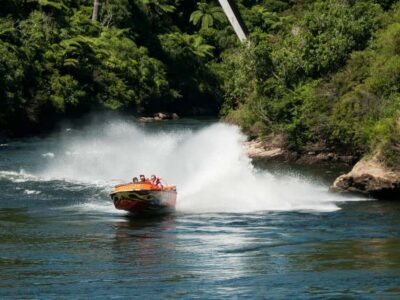
Cambridge Waikato New Zealand: Tour -45 Min Extreme Jet Boat
Read our review →

Cambridge, Matamata, Waitomo: 1-Hour Ecological River Cruise
Read our review →

Hobbiton Movie Set Tour to Blue Springs and Waitomo caves
Read our review →Browse the lists this tour appears in