
REVIEW · WANAKA TOURS
Wanaka: Waterfall Climb and Canyon Tour
Waterfall adventure without prior climbing skills. This six-hour trip near Wanaka combines a beginner cable climb with canyoning at Twin Falls, giving you two different ways to handle the cliffs. I like the small groups, limited to six people, and the chance to rappel beside real waterfalls rather than practice on an artificial wall. I also like that lunch, a wetsuit, safety gear, and instruction are included. The main catch is fitness: you need a head for heights and the strength to handle steep, uneven ground for much of the day.
The experience costs $196 per person, which is a serious slice of a New Zealand travel budget. Still, the price covers a guide, training, specialist equipment, wetsuit gear, lunch, and roughly six hours outside. For an active half-day, that is fair value, but only if you want a hands-on adventure rather than a scenic ride.
- Twin Falls is the setting: You climb beside one waterfall, then rappel down the lower section of the right-hand falls.
- Two skills in one outing: The tour teaches basic climbing and abseiling, so you get more variety than on a single-activity trip.
- Six waterfall rappels: The experience includes a series of rappels that build your confidence as the day goes on.
- Small groups matter: With no more than six participants, the guide can help you move at your own pace.
- Come ready to get wet: You need swimwear, a towel, water, sturdy shoes, and a waterproof phone case if you want photos.
- Fitness beats experience: You do not need climbing or abseiling experience, but you do need to manage exposed, uneven ground and steep sections.
In This Review
- Why Twin Falls Makes a Strong Adventure Base
- The First Test: A Level 1 Cable Climb
- The Cliffside Trail to Twin Falls
- Rappelling the Lower Waterfall Sections
- A Guided Lower on the Wire Crossing
- What the Small Group Changes
- What the $196 Price Really Covers
- Fitness, Heights, and Age Rules
- What to Bring for a Wet Half-Day
- How the Day Feels for a Beginner
- Weather, Flexibility, and Planning Your Day
- Who Should Book the Twin Falls Tour?
- Should You Book It?
- FAQ
- Where does the Wanaka Waterfall Climb and Canyon Tour meet?
- How do I know I have gone too far?
- How long does the tour last?
- Do I need climbing or abseiling experience?
- How many people can join the group?
- What age is the tour suitable for?
- Is there a minimum height and weight?
- What equipment is included?
- What should I bring?
- Can I cancel the tour?
Why Twin Falls Makes a Strong Adventure Base
The tour takes place near Wanaka, along the road toward Treble Cone Ski Field and Mount Aspiring National Park. You follow Wanaka-Mount Aspiring Road west beside the lake for about 20 minutes, then look for a cattle stop and two large waterfalls. The meeting point is at a locked farm gate with the local operator’s sign.
This setting gives the trip a real sense of place. You are not being taken to a generic adventure park. You begin in native bush, with mountain and lake views around you, then work your way into a wet, vertical waterfall environment. The setting is part of the experience, not just a backdrop for the activity.
The meeting point takes some attention. Pull out immediately to the left after the cattle stop, in front of the waterfalls. If you reach the road to the ski field or a gravel road, you have gone too far. There is no mention of transport from Wanaka, so plan to reach the gate yourself.
The First Test: A Level 1 Cable Climb
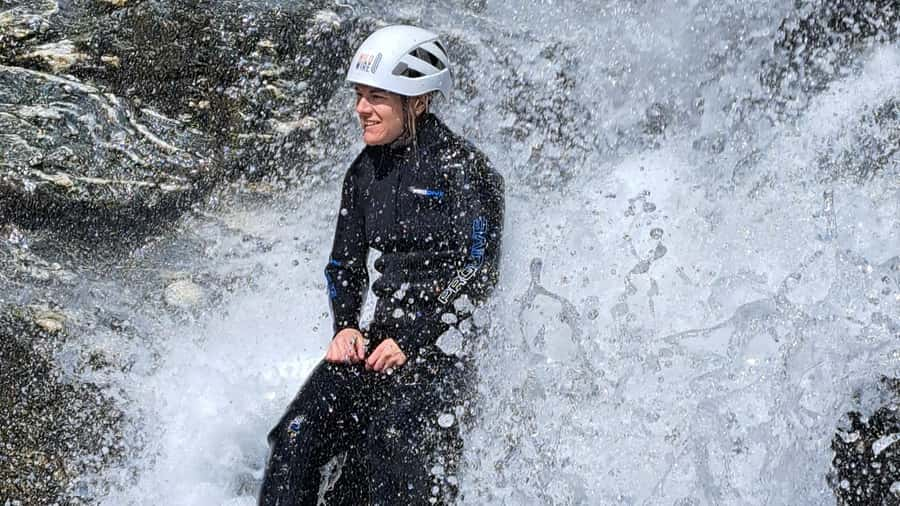
The day starts with a Level 1 cable climb. This is a smart introduction because it lets you learn how to move with the safety system before you reach the waterfall section.
You receive safety training and instruction from an experienced English-speaking guide. No previous climbing experience is required, so the first section is about learning the basics, getting comfortable with the equipment, and finding out how your body handles height and uneven rock.
The Level 1 label should not make you think the day is effortless. You still need to be active and comfortable on steep, exposed ground. If you are nervous with heights, this first climb gives you a chance to decide how you feel before the canyoning becomes more demanding.
I like this order. Starting with climbing lets you learn while relatively dry, then use those skills as you move toward the waterfalls. It also creates a gradual build rather than sending a first-timer straight to a rappel.
A few more to weigh up in Wanaka
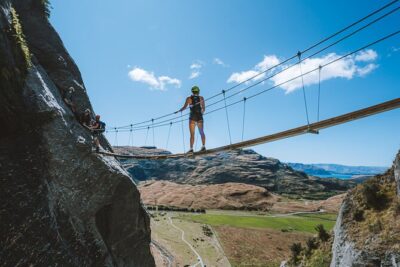
- Wildwire Wanaka- Level 2 (4 Hours)
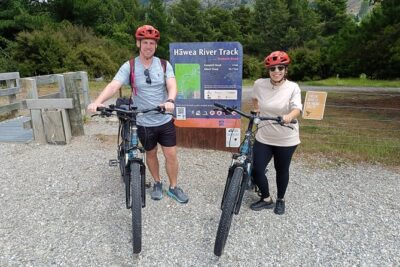
★ 5.0 · 467 reviews - Bike the Wanaka and Hawea Trails
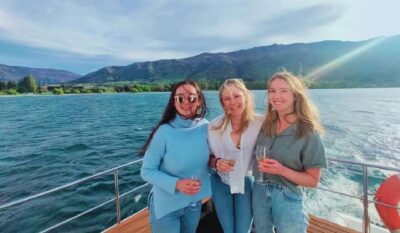
★ 5.0 · 346 reviews - Lake Wanaka Happy Hour Cruise
★ 4.6 · 313 reviews
The Cliffside Trail to Twin Falls
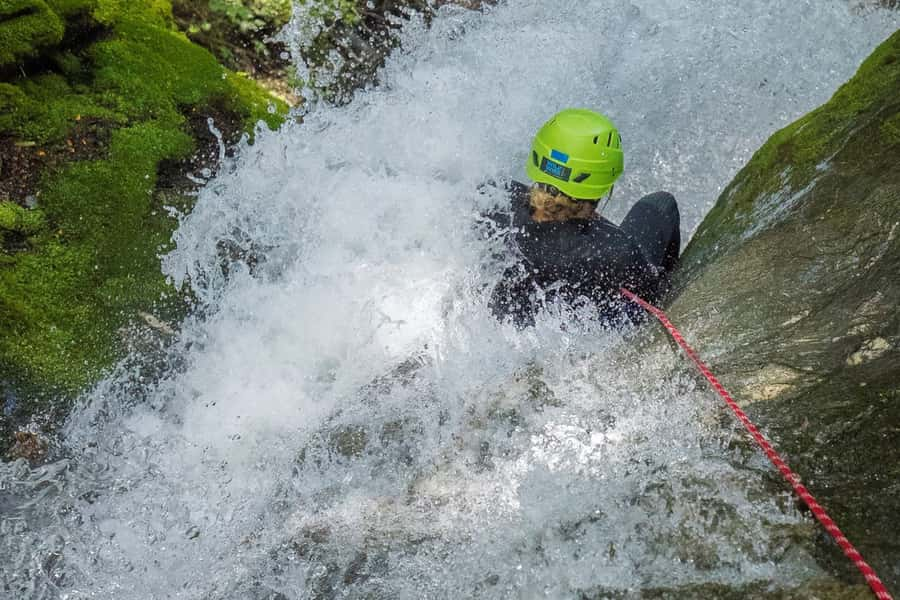
After the cable climb, you follow a cliffside trail toward the next waterfall. This is where the tour shifts from a climbing lesson to a full outdoor route.
The trail passes through native bush and includes exposed terrain. You should expect uneven footing, steep sections, and views that reward you for taking the route slowly. The mountain and lake views are an important part of the day, especially because the activity is not only about speed or adrenaline.
This section may be the point that separates an adventurous beginner from a casual sightseer. You need to walk confidently on rough ground and keep moving for several hours. The activity information says you may be active for up to five hours, even though the full booking lasts six hours.
That distinction matters. Six hours does not mean six hours of constant rappelling, but it does mean you should not schedule this as a relaxed morning outing followed by a tight afternoon appointment. Give yourself room before and after the tour.
Rappelling the Lower Waterfall Sections
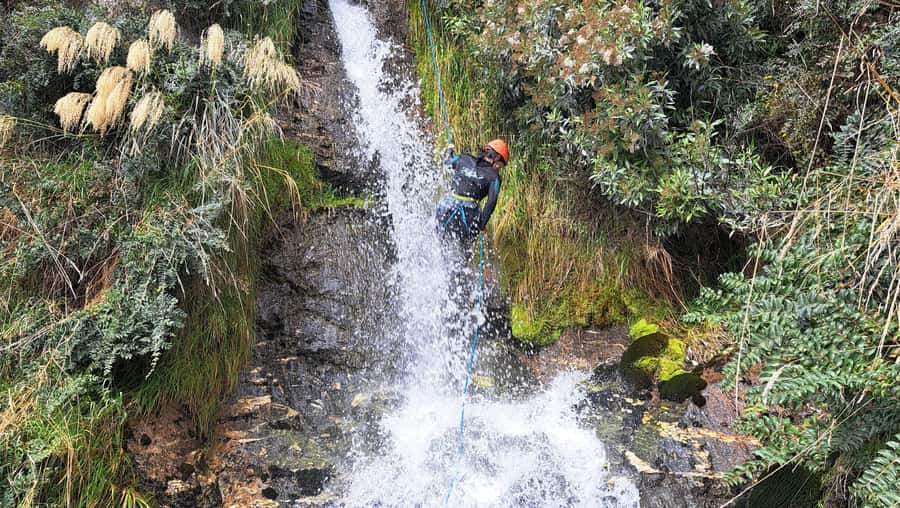
At Twin Falls, you learn how to abseil, also called rappel, down the lower section of the right-hand waterfall. The guide teaches you how to descend on ropes and supports you throughout the process.
The tour includes rappelling down six waterfalls, which gives the day a useful progression. You do not need to arrive with rope skills. You learn the technique, then repeat it as the route continues, allowing the movement to become more familiar.
Water makes the experience more physical than an ordinary climbing wall. You should expect to get wet, which is why a wetsuit and wetsuit socks are supplied. You still need to bring your own swimsuit, towel, and sturdy shoes that can get wet.
A waterproof phone or camera case is optional, but it is the only sensible way to protect a phone around waterfalls. I would not treat this as a day for carrying an unprotected phone in your hand. Your attention belongs on your footing, rope, and guide.
The six rappels are also the part most likely to appeal to adrenaline seekers. At the same time, you should be honest with yourself before booking. You must be willing to move over exposed terrain and descend ropes. The guide is there to teach and support you, but the activity still asks you to participate actively.
A Guided Lower on the Wire Crossing
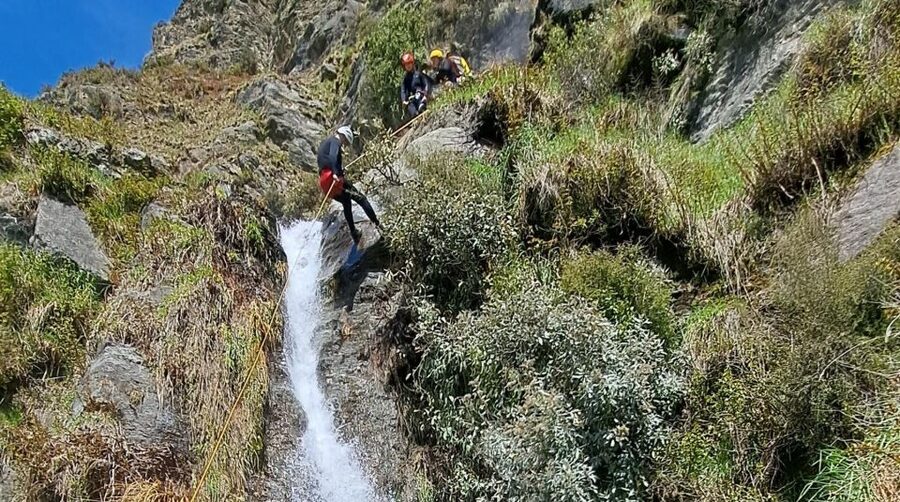
The final activity is a guided lower on the wire crossing, followed by a short walk back to the base. This provides a different finish from the rappels and gives the day one more rope-based challenge before you return.
The wire crossing adds variety without requiring you to master a completely new full-day activity. You have already spent the trip learning how to handle climbing equipment and descend ropes, so the final section feels like part of the same lesson.
The short walk back is useful after several hours of activity, especially if your arms and legs are tired. It also keeps the route compact. You are not finishing with another long hike after the wet and vertical sections.
A completely different sort of day out:
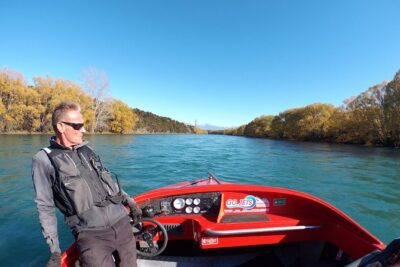
- Small Group Jet Boat Adventure on the Clutha River from Wanaka
★ 5.0 · 302 reviews - Wanaka: Water Taxi & Mou Waho Island Tour
★ 4.8 · 299 reviews - Cardrona High Country Pub Trail Horse Trek (Intermediate level+)
★ 5.0 · 269 reviews - Queenstown: Small Group Mt Cook Day Tour
★ 4.7 · 262 reviews
What the Small Group Changes
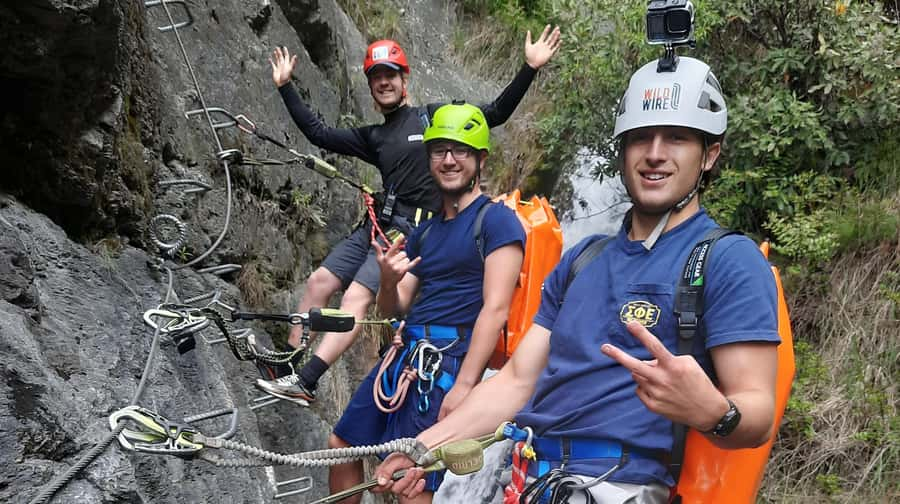
The group is limited to six participants. That is one of the strongest features of this trip, because a small group can make a major difference on a technical outdoor outing.
You are less likely to feel rushed when learning a new skill. The guide can watch how you use the rope, help you adjust, and give more attention to individual concerns. A smaller party also makes it easier to keep a steady rhythm on the route.
A March 2024 booking had only three people in total. That group was able to move at its own pace and take extra detours for added fun. You should not assume every departure will have only three participants, but the six-person maximum still keeps the experience personal.
The small-group format also helps if your confidence changes during the day. Some people find the first climb easy and the exposed rappels more intimidating. Others feel the opposite. Personal guidance matters more here than it would on a large commercial outing.
What the $196 Price Really Covers
At $196 per person, this is not a cheap add-on. The price makes more sense when you count what you do not need to arrange separately.
Included in the cost are:
- An experienced professional guide
- Safety instruction
- Safety equipment
- A wetsuit
- Wetsuit socks
- Lunch
You still need your own swimwear, towel, water, hiking shoes, and optional waterproof phone case. Sturdy footwear is especially important because your shoes must handle uneven ground and water.
I see the value in the package for someone who wants a guided introduction to both climbing and canyoning. You receive training, equipment, food, and several hours in a dramatic natural setting. If you already own technical gear and have substantial climbing experience, the price may feel less attractive. If you are a first-timer, the included instruction and equipment remove several barriers.
The strongest value comes from the variety. You are not paying for one short rappel or a brief sightseeing stop. The day combines a cable climb, a cliffside route, waterfall rappels, and a wire crossing. That variety makes the cost easier to justify for the right person.
Fitness, Heights, and Age Rules
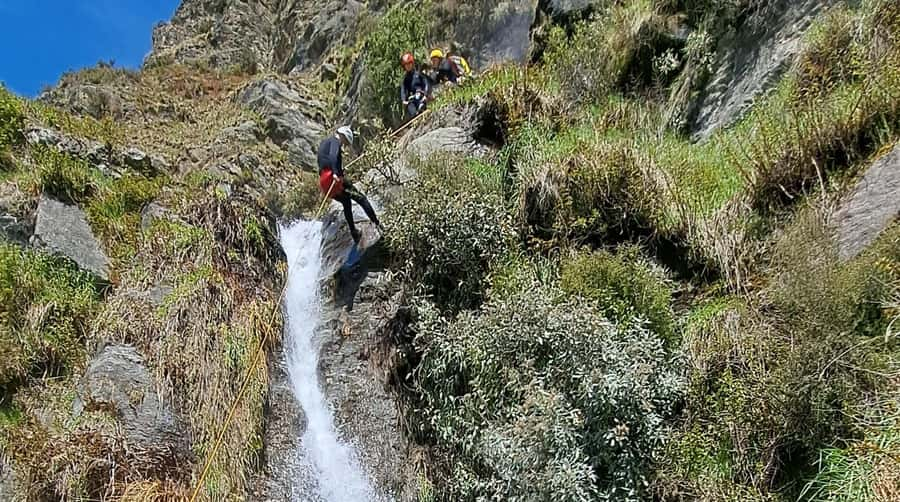
This trip is designed for adventurous, fit beginners. The important word is fit, not experienced.
You must be able to walk on uneven terrain, move through steep exposed sections, and stay active for up to five hours. You also need a head for heights. The guide teaches climbing and rope-descending skills, but the tour cannot remove the physical demands of the route.
The minimum age is 14. Participants must be at least 120 centimeters tall and weigh at least 40 kilograms. The maximum stated weight is 100 kilograms.
These limits are practical screening rules, not minor suggestions. Rope equipment, wetsuits, and the route all need to work safely for the people taking part. If you are unsure about your fitness or the height exposure, ask before booking.
I would recommend this trip to a reasonably active teenager or adult who enjoys trying something new and does not mind getting wet. I would not choose it for a child, someone with serious mobility limits, or anyone who dislikes exposed heights.
What to Bring for a Wet Half-Day
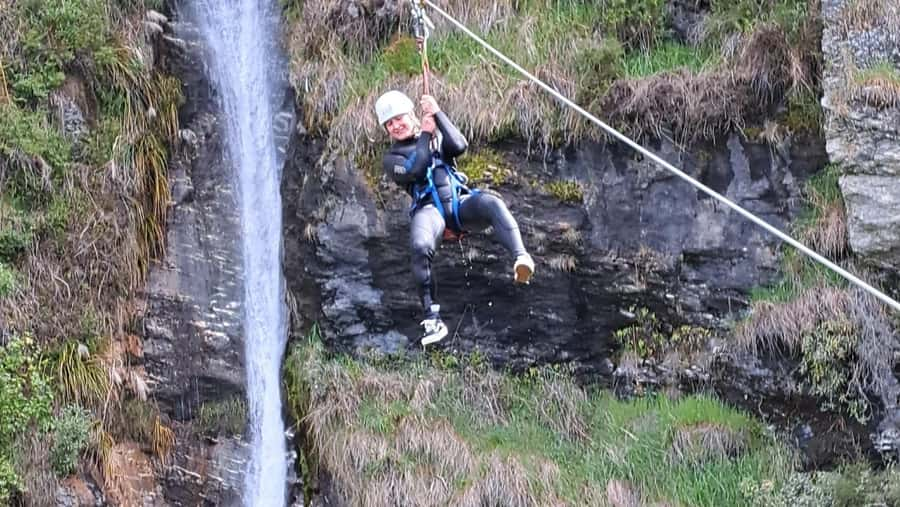
Pack simply, but pack the right things. Your swimsuit goes under the supplied wetsuit, and a towel is needed after the water sections.
Wear sturdy hiking shoes that can get wet. The information specifically asks for hiking shoes, and ordinary casual footwear may not give you enough support on steep, uneven ground.
Bring water. Lunch is included, but that does not replace your own drinking supply during an active day.
A waterproof phone or camera case is optional. If you want images, use one that is genuinely waterproof and secure. Waterfalls, ropes, and exposed movement are a poor combination for an unprotected phone.
You do not need to bring climbing equipment or a wetsuit. Those are supplied, along with safety equipment and training.
How the Day Feels for a Beginner
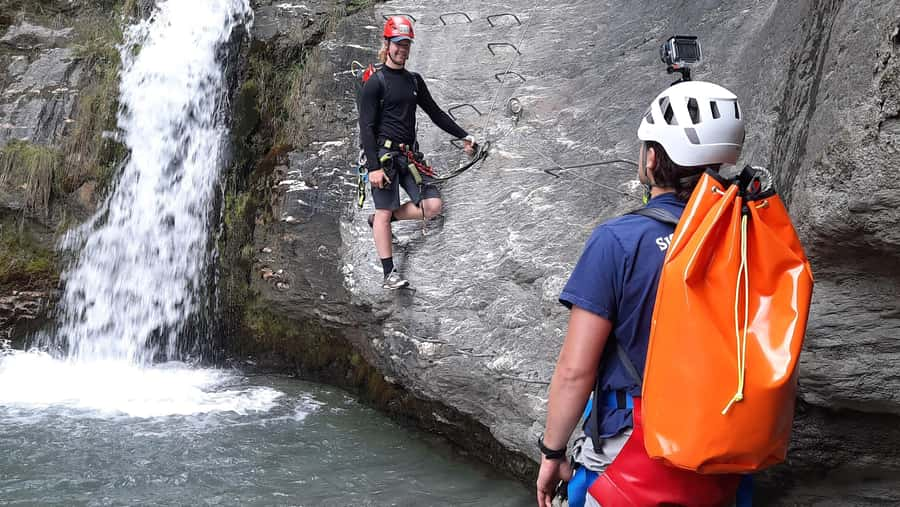
The activity is built to teach as it goes. You start with a Level 1 cable climb, learn how to use the equipment, walk to the waterfall, and then apply your skills to rappelling.
That structure should suit you if you like a challenge but prefer clear instruction. You are not expected to know how to climb or abseil before arrival. The guide remains with you throughout the experience.
Still, beginner-friendly does not mean gentle. You may feel tired after the long active period, and the combination of wet clothing, steep ground, and exposure can be demanding. The tour works best when you approach it with patience rather than trying to prove something.
The best attitude is to keep your own pace, listen closely, and accept that the guide’s instructions matter more than rushing toward the next waterfall.
Weather, Flexibility, and Planning Your Day
The tour lasts six hours, with starting times depending on availability. Since the activity uses waterfalls, ropes, exposed cliffs, and wet gear, conditions can affect how comfortable the day feels.
The available booking terms allow free cancellation up to 24 hours before the start time, with a full refund. You can also reserve now and pay later, which helps if you are arranging several activities around changing South Island weather.
I would leave space around this tour in your Wanaka schedule. Do not pair it with another demanding activity immediately afterward. Even if the walking is manageable, you may want time to dry off, eat, and recover.
The drive from Wanaka takes about 20 minutes along the lake toward Treble Cone and Mount Aspiring National Park. Allow extra time to find the cattle stop and gate, since missing the turn means continuing too far.
Who Should Book the Twin Falls Tour?
I would book this if you want a guided first taste of both climbing and canyoning, enjoy active days, and like the idea of getting close to waterfalls rather than simply photographing them from a lookout.
It is also a good choice if you value personal instruction. The six-person limit and professional guide make the day more approachable for beginners who want support without joining a large group.
I would skip it if you want a dry scenic outing, have limited fitness, dislike heights, or need a relaxed schedule. The natural setting is beautiful, but you experience it through movement, ropes, water, and uneven ground.
The high praise is easy to understand: the trip is thrilling while still structured around training and safety. Its strongest point is the combination of adventure and control. You get a real physical challenge, but you are not expected to arrive as a climber.
Should You Book It?
Book the Wanaka Waterfall Climb and Canyon Tour if you want a full active day with six waterfall rappels, a beginner cable climb, mountain and lake views, and a small group that can work at your pace.
At $196, it is best viewed as a complete guided experience rather than a single attraction. The included gear, lunch, instruction, and guide help justify the price. Just make sure you can handle exposed terrain, wet shoes, steep ground, and several hours of activity. If that sounds exciting rather than worrying, Twin Falls offers one of Wanaka’s more hands-on ways to meet the outdoors.
FAQ
Where does the Wanaka Waterfall Climb and Canyon Tour meet?
The meeting point is at a locked farm gate with the local operator’s sign, in front of two large waterfalls. From Wanaka, follow Wanaka-Mount Aspiring Road west beside the lake for about 20 minutes toward Treble Cone Ski Field and Mount Aspiring National Park.
How do I know I have gone too far?
If you reach the ski field road or a gravel road, you have gone too far. Look for the cattle stop, then pull out immediately to the left in front of the two waterfalls.
How long does the tour last?
The tour lasts six hours. You should expect to be active for up to five hours during the day.
Do I need climbing or abseiling experience?
No. Previous climbing and abseiling experience is not required. You receive training and learn how to climb and descend ropes during the tour.
How many people can join the group?
The group is limited to six participants.
What age is the tour suitable for?
The tour is not suitable for children under 14 years old.
Is there a minimum height and weight?
Participants must be at least 120 centimeters tall and weigh at least 40 kilograms. The maximum stated weight is 100 kilograms.
What equipment is included?
The tour supplies safety equipment, a wetsuit, and wetsuit socks. It also includes safety training, an experienced professional guide, and lunch.
What should I bring?
Bring swimwear, a towel, water, hiking shoes or other sturdy shoes that can get wet, and a waterproof phone or camera case if you want to take photos.
Can I cancel the tour?
You can cancel up to 24 hours in advance for a full refund. The booking option also allows you to reserve now and pay later.
Just added in Wanaka
- Wanaka: Tandem Paragliding Experience★ 4.9 · 93 reviews
- Wanaka: Scenic Hot Air Balloon Flight★ 4.7 · 6 reviews
- Wānaka: Scenic Helicopter Flight Wānaka Max★ 5.0 · 11 reviews
- Wanaka: Self-Guided Regular MTB – Lake Hawea to Lake Wanaka★ 4.8 · 40 reviews
- Wanaka: Mou Waho Island Boat Tour and Nature Walk★ 4.5 · 2 reviews
- Wanaka: Rob Roy Glacier Guided Hike with Lunch★ 5.0 · 3 reviews
- Wanaka: Scenic Helicopter Flight with Glacier Experience★ 5.0 · 42 reviews
- Wanaka: Mount Burke 4×4 Explorer and Boat Tour★ 5.0 · 36 reviews
Wanaka Tours, compared.
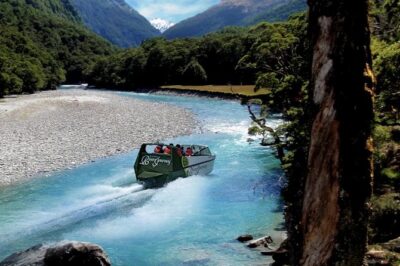
Small Group Jet Boat Adventure on the Clutha River from Wanaka
Read our review →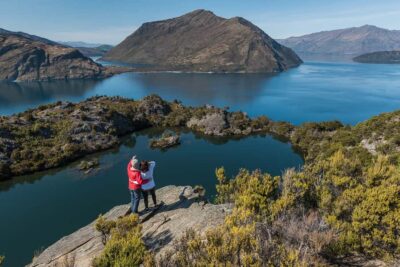
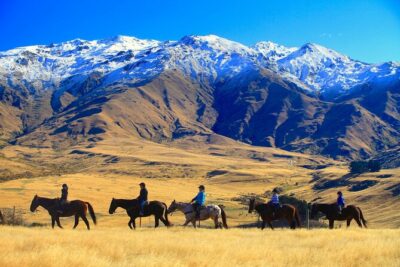
Cardrona High Country Pub Trail Horse Trek (Intermediate level+)
Read our review →
Browse the lists this tour appears in