
REVIEW · PENGUIN TOURS
Akaroa: Pohatu Little Penguins 3-Hour Evening Experience
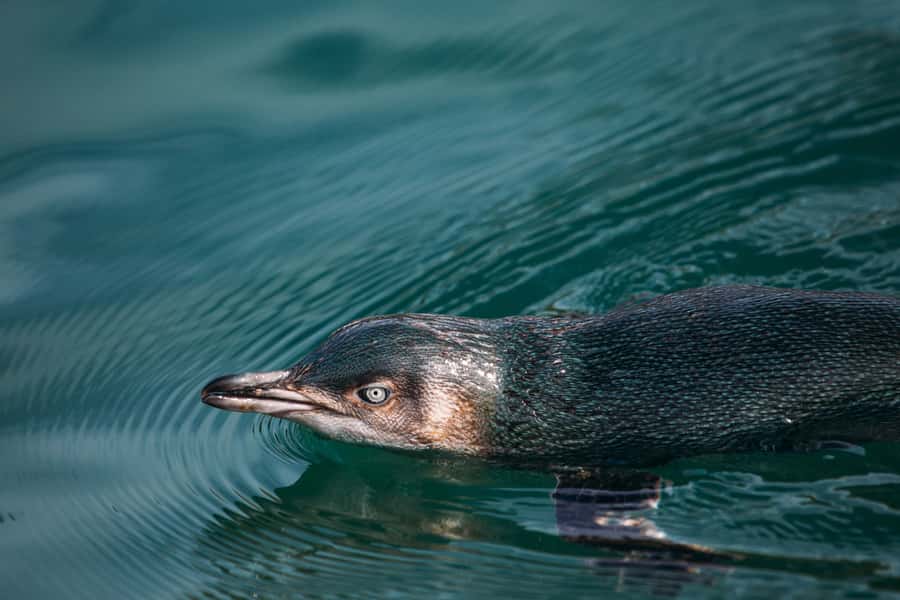
Little penguins make a quiet entrance. This Akaroa outing combines wildlife monitoring with a scenic 4WD ride to remote Pohatu, also called Flea Bay. I like the close look at nesting boxes and the chance to watch penguins gathering offshore without artificial lights. I also like that your $68 ticket helps fund more than 30 years of local conservation work.
The main catch is simple: penguins are wild animals, not scheduled performers. You may see only a few birds, and there is no promise they will come ashore before darkness. The drive is scenic but the walk includes narrow and steep sections, so this is not a good choice for wheelchair users or anyone with limited mobility.
In This Review
- Key points to know before you go
- Why Pohatu is more than a penguin photo stop
- The 4WD ride from Akaroa to Flea Bay
- Photo stops with views across Akaroa Harbour
- Checking wooden nest boxes at the colony
- Watching penguins offshore as daylight fades
- The best season for a penguin sighting
- What the $68 price really includes
- Guides make the difference
- Walking conditions and practical limits
- Who will enjoy this evening in Akaroa
- Should you book the Pohatu penguin tour?
- FAQ
- How long is the Pohatu Little Penguins experience?
- Where does the tour meet?
- Does the departure time stay the same every day?
- Are penguin sightings guaranteed?
- Are artificial lights used to show the penguins?
- What equipment is provided?
- What should I bring?
- Is the tour suitable for wheelchair users?
- When is the best time of year to see penguins?
Key points to know before you go
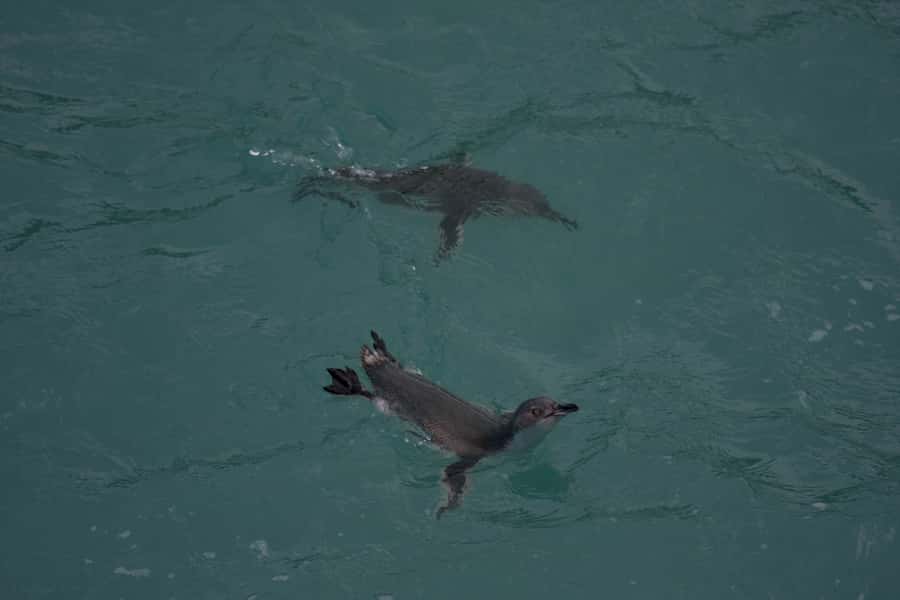
- Penguin sightings depend on nature: You may see birds in nesting boxes, on the water, or returning to shore at dusk, but shore sightings are not guaranteed.
- The drive is part of the experience: A 4WD minivan crosses the Akaroa volcanic crater rim and stops for views over Akaroa Harbour and the Pacific.
- You help with real conservation work: The visit includes checking nest boxes, collecting data, and watching the health of the colony.
- Season changes everything: Breeding runs from mid-September through December, moulting continues into February, and penguin numbers can be very low from early March to mid-April.
- Small groups help protect the colony: Numbers are limited to 12, and only guided groups may enter this sensitive breeding area.
Why Pohatu is more than a penguin photo stop
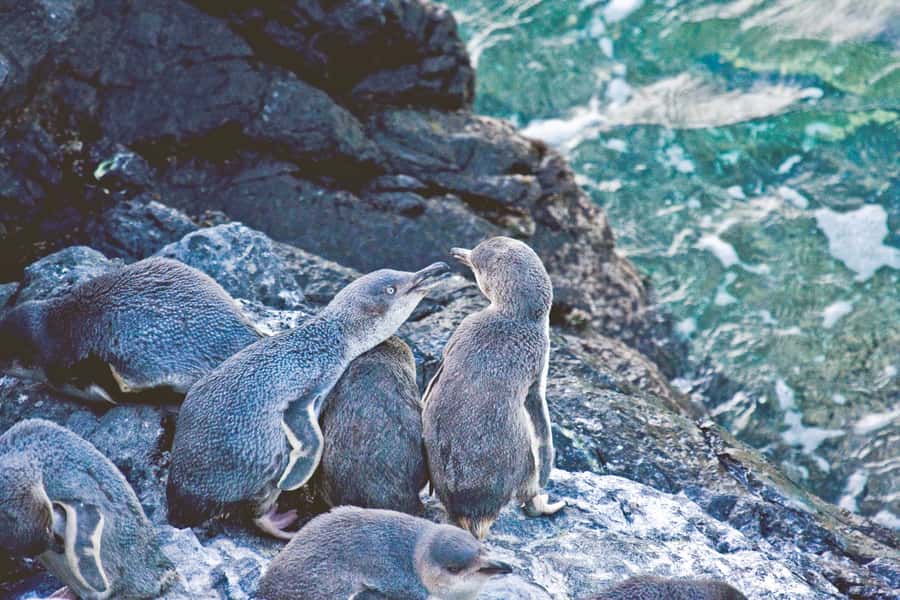
Pohatu Penguins and Sea Kayaking runs this three-hour evening trip from Akaroa to a protected colony of white-flippered penguins. These little birds are part of a local conservation story that reaches back more than 30 years, when careful protection and monitoring helped prevent their disappearance from the area.
That background matters. You are not simply driven to a viewing platform, shown a few animals, and sent home. The main purpose of the visit is to monitor nesting sites and check that the birds are doing well. The small wooden nest houses are part of that work, and your guide explains what the team is looking for.
I think this gives the experience a stronger sense of purpose than a standard wildlife outing. You are asked to watch quietly, avoid flash photography, and accept that the animals set the timetable. That can feel less predictable, but it is also the more honest way to see wildlife.
The tour has earned a 4.8 rating from 119 bookings, with especially strong praise for the guides, conservation work, and variety of wildlife. Several guides are singled out by name, including Ben, Tayla, Mona, Gayla, Kevin, Joey, and Geraldine. The recurring theme is that the guides explain far more than penguins, covering local plants, introduced animals, geology, Akaroa Peninsula history, and wider New Zealand wildlife.
More penguin trips:
- Akaroa: Pohatu Penguins Scenic Nature 2-Hour or 4-Hour Tour
★ 4.9 · 125 reviews - Akaroa: Wildlife Cruise with Dolphins and Penguins
★ 5.0 · 27 reviews - Oamaru: Penguins Evening Viewing Ticket
★ 4.5 · 682 reviews
The 4WD ride from Akaroa to Flea Bay
You meet before St Peter’s Church in Akaroa, then travel by 4WD minivan toward Pohatu. The ride takes about 30 minutes, depending on conditions and the evening schedule, and crosses the crater rim of the Akaroa volcano.
This is not dead time between Akaroa and the colony. It is one of the pleasant parts of the trip. The road provides broad views over Akaroa Harbour, while the photo stops look toward the open Pacific. The guides use the journey to explain the peninsula, local geology, plants, and wildlife.
The vehicle is practical for reaching a remote bay, though you should not expect a smooth coach ride. The route is part of the appeal, and the small group size makes it easier to hear the guide and ask questions. A group may be split into smaller sections at the colony, which helps prevent crowding around the nesting sites.
Bring a warm layer even if Akaroa feels mild at departure. The trip runs into the evening, and conditions at the exposed bay can be cold and wet. Hiking shoes and weather-appropriate clothing are specifically advised.
Photo stops with views across Akaroa Harbour
The viewpoints give you a useful pause before the wildlife work begins. From the crater rim, you can look back over the harbour and out toward the Pacific, making the journey feel like a proper excursion rather than a short transfer.
These stops are also a good chance to take photographs before the light fades. The scenery is a major part of the value here, particularly if you have limited time in Akaroa and want an outing that combines coastal views with wildlife.
Still, keep your expectations in check. The tour lasts three hours, and some of that time is spent driving. If you want a long walk or a full-day exploration of the peninsula, this is not that kind of activity. It is a focused evening trip with a scenic approach.
Checking wooden nest boxes at the colony
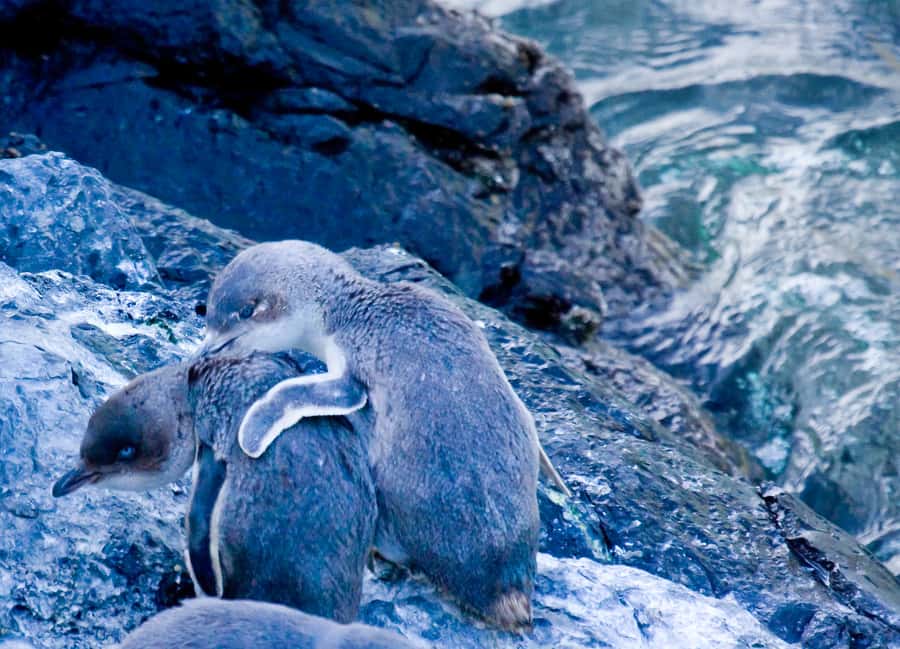
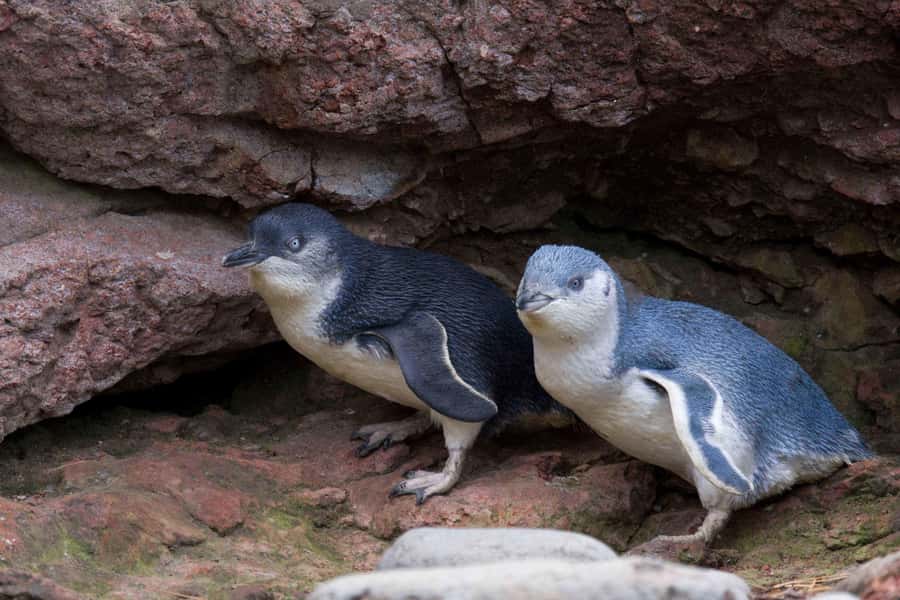
At Pohatu, your guide leads you around the colony and explains how the nesting sites work. The birds use small wooden houses, and monitoring them can give you a close look at penguins without chasing or crowding them.
Depending on the season, you may see a penguin inside a nest box, including birds moulting or caring for young. In the breeding months, you might see chicks in their shelters. Supplemental feeding may also be taking place at certain times of year as part of rehabilitation work.
This close viewing is one of the tour’s strongest features, but it is important to understand the setting. You are not entering a penguin enclosure or handling the birds. You are observing them in a working conservation area, under guidance, while the team checks nest sites and records information.
Binoculars and camouflage gear are provided. The binoculars are especially useful for birds on the water, while camouflage helps reduce the visual disturbance around the colony. The guides keep the process quiet, and visitors are expected not to make noise.
A few more to weigh up in Akaroa
- Akaroa Dolphins ~ Harbour Nature Cruise
★ 5.0 · 2,143 reviews - Akaroa: Dolphin Nature Cruise
★ 4.9 · 440 reviews - Akaroa Harbour Nature Cruise
★ 5.0 · 332 reviews - Akaroa Harbour 2-Hour Dolphin Nature Cruise
★ 4.7 · 235 reviews
Watching penguins offshore as daylight fades
As evening arrives, the focus shifts from the nest boxes to the bay. Little penguins may be seen socializing on the water, and some may begin moving toward shore as darkness approaches.
This is the moment many people hope for, but it is also the least certain part of the outing. The colony is viewed using natural light only. Artificial lighting is not used because it can disturb the birds, so the viewing window ends when it becomes too dark.
You might see several penguins swimming together offshore, while binoculars may reveal birds that are difficult to spot with the naked eye. You might also see a few birds climb onto rocks near sunset. The timing depends on the weather and the penguins’ behavior, and the tour clearly does not guarantee that they will land before nightfall.
That limitation should shape your decision. If you need a guaranteed close-up penguin display, this outing may frustrate you. If you want a respectful chance to watch wild animals in their own routine, the uncertainty is part of the deal.
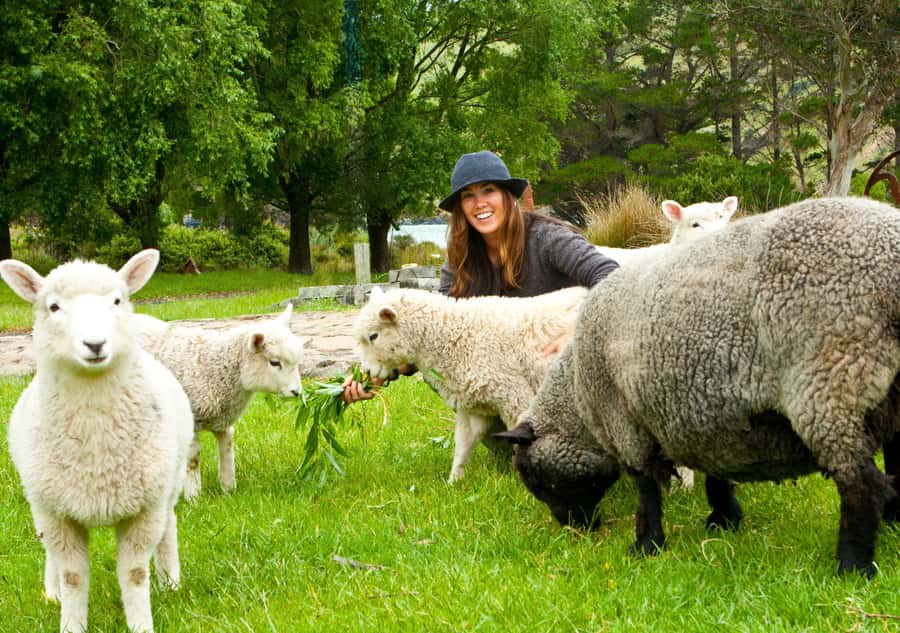
Other animals can add to the evening. Sightings have included seals or sea lions in the bay, and some excursions have included friendly sheep near the farm. These are welcome extras, not promised features.
The best season for a penguin sighting
The calendar makes a real difference at Pohatu.
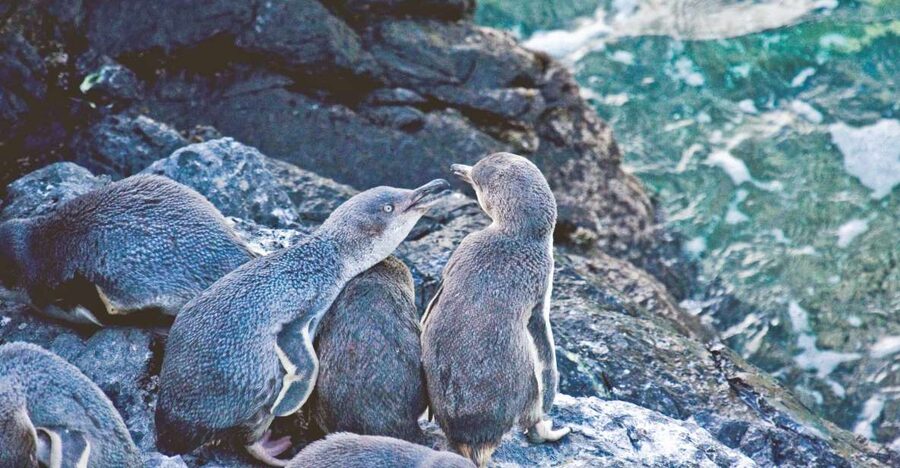
The colony breeds from mid-September through the end of December. This is the strongest period for nesting activity, and you have a better chance of seeing adults, chicks, and birds using the nest boxes. In November, visitors have seen baby penguins in their shelters and adults returning from the water.
The birds moult from around January into mid or late February. During moulting, penguins may remain in or near their nesting boxes. A February outing can therefore be rewarding even if fewer birds are moving along the shoreline. One February visit included penguins in their homes, birds in the bay, and a seal swimming nearby.
From early March to mid-April, there are generally no penguins at the colony. That is the clearest period to avoid if seeing a penguin is your main goal.
During winter, penguins come and go, but numbers vary. Sightings are possible, though the chance may be lower. Some winter visitors have seen a few birds in their homes and seals around the bay, while others have had a quieter wildlife experience.
The operator’s email gives the exact departure time because it changes with sunset. Check that message close to your tour date. The changing start time is necessary for natural viewing, but it can complicate dinner plans or cruise schedules in Akaroa.
What the $68 price really includes
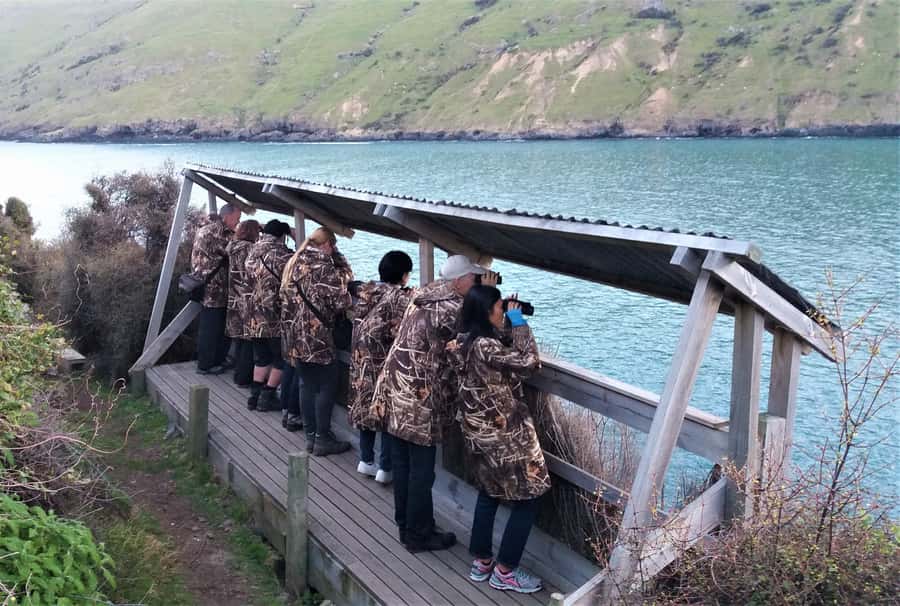
At $68 per person, the cost is reasonable if you value a small group, specialist guiding, transport to a remote colony, binoculars, camouflage equipment, and conservation support.
You are also paying for access that is not open to independent visitors. Because the breeding area is sensitive, only guided groups can enter it. That restriction protects the colony and gives the conservation team control over noise, movement, and visitor numbers.
The value is less convincing if you judge the tour only by the number of penguins seen. You could spend much of the evening in the van, checking nest boxes, and looking at distant birds with binoculars. Cold rain or poor timing can make the wildlife portion feel modest.
I would think of the $68 as a contribution to a conservation project with a wildlife experience attached. That is a fair price for someone who wants an educational, low-impact encounter. It is less suitable for someone who wants a guaranteed parade of penguins.
The return 4WD transport and photo stops also save you from arranging your own way to Flea Bay. The trip is three hours, so it fits neatly into a day in Akaroa, provided you keep your evening flexible.
Guides make the difference
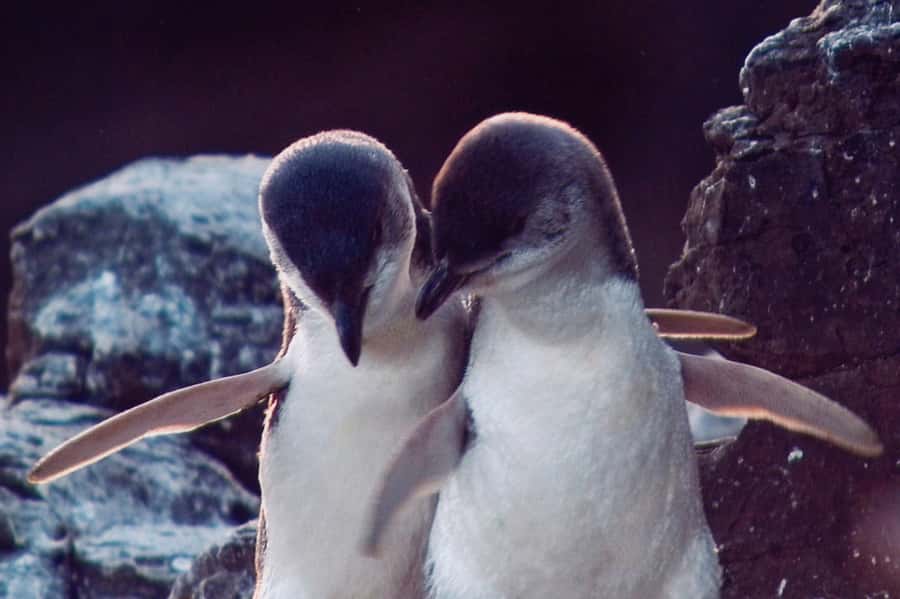
The quality of the guide matters greatly on an outing where sightings can be unpredictable. A good guide turns a quiet bay and a few distant shapes into a useful lesson in animal behavior and conservation.
Ben is praised for explaining the wider peninsula as well as the penguins. Tayla helped make one evening memorable by pointing out that the aurora would be visible later, something the visitors would otherwise have missed. Mona is described as engaging and good at organizing groups so that the colony never felt crowded.
Other guides, including Kevin, Joey, Gayla, and Geraldine, are also noted for their warmth and clear explanations. That consistency is encouraging. You are likely to learn about classification, penguin behavior, local plants, native and introduced species, and the work behind the nest boxes.
The best advice is to ask questions during the drive. Once you reach the colony, the group needs to stay quiet and orderly. The journey is your best opportunity to talk.
Walking conditions and practical limits
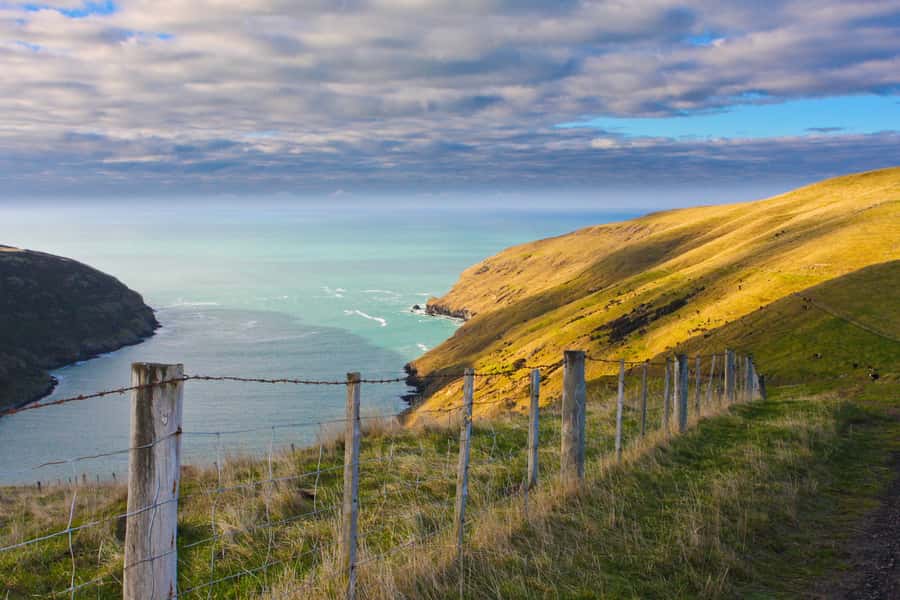
This is a guided wildlife walk, not a flat viewing platform. Narrow and sometimes steep trails lead around the colony. Hiking shoes are important, particularly if rain has made the ground slippery.
The activity is not suitable for wheelchair users or people with mobility impairments. If you have trouble with steep or confined paths, contact the operator before booking rather than relying on the 4WD ride to make the outing easy.
Photography is welcome, but flash is strictly forbidden. A flash can disturb the penguins and spoil the low-light viewing for others. Pack your camera, but plan to rely on the available light and binoculars rather than expecting bright, close-up images.
Smoking and loud noise are not allowed. These rules are not fussy extras. They protect the birds and help preserve the calm conditions needed for observation.
Free cancellation is available up to 24 hours before departure, and you can reserve now and pay later. That is useful because the start time changes with sunset and plans around Akaroa can shift.
Who will enjoy this evening in Akaroa
I would recommend the tour to you if you care about conservation, enjoy learning from local guides, and can accept uncertain wildlife sightings. It suits couples, families with older children, photographers who understand low-light limits, and anyone looking for a quieter alternative to a staged animal encounter.
It is particularly strong for visitors who want context. You learn how the colony is monitored, why nest boxes matter, and how local people have worked to protect the birds over decades.
I would hesitate to recommend it if you need guaranteed penguins on shore, dislike cold evening conditions, or want a relaxed ride with no walking. The experience can be chilly and the wildlife may stay offshore or remain hidden.
For the best odds, choose the breeding season from mid-September through December. January and February can still provide close views of birds in nest boxes, especially during moulting, but March to mid-April is a poor time to book if penguins are your main reason for going.
Should you book the Pohatu penguin tour?
Book this tour if you want a respectful, small-group encounter tied to real conservation work. The scenic crater-rim drive, remote bay, expert guiding, and chance to inspect nest boxes give the outing substance even when the penguins keep their distance.
Skip it if you want a guaranteed spectacle. Pohatu offers natural viewing, and nature may provide only a few birds, distant swimmers, or no shore arrival before dark. For many people, that honest uncertainty is exactly what makes the experience worthwhile.
FAQ
How long is the Pohatu Little Penguins experience?
The activity lasts three hours, including the return 4WD minivan trip between Akaroa and Pohatu, also called Flea Bay.
Where does the tour meet?
The meeting point is before St Peter’s Church in Akaroa.
Does the departure time stay the same every day?
No. The departure time changes with sunset. The local operator sends an email with the exact time and meeting information near your tour date.
Are penguin sightings guaranteed?
No. Sightings depend on weather and natural penguin behavior. You may see birds in nest boxes or socializing on the water, but penguins are not guaranteed to come ashore before darkness.
Are artificial lights used to show the penguins?
No. The tour relies on natural light, and artificial lighting is not used because it can disturb the birds.
What equipment is provided?
The tour provides binoculars and camouflage gear. Return transport by 4WD minivan, photo stops, guiding, monitoring, and penguin viewing are included.
What should I bring?
Bring hiking shoes and clothing suited to the weather. Conditions can become cold or wet as evening falls.
Is the tour suitable for wheelchair users?
No. The experience is not suitable for wheelchair users or people with mobility impairments because the route includes narrow and sometimes steep trails.
When is the best time of year to see penguins?
The colony breeds from mid-September through the end of December. Birds moult into mid or late February. There are generally no penguins from early March to mid-April, while winter sightings vary.
Just added in Akaroa
- Akaroa Wildlife Cruise★ 5.0 · 101 reviews
- Solar Explorer in Akaroa – Sun-Viewing Tour with Telescopes★ 5.0 · 5 reviews
- Shore Excursion Guided Sea Kayaking through Akaroa Marine Reserve★ 5.0 · 160 reviews
- Night Awe – Stargazing tour in Akaroa★ 5.0 · 61 reviews
- Sailing and Wildlife Tour Akaroa Fox II Sailing★ 5.0 · 76 reviews
- Small group guided sea kayaking in Akaroa marine reserve★ 5.0 · 116 reviews
- Electric Mountain Bike & Sea Kayak Tour in Akaroa★ 4.5 · 3 reviews
- Lava Loop- Guided electric mountain bike tour in Akaroa★ 5.0 · 34 reviews
Penguin Tours, compared.
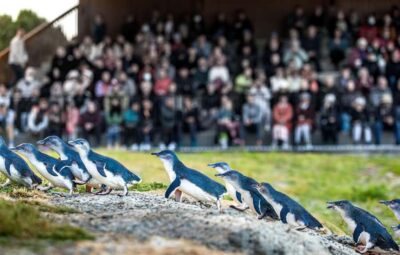
Guided Evening Penguin Viewing Otago Peninsula, Dunedin, New Zealand
Read our review →
Otago Peninsula In-Depth Tour & Blue Penguins Pukekura Experience
Read our review →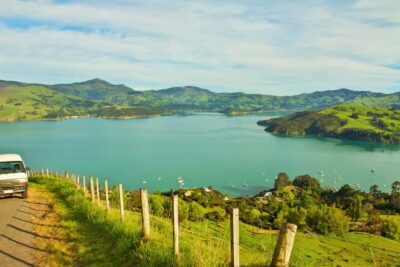
Pohatu Penguins Scenic Nature 2-Hour or 4-Hour Tour
Read our review →
Otago Peninsula with Guided Penguin Reserve Tour
Read our review →
Browse the lists this tour appears in