
REVIEW · PENGUIN TOURS
Dunedin: Wildlife and Penguin Tour
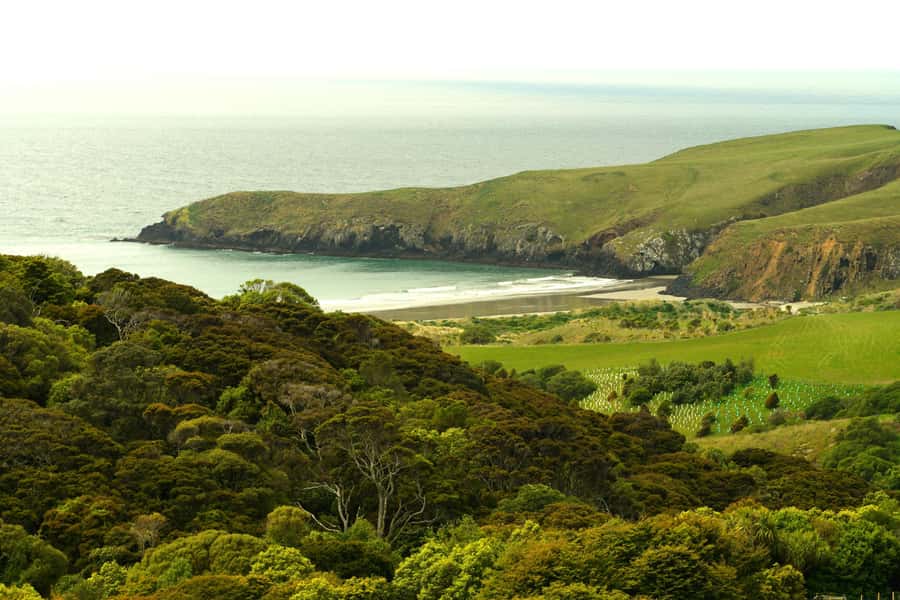
Penguins are only part of the prize. This 90-minute visit to a private Otago Peninsula eco-reserve combines a conservation presentation, access to a penguin rehabilitation centre, and a guided nature walk. I like the chance to see yellow-eyed penguins up close when birds are present, and I like that the $44 price helps support habitat restoration rather than offering wildlife viewing alone. The main catch is simple: wild penguins are never guaranteed, especially the rare hoiho.
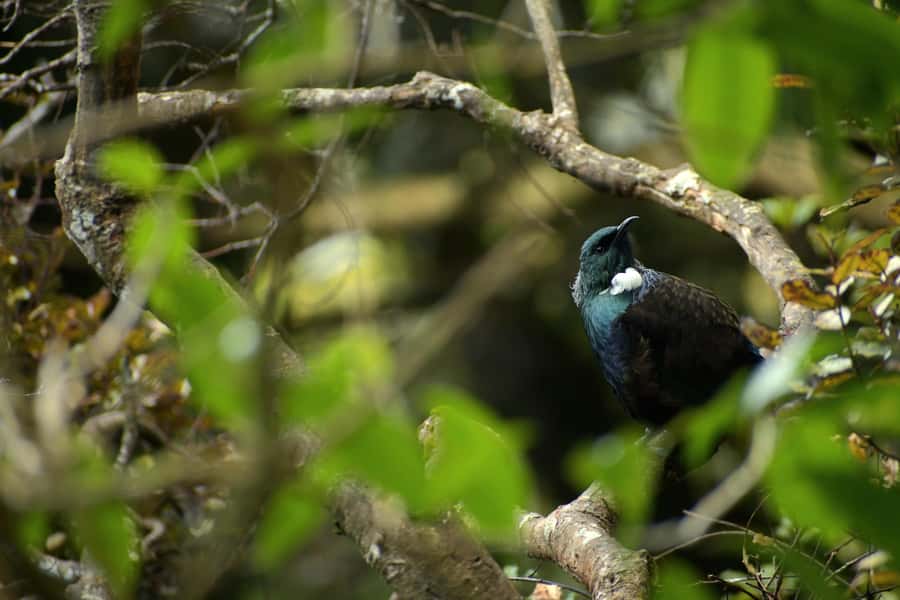
I also like the tour’s mix of wildlife and setting. You may see New Zealand fur seals, sea lions, little blue penguins, and forest or shore birds while walking through a protected area. Guides such as Emma and Eden have earned praise for their enthusiasm and clear explanations, but the 2-kilometre walk is not suitable for wheelchair users, people with mobility or vision impairments, or anyone with a low level of fitness.
In This Review
- Key points to know before you go
- Why this Otago Peninsula tour is different
- Starting at 45 Pakihau Road
- The theatre presentation explains the purpose
- The rehabilitation centre offers the closest views
- The bus ride leads into the private reserve
- The 2-kilometre nature walk is the heart of the visit
- Yellow-eyed penguins require realistic expectations
- What the guides add to the experience
- Is $44 a fair price?
- Who should book this tour?
- Should you book the Dunedin Wildlife and Penguin Tour?
- FAQ
- How long does the Dunedin Wildlife and Penguin Tour last?
- Where does the tour begin?
- Will I definitely see a yellow-eyed penguin?
- Can I see penguins at close range?
- What other animals might I see?
- Is the nature walk difficult?
- Are rain jackets provided?
- Is the tour wheelchair accessible?
Key points to know before you go
- Three-part experience: Start with a conservation presentation, visit the rehabilitation centre when penguins are present, then ride a bus into the reserve for a guided walk.
- Wildlife is not guaranteed: You may see yellow-eyed penguins, little penguins, seals, sea lions, and birds, but sightings change with the season and the day.
- Close penguin viewing: Rehabilitation birds can sometimes be seen at short range, while wild animals must be watched quietly from a respectful distance.
- Useful wet-weather support: Rain jackets are included, and binoculars may be available if you do not bring your own.
- Strong conservation focus: The visit supports efforts to restore native habitat and protect endangered yellow-eyed penguins.
- Good value at $44: The price covers a guided tour, bus transport within the reserve, the nature walk, and rehabilitation centre access.
Why this Otago Peninsula tour is different
Many wildlife outings around Dunedin focus on a single headline animal. This one gives you a broader look at how a protected reserve works. You are not simply taken to a viewpoint, shown a penguin, and sent home. You first learn why the animals need help, then see the care work at the rehabilitation centre, and finally walk through habitat where wild creatures live on their own terms.
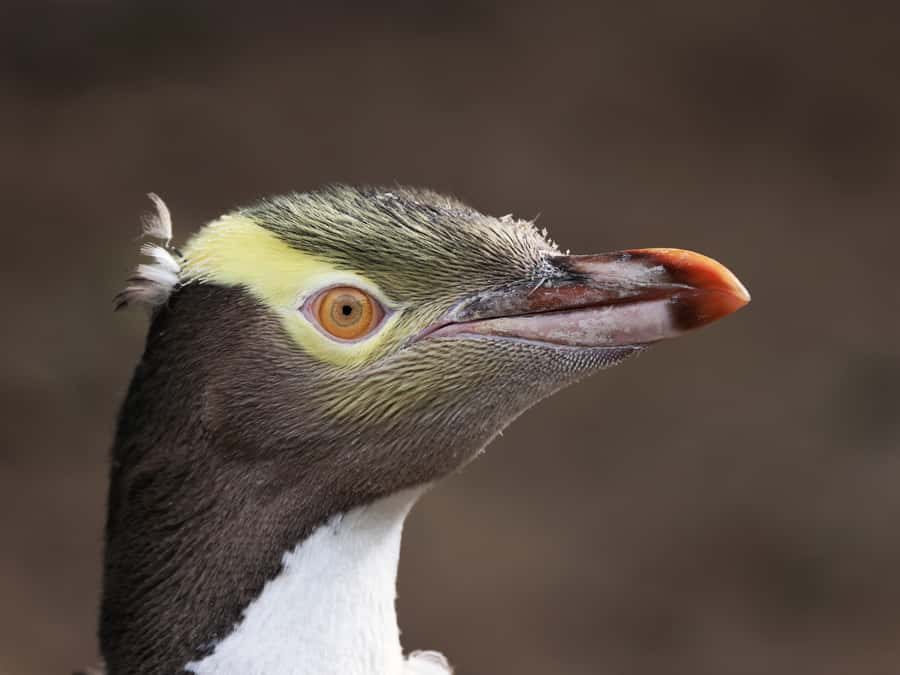
That order matters. By the time you reach the reserve, you understand why the guide may ask you to wait, keep quiet, or accept a distant sighting. Yellow-eyed penguins, known locally as hoiho, are endangered and particularly sensitive to disturbance. The experience makes conservation part of the visit, not a footnote.
The reserve is home to hoiho, kororā, New Zealand fur seals, sea lions, forest birds, shore birds, and other native wildlife. You could see several kinds of animals in one short outing, though the wildlife behaves according to its own schedule. Some visitors have seen blue penguins in nest boxes, while others have had close views of seals and sea lions but no yellow-eyed penguins in the wild.
That uncertainty is worth accepting before you book. If your only goal is a guaranteed penguin sighting, this may leave you disappointed. If you want a realistic look at conservation and wild habitat, the changing results are part of the experience.
More Wildlife Trips in Dunedin
- Clearwater Wildlife Tours (small group 10max) Otago Peninsula
★ 5.0 · 531 reviews - Otago Peninsula Wildlife Cruise with Monarch
★ 4.5 · 227 reviews - Albatross, seals, and sea birds-Wildlife Cruise
★ 5.0 · 189 reviews
Starting at 45 Pakihau Road
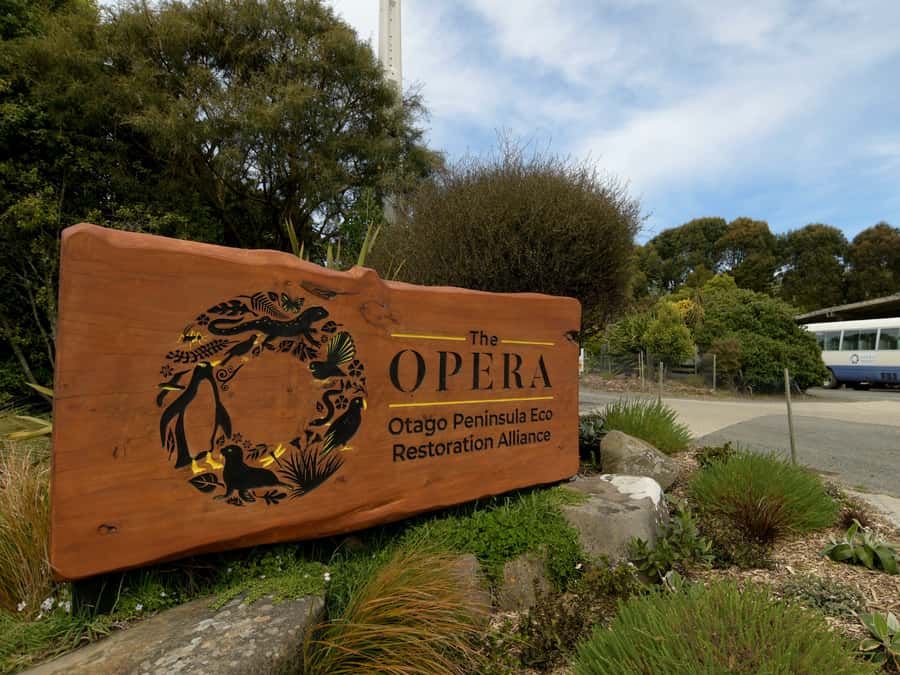
You begin by checking in at reception at 45 Pakihau Road. The tour then unfolds inside the reserve, returning to the same address after about an hour and a half.
The timing works well for a short Dunedin outing. You get a focused visit without giving up most of your day, and the bus ride cuts down the distance you need to cover on foot. The guide provides commentary during the drive, which helps turn the transfer into part of the tour rather than dead time.
The experience is conducted in English with a live guide. Group size can vary, though one outing was praised for being divided into a small group. That can make a real difference around wildlife, where a quieter, less crowded group is easier to manage.
Bring outdoor clothing even if the forecast looks friendly. The Otago Peninsula can be changeable, and the tour includes rain jackets for wet conditions. Comfortable walking shoes are important because the guided nature walk covers roughly 2 kilometres, or 1.25 miles.
The theatre presentation explains the purpose
The first part takes place in a theatre setting. Here, you learn about the work to restore the reserve to its original state, the problems facing yellow-eyed penguins, and the wider effort to protect every species living on the property.
This introduction gives the tour some needed context. Hoiho are not common, easy-to-see birds. Their numbers are declining, and viewing changes throughout the year and from day to day. The talk helps you understand why the reserve invests time in habitat restoration, rehabilitation, and careful visitor management.
I find this part especially useful if you are new to New Zealand wildlife. The guide can explain where penguins nest, why they are sensitive to people, and how conservation work supports more than one species. The best guides, including Emma and Eden, have been praised for answering questions and showing real care for the animals.
The presentation also sets a sensible tone. You are there to watch wildlife, but not to treat it like a show. Smoking is not allowed, and touching animals is forbidden. Following the guide’s instructions is not just good manners. It helps keep the reserve safe for creatures that already face pressure from a changing environment.
The rehabilitation centre offers the closest views
When penguins are present, the tour includes an exclusive visit to the rehabilitation centre. This is often the best opportunity for close viewing, especially if the animals in the wider reserve stay hidden.
The centre may hold yellow-eyed penguins and other penguin species. At one point, three different penguins were present, and another visit included a dozen penguins. You might see birds at relatively close range, but the viewing setup is designed around animal welfare rather than perfect photographs.
That tradeoff is important. One visitor wished for better visibility, while also recognizing the need to protect the penguins. You should not expect an open enclosure where birds are displayed for easy viewing. The centre is a working part of the conservation program, and sightlines may be limited.
Some visitors have seen penguins being released, which can be a powerful moment. Others have found the rehabilitation area more rewarding than the wild walk because it offered dependable penguin viewing. Still, the exact animals present will vary, so the centre should be viewed as a valuable possibility, not a fixed display.
Bring your camera, but do not let it take over. Binoculars are useful for the reserve, and binoculars may be provided if you do not have your own. A camera with a zoom lens can help, though no equipment can guarantee a good shot when an animal is tucked into cover.
More penguin trips:
- Guided Evening Penguin Viewing Otago Peninsula, Dunedin, New Zealand
★ 5.0 · 471 reviews - Otago Peninsula In-Depth Tour & Blue Penguins Pukekura Experience
★ 5.0 · 163 reviews - Dunedin: Otago Peninsula with Guided Penguin Reserve Tour
★ 4.7 · 66 reviews - Oamaru: Penguins Evening Viewing Ticket
★ 4.5 · 682 reviews
The bus ride leads into the private reserve
After the indoor portions, you take a short bus trip into the reserve. The ride is practical, but it also gives the guide time to continue the commentary. One particularly praised feature was the guide’s ongoing explanation during the drive, which made good use of those minutes.
The bus helps you reach the walking area without using up too much energy before the wildlife viewing begins. That is useful because the reserve walk is short enough for many active visitors, but it still calls for steady footing and outdoor clothing.
The private setting can feel more focused than a general sightseeing stop. The point is not to rush through a list of animals. You move with a guide who can pause when the group wants to take photographs or watch an animal. One guide was praised for allowing extra time rather than hurrying people along.
That slower pace is a plus, but it also means you should not expect a tightly packed schedule. The tour is built around observation. If a sea lion is doing something interesting or a bird appears nearby, the group may spend time watching rather than moving immediately to the next stop.
The 2-kilometre nature walk is the heart of the visit
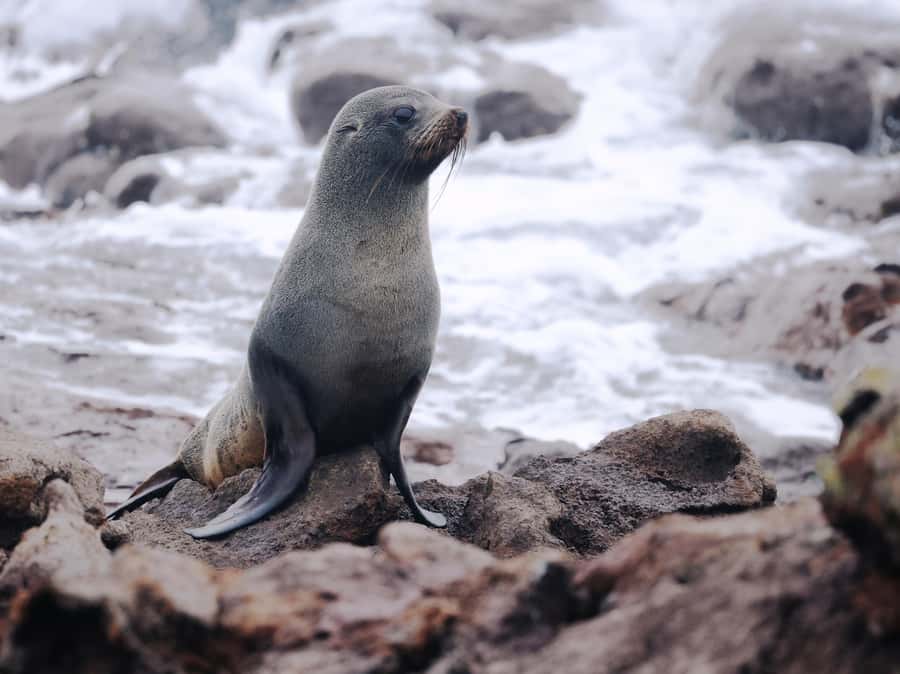
The guided walk covers about 2 kilometres through the reserve. Along the way, you may see plants, forest birds, shore birds, fur seals, sea lions, yellow-eyed penguins, and little blue penguins.
The word may matters here. These are wild animals, and the operator makes no promise about particular sightings. Some outings have produced a fine mix of blue penguins, sea lions, fur seals, and birds. Others have missed yellow-eyed penguins in the wild but still found plenty to watch.
Little penguins, also called kororā or little blue penguins, may appear in or around nest boxes. That can be a good reminder that wildlife viewing is often about patience and small details rather than dramatic action. You may not see a penguin marching across an open beach. You might instead catch a glimpse inside a shelter or see movement in a protected area.
The sea lions and fur seals can provide some of the most reliable entertainment. They are wild, close to the water, and interesting to watch even when the penguins stay out of sight. You should keep a respectful distance and follow the guide’s directions, especially around large marine mammals.
The walk also gives you a better feel for habitat restoration. The conservation story becomes easier to understand when you are looking at the plants, nesting areas, and spaces the animals depend on. The reserve is not just a backdrop for wildlife photographs. It is the thing being protected.
Yellow-eyed penguins require realistic expectations
Hoiho are the star of the tour, but they are also the least predictable part. They are among the rarest penguin species in the world, and their numbers are declining. Sightings vary by season and from one day to the next.
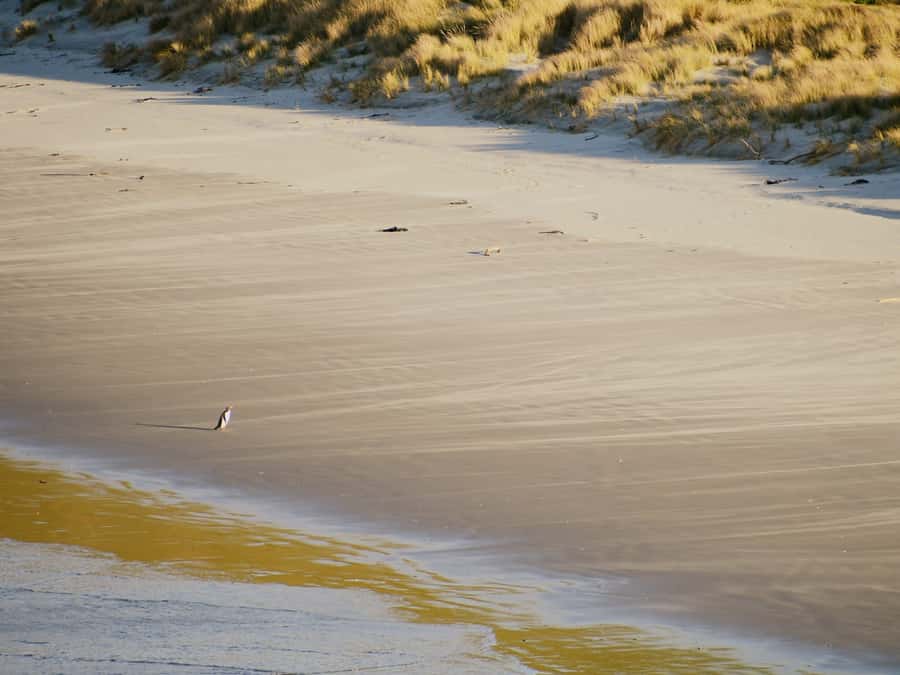
You may see them in the rehabilitation centre even if none appear in the wild. You may also get lucky on the walk. One outing included wild penguins on the beach, while another saw penguins close to the group in trenches. Those special encounters are possible, but they should not be treated as the normal result.
The guide’s job is to give you the best chance without putting pressure on the birds. That can mean waiting quietly, using binoculars, and accepting that a distant view is still a worthwhile one. The reserve’s conservation mission depends on keeping the animals wild, not training them to perform for visitors.
I would book this tour if you can enjoy wildlife on its own terms. If you need a guaranteed close-up yellow-eyed penguin photograph, choose your expectations carefully and think of the rehabilitation centre as your better chance for a near view.
What the guides add to the experience
The human side of the tour receives strong praise. Emma and Eden are both noted for enthusiasm, care, and clear explanations. That matters here because the reserve is best understood through small details: animal behavior, nesting areas, restoration work, and the reasons visitors must keep their distance.
A good guide also keeps the pace comfortable. You may be given time to stop for photographs or watch seals and sea lions. If weather turns unpleasant, the staff can offer rain jackets, and one difficult-weather visit still went ahead with flexible timing and a focus on learning about the reserve.
The guides also help you read what you are seeing. A bird in a nest box, a seal resting nearby, or an empty penguin area can all make sense when someone explains the habitat and seasonal patterns. That turns a quiet moment into part of the story.
Is $44 a fair price?
At $44 per person, the tour is good value for a 90-minute experience if you want more than a quick wildlife stop. The fee includes the guided presentation, bus transport into the reserve, the nature walk, access to the rehabilitation centre, and rain jackets.
You are also contributing to conservation work. That does not guarantee a sighting, but it gives the price a purpose beyond admission. The experience supports habitat restoration and the protection of endangered penguins and other native species.
The value depends on your priorities. For guaranteed entertainment, a wildlife park may feel more predictable. For a short, guided visit to a working private reserve, this tour offers a stronger connection to the animals and the work needed to protect them.
Food and drinks are not included, though the tour is short enough that this is unlikely to affect your plans. Allow extra time before or after if you want to eat elsewhere, but the experience itself returns you to 45 Pakihau Road.
Who should book this tour?
I would recommend it to anyone interested in New Zealand wildlife, conservation, and the Otago Peninsula. It suits visitors who want a guided experience and do not want to organize several separate stops.
It is also a good choice if you like learning as much as taking photographs. The theatre presentation and guide commentary give the visit substance, while the bus ride and walk provide real chances to see animals in protected habitat.
You should be comfortable walking outdoors for about 2 kilometres. The tour is not suitable for wheelchair users, people with mobility or visual impairments, or people with a low level of fitness. Wear proper shoes, bring binoculars if you have them, and prepare for rain.
Should you book the Dunedin Wildlife and Penguin Tour?
Book it if you want a conservation-focused outing with a fair chance of seeing penguins, seals, sea lions, and birds. The rehabilitation centre improves your chance of close penguin views, while the reserve walk gives you a more honest look at wildlife living in its own environment.
Do not book it expecting a guaranteed yellow-eyed penguin encounter in the wild. Instead, book for the full mix: habitat restoration, thoughtful guiding, possible rehabilitation sightings, and a quiet walk through a protected part of the Otago Peninsula. At $44, that is a sensible choice for an active visitor who values the work behind the wildlife experience.
FAQ
How long does the Dunedin Wildlife and Penguin Tour last?
The tour lasts 90 minutes, including the presentation, rehabilitation centre visit when penguins are present, bus ride, and guided nature walk.
Where does the tour begin?
You check in at reception at 45 Pakihau Road on the Otago Peninsula.
Will I definitely see a yellow-eyed penguin?
No. Yellow-eyed penguins are wild, rare, and declining in number. Sightings vary throughout the year and from day to day.
Can I see penguins at close range?
You may see yellow-eyed penguins and other species up close at the rehabilitation centre when birds are present. Wildlife in the reserve must be viewed at a respectful distance.
What other animals might I see?
Possible sightings include little blue penguins, New Zealand fur seals, sea lions, forest birds, shore birds, and other native plants and animals.
Is the nature walk difficult?
The walk covers about 2 kilometres. Comfortable walking shoes and outdoor clothing are required. The activity is not suitable for people with a low level of fitness.
Are rain jackets provided?
Yes. Rain jackets are included. You should still bring suitable outdoor clothing for changing conditions.
Is the tour wheelchair accessible?
No. The experience is not suitable for wheelchair users, people with mobility impairments, or people with visual impairments.
Just added in Dunedin
- 5 Day South Island New Zealand Private Tour from Dunedin★ 5.0 · 2 reviews
- Queenstown to Dunedin Incl Taieri Gorge Train (One-Way)★ 4.3 · 3 reviews
- Queenstown: Southern Highlights – 3 Days & 2 Nights★ 5.0 · 2 reviews
- Private Dunedin City Highlights and Otago Peninsula Day Tour★ 4.3 · 7 reviews
- From Dunedin: City, Otago Peninsula & Albatross Guided Tour★ 4.7 · 35 reviews
- Dunedin: Peninsula with Lanarch Castle gardens & Olveston★ 5.0 · 8 reviews
- Dunedin: Scenic Railway Tour Through the Taieri Gorge★ 4.7 · 73 reviews
- Dunedin: Small Group City Highlights Tour★ 5.0 · 3 reviews
Penguin Tours, compared.
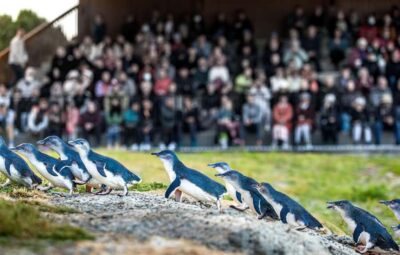
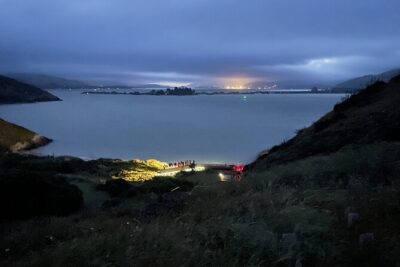
Guided Evening Penguin Viewing Otago Peninsula, Dunedin, New Zealand
Read our review →
Otago Peninsula In-Depth Tour & Blue Penguins Pukekura Experience
Read our review →
Pohatu Penguins Scenic Nature 2-Hour or 4-Hour Tour
Read our review →
Pohatu Little Penguins 3-Hour Evening Experience
Read our review →
Otago Peninsula with Guided Penguin Reserve Tour
Read our review →
Browse the lists this tour appears in