
REVIEW · CRUISES & BOAT TOURS
Albatross, seals, and sea birds-Wildlife Cruise
Wildlife watching works best from the water. This small-group cruise from Port Chalmers takes you across Otago Harbour toward Taiaroa Head, where you might see royal albatross, blue penguins, fur seals, sea lions, dolphins, and a long list of sea birds. I especially like the 14-person maximum and the mix of a heated cabin with an open deck for viewing and photos. I also like that skipper Rachel McGregor handles the boat and the commentary herself, bringing local wildlife and harbor history together. The main caution is simple: wildlife is wild, and calm weather or rough seas can affect what you see.
The cruise lasts about 1.5 hours from Port Chalmers, or around two hours if you join at Portobello. Binoculars and identification sheets are available, so you are not left trying to tell a shag from a cormorant while the bird disappears behind a wave. At $105.50 per person, it costs more than a large sightseeing boat, but the smaller vessel gives you more room to ask questions and more flexibility when wildlife appears.
In This Review
- Key points at a glance
- Why this Port Chalmers cruise is different
- Leaving Port Chalmers and entering Otago Harbour
- The harbor birds and feeding areas
- Searching for seals, sea lions, and blue penguins
- Taiaroa Head and the royal albatross search
- Rachel McGregor’s guiding and seamanship
- The boat, weather, and what to wear
- Is $105.50 a fair price?
- Who should book this experience?
- Should you book the Otago Harbour wildlife cruise?
- FAQ
- Where does the wildlife cruise depart?
- How long does the cruise last?
- How many people can join the boat?
- What wildlife might I see?
- Is the boat enclosed?
- Are binoculars provided?
- Is the tour suitable for most people?
- What should I wear?
- Can I cancel for a refund?
Key points at a glance
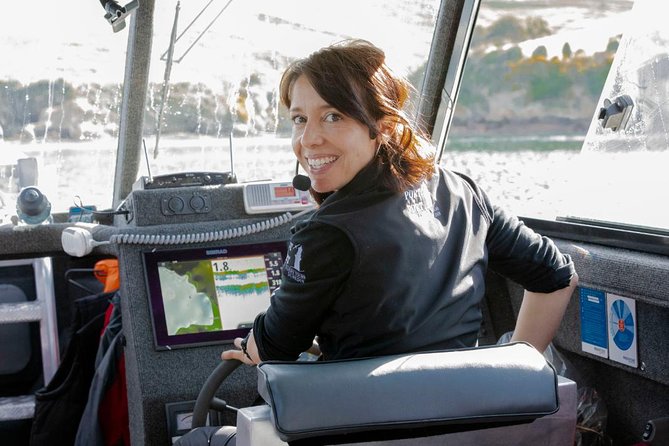
- Royal albatross near Taiaroa Head: The main prize is seeing these huge birds flying, landing, or lifting off around the headland.
- A genuinely small boat: The maximum group size is 14, a useful advantage for viewing animals without a crowd around you.
- Rachel McGregor at the helm: She is praised for her boat handling, clear commentary, and ability to identify birds and marine animals.
- Heated cabin and open deck: You can warm up inside, then step outside for photos and a better view.
- Port Chalmers access: The meeting point is an easy walk from the cruise ship dock, and pickup is offered.
- Wildlife comes with no guarantee: Fur seals, sea lions, penguins, and albatross are regular targets, but sightings vary with wind, sea conditions, and animal behavior.
Why this Port Chalmers cruise is different
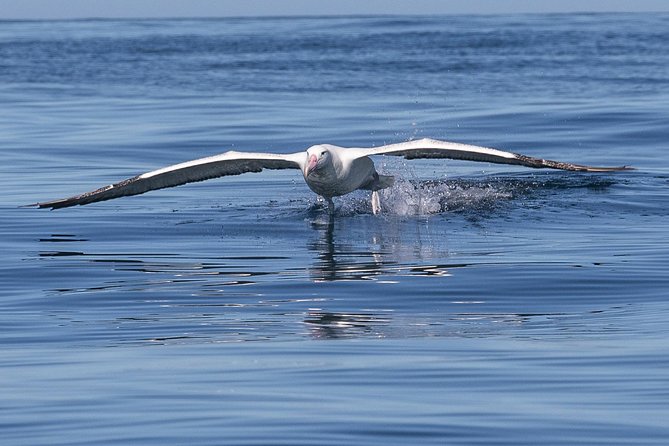
Otago Harbour is not just a passage for ships heading to Dunedin. It is a working waterway lined with old harbor buildings, fishing boats, dredges, workboats, historic sites, and feeding areas for birds. This cruise uses that setting as part of the experience rather than treating it as scenery between wildlife stops.
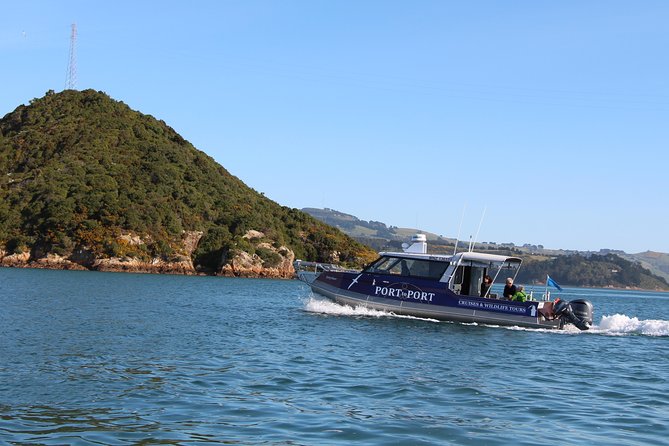
You travel in a fast, custom-built vessel called Sootychaser. It has an enclosed cabin that is heated and warm, plus an outer deck where you can take photos and feel the weather directly. That choice matters in New Zealand, where a sunny start can still bring a sharp breeze or sea spray.
The small size is one of the strongest reasons to consider this trip. With no more than 14 people, you are less likely to lose the guide’s explanation in a crowd. You can also shift your attention quickly when Rachel points out a bird, seal, or distant albatross.
This is not a luxury cruise. The boat is compact, and the water can be choppy. But that compact design helps the outing feel like an active wildlife search rather than a floating viewing platform.
More Boat Trips in Dunedin
- Otago Peninsula Wildlife Cruise with Monarch
★ 4.5 · 227 reviews - Cruise Dunedin City and Castle Tour
★ 5.0 · 142 reviews - Dunedin Wildlife Cruise-Albatross, seals and harbour
★ 5.0 · 115 reviews
Leaving Port Chalmers and entering Otago Harbour
The cruise begins around Port Chalmers, a useful location if you are arriving by ship. The meeting point is described as a short walk from the cruise dock, and pickup is also available. If your schedule is tight, check the exact meeting instructions carefully, since cruise-ship days are governed by the vessel’s arrival and departure times.
As the boat moves away, Rachel provides commentary on the harbor and the boats using it. You may see fishing vessels, dredges, workboats, and ships around Port Chalmers and Careys Bay. This opening section gives you a better sense of how the harbor functions, instead of presenting it as a blank stretch of water.
You also pass historic quarantine stations, old shipwrecks, pilots houses, a searchlight, and gun emplacements. These details add a useful human layer to the cruise. The trip is not limited to a checklist of animals. You are also learning why this harbor looks and operates as it does.
The route takes you through some of the most scenic parts of the harbor. On a clear day, the views toward the Otago Peninsula are a major part of the pleasure. I would keep your camera ready, but do not spend the whole crossing staring at a screen. Birds often appear quickly, and the guide’s call may be your best chance to see them.
The harbor birds and feeding areas
The first wildlife sightings often involve birds close to the harbor. Wading birds gather around feeding areas, while shags and cormorants use rocks and other places to rest. Rachel’s commentary helps you identify what you are seeing and explains where birds feed and roost.
This is where the binoculars and identification sheets earn their keep. A bird can look like a small dark mark from the cabin, especially in changing light. Having equipment ready makes the search more satisfying, particularly if you are new to New Zealand birdlife.
The trip has attracted families as well as adult wildlife fans. Children have a good reason to stay interested because the guide keeps pointing out new animals and explaining what makes each one different. The boat ride itself also adds some excitement without requiring a long walk across the peninsula.
Keep your expectations sensible. You may see many species, or only a modest selection. One calm, fine day produced only a few birds and seals for one passenger, while other outings brought several albatross species, dolphins, penguins, and sea lions. That contrast is not a flaw in the route. It is the normal risk of a wildlife trip.
Searching for seals, sea lions, and blue penguins
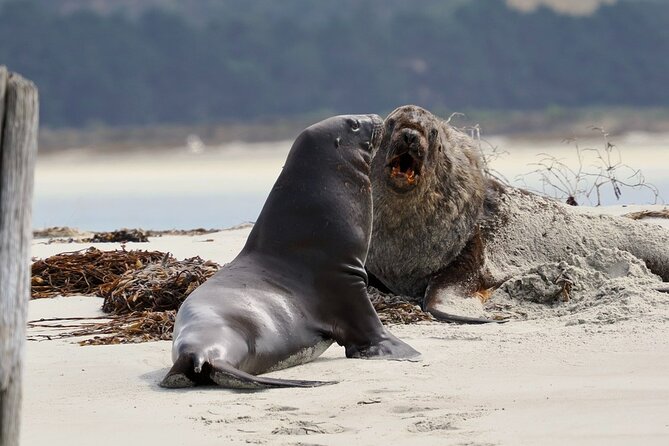
The route passes rocky areas where New Zealand fur seals rest. With luck, you may see adults and pups close to the boat. Sea lions are also among the animals the cruise looks for, along with blue penguins moving through the water.
These encounters are often more immediate than the albatross search. A seal on a rock is easier to watch for several minutes than a bird passing overhead. The guide can slow the pace of the commentary, help you locate the animal, and give you time to take photographs.
Blue penguins are especially exciting because they are small and easy to miss. Their movement through the waves may be brief, so listen closely when Rachel directs your attention. One outing brought penguins unusually close to the boat, but you should treat that as good fortune rather than a promised part of every departure.
The boat does not crowd animals or promise a staged encounter. That is an important distinction. You are looking into a working marine environment, and the distance and duration of each sighting will depend on the animals.
More Wildlife Trips in Dunedin
- Clearwater Wildlife Tours (small group 10max) Otago Peninsula
★ 5.0 · 531 reviews - Dunedin: Wildlife and Penguin Tour
★ 4.6 · 239 reviews - Dunedin City, Wildlife and Larnach Castle
★ 4.5 · 96 reviews - Dunedin: Monarch – One Hour Wildlife Cruise
★ 4.5 · 48 reviews
Taiaroa Head and the royal albatross search
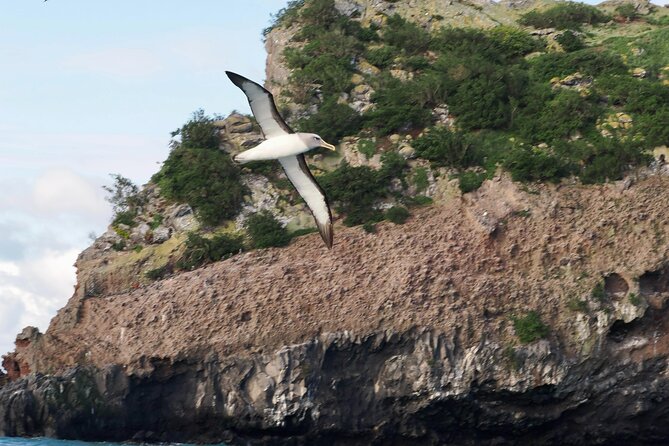
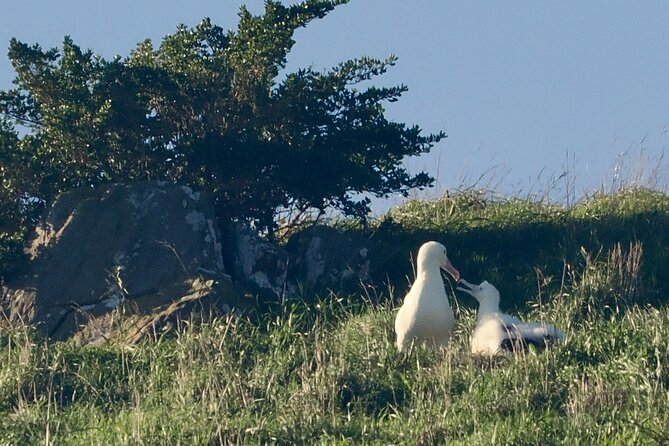
Taiaroa Head is the main goal for many people booking this experience. The area is associated with royal albatross, and the cruise gives you the chance to watch these enormous birds from the water rather than visiting only a land-based viewpoint.
Wind plays a major role. Albatross often look most impressive when they use the air currents to glide, but a calm day may not produce that graceful display. In those conditions, you might see a bird sitting on the water, taking off, or remaining on the hillside.
That uncertainty is worth understanding before you pay. Some outings have produced three or four types of albatross, with one bird flying almost beside the boat. Other trips have had to wait for a single bird to move. The best encounters can be extraordinary, but nobody can guarantee a close pass.
The small boat helps here because the skipper can spend more time looking and explaining instead of following a rigid large-group schedule. The route may also adapt to conditions, such as heading farther out when the wind is weak to look for birds on the water.
The albatross is not the only reason to go. Even on a quiet bird day, you still get the Otago Harbour views, harbor landmarks, seals, and the chance to learn how the local species use the area.
Rachel McGregor’s guiding and seamanship
Rachel McGregor receives repeated praise for two skills that do not always come together: she can explain wildlife clearly, and she handles the boat with confidence. That matters more than a polished speech. On the water, you need someone who can watch conditions, position the vessel, and keep track of what is happening around the boat.
Her commentary covers both animals and local history. She identifies seabirds, explains where they feed and rest, and points out harbor features as you pass them. If you are unsure what you are looking at, the combination of binoculars, identification sheets, and live guidance makes the experience much easier to follow.
Good seamanship becomes especially important when the wind rises. Several outings have encountered a bumpy or choppy sea, yet passengers still described feeling safe and well looked after. That does not mean rough water becomes comfortable for everyone. If you are prone to seasickness, the compact vessel and open harbor conditions deserve serious thought.
Rachel also checks in with people during the trip and has been praised for helping passengers with disabilities. Service animals are allowed, and most people can participate, although you should confirm your own mobility needs before booking if you require specific arrangements.
The boat, weather, and what to wear
The boat gives you two ways to experience the cruise. The heated enclosed cabin is the sensible place to warm up, especially if the wind picks up. The outer deck is better for unobstructed views and photos, but you should expect spray at times.
Dress warmly even if Port Chalmers looks sunny when you arrive. Bring layers and a waterproof outer layer if you have one. The advice to prepare for sea spray is practical, not decorative. A cold, wet passenger will enjoy the birds much less.
The sea state can change the feel of the trip. In light winds, the ride may be calm and easy. In rougher conditions, the boat can bounce, and you may need to spend more time inside. The skipper works to keep the ride comfortable, but she cannot flatten the harbor.
This is one reason I prefer the flexible cabin and deck arrangement to an exposed-only boat. You can choose your position as conditions change. Still, anyone who dislikes small boats should know that this is a real boat outing, not a slow harbor ferry.
Is $105.50 a fair price?
The fare is $105.50 per person. That is not the cheapest way to see Port Chalmers, but the comparison should be with other small-group wildlife trips rather than a basic sightseeing cruise.
Your price includes a 1.5 to two-hour outing, onboard commentary, use of binoculars and identification sheets, and access to a vessel limited to 14 people. You are paying for the skipper’s local knowledge, boat handling, and the chance to spend time searching rather than simply passing through.
The value is strongest if you care about birds and want direct help identifying them. It is also good for cruise-ship passengers who want an activity close to the dock and still have time to explore Port Chalmers afterward.
The value is weaker if you require guaranteed sightings. A quiet wildlife day can feel expensive, particularly if you are comparing this trip with a cruise in a place where seals or whales gather in large numbers. There is no whale sighting listed among the expected animals, so do not book this as a whale-watching trip.
I see the price as reasonable for a specialist, small-group outing, provided you accept the normal uncertainty of nature. The close albatross encounters, when they happen, can make the fare feel very worthwhile.
Who should book this experience?
I would recommend it most strongly to bird lovers, families, photographers, and anyone who prefers a small boat to a packed sightseeing vessel. It also suits cruise passengers because of the easy access from Port Chalmers and the relatively short duration.
You do not need to be an expert in birds. In fact, beginners may get the most from the trip because Rachel explains what you are seeing rather than assuming you already know the difference between local species.
Families should prepare children for changing conditions. The animals may not appear on demand, and the ride may be choppy. The identification sheets and steady flow of sightings can help, but this is still a search rather than an amusement ride.
I would be cautious about booking if you dislike small vessels, have serious motion sensitivity, or need a guaranteed list of animals. The cruise requires good weather and may be canceled if conditions are poor or the minimum number is not met. In either case, you are offered another date or a full refund.
You can cancel for a full refund up to 24 hours before the start time. Confirmation is sent within 48 hours, subject to availability. Wear a mask if you have recently been unwell, and remember that service animals are permitted.
Should you book the Otago Harbour wildlife cruise?
Book it if you want a personal, well-guided search for albatross and coastal wildlife, and if you are comfortable with the fact that nature controls the schedule. Rachel’s boat handling and bird knowledge are the strongest reasons to choose this trip, while the small group and heated cabin make it more comfortable than many compact wildlife outings.
I would not book it solely for a guaranteed royal albatross photograph. Instead, think of the albatross as the headline attraction within a broader harbor trip that includes seals, penguins, sea lions, wading birds, working boats, and historic sites.
For $105.50, you get a focused experience with plenty of time on the water and little wasted travel. On a good day, it can be a highlight of a Dunedin visit. On a quiet day, it remains an informative harbor cruise, but the wildlife may be modest. That is the fair trade when you go looking for wild animals.
FAQ
Where does the wildlife cruise depart?
The cruise departs from Port Chalmers by default. Pickup is offered, and the meeting point is described as an easy walk from the cruise ship dock.
How long does the cruise last?
The cruise lasts about 1.5 hours when joining from Port Chalmers. It lasts approximately two hours when joining from Portobello.
How many people can join the boat?
The boat has a maximum capacity of 14 travelers, making this a small-group experience.
What wildlife might I see?
Possible sightings include royal albatross, other albatross species, blue penguins, New Zealand fur seals, sea lions, dolphins, shags, cormorants, and wading birds.
Is the boat enclosed?
Yes. The vessel has a warm, heated enclosed cabin and an open outer deck for views and photographs.
Are binoculars provided?
Yes. Binoculars and wildlife identification sheets are available for use during the cruise.
Is the tour suitable for most people?
Most people can participate, and service animals are allowed. The operator has also supported people with disabilities, but you should confirm any specific access requirements before booking.
What should I wear?
Dress warmly and be prepared for occasional sea spray. Conditions can also be choppy, depending on the wind.
Can I cancel for a refund?
You can cancel up to 24 hours before the experience start time for a full refund. If poor weather causes the operator to cancel, you are offered another date or a full refund.
Just added in Dunedin
- 5 Day South Island New Zealand Private Tour from Dunedin★ 5.0 · 2 reviews
- Queenstown to Dunedin Incl Taieri Gorge Train (One-Way)★ 4.3 · 3 reviews
- Queenstown: Southern Highlights – 3 Days & 2 Nights★ 5.0 · 2 reviews
- Private Dunedin City Highlights and Otago Peninsula Day Tour★ 4.3 · 7 reviews
- From Dunedin: City, Otago Peninsula & Albatross Guided Tour★ 4.7 · 35 reviews
- Dunedin: Peninsula with Lanarch Castle gardens & Olveston★ 5.0 · 8 reviews
- Dunedin: Scenic Railway Tour Through the Taieri Gorge★ 4.7 · 73 reviews
- Dunedin: Small Group City Highlights Tour★ 5.0 · 3 reviews
Cruises & Boat Tours, compared.
Premium Milford Sound Small Group Tour & Cruise from Queenstown
Read our review →
Cruise Milford NZ Small Boutique Cruise Experience
Read our review →

Walter Peak Gourmet BBQ & Lake Whakatipu Cruise
Read our review →
Shotover River Extreme Jet Boat Ride in Queenstown
Read our review →Browse the lists this tour appears in