
REVIEW · WHALE WATCHING
Kaikoura: Whale Watching Cruise
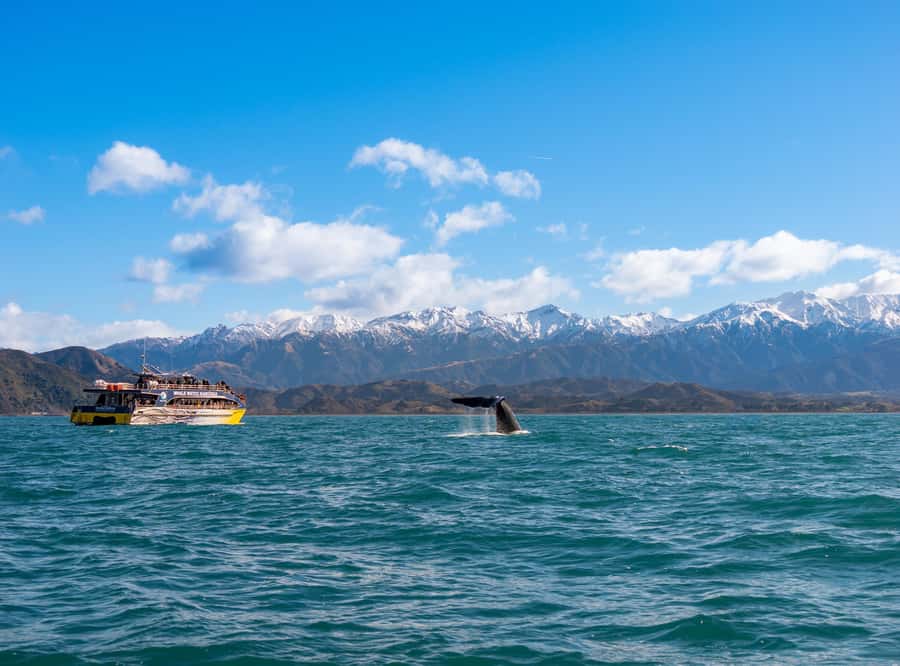
Kaikoura’s whales make the sea worth watching. This 210-minute outing gives you a real chance to see giant sperm whales in open water, backed by excellent crew commentary and sweeping views of the Kaikoura mountains. I like the spacious catamaran, with outdoor viewing decks, comfortable air-conditioned seating, and screens showing marine-life animations. I also like the care given to Māori knowledge and marine science, including insights connected with the local Ngāi Tahu community. The main drawback is rough water: seasickness can be severe, so this is not a casual boat ride for everyone.
The operation is well organized from check-in at Whale Watch Kaikōura to the bus transfer, safety briefing, and return to shore. I especially appreciate that whale sightings are treated as wildlife encounters, not guaranteed performances. You may see a sperm whale, dolphins, fur seals, and albatross, or you may have a quieter day on the water. Weather can change the schedule, and the exact departure time may be adjusted after booking.
In This Review
- Key points to know before you go
- Why Kaikoura is such a good place for whales
- Check-in, transfer, and the real length of the morning
- What the catamaran is like at sea
- The first wildlife search, from seals to seabirds
- Finding the sperm whale
- Dolphins, orcas, and the bonus sightings
- Commentary, Māori knowledge, and marine science
- Price, value, and what you are really paying for
- Who should book this cruise
- Practical ways to get more from the outing
- Should you book the Kaikoura whale cruise?
- FAQ
- How long does the Kaikoura whale-watching experience take?
- How much does the cruise cost?
- What animals might I see?
- Are whale sightings guaranteed?
- Where does the experience begin?
- Is the cruise suitable for children?
- Is the boat wheelchair accessible?
- What should I know about seasickness?
- Can the departure time change?
- Can I cancel the booking?
Key points to know before you go
- Sperm whales are the main event: Kaikoura’s offshore waters offer a strong chance to see these enormous toothed whales resting and breathing at the surface before heading down for food.
- The cruise lasts longer than the boat ride: Allow about 3 hours and 15 minutes for check-in, transfers, safety instructions, and just over two hours at sea.
- Dolphins can steal the show: Dusky dolphins are regularly part of the wildlife search, sometimes appearing in large, acrobatic pods.
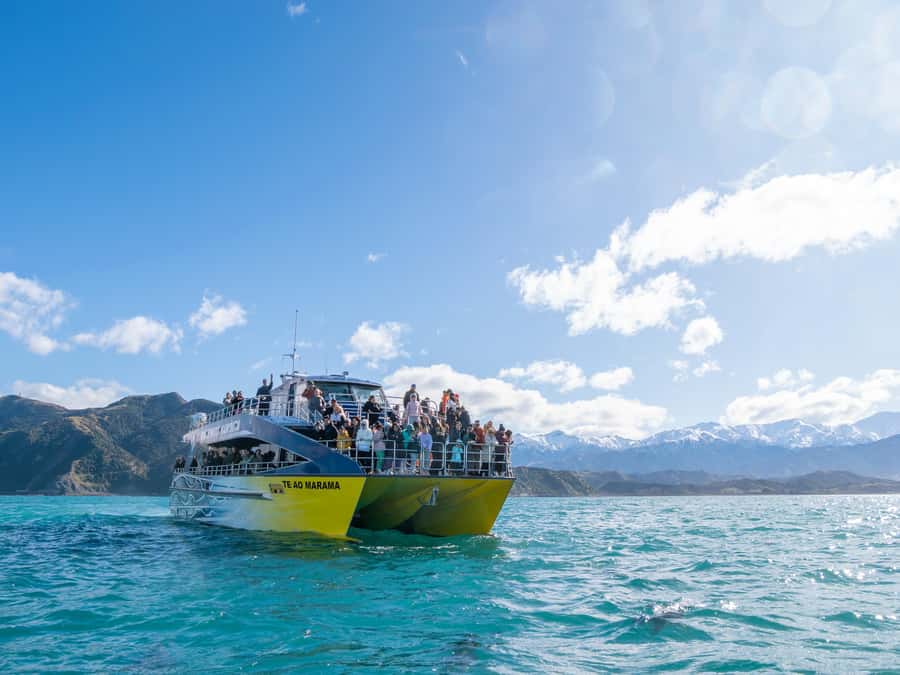
- The catamaran gives you viewing choices: Large outside decks suit photographers, while the enclosed cabin provides seating, air conditioning, screens, and shelter.
- Seasickness is the serious caution: Choppy conditions have caused some passengers to spend much of the cruise feeling ill. Prepare before arriving.
- The price reflects a full marine outing: At $104 per person, you are paying for the boat, crew, transport between the office and port, commentary, and a carefully run wildlife operation.
Why Kaikoura is such a good place for whales
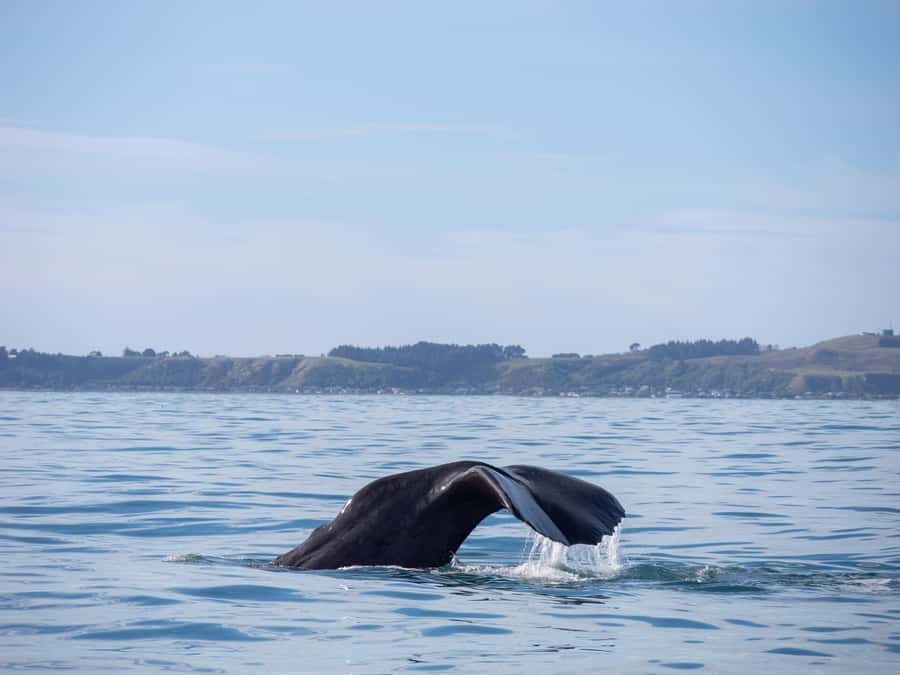
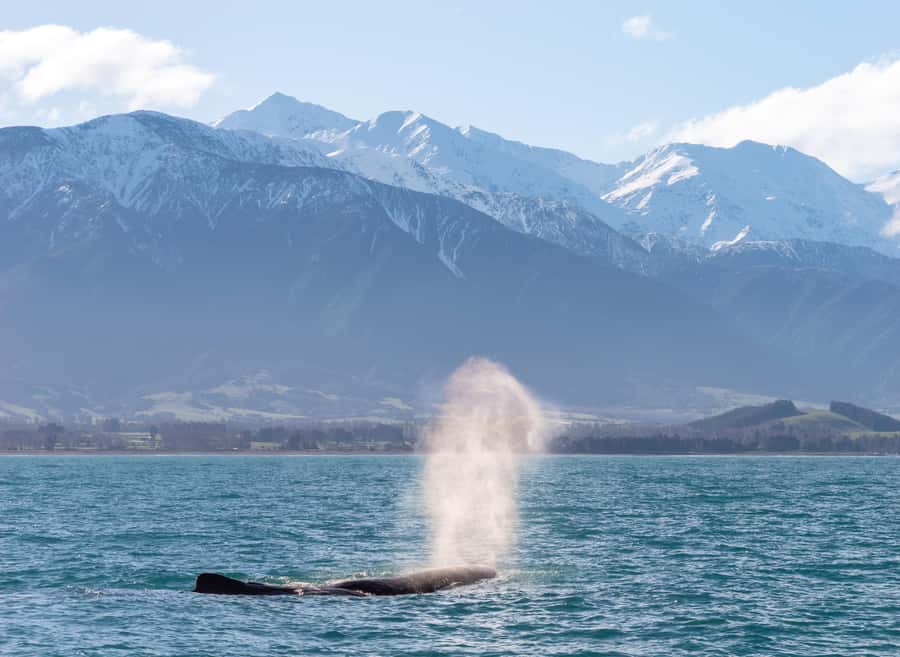
Kaikoura is not simply a pretty coastal town with a whale boat attached. Its offshore waters are unusually productive, which is why giant sperm whales are the focus here. The cruise takes you out from the South Island coast toward the whales’ natural habitat, where you watch their breathing patterns and wait for the moment a whale turns and shows its tail before heading down.
That waiting matters. A sperm whale may remain at the surface for several minutes, breathing before making a long descent. Crew members track the animals and announce when a whale is likely to leave the surface, giving you a better chance to watch the classic tail movement rather than raising your camera too late.
I like this approach because the experience feels more like wildlife watching than a staged attraction. The crew cannot order a whale to appear, and the best moments come from paying attention to the water, the guide, and the changing signs of animal activity.
More whale watching from Kaikoura:
- Whale Watching in Kaikoura by Boat
★ 4.5 · 2,906 reviews - Kaikoura: Whale Watching Flight with Commentary
★ 4.6 · 823 reviews - Kaikōura Whale Watching Scenic Flight (40 Minutes)
★ 5.0 · 221 reviews
Check-in, transfer, and the real length of the morning
You begin at the Whale Watch Kaikōura office. From there, the operation uses a short bus transfer to the port, followed by a safety briefing before you board the catamaran.
The published duration is 210 minutes, but the actual time on the water is just over two hours. Plan on about 3 hours and 15 minutes from arrival for check-in, the briefing, transport, boarding, and the cruise itself. This is important if you are fitting the outing between a long drive, a hotel check-out, or another timed activity.
The schedule can move. The cruise is subject to sea and weather conditions, and the operator may confirm a different time from the one you initially request because of availability. If the sea is unsuitable, a departure may be postponed or rescheduled. A November outing, for example, was moved after high winds, and the replacement trip went ahead the next morning.
I would leave flexibility in your Kaikoura plans rather than booking this on the final morning before a flight or a long South Island drive. The free cancellation policy allows cancellation up to 24 hours ahead for a full refund, and reserve-now-pay-later booking can help keep your plans open, but neither policy removes the need to allow extra time for weather changes.
What the catamaran is like at sea
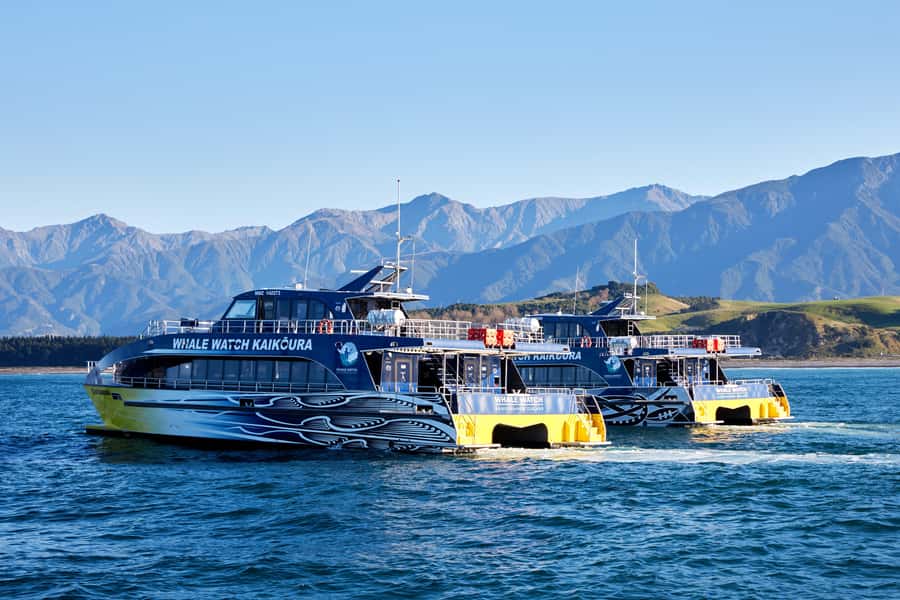
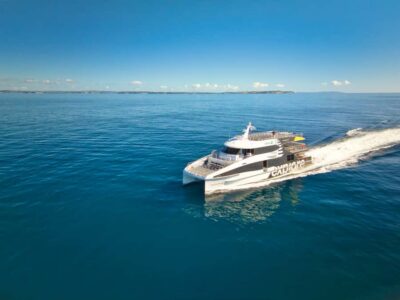
The vessel is designed for whale watching rather than a formal sightseeing cruise. It has large outdoor decks with room to look for animals and take photographs. Passenger numbers are kept below the boat’s full capacity, which helps reduce the boxed-in feeling that can make wildlife cruises frustrating.
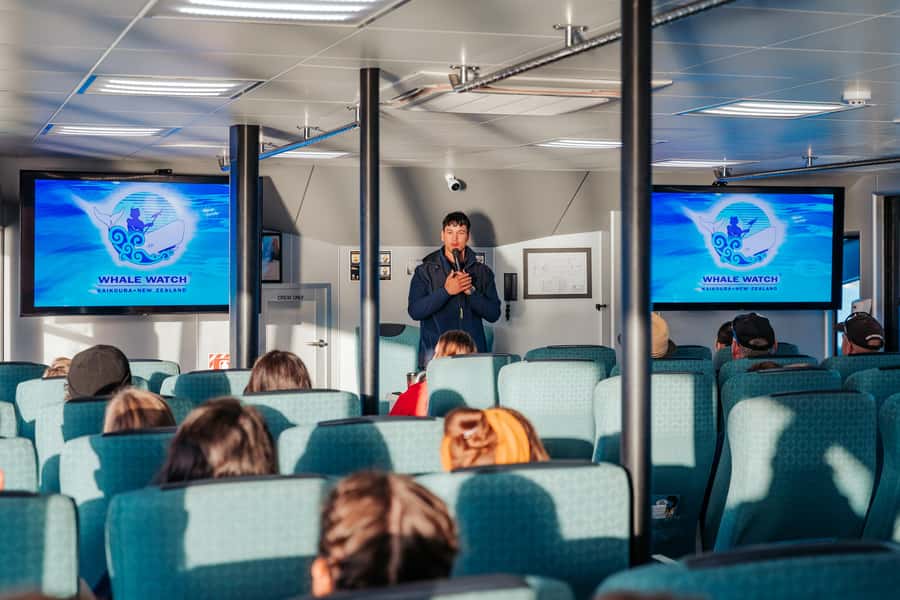
The indoor area has comfortable seating, air conditioning, and plasma screens. Marine-life animations help explain what is happening beneath the surface, especially when the sea itself looks empty between sightings. This is useful during the search, when you may spend time moving between locations rather than watching animals continuously.
The boat also uses engines intended to reduce underwater noise and has nonpolluting toilets. Those details will not make the trip more exciting in the moment, but they matter on a wildlife outing. The aim is to observe animals without treating the sea as a noisy amusement ride.
Still, a roomy boat does not mean calm conditions. Several outings have been described as choppy, and some passengers needed sick bags. The catamaran can handle wind and waves well, but your stomach may not agree with the captain. Motion-sickness tablets are available for purchase at the office, although the practical advice is to take precautions before you arrive rather than wait until you feel ill.
The first wildlife search, from seals to seabirds
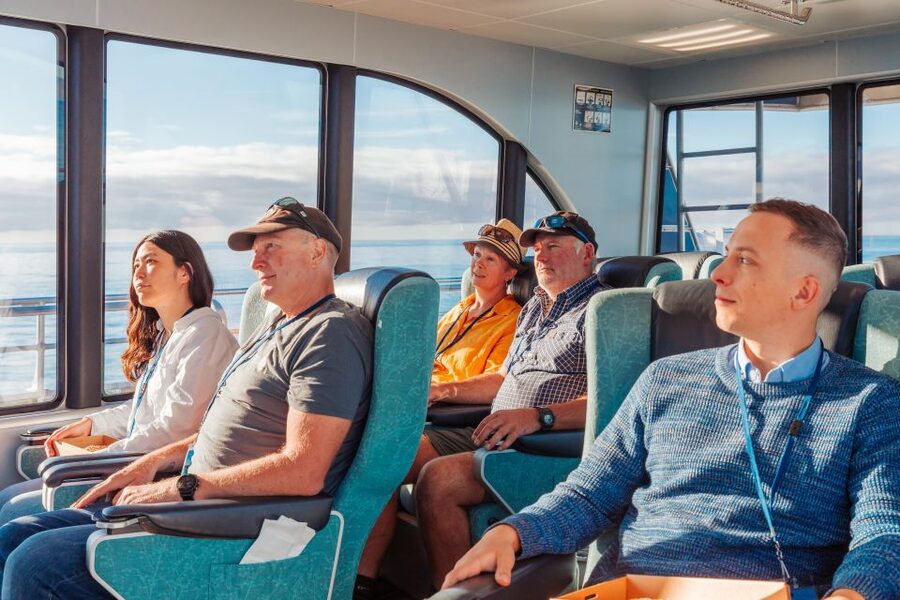
Once the boat reaches the whale-watching area, the crew begins scanning for signs of life. Fur seals may appear close to the boat, while seabirds circle, skim the water, or rest on the surface. The wandering albatross is one of the most valued sightings, and the trip can also include other albatross types and Cape petrels.
The birdwatching adds welcome variety. If the first whale is not immediately visible, you are not left with nothing to do. The crew provides information about the species in the area and points out animals that are easy to miss when you are focused only on a large blow on the horizon.
Seals are often easier to appreciate at close range than whales. You may see them near the boat, where their movement and size are easier to judge. The scenery helps, too: the Kaikoura mountains rise behind the coastal waters, giving the cruise a strong sense of place rather than making it feel like a generic trip offshore.
More Boat Trips in Kaikoura:
- Double Boat Dive with Equipment
★ 4.3 · 3 reviews - Waitomo: Glowworm Caves Guided Tour by Boat
★ 4.5 · 4,908 reviews - Premium Milford Sound Small Group Tour & Cruise from Queenstown
★ 5.0 · 3,001 reviews - Cruise Milford NZ Small Boutique Cruise Experience
★ 5.0 · 2,930 reviews
Finding the sperm whale
The crew uses tracking information and underwater sound to locate whales. One particularly useful feature is the hydrophone, which can let you hear whale clicks. The sound gives a small window into a world you cannot see, and it helps explain how the crew follows whales below the surface.
When a sperm whale appears, expect a quiet period of watching rather than constant action. The animal may breathe at the surface for around 10 minutes, as one outing experienced, before turning and showing its distinctive tail. You will want to keep your camera ready, but the crew’s warning before the whale leaves the surface gives you a better chance of seeing the moment with your own eyes.
Sightings vary widely. Some trips have seen one sperm whale, while others have encountered two, three, or several sightings. On one trip, the group saw two whales and watched one of them twice. Another outing had five whale sightings. That range tells you exactly what to expect from nature: a strong possibility of whales, but no fixed script.
The whales may also remain farther away than you hope. One outing saw two sperm whales at a distance, with dolphins becoming the highlight instead. If a close approach is essential to your idea of success, keep your expectations realistic. The animals decide the distance.
Dolphins, orcas, and the bonus sightings
Dusky dolphins are among the most exciting extra sightings. Pods can be large, sometimes reaching around 100 or even 300 animals, and they may leap or move alongside the boat. A 15 to 20 minute encounter with a large pod can become the most memorable part of the cruise, even for people who came mainly for sperm whales.
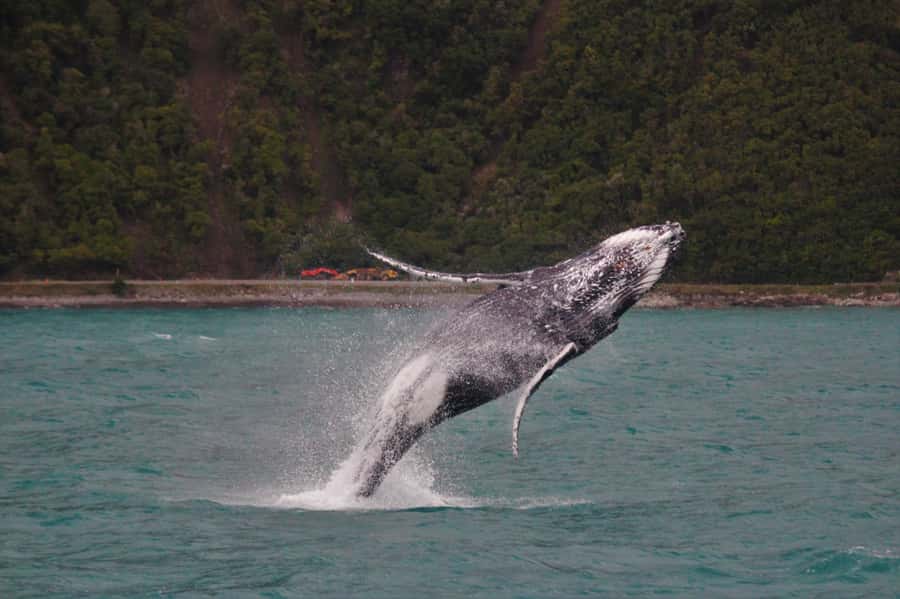
Other sightings can include seals, albatross, pilot whales, orcas, blue whales, and humpback whales. These are not guaranteed, but the range of reports shows how varied the Kaikoura marine environment can be. One outing included an orca, a sperm whale, dolphins, and seabirds. Another included three sperm whales and a blue whale. A separate trip saw a humpback making several breaches near the boat.
That variety gives the cruise value beyond its headline species. You might leave with one sperm whale and a few birds, or you might have an unusually busy wildlife day. I would treat dolphins and other whales as welcome additions, not expected inclusions.
Commentary, Māori knowledge, and marine science
The commentary is one of the strongest parts of the outing. The guides explain whale behavior, the local habitat, and what the crew is tracking. The tone can be informative without becoming stiff, and guides have also been praised for adding humor at the right moments.
The crew includes people such as Caolan and Mikayla, both singled out for clear and engaging guidance, while Captain Jack has been praised for placing the boat effectively around whale sightings. Names and crew assignments can change, but the larger point is consistent: the staff play a major role in turning time spent searching into time spent learning.
The presentation also includes Indigenous knowledge and local Māori connections. The operation is owned by the Ngāi Tahu iwi, and the trip connects marine life with local cultural values and responsibility. I find that worthwhile because it gives the whales a place in the identity of Kaikoura, rather than presenting them only as photographic targets.
The screens show award-winning animations about marine life, and the trip tracker helps you follow the search. At times, some commentary may be repeated on the return journey. That is a minor weakness, but the information remains useful if you missed part of the explanation while watching the water.
Price, value, and what you are really paying for
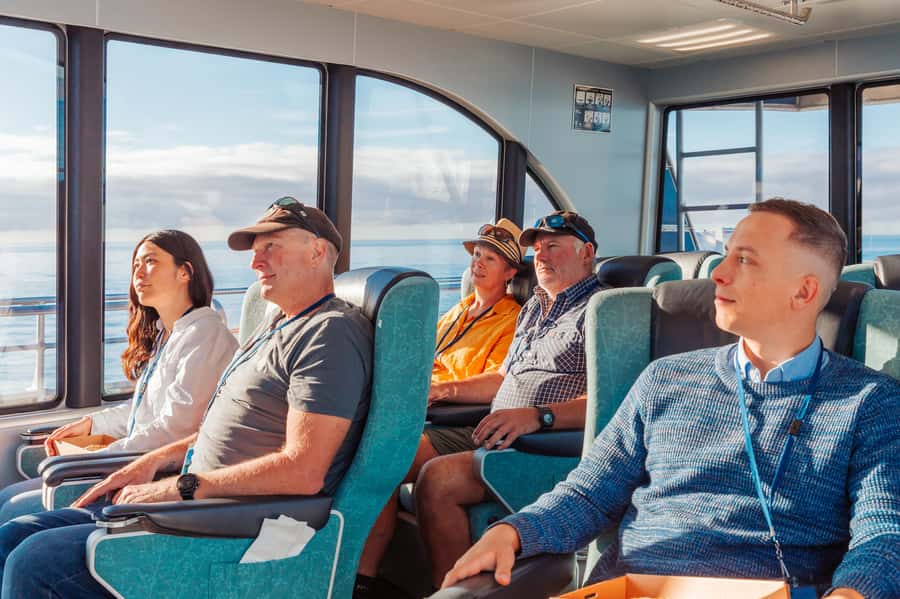
At $104 per person, this is not a budget activity. Food and drinks are not included, so you should eat beforehand and bring any permitted personal supplies you need. Smoking is not allowed.
I think the price is fair if you value a well-run wildlife operation rather than simply a boat ride. Your fare covers the check-in team, bus transfer, safety process, catamaran, more than two hours offshore, expert narration, tracking equipment, wildlife animations, and access to both indoor and outdoor viewing areas.
The value is strongest when the crew finds several kinds of wildlife. A sperm whale, a large pod of dolphins, seals, and albatross can make the cost feel justified. Even on a quieter outing, the staff have been praised for maintaining good communication and, in one case where no whale was found, providing an 80 percent refund.
That kind of policy shows that the operator understands the central bargain: you pay for the search and the service, but the wildlife is never guaranteed. I would still book it for the chance to see sperm whales in their natural setting, but I would not buy it expecting a guaranteed close-up photograph.
Who should book this cruise
This suits you if you want a major Kaikoura experience with strong interpretation, good facilities, and a serious chance of seeing sperm whales. It is also a good fit for photographers, birdwatchers, families with older children, and anyone interested in marine science or Māori connections to the sea.
The minimum age is three, although children’s participation depends on sea and weather conditions at check-in. The boat is wheelchair accessible, which makes the physical setup more welcoming, but everyone should consider the effects of rough water before booking.
I would think twice if you are highly prone to motion sickness, have a tight schedule, or need a guaranteed animal encounter. The crew can help, the boat is capable, and the staff have supported sick passengers kindly, but no boat design can make heavy swell disappear.
Practical ways to get more from the outing
Keep your schedule flexible, especially during windy or unsettled weather. If the operator changes your departure time, that is usually a sign that sea conditions or boat availability require adjustment, not poor organization.
Take motion sickness seriously. Use precautions before reaching the office, and do not assume that a calm day on land means a calm trip offshore. The sea can become uncomfortable quickly.
Listen for the whale warning and keep watching after the first sighting. The tail movement often comes after several minutes of surface breathing, and the guide may give you the best cue for when to raise your camera.
Use the outside decks when conditions allow, but remember that the indoor cabin is more than a backup. It offers seating, air conditioning, and visual explanations that make the travel between wildlife locations more enjoyable.
I would also plan to look beyond whales. Keep an eye out for fur seals, wandering albatross, Cape petrels, dusky dolphins, and other birds. A pod of dolphins may provide the most action of the morning.
Should you book the Kaikoura whale cruise?
Yes, if you can handle open-water conditions and accept that nature sets the timetable. The chance to watch a giant sperm whale breathe, turn, and show its tail is special, and the combination of dolphins, seals, seabirds, mountain views, strong commentary, and thoughtful local context makes the outing feel substantial.
Book it with a flexible schedule and sensible seasickness preparation. If you want a polished, informative marine trip and are willing to accept an uncertain result, this is one of Kaikoura’s best uses of half a day. If you need guaranteed close encounters or calm water, save your $104 for a land-based activity.
FAQ
How long does the Kaikoura whale-watching experience take?
Allow about 3 hours and 15 minutes in total. This includes check-in, the safety briefing, bus transfers, boarding, and just over two hours on the water.
How much does the cruise cost?
The listed price is $104 per person. Food and drinks are not included.
What animals might I see?
The main target is the giant sperm whale. You might also see fur seals, dolphins, wandering albatross, other seabirds, and, depending on conditions and sightings, orcas, humpback whales, blue whales, or pilot whales.
Are whale sightings guaranteed?
No. The cruise takes place in the animals’ natural environment, so sightings and viewing distances vary. The operator has provided an 80 percent refund on an outing where no whale was found.
Where does the experience begin?
You meet at the Whale Watch Kaikōura office. A bus transfer takes you from the office to the port.
Is the cruise suitable for children?
The minimum age is three years, but this can depend on sea and weather conditions at check-in. Children under three cannot join.
Is the boat wheelchair accessible?
Yes, the activity is listed as wheelchair accessible.
What should I know about seasickness?
The water can be choppy, and some passengers may become very unwell. It is recommended that you take precautions before arriving, and motion-sickness tablets are available for purchase at the office.
Can the departure time change?
Yes. The exact time may change because of weather and availability. The local partner confirms the final tour time by email after booking.
Can I cancel the booking?
You can cancel up to 24 hours in advance for a full refund. A reserve-now-pay-later option is also available.
Just added in Kaikoura
- Kaikoura: Private Guided Kayak Tour with Seals★ 5.0 · 2 reviews
- Kaikōura: Kayak Sunset Tour with Seal Sightings★ 4.9 · 25 reviews
- Kaikoura: Seal-Watching Pedal Kayak Tour★ 4.8 · 91 reviews
- Kaikoura: Guided Family Kayaking Adventure★ 5.0 · 9 reviews
- Kaikoura: Coastal and Alpine Scenic Airplane Flight★ 5.0 · 24 reviews
- Kaikoura: 1-Hour Whale Watching Helicopter Tour★ 5.0 · 9 reviews
- Kaikōura: 45-Minute Whale Watching Helicopter Tour★ 5.0 · 8 reviews
- Double Boat Dive with Equipment★ 4.3 · 3 reviews
Whale Watching, compared.
Auckland Dolphin and Whale Watching Eco-Safari Cruise
Read our review →
Whale and Dolphin Watching Half-Day Eco Cruise
Read our review →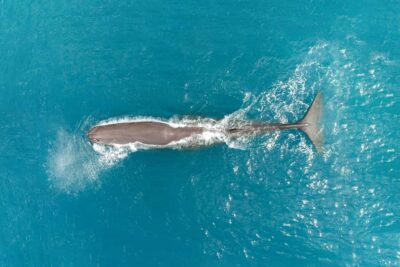
Tikapa Moana Whales, Dolphins and Islands Cruise
Read our review →
Kaikōura Whale Watching Scenic Flight (40 Minutes)
Read our review →
Browse the lists this tour appears in