
REVIEW · MAORI CULTURAL EXPERIENCES
Auckland: Rotorua Living Maori Village Tour w/ Haka & Lunch
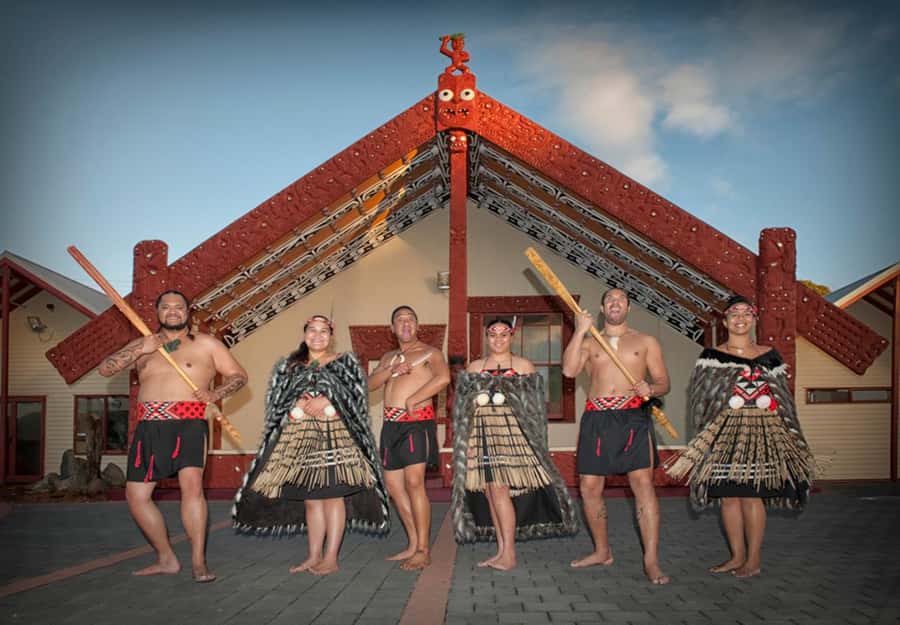
Feel Rotorua’s earth breathe. This full-day trip from Auckland combines Whakarewarewa’s living Māori village with steaming pools, geysers, a haka, and a hāngī lunch cooked by natural heat. I like the direct contact with Tūhourangi Ngāti Wāhiao culture, and I like that the day includes Rotorua sights beyond the village. The main drawback is the long bus day, with about 12 hours devoted to the round trip and activities.
Jason, the driver-guide, has earned praise for being friendly and attentive, especially with older passengers. Daniel and Aaron are also singled out for warm, engaging guiding at the village. The hāngī is a memorable idea, though food quality may vary, and one recent report described a cold meal with undercooked chicken and cool vegetables.
In This Review
- Key points to know before booking
- From Auckland to Rotorua in one long day
- Arriving at Whakarewarewa’s geothermal village
- Geothermal trails, silica formations, and boiling pools
- A haka, songs, and dances with real force
- What to expect from the steam-cooked hāngī lunch
- Rotorua’s Government Gardens, lake, and Sulphur Point
- Is $224 good value for this Rotorua day trip?
- Who will enjoy this experience most?
- Practical advice for making the day better
- Should you book the Auckland to Rotorua Māori village tour?
- FAQ
- How long is the Auckland to Rotorua tour?
- Is transportation from Auckland included?
- Is hotel pickup available?
- What happens if my accommodation is not confirmed?
- What cultural activities are included?
- Is the hāngī lunch included?
- Is the tour conducted in English?
- Can I cancel the tour for a full refund?
Key points to know before booking
- Whakarewarewa is a living Māori village: You visit a community where Māori culture is presented through local people, daily traditions, and a strong connection to geothermal land.
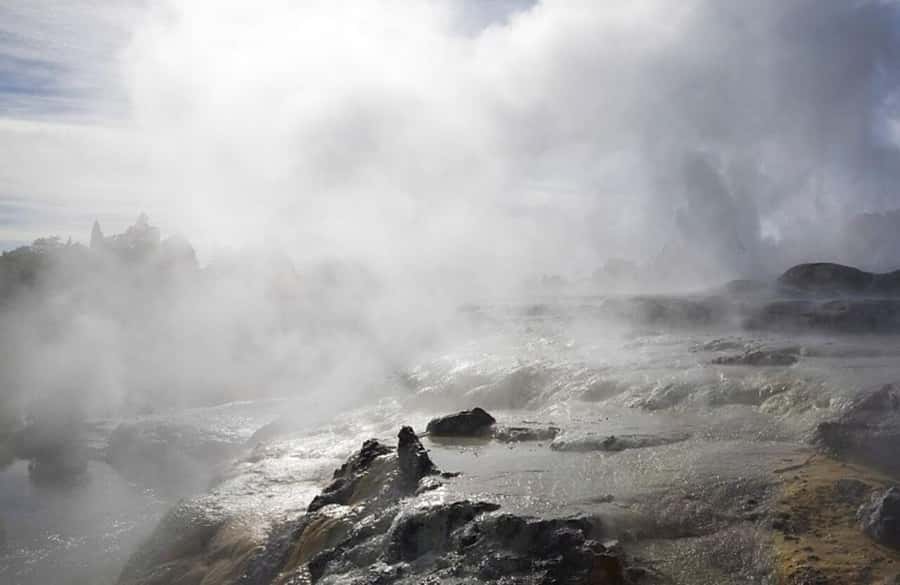
- Rotorua’s heat comes naturally: Boiling pools, steaming vents, mud pools, geysers, and silica formations shape the village visit.
- The haka is part of a full cultural performance: Songs, dances, and the famous haka give the visit its emotional high point.
- The hāngī uses geothermal steam: Lunch is cooked with natural steam and includes dessert, although food consistency is the main concern.
- The day includes Rotorua sightseeing: Government Gardens, Lake Rotorua, Sulphur Point, and the historic Rotorua Museum are covered by guided drive.
- The $224 price covers a lot: Transport, hotel pickup and drop-off, admission, guiding, performances, the geothermal trail, and lunch are included.
From Auckland to Rotorua in one long day
This tour begins early enough to make Rotorua possible as a day trip from Auckland. You travel by bus, with pickup from selected downtown hotels and a return to Auckland after the Rotorua program.
The format is practical for you if you have limited time in New Zealand. You avoid arranging a rental car, finding parking, and buying separate admission tickets. You also get a guide for the day rather than trying to piece together the village and city sights yourself.
The tradeoff is time on the road. A 12-hour tour is not a quick outing. Much of the day is spent traveling between Auckland and Rotorua, so you should choose this option for convenience and cultural content, not for a slow Rotorua stay.
Pickup details matter. Collection can begin up to 20 minutes before the scheduled departure, and the vehicle may arrive within a 10-minute window because the driver makes several stops. I would wait outside five to 10 minutes early. If your accommodation is not yet confirmed, The SkyCity Hotel can be selected as a temporary pickup point and changed later.
Hotel pickup is focused on Auckland’s central CBD. If you are staying near the airport or in South Auckland, the listed meeting point is The Sebel, Auckland Manukau, at 16 Lakewood Court, Manukau City Centre.
One useful sign is the operator’s handling of delays. Jason and Expedigo NZ were praised for notifying the group about a slight morning pickup delay. That kind of communication helps on a tightly timed day.
More Maori cultural experiences in Auckland:
- Waitomo Caves & Rotorua – Te Puia Small-Group Tour from Auckland
★ 4.5 · 681 reviews - Auckland: Waitomo Caves & Rotorua – Te Puia Small-Group Tour
★ 4.8 · 223 reviews - Hobbiton & Rotorua Small Group Tour including Te Puia from Auckland
★ 5.0 · 190 reviews
Arriving at Whakarewarewa’s geothermal village
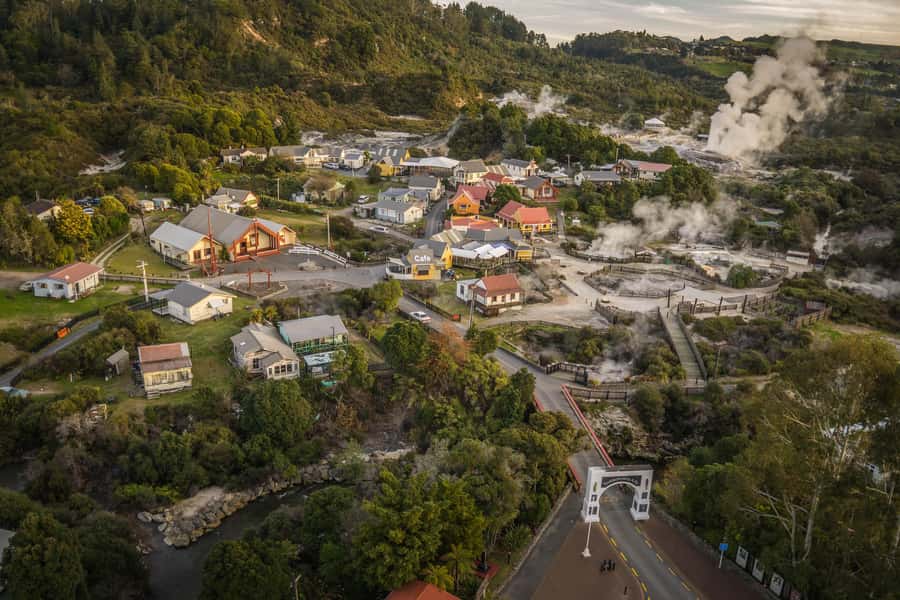
Whakarewarewa is not presented as a museum frozen in the past. It is a living Māori village connected with the Tūhourangi Ngāti Wāhiao people. That distinction gives the visit more meaning than a standard cultural display because you are learning about customs and community life from local people.
The first impression is likely to be sensory. Steam rises from the ground, the air carries the smell of geothermal activity, and hot pools and vents appear alongside village paths. The setting can feel almost unreal, but the geothermal heat is also part of everyday life here.
A local guide leads you through the village and explains Māori traditions, customs, and ways of living. The strongest part of this format is the chance to connect cultural knowledge with the place itself. You are not simply hearing about Māori relationships with the land in a theater. You are seeing the hot water, steam, and mineral formations that help explain why this location matters.
Guides Daniel and Aaron received especially warm praise for their personal, engaging approach. That matters because a cultural visit can feel distant if the presentation is too formal. Here, the guide helps put names, stories, and human detail around the buildings, trails, and geothermal features.
You should still approach the visit with respect. This is an Indigenous community, not just a photo stop. Listen carefully, ask questions politely, and remember that the strongest part of the experience is the chance to learn from local hosts rather than simply collect pictures of steam and geysers.
Geothermal trails, silica formations, and boiling pools
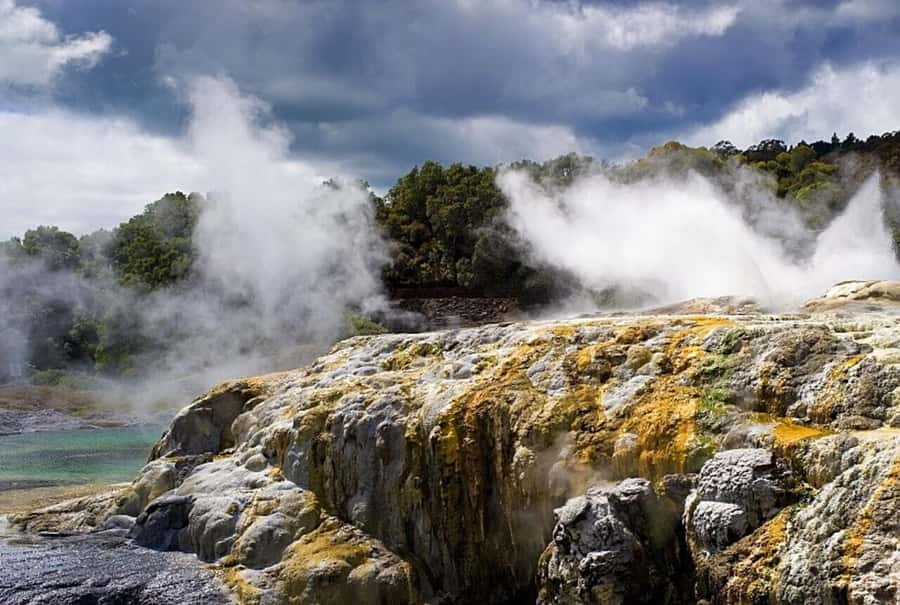
The geothermal trail is included in the admission. Along the route, you can expect bubbling mud pools, steaming vents, boiling hot pools, geysers, and silica formations created by mineral-rich water.
The silica deposits are one of the more distinctive visual features. They show how geothermal water changes the ground over time, creating pale mineral surfaces and unusual textures. The geysers provide the drama, while the smaller vents and pools make the walk feel active even when no major eruption is taking place.
You also get panoramic views of the geysers and access to the geothermal parts of the village. This is not a polished garden walk. The attraction comes from seeing natural heat close at hand, with the necessary care around hot water and unstable ground.
Comfort depends on the weather. One person described seeing the site in rain all day. The village can still be worthwhile in poor weather, but wet conditions will make the outdoor sections less pleasant. Bring a waterproof layer and shoes suitable for walking on a geothermal trail. The tour information does not specify the exact trail length or surface, so avoid assuming that every section will be effortless.
The heat and steam can also make the weather feel different from Auckland. Layers are sensible because you may move from a cool bus to warm geothermal areas and back again.
A haka, songs, and dances with real force
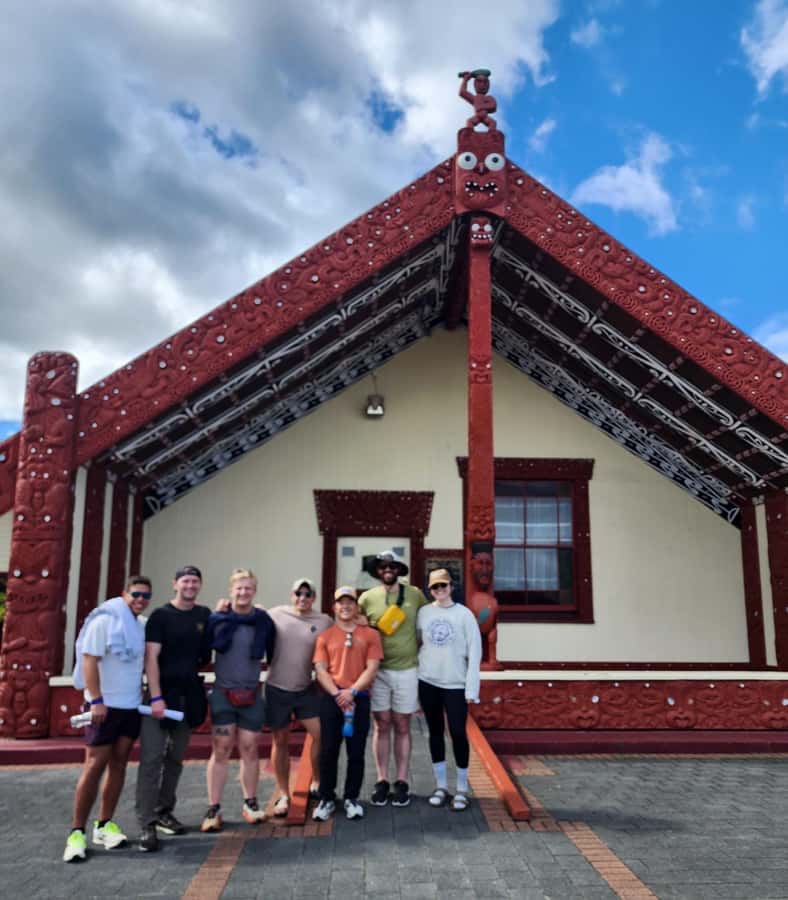
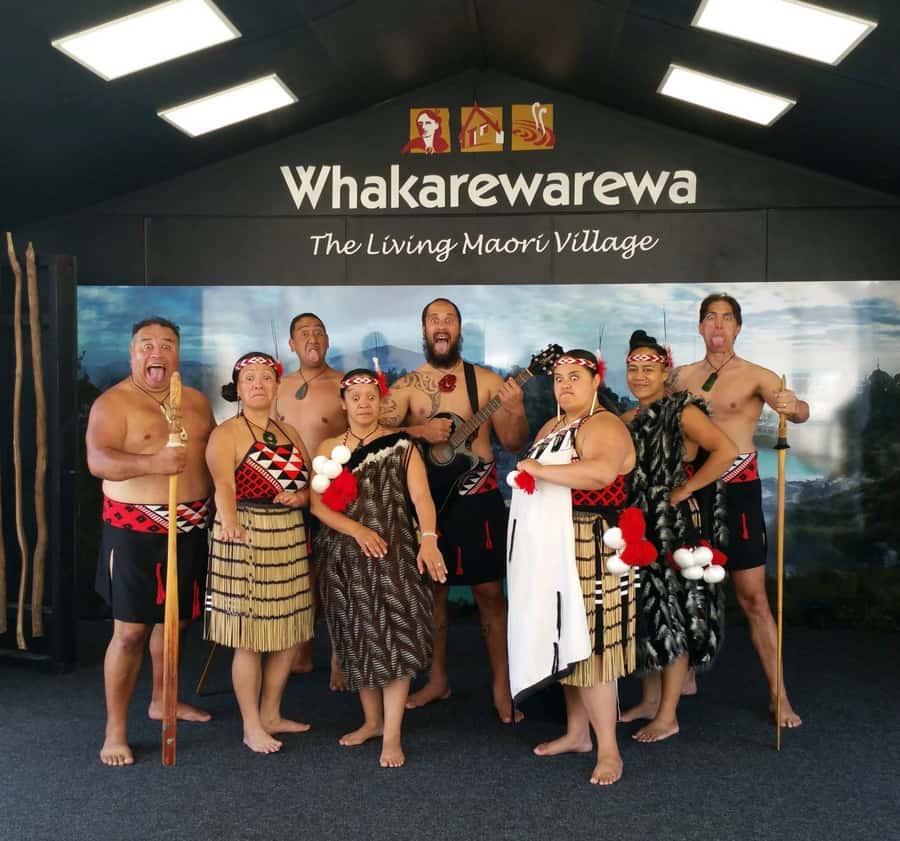
The cultural performance is a central part of the day. It includes traditional Māori songs and dances, along with the famous haka.
The haka is often the moment people remember most. It is powerful, physical, and direct, but it works best when you understand that it is more than a dramatic stage routine. The performance expresses identity, welcome, pride, and strength. The songs and dances add a wider view of Māori culture, so the haka is part of a larger presentation rather than the only event.
Several people described the performance as beautiful and deeply affecting. That reaction makes sense. After walking through the village and hearing about local customs, the performance gives the cultural material a strong human voice.
I like that the show follows the village visit rather than replacing it. You first see the geothermal setting and hear from local guides, then watch a formal presentation. The combination gives you both context and spectacle.
Still, remember that this is a scheduled group experience. You will not be attending a private ceremony or participating in an informal village gathering. It is a cultural performance designed for visitors, but it is presented by the local community and paired with a visit to a living village.
A few more to weigh up in Auckland
- Hobbiton & Waitomo Caves Guided Day Trip from Auckland incl lunch
★ 5.0 · 2,677 reviews - From Auckland: Hobbiton & Waitomo Caves Day Trip with Lunch
★ 4.9 · 2,505 reviews - Auckland: Hobbiton Movie Set Day Trip with Festive Lunch
★ 4.8 · 1,431 reviews - Hobbiton & Waitomo Caves Small-Group Tour W Lunch from Auckland
★ 5.0 · 1,117 reviews
What to expect from the steam-cooked hāngī lunch
Lunch is a traditional hāngī meal cooked with natural steam, followed by dessert. The cooking method is closely tied to Rotorua’s geothermal setting, so the meal is not an unrelated restaurant stop added to the itinerary.
A hāngī traditionally uses heated rocks and earth or steam to cook food slowly. Here, the geothermal setting makes the meal especially relevant to the place you are visiting. You get to taste a Māori food tradition while spending the day in a community where geothermal heat is part of local life.
The meal was described as simple but enjoyable in some feedback, and another person called it delicious. One report, however, described cold food, cool vegetables, and raw chicken. I would not ignore that warning. Food service can have an off day, and poultry served undercooked is a serious concern.
For most people, the hāngī adds real value to the tour because it connects food, culture, and geology. If you have strict dietary needs, the supplied information does not specify vegetarian, vegan, allergy, or other menu choices, so ask the operator before booking. Food and drinks outside the included lunch are not covered.
Rotorua’s Government Gardens, lake, and Sulphur Point
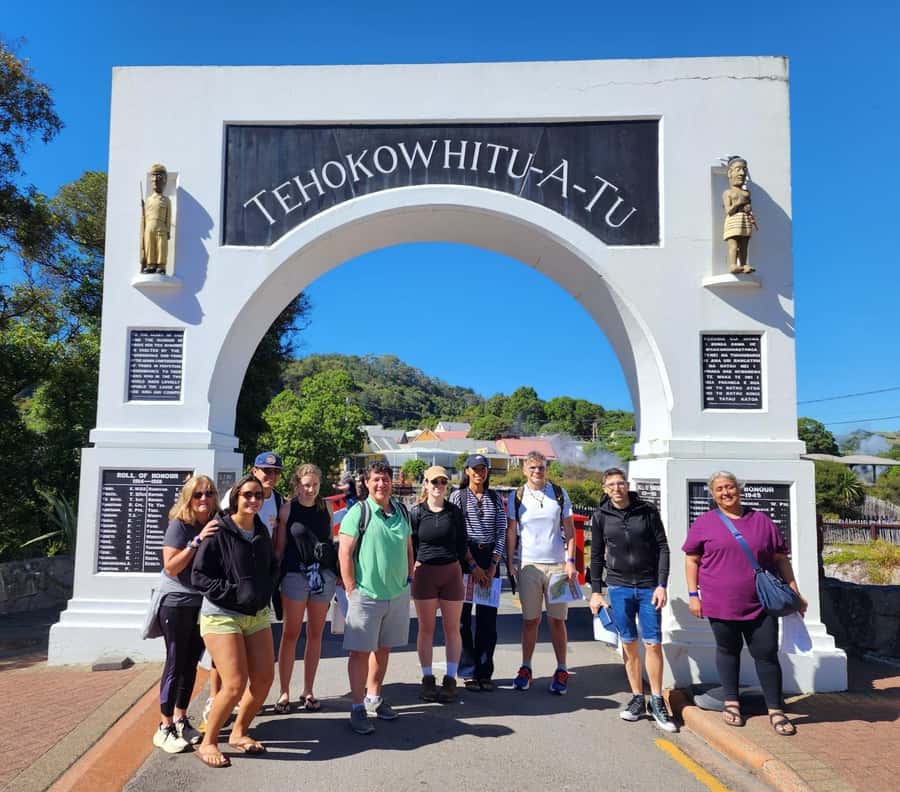
After the village, the tour continues with a guided driving tour around Rotorua. This gives you a broader look at the city instead of sending you straight back to Auckland after the cultural visit.
The route includes Government Gardens, Lake Rotorua, Sulphur Point, and the historic Rotorua Museum. Each stop helps show a different side of the city. The gardens offer a more formal, developed setting after the raw geothermal trail. Lake Rotorua gives you open water and a sense of the city’s wider setting. Sulphur Point returns you to the smell and sight of geothermal activity.
The Rotorua Museum is included as a sightseeing point, but the information does not say that entry inside is included or that there is a dedicated museum visit. Treat this portion as a guided driving tour and exterior sightseeing unless your guide tells you otherwise.
This part of the day is useful, but it is not the main reason to book. The living village, geothermal trail, performance, and meal carry the tour. The city drive is a bonus that helps you get your bearings before heading back to Auckland.
Is $224 good value for this Rotorua day trip?
At $224 per person, the price is not cheap, but it covers the pieces that usually add up quickly: round-trip bus transportation, hotel pickup and drop-off, village admission, a guided village tour, the geothermal trail, cultural performances, a hāngī lunch with dessert, and a guide.
For you, the value depends on what you want from Rotorua. If you only want to see geysers, a cheaper or shorter attraction may be enough. If you want to combine Māori culture, geothermal sights, food, performance, and city highlights without arranging transport, the price is easier to justify.
The bus transfer is especially valuable if you do not plan to rent a car. Driving from Auckland adds planning, fuel, parking, and the responsibility of managing a full day behind the wheel. Here, you can rest during the return journey.
The limitation is flexibility. You follow the group schedule, and the day leaves little room for independent exploring in Rotorua. You also pay for a long return trip, so the tour makes more sense for a first visit or a tight itinerary than for someone already spending several nights in Rotorua.
The five-star feedback is broadly positive, with particular praise for the guides, the living village, the cultural show, and Jason’s care for an older passenger. The food complaint is the notable exception and should be part of your decision.
Who will enjoy this experience most?
I would recommend this tour to first-time visitors who want a clear introduction to Rotorua and Māori culture in one organized day. It suits you if you value explanation, local guiding, and a planned route more than free time.
It is also a good fit for families and mixed-age groups because the day includes several kinds of activity: bus travel, walking, performances, food, and sightseeing. Jason’s careful check-ins with an older passenger suggest that a considerate guide can make a difference for groups with different energy levels.
You should think twice if you dislike long bus rides, prefer independent travel, or want a quiet cultural visit without a performance. The itinerary is full, and the village walk takes place outdoors around geothermal features.
The tour is in English, with a live guide. If your accommodation is outside the listed pickup area, you may need to reach an available pickup point yourself. Ask about the meeting place before the day begins.
Practical advice for making the day better
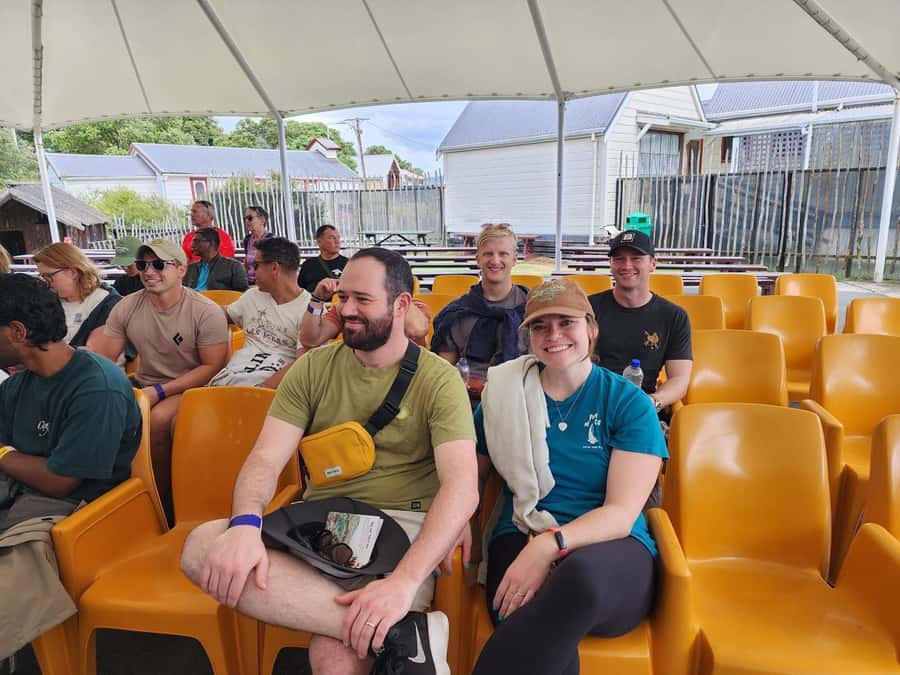
Wear comfortable shoes and bring rain protection. The village and geothermal trail are outdoor experiences, and Rotorua weather can turn a pleasant walk into a wet one.
Keep water and any extra snacks in your day bag, since food and drinks beyond the included hāngī are not covered. You may also want a light jacket for the bus and cooler periods.
Arrive early for pickup. The vehicle can come within a 10-minute window, and it cannot wait for late arrivals. If the operator changes your pickup location, confirm the update before departure.
Give yourself patience on the return trip. After a full day of walking, listening, eating, and sightseeing, the ride back to Auckland is a chance to rest, not an extra attraction.
The tour allows free cancellation up to 24 hours before departure, and you can reserve now and pay later. Those terms are useful if your New Zealand schedule is still moving around.
Should you book the Auckland to Rotorua Māori village tour?
Book it if you want culture and geothermal scenery in one day, and if Auckland is your base. The living village, local guides, haka, and steam-cooked meal create a fuller picture of Rotorua than a quick geyser stop alone.
I would be more cautious if food quality is a major concern, if you need special dietary arrangements, or if 12 hours on a bus sounds exhausting. You should also confirm your pickup point and ask about meal requirements before paying.
For a convenient first look at Rotorua, the tour offers strong value. The best parts are not just the geysers. They are the local voices, the connection between geothermal heat and daily life, and the chance to experience Māori performance and food in the same place.
FAQ
How long is the Auckland to Rotorua tour?
The tour lasts 12 hours, including transportation between Auckland and Rotorua, the village visit, the cultural program, lunch, and the Rotorua sightseeing drive.
Is transportation from Auckland included?
Yes. Round-trip bus transportation is included, along with hotel pickup and drop-off from selected locations.
Is hotel pickup available?
Yes. Pickup is included from selected Auckland hotels, mainly in the downtown CBD. If your location is not listed, choose the nearest available option.
What happens if my accommodation is not confirmed?
You can select The SkyCity Hotel for now and update the pickup location later if needed.
What cultural activities are included?
The tour includes a guided visit to Whakarewarewa Village, traditional Māori songs and dances, and a cultural performance featuring a haka.
Is the hāngī lunch included?
Yes. A traditional hāngī meal cooked with natural steam and dessert are included. Additional food and drinks are not included.
Is the tour conducted in English?
Yes. The tour has a live English-speaking guide.
Can I cancel the tour for a full refund?
Yes. You can cancel up to 24 hours in advance for a full refund. You can also reserve now and pay later.
Just added in Auckland
- Yonder Star Sailing Yacht★ 5.0 · 2 reviews
- Auckland Airport Private One-Way or Round-Trip Transfer★ 4.5 · 14 reviews
- Zombie Bite Escape Room Experiences★ 5.0 · 54 reviews
- Kumeu Wine Region Shuttle from Auckland★ 4.5 · 19 reviews
- Auckland’s Wild West Coast & Black Sand Beaches Tour inc Lunch★ 5.0 · 12 reviews
- Wētā Workshop Unleashed Tour – Mandarin Speaking Guide★ 5.0 · 2 reviews
- Vineyards Honey and Black Sand Beaches from Auckland★ 5.0 · 93 reviews
- West Coast Discovery Tour★ 5.0 · 37 reviews
Maori Cultural Experiences, compared.
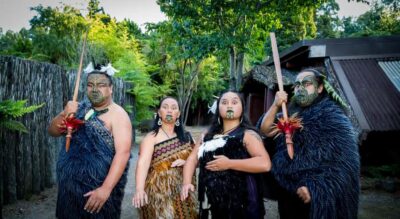
Mitai Maori Village: Cultural Experience and Dinner Buffet
Read our review →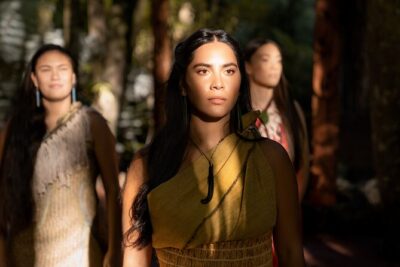
Cultural Experience & Seasonal Māori Cuisine at Te Pā Tū
Read our review →
Mitai Maori Village Cultural Experience in Rotorua
Read our review →
Lake Taupo: Classical Sailing to the Māori Rock Carvings
Read our review →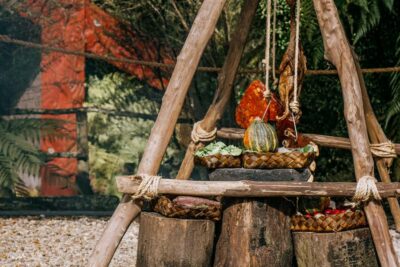
Te Pa Tu Māori Cultural Experience with Dinner
Read our review →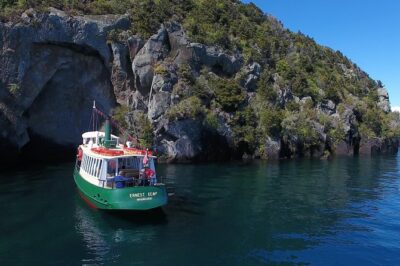
Lake Taupō Māori Rock Carvings Scenic Cruise aboard Ernest Kemp
Read our review →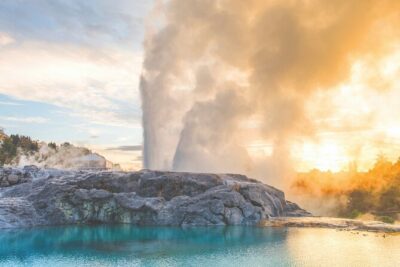
Waitomo Caves & Rotorua – Te Puia Small-Group Tour from Auckland
Read our review →
Lake Taupo: Maori Rock Carvings 10.30 AM 1.5-Hour Cruise
Read our review →Browse the lists this tour appears in