
REVIEW · MAORI CULTURAL EXPERIENCES
Mitai Maori Village: Cultural Experience and Dinner Buffet
The canoe arrives through the dark. Mitai Māori Village combines a forest walk, a warrior waka arrival, songs, haka, and a generous hāngī buffet into a lively three-hour evening in Rotorua. I especially like the canoe scene on the Wai-o-whiro stream and the clear explanations of Māori customs. The main drawback is that some parts of the forest walk and stage show can be hard to see or hear from the back.
I also like the way dinner is tied to the experience rather than treated as a separate meal. At $101 per person, the price is fair if you want culture, entertainment, food, and transport in one evening, though you should not expect a quiet museum visit or a small private gathering.
In This Review
- Five things to know before you go
- Why Mitai Māori Village works as a Rotorua evening
- Arrival, welcome, and the role of your group chief
- The Wai-o-whiro stream and the warrior waka
- Sacred spring, old pā, and glow worms
- Songs, dances, ta moko, and the haka
- The earth oven and a serious buffet dinner
- How much value do you get for $101?
- Who will enjoy this most?
- Small tips that improve the evening
- Should you book Mitai Māori Village?
- FAQ
- How long does the Mitai Māori Village experience last?
- How much does the experience cost?
- Where does the experience take place?
- Is hotel pickup available?
- What food is included?
- Are glow worms included?
- Is the experience wheelchair accessible?
- What should I wear?
Five things to know before you go
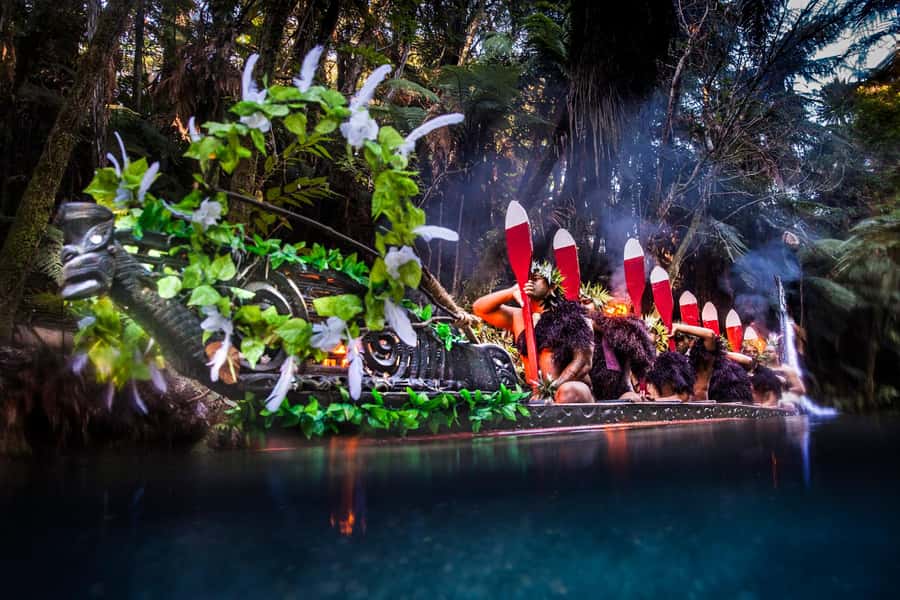
- The waka arrival is the visual highlight: Warriors paddle an ancient-style canoe down the Wai-o-whiro stream while chanting.
- The hāngī is generous and well received: Expect meats, poultry, vegetables, salads, and desserts served buffet style.
- The evening teaches as well as entertains: Guides explain customs, beliefs, ta moko, the haka, and the rules for entering a sacred site.
- The forest walk changes after sunset: You may see the sacred spring and glow worms, but darkness, stairs, and uneven ground affect the experience.
- Your group chooses a chief: One person represents the visitors during the formal welcome, adding a small but memorable human touch.
Why Mitai Māori Village works as a Rotorua evening
Rotorua is one of the best places in New Zealand to learn about Māori culture, but not every cultural evening offers the same balance. Mitai Māori Village gives you several different experiences in one booking: a guided visit in a bush setting, a river performance, a stage concert, and a traditional earth-cooked meal.
That variety matters. You are not sitting through three hours of speeches, and you are not simply watching a dance show with a meal attached. The program moves between outdoor scenes, cultural explanation, music, food, and performance.
The setting helps. The village is at 196 Fairy Springs Road, a short distance from central Rotorua, and the forest gives the evening a sense of place. You walk beside a clear stream, look down toward a sacred spring, and see the waka approach through the trees. It feels more connected to the natural setting than a performance held in an ordinary theater.
The evening is still a polished tourist experience. It is carefully timed, designed for a large audience, and built around a buffet. That is not a criticism by itself. For many people, especially on a first visit to New Zealand, a well-organized introduction is more useful than a complex cultural visit that leaves you unsure what you are seeing.
More Dining Experiences in Rotorua
- Rotorua: Te Pa Tu Māori Cultural Experience with Dinner
★ 4.8 · 1,193 reviews - Te Puia: Te Pō Indigenous Evening Experience – Haka + Dinner
★ 4.7 · 350 reviews - Te Puia: Te Pō Indigenous Evening Experience with Dinner
★ 4.5 · 89 reviews
Arrival, welcome, and the role of your group chief
If you choose transport, pickup is available from registered Rotorua accommodations, subject to availability. Winter pickup runs from 5:15pm to 5:45pm, while summer pickup runs from 5:45pm to 6:15pm. Drivers wait no longer than five minutes, so be ready outside at the stated time.
You can also meet at the village on Fairy Springs Road. If your accommodation is not registered for pickup, contact Mitai Māori Village before assuming a transfer is included. A missing pickup location at booking may mean that transport is not available.
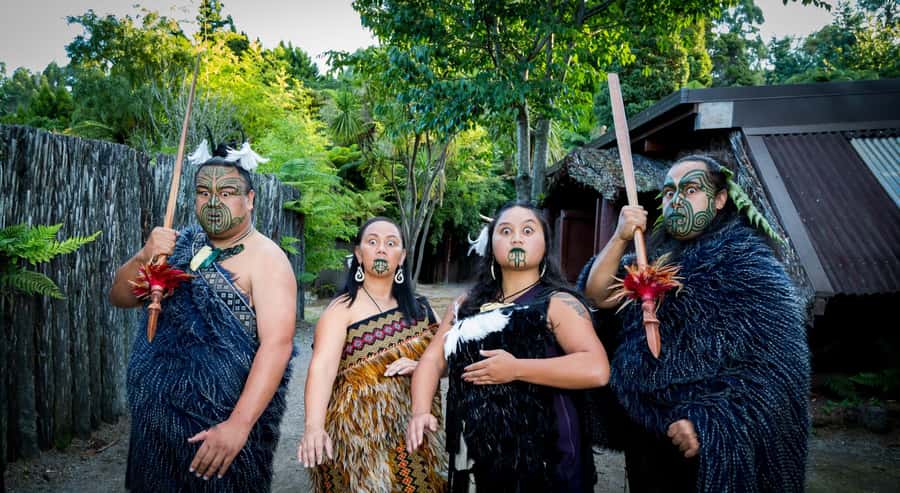
The welcome introduces the tone of the evening. Māori maidens greet the arriving group, and you learn the rules for entering a sacred site. Your group then selects a chief to represent the visitors. This is more than a random audience activity. It gives the group a role in the welcome and helps explain the traditional relationship between hosts and visitors.
You do not need prior knowledge of Māori customs. The presentation explains what is happening and why. Listen closely at this stage, because the formal welcome makes later parts of the program easier to understand.
The hosting is one of the strongest parts of the evening. The main presenter guides the group through Māori culture with warmth, humor, and energy. The information covers customs, beliefs, and the way Māori culture has developed over time. Some explanations are moving and serious, while others are playful.
The Wai-o-whiro stream and the warrior waka
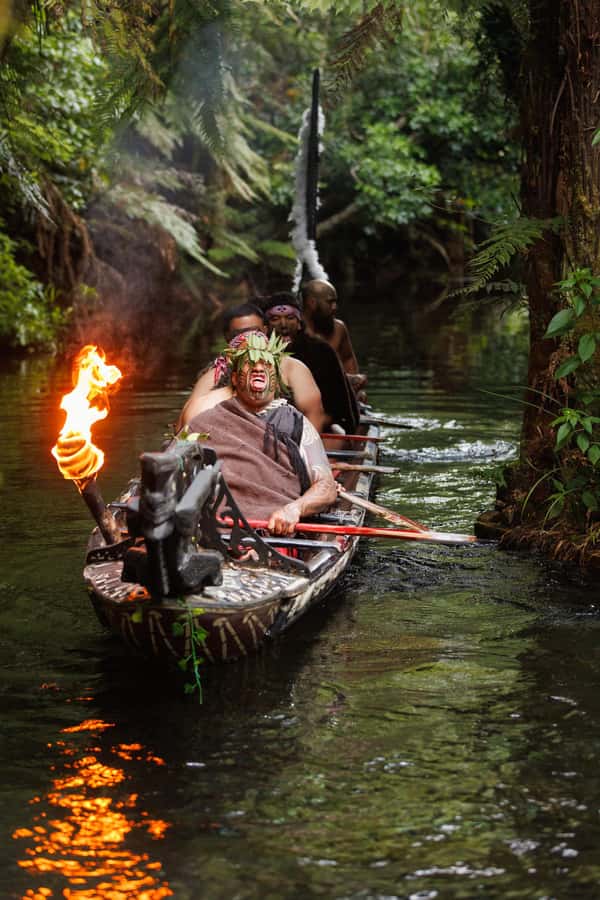
The forest walk leads you toward the Wai-o-whiro stream, where the warrior canoe appears. Warriors in traditional dress paddle the waka down the water while chanting. It is a simple scene, but the combination of moving water, trees, darkness, and voices makes it powerful.
I would plan to pay close attention here rather than treat it as a quick photo stop. The waka arrival is one of the evening’s most memorable images, and several parts of the cultural program build toward it.
The viewing area is a platform, so you are not standing beside the water itself. That helps organize the crowd, but it also means your view depends on where you stand or sit. If you want a clear look at the canoe, move promptly with the group and avoid drifting toward the rear.
The outdoor sections need sensible clothing. Flat walking shoes are the best choice, and a jacket is wise in winter. Comfortable clothes that suit the weather will make the evening much easier, especially if the ground is damp or uneven.
Sacred spring, old pā, and glow worms
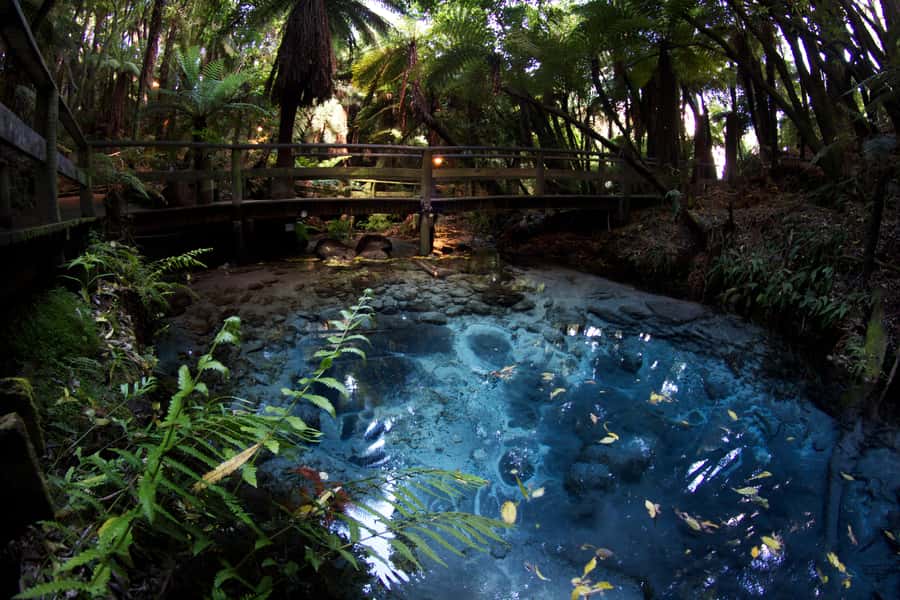
After the waka scene, the group continues through the bush. The walk includes a view of a sacred spring below the forest and a short route toward the old pā, or village site. This part gives the evening a quieter pace after the chanting and performance.
The glow worms are a pleasant extra, not the only reason to book. In suitable conditions, you may see them in their natural habitat along the walk. Some dates or conditions may mean that glow worms are not available, so keep your expectations flexible.
Darkness changes what you can take from the walk. You may hear a detailed explanation without seeing every building or feature clearly. It is also possible for people at the back of the group to miss parts of a talk if they cannot move close to the guide.
Wheelchair access is limited on this section. The forest exit includes stairs, and the ground has uneven surfaces. You can still view the waka from the platform and go a short distance into the forest to see the old pā and sacred spring, but the full bush walk is not accessible, and you will not see the glow worms from the accessible route.
This is worth considering before booking. The cultural performance and meal remain available, but the outdoor portion is an important part of the evening.
More Maori cultural experiences in Rotorua:
- Cultural Experience & Seasonal Māori Cuisine at Te Pā Tū
★ 5.0 · 1,546 reviews - Mitai Maori Village Cultural Experience in Rotorua
★ 4.5 · 1,294 reviews - Whakarewarewa Village Guided Tour
★ 4.5 · 477 reviews - Te Puia: Te Rā Guided Day Tour
★ 4.6 · 396 reviews
Songs, dances, ta moko, and the haka
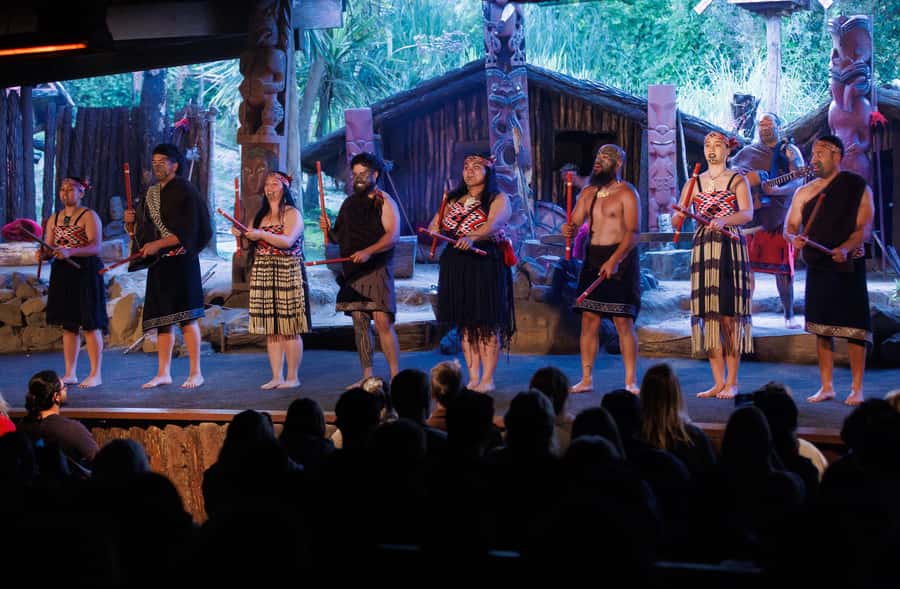
The concert brings the group indoors or to the main performance area for a series of songs and dances. You learn about Māori customs through movement, music, storytelling, and explanation rather than through a long classroom-style talk.
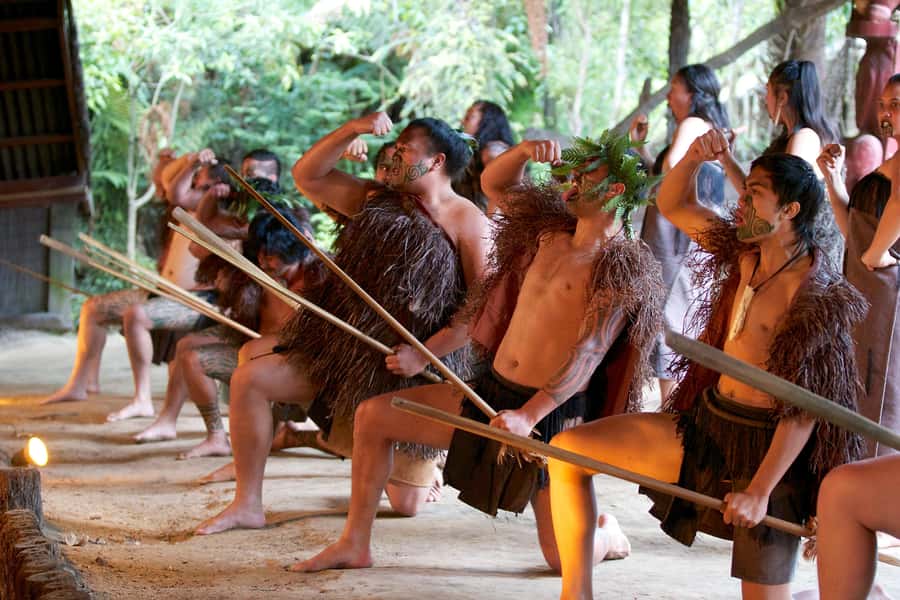
The performance includes the haka, the famous war dance known for forceful gestures, stamping, facial expression, and shouted rhythm. It is easy to focus only on the intensity of the haka, but the wider program gives you a better view of Māori performance traditions. Women’s dances, songs, hand movements, and vocal pieces add grace and variety.
The performers receive some of the strongest praise for their energy, skill, voices, and clear sense of pride. The show can be solemn when it needs to be, then shift into humor and lively interaction. That range keeps the presentation from feeling like one repeated routine.
You can also learn about ta moko, the Māori tattoo tradition. This helps place the visual details of the costumes and markings in a wider cultural context. The evening does not simply display clothing and weapons. It explains some of the meaning behind them.
There is one practical weakness: the stage can be difficult to see from farther back. The seating or viewing arrangement may leave people behind taller audience members with a blocked view. Arrive early and choose a position with a clear line toward the stage if this matters to you.
The earth oven and a serious buffet dinner
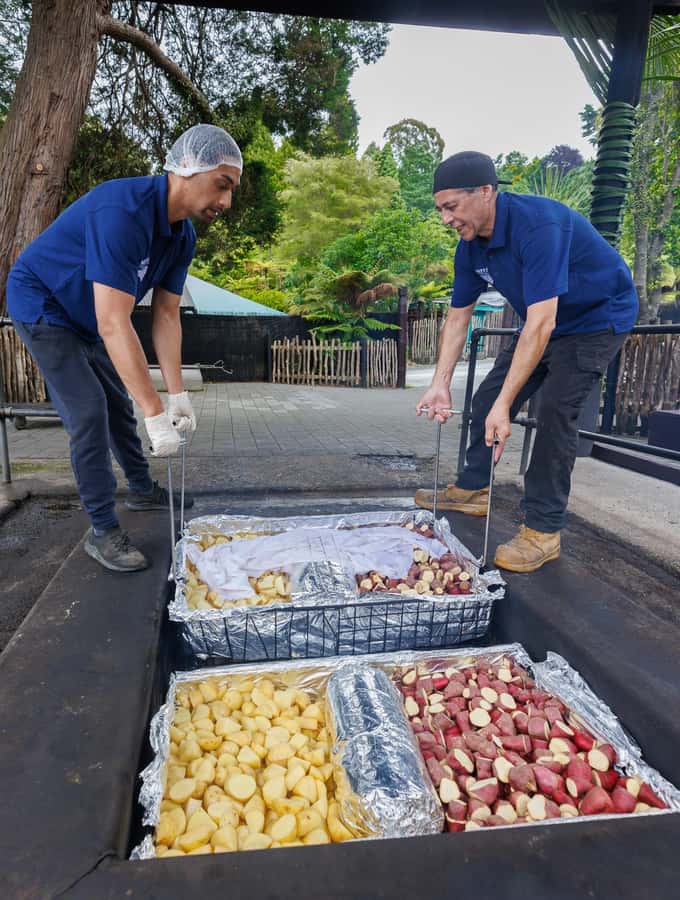
The hāngī is prepared in an earth-cooked oven. You watch the feast being lifted from the ground before it is taken to the buffet. This short demonstration gives the meal a sense of occasion and shows the method behind the food.
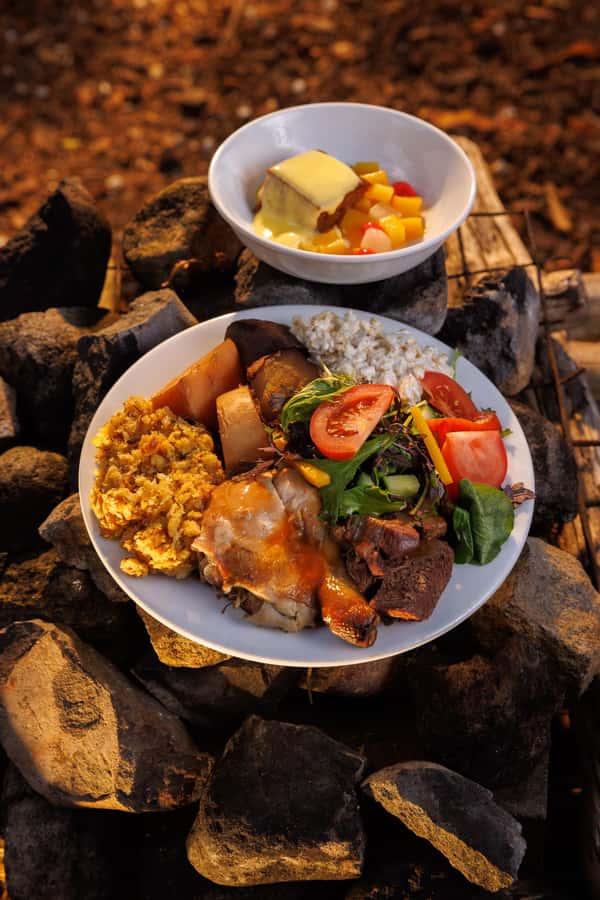
The buffet includes succulent meats and poultry, vegetables, fresh salads, and desserts. The meal is widely praised for being plentiful, and the dessert selection gives the evening a proper finish. For a buffet, the food is a strong part of the value rather than an afterthought.
I would serve yourself early when the buffet opens. During pauses for more commentary, the food service may stop, so waiting can mean less time to return for a second plate. Also ask staff about ingredients if you have dietary needs. One useful detail is that gluten-free, dairy-free, and egg-free diners may find suitable choices, but allergen and vegetarian labels are not always as clear as they should be.
Drinks are not included, though they are available to buy. That is a small extra cost to keep in mind. The $101 price covers the main program, the meal, and possible Rotorua transfers, but not beverages.
Some dishes may vary in quality. The buffet is generally a highlight, though meat can occasionally be dry. If you are hoping for a refined restaurant meal, adjust your expectations. This is a traditional-style feast served to a large group, and its value comes from the quantity, setting, and connection to the earth oven.
How much value do you get for $101?
At $101 per person, Mitai Māori Village is not a cheap dinner. It can still be good value because the fee covers a full three-hour program rather than a short show. You receive a guided cultural introduction, outdoor scenes, the waka arrival, a concert, and a substantial buffet.
The price makes the most sense when you want an easy evening with several elements already arranged. If you need transport from your Rotorua accommodation, the optional pickup can simplify the night, subject to availability. You avoid arranging separate dinner plans and a separate cultural activity.
The value is also strong for first-time visitors. You will leave with a basic understanding of Māori welcomes, the haka, traditional food preparation, ta moko, waka travel, and the importance of the natural setting. That is a lot to cover in three hours.
It is less suitable if you dislike scheduled group activities, buffets, or stage shows. The program is organized and audience-focused. You will not have unlimited time for quiet exploration or long private conversations with performers.
The current rating is 4.7 from 3,575 reviews, which matches the experience’s main strengths: friendly presentation, strong performances, good food, and smooth organization. The recurring cautions are also clear: sightlines, sound from the back, the occasional dry dish, and limitations on the forest route.
Who will enjoy this most?
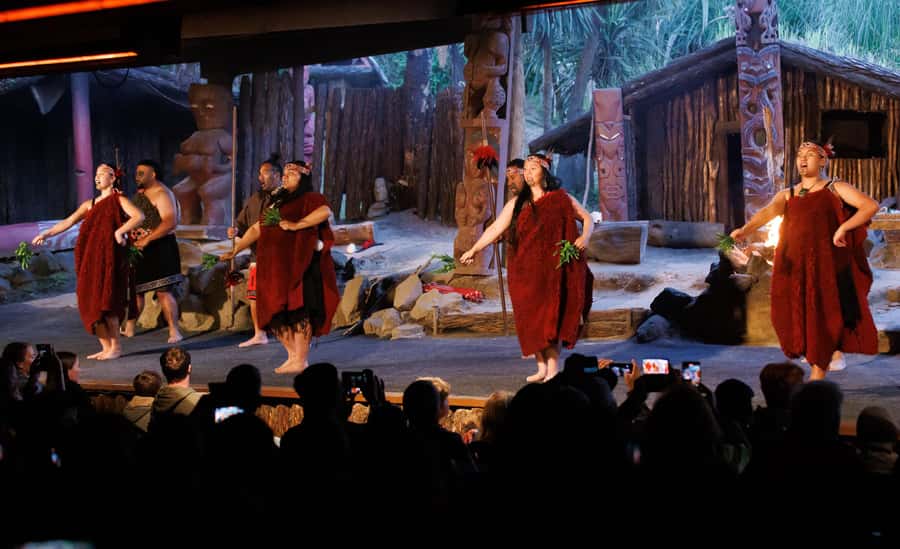
I would recommend Mitai Māori Village to first-time visitors to Rotorua, families, couples, and anyone who wants cultural context without spending a full day in a museum. Children can follow the canoe, costumes, music, and haka, while adults will likely appreciate the explanations behind the performances.
It also suits people who want a complete evening rather than a single attraction. The meal is generous, the show has variety, and the outdoor setting gives you something to remember beyond the dining room.
You may want to think twice if stairs or uneven ground are a major concern. The venue is described as wheelchair accessible, but that does not mean every part of the experience is accessible. The forest walk is limited, and glow worms will not be available from the accessible route.
The experience is in English, with a live guide. If you want detailed interpretation in another language, this is not the right choice based on the information available.
Small tips that improve the evening
- Wear flat shoes with a good grip.
- Bring a jacket in winter and dress for the weather.
- Be ready outside for hotel pickup, since drivers wait only five minutes.
- Choose a good viewing position for the waka and stage.
- Listen during the welcome so the chief’s role and entry customs make sense.
- Take food early when the buffet opens.
- Ask about allergens and vegetarian choices before filling your plate.
- Keep glow worm expectations flexible, since conditions and access can affect what you see.
Should you book Mitai Māori Village?
Book it if you want a lively and accessible introduction to Māori culture, paired with a satisfying dinner and a memorable outdoor setting. The warrior waka, haka, songs, and forest walk give the evening real variety, while the presenter’s explanations keep it from becoming pure spectacle.
I would be cautious only if you need a fully accessible forest route, require a quiet small-group experience, or are very particular about stage visibility and food labeling. For most visitors spending a few nights in Rotorua, the combination of culture, performance, and hāngī makes this a worthwhile evening and one of the stronger all-in-one choices at $101.
FAQ
How long does the Mitai Māori Village experience last?
The experience lasts three hours.
How much does the experience cost?
The listed price is $101 per person.
Where does the experience take place?
The meeting point is 196 Fairy Springs Road, Fairy Springs, Rotorua 3015.
Is hotel pickup available?
Hotel pickup and drop-off from registered Rotorua accommodations may be available, subject to availability. If your accommodation is not registered, contact Mitai Māori Village for another option.
What food is included?
The buffet includes hāngī meats and poultry, vegetables, fresh salads, and desserts. Beverages are not included but can be purchased.
Are glow worms included?
The walk may include glow worms in their natural habitat. Visitors using the accessible route will not see the glow worms.
Is the experience wheelchair accessible?
The venue is wheelchair accessible in part. The waka viewing platform and a short forest section are available, but the bush walk includes stairs and uneven surfaces.
What should I wear?
Wear flat walking shoes and comfortable clothes. A jacket is recommended during winter, and you should dress for the weather.
Just added in Rotorua
- Te Puia: Tuku Iho Trail with Cultural Show★ 5.0 · 5 reviews
- Te Puia: Te Rā Guided Day Tour + Haka Cultural Performance★ 4.7 · 128 reviews
- Te Puia: Te Pō Indigenous Combo – Tour, Dinner + Haka★ 4.4 · 52 reviews
- Rotorua: Wai Ariki Hot Springs & Spa 1hr Restorative Bathing★ 4.8 · 16 reviews
- Rotorua: White Island, Mount Tarawera & Waimangu Volcanic …★ 4.4 · 5 reviews
- Rotorua: Volcano Landing and Geothermal Park Helicopter Tour★ 5.0 · 1 review
- Rotorua: Velocity Valley – NEW Vertigo 43m drop★ 5.0 · 3 reviews
- Rotorua: Velocity Valley – Two Ride Pass★ 4.6 · 8 reviews
Maori Cultural Experiences, compared.
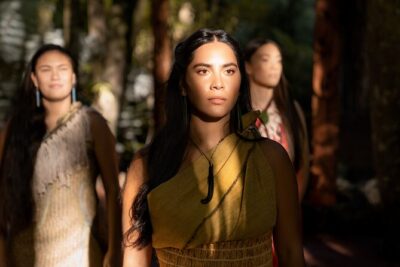
Cultural Experience & Seasonal Māori Cuisine at Te Pā Tū
Read our review →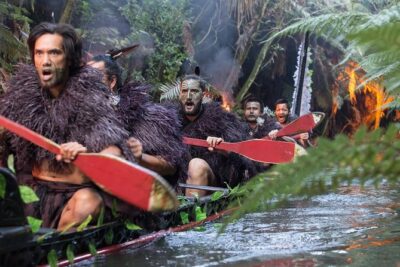
Mitai Maori Village Cultural Experience in Rotorua
Read our review →
Lake Taupo: Classical Sailing to the Māori Rock Carvings
Read our review →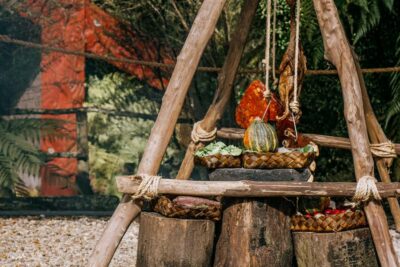
Te Pa Tu Māori Cultural Experience with Dinner
Read our review →
Lake Taupō Māori Rock Carvings Scenic Cruise aboard Ernest Kemp
Read our review →
Waitomo Caves & Rotorua – Te Puia Small-Group Tour from Auckland
Read our review →
Lake Taupo: Maori Rock Carvings 10.30 AM 1.5-Hour Cruise
Read our review →
Browse the lists this tour appears in