
REVIEW · HISTORICAL TOURS
Bullswool Heritage Farm General Entry Ticket
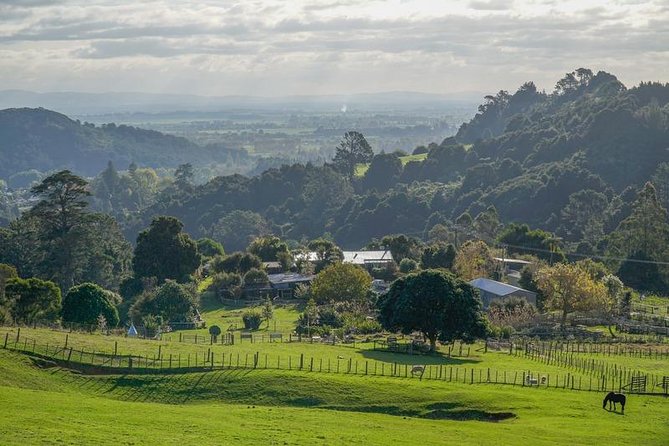
Feed a sheep, then wander through New Zealand history. Bullswool Heritage Farm gives you the kind of rural experience that feels more personal than a quick photo stop. Set across 100 acres of native bush and hill country near Karangahake Gorge, the farm combines friendly animals, working farm displays, museums, bird conservation, and play areas in one relaxed visit.
I especially like the chance to hand-feed rare-breed farm animals and the way the old sheepshed and milking-shed displays connect everyday farm life with New Zealand’s past. The main consideration is time: although admission is inexpensive, you will get much more from the visit if you can spare two or three hours rather than rushing through between other Coromandel stops.
In This Review
- Five things to know before you go
- Arriving near Karangahake Gorge
- Meeting the animals, the farm’s biggest pleasure
- The Sheepshed Museum and New Zealand’s farming story
- Early milking, working horses, kauri, and gold
- Walking tracks through 100 acres
- The Karangahake Native Bird Reserve
- Play areas that keep children engaged
- Why the $11.17 entry price works
- How long should you plan to stay?
- Who will enjoy Bullswool most?
- Booking, cancellation, and practical planning
- Should you book Bullswool Heritage Farm?
- FAQ
- Where is Bullswool Heritage Farm?
- How long does a visit take?
- What are the opening hours?
- Can I feed the animals?
- Is the ticket available on a mobile phone?
- What happens if the weather is poor?
Five things to know before you go
- Friendly animals are the main event: You can hand-feed many of the farm animals, from smaller creatures to larger residents.
- Five different heritage displays: The property includes a working Sheepshed Museum, Early NZ Milking Shed Museum, Working Horses of NZ Stable Museum, and Historic Kauri and Gold Museum.
- Native bush adds variety: Walking tracks lead through the farm’s 100 acres, with the award-winning Karangahake Native Bird Reserve along the way.
- Families get room to play: The wooden play areas give children something to do between animal encounters and museum visits.
- A low-cost half-day outing: At $11.17 per person, the entry price is modest, especially if you stay for a picnic and use the grounds at an easy pace.
Arriving near Karangahake Gorge
Bullswool Heritage Farm is only minutes from the famous Karangahake Gorge, making it a useful stop in a Southern Coromandel road trip. You can pair it with a day around the gorge, or use the farm as the main outing if your group prefers animals and open-air displays to a more strenuous walk.
The setting matters. This is not a small pen beside a car park. The farm covers mature native bush and rolling hill country, so your visit has a sense of movement. You follow walking tracks from one part of the property to another, with animal areas, heritage buildings, bird habitat, and play spaces spread through the grounds.
The farm is open Tuesday through Sunday from 10:00 a.m. to 4:00 p.m. The supplied operating dates run from October 12, 2019, through February 16, 2027, so check the current date and opening information when planning. A mobile ticket makes entry simple, though the experience is still best treated as an unhurried outing rather than a quick attraction.
More History Tours in North Island:
- Auckland: All Blacks Experience Guided Cultural Tour
★ 4.7 · 453 reviews - All Blacks Experience: Interactive Guided Cultural Tour
★ 4.5 · 228 reviews - Olveston Historic Home Guided Tour
★ 5.0 · 205 reviews
Meeting the animals, the farm’s biggest pleasure
The most immediate appeal is the animals. You can get close to many rare-breed farm animals, and the farm describes them as friendly and suitable for hand-feeding. That hands-on contact changes the visit from simply looking through fences to taking part in a small piece of farm life.
I like this especially for families with children. A child who might lose interest in a museum can feed an animal, then return to the exhibits when ready. Adults also get a more authentic connection to the place because the animals are part of a working farm setting, not just a display arranged for photographs.
The experience is not limited to one popular species. The property has animals ranging from small, approachable creatures to larger farm residents. One particularly memorable part of the visit may be feeding sheep, and the friendly nature of the animals is a major reason the farm works so well for mixed-age groups.
Use common sense around the animals. Even friendly creatures need calm handling, and young children should stay with an adult. The information provided does not specify a separate feeding charge or a fixed feeding session, so you can expect the animal encounters to form part of the general entry experience rather than a timed add-on.
The Sheepshed Museum and New Zealand’s farming story
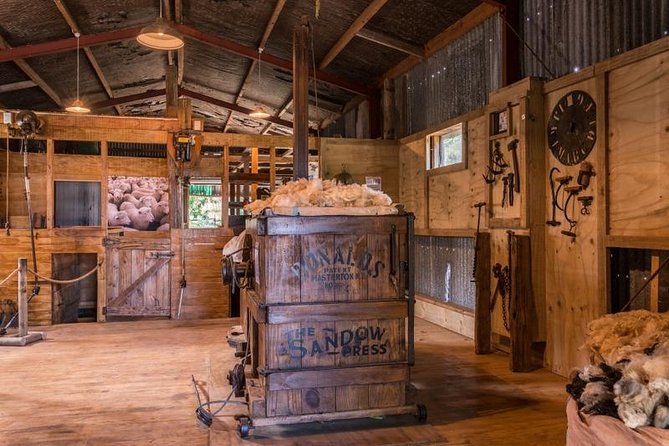
The Working Sheepshed Museum gives the farm its strongest sense of place. It tells the story of early New Zealand farming pioneers through a working agricultural setting, not a polished city museum.
That distinction is important. A sheepshed explains how rural life functioned: the work, tools, animals, and routines that shaped communities across the country. You are not only looking at old objects. You are seeing how farming was organized and why sheep became such a major part of New Zealand’s identity.
The display should appeal to adults who want more context than animal feeding alone provides. It also gives children a useful link between the live animals outside and the work that once took place in buildings like these. I would visit the sheepshed early if your group is interested in the farm’s story, then return to the animal areas afterward.
Early milking, working horses, kauri, and gold
Bullswool adds several smaller museum displays, each covering a different part of New Zealand’s rural and regional past. The Early NZ Milking Shed Museum focuses on older dairy practices, giving you another look at the work behind farm life.
The Working Horses of NZ Stable Museum shifts attention to the animals that once powered much of that work. Horses were central to transport, field labor, and farm operations before modern machinery took over. Even a short visit to the stable display can help you picture how demanding early farm life was.
The Historic Kauri and Gold Museum broadens the story beyond agriculture. Kauri and gold are both tied closely to the development of the North Island and the Coromandel area. This display gives the day a regional edge, so the farm feels connected to the wider place rather than sealed off as a stand-alone animal park.
Do not expect a large museum complex. These are compact, focused displays within a farm visit. Their value comes from variety. You can see animals, walk through bush, learn about farming, and pick up local history without needing to commit to a full museum day.
More Farm Visits in North Island:
- Wool Sheep Farm Experience with Handmade Wool Hat in New Zealand
★ 5.0 · 9 reviews - Queenstown: Queenstown Lake Cruise and Walter Peak Farm Tour
★ 4.8 · 950 reviews - Dinner at Walter Peak High Country Farm and Cruise from Queenstown
★ 4.5 · 576 reviews - Queenstown Lake Cruise and Walter Peak Farm Adventure
★ 4.5 · 439 reviews
Walking tracks through 100 acres
The walking tracks are a key part of the experience. They link the farm’s different attractions and let you enjoy the mature native bush and hill country between stops.
I would allow enough time to walk at a relaxed pace. The supplied visit length of two to three hours feels sensible because the property is more than a single viewing area. You may pause to feed animals, read displays, watch children play, and stop for photos or a picnic.
The terrain is described as lush hill country, so this is not presented as a completely flat indoor attraction. The information does not give a detailed accessibility route, track grades, or surface conditions. If someone in your group has mobility concerns, contact the farm before arrival for current guidance.
The walking also gives the visit a calmer rhythm. After the excitement of feeding animals, you can move into quieter sections of bush and bird habitat. That mix makes the day feel less repetitive than an attraction built around one animal enclosure.
The Karangahake Native Bird Reserve
The award-winning Karangahake Native Bird Reserve adds a conservation focus to the farm. It is more than a collection of farm animals because it shows the owners’ interest in protecting native wildlife as well as presenting rural heritage.
For you, the reserve provides a quieter change of pace. The farm animals are active and interactive, while a native bird area asks you to slow down and pay attention to the surrounding bush. The setting is a useful reminder that New Zealand’s rural story includes native species and conservation work, not only farming and industry.
Specific bird species and viewing conditions are not provided, so I would avoid arriving with a fixed list of animals you expect to see. Treat the reserve as part of the walking experience, where the value comes from the habitat and the contrast with the farmyard.
The farm’s conservation work has received a Pride of New Zealand Award, and the bird reserve has also been recognized. Those honors do not replace the experience itself, but they help explain why this attraction includes protected native habitat alongside its heritage displays.
Play areas that keep children engaged
The children’s play spaces are a practical strength. Farm visits can lose younger children when an exhibit requires quiet reading, but the wooden play areas give them a physical break.
Families with children aged around four and seven have been able to spend hours feeding animals and using the play equipment. That is a useful guide to the pace: this is not just a quick educational stop. You can build a full morning or afternoon around it, especially if you bring food and take time in the grounds.
The supplied information does not list the exact equipment or provide detailed safety information. Still, the play areas are clearly part of the attraction’s family focus. I would plan the visit around your children’s energy levels rather than trying to see every display in a strict order.
One practical tip is to save the play area for the middle or end of your visit. It can give children a break after the walking tracks and museums, or provide a final reward before you leave.
Why the $11.17 entry price works
At $11.17 per person, Bullswool offers strong value for a two-to-three-hour visit. You are paying for access to animal areas, walking tracks, museums, the bird reserve, and play spaces rather than a single short activity.
The value improves if you use the farm as a relaxed half-day stop. One family found that there was no time pressure beyond the farm’s opening hours, and that matters here. You can spend extra time feeding animals, wander the grounds, and bring a picnic instead of paying for another activity immediately afterward.
The price may be less attractive if you only have 30 or 45 minutes available. The farm’s strengths are spread across the property, and rushing would mean missing the balance between animals, history, and bush.
The entry ticket is mobile, which is convenient for a self-guided visit. There is no indication of a guide-led schedule or fixed group departure, so you can set your own order and pace once inside.
How long should you plan to stay?
Plan on two to three hours for a satisfying visit. That gives you time for the main museums, animal feeding, the bird reserve, play areas, and a walk through part of the grounds.
Families may want longer, especially if they bring a picnic. A birthday visit has worked well as a special family outing, and the open grounds make it possible to turn the admission into a broader day rather than a quick stop.
If you are stopping on the way between Auckland and Tauranga, the farm can work as a memorable break from the road. One visitor made that kind of stop and found it worthwhile, particularly because the attraction offers something distinctively rural and local.
Opening hours are 10:00 a.m. to 4:00 p.m., Tuesday through Sunday. Since the farm is closed on Mondays according to the supplied schedule, build your route carefully.
Who will enjoy Bullswool most?
I would recommend Bullswool Heritage Farm to families, animal lovers, small groups, and anyone who wants a gentle outdoor activity near Karangahake Gorge. It suits people who prefer participation and open space to a tightly timed attraction.
It is also a good match for visitors who want to understand New Zealand beyond major cities and scenic lookouts. The farm links early farming, horses, dairy work, kauri, gold, native birds, and current conservation in one setting.
You may want to choose another activity if you dislike farm animals, have very limited time, or need a fully detailed accessible route before arrival. The property includes walking tracks and hill country, and the available information does not give enough detail to judge every section for mobility needs.
Service animals are allowed, and most people can participate. If the weather turns poor, the experience requires suitable conditions and may be moved to another date or refunded.
Booking, cancellation, and practical planning
The experience is commonly booked about 13 days ahead, which gives you a useful planning guide during a busy Coromandel trip. I would reserve ahead if your itinerary depends on a particular day, especially during school holidays.
You can cancel for a full refund up to 24 hours before the experience begins. Changes or cancellations made less than 24 hours before the start time are not accepted for a refund. The cut-off uses local time.
Because weather affects the experience, poor conditions may lead to a different date or a full refund. That policy is helpful for an outdoor attraction, but it also means you should keep some flexibility in your Coromandel schedule.
Bring a mobile phone for the ticket and allow enough time to enjoy the grounds. A picnic is worth considering, particularly if you are visiting with children or want to stay closer to three hours.
Should you book Bullswool Heritage Farm?
Yes, if you want an affordable, hands-on farm outing with more substance than animal feeding alone. The combination of friendly rare-breed animals, working museums, native bush, conservation, and play areas gives you plenty to do for $11.17.
I would book it as a two-to-three-hour stop near Karangahake Gorge, not as a rushed add-on. Families should allow time for children to play, and adults should make room for the sheepshed, milking shed, horse stable, and kauri and gold displays.
Skip it only if your schedule is too tight for a proper visit or if walking through open farm grounds does not suit your group. For most visitors seeking a friendly, distinctly Kiwi rural experience, Bullswool is an easy-value choice.
FAQ
Where is Bullswool Heritage Farm?
Bullswool Heritage Farm is in the Southern Coromandel on New Zealand’s North Island, only minutes from Karangahake Gorge.
How long does a visit take?
The expected visit lasts about two to three hours, though you can spend more time on the grounds if you choose.
What are the opening hours?
The farm is open Tuesday through Sunday from 10:00 a.m. to 4:00 p.m. The supplied operating period runs through February 16, 2027.
Can I feed the animals?
Yes. Visitors can hand-feed many friendly farm animals, including rare-breed animals.
Is the ticket available on a mobile phone?
Yes. The admission ticket is a mobile ticket.
What happens if the weather is poor?
The experience requires good weather. If it is canceled because of poor conditions, you will be offered another date or a full refund.
Just added in North Island
- Half Day Wine Tour in Napier★ 5.0 · 20 reviews
- The Awesome Scenic Rafting Adventure – Full Day Rafting on the Rangitikei River★ 5.0 · 38 reviews
- The Boulders Scenic Half Day Float on the Rangitikei River★ 5.0 · 3 reviews
- Whangarei Trike Tour to Waterfalls, Beaches & More★ 5.0 · 2 reviews
- River Valley Stables – Burn The Breeze, Half Day Horse Ride For Riders★ 5.0 · 19 reviews
- Puketi Rainforest Guided Walks .This is not a Shore Excursion product .★ 5.0 · 20 reviews
- Starburst Cathedral deep inside Milky Way Glowworm Cave★ 5.0 · 1 review
- Tarawera Raft Park Rafting Adventure Rotorua★ 5.0 · 1 review
Historical Tours, compared.
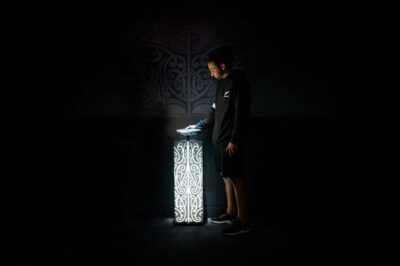

All Blacks Experience: Interactive Guided Cultural Tour
Read our review →
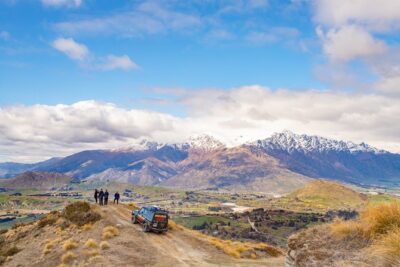
Skippers Canyon 4WD Heritage half day Tour from Queenstown
Read our review →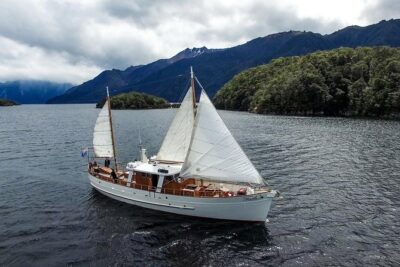
Scenic Cruise & Guided Walk on Historic Motor Yacht Lake Te Anau
Read our review →
Tauranga Shore Excursion: History & Kiwifruit Tasting – 4 Hours
Read our review →
Skip the Line:WWI & WWII Combo Exhibitions at the Omaka Aviation Heritage Centre
Read our review →Scenic Cruise & Guided walk on Historic Motor Yacht Lake Te Anau
Read our review →Browse the lists this tour appears in