
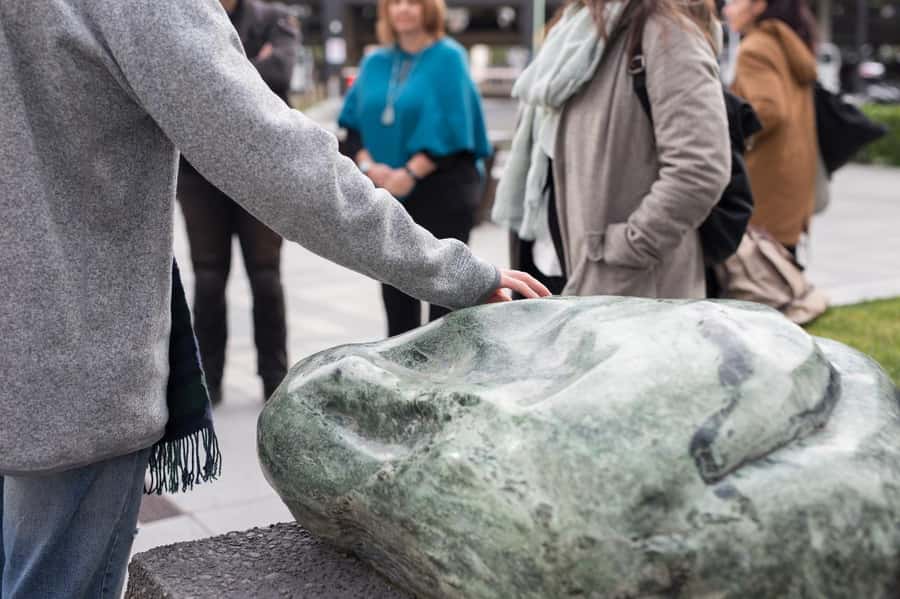
REVIEW · WALKING TOURS
Christchurch: Ōtautahi Meander Walking Tour with Tastings
Christchurch reveals its layers on foot. This two-hour walk links Māori and settler history with present-day city life, taking you past former food-gathering areas, pā sites, laneways, and local businesses. Along the way, you receive a traditional Māori greeting, hear the meaning of Ōtautahi, and sample food from artisan producers.
I especially like the tour’s focus on manaakitanga, the Māori principle of caring for your people, and the way it connects culture with ordinary city streets. I also like the relaxed food stops, including morning tea and coffee, which give the walk a pleasant start rather than making it a nonstop history lesson. The main consideration is that $95 is a fairly serious price for two hours, so you should value the guide’s cultural insight and tastings to make it worthwhile.
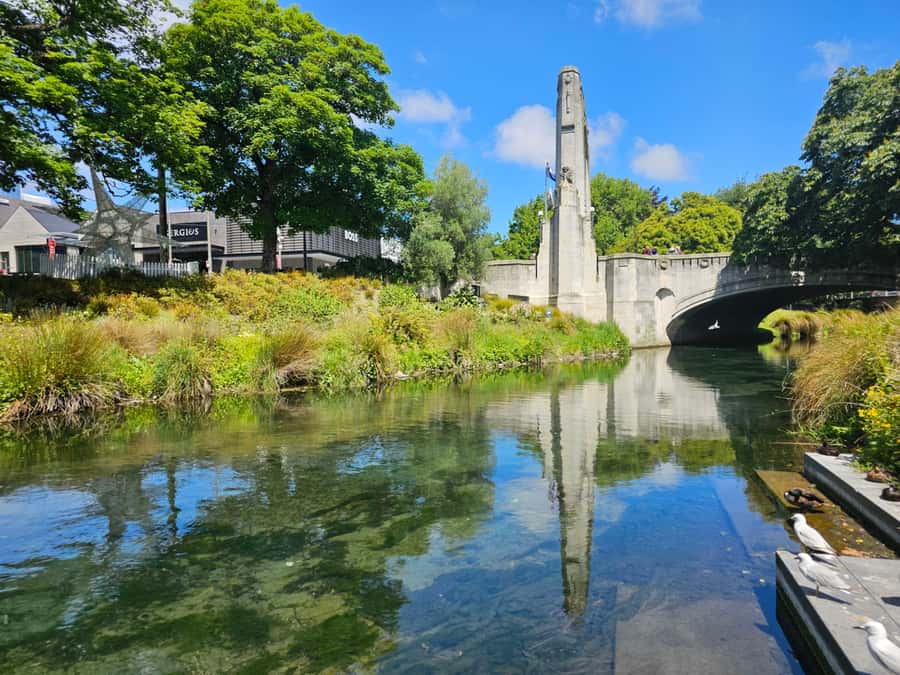
The meeting point is in front of the Bridge of Remembrance, on the shopping precinct side. That central location makes the tour easy to fit into your first morning in Christchurch, when you want to get your bearings without spending half the day on a bus.
In This Review
- Key points at a glance
- Starting at the Bridge of Remembrance
- Māori and settler stories on the same streets
- Walking past mahinga kai and pā sites
- Laneways, coffee, and local tastings
- Why the guides matter so much
- Is $95 good value for two hours?
- Who should book this Ōtautahi walk?
- Practical details before you go
- Should you book the Ōtautahi Meander?
- FAQ
- How long does the Ōtautahi Meander Walking Tour last?
- How much does the tour cost?
- Where does the tour meet?
- Is hotel pickup included?
- What language is the tour conducted in?
- Is the tour wheelchair accessible?
- Are food and drinks included?
- What cultural topics does the tour cover?
- What should I bring?
- Can I cancel the booking?
Key points at a glance

- Ōtautahi has a story of its own: Learn why Christchurch is also known by its Māori name and how that name connects to the area’s past.
- Māori and European stories share the same streets: The guide presents both cultures and their ways of life as connected parts of Christchurch’s story.
- Former mahinga kai and pā sites add meaning: Places that may look like normal city spaces become linked to food gathering, settlement, and community life.
- Food is part of the lesson: Morning tea and tastings from local artisan producers make the history easier to connect with.
- Guides bring personal warmth: Ash, Riwai, Riwa, and Spud are praised for friendly delivery, cultural understanding, and patient answers.
- The format is easy to manage: It lasts two hours, is conducted in English, and is listed as wheelchair accessible.
Starting at the Bridge of Remembrance
You meet in front of the Bridge of Remembrance, on the shopping precinct side. This is a practical starting place in central Christchurch, and it saves you the nuisance of arranging transport to an outlying suburb. Hotel pickup and drop-off are not included, so plan to reach the bridge on your own.
The tour opens with the meaning behind Ōtautahi. That is important because the name is more than an alternate label for Christchurch. It gives the walk a Māori starting point and asks you to consider the city before, during, and after European settlement.
Your guide then introduces the idea of following the footsteps of ancestors. The wording may sound grand, but the real value is simple: the city becomes a place shaped by people, movement, food, family, and memory. Instead of treating Māori culture as a short introductory segment, the tour uses it as a central part of the city’s identity.
A traditional Māori greeting is also part of the opening. This gives the experience a clear cultural frame and helps explain the principle of manaakitanga. The tour connects that idea with the whakatauki Kia atawhai ki te iwi, meaning care for your people.
That message gives the walk a human focus. You are not only collecting dates and names. You are hearing about the values that shaped how communities treated one another and how those values remain relevant in Ōtautahi today.
More Walking Tours in Christchurch
- Full Day Guided Walking Tour and Picnic around Godley Head
★ 5.0 · 147 reviews - Ōtautahi: Christchurch Small-Group Inner City Food Walking Tour
★ 5.0 · 85 reviews - Christchurch: Guided Crater Rim Walk with Coastal Scenery
★ 5.0 · 56 reviews
Māori and settler stories on the same streets
The tour’s strongest feature is its effort to place Māori and settler stories alongside one another. You hear about traditional ways of life, European settlement, and the way both histories are woven into the modern city.
This approach suits you if you want more than a standard introduction to Christchurch. A city walk can easily become a list of buildings and events. Here, the guide adds meaning by explaining how people used the area, how communities lived, and how cultural contact changed the city.
The experience also gives space to the city’s more recent past. One guide, Ash, was praised for explaining Christchurch’s history, culture, people, and the impact of the earthquake. That matters because Christchurch is not only a colonial city with an old architectural story. Its identity has also been shaped by disruption, rebuilding, and the choices made after the earthquake.
You should expect the exact emphasis to depend on your guide. Ash, Riwai, Riwa, and Spud are all named in the feedback, with particular praise for their warmth and command of the subject. Riwai was especially appreciated for presenting Māori and European heritage through cooperation and mutual respect rather than as two competing stories.
That tone is a real advantage. Cultural history can be handled badly when it is reduced to conflict or presented as a polished tourism slogan. The descriptions of this tour suggest a more personal and thoughtful approach, with room for questions and conversation.
Walking past mahinga kai and pā sites
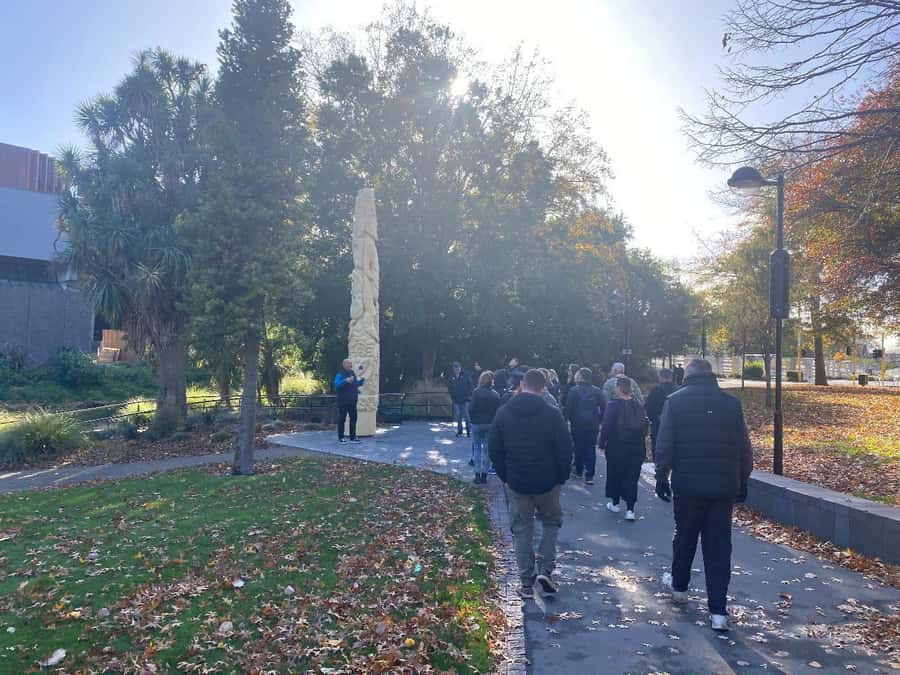
One of the more distinctive parts of the route is the attention given to traditional mahinga kai and pā sites. Mahinga kai refers to food-gathering places, while a pā was a Māori village or fortified settlement. These terms help you see how the area functioned before the modern city took shape.
The tour does not simply point out famous buildings. It brings attention to places that may not announce their importance with a grand monument or museum display. A normal-looking city stretch can hold a story about food, settlement, movement, and community.
That is where a guided walk earns its keep. Without context, you might pass these places without realizing what they represent. With a guide, the route becomes a way to connect physical space with Māori life and the city’s development.
The information provided does not specify every stop or the exact walking distance. You should therefore think of this as a central city meander rather than a fixed museum-style circuit with a long list of named attractions. The pace is described as comfortable, and the two-hour length leaves room for explanations, questions, and tastings without turning the morning into an endurance test.
Comfortable shoes are still a must. You will be walking outdoors, and the tour runs long enough for poor footwear to become annoying. A sun hat, sunscreen, water, and a camera are also recommended. New Zealand sun can be strong, even when the temperature feels mild.
Laneways, coffee, and local tastings
The food component gives the tour a welcome change of rhythm. After hearing about history and culture, you wander through laneways and stop for morning tea and tastings from local artisan producers.
The exact producers and tasting menu are not specified, so you should not book expecting a fixed list of dishes. What you can count on is food connected to local businesses and a chance to sample several items during the walk.
Coffee received specific praise as a welcome way to begin the day. That small detail matters. A morning walking tour is much easier to enjoy when you are not waiting until lunchtime for your first drink or snack.
The tastings also add value beyond the food itself. Local producers give you a small connection to Christchurch’s current food scene, while the historical parts of the tour explain older systems of gathering and sharing food. The result is a useful link between past and present.
Some feedback described the food as indulgent and well chosen. Another description referred to a regional lunch, although the formal inclusion is morning tea and food tastings. I would treat this as a tasting-focused morning rather than a full meal. If you need a substantial lunch, plan to eat separately afterward.
The laneways provide a nice contrast to the larger civic spaces around the Bridge of Remembrance. You get a more intimate look at the city, with time to notice local businesses and small urban details. Just keep in mind that the tour is not designed as a dedicated restaurant crawl. Food supports the cultural walk rather than replacing it.
A completely different sort of day out:
- Christchurch Hop-On Hop-Off Tram
★ 4.5 · 841 reviews - Christchurch Gondola and Tram City Tour Combo
★ 4.5 · 725 reviews - Christchurch: Hop-On Hop-Off Tour by Vintage Tram
★ 4.6 · 717 reviews - Christchurch: Tram, Punt and Gondola Ride Combo Ticket
★ 4.7 · 608 reviews
Why the guides matter so much
This experience depends heavily on the guide. The route and tastings are useful, but the real value comes from how the guide explains Māori culture, settler history, and the city’s changes.
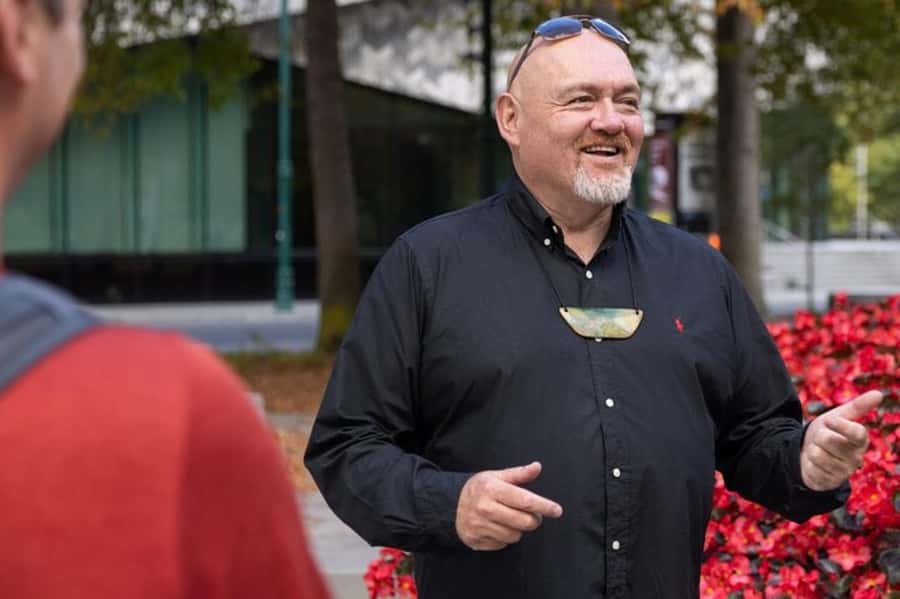
Ash is repeatedly described as friendly, enthusiastic, and well informed about Christchurch and Māori culture. Riwai is praised for bringing together Māori and European heritage through connection and mutual respect. Riwa is described as enthusiastic and deeply familiar with both cultures, while Spud is remembered as fun and well prepared.
Those comments point to a tour style that is personable rather than formal. You can expect the guide to answer questions and adjust the conversation to the group. One account specifically valued the small-group format because the guide had time to respond properly instead of rushing from one prepared stop to the next.
The exact guide is not guaranteed, so you should not book solely for one named person. Still, the consistency of the feedback is encouraging. The strongest praise goes to the guides’ friendliness, cultural understanding, and ability to make the morning enjoyable for different age groups.
The tour is conducted in English. If you want a highly academic lecture or a large-scale historical presentation, this may feel too conversational. If you prefer a guide who can explain ideas plainly and respond to questions, it should suit you well.
Is $95 good value for two hours?
At $95 per person, this is not a cheap orientation walk. You are paying for two hours with a live cultural guide, morning tea, and several food tastings. There is no hotel transfer, and you must make your own way to the central meeting point.
The price makes more sense if you are interested in Māori history and want a personal introduction to Ōtautahi. It also works well if you appreciate local food but do not want to spend a full day on a formal tasting tour.
The value is less convincing if you only want to see Christchurch’s main landmarks quickly. You could walk around the central area independently for far less money. The difference is that an independent walk will not explain the meaning of Ōtautahi, identify traditional mahinga kai and pā sites, or give you the same cultural context.
I would view the tour as a useful first-morning investment. It helps you understand the city before you explore it alone. Afterward, familiar streets and public spaces should carry more meaning.
The free cancellation period also gives you some flexibility. You can cancel up to 24 hours in advance for a full refund, and the reserve-now, pay-later option lets you hold a place without paying at the time of booking.
Who should book this Ōtautahi walk?
I would recommend it to first-time visitors who want a strong introduction to Christchurch without committing to a full-day excursion. The two-hour format is short enough to fit around museums, shopping, meals, or other city plans.
It is also a good choice for anyone who wants Māori culture treated as a central part of New Zealand’s story rather than a brief add-on. The focus on manaakitanga, ancestors, mahinga kai, and pā sites gives the tour a clear cultural purpose.
Food-minded visitors should enjoy the local tastings, especially if coffee and morning tea help you start the day. Families and older visitors may appreciate the manageable pace, though everyone should wear comfortable shoes.
You might choose something else if you want transport, a long-distance view of the region, or a full meal. The tour stays focused on central Christchurch and its stories. It is not a countryside trip, a winery outing, or a complete earthquake recovery tour.
Practical details before you go
Meet at the Bridge of Remembrance on the shopping precinct side. Since transport is not included, allow enough time to reach the meeting point without rushing.
The duration is two hours, and starting times vary, so check availability for the date you want. The tour is in English and is listed as wheelchair accessible.
Bring:
- Comfortable shoes
- Sun hat
- Sunscreen
- Water
- Camera
The tastings are included, but the specific foods are not listed. If you have dietary needs, the available information does not confirm how they are handled, so ask the operator before booking.
Should you book the Ōtautahi Meander?
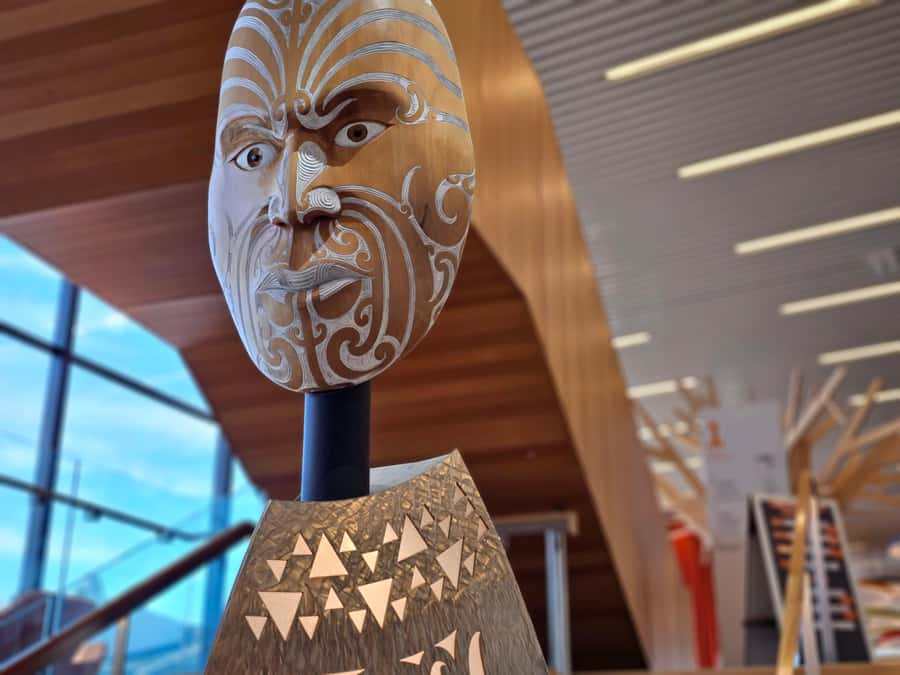
Book this tour if you want Christchurch explained through both Māori and European stories, with a friendly guide and a few well-chosen local tastes along the way. The strongest reason to go is the cultural framing, especially the explanation of Ōtautahi and manaakitanga.
At $95, it asks more than a basic city walk. I think the cost is fair for you if personal guiding, Māori perspective, and artisan tastings matter. Skip it if you only want landmarks on a budget or need a full lunch and hotel transport.
For many people, this would be a smart first activity in Christchurch: short, central, thoughtful, and filling enough to send you into the rest of the city with better context.
FAQ
How long does the Ōtautahi Meander Walking Tour last?
The tour lasts two hours.
How much does the tour cost?
The listed price is $95 per person.
Where does the tour meet?
Meet in front of the Bridge of Remembrance on the shopping precinct side.
Is hotel pickup included?
No. Hotel pickup and drop-off are not included.
What language is the tour conducted in?
The live guided tour is conducted in English.
Is the tour wheelchair accessible?
Yes. The activity is listed as wheelchair accessible.
Are food and drinks included?
Morning tea and food tastings from local artisan producers are included. Coffee is also mentioned as part of the morning experience.
What cultural topics does the tour cover?
The tour covers the meaning of Ōtautahi, Māori and settler stories, traditional ways of life, manaakitanga, mahinga kai, and pā sites.
What should I bring?
Bring comfortable shoes, a sun hat, sunscreen, water, and a camera.
Can I cancel the booking?
Yes. You can cancel up to 24 hours in advance for a full refund. A reserve-now, pay-later option is also available.
Just added in Christchurch
- Wine trail and Christchurch City – Luxury, Small Group Tour★ 5.0 · 15 reviews
- Waipara Wine Trail Tour From Christchurch★ 5.0 · 1 review
- Willowbank Wildlife Reserve Day Entry★ 4.5 · 94 reviews
- Waipara Wine Trail Private Group Tour From Christchurch★ 5.0 · 1 review
- Waimakariri River Jet Boating from Christchurch★ 4.0 · 9 reviews
- Waipara Valley Winery Tour Wine Tastings and Scenic Views★ 5.0 · 5 reviews
- Trial Flight★ 5.0 · 1 review
- Uniquely Kiwi Landsailing Adventure★ 5.0 · 66 reviews
Walking Tours, compared.
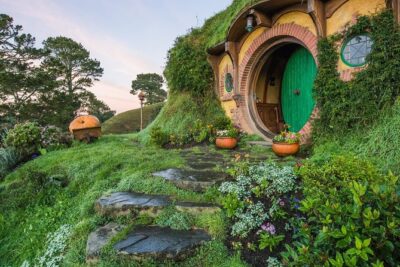
Hobbiton™ Movie Set Walking Tour from Shires Rest
Read our review →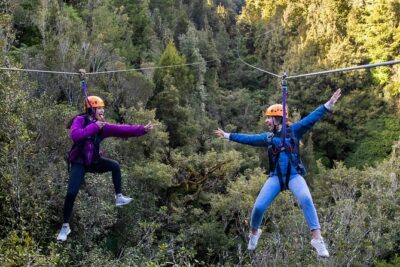
Rotorua’s Ultimate Zipline: 6 ziplines, 400 m Tandem, Cliff Walk
Read our review →
Waitomo Caves: Ruakuri Glowworm Cave Guided Walking Tour
Read our review →

Abel Tasman: Sea Shuttle Cruise and Walking Tour Combo
Read our review →


Browse the lists this tour appears in