
REVIEW · WILDLIFE
Willowbank Wildlife Reserve Day Entry
Kiwi sightings are not always easy to arrange. Willowbank Wildlife Reserve fixes that problem with guaranteed kiwi viewing, a gentle self-guided walk, and a useful location near Christchurch airport. I like the chance to see native species and introduced animals in one outing, and I like that you can move at your own pace rather than follow a fixed tour group. The one catch is the kiwi house: it is dark, and you may need patience and sharp eyes to spot a bird.
I also like the hands-on side of the visit. You can feed and pat selected animals, wander past farm creatures, and pause at pretty paths and wooden walkways. The reserve can take only an hour or two if you are short on time, but many families stay longer for the café, play areas, and wide mix of animals.
In This Review
- Key points to know before you go
- Why Willowbank makes sense near Christchurch airport
- A walk through New Zealand wildlife, at your own pace
- Native species: the reason to come
- Farm animals and close encounters
- Capybara, lemurs, wallabies, and other introduced animals
- How long should you allow?
- Food, play, and a useful break in the day
- Is $22.65 good value?
- Who will enjoy Willowbank most?
- Practical tips for a better visit
- Cancellation and ticket details
- Should you book Willowbank Wildlife Reserve?
- FAQ
- Where is Willowbank Wildlife Reserve?
- How much does entry cost?
- How long does a visit take?
- Can I see a kiwi at Willowbank?
- What animals can I see?
- Can I feed or pat the animals?
- Are food and drinks included?
- Is transportation included?
- Can I cancel my booking?
Key points to know before you go
- Guaranteed kiwi viewing: The nocturnal kiwi house gives you a reliable chance to see New Zealand’s famous flightless bird.
- Near Christchurch airport: Willowbank works well on an arrival day, departure day, or short Christchurch stop.
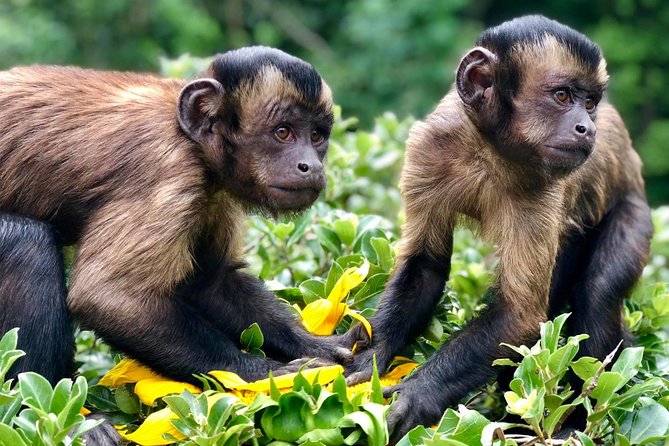
- More than native wildlife: You can also see capybara, lemurs, monkeys, wallabies, sheep, rabbits, alpacas, otters, and deer.
- A self-paced visit: Most people spend about two to three hours, though a quicker visit is possible.
- Hands-on for families: Feeding and patting opportunities make this more active than a standard animal park.
- Reasonable admission: At $22.65 per person, the combination of kiwi viewing and a broad animal collection offers good value for a half-day outing.
Why Willowbank makes sense near Christchurch airport
Willowbank is a practical first or last stop in Christchurch. Its location close to the airport means you do not need to spend a full day getting out of the city to see native New Zealand wildlife. It also suits a cruise schedule, a short stop between destinations, or a free morning before other Christchurch plans.
You choose your arrival time during the day, so the admission ticket does not lock you into a strict start. That flexibility matters if your flight, shuttle, rental car, or other plans shift. The ticket can be used on a mobile phone, and a paper option is also available.
Transportation to and from the reserve is not included. You need to arrange your own way there, though the site is near public transportation, and a shuttle from Cathedral Square has been useful for some visitors. If you are coming from the port, the drive has been described as about 25 minutes, but allow extra time for traffic and your own pickup arrangements.
The reserve can handle up to 200 people, yet the visit itself is not a tightly managed group activity. You follow the paths, stop where you like, and spend more time with the animals that interest you most.
A few more to weigh up in Christchurch
- Christchurch Hop-On Hop-Off Tram
★ 4.5 · 841 reviews - Christchurch Gondola and Tram City Tour Combo
★ 4.5 · 725 reviews - Christchurch: Hop-On Hop-Off Tour by Vintage Tram
★ 4.6 · 717 reviews
A walk through New Zealand wildlife, at your own pace
The route is designed as a gradual walk through different animal areas. You are not simply standing in front of one large enclosure after another. The setting includes greenery, walkable paths, wooden walkways over water, and areas that give the reserve a more natural feel.
Some people complete the full visit in around two hours. Others make a half-day of it, especially with children. The paths are generally clear and easy to follow, although gravel sections could use better signs. If you like to read every display, wait quietly at the kiwi house, and stop for food, plan closer to three hours.
The reserve feels especially suited to mixed-age groups. One person can focus on native birds, another can enjoy the farm animals, and children can feed animals or use the climbing and exploration areas. You do not need to be a serious wildlife enthusiast to find something here.
Native species: the reason to come
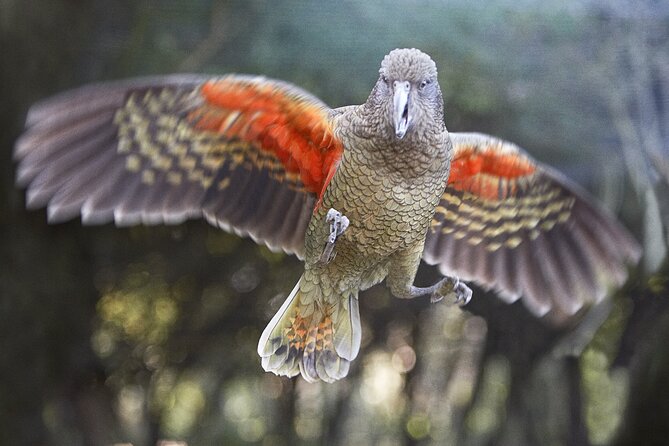
Willowbank brings several distinctive New Zealand species together in one place. The collection includes kea, kaka, takahe, tuatara, and kiwi. Seeing them in one visit gives you a useful introduction to the country’s unusual wildlife, especially if your wider itinerary does not include a remote sanctuary or national park.
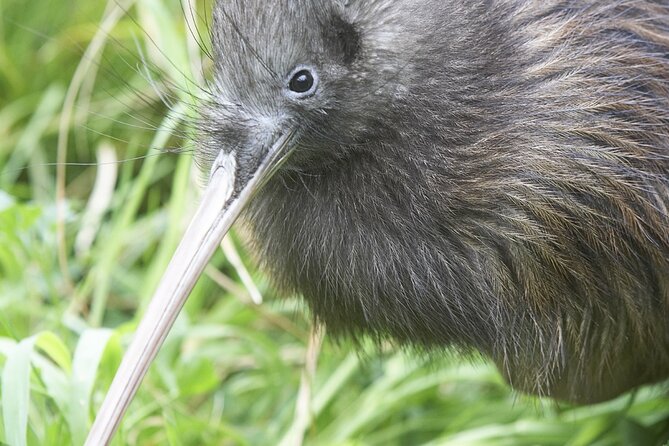
The kiwi house is the main draw. Kiwi are nocturnal, so the building is kept dark to mimic their active hours. That makes the viewing more authentic, but it also asks something of you. Walk quietly, let your eyes adjust, and do not expect the bird to pose in a bright, open enclosure.
The guaranteed sighting means you should see a kiwi, but it does not guarantee a perfect view. A bird may be asleep, tucked near the edge, or moving through the shadows. Some visitors have needed another person to point one out. Patience pays off, and the quiet atmosphere is part of the experience.
The kiwi house can be challenging if your eyes take time to adjust to darkness. Stay near the viewing fence, watch for movement, and give yourself more than a quick glance. If you rush through, you may miss the very animal you came to see.
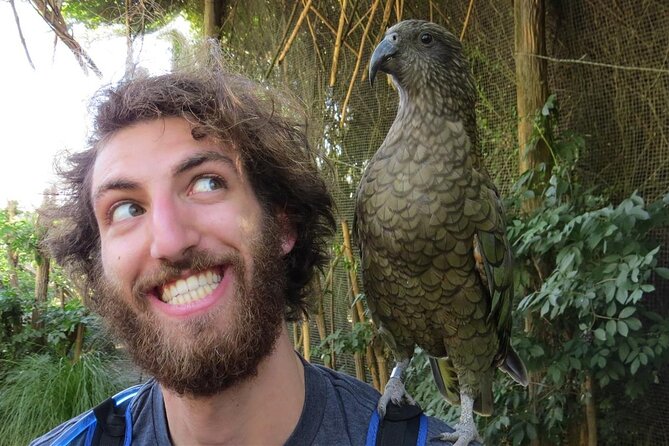
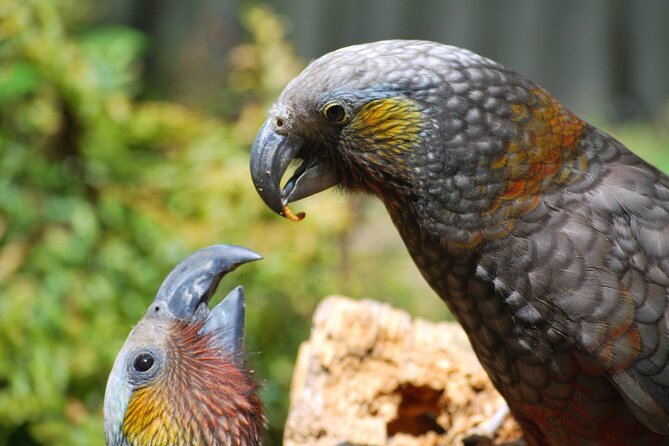
The native collection also gives the visit more depth than a single kiwi encounter. Kea and kaka offer a look at New Zealand’s clever native parrots, while the takahe and tuatara connect you with species found nowhere else in quite the same way. The displays help explain why protecting these animals matters.
Farm animals and close encounters
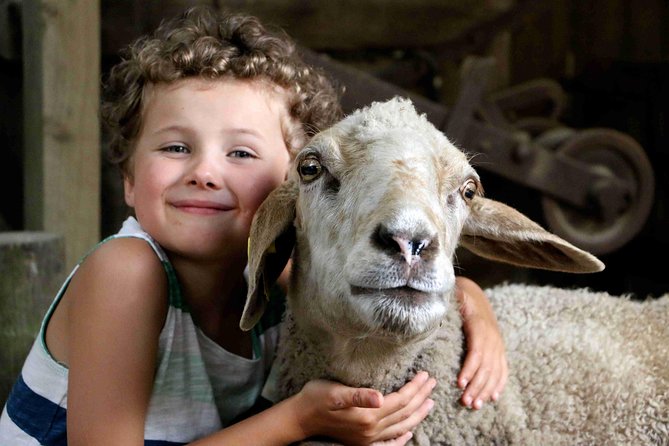
Willowbank is not only a native wildlife reserve. Farm animals are part of the appeal, and you can pat sheep, rabbits, and alpacas. For young children, this may be more memorable than a distant bird enclosure.
Many of the animal encounters are hands-on, but you should follow the reserve’s feeding rules and treat the animals calmly. The deer have a reputation for knowing exactly what a paper feed bag means. They may come looking for their share, so keep a firm grip and do not let a surprised child get crowded.
Ducks and other birds may also follow you when food is available. That is amusing for some people and a little noisy or hectic for others. If you prefer a quiet walk, use the feeding opportunities in moderation and move on when an area gets busy.
This close contact is one reason the admission price works well for families. You are not paying only to look at animals from a distance. You are getting a place where children can take part, ask questions, and learn how different species behave.
A completely different sort of day out:
- Christchurch: Tram, Punt and Gondola Ride Combo Ticket
★ 4.7 · 608 reviews - International Antarctic Centre General Admission Ticket
★ 4.5 · 484 reviews - Waipara Wine Tour from Christchurch – including Lunch & Tastings
★ 4.5 · 462 reviews - TranzAlpine Train, Arthur’s Pass and Castle Hill Day Trip
★ 5.0 · 426 reviews
Capybara, lemurs, wallabies, and other introduced animals
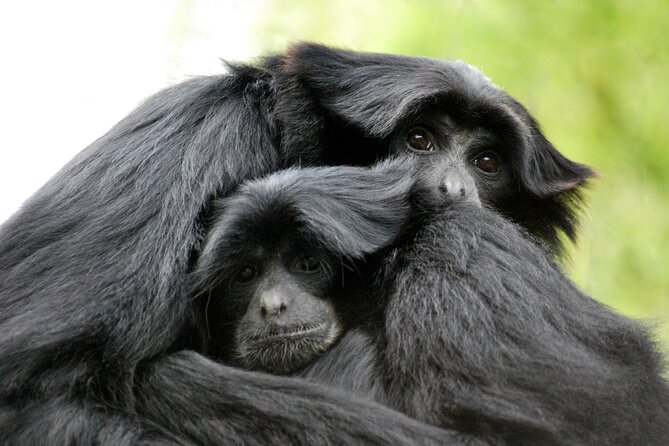
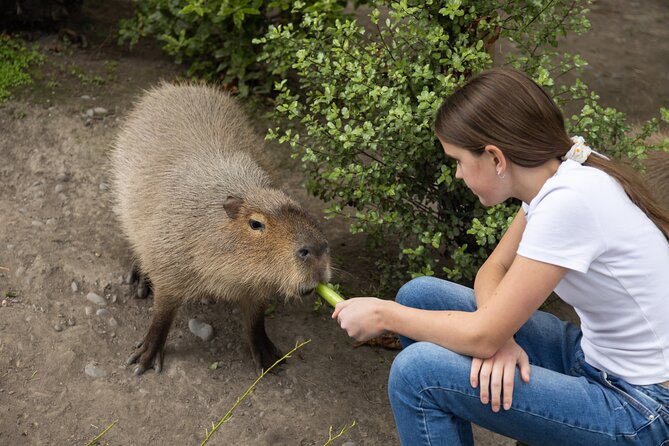
The reserve includes animals introduced to New Zealand, including monkeys, lemurs, capybara, and wallabies. Otters have also been a favorite for many people, especially when they are active. Capybara encounters can be a highlight because these large, calm animals are unusual to see up close.
This wider collection keeps the walk varied. If the kiwi house is quiet or a native bird is hiding, you still have plenty to see. The mix also makes Willowbank work for families with different interests. A child fascinated by mammals does not have to spend the whole visit waiting for a bird to appear.
There is a fair point to keep in mind. Not every enclosure will feel equally spacious, and the wallaby area has struck some people as limited. That does not cancel the value of the visit, but it is worth keeping expectations realistic. This is a wildlife reserve and educational attraction, not a wide-open safari park.
The care of the animals is an important part of the experience. The grounds are well maintained, the animals appear well cared for, and the habitats are arranged to make the walk pleasant. You will also see some animals roaming outside strict cage-style settings, which can make the visit feel more personal.
How long should you allow?
The advertised visit length is about one to three hours. I would use that range as a planning guide rather than a fixed schedule.
Allow about two hours if you want to walk the main route, see the key animals, and spend a reasonable amount of time in the kiwi house. Add time if you are visiting with children, feeding animals, stopping at the play areas, or eating at the café.
A shorter visit can work if you are fitting Willowbank around a flight or cruise. One person reached the reserve in the afternoon and spent about three hours before closing, so check the day’s opening time before setting out. Arriving late may leave you rushing, particularly if you want to wait quietly for the kiwi.
The flexible entry time is helpful, but it does not mean you can ignore closing hours. Build in enough time to finish the walk, visit the kiwi house, and reach the exit without turning the final part into a race.
Food, play, and a useful break in the day
The café makes Willowbank more than a quick animal stop. You can buy food and drinks on site, though they are not included in the admission price. Food choices have worked well for families, including a meal with options suitable for a five-year-old.
A café break is useful if you are visiting with children. The reserve has places for kids to climb, explore, and learn, so the outing does not rely on quiet observation alone. Adults can enjoy the setting while children have a chance to burn off energy.
The retail store is another convenient addition. It allows you to finish the visit without making a separate shopping stop. Still, treat these extras as optional. The main value is the wildlife access and the kiwi viewing, not the café or shop.
Is $22.65 good value?
At $22.65 per person, Willowbank offers solid value for a one-to-three-hour visit, especially if you use the reserve for a half day. The price covers admission and guaranteed kiwi viewing, which is the hardest feature to arrange elsewhere on a short Christchurch schedule.
The value improves for families who make use of the feeding and patting opportunities. You can spend more time here than at a small animal display, and the mix of native, farm, and introduced animals gives you several different experiences for one admission fee.
It is less compelling if you only want a quick glimpse of one kiwi and plan to leave immediately. The dark house may require patience, and the animal park format will not satisfy someone looking only for a remote, wild encounter. For most people, though, the variety makes the cost sensible.
The 4.5 rating from 94 published ratings fits the experience well. The strongest praise centers on the range of animals, the attractive paths, the friendly staff, and the chance to interact with animals. The main reservations concern unclear signs, dark kiwi viewing, and the amount of space in some habitats.
Who will enjoy Willowbank most?
I would recommend Willowbank most strongly to families, first-time visitors to New Zealand, and anyone with limited time in Christchurch. It gives you a simple introduction to the country’s unusual wildlife without requiring a long trip into the countryside.
It is also a good choice for people who enjoy self-guided visits. You can stop for a long look, move quickly past animals that interest you less, and return to the kiwi area if you need another moment to spot movement in the dark.
Cruise passengers and people between flights should pay close attention to timing. The reserve is close to the airport and has been used as a convenient Christchurch excursion, but you must arrange transportation yourself and leave enough margin before departure.
You may want to choose another wildlife experience if your priority is a completely wild setting, large open habitats, or bright viewing conditions. Willowbank is best understood as an accessible wildlife reserve with a strong educational and family focus.
Practical tips for a better visit
- Go slowly in the kiwi house: Give your eyes time to adjust and keep quiet near the fence.
- Allow two to three hours: One hour is possible, but it may feel rushed if you feed animals or stop for lunch.
- Bring a little patience: A guaranteed kiwi sighting does not mean an instant, close-up view.
- Watch the food bags: Deer and ducks know when visitors are carrying food and may follow you.
- Use a map or ask for directions: Some gravel paths have limited signage.
- Check closing time: An afternoon arrival can work, but a late start may shorten your visit.
- Plan transport in advance: Admission does not include travel to or from the reserve.
- Keep children close around free-roaming animals: The open feel is enjoyable, but food can attract eager animals.
Cancellation and ticket details
You receive confirmation when you book. Mobile tickets are convenient for a travel day, while a paper ticket option is also available. Children must be accompanied by an adult, and most people can participate.
Free cancellation is available if you cancel at least 24 hours before the experience’s start time. A cancellation made less than 24 hours ahead is not refundable, and changes inside that period are not accepted. The cut-off follows local time.
Should you book Willowbank Wildlife Reserve?
Book it if you want a reliable kiwi sighting, a family-friendly outing, and a broad sample of New Zealand wildlife near Christchurch airport. The flexible arrival time, hands-on animal encounters, café, and reasonable $22.65 price make it easy to fit into a busy itinerary.
Go with realistic expectations. The kiwi house is dark, some signs could be clearer, and a few habitats may feel smaller than you hoped. If you move slowly and treat the kiwi viewing as a quiet search rather than a quick photo stop, Willowbank should give you a rewarding half day.
FAQ
Where is Willowbank Wildlife Reserve?
Willowbank Wildlife Reserve is in Christchurch, New Zealand, in a convenient location close to Christchurch airport.
How much does entry cost?
The listed admission price is $22.65 per person.
How long does a visit take?
The approximate visit length is one to three hours. Many people spend about two hours, while a longer visit allows time for feeding animals, using the play areas, and eating at the café.
Can I see a kiwi at Willowbank?
Yes. Guaranteed kiwi viewing is included with admission. The kiwi are housed in a dark, nocturnal setting, so you may need to wait quietly and allow your eyes to adjust.
What animals can I see?
You may see kiwi, kea, kaka, takahe, tuatara, monkeys, lemurs, capybara, wallabies, sheep, rabbits, alpacas, otters, deer, ducks, and other animals.
Can I feed or pat the animals?
Yes. Willowbank offers opportunities to feed and pat many animals, including farm animals. Follow the reserve’s instructions, particularly around deer and birds that may approach for food.
Are food and drinks included?
No. Food and drinks are not included, but Willowbank has a café with food options. There is also a retail store.
Is transportation included?
No. Transportation to and from Willowbank is not included. The reserve is near public transportation, and a shuttle from Cathedral Square may be available, but you must arrange your own transport.
Can I cancel my booking?
Yes. You can receive a full refund if you cancel at least 24 hours before the experience’s start time. Cancellations or changes made less than 24 hours ahead are not accepted for a refund.
Just added in Christchurch
- Wine trail and Christchurch City – Luxury, Small Group Tour★ 5.0 · 15 reviews
- Waipara Wine Trail Tour From Christchurch★ 5.0 · 1 review
- Waipara Wine Trail Private Group Tour From Christchurch★ 5.0 · 1 review
- Waimakariri River Jet Boating from Christchurch★ 4.0 · 9 reviews
- Waipara Valley Winery Tour Wine Tastings and Scenic Views★ 5.0 · 5 reviews
- Trial Flight★ 5.0 · 1 review
- Uniquely Kiwi Landsailing Adventure★ 5.0 · 66 reviews
- Arthur’s Pass Tour From Christchurch With Jet Boat & TranzAlpine★ 5.0 · 8 reviews
Wildlife, compared.
Clearwater Wildlife Tours (small group 10max) Otago Peninsula
Read our review →
6 Ziplines, Swing-Bridges & Wildlife Encounters
Read our review →
Island Hopper Day Cruise – sailing to wildlife sanctuary island – 6 hr cruise
Read our review →
Browse the lists this tour appears in