
REVIEW · TRAIN EXPERIENCES
Dunedin: Scenic Railway Tour Through the Taieri Gorge
The best train rides make time slow down. Dunedin’s Taieri Gorge Railway combines century-old bridges and tunnels with grand Otago views, making the five-hour return trip more than a simple ride from one station to another. I like the vivid onboard storytelling, especially when Dave McFarland brings early settlement and railway engineering to life. I also like having a café onboard, so you can enjoy local food and drinks without packing a full picnic.
The main drawback is the limited outdoor viewing space. You can use a viewing platform, but it holds only a small number of people at once, and several riders found it hard to get clear photo opportunities. Bring warm clothing, wear flat shoes, and carry cash for the café because mobile service and card payments can fade in the remote sections.
In This Review
- Key points to know before you go
- Starting at Dunedin Railway Station
- Leaving Dunedin for the Taieri River
- Century-old bridges and hand-carved tunnels
- What the Taieri Gorge views are really like
- Pukerangi, the quiet turning point
- Food, drinks, and the onboard café
- Commentary, staff, and the feel onboard
- Is $95 a fair price?
- Who will enjoy this railway journey most?
- Practical tips for a smoother five hours
- Should you book the Taieri Gorge Railway?
- FAQ
- How long is the Taieri Gorge Railway trip?
- Where does the train depart from?
- What is included in the ticket?
- Is food included?
- Should I bring cash?
- Can I take photographs outside?
- Is the train wheelchair accessible?
- Can I cancel my booking?
Key points to know before you go
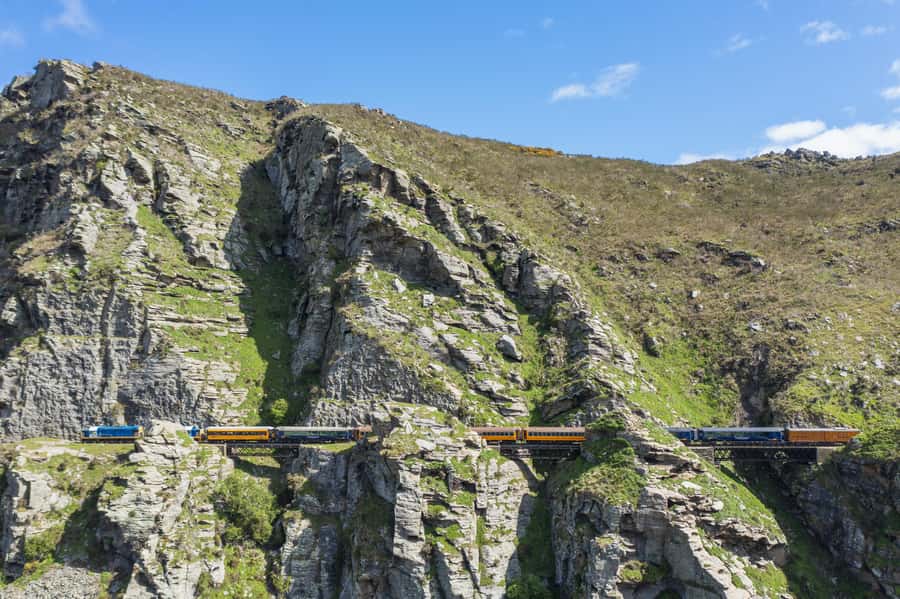
- Pukerangi is the turning point: The train reaches this quiet high-country outpost before returning to Dunedin.
- The best scenery comes after the city: Views become more dramatic as the train follows the Taieri River through the gorge.
- Dave McFarland is a memorable storyteller: His commentary covers gold-rush history, early settlement, and the difficult work behind the railway.
- The viewing platform is useful but small: You may need to wait your turn for the best outdoor photos.
- Cash is worth carrying: The onboard café accepts cards only when the train has a reliable connection, though you can settle your tab back at reception.
- Accessibility needs advance planning: A wheelchair-accessible carriage and lift are available by request, with limited capacity.
Starting at Dunedin Railway Station
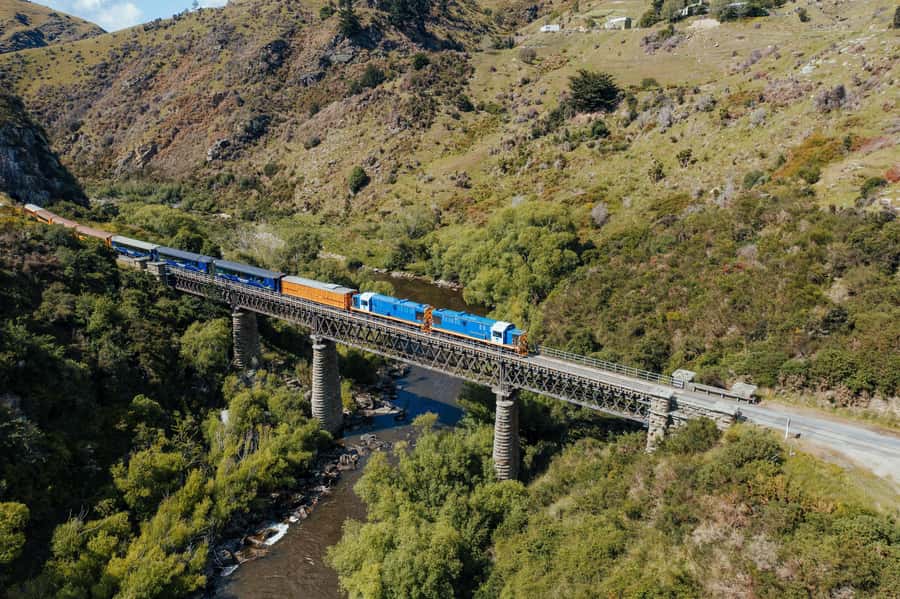
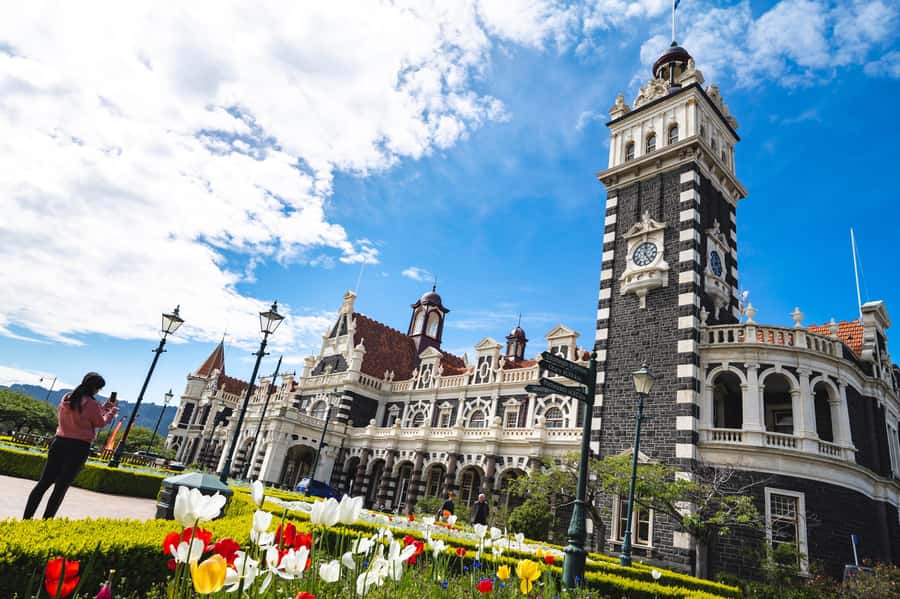
Your trip begins at 22 Anzac Avenue, at Dunedin Railway Station, one of the city’s most recognizable buildings. This is not a forgettable parking-lot departure. The station gives the journey a proper railway beginning, with a sense that you are following an old route rather than boarding a modern attraction built only for sightseeing.
Check-in begins one hour before departure and ends 15 minutes before the train leaves. That early arrival matters because you need time to find the correct platform, settle in, and decide what you want from the café before the train gets moving. Parking is available at the station, though you should check current station information for the practical details.
The five-hour duration is long enough to make the gorge feel like the main event, not a quick glimpse through a train window. It is also a sizeable block of your day. I would avoid scheduling another fixed activity immediately afterward, especially if you want to enjoy the commentary, take photos, and use the café at an unhurried pace.
More Train Trips in Dunedin:
- Queenstown to Dunedin Incl Taieri Gorge Train (One-Way)
★ 4.3 · 3 reviews - Dunedin: Scenic Railway Tour of Otago’s Coastline
★ 3.7 · 3 reviews - Northern Explorer Train Journey from Wellington to Auckland
★ 4.0 · 513 reviews
Leaving Dunedin for the Taieri River
The early part of the ride takes you away from Dunedin and toward the more rugged sections of the route. The city setting gradually gives way to open Otago views, and the train begins to feel less like public transport and more like a moving observation room.
You can watch from the large carriage windows, listen to the onboard storyteller, or move toward the viewing platform when the scenery calls for a closer look. The combination works well. The windows give you shelter from the weather, while the outdoor area lets you hear the train, feel the air, and frame photographs without glass between you and the view.
The scenery is not equally dramatic from the first minute. One useful tip is to be patient. Several riders found that the most impressive views appeared after leaving the Dunedin area. If the first stretch seems pleasant rather than spectacular, save your camera battery and settle into the story.
Century-old bridges and hand-carved tunnels
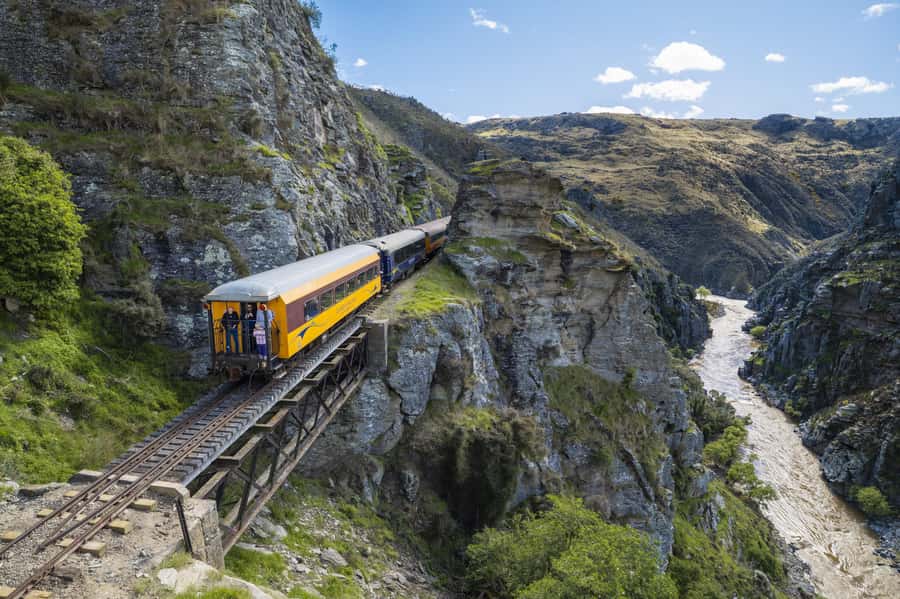
The railway’s appeal comes from the way the route and the engineering fit together. You cross old viaducts, bridges, and structures built by early railway workers, then pass through tunnels cut into the rugged country. These are not background props. They explain why this line was difficult to build and why the journey still feels distinctive today.
The onboard narration adds meaning to what you see. Instead of simply pointing out a bridge, the storyteller connects the line with early settlement, gold-rush activity, and the people who needed to move through this part of Otago. You get a better sense of the effort required to connect isolated communities with Dunedin.
Dave McFarland received especially warm praise for his commentary, and it is easy to understand why. His approach gives the trip shape. The gorge is beautiful on its own, but the stories help you notice details that could otherwise pass in a blur of rock, river, and sky.
The commentary also suits the pace of the train. You are not racing from one landmark to the next. You have time to look out, listen, and match the spoken history with the structures passing your window.
What the Taieri Gorge views are really like
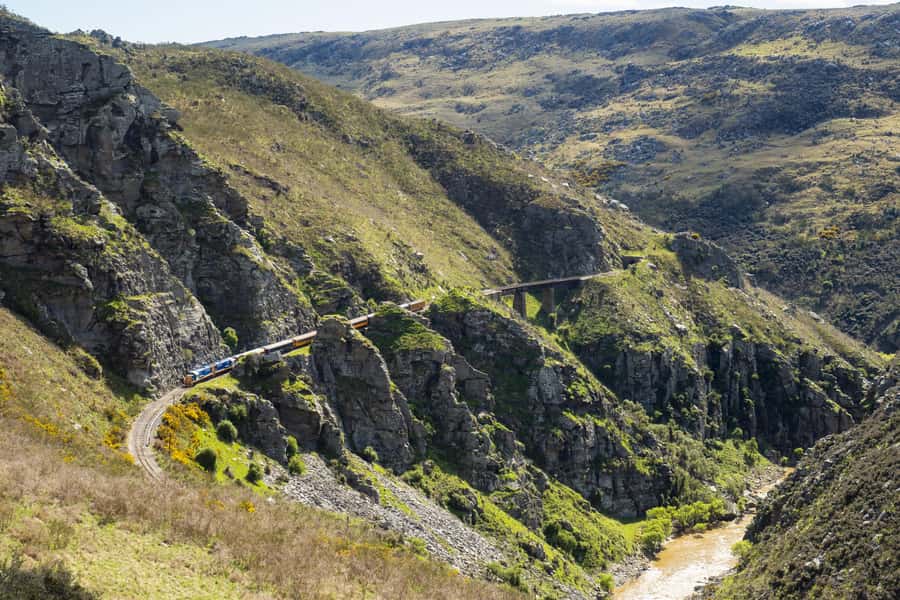
The Taieri Gorge is the visual heart of the trip. The train follows the Taieri River through a narrower, more rugged setting, with high rock walls, bridges, tunnels, and broad views opening between the tighter sections.
You will want to keep your camera ready, but do not spend all five hours staring at a screen. The best parts often arrive quickly as the train rounds a bend or slows near a point of interest. The onboard storyteller may help you prepare for some of these moments, but you will still need to look up.
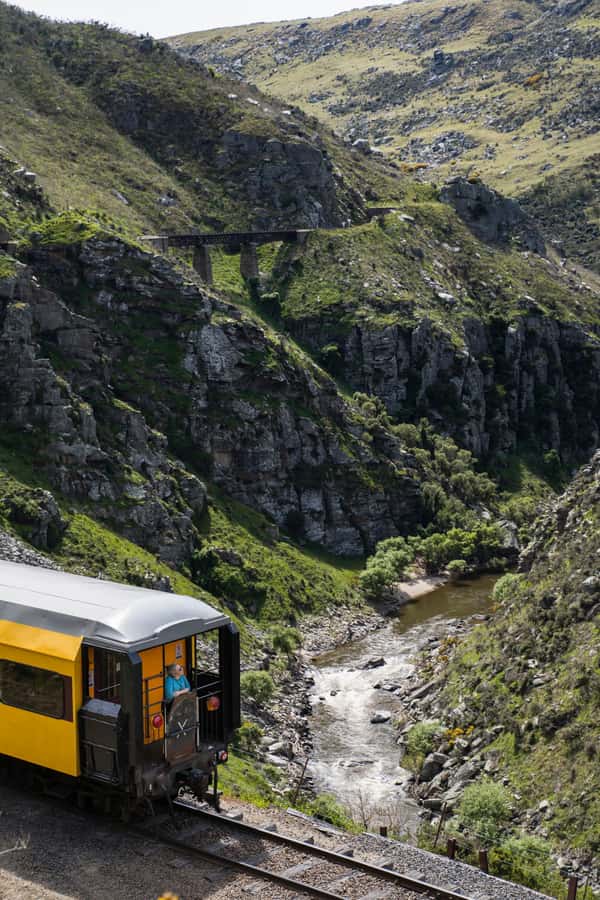
The viewing platform is a genuine benefit, especially for photography. It gives you a more direct view of the railway and surrounding country. The catch is capacity. Riders found the outdoor area crowded, and a few wished for an open-sided viewing carriage similar to the one used on the TranzAlpine route.
That limitation affects the experience most during the strongest scenic sections. You may not get the platform exactly when you want it. If you have a prized photo in mind, be ready to wait, share space, and accept that the view from your carriage window may be your best option.
Still, the indoor windows are good, and the comfortable carriages protect you from changeable weather. The train does not depend entirely on the outdoor platform to deliver the scenery.
A few more to weigh up in Dunedin
- Clearwater Wildlife Tours (small group 10max) Otago Peninsula
★ 5.0 · 531 reviews - Speight’s Brewery Tour & Guided Tasting
★ 5.0 · 508 reviews - Guided Evening Penguin Viewing Otago Peninsula, Dunedin, New Zealand
★ 5.0 · 471 reviews - Larnach Castle and Gardens Admission Ticket
★ 4.5 · 279 reviews
Pukerangi, the quiet turning point
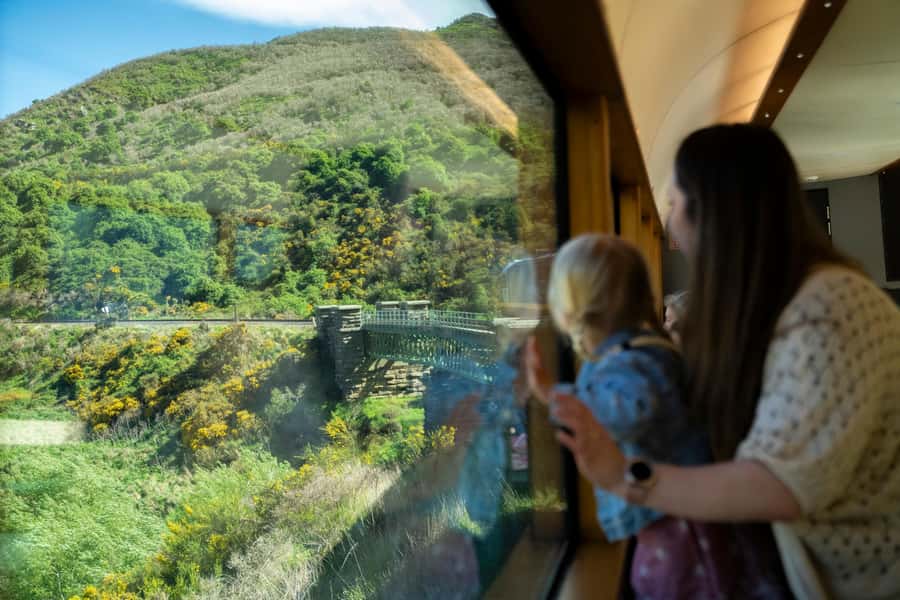
The journey reaches Pukerangi, described as a peaceful high-country outpost, before turning back toward Dunedin. The stop gives the route a clear destination and prevents the day from feeling like an endless ride with no sense of arrival.
Pukerangi is not presented as a busy village packed with attractions. Its value is its quiet setting and its place in the railway story. You get a pause in the journey and a chance to appreciate how far the train has moved from the city.
Depending on the operation of the day, the trip can also include opportunities to disembark at points of interest. The practical advice is simple: wear flat shoes and comfortable casual clothing. Bring a warm layer even if Dunedin feels mild when you board.
Do not expect a long list of organized activities at the turning point. This is a scenic railway experience, not a destination tour with museums, shops, and a full walking program. If you want time to explore several places independently, this may feel too structured. If you want a calm rail journey with a clear out-and-back route, Pukerangi works well.
Food, drinks, and the onboard café
Precinct operates the onboard café, with fresh local food and drinks available for purchase. Having food on the train is useful on a five-hour trip, particularly if you prefer to keep your attention on the scenery rather than plan a separate meal around the departure and return times.
You should not treat the café as included in the ticket. Food and drinks cost extra. One practical point matters more than the menu: mobile connection is limited along the remote sections, and card payments or EFTPOS may not work consistently.
Bring cash if you want a coffee, snack, or drink during the trip. You can also settle your tab when you return to reception, but cash gives you the least hassle. One rider specifically recommended carrying local currency, noting that card payments worked only while the train had an internet connection.
The café adds comfort rather than turning the journey into a food tour. You can buy something fresh, stay in your seat, and keep the day simple. Several riders praised the food and drinks, with one calling the food first class. I would still bring a small backup snack if you have dietary needs, although the supplied details do not specify a full range of dietary options.
Commentary, staff, and the feel onboard
The people working onboard shape the mood of the trip. The storyteller explains the places, engineering, and communities along the route, while other staff help keep the long ride friendly and relaxed.
Dave McFarland is the name most worth noting. His talks cover the lifestyle of early New Zealanders, the gold rush, and the construction challenges behind the railway. That mix gives you more than a list of dates. It shows how the line connected people with work, supplies, and a wider world.
Austin, the guard, was also singled out for his friendly conversation. Small personal touches matter on a five-hour ride. You are sharing a carriage for much of the day, so approachable staff make the experience feel less like a recorded sightseeing loop.
The commentary is a major reason to choose this trip instead of simply driving through Otago. A car gives you control over stops, but the train gives you context while someone else handles the route. You can look out the window without navigating roads, and you do not have to search for parking at each viewpoint.
Is $95 a fair price?
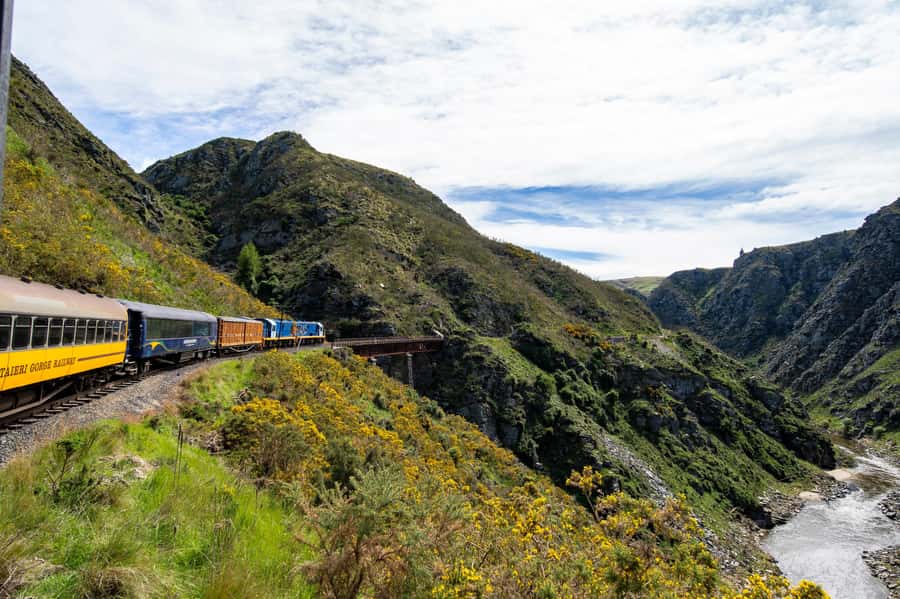
At $95 per person, this is not the cheapest way to see countryside near Dunedin. The ticket covers a five-hour return rail journey, the historic route, onboard storytelling, access to the viewing platform, and the convenience of reaching the gorge without driving.
I see the value in the railway itself. Century-old bridges, tunnels, and viaducts are difficult to appreciate from a normal road, and the train carries you through the middle of that engineering story. The ticket also saves you from arranging your own transport, deciding where the route is accessible, and finding a safe place to stop for photographs.
The value is strongest for you if railway heritage, scenic photography, and local history all matter. If you only want a quick scenic look, five hours may feel long for the price. You are paying for the whole rhythm of the journey: station departure, commentary, gorge passage, Pukerangi, and the return to Dunedin.
Food and drinks are extra, so include that in your budget. You may also want to bring cash. The free cancellation policy, with a full refund available when you cancel at least 24 hours ahead, and the reserve-now, pay-later option make planning less risky.
Who will enjoy this railway journey most?
I would recommend the trip to anyone who likes scenery with a story attached. It suits railway fans, photographers who can share a viewing platform, history-minded visitors, and people who want to see Otago without driving.
It is also a good choice for families and older visitors who prefer a seated sightseeing experience, although anyone with mobility needs should request the accessible carriage and lift in advance. Capacity is limited, so do not leave that request until the day of departure.
You should think twice if you need constant outdoor access for photography. The platform is small, and crowding can make it hard to get the angle you want. You should also reconsider if you dislike long return journeys or prefer independent stops with plenty of time ashore.
The train is comfortable, has toilets, and offers a café. Those details make five hours manageable, but they do not change the basic nature of the tour. This is a slow, scenic ride. That is the point.
Practical tips for a smoother five hours
Arrive early. Check-in opens one hour before departure and closes 15 minutes before the train leaves, so a last-minute arrival gives you little room for parking, questions, or café purchases.
Wear layers and flat shoes. The train is comfortable indoors, but the viewing platform and any disembarkation points expose you to the weather. A warm jacket is sensible even on a bright day.
Carry cash in New Zealand dollars. Card payments may fail once mobile service disappears. You can settle your café tab at reception afterward, but cash avoids uncertainty.
Take photographs from more than one place. The viewing platform can be busy, and the windows may offer a steadier shot than the outdoor area. If you are traveling with someone, take turns rather than trying to hold the platform for the entire scenic section.
Listen before reaching for your camera. The commentary helps you understand why a bridge, tunnel, or bend matters. Once you know the story, the view becomes more than a pretty frame.
Should you book the Taieri Gorge Railway?
Book it if you want Dunedin’s countryside presented at a human pace, with railway engineering, local stories, and a comfortable return ride included. The strongest parts are the gorge scenery, Dave McFarland’s commentary, the historic structures, and the chance to enjoy a café without leaving the train.
Skip it if your priority is unrestricted outdoor photography, a short outing, or a packed schedule of independent stops. The viewing platform is limited, the food costs extra, and five hours requires a real commitment.
For most people who enjoy scenic rail travel, the $95 fare is fair. Bring warm clothes, cash, and patience for the viewing platform, then let the train do the work.
FAQ
How long is the Taieri Gorge Railway trip?
The return experience lasts five hours, including the journey from Dunedin to Pukerangi and back.
Where does the train depart from?
All trains depart from Dunedin Railway Station at 22 Anzac Avenue, Dunedin 9016, New Zealand.
What is included in the ticket?
The ticket includes the five-hour return scenic railway trip, access to the viewing platform, and onboard storytelling about the people, places, and engineering connected with the route.
Is food included?
No. Food and drinks are available for purchase from the Precinct onboard café, but they are not included in the ticket price.
Should I bring cash?
Yes. Mobile phone connection is limited in remote areas, and card payments or EFTPOS may not always work in the onboard café. You can also settle your tab when you return to reception.
Can I take photographs outside?
Yes. The train has a viewing platform for photo opportunities. Space is limited, so access can become crowded.
Is the train wheelchair accessible?
Dunedin Railways offers a wheelchair-accessible carriage and lift by request. Capacity is limited, so you need to email ahead to arrange it.
Can I cancel my booking?
You can cancel up to 24 hours in advance for a full refund. A reserve-now, pay-later option is also available.
Just added in Dunedin
- 5 Day South Island New Zealand Private Tour from Dunedin★ 5.0 · 2 reviews
- Queenstown to Dunedin Incl Taieri Gorge Train (One-Way)★ 4.3 · 3 reviews
- Queenstown: Southern Highlights – 3 Days & 2 Nights★ 5.0 · 2 reviews
- Private Dunedin City Highlights and Otago Peninsula Day Tour★ 4.3 · 7 reviews
- From Dunedin: City, Otago Peninsula & Albatross Guided Tour★ 4.7 · 35 reviews
- Dunedin: Peninsula with Lanarch Castle gardens & Olveston★ 5.0 · 8 reviews
- Dunedin: Small Group City Highlights Tour★ 5.0 · 3 reviews
- Dunedin: Scenic Railway Tour of Otago’s Coastline★ 3.7 · 3 reviews
Train Experiences, compared.
Northern Explorer Train Journey from Wellington to Auckland
Read our review →
TranzAlpine Train, Arthur’s Pass and Castle Hill Day Trip
Read our review →
Coastal Pacific Train Journey from Picton to Christchurch
Read our review →
TranzAlpine Train Journey: Christchurch to Greymouth
Read our review →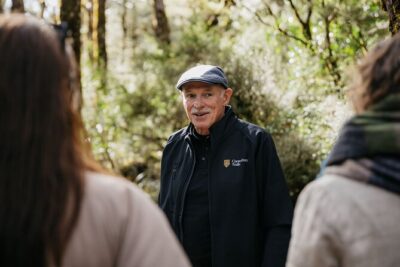
Arthur’s Pass Discovery and TranzAlpine Train – Small Group Tour
Read our review →
Arthur’s Pass: TranzAlpine Train and Castle Hill Day Tour
Read our review →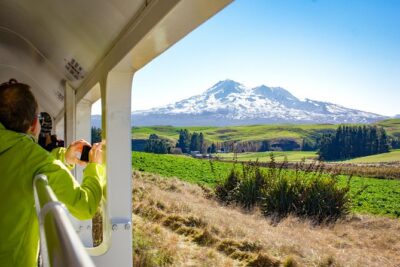
Northern Explorer Train Journey from Auckland to Wellington
Read our review →
Arthur’s Pass and TranzAlpine Train Day Tour from Christchurch
Read our review →Browse the lists this tour appears in