
REVIEW · MAORI CULTURAL EXPERIENCES
Guided Māori History and Culture Tour to Rotorua and Tauranga
History comes alive through people. This six-hour tour connects Tauranga and Rotorua through Māori stories, tribal customs, sacred places, and personal family knowledge. Led by Māori guide Wereta, also known as Les, it offers more than a quick cultural performance. You get context for the places you pass and time to ask questions in a small group.
I especially like the small van format, with no more than nine people, and the way Les uses maps, photographs, family stories, and local knowledge to explain the past. I also like the variety: you visit Gate Pā, stop for a famous New Zealand pie, see a cultural performance at Whakarewarewa, and enter a local marae. The main drawback is the amount of driving. Rotorua is a worthwhile destination, but the road time takes up a large share of a six-hour outing.
For $148.39 per person, this is a strong choice if you want a serious introduction to Māori history rather than a quick photo stop. It is especially useful from a cruise ship, since pickup is at the Port of Tauranga at 9:00 a.m. and the tour returns to the same meeting point. The minimum group size is four, so confirmation depends on enough people booking.
In This Review
- Key points at a glance
- Why this tour feels different from a standard sightseeing trip
- Mount Maunganui begins the story
- Tauranga and the ancient navigation compass
- Gate Pā and the 1864 conflict
- A very New Zealand lunch at Tauranga Crossing
- Through the forests to Rotorua
- Whakarewarewa, the Living Māori Village
- Tahuwhakatiki Marae offers a more personal connection
- How Les shapes the day
- Price, group size, and practical value
- Who should book this experience
- Should you book the Tauranga to Rotorua Māori tour?
- FAQ
- Where does the tour begin?
- What time does the tour start?
- Does the tour return to the port?
- How long does the experience last?
- How many people can join the tour?
- Is lunch included?
- Is admission to Whakarewarewa included?
Key points at a glance
- Māori guide Wereta, or Les: His personal connection to local tribal history gives the day a clear Māori viewpoint.
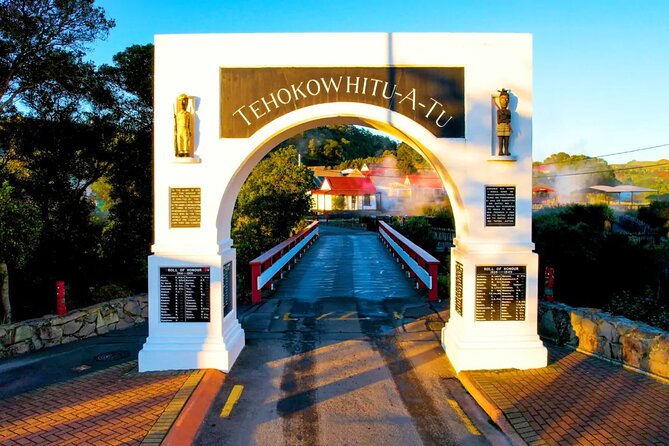
- Gate Pā battlefield: You hear about the 1864 conflict, the carvings, and the meaning of the site to local Māori.
- Whakarewarewa cultural visit: The one-hour stop includes a cultural performance in Rotorua’s thermal valley.
- Tahuwhakatiki Marae: This local meeting place offers a closer look at community, tradition, and connection.
- Patrick’s Pies for lunch: The tour includes an iconic Kiwi pie from a bakery known for award-winning pies.
- Small group and port pickup: The van holds up to nine people, making the day more personal than a large coach tour.
Why this tour feels different from a standard sightseeing trip
Many day trips around Tauranga and Rotorua concentrate on scenery, geothermal features, or a staged show. This experience puts Māori history at the center. The route matters, but the stories attached to each place matter more.
Your guide is not simply reciting a script. Les is a Māori educator and storyteller with family ties to the Tauranga and Bay of Plenty tribes. He explains the arrival of Māori ancestors in Aotearoa, including the traditional date of 925 AD, then links those broad events to local places and people.
That personal approach is the tour’s greatest strength. Les has been praised for sharing his own family experiences and for explaining Māori values in a way that feels clear and respectful. He uses maps and photographs, which helps when the subject reaches across centuries and includes unfamiliar tribal names, migration routes, and battles.
I would choose this tour if you want to ask questions and have a conversation. The small group means you are not lost in a crowd, and the guide can respond to what interests you. Some people have even found the day extended by about an hour when time allowed, though you should not count on that when planning your return.
More History Tours in Tauranga
- Tauranga Shore Excursion: History & Kiwifruit Tasting – 4 Hours
★ 5.0 · 146 reviews - Tauranga Harbour Scenic One Hour Historical Boat Cruise
★ 4.5 · 32 reviews - Tauranga History and Culture
★ 5.0 · 17 reviews
Mount Maunganui begins the story
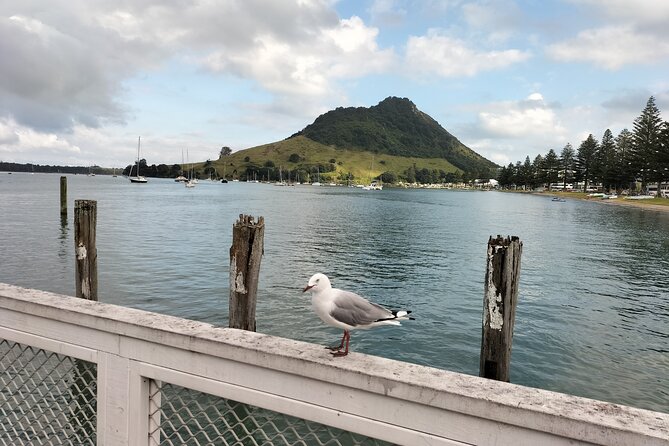
The tour starts with pickup at Port of Tauranga Ltd on Salisbury Avenue in Mount Maunganui. From there, you drive past Mount Maunganui while Les tells ancient stories connected to the ancestral mountain.
This is a good opening because it gives local meaning to a place you might otherwise see only as a scenic coastal landmark. You also get views of the beaches during the roughly 20-minute drive toward Tauranga.
There is no admission charge or formal stop listed at the mountain. Think of this part as an introduction from the van rather than a walk or climb. If you are hoping to hike Mount Maunganui, this tour does not provide time for that. The value is in hearing why the mountain matters to local Māori and how it fits into the identity of the area.
The short drive also sets the tone for the day. You are not simply moving between attractions. You are being shown how stories, geography, ancestry, and community connect.
Tauranga and the ancient navigation compass
In Tauranga, the guide explains an ancient Māori navigational compass and the arrival of Māori ancestors in Aotearoa. This stop lasts about 20 minutes and has no separate admission fee.
The compass gives the history a practical focus. Māori voyagers did not reach New Zealand by accident. Their journeys depended on observation, memory, ocean knowledge, stars, winds, currents, and inherited instructions. A discussion of navigation helps you understand settlement as a planned achievement rather than a vague migration story.
Les also explains where the ancestors came from and how later settlement developed in Aotearoa. The stop is short, but it lays important groundwork for the rest of the day.
You should expect listening rather than a hands-on activity. If you enjoy history presented through objects and explanations, this will be useful. If you want a longer museum visit, you may find 20 minutes brief, but the tour is designed to keep moving toward sites with stronger local connections.
Gate Pā and the 1864 conflict
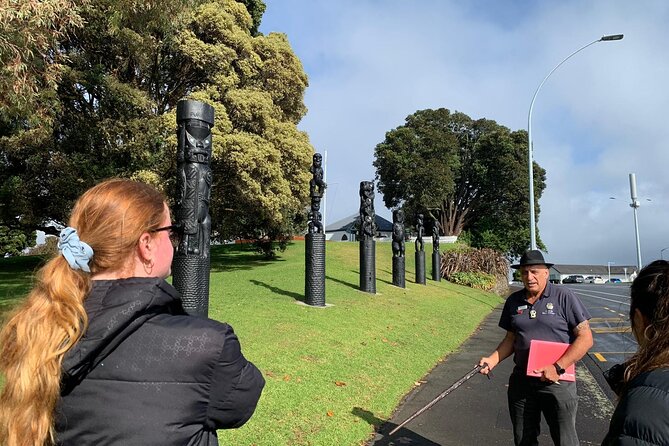
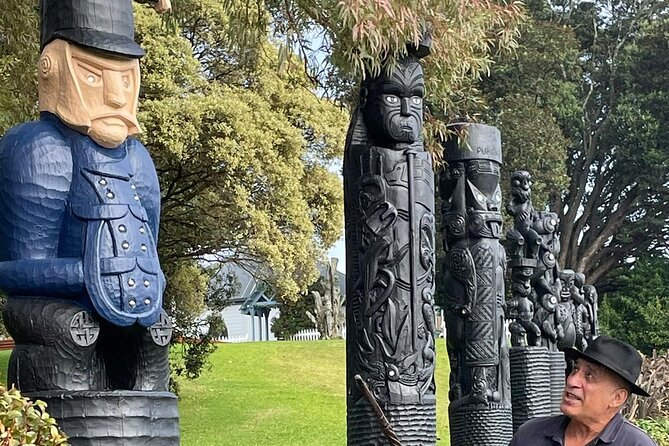
Gate Pā Memorial Reserve is one of the most important stops. You spend about 30 minutes walking through the site of a major 1864 conflict between colonial troops and local Māori tribes.
Here, the guide discusses the battle, the carvings, and what the conflict meant to the people connected to the area. This is not a simplified patriotic story with one side treated as heroes and the other as villains. A Māori guide can explain the event from a local tribal point of view, giving you a fuller sense of why the site still matters.
The stop also shows why site-based storytelling is valuable. Reading about a battle in a book is one thing. Standing at the place where it happened, then hearing how the land and carvings carry memory, gives the subject more weight.
You will walk for part of the visit, so comfortable shoes are sensible. The tour notes that walking for 20 minutes or more can be difficult for some people. If you have limited mobility, ask about the walking before you book. Most people can take part, and service animals are allowed, but this is not a completely sit-down outing.
More Maori cultural experiences in Tauranga:
- Tauranga: Rotorua Redwoods Tour & Maori Village Experience
★ 4.9 · 8 reviews - Rotorua: Te Puia Maori Village and Rejuvenation Tour
★ 4.9 · 5 reviews - Mitai Maori Village: Cultural Experience and Dinner Buffet
★ 4.7 · 3,575 reviews - Cultural Experience & Seasonal Māori Cuisine at Te Pā Tū
★ 5.0 · 1,546 reviews
A very New Zealand lunch at Tauranga Crossing
Lunch comes at Tauranga Crossing, where you are served an iconic New Zealand pie from Patrick’s Pies. The stop lasts about 20 minutes.
A pie may sound like a small detail, but it fits the tour nicely. Food is one of the simplest ways to connect with everyday life in New Zealand, and a good meat or savory pie is a genuine local staple. Patrick’s Pies has won the Bakers New Zealand Supreme Pie award several times, so this is not an afterthought pulled from a random service station.
The short lunch stop is convenient, but it is not a leisurely restaurant meal. You have time to eat and continue. If you want a long lunch, coffee break, or several menu choices, this will feel limited. If you prefer an efficient shore excursion and enjoy trying familiar local food, it works well.
The pie also helps balance the day. The subject matter can be serious, particularly at Gate Pā. A simple Kiwi lunch gives you a relaxed pause before the longer drive to Rotorua.
Through the forests to Rotorua
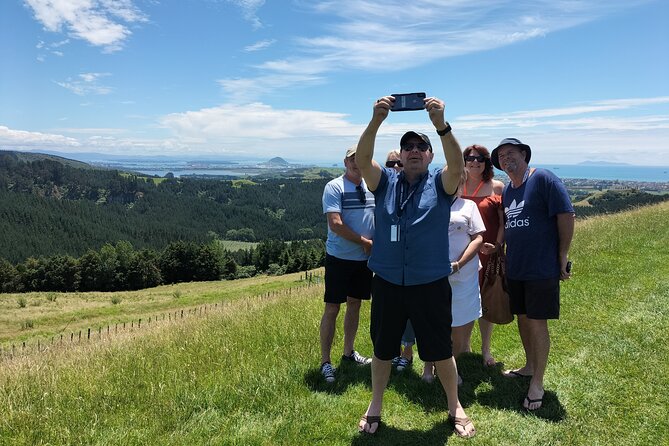
After Tauranga, the van heads toward Rotorua through forested country. Travel time is included in the six-hour duration, so the route should be viewed as part of the experience, not as empty time.
This is where the small vehicle matters. In a van group of no more than nine, you can continue talking with Les while moving between regions. He can add context to the scenery and answer questions that come up after the earlier stops.
Still, be realistic about the schedule. Rotorua is not next door, and the journey takes a substantial portion of the day. One direct comment about the outing called the drive long, even though the cultural presentation made it worthwhile. I would book this only if you are comfortable spending several hours in a vehicle.
The benefit is that you see two important parts of the Bay of Plenty in one outing. Tauranga supplies the coastal and tribal setting, while Rotorua adds geothermal surroundings and a major Māori cultural center.
Whakarewarewa, the Living Māori Village
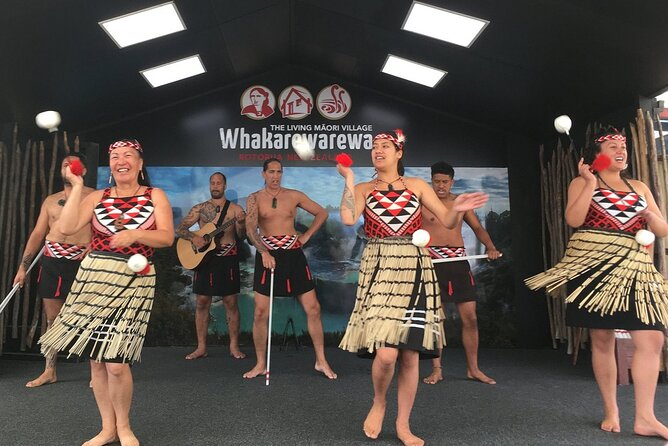
The one-hour visit to Whakarewarewa, the Living Māori Village, is the tour’s main cultural presentation. You arrive in Rotorua’s thermal valley after the drive and experience stories and a performance from an internationally recognized Māori cultural group.
The haka and music are frequently described as highlights, but the value is not limited to entertainment. A cultural performance can show movement, song, welcome, humor, challenge, and collective identity in ways that a spoken explanation cannot. It gives the history and values discussed earlier a living form.
The setting adds another layer. Rotorua is known for geothermal activity, and Whakarewarewa combines that thermal environment with Māori culture. The tour presents the village as a place of ongoing cultural life, not just a stage built for visitors.
You receive admission to this stop, unlike the outdoor sites earlier in the day. Plan on one focused hour, including the cultural performance and related experience. If you want a full day at Rotorua’s geothermal attractions, this tour will not provide enough free time. Its purpose is a guided cultural visit within a broader Tauranga to Rotorua route.
Tahuwhakatiki Marae offers a more personal connection
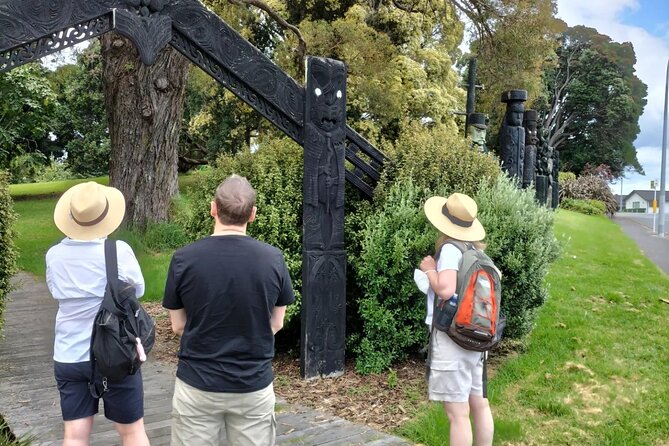
The final cultural stop is Tahuwhakatiki Marae, where you spend about 30 minutes learning about local traditions, community ties, and stories.
A marae is not simply another attraction. It is a meeting place with social, cultural, and ceremonial importance. Visiting one can help you understand Māori community life beyond performances and historical battle sites.
This stop is especially valuable because it shifts the focus from public history to living connection. You hear how local culture relates to community and ancestry, then leave with a clearer sense of why marae remain important.
The exact form of the visit may depend on arrangements and timing, so you should expect a guided introduction rather than assume a particular ceremony. The supplied details promise an opportunity to experience local traditions, connections, and stories. They do not promise every visitor will take part in a formal welcome or ritual.
That distinction matters. A respectful visit is about listening, following guidance, and understanding that a marae is a meaningful community space, not a themed attraction.
How Les shapes the day
The guide can make or break a culture tour, and Les is the central reason this one earns strong praise. He is described as a Māori educator, a passionate storyteller, and a descendant of Māori leaders. He explains history with maps and images, but his personal stories are what give the day its strongest human connection.
I like that the experience is built around conversation. You are encouraged to learn about Māori history, culture, values, and daily life rather than simply watch a performance and leave.
His style also appears to suit people who want substance. The tour can be educational without feeling like a classroom, and the subjects are handled through real places and family connections. You should still arrive ready to listen. This is not a light sightseeing loop with constant photo stops.
The host is Travel Ed, trading as Mana Māori Experiences, and the operation is described as a Māori family business. That matters for anyone seeking an experience shaped by local ancestry rather than a general cultural package assembled from outside the community.
Price, group size, and practical value
At $148.39 per person, the cost is reasonable for a six-hour small-group outing that includes port pickup, transport, lunch, admission to Whakarewarewa, and a dedicated Māori guide.
The value improves if you are visiting Tauranga from a cruise ship and want to reach Rotorua without arranging separate transport. You also avoid having to connect several unrelated activities yourself. The guide provides the thread between Tauranga’s tribal sites, the Gate Pā conflict, Rotorua’s cultural performance, and the marae visit.
The price is less attractive if you only want scenic views or a short local tour. You pay for interpretation and access, not just mileage. If the educational side does not interest you, a shorter Tauranga activity may suit you better.
The maximum group is nine people, which keeps the van personal. The tour needs at least four participants to operate. Booking confirmation arrives within 48 hours, subject to availability, so cruise passengers should allow time for confirmation and keep the stated 9:00 a.m. start in mind.
Free cancellation is available up to 24 hours before the start time. Cancellations or changes inside that window are not refunded or accepted, and the operator may offer another date or a full refund if the minimum group is not reached.
Who should book this experience
I would recommend this tour to you if:
- You want Māori history explained by a Māori guide.
- You prefer a small group to a large coach.
- You are comfortable with a long drive between Tauranga and Rotorua.
- You want personal stories, local sites, and cultural context.
- You would enjoy a mix of serious history, food, performance, and community tradition.
- You are visiting from a cruise port and want transport handled for you.
Families, older adults who can manage moderate walking, and culturally curious first-time visitors can all find value here. The tour is especially strong for anyone who wants to understand the Bay of Plenty through local Māori perspectives.
I would hesitate to recommend it if you need a fully accessible outing, dislike van travel, or want lots of free time. The schedule is active, and Gate Pā may be difficult if walking for 20 minutes or more is a concern. The six-hour length also leaves little room for delays.
Should you book the Tauranga to Rotorua Māori tour?
Book it if you want the human story behind Tauranga and Rotorua. Les’s family knowledge, the Gate Pā visit, the marae stop, and the cultural performance at Whakarewarewa give the day a clear purpose.
Skip it if your priority is a relaxed scenic drive, a long Rotorua visit, or geothermal sightseeing without much interpretation. For the right reader, however, the $148.39 price buys more than transport and a show. It buys time with a guide who can connect land, ancestry, conflict, food, performance, and community in one thoughtful day.
FAQ
Where does the tour begin?
The tour begins at Port of Tauranga Ltd, 2 Salisbury Avenue, Mount Maunganui, New Zealand.
What time does the tour start?
The stated start time is 9:00 a.m.
Does the tour return to the port?
Yes. The activity ends back at the meeting point.
How long does the experience last?
The tour lasts approximately six hours, including travel time between locations.
How many people can join the tour?
The maximum group size is nine people, and at least four participants are required for the tour to proceed.
Is lunch included?
Yes. Lunch is served at Tauranga Crossing and includes a pie from Patrick’s Pies.
Is admission to Whakarewarewa included?
Yes. Admission to Whakarewarewa, the Living Māori Village, is included.
Just added in Tauranga
- Tour of the Bay, Te Puna Sculpture Park and Historic Village★ 4.3 · 3 reviews
- Tauranga: Waimarino Adventure Park Supreme Pass Entry Ticket★ 3.8 · 6 reviews
- Tauranga: Daytime Scenic Lake McLaren Kayak Tour★ 4.6 · 16 reviews
- Tauranga: Rotorua Redwoods Tour & Maori Village Experience★ 4.9 · 8 reviews
- Tauranga: Kiwifruit Destination and Sights Shore Excursion★ 4.8 · 69 reviews
- Tauranga: Evening Big Kanu Glowworm Tour★ 4.2 · 34 reviews
- Tauranga: Mount Maunganui Harbour Sightseeing Cruise★ 4.2 · 89 reviews
- Tauranga City & Scenic Sightseeing 2-hour Local Tour★ 4.3 · 47 reviews
Maori Cultural Experiences, compared.
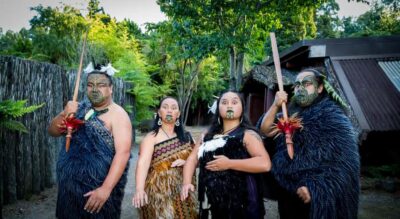
Mitai Maori Village: Cultural Experience and Dinner Buffet
Read our review →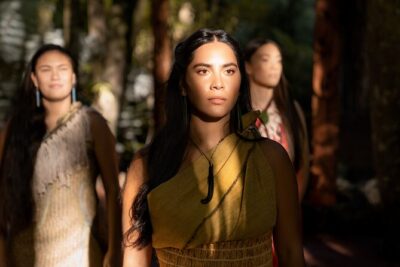
Cultural Experience & Seasonal Māori Cuisine at Te Pā Tū
Read our review →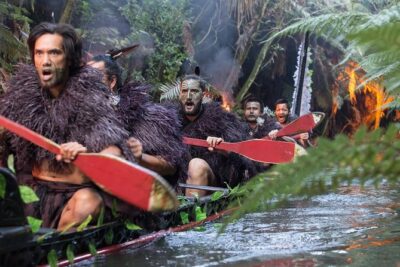
Mitai Maori Village Cultural Experience in Rotorua
Read our review →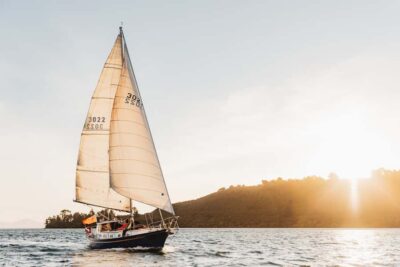
Lake Taupo: Classical Sailing to the Māori Rock Carvings
Read our review →
Te Pa Tu Māori Cultural Experience with Dinner
Read our review →
Lake Taupō Māori Rock Carvings Scenic Cruise aboard Ernest Kemp
Read our review →
Waitomo Caves & Rotorua – Te Puia Small-Group Tour from Auckland
Read our review →
Lake Taupo: Maori Rock Carvings 10.30 AM 1.5-Hour Cruise
Read our review →Browse the lists this tour appears in