REVIEW · GUIDED
Guided Shore Dive Tour for Certified Divers
The fish come surprisingly close. This four-hour Goat Island shore scuba tour gives certified divers a guided look at New Zealand’s first marine reserve, with kelp forests, rocky reefs, crayfish, stingrays, and schools of snapper all part of the appeal. I especially like the small six-person group and the full set of equipment included in the $134 price.
I also like that the tour starts with a proper safety briefing and a local introduction before you enter the water. The main consideration is that this is not a casual introductory activity: you need recognized certification, a recent scuba outing within the last 18 months, and enough comfort in the water to manage a shore entry in changing weather.
In This Review
- Key points to know before booking
- Why Goat Island is a special place to see underwater New Zealand
- The four-hour plan, from equipment fitting to shore entry
- ABC Bay and Shag Rock: an easy introduction to the reserve
- Waterfall Reef and the Caves for reef and macro life
- Yellow Sponge Garden and Eagle Ray Flats
- What you might see, and why the guide matters
- How the $134 price compares with the experience
- Certification, recent experience, and age rules
- Weather, cancellation, and what to pack
- Who should book this Goat Island tour?
- Should you book it?
- FAQ
- Where does the Goat Island scuba tour meet?
- How do you get from the center to the reserve?
- Is scuba equipment included?
- What certification do you need?
- Can beginners join?
- What happens if the weather cancels the tour?
Key points to know before booking
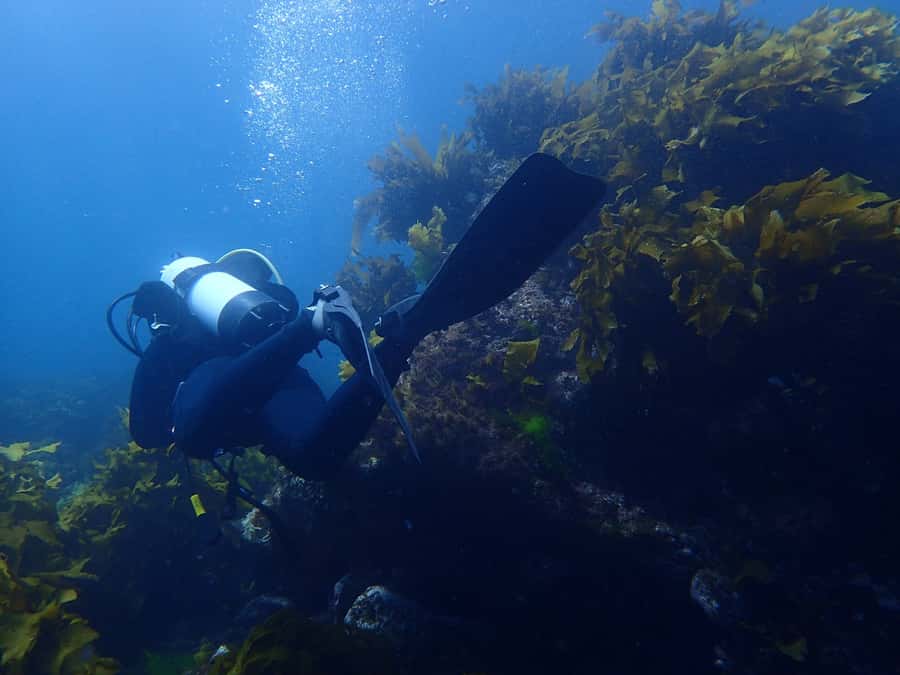
- Goat Island Marine Reserve: Explore New Zealand’s first marine reserve, where protected waters support kelp, reef fish, crayfish, rays, and other marine life.
- Small guided group: A maximum of six participants gives you more personal attention from the divemaster.
- All scuba gear included: You receive a wetsuit, hood, vest, mask, snorkel, fins with booties, BCD, regulator, and tank.
- Certified divers only: You must be at least 16, show proof of certification, and have been in the water within the last 18 months.
- Six named underwater areas: The route may include ABC Bay, Shag Rock, Waterfall Reef, the Caves, Yellow Sponge Garden, and Eagle Ray Flats.
- Weather matters: Conditions around the Leigh Coast can change quickly, and the operator cancels with a full refund when weather makes the trip unsafe.
Why Goat Island is a special place to see underwater New Zealand
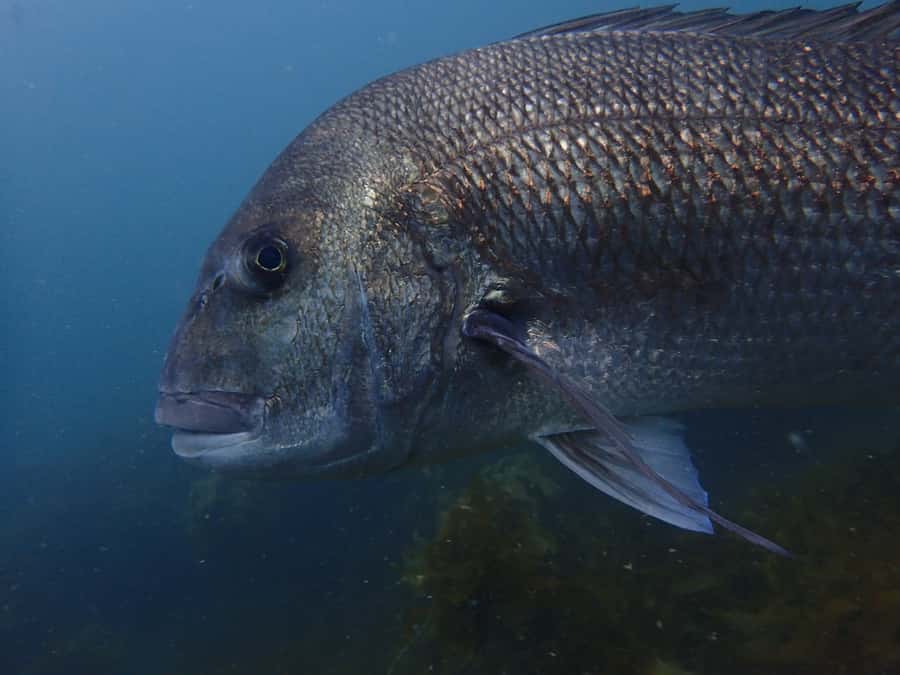
Goat Island Marine Reserve is not just a convenient place to get wet. It is New Zealand’s first marine reserve, and its protected waters offer a clear example of what a healthy coastal environment can support.
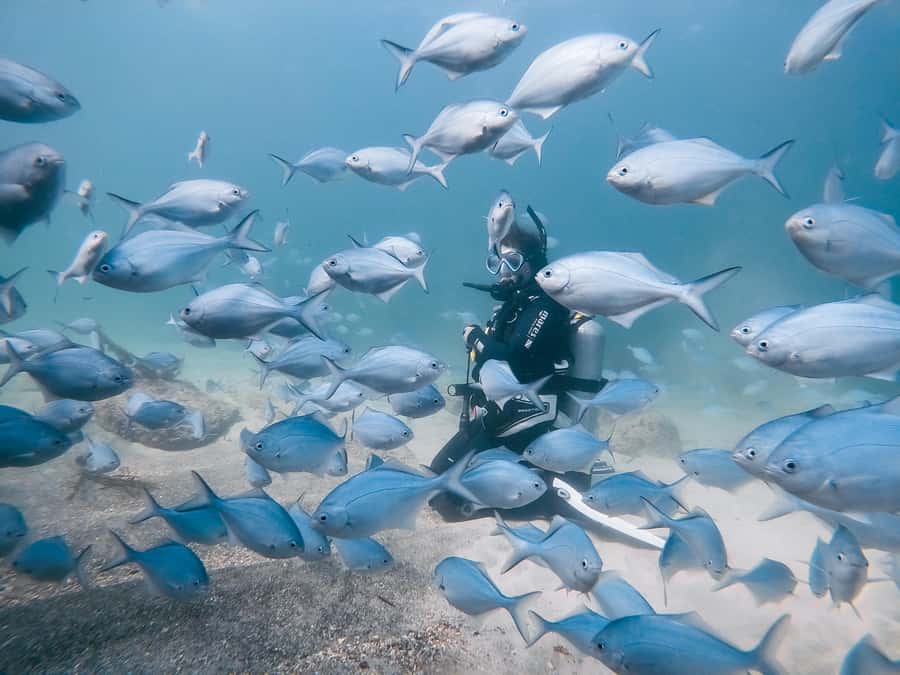
For you, that means the attraction is not one famous animal or a single dramatic reef. The pleasure comes from seeing many species sharing the same sheltered bay: large snapper, red moki, goatfish, triplefins, parore, kahawai, sweep, silver drummers, and trevally. Crayfish, octopuses, stingrays, and eagle rays add variety to the rocky scenery.
The reserve is also a useful place to understand marine protection in practical terms. Your guide explains the story of Goat Island and points out the species around you, so the outing is more than a guided swim with tanks. You get some local context before you start looking for fish.
The marine life is described as friendly, but you still need to treat it as wild. Do not touch fish, rays, anemones, sponges, or any other living thing. Keeping your hands off the reef protects the animals and prevents damage to a place that depends on careful protection.
A few more to weigh up in Auckland
- Waiheke Island: Ferry & Hop-On Hop-Off Explorer Bus Tickets
★ 4.6 · 3,311 reviews - Hobbiton & Waitomo Caves Guided Day Trip from Auckland incl lunch
★ 5.0 · 2,677 reviews - From Auckland: Hobbiton & Waitomo Caves Day Trip with Lunch
★ 4.9 · 2,505 reviews
The four-hour plan, from equipment fitting to shore entry
You meet at the Goat Island Dive and Snorkel Centre at the scheduled start time. The first step is fitting your equipment, which is useful because a good fit matters more here than simply having the correct size on paper.
The operator supplies high-quality gear that is washed after each use. The equipment package includes a 7.5mm or 3mm wetsuit, plus vests and hoods, mask, snorkel, fins with booties, BCD, regulator, and the tank needed for the outing.
The choice of wetsuit thickness will depend on conditions and personal comfort. You should bring swimwear to wear underneath, along with your own towel and water. Food and drinks are not included, so plan those separately.
After the fitting, you drive your own vehicle about 3 kilometers to Goat Island Marine Reserve. This short transfer is simple, but it is worth noting: transport from the center to the reserve is not supplied as part of the tour.
At the water, your divemaster introduces the area and explains the marine life you may encounter. The safety briefing is described as full and thorough. That is important for a shore-based outing, where the entry, local conditions, and route all need to be clear before you leave the beach.
The tour is conducted in English. The group limit of six keeps the format personal, and a small group can make it easier to ask questions or tell the guide if you need help with equipment or comfort.
ABC Bay and Shag Rock: an easy introduction to the reserve
ABC Bay is one of the named areas on the route. Here, you may see stingrays and blue maomao over kelp forests and along cliff sides. It sounds like a strong opening area because it combines open sandy sections, plant-covered reef, and vertical rock scenery.
Stingrays are best enjoyed from a respectful distance. They may rest on the bottom or move across the sand, giving you time to watch without chasing them. Blue maomao add a flash of color and movement, while the kelp makes the setting feel distinctly New Zealand rather than like a tropical reef.
Shag Rock is a large solitary rock surrounded by kelp. Fish favor this kind of structure, and the rock is presented as one of the most reliable areas for activity. If you enjoy watching fish gather around a fixed feature, this may be one of the more satisfying stops.
The name is memorable, but the important detail is the habitat. A lone rock gives marine life shelter, feeding areas, and a place to move around in the current. You can expect the guide to use these features to help you spot animals rather than simply lead you from one point to another.
Waterfall Reef and the Caves for reef and macro life
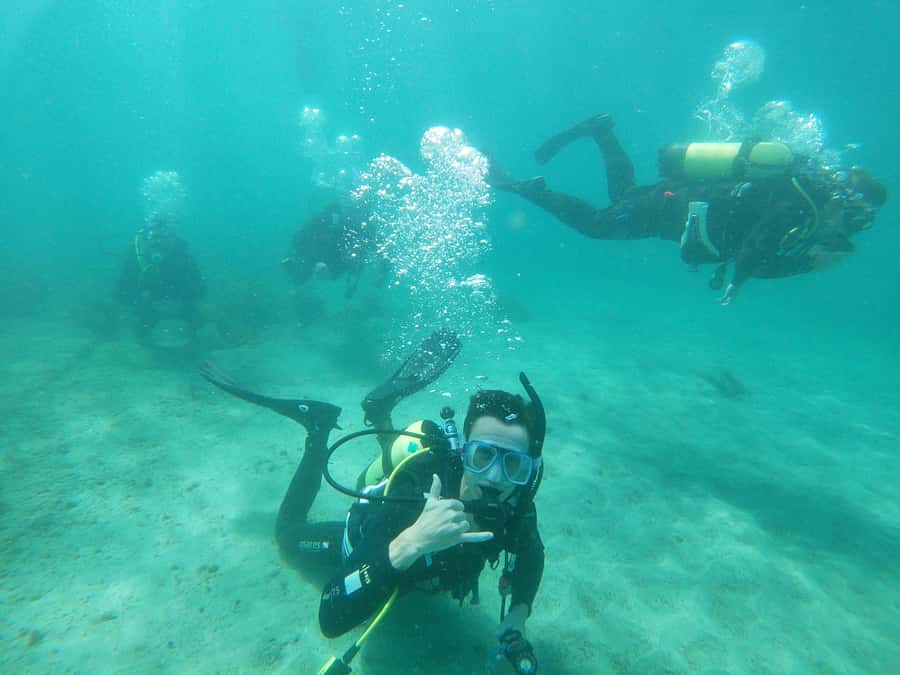
Waterfall Reef lies on the southern side of the channel. The area is noted for schools of fish and crayfish, so it should appeal if you prefer seeing several species at once rather than searching for one large animal.
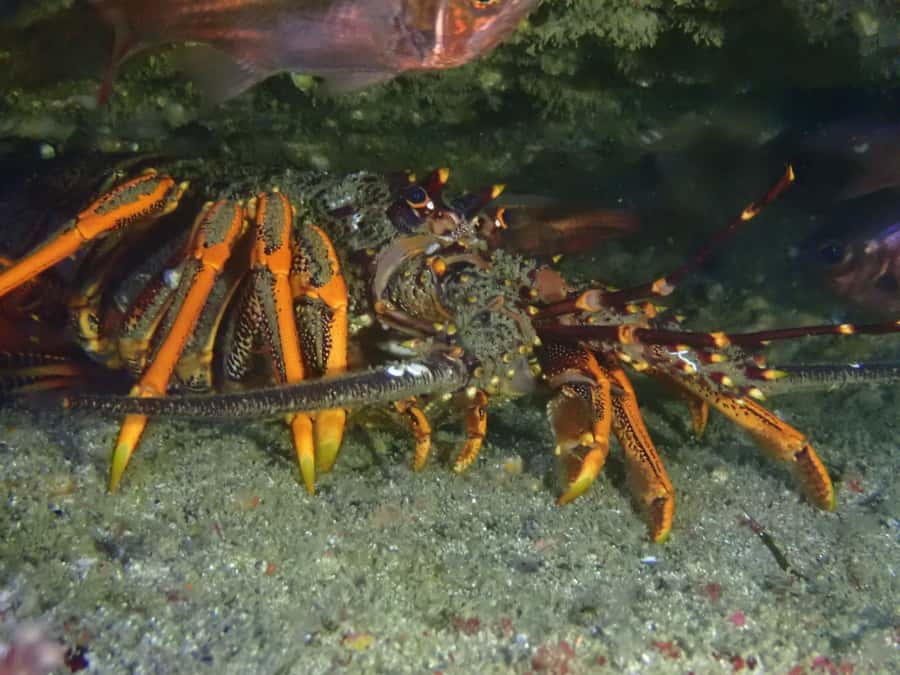
Crayfish often reward a slower pace. You may find them in cracks or under rock ledges, and the guide’s familiarity with the local reserve can make a real difference. A certified diver can know the basic skills and still miss small animals without someone pointing out where to look.
The Caves shift the focus toward smaller creatures. Anemones, nudibranchs, and sponges are the main attractions here, making this the most appealing section for macro enthusiasts and anyone who enjoys careful observation.
You should not expect every listed animal on every outing. Marine life changes with visibility, current, weather, and luck. The useful point is that the route includes different kinds of habitat, so the experience is not limited to open water and large schools of fish.
A completely different sort of day out:
- Auckland Dolphin and Whale Watching Eco-Safari Cruise
★ 4.5 · 1,790 reviews - Skydive Auckland
★ 5.0 · 1,516 reviews - Auckland: Hobbiton Movie Set Day Trip with Festive Lunch
★ 4.8 · 1,431 reviews - Hobbiton Movie Set Small Group Tour from Auckland
★ 5.0 · 1,380 reviews
Yellow Sponge Garden and Eagle Ray Flats
Yellow Sponge Garden offers a more enclosed setting, with large crevices covered in kelp. These cracks provide hiding places for crayfish, bigeye, and tiny triplefins.
This is the kind of area where patience pays off. You may find more by slowing down and scanning the crevices than by moving quickly from one landmark to the next. If you enjoy underwater photography or small marine creatures, bring your attention span as well as your certification.
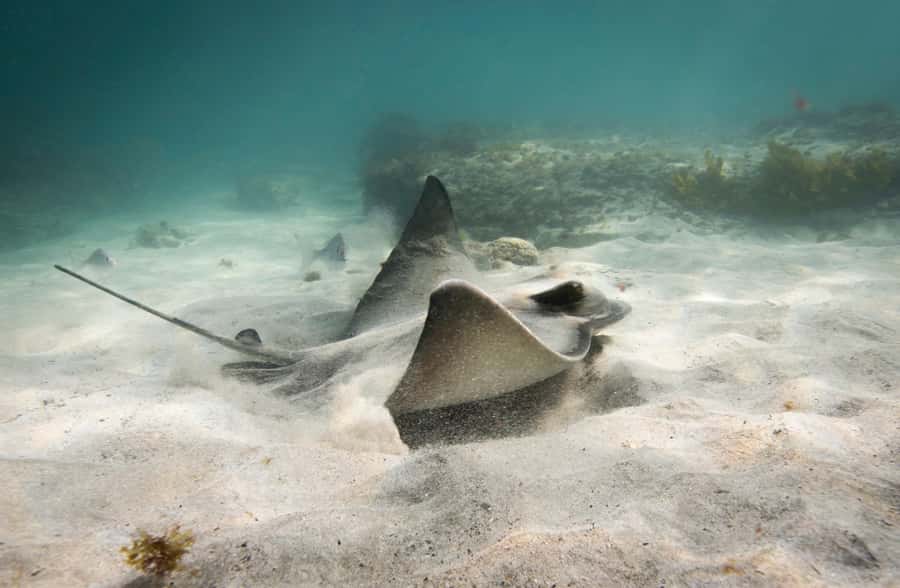
Eagle Ray Flats provides a different scene. Eagle rays may rest on the sand, while schools of fish gather and feed in the currents. Snapper are also known for cruising through the area with a curious presence.
The sandy bottom makes the rays easier to see when they are present, but they are still wild animals and sightings are not guaranteed. The mix of rays, schooling fish, and snapper gives this area a broad appeal. You can watch larger animals while still noticing the small activity around the edges of the flats.
What you might see, and why the guide matters
The species list is impressive without needing tropical colors to carry the show. Huge snapper, red moki, goatfish, triplefins, parore, kahawai, sweep, silver drummers, and trevally are all possible.
You may also encounter crayfish, octopuses, stingrays, and eagle rays. On lucky occasions, dolphins, seals, or orcas can appear. These sightings are possibilities, not promises, and you should book for the reserve’s protected marine life as a whole rather than for one headline animal.
The guide is a certified professional with local knowledge of the Leigh Coast, the marine reserves, and the resident species. That matters in two ways. First, you get a safer and more controlled outing. Second, you have someone who can explain what you are seeing and help you find animals that might otherwise blend into kelp, rock, or sand.
The guide also watches your comfort and safety during the session. That is especially valuable in a small group, where the instruction can be more direct than on a large boat-based excursion.
How the $134 price compares with the experience
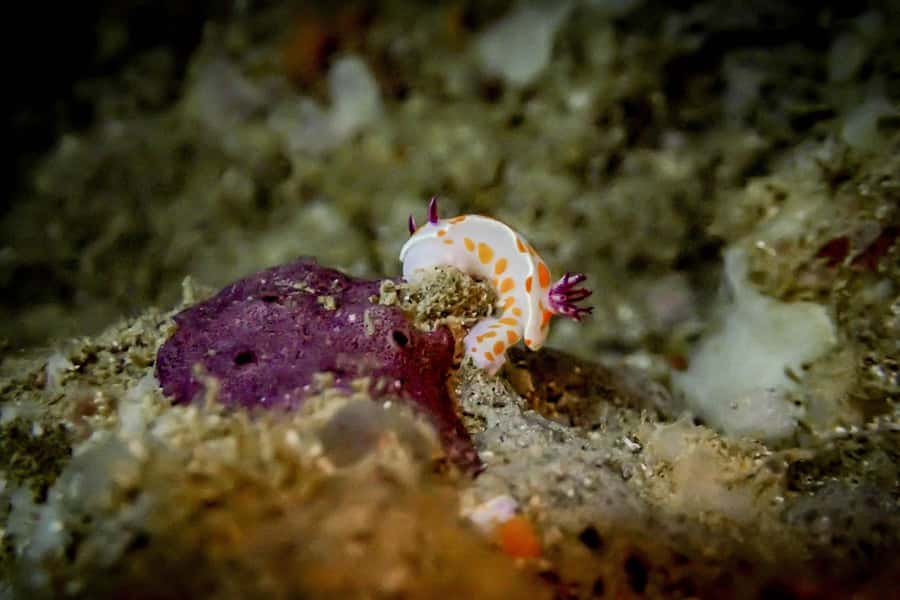
At $134 per person, the tour is not a bargain-basement swim, but the price includes the major equipment costs. You receive the wetsuit, hood, vest, mask, snorkel, fins with booties, BCD, regulator, and tank, along with a professional guide and a four-hour schedule.
For a certified diver who would otherwise need to rent gear separately and arrange access to the reserve, that package has solid value. You are paying for equipment, supervision, local route knowledge, and access to several underwater areas in one organized outing.
You still need to cover your own food, drinks, towel, and vehicle for the 3-kilometer drive from the center to the reserve. Those are small practical points, but they affect the total cost and the ease of your day.
The value is strongest if you want a guided local experience rather than an independent shore outing. If you already own all your equipment and know the area well, the price may feel less compelling. If you are visiting North Island and want a straightforward way to experience Goat Island, the included gear and small group make the fee easier to justify.
Certification, recent experience, and age rules
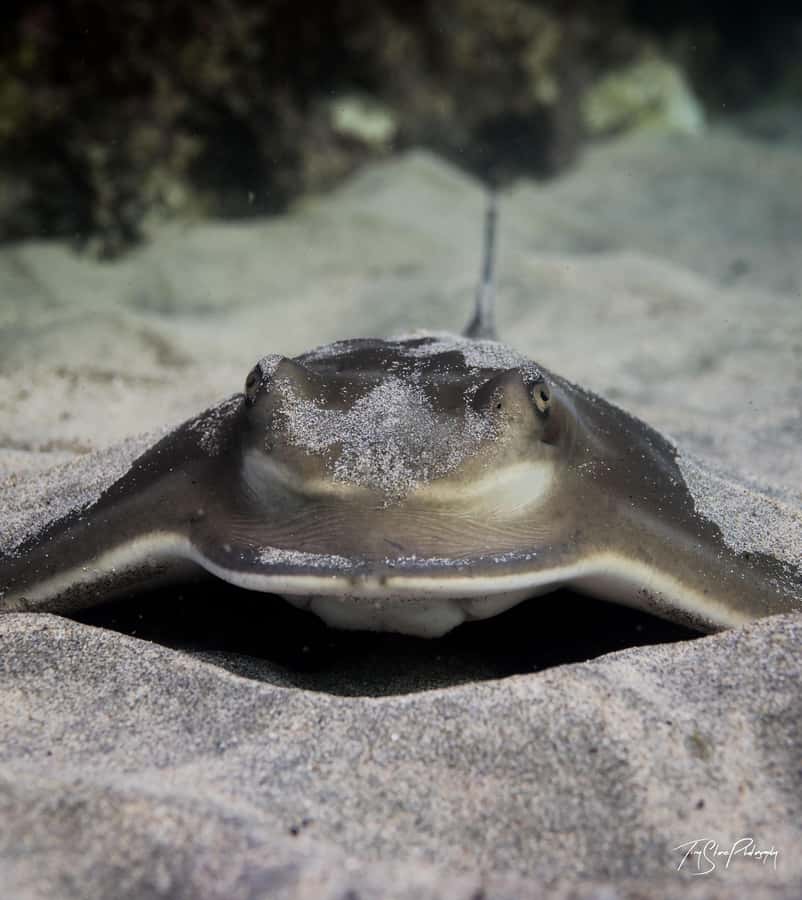
This tour is for certified divers only. You need certification from a recognized agency such as SSI, PADI, NAUI, BSAC, SDI, or CMAS, with at least Scuba Diver or Open Water certification.
Bring proof of certification and your dive log. You also need to have been scuba diving within the last 18 months. That rule is practical rather than fussy: recent water time helps you remember essential skills and feel more at ease in a changing coastal setting.
The minimum age is 16. Children under 16 cannot join, and the activity is not suitable for people without experience, people without certification, or those with pre-existing medical conditions.
The tour requires at least two participants to operate. If you are booking alone, keep that minimum in mind. The maximum is six, so the format remains much smaller than a mass-market group activity.
Weather, cancellation, and what to pack
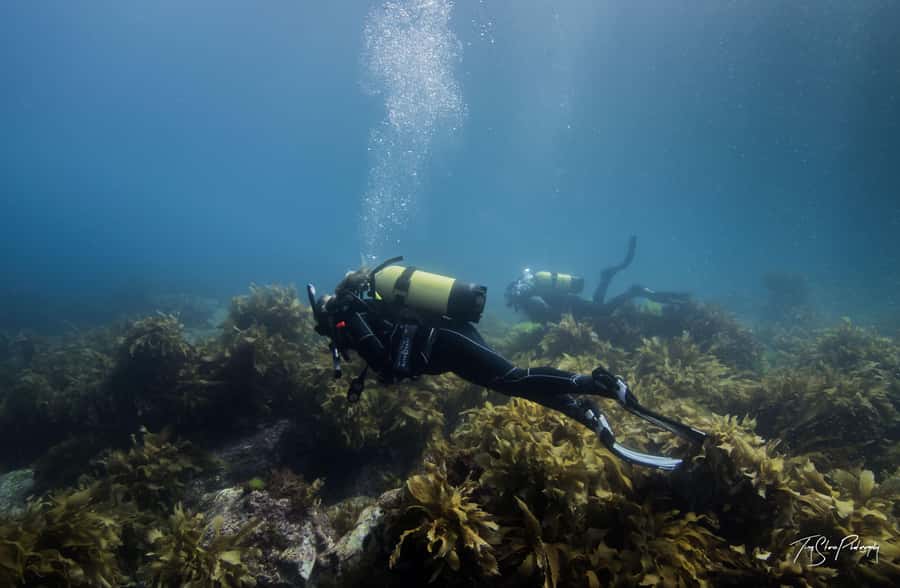
Coastal conditions can change regularly in this part of New Zealand. Visibility, wind, water movement, and the comfort of the shore entry may all affect the day. The operator can cancel when weather makes the activity unsuitable, and a weather cancellation brings a full refund.
You can also cancel up to 24 hours before the scheduled start for a full refund. A reserve-now, pay-later option is available, which helps if your North Island plans are still shifting.
Pack the basics:
- Swimwear
- Towel
- Water
- Proof of scuba certification
- Dive log
Alcohol and drugs are not allowed. Do not touch marine life at any point. These rules protect both you and the reserve, and they are especially important around rays, reef animals, and narrow rocky areas.
A verified five-star booking from Germany in December 2022 described the outing simply as a nice dive. That brief comment does not tell you much about visibility or specific sightings, but it does support the main appeal: this is a straightforward, well-received guided outing rather than a theatrical production.
Who should book this Goat Island tour?
I would recommend it most strongly to certified divers who want a small, guided introduction to Goat Island Marine Reserve. It suits you if you value local explanation, included equipment, and the chance to visit several different underwater habitats in one four-hour session.
It is also a good fit if you have not visited this reserve before and would rather not work out the route alone. The guide can help you stay oriented, manage the safety process, and notice creatures hidden in kelp or reef cracks.
I would think twice if your certification is old and your recent water experience is limited. The 18-month rule is clear, and this is not a refresher course. You may also want another activity if your main goal is guaranteed contact with dolphins, seals, or orcas, since those sightings are occasional.
Should you book it?
Book this tour if you are at least 16, properly certified, recently active in scuba, and interested in New Zealand’s coastal ecology rather than only chasing a single animal. The $134 fee is reasonable for four hours with a professional guide and a full equipment package, especially in a small group of no more than six.
Skip it if you lack certification, have a relevant medical condition, or want a dry, weather-proof activity. For the right diver, Goat Island offers a rare chance to see a protected marine environment from the shore, with enough habitat variety to keep the outing interesting from kelp-covered rock to sandy ray flats.
FAQ
Where does the Goat Island scuba tour meet?
You meet at the Goat Island Dive and Snorkel Centre at the scheduled start time for equipment fitting.
How do you get from the center to the reserve?
You drive your own vehicle about 3 kilometers from the center to Goat Island Marine Reserve.
Is scuba equipment included?
Yes. The equipment package includes a 7.5mm or 3mm wetsuit, vest and hood, mask, snorkel, fins with booties, BCD, regulator, and the tank required for the outing.
What certification do you need?
You need certification from a recognized agency such as SSI, PADI, NAUI, BSAC, SDI, or CMAS. The minimum stated level is Scuba Diver or Open Water, and you must bring proof of certification.
Can beginners join?
No. The tour is for certified divers only, and you must have been scuba diving within the previous 18 months.
What happens if the weather cancels the tour?
If weather makes the activity unsafe, the operator cancels the tour and provides a full refund. You can also cancel up to 24 hours before the scheduled start for a full refund.
Just added in Auckland
- Yonder Star Sailing Yacht★ 5.0 · 2 reviews
- Auckland Airport Private One-Way or Round-Trip Transfer★ 4.5 · 14 reviews
- Zombie Bite Escape Room Experiences★ 5.0 · 54 reviews
- Kumeu Wine Region Shuttle from Auckland★ 4.5 · 19 reviews
- Auckland’s Wild West Coast & Black Sand Beaches Tour inc Lunch★ 5.0 · 12 reviews
- Wētā Workshop Unleashed Tour – Mandarin Speaking Guide★ 5.0 · 2 reviews
- Vineyards Honey and Black Sand Beaches from Auckland★ 5.0 · 93 reviews
- West Coast Discovery Tour★ 5.0 · 37 reviews
Guided, compared.
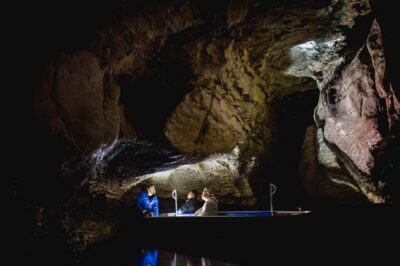
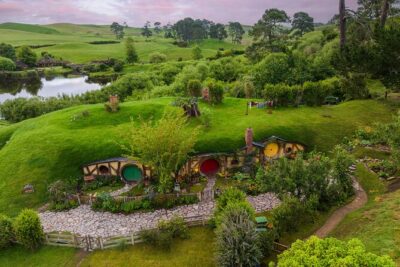
Hobbiton & Waitomo Caves Guided Day Trip from Auckland incl lunch
Read our review →
Waitomo Caves: Ruakuri Glowworm Cave Guided Walking Tour
Read our review →