
REVIEW · MAORI CULTURAL EXPERIENCES
Māori Cultural Experience & Auckland Museum Admission
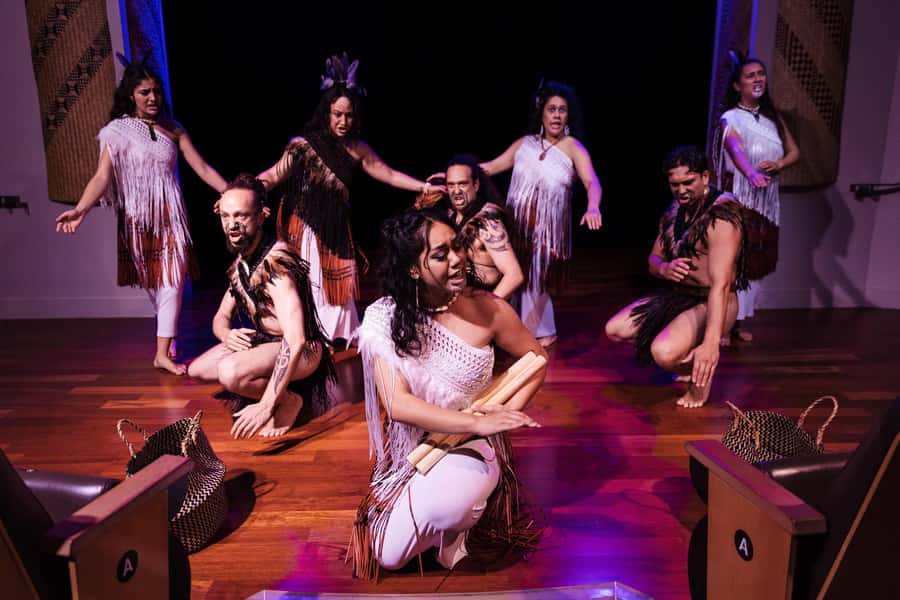
Culture comes alive through performance. I like the way this Auckland experience joins a 30 minute Māori performance with a full day at Auckland Museum, so you get both a focused introduction and time to explore at your own pace. The waiata, poi, storytelling, and haka provide the human connection that a display case cannot.
I also like the educational tone. The performers explain what the songs, movements, and weapons mean, rather than presenting dance as a free floating spectacle. The main drawback is value: at $37 per person, it is reasonable if you spend several hours in the museum, but the performance alone may feel costly for its length.
In This Review
- Key points to know before you go
- Why this Auckland experience works
- At Auckland Museum: arrive before the show
- Living Taonga: the performance itself
- Making sense of the museum after the performance
- Is $37 a fair price?
- Who will enjoy Living Taonga most?
- Access, timing, and booking advice
- My practical way to plan the day
- Should you book this Māori Cultural Experience?
- FAQ
- How long is the Māori Cultural Experience?
- What does the ticket include?
- What can I see during Living Taonga?
- When is Auckland Museum open?
- Are the Māori Court and Pacific Galleries open?
- Is the museum wheelchair accessible?
Key points to know before you go
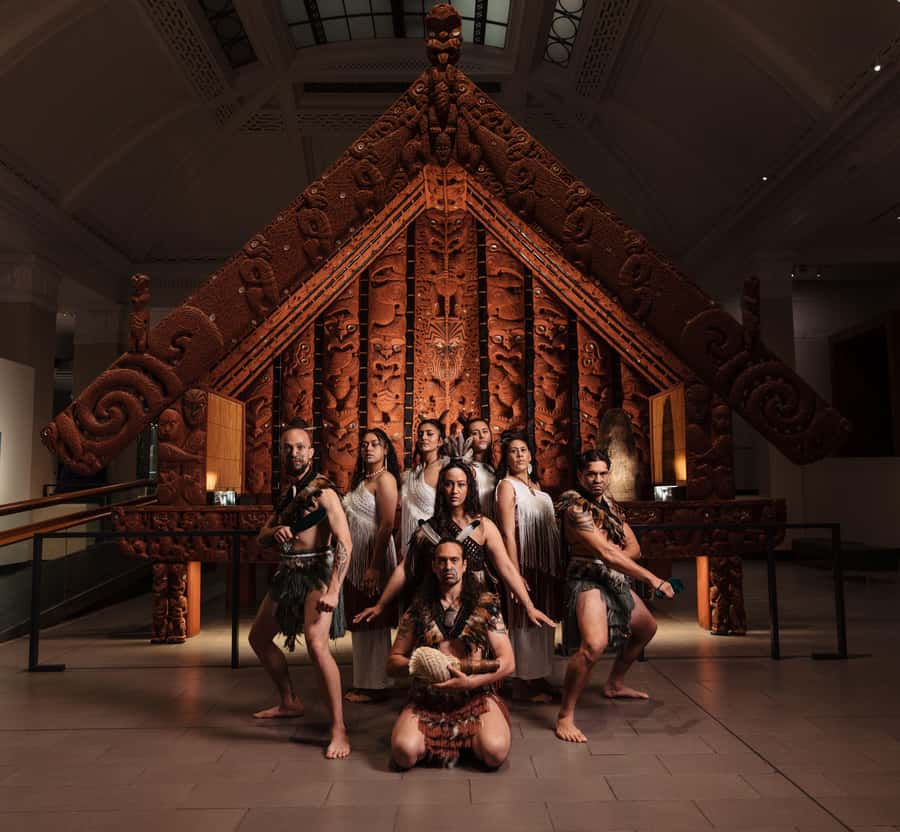
- The 30 minute Living Taonga performance uses waiata, poi, storytelling, and dance to explain Māori culture.
- The haka gets proper context, including its links to strength, unity, and identity.
- Your ticket lasts all day, giving you time to see natural history, New Zealand heritage, and cultural exhibits.
- Arrive at least 20 minutes early for the performance, since bookings are essential and places depend on availability.
- Māori Court and Pacific Galleries are temporarily closed for essential maintenance, which limits part of the museum visit.
- Tuesday is the longest museum day, with opening hours until 20:30.
Why this Auckland experience works
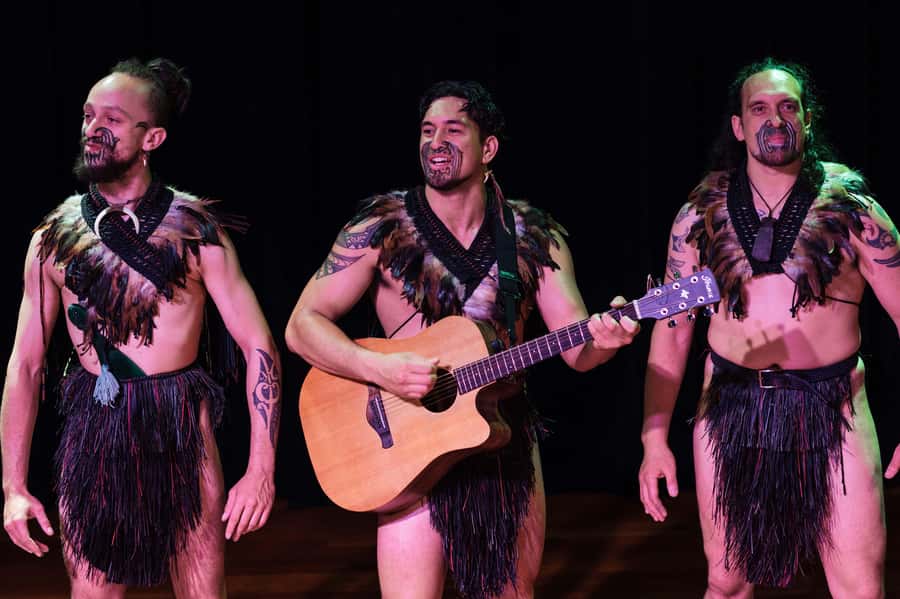
Auckland Museum, also known as Tāmaki Paenga Hira, is one of the city’s most useful places to begin learning about Aotearoa New Zealand. The Māori Cultural Experience, called Living Taonga, gives you a direct introduction through artists and orators who use performance as both teaching and welcome.
That matters because Māori culture is not simply a subject from the past. The word taonga means treasure or something prized, and the experience presents Māori culture as a living taonga. You hear the language, see traditional movement, and learn how performance can carry identity from one generation to the next.
I like the balance between watching and listening. The singing and chants provide the emotional pull, while the narrator explains what you are seeing. One description of the performance praised the clear, audible, and funny narration, while another highlighted the performers’ beautiful voices and friendly manner.
You should not expect a long stage production with elaborate scenery. This is a short cultural presentation inside a museum visit. Its strength is clarity. You leave with a better grasp of the meaning behind the haka and other forms, instead of simply remembering a dramatic group dance.
More Museums in Auckland
- Auckland War Memorial Museum Entry Ticket
★ 4.5 · 293 reviews - Explore gardens & galleries filled with incredible art, Matakana
★ 5.0 · 186 reviews - Skip the Line: Auckland Museum General Admission Ticket
★ 4.5 · 183 reviews
At Auckland Museum: arrive before the show
The museum is in the Auckland Domain, at Auckland War Memorial Museum, Parnell, Auckland 1010. From central Auckland, it is about a 30 minute walk or a 5 minute drive, and public transport provides another practical option.
Give yourself extra time before the booked performance. Arriving 20 minutes early is sensible, especially if you need to find the entrance, confirm your booking, or get oriented in a large building. You do not want to begin the day hurriedly and then spend the first part of the presentation wondering if you are in the right place.
The museum is open from 10:00 to 17:00 on weekdays, except Christmas Day. On weekends, public holidays, and school holidays, it opens at 09:00 and closes at 17:00. Tuesdays run late until 20:30, which makes this a useful option if you want to visit after other Auckland sightseeing.
There are two levels of secure parking on site. Free parking is also available in Auckland Domain for up to three hours. That limit is worth noting because the museum can easily occupy more than an afternoon, particularly if you plan to read exhibit panels carefully.
Food and drinks are not allowed as part of the activity, and large bags or luggage are not permitted. If you are carrying day bags, check the museum’s arrangements before arrival rather than assuming a large suitcase will be accepted.
Living Taonga: the performance itself
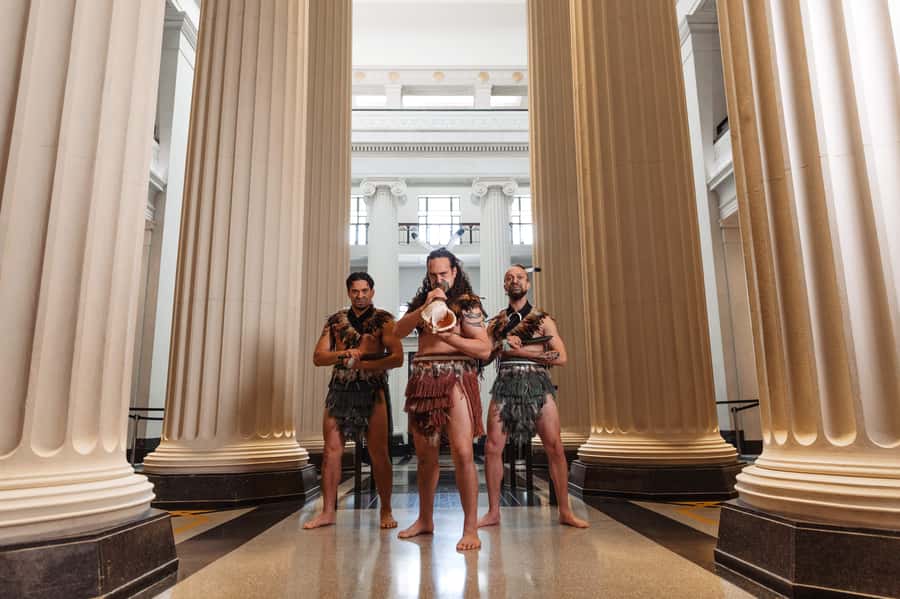
The cultural experience brings together traditional waiata, poi, dance, storytelling, and the haka. The format is designed to give you several ways into Māori culture. Song introduces sound and language, poi shows precision and rhythm, and storytelling provides the background that makes the movements easier to understand.
The poi section is especially useful for first time viewers. Without explanation, the fast swinging movements can seem like pure choreography. With context, you begin to see the skill involved and the connection between movement, rhythm, and cultural expression.
The performance also explains the haka, one of the world’s best known Māori traditions. You learn about it as a commanding ritual connected with strength, unity, and identity. That explanation is important. Many people first encounter the haka through sports broadcasts, where the form can be reduced to a dramatic pre match display. Living Taonga gives you a broader understanding.
The artists also demonstrate Māori weapons and explain their uses, according to the performance details provided. This adds a practical side to the presentation. You are not only watching song and dance, but also hearing how objects and actions relate to Māori life and tradition.
The atmosphere seems warm rather than stiff. The performers include jokes, welcome the audience, and speak with clear enthusiasm for what they are doing. That friendliness helps make the presentation approachable for families and for anyone who worries about not knowing enough before arriving.
The best praise has focused on three things: the quality of the singing, the meaning behind the movements, and the way the narration combines education with humor. I would choose this experience for exactly those reasons. You get more than a polished show, but it remains entertaining.
One limitation is the short running time. At about 30 minutes, it cannot offer a full course in Māori history or regional traditions. If you want a detailed historical introduction before the performance, you may need to read museum displays afterward or choose a separate guided tour. One rating specifically noted that a brief history of the Māori people would have helped set the performance in context.
Making sense of the museum after the performance
The all day admission is what gives this activity its practical value. Once the performance ends, you can explore the museum at your own pace rather than rushing through a few galleries.
The museum covers natural history, New Zealand heritage, and cultural treasures. You can use the performance as a starting point, then look for related objects and explanations in the wider collection. This is a better way to approach a large museum than trying to see everything without a plan.
Allow several hours if you want more than a quick look. One visitor found that the museum required more than a few hours, while another spent the entire day reading about Māori heritage, how New Zealand formed, native animals, and the country’s distinctive environment.
I would divide the visit into two parts. First, attend Living Taonga with an open mind and listen for names, ideas, and forms that you can recognize later. Then walk through the museum slowly, giving yourself time to connect the performance with the displays.
The museum is described as well structured and easy to navigate independently. That suits you if you prefer freedom rather than a fixed group route. A Highlights tour is available at an additional charge, but that extra cost may not suit every budget, particularly when the cultural performance is already added to admission.
Keep the temporary closures in mind. The Māori Court and Pacific Galleries are unavailable due to essential maintenance work. This is the largest practical weakness of the visit because those areas would naturally be central to anyone coming specifically for Māori and Pacific material.
The closure does not erase the value of the performance or the rest of the museum, but it changes your expectations. Check the current situation before booking if seeing those particular galleries is your main reason for going.
More Maori cultural experiences in Auckland:
- Waitomo Caves & Rotorua – Te Puia Small-Group Tour from Auckland
★ 4.5 · 681 reviews - Auckland: Waitomo Caves & Rotorua – Te Puia Small-Group Tour
★ 4.8 · 223 reviews - Hobbiton & Rotorua Small Group Tour including Te Puia from Auckland
★ 5.0 · 190 reviews - Auckland: Rotorua Wai-O-Tapu, Te Puia with Haka
★ 4.9 · 161 reviews
Is $37 a fair price?
At $37 per person, the experience is fairly priced if you treat it as an all day museum visit with a cultural presentation included. The museum admission gives you a full day of access, not just entry for the performance window.
The calculation becomes less comfortable if you only want the show. One price comparison described museum admission alone as $25 per person, with the performance costing an additional $20. That would make the combined total higher than the $37 price listed here, but it also shows why some people may question the cost of a 30 minute presentation.
My advice is simple: plan to spend at least half a day at the museum. Read the exhibits, take a break at the on site cafe, and use the performance as the center of a longer visit. The cafe has been praised for good quality fresh food and coffee, although food and drinks are not included in the ticket.
The price also buys convenience. You do not need to arrange separate museum admission and a cultural activity elsewhere in Auckland. For a first visit to the city, that combination can be efficient, especially if you want cultural context without committing to a full day tour outside the center.
Who will enjoy Living Taonga most?
This experience suits first time visitors to New Zealand who want a respectful introduction to Māori traditions. You do not need prior knowledge, and the explanations make the performance accessible even if the haka is the only Māori cultural form you recognize.
Families may appreciate the mix of music, movement, humor, and visual displays. The performance is short enough to hold attention, while the museum offers material for older children and adults who want to continue learning.
It is also a good choice for anyone with a limited Auckland schedule. The museum is close enough to central Auckland for a half day or full day visit, and Tuesday’s late opening gives you more flexibility.
I would be less quick to recommend it to someone seeking an extended academic treatment of Māori history. The performance is an introduction, not a detailed lecture. You may also feel the price is high if you have no interest in spending time among the wider museum exhibits.
Those who want to photograph the performance should ask about the rules before it begins. One person specifically regretted not being able to take pictures during the presentation. That restriction may be part of protecting the performance and keeping the audience focused, but it is still worth knowing before you arrive.
Access, timing, and booking advice
The museum is wheelchair accessible. Wheelchairs are available on site, subject to availability, but they cannot be reserved in advance. If you need one, arrive with enough time to ask about access arrangements.
The hosts and greeters speak English and Māori. The performance itself is presented through song, spoken explanation, movement, and storytelling, so you can follow the main ideas even when Māori words are unfamiliar.
Bookings are essential and depend on available places. Check the starting time for your date rather than assuming the performance runs continuously throughout museum hours. The experience is valid for one day, so you can visit other exhibits before or after the presentation.
The activity is not available on Anzac Day, 25 April. Christmas Day is also excluded from museum opening hours. For other dates, cancellation is allowed up to 24 hours in advance for a full refund, and a reserve now, pay later option is available.
My practical way to plan the day
I would choose a morning or early afternoon performance, then stay for the museum. Start with a quick look at the building and your route, attend Living Taonga, and then return to the exhibits with the performance fresh in your mind.
Allow at least three hours if you want a worthwhile visit. You can spend longer if you read extensively or use the cafe. On a Tuesday, the late closing time makes it possible to take a slower approach.
Wear comfortable shoes because the museum visit can stretch well beyond the 30 minute presentation. Keep your bag small, leave luggage elsewhere, and arrive early enough to avoid a last minute scramble.
Most important, treat the performance as an introduction rather than the entire lesson. Listen closely to the explanations, then use the museum displays to build a fuller picture. That approach gives you better value and avoids expecting half an hour to explain an entire culture.
Should you book this Māori Cultural Experience?
Book it if you want a clear, welcoming introduction to Māori song, dance, poi, storytelling, and haka, and you are prepared to spend several hours at Auckland Museum. The strongest parts are the beautiful singing, the friendly performers, the explanations behind the movements, and the all day admission.
Think twice if you only want a short show or if the temporarily closed Māori Court and Pacific Galleries are essential to your plans. At $37, the ticket makes the most sense when you use the museum access fully.
For most first time visitors to Auckland, I would book it, arrive 20 minutes early, and keep the rest of the day open. Living Taonga gives you a memorable start, while the museum supplies the wider setting and the extra time needed to make sense of what you have seen.
FAQ
How long is the Māori Cultural Experience?
The performance lasts about 30 minutes. Your museum admission remains valid for the full day.
What does the ticket include?
The ticket includes entry to Auckland Museum and the Māori Cultural Experience called Living Taonga.
What can I see during Living Taonga?
The performance includes waiata, poi, storytelling, dance, and an explanation of the origins and meaning of the haka. Demonstrations of Māori weapons and their uses may also be included.
When is Auckland Museum open?
It is open from 10:00 to 17:00 on weekdays, except Christmas Day. On weekends, public holidays, and school holidays, it opens from 09:00 to 17:00. The museum stays open until 20:30 on Tuesdays.
Are the Māori Court and Pacific Galleries open?
No. The Māori Court and Pacific Galleries are temporarily closed for essential maintenance work.
Is the museum wheelchair accessible?
Yes, the museum is wheelchair accessible. Wheelchairs are available on site subject to availability, but they cannot be pre booked.
Just added in Auckland
- Yonder Star Sailing Yacht★ 5.0 · 2 reviews
- Auckland Airport Private One-Way or Round-Trip Transfer★ 4.5 · 14 reviews
- Zombie Bite Escape Room Experiences★ 5.0 · 54 reviews
- Kumeu Wine Region Shuttle from Auckland★ 4.5 · 19 reviews
- Auckland’s Wild West Coast & Black Sand Beaches Tour inc Lunch★ 5.0 · 12 reviews
- Wētā Workshop Unleashed Tour – Mandarin Speaking Guide★ 5.0 · 2 reviews
- Vineyards Honey and Black Sand Beaches from Auckland★ 5.0 · 93 reviews
- West Coast Wilderness Experience – Private Tour From Auckland★ 5.0 · 1 review
Maori Cultural Experiences, compared.
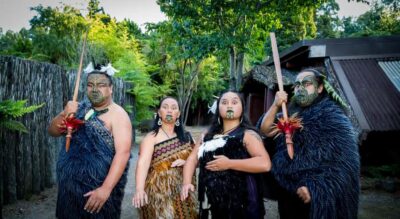
Mitai Maori Village: Cultural Experience and Dinner Buffet
Read our review →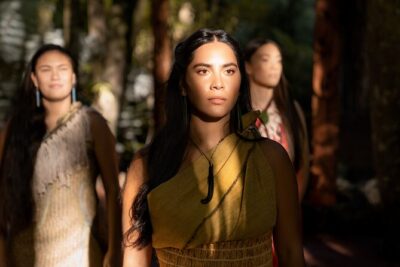
Cultural Experience & Seasonal Māori Cuisine at Te Pā Tū
Read our review →
Mitai Maori Village Cultural Experience in Rotorua
Read our review →
Lake Taupo: Classical Sailing to the Māori Rock Carvings
Read our review →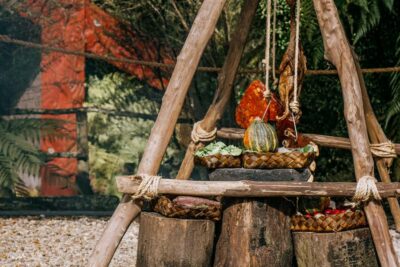
Te Pa Tu Māori Cultural Experience with Dinner
Read our review →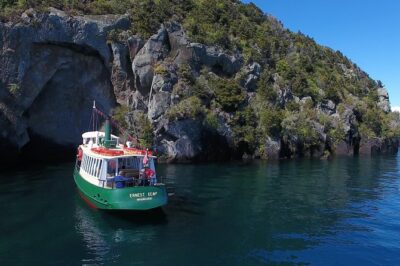
Lake Taupō Māori Rock Carvings Scenic Cruise aboard Ernest Kemp
Read our review →
Waitomo Caves & Rotorua – Te Puia Small-Group Tour from Auckland
Read our review →
Lake Taupo: Maori Rock Carvings 10.30 AM 1.5-Hour Cruise
Read our review →Browse the lists this tour appears in