
REVIEW · MAORI CULTURAL EXPERIENCES
Māori Whakatau Welcome
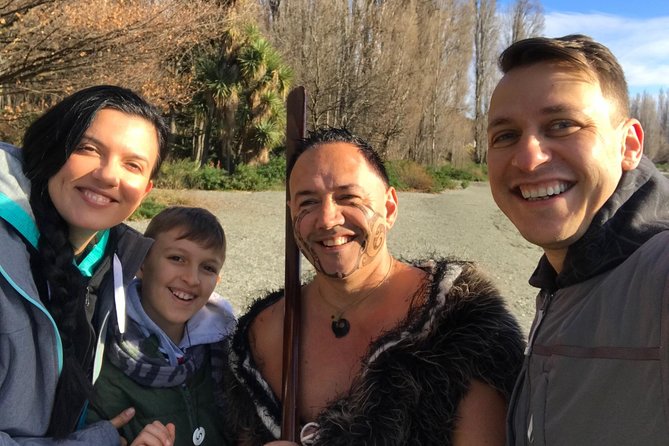
Begin your New Zealand trip with a welcome. This short Māori pōwhiri on the shores of Lake Wanaka offers more than a scenic photo stop: you are formally received through the wero challenge, welcome speech, and customs that connect people with the land. I like the setting and the chance to learn about manaakitanga, or hospitality, and kaitiakitanga, guardianship of the land.
I also like that the experience works well for families, with discounted admission for children aged 16 and under, and that you can choose a morning or afternoon time. The main consideration is price clarity: the advertised rate is $31.03 per person, but the bone carving and tea towel are listed as extras, despite the carving being promoted as a take-home reminder.
In This Review
- Key details at a glance
- Why a pōwhiri makes a strong first activity
- Arriving beside Lake Wanaka
- The wero challenge with a Māori warrior
- From strangers to whānau
- What the 45-minute format means for your day
- Is $31.03 good value?
- Who should book this welcome?
- Practical booking advice for Wanaka and Queenstown
- Should you book the Māori Whakatau Welcome?
- FAQ
- Where does the Māori Whakatau Welcome take place?
- How long does the experience last?
- What time does the activity start?
- What is a pōwhiri?
- What happens during the wero?
- What does the welcome speech include?
- Is transportation included?
- Are children allowed?
- Is the Māori bone carving included in the price?
- What happens if the experience is canceled?
Key details at a glance
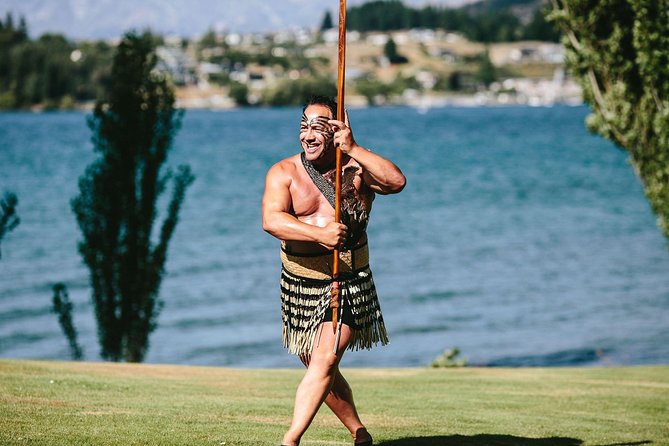
- A real wero begins the welcome: A Māori warrior greets you with a taiaha, creating a formal and memorable opening.
- Lake Wanaka provides the setting: The pōwhiri takes place beside one of Otago’s most scenic bodies of water.
- The 45-minute format fits busy days: Plan for roughly 40 minutes to one hour, with the main itinerary listed at 45 minutes.
- You may choose Wanaka or Queenstown: Email ahead if you have a preferred location.
- Children aged 16 and under receive a discount: That makes this a practical cultural outing for families.
- The advertised keepsake costs extra: The authentic Māori bone carving and WanaHaka tea towel are not included in the listed price.
Why a pōwhiri makes a strong first activity
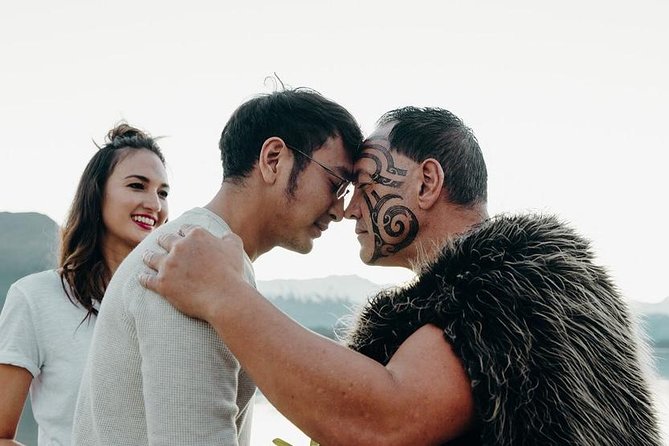
A pōwhiri is a Māori welcome offered to visitors arriving on Māori land, known as whenua. It is not simply a performance for tourists. The ceremony has a clear purpose: strangers are received, introduced, and gradually connected with the people welcoming them.
That makes this a useful activity at the start of a New Zealand holiday. You are not only looking at mountains and a lake. You are given a basic framework for understanding Māori ideas about hospitality, community, and care for the land. I find that context valuable because it changes how you read the rest of your trip.
The welcome centers on two principles. Manaakitanga concerns hospitality, generosity, and the way people care for one another. Kaitiakitanga refers to guardianship, the responsibility to look after the land. These ideas are presented as living values connected to Otago, not as isolated museum subjects.
You should still keep your expectations in check. This is a compact introduction, not a full-day cultural course. In less than an hour, you will receive a focused welcome and explanation rather than a broad survey of Māori culture across New Zealand.
More Maori cultural experiences in Wanaka:
- ‘Express’ Wine Tour & Māori Culture Wānaka
★ 5.0 · 85 reviews - Wine Tour & Maori Culture Wanaka
★ 5.0 · 81 reviews - Mitai Maori Village: Cultural Experience and Dinner Buffet
★ 4.7 · 3,575 reviews
Arriving beside Lake Wanaka
The setting is part of the appeal. The experience takes place on the shores of Lake Wanaka, giving the ceremony a strong connection to the surrounding place. The lake and Otago setting provide a fitting backdrop for a welcome that speaks about land and guardianship.
I like that the location supports the meaning of the ceremony instead of feeling interchangeable with an indoor meeting room. The combination of people and place is central to the experience. You are not only hearing about kaitiakitanga in the abstract. You are hearing about responsibility in a region known for its open spaces and natural beauty.
The exact meeting point is not specified in the information provided, so you should confirm the details before setting out. The activity ends back at the meeting point, and private transportation is included. That is helpful, particularly if you are arranging several stops around Wanaka, though the transport details are not explained in depth.
The activity may also be arranged in Queenstown. If you want Wanaka specifically, or if Queenstown would fit your plans better, email the provider before booking or as soon as possible. Do not assume the location can be changed casually on the day.
The wero challenge with a Māori warrior
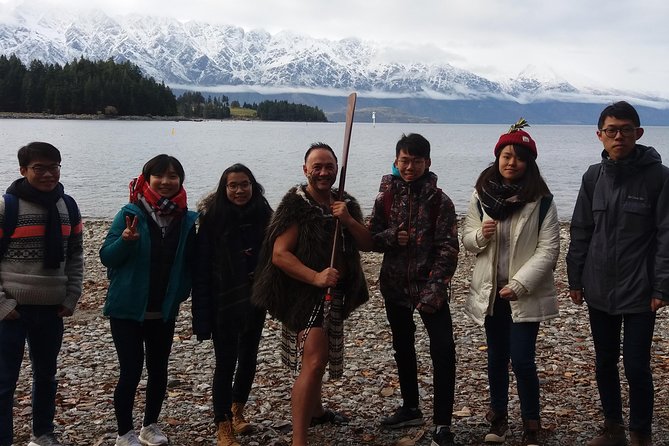
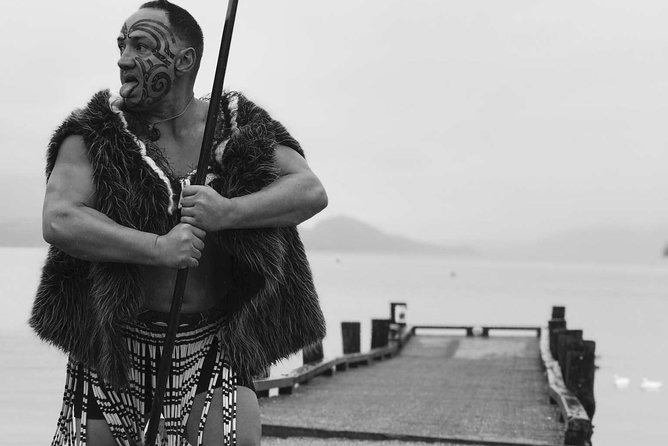
The ceremony begins with a wero, or challenge. A Māori warrior approaches with a taiaha, a traditional weapon and ceremonial staff. The wero historically tested the intentions of visitors, and within a pōwhiri it signals that the arriving group is being formally assessed and received.
For you, this is likely to be the most striking part of the experience. It gives the welcome a sense of ceremony from the first moment, rather than beginning with a standard introduction and a quick explanation of local customs.
The taiaha also matters. It is not a decorative prop added for atmosphere. Its presence reflects the formal nature of the encounter and helps show that a pōwhiri follows its own cultural structure. You should pay attention to how the challenge is presented and explained, since that is where the difference between a genuine welcome and a generic cultural show becomes most apparent.
The supplied information does not spell out every movement or spoken element of the wero, so I would not promise a long warrior demonstration. Think of it as the opening stage of the pōwhiri, leading into the welcome rather than serving as a separate show.
From strangers to whānau
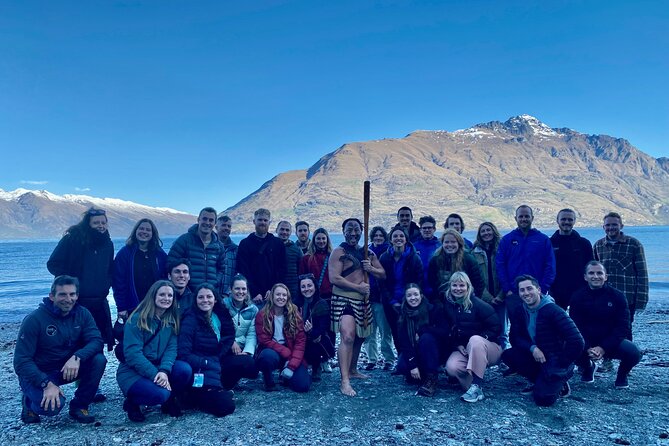
After the challenge, the ceremony moves through the key parts of the pōwhiri and the mihi whakatau, or welcome speech. The stated aim is to begin as strangers and finish as whānau, meaning family or people connected through the welcome.
That language gives you a useful sense of the experience’s purpose. You are not expected to remain a detached observer. The ceremony is designed to bring the visiting group and the local hosts into a shared relationship, even within a short time.
The welcome speech is also your chance to learn more about the local iwi and their role as kaitiaki, or custodians of the land. The information does not name the iwi or provide a detailed outline of the speech, so the exact content may vary. Still, the focus is clear: local identity, hospitality, and care for the place around Wanaka and Queenstown.
If you have never attended a Māori welcome, I would listen for the connections among people, place, and responsibility. Those links are more useful than trying to memorize unfamiliar terms. You can take the ideas with you as you continue through Otago.
A few more to weigh up in Wanaka
- Wildwire Wanaka- Level 2 (4 Hours)
★ 5.0 · 467 reviews - Bike the Wanaka and Hawea Trails
★ 5.0 · 346 reviews - Lake Wanaka Happy Hour Cruise
★ 4.6 · 313 reviews - Small Group Jet Boat Adventure on the Clutha River from Wanaka
★ 5.0 · 302 reviews
What the 45-minute format means for your day
The main itinerary gives the activity a duration of 45 minutes, while the overall estimate is about 40 minutes to one hour. That is a good length for a cultural introduction. You have enough time for the formal welcome and explanation, but you are not giving up half a day of sightseeing.
The listed start time is 9:30 a.m., and morning or afternoon pōwhiri options are available. A morning booking can work well early in your stay, especially if you want a meaningful first activity before filling your day with walks, drives, or lake views. An afternoon time may suit you better if you arrive late, prefer a slower start, or have a morning commitment.
I would leave some flexibility around the booking. The experience requires good weather and a minimum number of participants. If poor weather or insufficient numbers cause a cancellation, you are offered another date or a full refund. That policy is reassuring, but it also means you should avoid placing an essential same-day connection immediately after the ceremony.
The activity accepts a maximum of 30 people. That is not an intimate private ceremony, despite private transportation being included. A group of up to 30 is still manageable for a short welcome, but the atmosphere may feel less personal when the booking is full.
Is $31.03 good value?
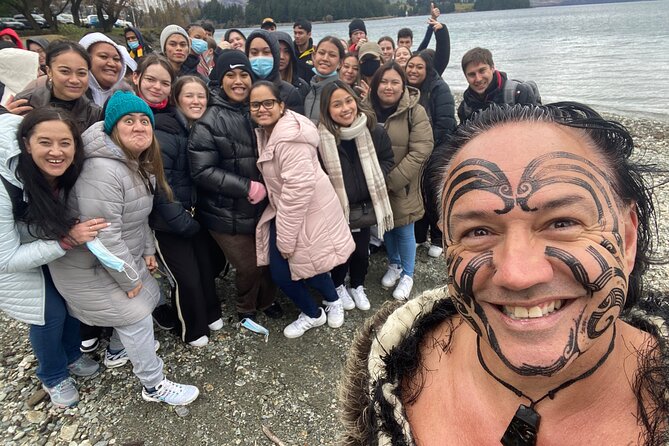
At $31.03 per person, the price is reasonable if you want a concise cultural experience with a formal welcome and transport included. You are paying for access to a ceremony and local interpretation that you cannot get simply by reading a guidebook or walking around the lake.
The value is strongest for people who want meaning and context rather than a long list of attractions. The activity does not fill a whole day, so you can pair it with other Wanaka plans without sacrificing a major block of sightseeing.
Families get a better deal because children aged 16 and under pay a discounted rate. That matters when you are paying for several people, and the short duration should suit children better than a long lecture. A direct comment about the experience praised Joe and said the children enjoyed it, which suggests the welcome can hold a family’s attention when the guide keeps the presentation engaging.
There are extra costs to note. Souvenir photos can be purchased, and the authentic Māori bone carving and WanaHaka tea towel are not included. I would budget for the standard experience first and treat the carving as an optional add-on. Confirm the current price of any keepsake before you commit, since the information supplied here does not state those amounts.
One point deserves special care: the promotional description presents the bone carving as something to take home, but the inclusions specifically exclude it. That is a genuine detail to clarify before booking. You should not assume the $31.03 rate includes the carving.
Who should book this welcome?
I think this suits you best if you want to begin a New Zealand trip with cultural context. It is especially useful for first-time visitors who might otherwise spend their first days admiring scenery without learning much about the Māori relationship with the land.
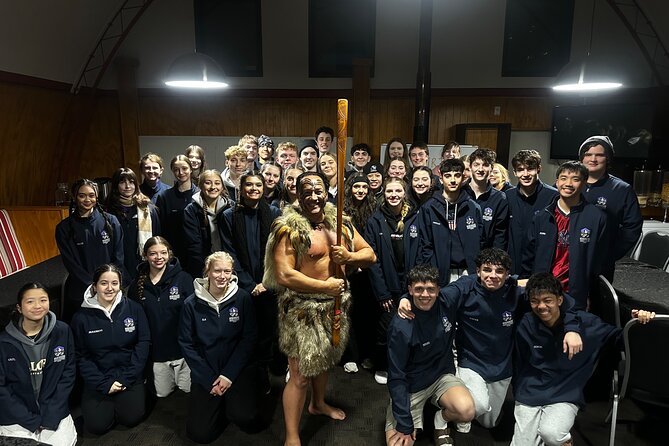
Families are another good match. The discounted child rate, short duration, and active opening with the wero give younger participants several points of interest. Children must be accompanied by an adult, and the activity allows service animals.
This also works for couples and solo visitors who want something more personal than a standard sightseeing stop. The ceremony is brief enough to fit into a packed itinerary, but it has more substance than a quick photo opportunity.
You may want to skip it if your priority is a long, highly detailed cultural program. The supplied information promises a full pōwhiri, but the activity lasts less than an hour. It is an introduction with a formal structure, not an extended workshop, meal, or all-day visit.
The group limit of 30 is another consideration. If you are seeking a very small gathering, ask about the expected group size for your date. The maximum is clear, but the usual number is not.
Practical booking advice for Wanaka and Queenstown
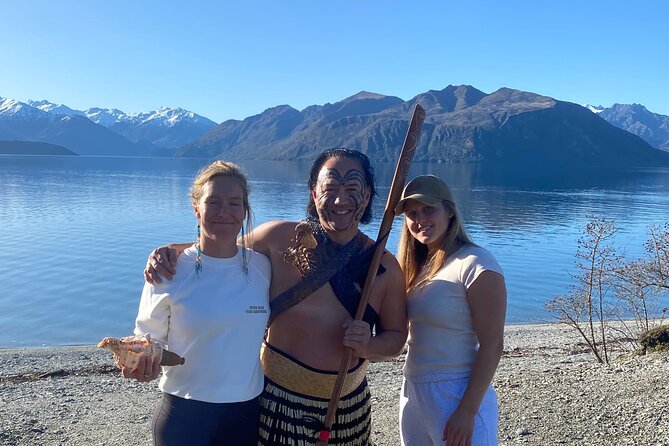
The experience is offered in Wanaka or Queenstown, so location matters when you plan your day. Email the provider with your preferred place rather than assuming the default will match your itinerary.
The experience includes a mobile ticket, and confirmation is sent when you book. Children need an accompanying adult, most people can participate, and service animals are allowed. These details make the activity fairly easy to fit into a normal holiday schedule.
The experience is often booked well ahead, with an average booking lead time of 137 days. You do not necessarily need to book that early, but the figure tells me that popular dates may fill before your arrival. If you are visiting during a busy season or traveling with a family group, reserve early and request your preferred location.
Free cancellation is available when you cancel at least 24 hours before the start time. Changes or cancellations made inside that window are not accepted for a refund. The cut-off uses local time, so check the clock in New Zealand rather than relying on your home time zone.
Should you book the Māori Whakatau Welcome?
I would book this experience if you want a short, respectful introduction to Māori customs and a stronger sense of place in Otago. The wero, the mihi whakatau, and the focus on manaakitanga and kaitiakitanga give the visit real structure. The Lake Wanaka setting and family pricing add practical value.
I would ask one question before paying: is the bone carving included or extra? The supplied details conflict on that point, and the inclusions say it is not part of the base price. Once that is clear, the experience is a good fit for families, first-time visitors, and anyone who wants to start a New Zealand holiday with people and culture rather than scenery alone.
FAQ
Where does the Māori Whakatau Welcome take place?
It can take place in Wanaka or Queenstown. You should email the provider first if you have a preferred location.
How long does the experience last?
The estimated duration is 40 minutes to one hour. The main itinerary lists 45 minutes.
What time does the activity start?
The listed start time is 9:30 a.m. Morning and afternoon pōwhiri options are available.
What is a pōwhiri?
A pōwhiri is an important Māori welcome ritual for visitors arriving on Māori land.
What happens during the wero?
A Māori warrior greets you with a wero, or challenge, using a taiaha before the ceremony moves through the other welcome elements.
What does the welcome speech include?
The experience includes a mihi whakatau, or welcome speech. It also covers local Māori traditions, the local iwi, and their role as kaitiaki, or guardians of the land.
Is transportation included?
Yes. Private transportation is included, and the activity ends back at the meeting point.
Are children allowed?
Yes. Children aged 16 and under receive a discounted rate, and children must be accompanied by an adult.
Is the Māori bone carving included in the price?
No. The authentic Māori bone carving is listed as not included. Souvenir photos and a WanaHaka tea towel are also separate items.
What happens if the experience is canceled?
If poor weather or an insufficient number of participants causes cancellation, you will be offered another date or a full refund. You can also cancel for a full refund at least 24 hours before the start time.
Just added in Wanaka
- Wanaka: Scenic Hot Air Balloon Flight★ 4.7 · 6 reviews
- Wanaka: Tandem Paragliding Experience★ 4.9 · 93 reviews
- Wānaka: Scenic Helicopter Flight Wānaka Max★ 5.0 · 11 reviews
- Wanaka: Self-Guided Regular MTB – Lake Hawea to Lake Wanaka★ 4.8 · 40 reviews
- Wanaka: Mou Waho Island Boat Tour and Nature Walk★ 4.5 · 2 reviews
- Wanaka: Rob Roy Glacier Guided Hike with Lunch★ 5.0 · 3 reviews
- Wanaka: Scenic Helicopter Flight with Glacier Experience★ 5.0 · 42 reviews
- Wanaka: Mt Aspiring and Glaciers Scenic Flight★ 5.0 · 2 reviews
Maori Cultural Experiences, compared.
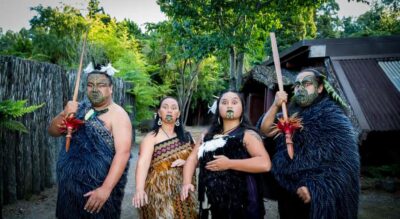
Mitai Maori Village: Cultural Experience and Dinner Buffet
Read our review →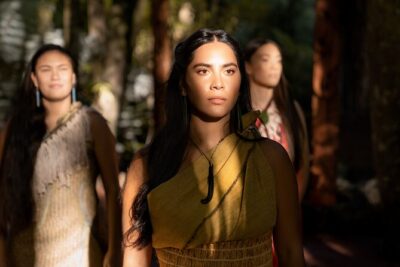
Cultural Experience & Seasonal Māori Cuisine at Te Pā Tū
Read our review →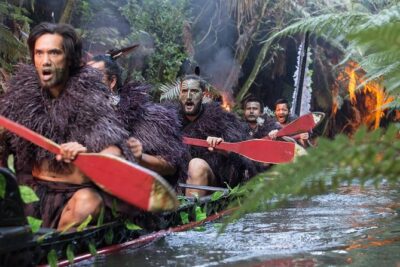
Mitai Maori Village Cultural Experience in Rotorua
Read our review →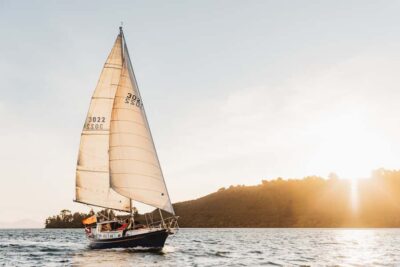
Lake Taupo: Classical Sailing to the Māori Rock Carvings
Read our review →
Te Pa Tu Māori Cultural Experience with Dinner
Read our review →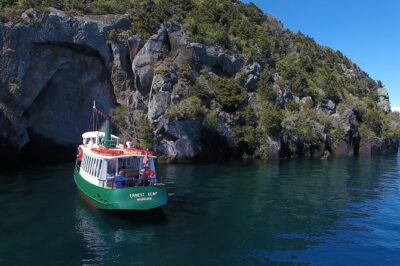
Lake Taupō Māori Rock Carvings Scenic Cruise aboard Ernest Kemp
Read our review →
Waitomo Caves & Rotorua – Te Puia Small-Group Tour from Auckland
Read our review →
Lake Taupo: Maori Rock Carvings 10.30 AM 1.5-Hour Cruise
Read our review →Browse the lists this tour appears in