
REVIEW · NAPIER TOURS
Napier: National Aquarium of New Zealand General Admission
Meet New Zealand’s smaller wild residents. The National Aquarium of New Zealand gives you a friendly introduction to native kiwi, tuatara, little blue penguins, tuna, eels, and more, then carries you into a large underwater world filled with fish, rays, turtles, and sharks. I like the clear conservation message, and I like that the exhibits connect Hawke’s Bay species with wider ocean habitats.
The underwater tunnel is the main visual treat, with turtles and rays passing above you, while the keeper talks and feeding displays give the visit some structure. One possible drawback is that this is a self-guided attraction, so you need to check the daily talk times if you want more than a walk through the exhibits.
In This Review
- Key Points To Know
- Start With A Walk From Mountains To Sea
- Brown Kiwi And Tuatara: New Zealand’s Quiet Stars
- Penguin Cove And The Daily Keeper Talks
- Local Fish Meet Global Ocean Habitats
- Plan Around The Fish Feeding Times
- The Underwater Tunnel Is The Big Finish
- Is $17 Good Value In Napier?
- Who Will Enjoy This Aquarium Most?
- Should You Book The National Aquarium?
- FAQ
- How much does admission cost?
- How long is the ticket valid?
- What are the opening hours?
- What animals can I see?
- Are the keeper talks included?
- When are the fish feeding displays?
- When are the penguin talks?
- Is the aquarium wheelchair accessible?
- Can I cancel my booking?
Key Points To Know
- Native species come first: See brown kiwi, tuatara, tuna, eels, and little blue penguins from Aotearoa.
- The underwater tunnel is the grand finale: Rays, turtles, sharks, and other sea life move above and around you.
- Two daily fish feedings add timing: Plan for 10am or 2pm if you want to catch one.
- Penguin talks run three times daily: Times are 9.30am, 1.30pm, and 3.30pm.
- The $17 entry fee covers the full visit: Keeper talks and feeding displays are included.
- It works in any weather: The central Napier location and indoor exhibits make this a practical family stop.
Start With A Walk From Mountains To Sea
The aquarium asks you to follow a simple story: begin with New Zealand’s mountains and inland waterways, then move toward the coast and out into the ocean. That order matters. You are not simply looking at tanks one after another. You are seeing how native species fit into the country’s wider natural setting.
I like this approach because it places local wildlife at the center. New Zealand’s best-known animals are not all dramatic predators. A brown kiwi moving through its exhibit, a tuatara representing an ancient line of reptiles, or a tuna eel gives you a more local connection than a display of only familiar tropical fish.
You will also see introduced species along with native ones. That makes the visit broader, but it can slightly soften the New Zealand focus if you are expecting an attraction devoted only to local wildlife. Still, the movement from local waterways to marine habitats gives the visit a clear rhythm.
The visit is self-guided, so you can set your own pace. That works well if you are visiting with children, since you can linger at a favorite exhibit or move on when attention starts to wander. It also means you should pay attention to the clock if you want to catch a talk or feeding.
A few more to weigh up in Napier
- Napier: Cape Kidnappers Gannet, Nature & Sightseeing Tour
★ 4.8 · 317 reviews - Top-Rated Hawke’s Bay Wine Tour – Small Group
★ 5.0 · 256 reviews - Shore Excursion: Scenic Rafting from Napier
★ 5.0 · 179 reviews
Brown Kiwi And Tuatara: New Zealand’s Quiet Stars
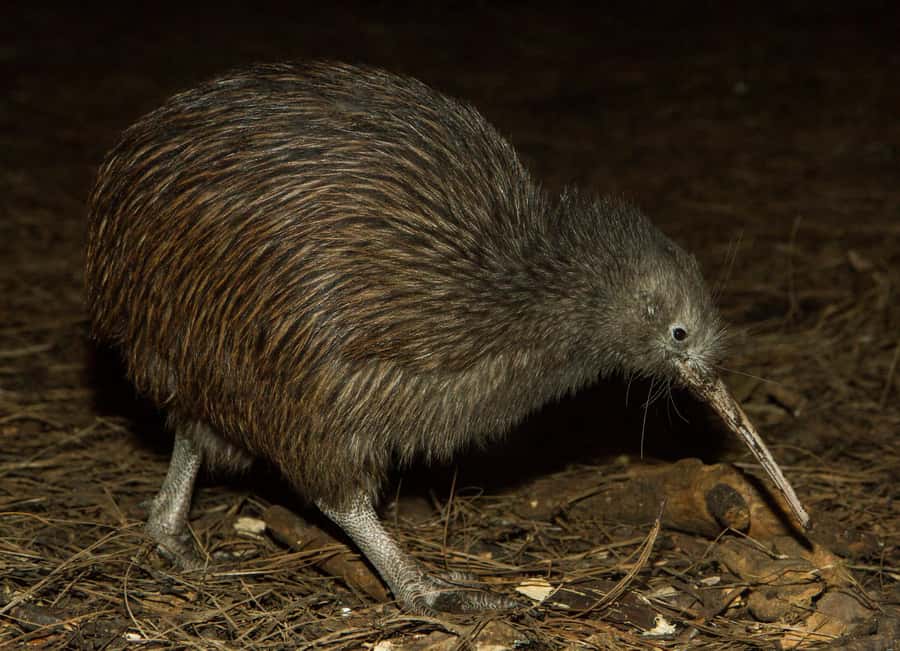
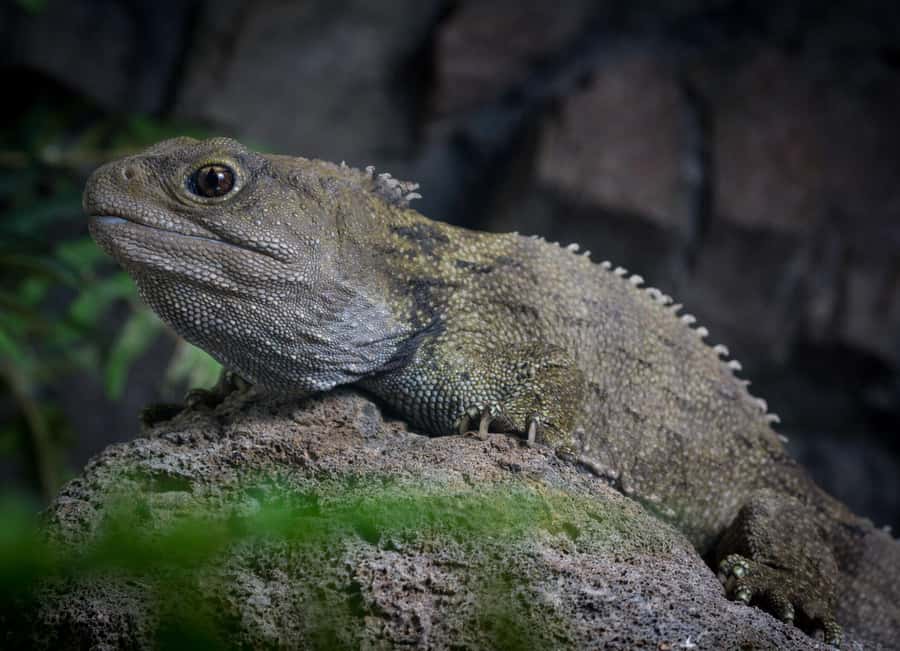
The brown kiwi and tuatara are important early stops because they show you wildlife that cannot be reduced to a standard aquarium display. The kiwi is a native New Zealand bird with a strong place in the country’s identity. The tuatara of Aotearoa adds another layer, linking the visit to an animal found nowhere else in the world.
You should not expect these exhibits to have the same constant movement as the fish tanks. That is part of their appeal. These are animals you look at carefully rather than quickly. A slower pace helps, especially for children who may otherwise rush toward the brightest tank.
The displays also support the aquarium’s conservation message. You are encouraged to think about native species as living parts of New Zealand’s natural world, not simply as unusual animals behind glass. That message gives the local exhibits more weight than a quick photo stop.
The aquarium also introduces you to tuna, the Māori name for freshwater eels. Their presence helps connect the inland and coastal parts of the route. You begin to see water as one connected system, from streams and rivers through to the sea.
Penguin Cove And The Daily Keeper Talks
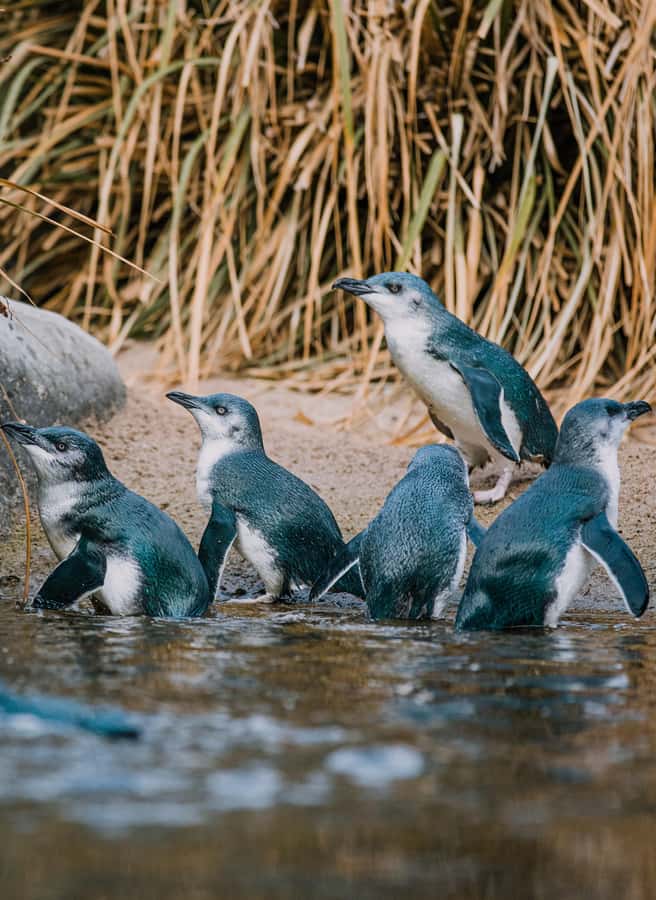
Penguin Cove brings a lively change of pace. Little blue penguins are small, appealing, and easy for families to enjoy, but the exhibit also carries a useful local connection. These are New Zealand’s own little penguins, not a generic penguin display added for decoration.
A penguin talk is offered at 9.30am, 1.30pm, and 3.30pm every day. If you want to hear keepers explain the animals and their care, build your route around one of these times. The attraction is open from 9am to 5pm, so the morning talk is especially easy to pair with an early start.
I would treat the talk as one of the visit’s anchors. Without it, the aquarium remains a pleasant self-guided walk. With it, the animals gain context, and you have a chance to connect the conservation message with daily care.
The schedule also makes the aquarium useful for families with different energy levels. You can arrive for the first talk, visit the other exhibits, and then choose a later feeding or talk. The attraction does not force you into a fixed tour group, which keeps the day flexible.
Local Fish Meet Global Ocean Habitats
As you move through the aquarium, the focus expands beyond Hawke’s Bay and New Zealand. You will see more than 100 marine species, including reef fish and native New Zealand sharks. This wider range helps you compare familiar local species with animals from other ocean environments.
The contrast is useful. A display of local eels or native fish can feel close to home, while reef fish show you a very different type of marine habitat. You get a basic sense of how varied ocean life can be without needing a full day of travel to different parts of the country.
The aquarium’s conservation message is strongest when you make these comparisons. The local exhibits remind you that New Zealand’s waterways need care. The global habitats show that marine protection is not just a local concern.
The attraction does not promise a specialist scientific course, and you should not expect every species to receive a long explanation. Instead, it offers a broad introduction that works for mixed-age groups. I find that a strength for a general sightseeing day, though serious aquarium enthusiasts may want a more detailed, technical presentation.
A completely different sort of day out:
- Guided 10am Morning Art Deco Walk From Napier Art Deco Trust
★ 4.5 · 167 reviews - Napier: Afternoon Winery Tour Tasting at 3 Great Wineries
★ 4.7 · 147 reviews - Napier: Afternoon Wine Tasting + visit Silky Oaks Chocolates
★ 5.0 · 135 reviews - Napier: Art-Deco + Te Mata Peak+ Garden Walk + Wine Tasting
★ 4.7 · 99 reviews
Plan Around The Fish Feeding Times
Fish feeding takes place at 10am and 2pm daily. These displays give you a reason to pause and watch animal behavior rather than simply pass each tank. Feeding often makes fish more active, and it helps you understand the work involved in caring for a living collection.
If you arrive close to opening, the 10am feeding fits naturally into the first part of your visit. If you prefer a later start, the 2pm time leaves room for a relaxed morning elsewhere in Napier. You can also use the feeding schedule to break up the self-guided route.
The feeding display is included in the admission price, as are the keeper talks. That improves the value of the $17 ticket. You are not paying a separate fee for the parts of the experience that add the most explanation and action.
Because the schedule is fixed, check the times before you enter. The aquarium is open all day, but the feedings are not continuous. Missing one does not ruin the visit, yet catching one gives the day a stronger sense of occasion.
The Underwater Tunnel Is The Big Finish
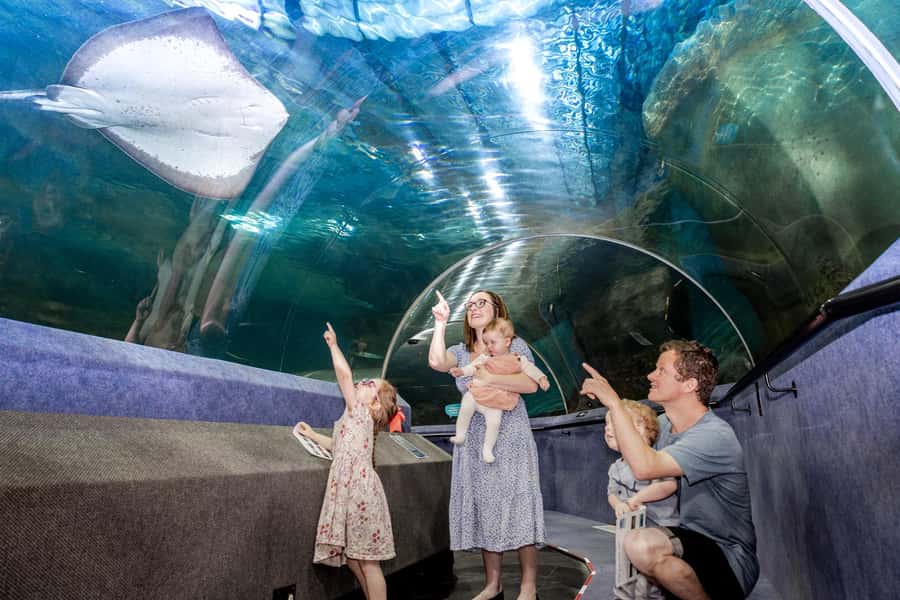
The largest exhibit comes at the end, under the sea. This is where the aquarium shifts from local wildlife introduction to a broad marine spectacle. You walk through an underwater tunnel while turtles and rays pass overhead, with sharks and other sea life adding scale and movement.
I like placing this exhibit at the finish. The earlier displays give you a local foundation, and the tunnel then widens the view. You have moved from mountains and rivers to the open ocean, with the route ending in the aquarium’s most visually striking space.
Rays are especially good to watch here. Their motion is smooth and graceful, a sharp contrast to the quicker movement of many fish. Turtles add another point of interest, while native New Zealand sharks remind you that local waters also support impressive predators.
The tunnel is likely to be the part children remember most, but it works for adults too. It gives you a simple sense of being below the surface without needing special equipment or a boat trip. Since the attraction is indoors, it is also a dependable option when rain interrupts outdoor plans.
Is $17 Good Value In Napier?
At $17 per person, admission is fairly easy to justify if you want a family-friendly indoor attraction with local wildlife and marine exhibits. The ticket covers all-day entry, keeper talks, and feeding displays. That means the price includes both the exhibits and the scheduled activities that give them more meaning.
The value depends on how you use the day. If you rush through in a short visit and miss the talks, the ticket may feel less rewarding. If you give yourself time to move from the native species exhibits to Penguin Cove and the underwater tunnel, then add a feeding or penguin talk, you get more from the admission.
The attraction is also useful because it can fit around the rest of your Napier plans. It is in central Napier, open seven days a week from 9am to 5pm, and suitable in any weather. You do not need to commit to a full guided excursion or a tightly timed group experience.
The one-day validity gives you room to plan, but this is best treated as a single visit rather than an attraction that requires repeated entry. The strongest value comes from arriving with a rough schedule, then letting your interests guide the pace.
Who Will Enjoy This Aquarium Most?
I would recommend it most to families, first-time visitors to Napier, and anyone who wants a clear introduction to New Zealand wildlife. Children get penguins, turtles, rays, and sharks. Adults get native species, conservation themes, and a useful connection between freshwater and ocean habitats.
It also suits you if the weather is poor. The aquarium gives you a reliable indoor plan without dropping the local character of the area. The native kiwi, tuatara, tuna, and little blue penguins keep it connected to New Zealand rather than making it feel like a standard international aquarium.
You may want to temper your expectations if you are seeking a large research aquarium with long technical presentations or a highly structured guided tour. This is a self-guided attraction with short scheduled talks and feeding displays. Its strength is accessibility and range, not an intensive specialist program.
The aquarium is wheelchair accessible, which makes it practical for visitors who need an accessible attraction. Free cancellation is available up to 24 hours in advance, and you can reserve now and pay later if you want to keep your plans flexible.
Should You Book The National Aquarium?
Book it if you want an affordable, family-friendly introduction to New Zealand animals, especially if you can plan around the 10am or 2pm fish feeding or one of the three daily penguin talks. The underwater tunnel gives the visit a memorable finish, while the kiwi and tuatara exhibits make it feel rooted in Aotearoa.
Skip it only if your schedule allows almost no time for the exhibits or if you want a highly specialized aquarium experience. For most visitors with a free part of the day in Napier, the $17 entry offers a useful mix of local wildlife, global marine life, and conservation learning in one central, weatherproof stop.
FAQ
How much does admission cost?
General admission costs $17 per person.
How long is the ticket valid?
The ticket is valid for one day.
What are the opening hours?
The National Aquarium of New Zealand is open seven days a week from 9am to 5pm.
What animals can I see?
You can see more than 100 marine species, including reef fish, native New Zealand sharks, turtles, rays, brown kiwi, tuatara, tuna, eels, and little blue penguins.
Are the keeper talks included?
Yes. Keeper talks are included with the all-day entry ticket.
When are the fish feeding displays?
Fish feeding displays take place daily at 10am and 2pm.
When are the penguin talks?
Penguin talks take place daily at 9.30am, 1.30pm, and 3.30pm.
Is the aquarium wheelchair accessible?
Yes. The attraction is wheelchair accessible.
Can I cancel my booking?
Yes. You can cancel up to 24 hours in advance for a full refund. You can also reserve now and pay later.
Just added in Napier
- Napier: Shore Excursion with Wine Tasting and Platter★ 5.0 · 2 reviews
- Napier: Highlights & Tour Exploring the Best of this Region★ 4.6 · 11 reviews
- Napier: Cruise Self-Guided Cycle Ride to Winery – Half Day★ 4.6 · 19 reviews
- Napier: Art Deco Bike Ride and Wineries Loop★ 4.0 · 19 reviews
- Hawke’s Bay: Self Guided Coast to Vineyards Cycle Tour★ 4.9 · 29 reviews
- Hawkes Bay: Half-Day Wine Tour with Tastings and Cheeseboard★ 5.0 · 6 reviews
- Napier: Taste Hawke’s Bay – A sweet treat food tour★ 5.0 · 2 reviews
- From Napier: Hawke’s Bay Small Group Wine Capita Tour★ 4.9 · 10 reviews
Napier Tours, compared.

Cape Kidnappers Gannet, Nature & Sightseeing Tour
Read our review →


Guided 10am Morning Art Deco Walk From Napier Art Deco Trust
Read our review →
Afternoon Winery Tour Tasting at 3 Great Wineries
Read our review →
Afternoon Wine Tasting + visit Silky Oaks Chocolates
Read our review →
Art-Deco + Te Mata Peak+ Garden Walk + Wine Tasting
Read our review →
Browse the lists this tour appears in