
REVIEW · FARMS
Silverstream Alpaca Farm Tour with Feeding and Guide
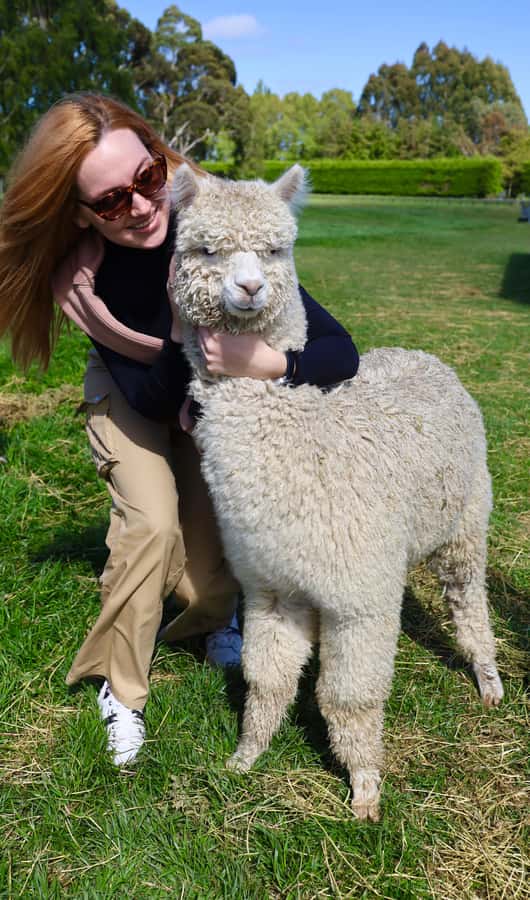
Alpacas have excellent eyelashes. Silverstream Alpaca Stud offers close contact with friendly animals just 20 minutes north of Christchurch, with feeding, photographs, garden walks, and a lively talk from the farm owner. I especially like the hands-on animal time and the chance to see how alpaca fibre feels before shopping. The main thing to consider is that much of the tour takes place outdoors, so wet-weather clothing and sensible shoes matter.
Kit and Cheryl Johnson give the welcome, and their family story adds a personal touch to what could otherwise be a quick animal stop. I also like that you can stay longer after the 90-minute tour to revisit the alpacas or walk around the grounds. The $23 price is fair for families, though food and transport from Christchurch cost extra.
In This Review
- Key points to know before you go
- Why this small farm visit works so well
- Arriving at 68 Moodys Road
- The welcome talk and safety briefing
- Feeding, touching, and photographing the alpacas
- The fibre shed and prize-winning fleeces
- Gardens, lawns, and time by the river
- The shop and trophy room
- What the $23 admission really covers
- Who will enjoy Silverstream most
- Weather, timing, and practical tips
- Should you book Silverstream Alpaca Stud?
- FAQ
- How long does the Silverstream Alpaca Farm Tour last?
- How much does the tour cost?
- Where does the tour meet?
- What time do tours operate?
- Is food for the alpacas included?
- Can I hold a baby alpaca?
- Is the farm accessible by public transport?
- What should I wear and bring?
Key points to know before you go
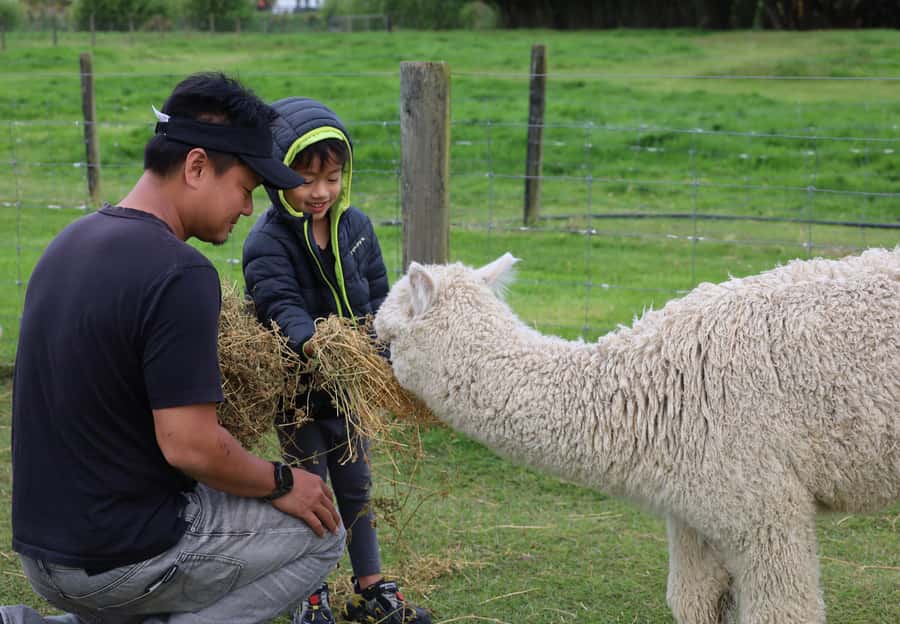
- Feed alpacas at close range: You receive food for the animals and can touch, photograph, and sometimes hold babies when they are in season.
- Owner-led commentary: Kit and Cheryl explain alpaca farming, the family business, animal exports, and the fibre trade in an entertaining way.
- A river-bound garden setting: The farm includes broad lawns and gardens beside a river, giving you room to wander after the guided portion.
- Fleece you can actually touch: The fibre shed lets you handle prize-winning fleeces and understand why alpaca wool feels different from ordinary wool.
- Easy half-day add-on from Christchurch: The farm is about 20 minutes north of the city centre, with free parking and bus access to nearby Kaiapoi.
- Good value at $23: The fee includes admission, guiding, alpaca food, parking, Wi-Fi, and toilet use, but not meals, city transport, or shop purchases.
Why this small farm visit works so well
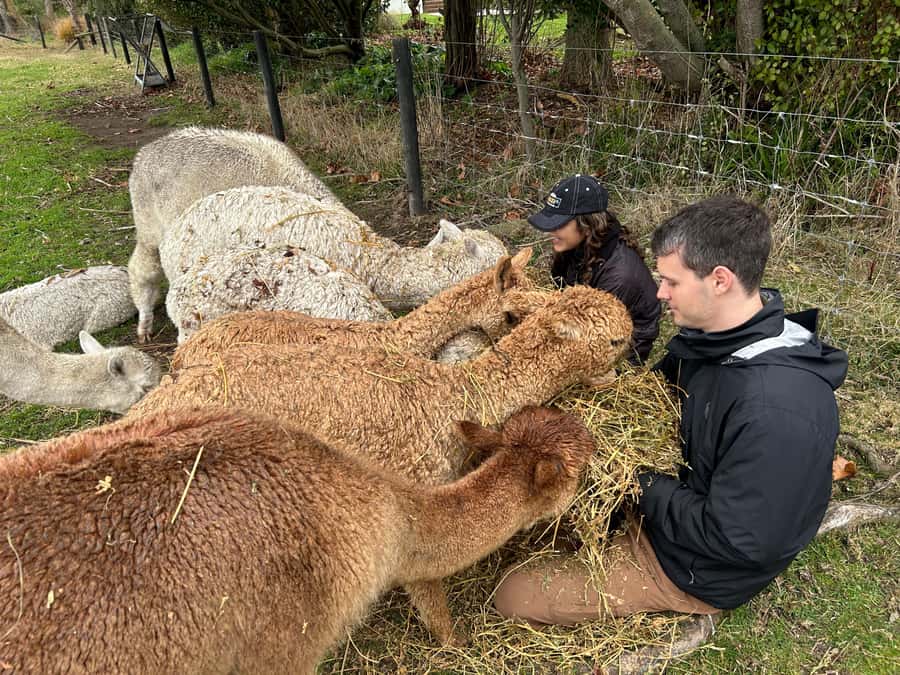
Silverstream Alpaca Stud is not built around a grand show or a long list of attractions. Its appeal is simpler: you meet the animals, learn how the farm works, feel the fibre, and have time to enjoy the grounds without being hurried along.
That makes it a useful choice if you are travelling with children or if you want a gentle break from Christchurch’s museums, shops, and city streets. The alpacas are the main event, but the personal story behind the farm gives the visit more shape.
The Johnson family’s farm has welcomed people for about twenty years. During the opening talk, you hear how alpaca farming changed the family’s life, including the business of sending live animals to Europe and Asia. This context helps you see the animals as more than photogenic farmyard creatures. They are also the centre of a working agricultural enterprise.
The tone is meant to be friendly and entertaining rather than formal. Kit and Cheryl are the hosts named for the experience, and their involvement gives the tour a direct, family-run feel. You are not simply handed a bag of feed and pointed toward a paddock.
More farm visits in Canterbury:
- Christchurch Alpaca Farm Tour From Kaiapoi
★ 5.0 · 2 reviews - Queenstown: Queenstown Lake Cruise and Walter Peak Farm Tour
★ 4.8 · 950 reviews - Rotorua: Authentic Kiwi Farm Experience at the Agrodome
★ 4.8 · 270 reviews
Arriving at 68 Moodys Road
The meeting point is Silverstream Alpaca Stud at 68 Moodys Road. On arrival, report to reception, where a sign identifies the location. You are asked to knock on the door, then welcomed inside.
Driving is the simplest option. Free parking is provided, which helps keep the total cost down if you have a rental car. If you are relying on public transport, buses run from central Christchurch to Kaiapoi, about 20 kilometres away, followed by a short walk to the farm.
The farm is described as roughly 20 minutes north of Christchurch city centre. That makes it easy to fit into a morning or afternoon, and you do not need to give up a full day for the outing. Tours run daily except Christmas Day at 10am, 2pm, and 4pm.
You should arrive ready to spend time outside. Comfortable closed-toe shoes are required, while high heels, sandals, flip flops, and bare feet are not suitable. The farm operates in all weather and can provide umbrellas and gumboots, but I would still bring a hat, a camera, and a light waterproof layer.
The welcome talk and safety briefing
The visit begins with a seated account of alpaca farming and the Johnson family’s connection to the animals. This is a useful start because it gives you a little background before you enter the animal area.
You also receive a safety briefing. The supplied schedule gives the safety portion about an hour, although the full activity is advertised as 90 minutes, so the exact timing may vary on the day. The important point is that you receive instructions before feeding and touching the alpacas.
That guidance matters around any large animal, even one with a calm face and soft fleece. You will be close enough for photographs and hands-on contact, so sensible behaviour and attention to the guide are part of the experience.
The animals are described as friendly and well behaved. One particularly useful detail is that some have won medals, which points to the farm’s focus on breeding quality as well as visitor interaction. You can expect the commentary to cover the alpacas’ nature, farming, and fibre, rather than just giving you a quick introduction to their names.
Feeding, touching, and photographing the alpacas
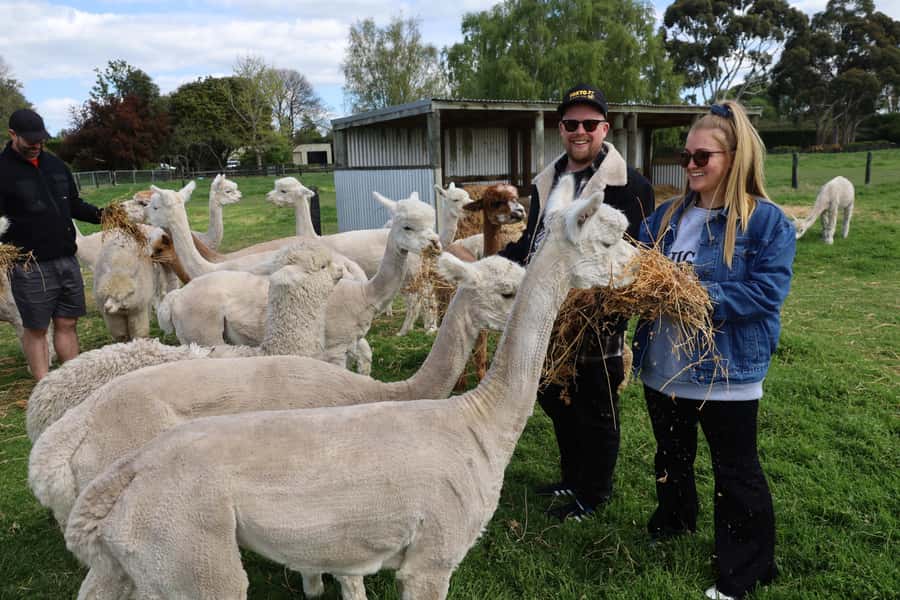
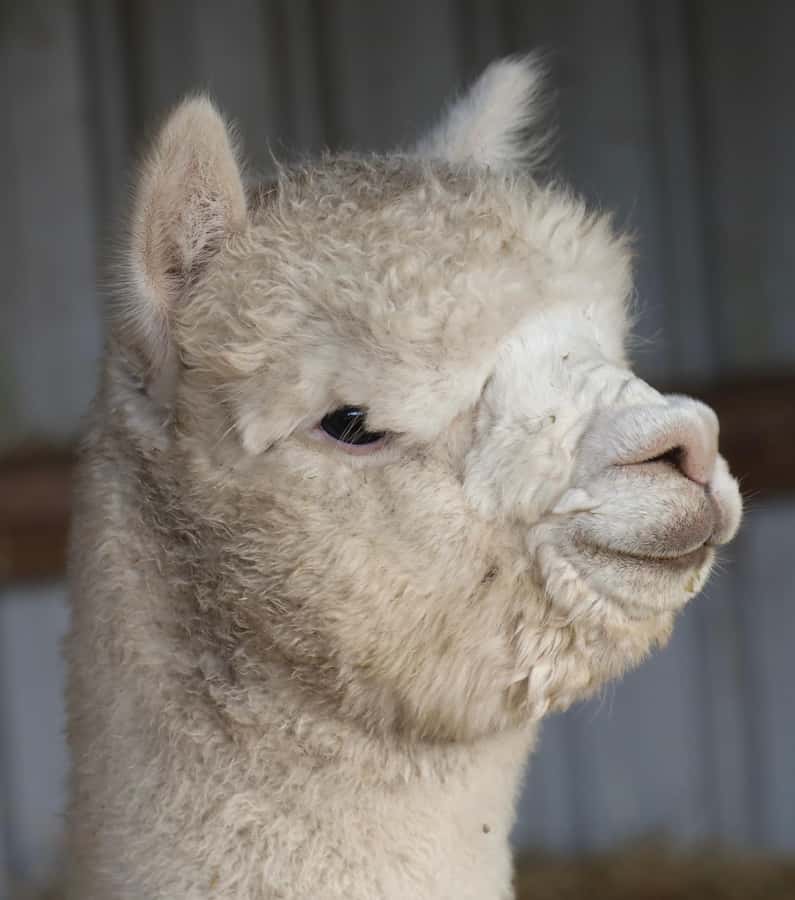
This is the heart of the visit. You are given food for the alpacas and brought close enough to feed, touch, and photograph them. The animals’ long eyelashes and inquisitive faces make them natural subjects for pictures, and the close range means you can capture more than a distant paddock shot.
The feeding activity gives children a clear job to do. Instead of only watching animals from behind a fence, they take part in a controlled interaction. Adults usually enjoy it too, especially when an alpaca leans in with obvious interest.
The tour also allows time to ask questions. That is valuable because alpacas can look similar at first glance, while their fleece, breeding, behaviour, and farming role may be less familiar. The owner’s commentary helps turn a short animal encounter into a basic lesson about alpaca production.
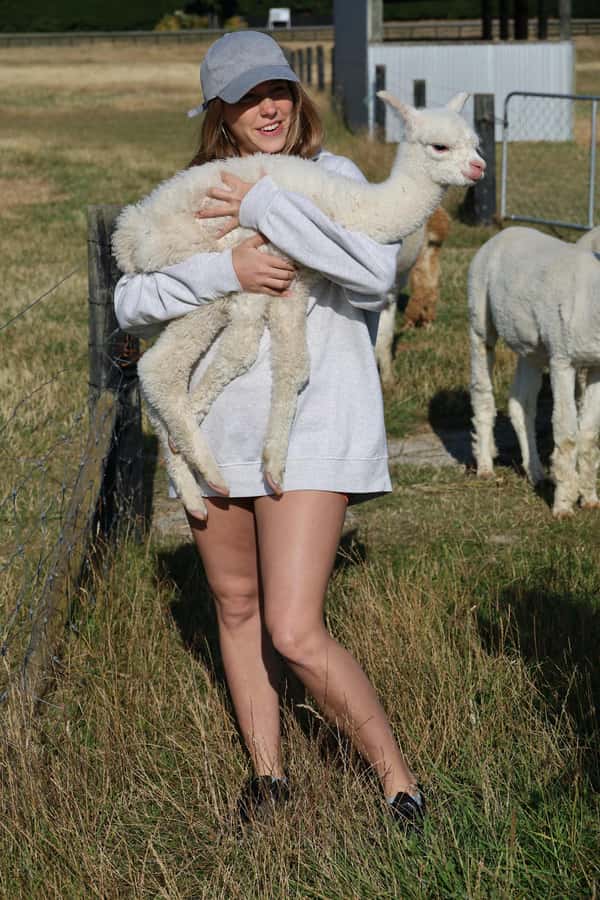
Baby alpacas can sometimes be held, but only when they are in season. This is an occasional feature, not something to count on for every visit. If you are booking mainly for a baby-animal experience, keep your expectations flexible.
You are encouraged to take photographs, but you should still bring a camera or phone with enough battery and storage. The farm provides the animals and the setting, not a professional photo package.
A completely different sort of day out:
- Hanmer Springs Thermal Pools & Spa
★ 4.5 · 218 reviews - Amuri Adventure Jet Boating in Hanmer Springs
★ 5.0 · 191 reviews - Hanmer Springs: Thermal Pools Single or Return Entry Ticket
★ 4.7 · 107 reviews - Methven-Mt Hutt Scenic Hot Air Balloon Flight
★ 5.0 · 74 reviews
The fibre shed and prize-winning fleeces
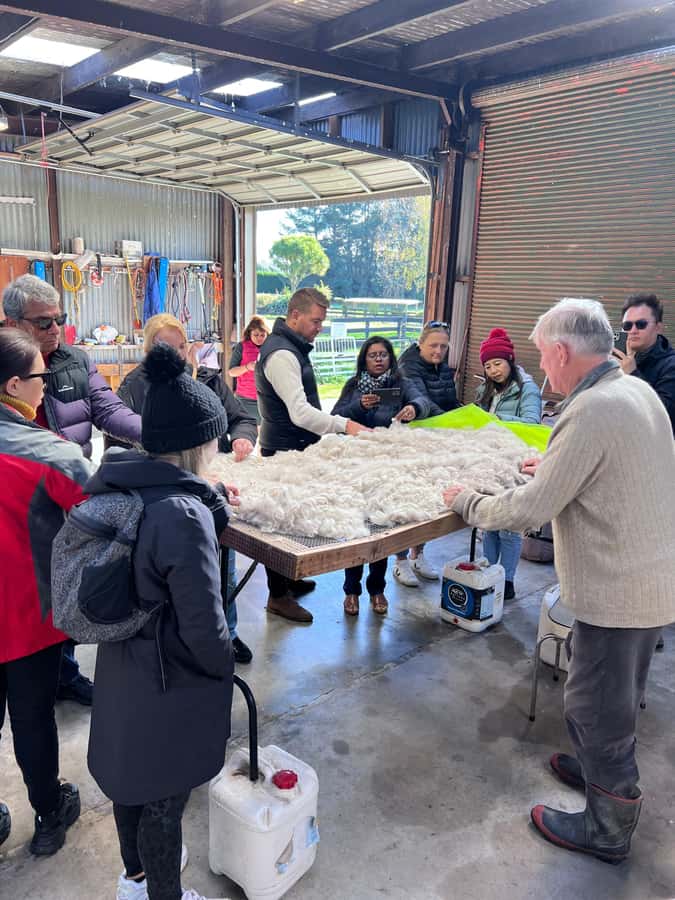
After the animal encounter, the tour moves to the fibre shed. This is where the visit becomes more distinctive.
You can touch and feel show-winning fleeces from the farm’s alpacas. Many people know alpaca wool as a soft natural material, but handling the raw fibre gives you a better sense of its texture, sheen, and weight. The farm places particular emphasis on the fibre’s handle and lustre, two qualities that are difficult to appreciate from a label on a finished product.
This stop also connects the friendly animals in the paddock with the farm shop later in the visit. You see that the fibre is not an abstract product imported from somewhere else. The shop sells goods made from fibre produced by the farm’s own animals.
If you are interested in textiles, farming, or local production, this may be the most rewarding part of the tour after the feeding. It adds substance to the visit and helps explain why alpacas are valued beyond their appearance.
Gardens, lawns, and time by the river
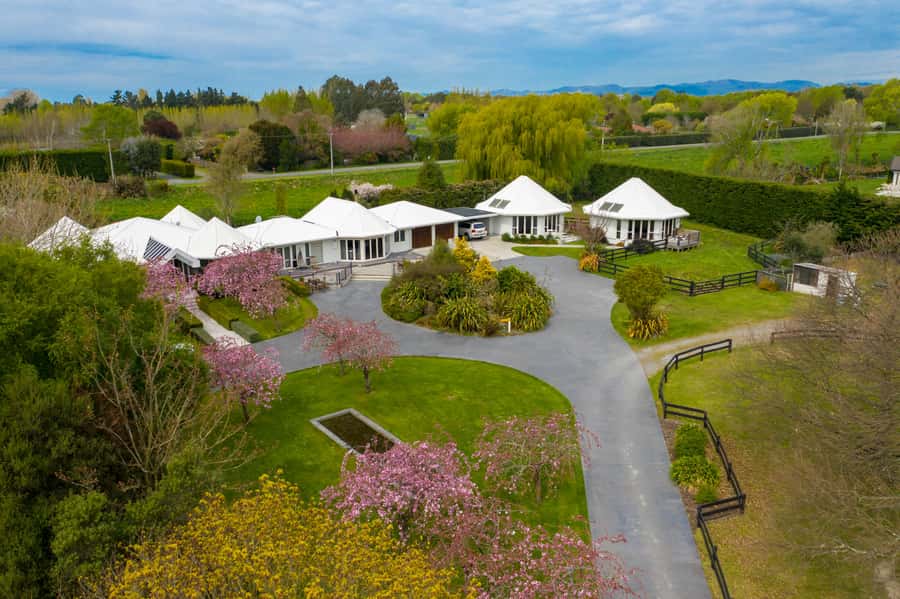
The farm is set in a garden environment with a river boundary. After the guided portion, you have time to explore the lawns and gardens or spend more time near the alpacas.
This unhurried period is a useful part of the experience. Some animal attractions move you directly from one display to the next. Here, you can slow down, take extra photographs, and let children recover from the excitement of feeding the animals.
The grounds are not presented as a major botanical attraction, so you should not come expecting a formal garden tour. Their value is in the setting: open lawns, garden space, and a river edge that make the farm feel more spacious than a basic paddock visit.
The farm also welcomes you to stay longer than the formal 90-minute tour. That flexibility is especially helpful if your group moves at different speeds. You can finish the commentary, browse the shop, and still have time to walk around without feeling that your ticket ends the moment the guide does.
The shop and trophy room
The final indoor stop is the alpaca shop and trophy room. The trophy room adds another look at the farm’s breeding achievements and prize-winning animals, while the shop gives you the chance to buy alpaca-fibre products.
Shop purchases are not included in the $23 admission, so budget separately if you want a souvenir. The advantage is that you can first feel the raw fleece, learn about its qualities, and then decide if a finished product is worth the price.
This is a better shopping setup than a generic gift counter because the goods are tied directly to the farm’s own animals. You can ask questions about the fibre and see the connection between the animals, the fleeces, and the products.
There is no morning tea, afternoon tea, or lunch included. Plan to eat before or after the tour, particularly if you book the 10am or 2pm departure and are travelling with children. The available facilities include toilets, and free Wi-Fi is also provided.
What the $23 admission really covers
At $23 per person, Silverstream offers solid value for a 90-minute visit. Your fee covers the entrance ticket, an escorted tour, owner commentary, food for the alpacas, parking, Wi-Fi, and toilet use.
The strongest value comes from the access. You are not paying only to look at animals. You receive a guided explanation, direct contact, a fibre-shed visit, time in the gardens, and access to the shop and trophy room.
Families should find the price easy to justify because the visit includes several kinds of activity: listening, feeding, touching, photographing, walking, and browsing. The hands-on parts also make it more engaging for children than a talk-only farm visit.
There are still extra costs to remember. City or airport transport is not included, and neither are meals or shop purchases. If you do not have a car, the bus to Kaiapoi plus the walk to the farm will require extra planning. The tour is wheelchair accessible, but the supplied information does not describe the exact surfaces or route in detail, so it is sensible to confirm any specific mobility needs before booking.
Who will enjoy Silverstream most
I would recommend this experience most strongly to families, animal lovers, first-time alpaca visitors, and anyone looking for a short outing from Christchurch. The combination of feeding and photographs gives children a clear focus, while the fibre shed and farming story give adults something more to think about.
It also suits airline staff and people with a spare morning or afternoon near Christchurch, as the farm is close to the city and the visit lasts only 90 minutes. You can make it a compact stop rather than a full-day commitment.
The tour may be less suitable if you dislike close contact with animals, need a fully indoor activity, or have a medical condition that makes walking or outdoor conditions difficult. The activity lists people with pre-existing medical conditions and those over 95 as unsuitable, so check the requirements carefully if that applies to you.
You should also skip high heels, open shoes, and loose plans for a spotless outfit. Alpaca feeding is a farm activity, not a polished theatre performance. Comfortable shoes and practical clothing will make the visit easier.
Weather, timing, and practical tips
Tours operate in rain or shine. Umbrellas and gumboots can be supplied, but I would bring a hat and wear layers so you are comfortable if the temperature changes.
Book the 10am, 2pm, or 4pm departure according to your wider day. The 10am tour leaves plenty of time for other Christchurch activities afterward. The 2pm option works well after a morning in the city, while the 4pm departure suits a later start, though you should allow enough daylight and time for your onward plans.
Bring a camera, even if your phone is your usual choice. The animals are close enough for portraits, and the garden setting gives you more than one background. Wear closed-toe walking shoes, and remember that pets are not allowed.
Smoking, alcohol, drugs, drones, speakers, chewing gum, skateboards, skates, and sharp objects are not permitted. These rules are practical for an animal farm and help keep the setting safe and calm.
Free cancellation is available up to 24 hours before the tour for a full refund, and you can reserve now and pay later. Those options are useful if your Christchurch schedule depends on weather or changing transport plans.
Should you book Silverstream Alpaca Stud?
Book it if you want a personal, family-friendly farm visit with real animal contact rather than a large commercial attraction. The strongest reasons are the close feeding session, the owner-led stories from Kit and Cheryl, the chance to feel show-winning fleece, and the freedom to remain on the farm after the guided portion.
At $23, it is a good-value choice for a short outing, especially if you have your own transport. Just plan for weather, bring closed shoes, and remember that lunch, city transfers, and purchases from the shop are extra.
I would not choose it as your main activity if you need a fully indoor experience or want a long, elaborate tour. For a relaxed 90-minute visit near Christchurch, though, Silverstream gives you a pleasant mix of animals, farming, fibre, and gardens, with enough personal contact to make the outing memorable.
FAQ
How long does the Silverstream Alpaca Farm Tour last?
The tour duration is 90 minutes. After the formal tour, you are welcome to spend more time with the alpacas or walk around the farm at your own pace.
How much does the tour cost?
The listed price is $23 per person.
Where does the tour meet?
The meeting point is Silverstream Alpaca Stud at 68 Moodys Road. Report to reception, follow the reception sign, and knock on the door to be welcomed inside.
What time do tours operate?
Tours operate daily except Christmas Day at 10am, 2pm, and 4pm. You should check availability for your preferred time.
Is food for the alpacas included?
Yes. Food for feeding the alpacas is included in the admission price.
Can I hold a baby alpaca?
You may be able to hold babies when they are in season. This is not available on every visit.
Is the farm accessible by public transport?
There is bus transport from Christchurch city centre to Kaiapoi, about 20 kilometres away. From Kaiapoi, the farm is a short walk. Transport from Christchurch or the airport is not included.
What should I wear and bring?
Bring comfortable closed-toe walking shoes, a hat, and a camera. High heels, sandals, flip flops, open-toed shoes, and bare feet are not allowed. The farm operates in all weather and can supply umbrellas and gumboots.
Just added in Canterbury
- Helicopter trial Flight. Have a go at being the pilot★ 5.0 · 1 review
- Merino Farm Experience★ 5.0 · 3 reviews
- Christchurch Alpaca Farm Tour From Kaiapoi★ 5.0 · 2 reviews
- Oasis Cottage Gardens and Floristry Studio in Oxford, NZ★ 5.0 · 1 review
- Canterbury Helicopter Scenic Flight with Hilltop Landing★ 5.0 · 1 review
- Lyttelton Shore Excursion – Guided Walking Tour and Picnic★ 5.0 · 57 reviews
- North Canterbury Helicopter Winery lunch★ 5.0 · 1 review
- Arthurs Pass and Southern Alps Day Excursion from Port Lyttelton or Christchurch★ 5.0 · 1 review
Farms, compared.

Queenstown Lake Cruise and Walter Peak Farm Tour
Read our review →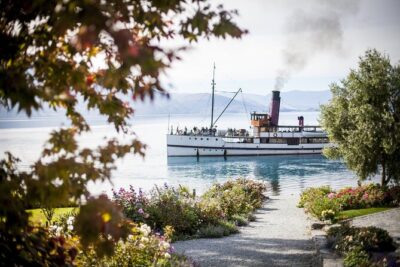
Dinner at Walter Peak High Country Farm and Cruise from Queenstown
Read our review →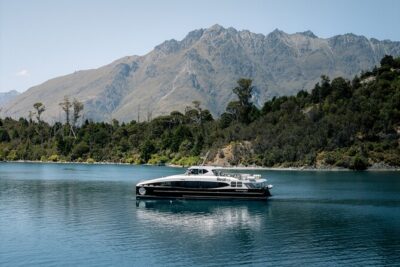
Queenstown Lake Cruise and Walter Peak Farm Adventure
Read our review →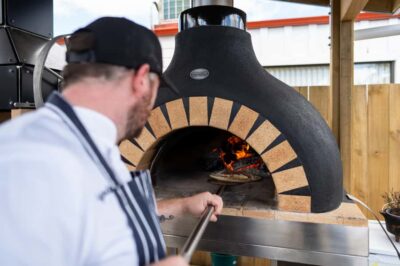
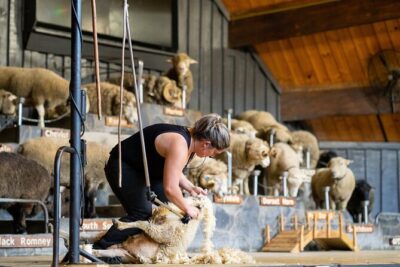
Agrodome Farm Experience including Farm Show and Farm Tour – Rotorua
Read our review →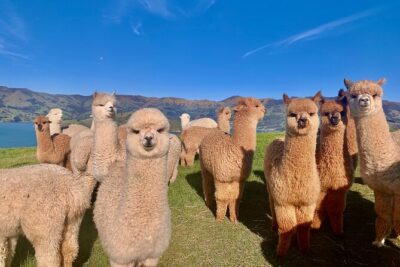
Sheep Farm Day Trip from Christchurch + Lunch and Winery visit.
Read our review →Browse the lists this tour appears in