
REVIEW · MOUNT COOK TOURS
Skydive Mt. Cook – 45+ Seconds of Freefall from 13,000ft
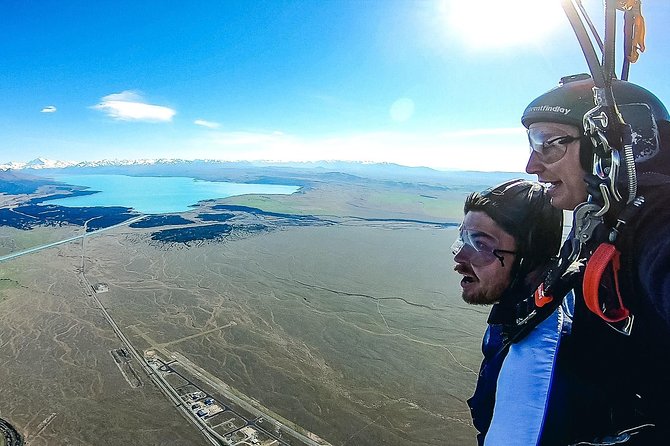
The mountains make a serious case for courage. From Pukaki, Skydive Mt Cook gives you more than a thrill: you get snow-capped peaks, glaciers, lakes, and views toward Aoraki/Mt Cook National Park from 13,000 feet. I like the long 45-plus seconds of freefall, and I like that the small operation takes weather and safety seriously. The main catch is simple: bad weather can cancel the jump, and the booking is non-refundable if you cancel for another reason.
This is a strong choice if you want a major South Island memory rather than a quick amusement-park rush. The listed price is $266.23 per person, which is a substantial spend, but the setting gives it real value. You should also check the weight rules before booking, since a surcharge applies at 100kg and jumps above 115kg are not available under the stated policy.
In This Review
- Key points to know before your jump
- Why Pukaki is the right place for a first jump
- The two-hour plan, from arrival to landing
- What the 13,000-foot jump really offers
- The scenery below your feet
- A small operation with a serious safety culture
- Price and what you get for $266.23
- Who will enjoy this most
- Cancellation, weather, and itinerary planning
- How to decide if the jump is worth it
- Should you book Skydive Mt Cook?
- FAQ
- Where does Skydive Mt Cook start?
- Where does the activity finish?
- How long does the activity take?
- How high is the jump?
- How long is the freefall?
- What scenery can I see?
- Is there a weight limit?
- Are there weight surcharges?
- What happens if bad weather cancels the jump?
Key points to know before your jump
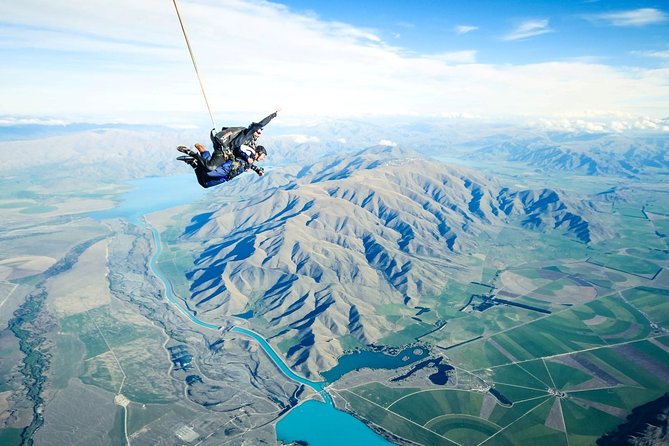
- 13,000-foot exit altitude: You get more than 45 seconds of freefall before the parachute opens.
- Pukaki Airport meeting point: The activity starts and ends at Skydive Mount Cook, 2 Swallow Drive, Pukaki Airport, Pukaki, Twizel 7999.
- Aoraki/Mt Cook scenery: Expect views of snow-capped mountains, glaciers, lakes, and Aoraki/Mt Cook National Park.
- Small group size: The maximum is nine people, which should make the operation feel more focused than a large commercial setup.
- Weather controls the schedule: The jump requires suitable conditions, and the team may delay or postpone it for safety.
- Weight rules matter: People from 100kg to 110kg pay a $40 surcharge, those from 111kg to 115kg pay $60, and approval remains subject to assessment and harness fitting.
Why Pukaki is the right place for a first jump
Pukaki gives this jump its real character. The area is part of the South Island’s high-country setting, where the scenery is defined by wide lakes, ice-covered peaks, and the Aoraki/Mt Cook region. You are not simply looking down at fields and roads. The view is the reason to choose this particular jump.
From the air, New Zealand’s mountains should feel close and dramatic, especially around Aoraki/Mt Cook National Park. The exact view can depend on weather and your position in the aircraft, so you should not expect every landmark to appear perfectly framed. Still, the setting gives you a much stronger sense of place than a jump near a city or flat farmland.
I also like the fact that the activity uses Pukaki Airport as its base. That makes the meeting point clear, and the same location serves as the end point. You will not need to arrange a separate transfer after landing.
More Mount Cook trips:
- Mount Cook: Scenic Helicopter Flight with Alpine Landing
★ 4.8 · 442 reviews - Mt Cook Small Group Scenic Day Tour from Queenstown
★ 5.0 · 407 reviews - From Christchurch: Mount Cook & Lake Tekapo Day Tour & Lunch
★ 4.6 · 405 reviews
The two-hour plan, from arrival to landing
The full activity takes about two hours. That does not mean two hours in freefall, of course. Most of the time covers arrival, preparation, the aircraft ride, the jump itself, and the return to the airport.
You begin at Skydive Mount Cook, at 2 Swallow Drive inside Pukaki Airport. Your confirmation is issued when you book, and the activity uses a mobile ticket, so keeping the booking available on your phone should be practical.
The start of the visit is likely to feel more procedural than scenic. You need to check in, complete the required preparation, and be fitted with the equipment. That is a good thing here. A tandem jump should never be rushed just to keep a timetable moving.
The aircraft portion gives you time to look out across the South Island before the freefall. At 13,000 feet, the altitude is a major part of the appeal. You get enough height for more than 45 seconds of freefall, giving you more time in the air than a lower-altitude jump.
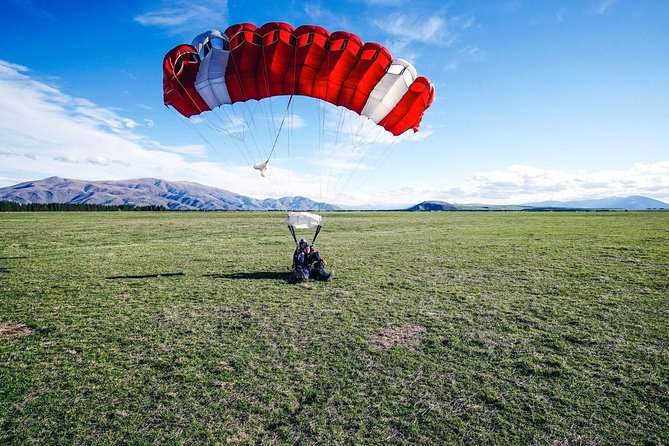
Once the parachute opens, the character changes. The first part is about speed and sensation. The parachute phase gives you a calmer chance to take in the mountains, glaciers, and lakes below. The exact balance between looking around and simply processing what just happened will depend on how comfortable you feel in the air.
After landing, you return to the same meeting point. That simple end point is useful if you are planning the jump between other South Island stops.
What the 13,000-foot jump really offers
A high-altitude jump is not just a larger number on the brochure. It gives you a longer freefall, and 45-plus seconds is enough for the sensation to develop rather than end almost at once.
If you are nervous, the length may sound intimidating. In practice, it also means the jump is not over before you have had time to take in what is happening. The team works with you through the process, and the strongest praise attached to this operation focuses on how it handles nervous people.
The staff also treat safety as a real operating rule, not a slogan. If conditions are not suitable, they may delay or postpone the flight. That can be frustrating if you have built your day around the jump, but it is exactly the approach you want from a company sending people out of an aircraft.
You should arrive with a flexible attitude. A weather delay could affect later plans, especially if you have a long drive to another town or a fixed evening booking. The safest way to fit this activity into a South Island itinerary is to avoid placing an important connection immediately afterward.
The scenery below your feet
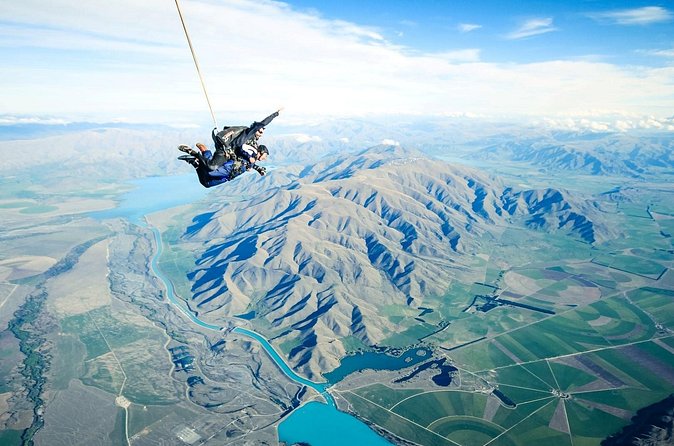
The view is the main reason I would choose this jump over a more ordinary location. You may see the white shapes of glaciers, the broad surface of the lakes, and the higher peaks around Aoraki/Mt Cook National Park.
The scenery also gives the activity a sense of place. You are not performing a generic stunt that could happen anywhere. You are above one of New Zealand’s most recognizable mountain regions, with the South Island’s scale spread out below you.
The weather remains the wild card. Clear conditions should give you the strongest visual reward, while cloud can reduce what you see. The company cannot control that, which is why a weather-based postponement or cancellation is part of the practical reality.
I would choose a day when the jump is important but not the only reason for being in the area. That way, a delay does not ruin your entire visit. Pukaki and the wider Aoraki/Mt Cook region already offer a strong reason to stay flexible.
More skydives in Mount Cook:
- Mount Cook: Tandem Skydive Experience
★ 4.6 · 66 reviews - Skydive Mt. Cook – 20+ Seconds of Freefall from 10,000ft
★ 5.0 · 5 reviews - Skydive Mt. Cook – 70+ Seconds of Freefall from 16,500ft
★ 5.0 · 5 reviews - Skydive Auckland
★ 5.0 · 1,516 reviews
A small operation with a serious safety culture
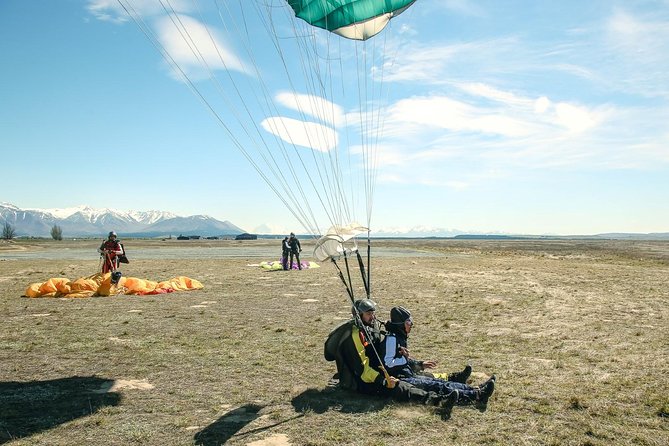
The maximum group size is nine people. That is small enough to make the day feel less like a mass-production attraction, at least on paper. It should also help the team keep track of the people taking part and maintain a more direct flow through the preparation process.
The most useful staff detail is their balance of calm encouragement and strict safety judgment. The team is reported to put nervous jumpers at ease while still being willing to delay or postpone a flight when conditions require it.
That matters because a friendly tone is not enough. You want staff who can make you feel comfortable without pressuring you into the air. Here, the emphasis is on both reassurance and caution.
No guide names are provided, so I would not expect to select a particular instructor in advance. The important point is the operating attitude: listen closely during the preparation, ask questions if you are unsure, and accept a weather decision even if it disrupts your plans.
Price and what you get for $266.23
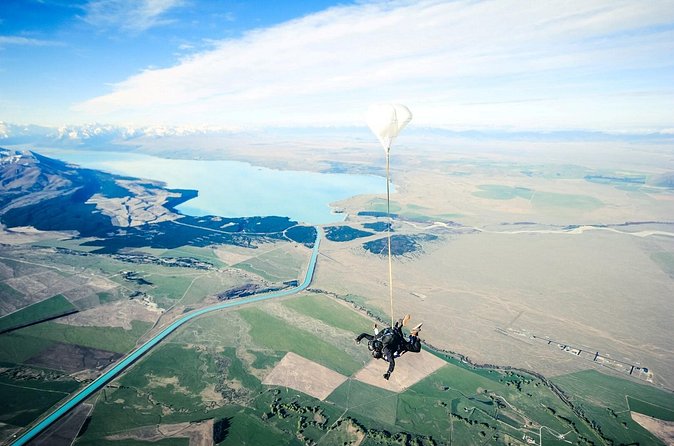
At $266.23 per person, this is not a casual add-on. You are paying for a tandem jump from 13,000 feet, more than 45 seconds of freefall, staff support, equipment, and access to one of the South Island’s most striking mountain settings.
The value depends on what you want from the day. If your goal is simply to try freefall as cheaply as possible, a different location may offer a lower price. If you want the jump to be tied to Aoraki/Mt Cook scenery, this setting helps justify the cost.
The small group limit adds to the appeal, since you are not signing up for a huge crowd-based attraction. Still, check what is included in the price before you commit if photographs, video, or other extras matter to you. Those items are not specified in the available details, so I would not assume they are included.
There is also a weight-related cost to plan for. At 100kg to 110kg, the surcharge is $40. At 111kg to 115kg, it is $60. The surcharge does not guarantee a jump, since people in that range remain subject to a tandem master’s assessment and a harness fitting on the day.
Who will enjoy this most
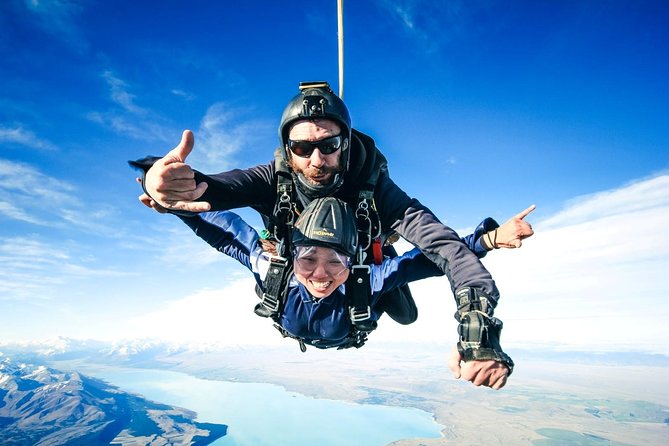
This suits you if you want a high-adrenaline activity with a strong visual payoff. It is especially appealing if Aoraki/Mt Cook is already part of your South Island route and you would rather make one big memory than collect several small activities.
It may also suit a nervous first-timer who wants a team that takes reassurance seriously. You should still be comfortable accepting that the weather may change your plans. Nervousness is understandable, but the decision to book should be yours, not the result of pressure from friends.
The activity may not suit you if you need a guaranteed departure time or a fully refundable booking. It is also a poor fit if you are near or above the weight limit and do not want the uncertainty of an assessment and harness fitting.
Most people can participate, and service animals are allowed. The meeting point is near public transportation, which may help if you are not driving, though the supplied details do not specify routes or schedules.
Cancellation, weather, and itinerary planning
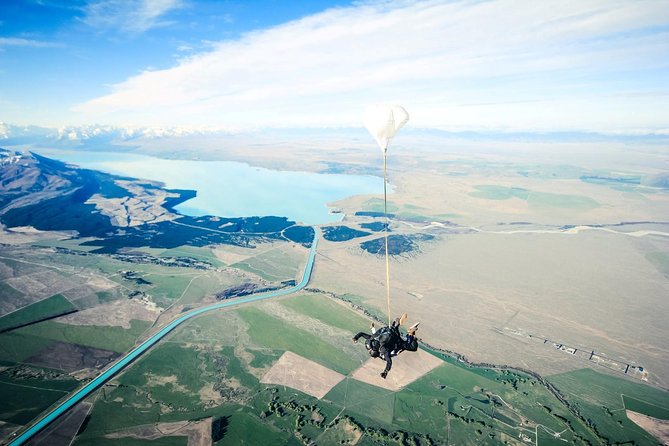
The booking is non-refundable and cannot be changed for any reason if you cancel or request an amendment. That is the biggest financial risk, so I would avoid booking until you are confident about your South Island schedule.
The weather rule is different. If the company cancels because conditions are poor, you will be offered another date or a full refund. This protects you from losing the whole payment because the weather makes the jump unsafe.
The practical distinction is important. A company cancellation for poor weather can lead to a new date or refund. Your own cancellation does not receive that same treatment.
Since the activity lasts about two hours, leave extra room around it. A weather check, preparation, and the jump itself can make the day less predictable than the headline duration suggests. Avoid scheduling a major onward journey immediately afterward.
How to decide if the jump is worth it
Ask yourself what you want the money to buy. If you want a short thrill with no particular connection to the surrounding area, the price may feel high. If you want a freefall above mountains, glaciers, lakes, and the Aoraki/Mt Cook region, the scenery changes the calculation.
I like the combination of a 13,000-foot exit, more than 45 seconds of freefall, and a small maximum group size. I also give the company credit for putting safety ahead of keeping every flight on time.
The drawbacks are clear rather than hidden: the booking is non-refundable, weather can interfere, and weight surcharges apply. Those points do not ruin the activity, but they should shape how you book it.
Should you book Skydive Mt Cook?
Book it if you want a major South Island thrill and can keep your schedule flexible. The mountain setting, long freefall, and careful approach to safety make this a strong pick for an adventurous visit to the Pukaki and Aoraki/Mt Cook area.
Skip it if the price is beyond your comfort zone, you need a fixed timetable, or you are unwilling to accept the cancellation terms. For everyone else, this offers a rare chance to pair a serious adrenaline rush with some of New Zealand’s most powerful scenery.
FAQ
Where does Skydive Mt Cook start?
The activity starts at Skydive Mount Cook, 2 Swallow Drive, Pukaki Airport, Pukaki, Twizel 7999, New Zealand.
Where does the activity finish?
It ends back at the same meeting point at Skydive Mount Cook.
How long does the activity take?
The full activity takes approximately two hours.
How high is the jump?
The jump takes place from 13,000 feet.
How long is the freefall?
You receive more than 45 seconds of freefall.
What scenery can I see?
The views include snow-capped mountains, glaciers, lakes, and Aoraki/Mt Cook National Park.
Is there a weight limit?
Yes. People weighing 100kg to 115kg may be able to jump, subject to assessment by a tandem master and a harness fitting on the day. The stated limit is 115kg.
Are there weight surcharges?
Yes. The surcharge is $40 for people weighing between 100kg and 110kg, and $60 for people weighing between 111kg and 115kg.
What happens if bad weather cancels the jump?
If poor weather causes the company to cancel the activity, you will be offered a different date or a full refund.
Just added in Mount Cook
- Queenstown to Mt Cook Small Group Tour (One-Way)★ 5.0 · 25 reviews
- Queenstown to Christchurch via Mt Cook (1 way) (Small Group)★ 5.0 · 6 reviews
- Queenstown to Lake Tekapo via Mt Cook One-Way Small Group Tour★ 4.5 · 13 reviews
- Queenstown to Christchurch One-Way Tour via Mt Cook & Lake Tekapo★ 4.5 · 134 reviews
- Mount Cook Day Tour from Queenstown★ 4.0 · 63 reviews
- Queenstown to Christchurch One Way Tour Via Lake Tekapo & Mt Cook★ 5.0 · 10 reviews
- Mount Cook Tour: Finish at Queenstown, Christchurch or Dunedin★ 5.0 · 3 reviews
- Mount Cook & Lake Tekapo the Ultimate combo from Queenstown★ 5.0 · 3 reviews
Mount Cook Tours, compared.
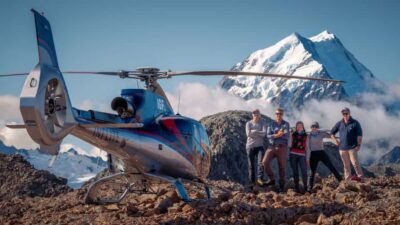
Mount Cook: Scenic Helicopter Flight with Alpine Landing
Read our review →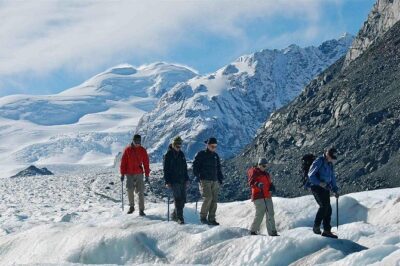
Mt Cook Small Group Scenic Day Tour from Queenstown
Read our review →
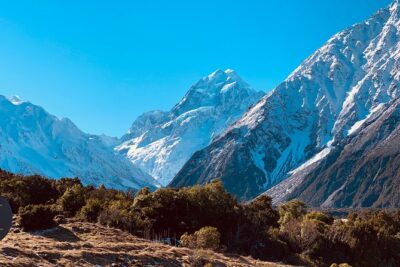
Mount Cook, Lake Tekapo and Tasman Glacier Tour from Christchurch
Read our review →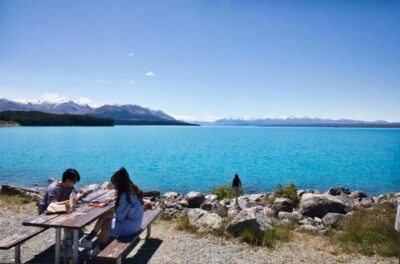
Tekapo Shuttle: Mt Cook Day Tour via Pukaki & Tasman Lake
Read our review →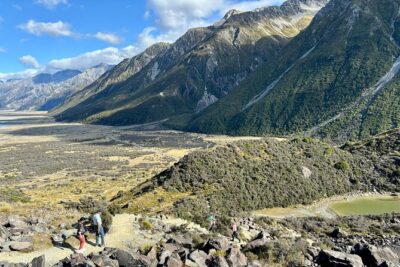
Mt Cook & Tasman Glacier lookout Small Group Tour from Queenstown
Read our review →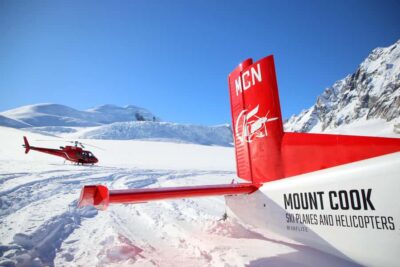
Mount Cook: Ski Plane and Helicopter Glacier Combo Flight
Read our review →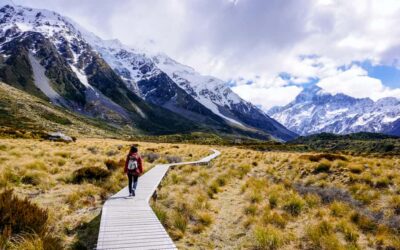
Browse the lists this tour appears in