
REVIEW · WILDLIFE
Small Group Daytime 2-Hour Eco Wildlife Tour at Zealandia
The birds are the real welcome committee. This two-hour walk through Zealandia gives you a close look at New Zealand wildlife, while an expert guide explains why this fenced sanctuary matters. I especially like the chance to hear and identify birds such as tūī, bellbirds, kākā, and saddlebacks, and I like that the entry fee is included in the $43.44 price. The main consideration is access: the tour requires moderate fitness, and a group moving at the pace of a mobility scooter may not reach every track.
This is a small-group outing with no more than 12 people, so you can ask questions and stop for photographs without feeling lost in a crowd. Guides such as Manuela, Ruth, Oliver, Matt, Don, Roy, and Gill have been praised for their passion and clear explanations. Allow extra time before or after the walk if you want to explore at your own pace, visit the cafe, or follow more of the sanctuary’s trails.
In This Review
- Key points to know before you book
- Why Zealandia feels different from an ordinary city attraction
- Starting at the Visitor Centre
- Walking the forest and wetland tracks
- The birds you may hear before you see
- Tuatara, geckos, and the luck factor
- Why the small group matters
- Is $43.44 good value for two hours?
- Getting there and planning your visit
- Who will enjoy this Zealandia walk most?
- Cancellation and practical booking notes
- Should you book the Zealandia Eco Wildlife Tour?
- FAQ
- Where does the Zealandia Eco Wildlife Tour start?
- How long does the guided walk last?
- What animals might I see?
- Is admission to Zealandia included?
- Does the tour operate in bad weather?
- What fitness level is required?
Key points to know before you book
- A two-hour guided walk: Follow forest and wetland tracks with a guide who helps you see and hear wildlife you could easily miss alone.
- Rare New Zealand species: Look for kākā, kākāriki, tūī, tīeke, hihi, bellbirds, tuatara, and possibly the flightless takahē.
- Small groups of up to 12: The size suits questions, quiet bird listening, and a more personal pace.
- A conservation story built into the visit: Begin with an exhibition and short film before walking through the sanctuary.
- All-weather sightseeing: The tour runs in rain, wind, and fog, so proper outdoor clothing matters.
- Central Wellington access: Make your own way to 53 Waiapu Road in Karori, just outside the city center.
Why Zealandia feels different from an ordinary city attraction
Zealandia Te Māra a Tāne is not simply a park with a few bird enclosures. It is a fully fenced urban eco-sanctuary designed to protect native wildlife from introduced predators and restore a damaged ecosystem over a very long period. The sanctuary’s vision reaches 500 years, which gives the visit a useful sense of scale. You are not just ticking off bird names. You are seeing one stage of a huge conservation project.
That long view is one of the best parts of the experience for me. New Zealand’s native birds evolved with few land predators, and many struggled when new animals arrived. Zealandia’s fence and habitat work create a safer place for species that are difficult to find elsewhere. Your guide connects the birds, plants, wetlands, and conservation work, so the walk has a clear purpose.
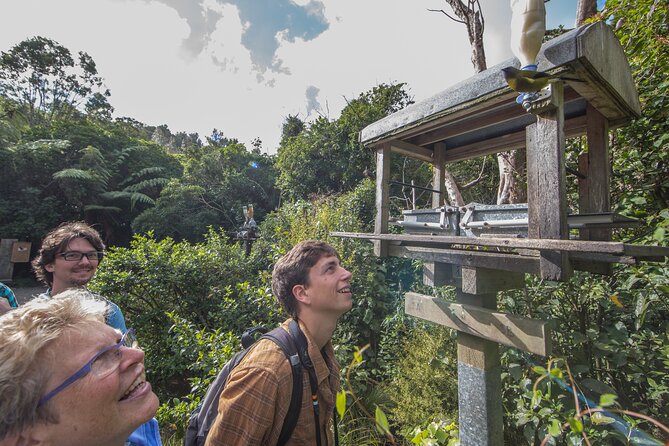
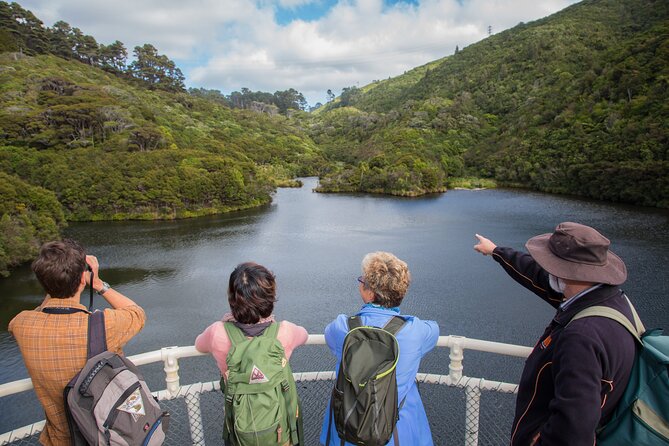
The setting also helps. Instead of viewing wildlife from a bus or a distant platform, you follow walking tracks through forest and wetland areas. You may pause at viewpoints and feeding stations, then stand quietly while your guide helps separate one bird call from another. That quiet listening is a memorable part of the tour. One visitor described standing still while the guide identified birds by sound, and that is exactly the sort of small moment that makes a guided walk worthwhile.
A few more to weigh up in Wellington
- Wellington: Wētā Workshop Guided Tour Ticket
★ 4.7 · 997 reviews - Wētā Workshop Experiences Tour – Wellington
★ 5.0 · 875 reviews - Wellington: Return Cable Car Ticket
★ 4.6 · 714 reviews
Starting at the Visitor Centre
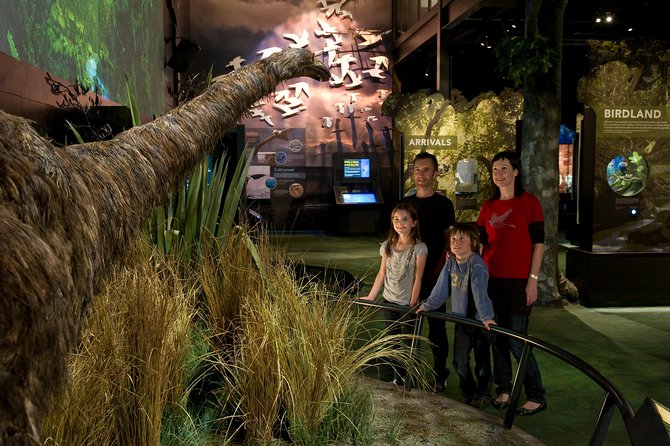
You meet your guide at the Zealandia Visitor Centre ticket desk. Plan to arrive 15 minutes before departure, since the tour begins with an introduction inside the center rather than heading straight outdoors.
The opening exhibition and short film explain the sanctuary’s purpose and conservation work. This is useful preparation. Without it, you might see a fence, a few tracks, and a collection of birds. With it, you understand why the fence matters and why restoring native habitat takes generations.
The introduction also gives you a chance to settle into the group. The maximum of 12 people is small enough for the guide to answer questions and keep everyone involved. It is especially useful for first-time visitors who do not know New Zealand bird calls or the difference between a native species and an introduced one.
Do not expect a formal lecture that keeps you indoors for a long time. The main part of the experience is outside, walking the sanctuary’s trails. Still, the film and exhibition give the outing a proper beginning and make the sightings more meaningful.
Walking the forest and wetland tracks
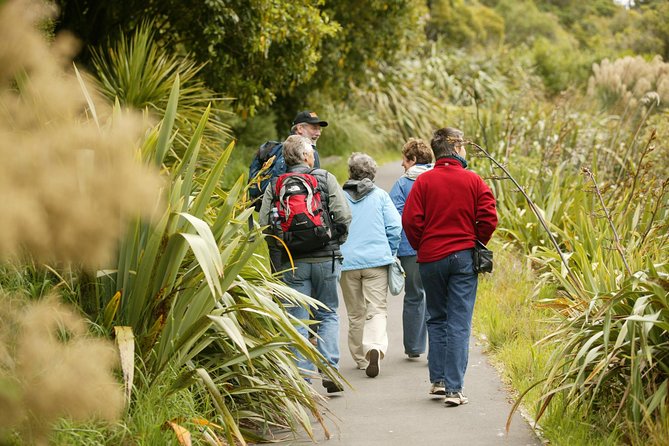
Once outside, your guide leads you along a variety of tracks and trails. The exact route can vary, since wildlife does not follow a fixed schedule and conditions may affect where the group goes.
Expect a gentle nature walk rather than a fast hike. You will stop at viewpoints, feeding stations, and places where birds can be seen or heard. The guide may point out plants, explain the sanctuary’s history, or share stories about the animals protected here.
The pace is one of the tour’s strengths. You are not being rushed from one photo stop to the next. Guides have allowed time for photographs and questions, and several named guides have been praised for bringing real enthusiasm to the subject. Don, for example, was singled out for his strong interest in native birds, while Ruth was praised for explaining the plants and animals with obvious care.
You should still be ready to walk for two hours. The activity information calls for moderate physical fitness, and the tour operates in all weather. Wear shoes suitable for tracks and bring clothing for rain, wind, or cooler conditions. Wellington weather can change quickly, and a damp morning does not mean a poor wildlife experience. Fog and drizzle have added atmosphere for some people, while guides kept the visit informative and enjoyable.
The birds you may hear before you see
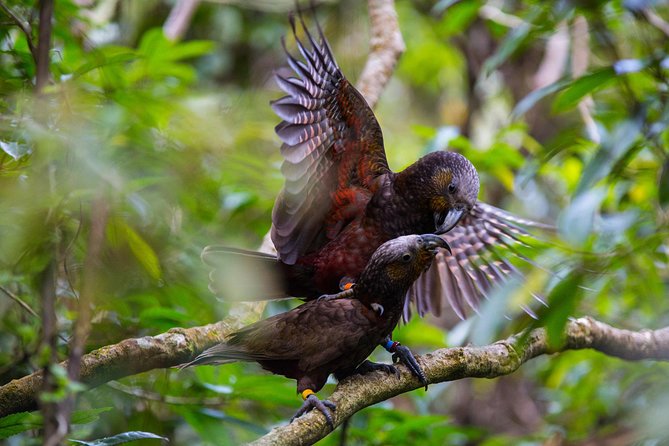
Birdwatching here is often an exercise in patience. You may hear a call first, then wait for movement among the trees. A guide makes a major difference because the average visitor may not know what to listen for.
Possible sightings include:
- Kākā, a native bush parrot with a strong presence and distinctive appearance
- Kākāriki, small green parakeets
- Tūī, known for their calls and white throat feathers
- Bellbirds, whose ringing notes may be easier to hear than see
- Tīeke, also called the saddleback
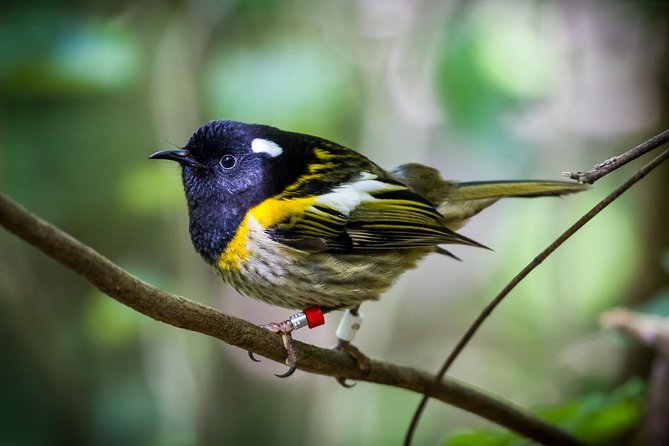
- Hihi, a rare native songbird
- Takahē, a large, flightless bird that remains an especially fortunate sighting
The sanctuary is also home to reptiles, including tuatara and green geckos. Seeing several tuatara is possible, but no wildlife encounter is guaranteed. That is an important point. Zealandia protects animals in a natural setting, so you should approach the walk as a chance to look and listen rather than a scheduled animal show.
The best reward may be learning the sounds. A self-guided visit can be peaceful, but a guide helps you understand what is calling from the trees. If you have only a short time in Wellington, that added interpretation gives you more from each minute.
A completely different sort of day out:
- Half Day Tour of Wellington
★ 4.5 · 638 reviews - Wellington: Guided City Tour with Cable Car Ticket
★ 4.8 · 553 reviews - Wellington’s Original LOTR Experience – includes Weta and Lunch
★ 5.0 · 529 reviews - Kapiti Island Classic Guided Day Tour
★ 5.0 · 522 reviews
Tuatara, geckos, and the luck factor
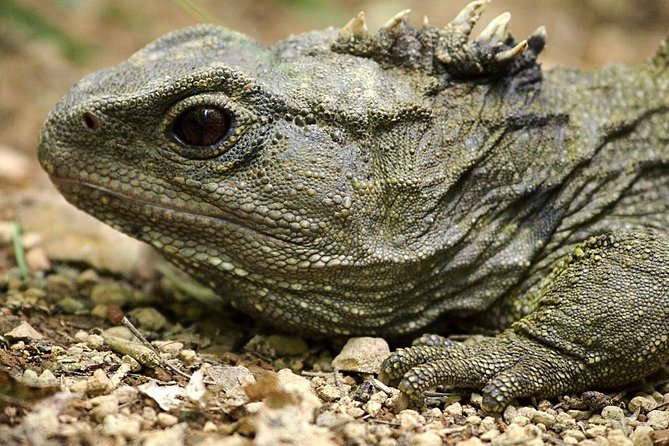
New Zealand’s reptiles are easy to overlook, especially when you are focused on birds overhead. Your guide may direct your attention toward a path edge, tree trunk, or sheltered area where a green gecko or tuatara is resting.
Tuatara are one of the sanctuary’s most exciting possible sightings. One account described seeing many of them, while another visitor’s main pleasure came from the chance to observe native life in protected habitat. Those different experiences point to the right expectation: wildlife encounters can vary, but the sanctuary itself remains worthwhile.
You may also learn how Zealandia’s predator control supports animals that cannot safely live in many other places. The guide’s role is not just to point at wildlife. It is to explain the connection between protection, habitat restoration, and the return of native species.
Why the small group matters
A group of 12 or fewer is a good compromise. You get the structure and interpretation of a guided walk without the feel of a large coach excursion.
Small groups are particularly helpful for birdwatching. If one person spots movement or hears a call, the guide can bring the group together quietly. You also have a better chance to ask about a bird, plant, or conservation method without waiting through a long line of questions.
The group format has one possible downside. The pace and route must suit everyone. If one participant has serious mobility limitations, the guide may need to remain on tracks suitable for that person. A visitor who continued independently afterward found more of the sanctuary accessible without the group’s restrictions.
This does not mean the guided tour is unsuitable for everyone with mobility needs. The activity advises a moderate fitness level and asks anyone with a service animal to check before booking. If you use a mobility scooter or need a particular route, contact Zealandia first and ask what the current guided path includes. That simple step can prevent disappointment.
Is $43.44 good value for two hours?
At $43.44 per person, this is fairly priced if you want interpretation, not just admission. Your ticket includes entry and a professional guide, which matters at a sanctuary where much of the pleasure comes from identifying calls and understanding the conservation work.
A self-guided visit may suit you better if you prefer to set your own pace, stop for long periods, or explore every available track. But you will need to do more of the spotting and interpretation yourself. Several people found that the guided walk made the short visit more rewarding because the guide noticed wildlife they might have missed.
The value also depends on your interest. If you want a quick list of guaranteed animal sightings, no wildlife sanctuary can promise that. If you care about native birds, ecology, and practical conservation, two hours gives you a strong introduction without taking an entire day from your Wellington plans.
The cafe can be useful before or after the walk, and some people enjoyed its food. Do not rely on it for a particular drink or meal, though. One visit found the cafe had run out of coffee. Food, drinks, and lunch are not included in the tour price.
Getting there and planning your visit
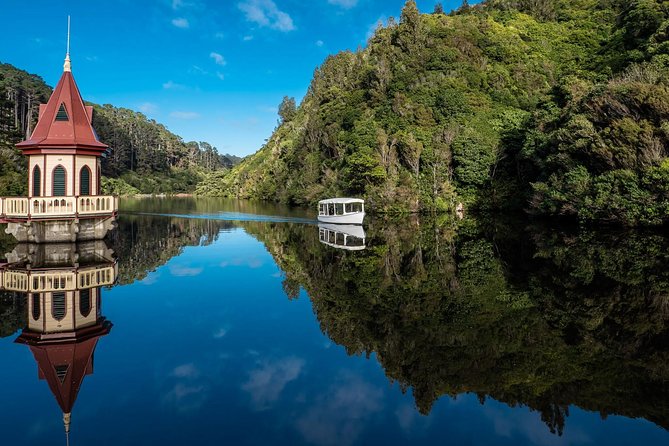
The meeting point is 53 Waiapu Road, Karori, Wellington 6012, at the Visitor Centre. Hotel pickup and drop-off are not included, so you must make your own way there. The sanctuary is near public transportation, but allow enough time to arrive 15 minutes early.
One useful timing detail comes from a morning visit: the free shuttle buses may not begin early enough for a 10 a.m. tour, while regular buses were available. Check your route and departure time before booking rather than assuming every shuttle service starts early.
The tour is offered in morning and afternoon time slots. A morning walk may give you a quieter start and leaves the rest of the day free. An afternoon departure can work well if you have other morning plans, but allow time for transport and check-in.
Photography is permitted. Bring a camera if you like, but do not let it take over. The most rewarding moments may be the ones when everyone stops, lowers the cameras, and listens.
Who will enjoy this Zealandia walk most?
I would recommend the tour to you if you:
- Have a strong interest in native New Zealand birds and reptiles
- Want a guided introduction rather than a completely independent visit
- Have only a few hours in Wellington
- Enjoy walking on outdoor tracks in changing weather
- Like conservation stories that explain how a place works
- Appreciate small groups and time for questions
Families can join, but children must be accompanied by an adult. The walk may also suit people who are curious about ecology but do not consider themselves birdwatchers. You do not need to arrive with specialist knowledge. The guide helps you know where to look and what you are hearing.
You may prefer to visit independently if you need a very specific route, want to move at your own pace, or have mobility requirements that could limit the group’s access. The guided walk can still be useful, but check the route in advance.
Cancellation and practical booking notes
You receive confirmation when you book, and free cancellation is available if you cancel at least 24 hours before the start time. Cancellations or changes made inside that 24-hour window are not accepted for a refund.
The tour runs in all weather, so dress for the forecast rather than hoping for perfect skies. Children need adult supervision, the maximum booking size is 12, and service animal entry should be confirmed before booking.
Should you book the Zealandia Eco Wildlife Tour?
Book it if you want Wellington nature explained, not just displayed. The guide-led format helps you hear bird calls, locate smaller wildlife, and understand the sanctuary’s 500-year conservation goal. The included entry fee and small group make the price reasonable, especially if you are visiting Wellington for a short time.
Skip the guided version if you need total freedom or a highly accessible route throughout. In that case, a self-guided visit may suit you better. For most visitors with moderate fitness and an interest in New Zealand’s native wildlife, this is one of the city’s most worthwhile two-hour outings.
FAQ
Where does the Zealandia Eco Wildlife Tour start?
The tour starts at the Zealandia Visitor Centre ticket desk, at 53 Waiapu Road, Karori, Wellington 6012, New Zealand.
How long does the guided walk last?
The experience lasts approximately two hours and ends back at the Visitor Centre.
What animals might I see?
You might see native birds including kākā, kākāriki, tūī, tīeke, hihi, bellbirds, and possibly takahē. Green geckos and tuatara may also be seen.
Is admission to Zealandia included?
Yes. Entrance fees are included, along with a professional tour guide.
Does the tour operate in bad weather?
Yes. The activity operates in all weather conditions, so you should dress appropriately for rain, wind, or cooler temperatures.
What fitness level is required?
A moderate level of physical fitness is recommended. Children must be accompanied by an adult, and you should ask about service animal entry before booking.
Just added in Wellington
- Te Awa Kairangi Grade 2 Scenic Duckie Tour★ 4.7 · 9 reviews
- Te Awa Kairangi Grade 2 Scenic Rafting Tour★ 4.8 · 10 reviews
- Remutaka Rail Trail eBike Shore Excursion for Cruise Ships★ 5.0 · 9 reviews
- Private Lord of the Rings Tour Wellington with Lunch★ 5.0 · 3 reviews
- Martinborough Winery and South Wairarapa Wild Coast Tour★ 4.8 · 21 reviews
- Chefs Private Martinborough wine tour with Gourmet Lunch★ 5.0 · 3 reviews
- From Wellington: Martinborough Wine Tasting Tour★ 4.4 · 3 reviews
- From Wellington: Kapiti Island Classic Guided Day Tour★ 5.0 · 4 reviews
Wildlife, compared.

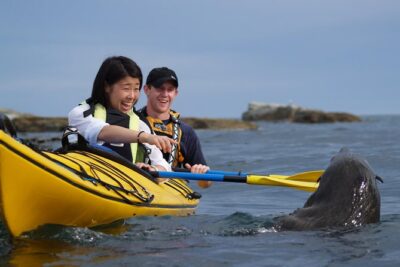
Clearwater Wildlife Tours (small group 10max) Otago Peninsula
Read our review →

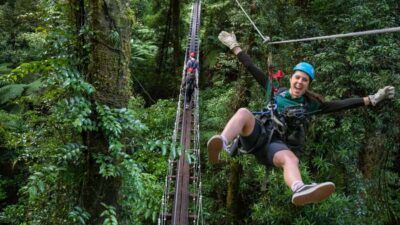
6 Ziplines, Swing-Bridges & Wildlife Encounters
Read our review →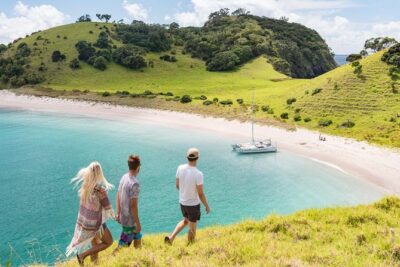
Island Hopper Day Cruise – sailing to wildlife sanctuary island – 6 hr cruise
Read our review →
Browse the lists this tour appears in