
REVIEW · SOUTHLAND TOURS
Stewart Island Wild Kiwi Experiences
Kiwi come out after dark. That makes this five-hour Stewart Island outing special: you cruise by catamaran at dusk, then walk through forest and along a beach with a guide searching for wild tokoeka, the southern brown kiwi. I like the mix of sea and bush wildlife, and I like that the guides add real insight into the birds and Rakiura’s natural setting. The main catch is simple: sightings are never guaranteed, and the two-hour walk can be muddy, uneven, and tiring.
I also appreciate the chance to see far more than kiwi. Past outings have included fur seals, albatross, Fiordland crested penguins, little blue penguins, and yellow-eyed penguins. But the nighttime search uses flashlights and can involve fairly large groups, which may feel at odds with the quiet conditions a shy kiwi needs.
In This Review
- Key points to know before booking
- Why Stewart Island is the right place for a kiwi search
- Starting at the ferry terminal
- The catamaran cruise adds more than transport
- Walking into the forest and toward the beach
- The Oneke culture option
- How good are the kiwi sightings?
- The flashlight question
- Wildlife beyond the kiwi
- What to wear and carry
- Is the $160.73 price fair?
- Who should book this evening?
- Booking, weather, and cancellation details
- Should you book the Stewart Island Wild Kiwi Experience?
- FAQ
- How long does the Stewart Island Wild Kiwi Experience last?
- Where does the experience start?
- Where does the experience finish?
- Is walking required?
- What level of fitness is needed?
- Are children allowed to join?
- Are hot drinks provided?
- What should I bring?
- What happens if bad weather cancels the tour?
Key points to know before booking
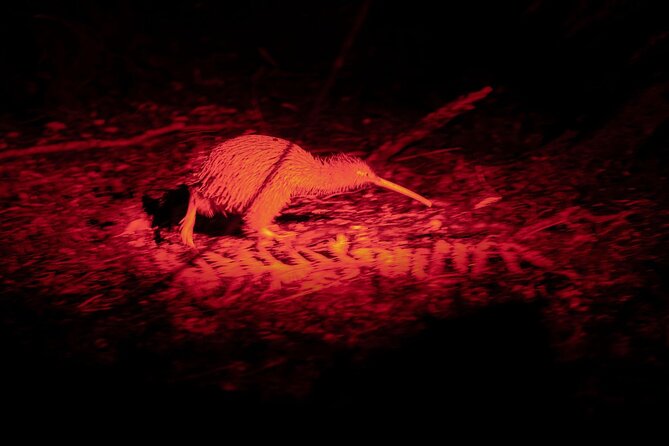
- Kiwi search after dark: Walk through forest and beach with a guide looking for the nocturnal tokoeka.
- Wildlife begins before the walk: The catamaran cruise may reveal seabirds, seals, penguins, and other marine life.
- About two hours on foot: Expect muddy or uneven tracks, so sturdy shoes and a moderate fitness level matter.
- Small maximum group: The stated maximum is 20 people, though the walk may be split into groups.
- Warm drinks are included: You still need warm clothing and insect repellent.
- Adults and older teens only: The experience is not suitable for children under 16.
Why Stewart Island is the right place for a kiwi search
Stewart Island, also called Rakiura, offers one of the better chances to see a kiwi in the wild. That distinction matters. In much of New Zealand, you usually meet kiwi in protected nighttime houses or conservation centers. Here, you search for a free-ranging bird in its own forest and shoreline habitat.
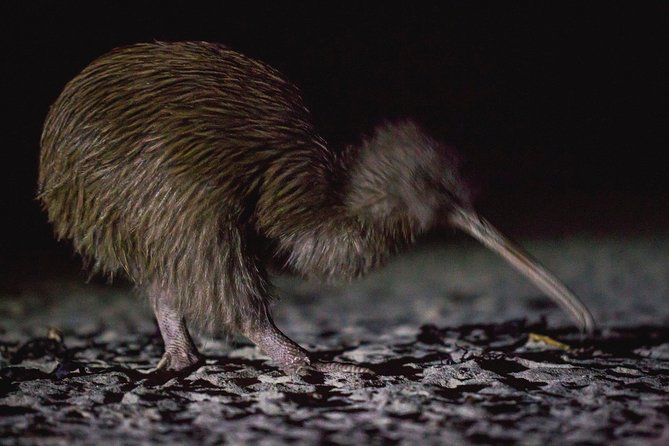
The bird you are looking for is the tokoeka, or southern brown kiwi. It is nocturnal, cautious, and easily affected by noise, movement, and light. You should arrive with the right mind-set: this is a wildlife search, not a guaranteed animal show.
That uncertainty is part of the appeal. A kiwi might walk across the track, appear at the edge of the bush, or stay out of sight. One outing has produced a close sighting only a few feet away. Another produced just the back of a kiwi. On some nights, no clear sighting happens at all.
I think the experience works best when you value the whole evening, not just a photograph. The dark forest, the hush of the beach, the cruise, and the chance of an encounter all form part of the experience. If your only goal is a guaranteed kiwi, you may find the price harder to justify.
A few more to weigh up in Southland
- Stewart Island: Wild Kiwi Experiences
★ 4.8 · 177 reviews - Stewart Island: Ulva Island Guided Wilderness Walk & Cruise
★ 4.5 · 165 reviews - Stewart Island: Village and Bays Tour
★ 4.8 · 141 reviews
Starting at the ferry terminal
Your evening begins at the Visitor Terminal for Stewart Island Experience in Southland Region 9818. Check-in takes about 20 minutes, and the activity ends back at the same meeting point.
This arrangement is useful because you do not need to arrange separate transport to an unfamiliar departure point. Still, give yourself enough time to arrive ready for an evening outdoors. You will want warm layers, sturdy footwear, and insect repellent before you leave the terminal.
The total experience lasts about five hours and 20 minutes, though the listed itinerary rounds the main activity to five hours. This is not a quick evening add-on. It occupies most of an evening, so plan your Stewart Island schedule around it rather than trying to squeeze in another major activity afterward.
The catamaran cruise adds more than transport
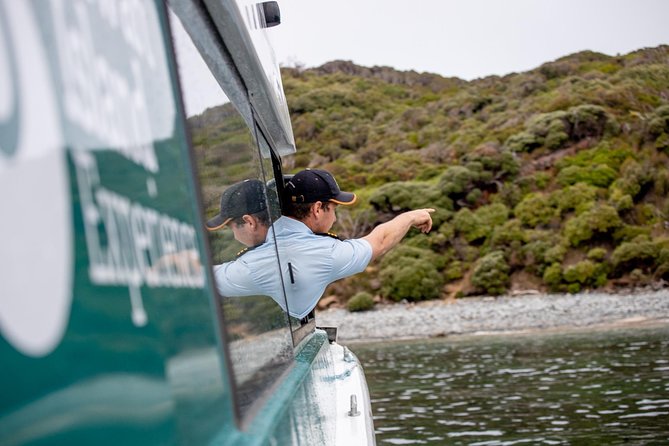
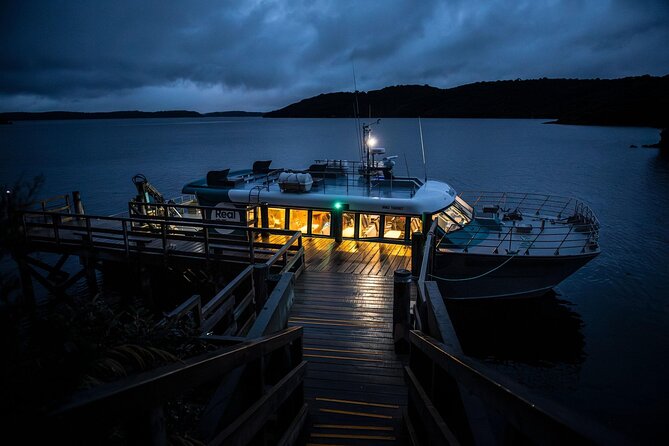
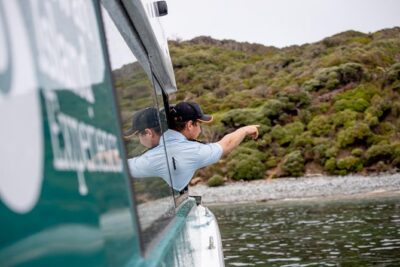
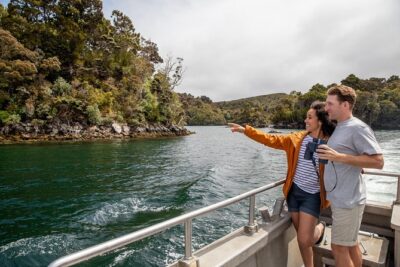
The first major part is a scenic catamaran cruise. You head out from the ferry terminal toward the kiwi-search area while watching for marine life and rare seabirds.
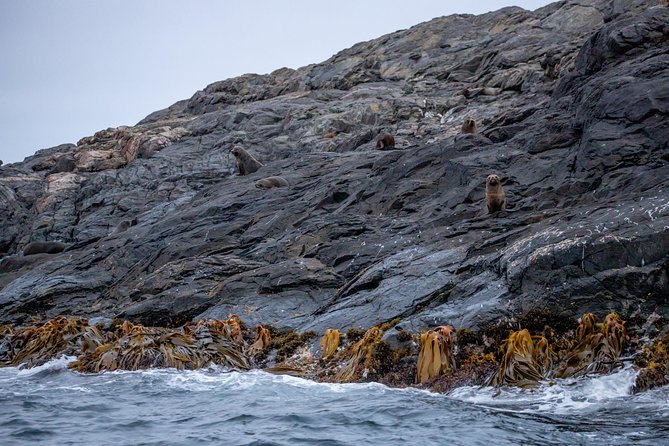
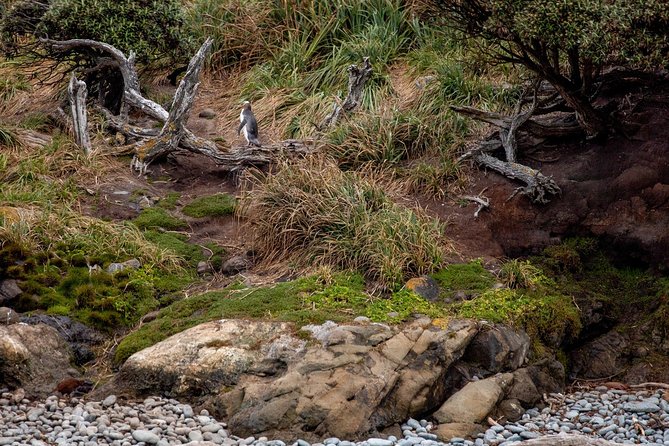
This is an important part of the value. Even if the kiwi stays hidden, your evening begins with active wildlife viewing rather than a long transfer in a vehicle. Sightings recorded on the trip have included fur seals, albatross, Fiordland crested penguins, little blue penguins, and yellow-eyed penguins.
You should keep expectations sensible. The cruise is not presented as a guaranteed wildlife safari, and conditions at sea can affect what you see. But it gives the outing a useful rhythm: open water and birds first, then forest and beach after sunset.
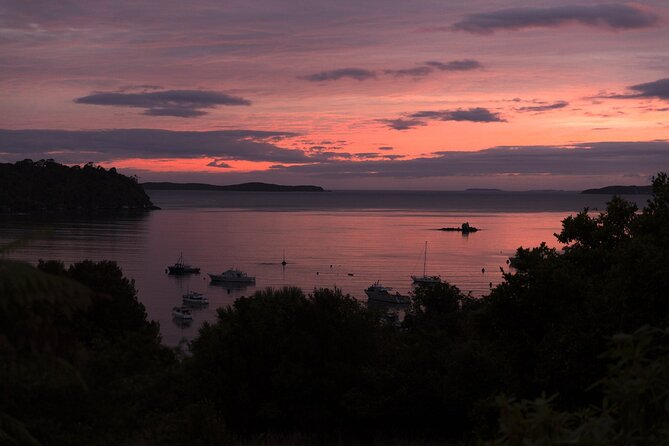
I like this change of setting. You move from watching the water and sky to listening for movement in the bush. It makes the evening feel like a real search rather than a single staged stop.
Walking into the forest and toward the beach
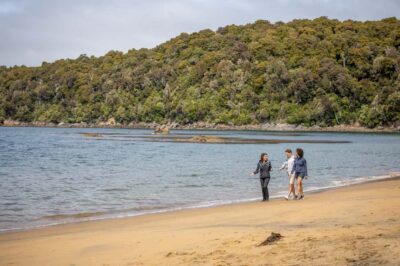
After the cruise, you continue on foot with a flashlight. The guided walk passes through forest and reaches a beach where kiwi are often spotted.
The walking portion takes about two hours, and that detail should shape your decision. You need a reasonable level of fitness and the ability to manage uneven or muddy tracks. This is not a flat boardwalk stroll. Wear shoes with good grip, and avoid anything you would worry about getting dirty.
The walk takes place in low light, so your pace may be slower than during a daytime hike. You may stop often, listen, and wait. That can be exciting, but it can also feel frustrating if you prefer a steady walk with constant commentary.
The guide helps make sense of the darkness. You learn about kiwi behavior, the birds’ place in the ecosystem, and Stewart Island’s environment while the group searches. Guides named Jan, Natasha, and Karen have been praised for their energy, clear explanations, and ability to keep the evening moving.
The best guides on this type of outing do more than point out animals. They help you understand why a sighting is rare and why patience matters. That educational side gives the evening value even when the birds keep their distance.
A completely different sort of day out:
- Milford Sound: Self-Guided Milford Track Day Walk
★ 4.5 · 114 reviews - Queenstown: Milford Sound Flight and Cruise
★ 4.8 · 111 reviews - Stewart Island: Village and Bays Tour
★ 5.0 · 100 reviews - Ulva Island Explorer from Stewart Island
★ 4.5 · 79 reviews
The Oneke culture option
One version of the outing is the Wild Kiwi and Culture Encounter at Oneke. This option adds stories about Māori and European heritage before the kiwi search.
That makes it a good choice if you want more than wildlife. The setting is not only a place to look for a bird. It also has human stories tied to it, and the cultural element gives the evening more context.
The experience finishes with a warm drink in a traditional whare. After walking outside in the cool night, that small comfort matters. It also gives you time to settle down after the search instead of stepping straight from the bush into the return journey.
The information provided describes both the Wild Kiwi Encounter and the Wild Kiwi and Culture Encounter at Oneke. Check which version you are booking so you know whether the cultural stories and whare stop are part of your outing.
How good are the kiwi sightings?
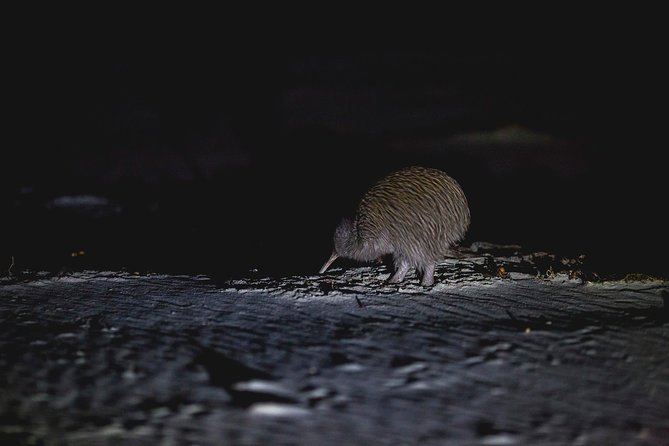
The honest answer is that the chance is strong enough to make the trip worthwhile, but not certain enough to promise a result. One evening produced several kiwi sightings at very close range. Another outing produced a partial sighting. Other evenings have ended without a satisfying view.
That range is normal for a wild nocturnal bird. A kiwi does not perform on a schedule, and the guide cannot control the weather, the birds, or the group’s luck.
You may see a kiwi walking along the ground, where it uses its long bill to search for food. You may see only a shape or movement in the dark. You might hear activity and never get a clear view. Bring patience rather than expecting a perfect photograph.
A close encounter can be one of the strongest wildlife moments in New Zealand. The fact that the bird is wild gives the sighting weight. At the same time, a less successful night can feel expensive if you judge the trip only by the number of kiwi seen.
The flashlight question
One point deserves a frank mention. Kiwi are sensitive to vibration, noise, and light. Some visitors have been uncomfortable with the use of standard flashlights without red filters, especially when the search group was divided into groups of about 11 people.
This does not mean every outing feels crowded or poorly managed. The stated maximum is 20 people, and guides lead the search. Still, you should understand the trade-off. A group setting makes the activity practical and helps keep you with an experienced guide, but it is not the same as a private, silent walk.
If you are especially concerned about light levels, ask the operator about current torch practices before booking. Follow the guide’s instructions closely, keep your voice low, and avoid using your own bright phone light. Those simple habits help protect the quality of the encounter for both you and the bird.
Wildlife beyond the kiwi
The kiwi is the headline, but the broader wildlife list gives the evening extra strength. The cruise has produced albatross and several penguin species, including little blue and yellow-eyed penguins. Fur seals add another memorable sighting.
These animals may appear at different points and are not guaranteed. Still, the combination is impressive for one half-day outing. You get marine life on the water, seabirds above it, and a land bird after dark.
That variety also reduces the risk of a completely empty wildlife experience. Even if the kiwi stays hidden, the cruise may give you something worthwhile to remember. I would still book this for the kiwi search first, then treat the other animals as a welcome bonus.
What to wear and carry
The practical advice here is worth following closely. Stewart Island evenings can feel cold, especially after sunset and near the water.
Bring:
- Warm layers that you can add or remove
- Sturdy shoes suitable for mud and uneven tracks
- Insect repellent
- Clothing you do not mind getting dirty
- A phone or camera, used without a bright light during the search
Hot drinks are provided, which is welcome after the walk. Do not mistake that for a substitute for warm clothing. The drink is a comfort at the end, not outdoor equipment.
Because the route includes forest and beach, footwear matters more than appearance. Smooth casual shoes could make the walk less comfortable and less secure.
Is the $160.73 price fair?
At $160.73 per person, this is not a cheap evening activity. I see the price as reasonable for someone who values guided wildlife viewing, the catamaran cruise, and the rare chance to see a wild kiwi.
You are paying for several parts at once: boat transport, a naturalist-led search, access to a place where kiwi are often spotted, interpretation about the birds and environment, and the possibility of additional marine wildlife. The cultural version adds heritage stories and a warm drink in a whare.
The value depends heavily on your expectations. If you see a kiwi a few feet away, the price may feel like a highlight of your New Zealand visit. If you see only the bird’s back, or no kiwi at all, the cost may feel high.
I would compare it with the price of other guided wildlife activities, not with a simple evening walk. This is a specialist experience in a remote setting, and the guide’s knowledge and logistics are important. Still, the operator cannot sell you a guaranteed sighting, so the natural uncertainty should be part of your buying decision.
Who should book this evening?
This outing suits you if you enjoy wildlife, can walk for about two hours, and are comfortable being outside at night. It is especially good for adults and older teens who want a more active experience than a standard sightseeing cruise.
I would recommend it to anyone who considers a wild kiwi sighting a major New Zealand goal. The cruise and other wildlife help make the evening worthwhile, while the guide adds meaning to what you see.
It may not suit you if you have limited mobility, dislike muddy tracks, or need a guaranteed result. It is also not suitable for children under 16. The group format may disappoint you if you want a quiet private encounter with minimal light and noise.
The activity requires moderate fitness. That phrase should be taken seriously, but it does not suggest a technical hike. The main issue is the length of the walk, the uneven ground, and moving around in darkness.
Booking, weather, and cancellation details
You receive confirmation at the time of booking. Free cancellation is available if you cancel at least 24 hours before the start time. Changes or cancellations made inside that 24-hour window are not accepted for a refund.
The experience depends on suitable weather. If poor weather causes cancellation, you are offered another date or a full refund. Keep that policy in mind when arranging your Stewart Island plans, especially if your schedule is tight.
The activity returns to the original meeting point, which keeps the evening simple from a planning point of view. The maximum group size is 20 people, though the actual walking group may be divided.
Should you book the Stewart Island Wild Kiwi Experience?
Book it if you want a real chance to see a wild tokoeka and you enjoy the search itself. The catamaran cruise, strong record of wildlife sightings, capable guides, and cultural option give the evening more substance than a single animal hunt.
Go in prepared for cold weather, a muddy two-hour walk, and the possibility of no close kiwi sighting. If you can accept those conditions, this is one of Stewart Island’s most memorable ways to meet New Zealand wildlife after dark.
FAQ
How long does the Stewart Island Wild Kiwi Experience last?
The evening experience lasts approximately five hours and 20 minutes. The main itinerary is listed as about five hours.
Where does the experience start?
You check in at the Visitor Terminal for Stewart Island Experience in Southland Region 9818, New Zealand.
Where does the experience finish?
The activity ends back at the original meeting point.
Is walking required?
Yes. The outing includes approximately two hours of walking through forest and beach areas. Tracks may be muddy or uneven.
What level of fitness is needed?
A moderate level of physical fitness is required. You should be comfortable walking for about two hours on potentially uneven ground.
Are children allowed to join?
The experience is not suitable for children under 16.
Are hot drinks provided?
Yes, hot drinks are provided. You should still bring warm clothing for the evening.
What should I bring?
Bring warm clothes, insect repellent, and sturdy footwear suitable for muddy or uneven tracks.
What happens if bad weather cancels the tour?
If poor weather causes cancellation, you are offered a different date or a full refund.
Just added in Southland
- Stewart Island: Village and Bays Tour★ 5.0 · 100 reviews
- Ulva Island Explorer from Stewart Island★ 4.5 · 79 reviews
- Stewart Island Guided Wilderness Walk★ 5.0 · 8 reviews
- Invercargill to Dunedin via the Catlins Small Group 1 Way Tour★ 5.0 · 5 reviews
- Invercargill to Te Anau Small Group Transfer★ 5.0 · 3 reviews
- Stewart Island: Guided Wilderness Walk★ 5.0 · 10 reviews
- Milford Sound Premium Day Tour and Cruise from Te Anau★ 4.4 · 11 reviews
- Queenstown: Milford Sound Flight and Cruise★ 4.8 · 111 reviews
Southland Tours, compared.
Stewart Island: Ulva Island Guided Wilderness Walk & Cruise
Read our review →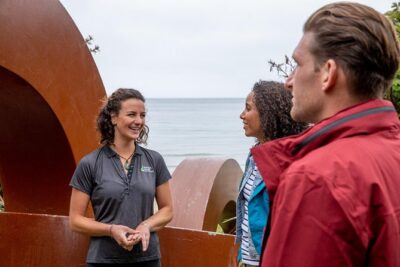
Browse the lists this tour appears in