
REVIEW · SAFARI
Wellington: Half Day Seal Coast Safari
Seals are only part of the story. This 210-minute 4WD trip links Wellington’s native forest, private farmland, wind farm country, and rugged south coast in one lively outing. I like the rare access through Terawhiti Station and the chance to see New Zealand fur seals at Tongue Point without a long hike. I also like the small groups, capped at 10 people, and the strong local storytelling from guides such as Grant, Sarah, Andy, Chris, and Hamish.
The main thing to consider is the rough drive. The farm tracks and rocky route to the coast can shake you around, and Wellington weather can bring rain, fog, or fierce wind. The price is $116 per person, so this is not a cheap sightseeing bus ride. You are paying for access, a capable 4WD vehicle, a small group, and a part of Wellington that you cannot easily reach on your own.
In This Review
- Key points to know before you book
- Why this Wellington outing feels different
- From central Wellington to Otari-Wilton’s Bush
- Crossing Terawhiti Station by 4WD
- Project West Wind and Wellington’s famous wind
- Down to the leaning lighthouse
- Meeting Wellington’s New Zealand fur seals
- The ride back and what the guide adds
- Is $116 a fair price?
- What to bring and how to plan the day
- Who should book the Seal Coast Safari?
- FAQ
- How long is the Wellington Seal Coast Safari?
- How much does the tour cost?
- Where does the tour begin?
- What vehicle is used?
- How many people are in each group?
- Will I definitely see fur seals?
- How much walking is involved?
- Can wheelchair users join?
- What happens if the weather is poor?
- Should you book it?
Key points to know before you book
- Private farmland access: The route through Terawhiti Station takes you beyond ordinary public roads and into a working farm with sheep, cows, goats, and wide Cook Strait views.
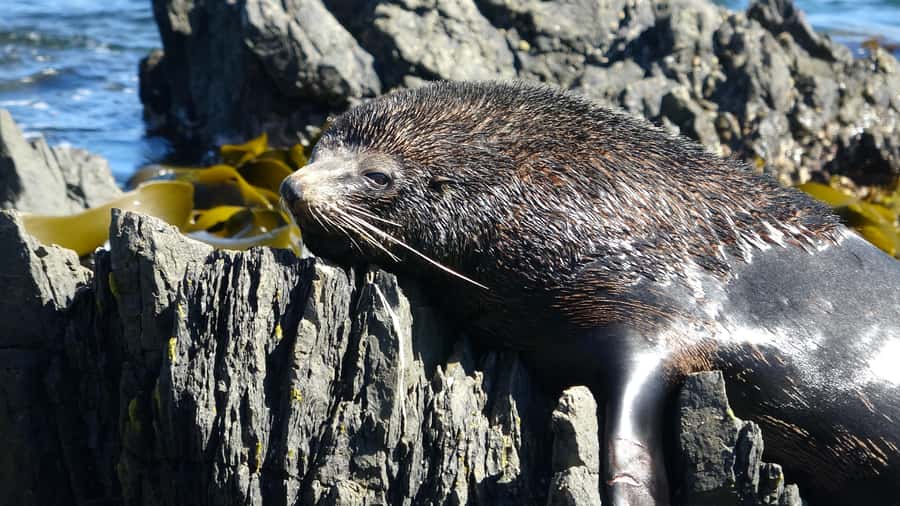
- A close look at fur seals: You walk along the beach at Tongue Point and watch New Zealand fur seals sunbathe, swim, and play from a safe distance.
- Otari-Wilton’s Bush first: The forest stop gives useful context about native plants, birds, and the country’s original vegetation before the coastal drive begins.
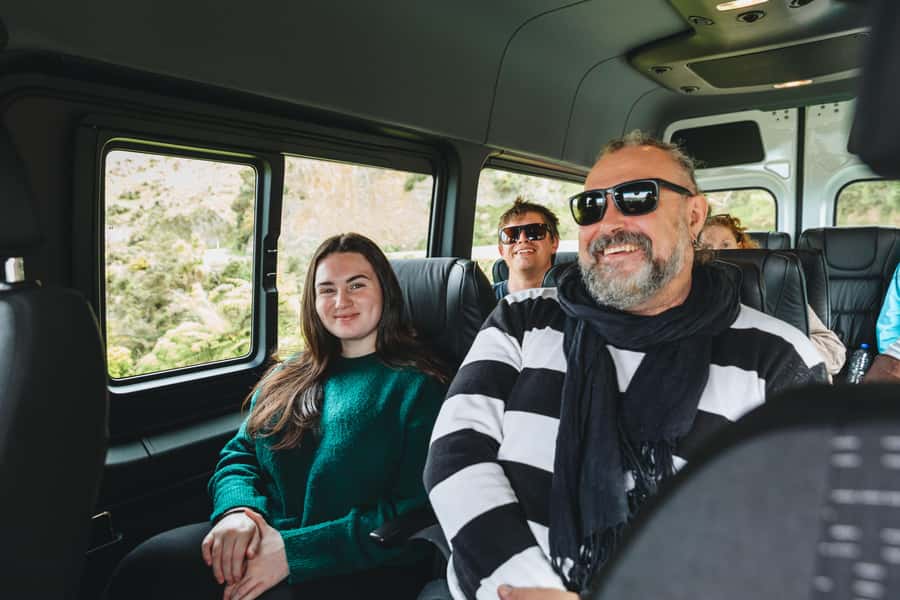
- Small 4WD groups: Mercedes 4WD vans carry no more than 10 participants, a helpful size for questions, photos, and a personal feel.
- Weather is part of the deal: The safari runs in all conditions, but fog, rain, or wind may change the route and reduce the views.
- A good cruise-day option: Pick-up is available at Wellington Cruise Ship Port, with timing arranged around the selected location.
Why this Wellington outing feels different
Many Wellington excursions stay inside the city or follow the usual waterfront route. This one heads into places most people would not reach without a vehicle, local permission, and a driver comfortable with rough tracks.
The appeal is the contrast. You begin among native trees and birdlife, cross open farm country high above Cook Strait, then drop to sea level beside a seal colony. In a single half-day, you get forest, farmland, mountains, wind turbines, a lighthouse, and marine wildlife.
I especially like that the seals are not treated as a quick photo stop with no context. The guide explains how fur seals have returned in good numbers, how conservation affects the coast, and why keeping your distance matters. The animals are wild, not performing on cue. You might see them stretched out on the beach, slipping into the water, or simply ignoring you with the confidence of locals who pay no rent.
The experience has earned a 4.9 rating from 245 bookings, and the praise centers on the guides, scenery, safe driving, and the number of seals seen. That pattern matters. The route is interesting, but your guide will shape how much you get from it.
A few more to weigh up in Wellington
- Wellington: Wētā Workshop Guided Tour Ticket
★ 4.7 · 997 reviews - Wētā Workshop Experiences Tour – Wellington
★ 5.0 · 875 reviews - Wellington: Return Cable Car Ticket
★ 4.6 · 714 reviews
From central Wellington to Otari-Wilton’s Bush
The tour starts with a central Wellington pick-up or a collection at the cruise terminal. Transport is in an exclusive Mercedes 4WD van, which gives you more comfort than a basic shuttle and the traction needed later on the farm roads.
The first stop is Otari-Wilton’s Bush, a 100-hectare area of ancient and regenerating forest. It is also New Zealand’s only botanical garden devoted solely to native plants. This is more than a pleasant green stop. It helps you picture what much of New Zealand looked like before large-scale European settlement changed the vegetation.
You cross a skybridge above the forest canopy while your guide points out native plants and explains their place in local ecology. Bird sightings can include tui, kaka, kakariki, kereru, and, occasionally, karearea. Some of these birds were extinct or under serious threat in the Wellington region only 25 years ago, so their return gives the stop real meaning.
The walking is limited, which suits anyone who wants nature without a demanding trek. Still, bring comfortable shoes. The forest section is not the reason to book the safari, but it gives the day a useful beginning and adds much more than a simple drive to the coast.
Guides have received particular praise for adding Māori references, plant uses, and local stories here. Hamish has even included native food tastings on some outings, though you should not assume this is part of every departure. The exact commentary depends on your guide.
Crossing Terawhiti Station by 4WD
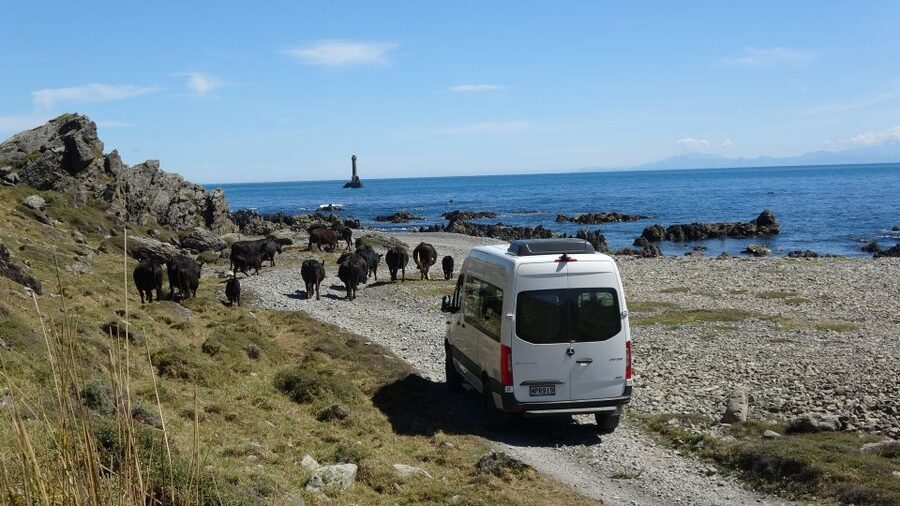
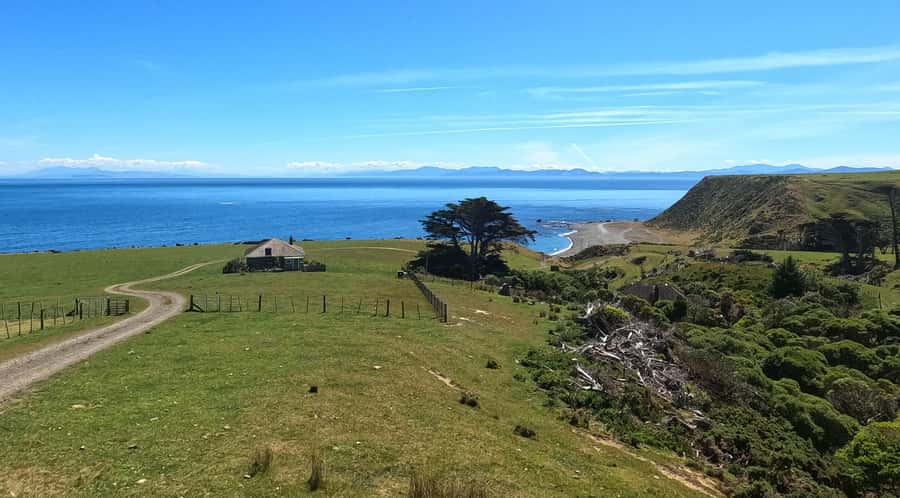
After Otari-Wilton’s Bush, the van heads toward Wellington’s south coast. The distinctive feature is the private route through Terawhiti Station, one of New Zealand’s oldest and largest stations.
You may see sheep, cows, and goats as the van climbs. This is working farmland, not a manicured park, and the rough tracks are part of the character. One passenger described the farm road as bumpy, while also noting that the 4WD handled the terrain well. That is a fair expectation: the vehicle is built for the route, but it cannot turn a farm track into a smooth motorway.
At higher ground, the views open across Cook Strait toward the South Island and the Kaikoura Ranges. On a clear day, snow-capped peaks may be visible in the distance. Wind can be strong here, so warm clothing is not optional, even in a season that feels mild in central Wellington.
This high country also connects with the Capital Kiwi project, which has reintroduced wild kiwi to the hills after roughly 100 years without them. You are not promised a kiwi sighting. The value is in understanding that this is not empty countryside. Farming, predator control, native birds, and conservation now share the same space.
Project West Wind and Wellington’s famous wind
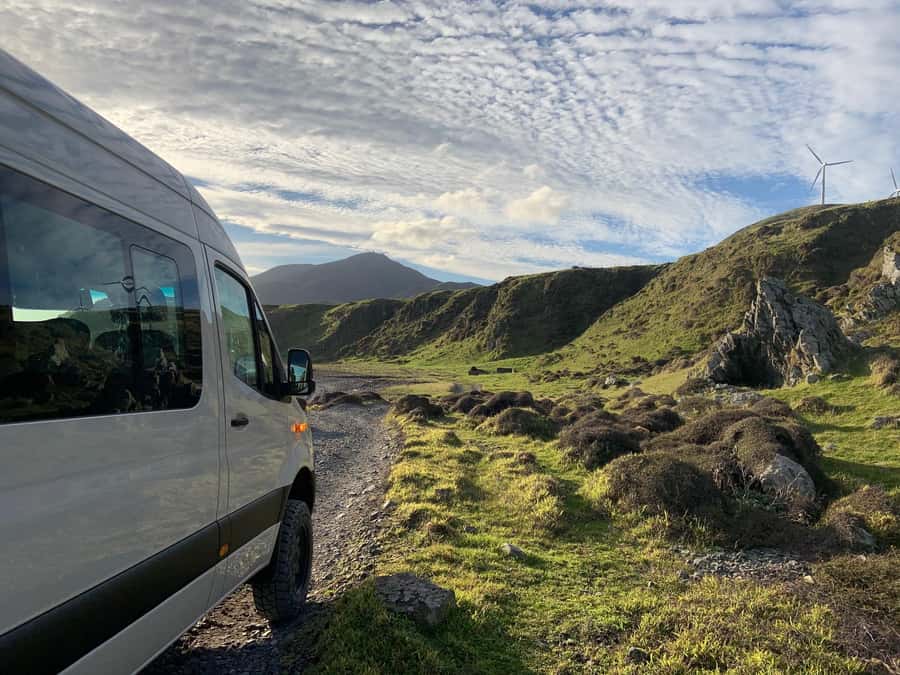
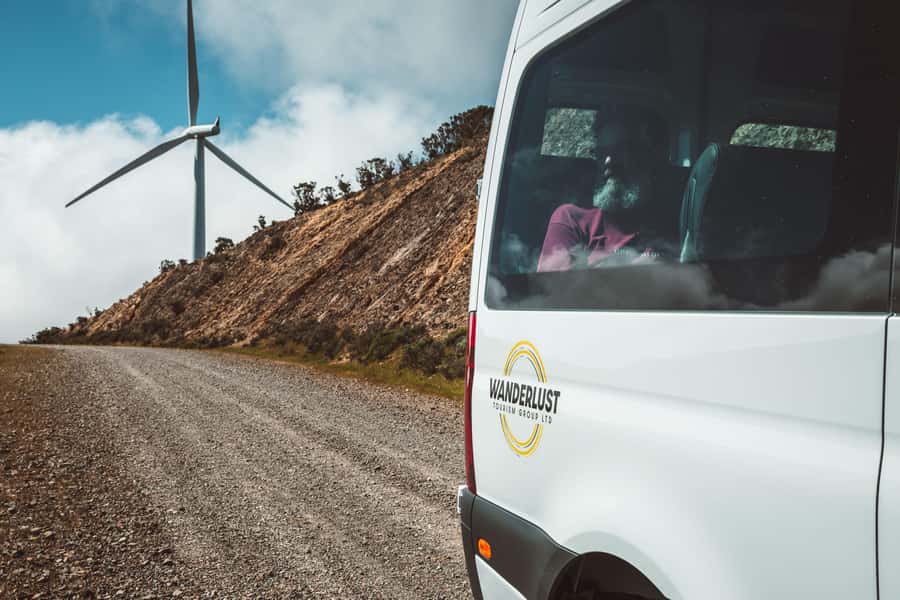
The route follows a ridgeline road built for Project West Wind, a major wind farm. The turbines generate enough electricity to power homes throughout the Wellington region, and the location makes the city’s nickname, Windy Welly, easy to understand.
The guide explains how the wind project and farming operation work alongside each other. That is one of the better parts of the tour because it adds practical context to what could otherwise be just a scenic drive. You see the turbines, but you also hear how the roads and infrastructure affected the station.
The views here depend heavily on the weather. In sunshine, the combination of open hills, turbines, sea, and distant mountains can be striking. In heavy rain or fog, the trip becomes moodier and more limited. Several people have still found the outing worthwhile in poor conditions, largely because the guides kept the commentary going and handled the roads carefully.
The operator may alter the route if weather or other conditions make a section unsuitable. That is sensible on exposed farmland and coastal tracks, but it means you should avoid booking this as a guaranteed panorama.
A completely different sort of day out:
- Half Day Tour of Wellington
★ 4.5 · 638 reviews - Wellington: Guided City Tour with Cable Car Ticket
★ 4.8 · 553 reviews - Wellington’s Original LOTR Experience – includes Weta and Lunch
★ 5.0 · 529 reviews - Kapiti Island Classic Guided Day Tour
★ 5.0 · 522 reviews
Down to the leaning lighthouse
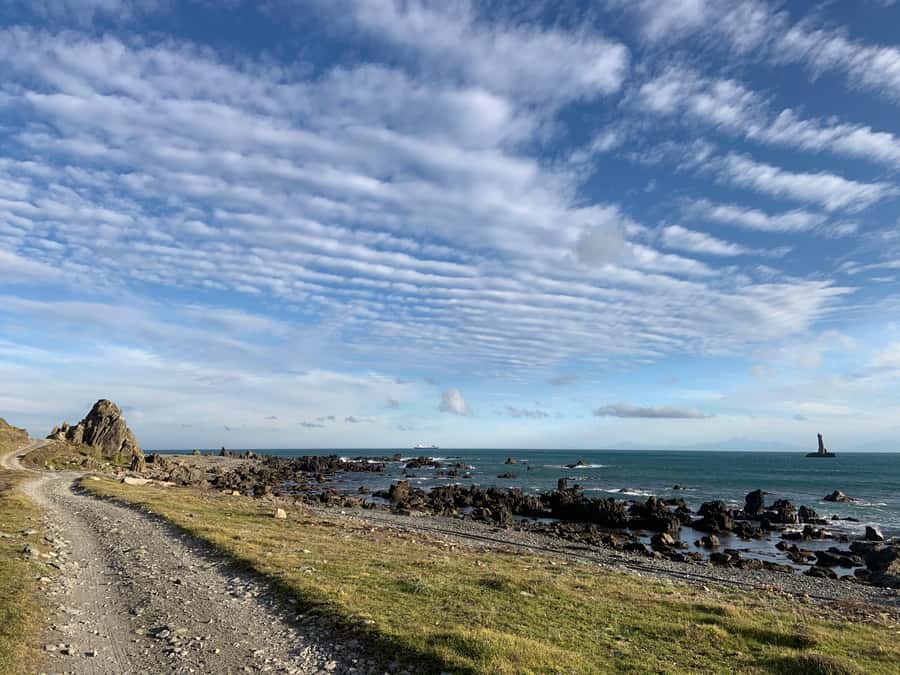
As the van descends toward the coast, you may spot Karori Rock Lighthouse, usually called the leaning lighthouse. It is one of New Zealand’s first automated lighthouses, and yes, it really does lean.
The lighthouse is a small but memorable detail. It also signals the change from open hill country to the rough shore below. The final approach follows a rocky, sandy track toward Tongue Point. This is where the 4WD earns its keep.
You should expect some movement in the vehicle. If you are sensitive to bumpy roads, sit where you feel most comfortable and keep your camera secure. Large bags and luggage are not allowed, so bring only what you need for the outing.
The route is not a strenuous hike. Minimal walking is required, but the beach itself is uneven and may not suit every mobility level. The experience is not suitable for wheelchair users.
Meeting Wellington’s New Zealand fur seals
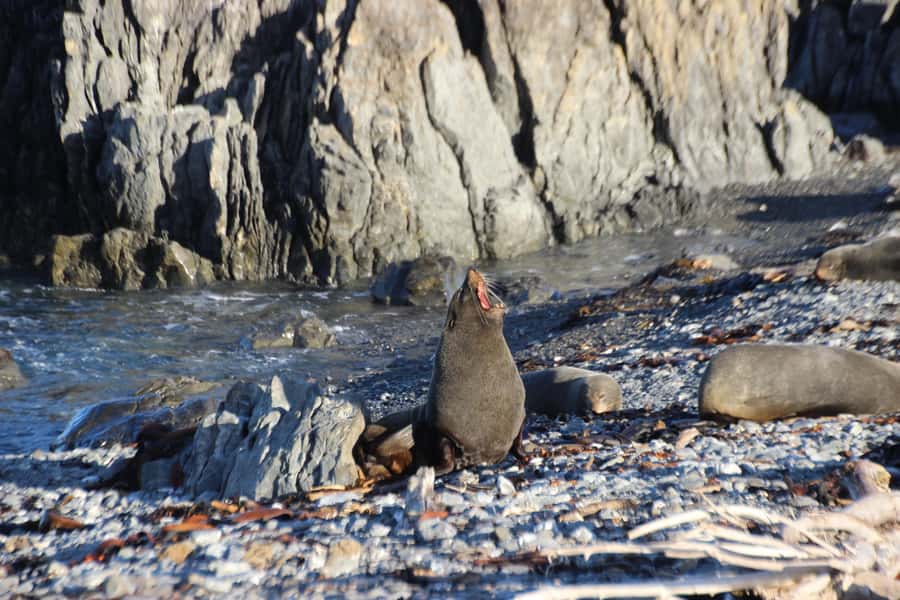
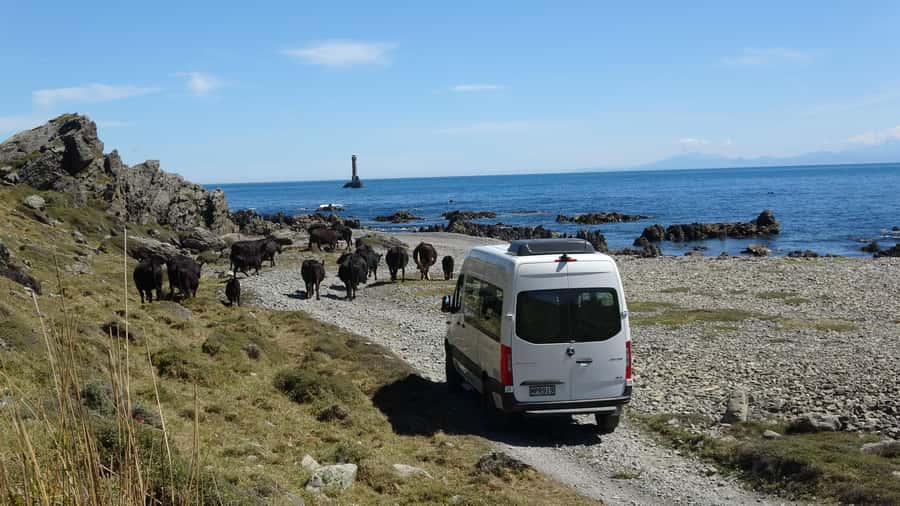
The main event is the fur seal colony near Tongue Point. You walk along the beach and look for seals resting on the shore, playing in the shallows, or swimming nearby.
The guides keep you at a safe distance for your protection and the seals’ welfare. One booking described photographing seals from about 10 to 15 metres away, though the distance will depend on where the animals choose to rest. That is close enough for a good view, but you are not promised an encounter at arm’s length.
This is a much better setting than seeing a seal as a fleeting shape from a boat. You have time to watch natural behavior. A seal may lounge in the sun, roll over, yawn, or make a sudden dash into the water. The comedy is free, and the seals have not been trained to provide it.
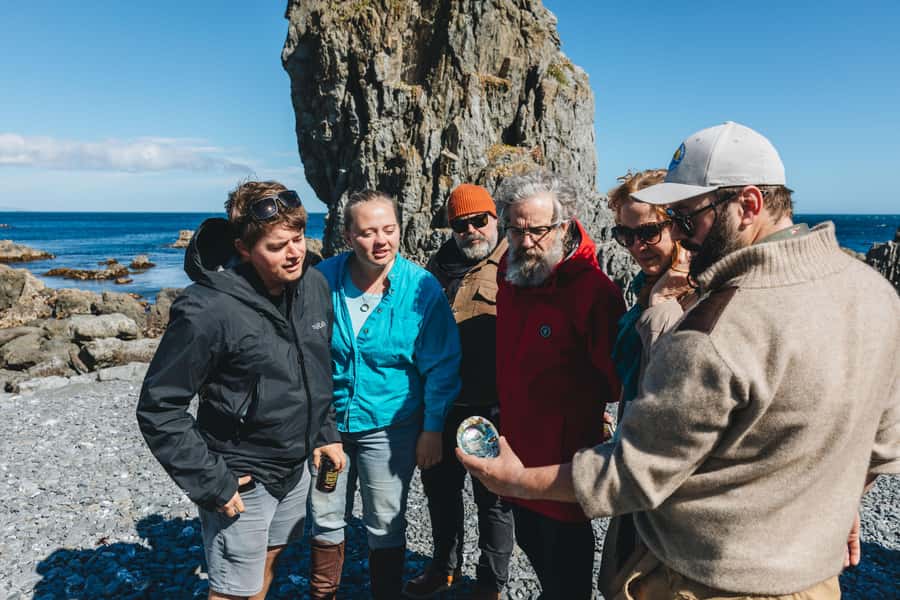
Your guide adds information about the colony’s ecology, history, and conservation. The population has flourished again, making this coast a good place to understand how protection and habitat can change wildlife fortunes.
Light refreshments are served while you take photos and watch ferries move between New Zealand’s North and South Islands. A cup of tea or coffee on a remote beach, with seals nearby and ferries crossing the strait, is the sort of small moment that gives this outing its appeal. Some guides, including Emily and Hamish in past departures, have been praised for making a good hot drink along the way, but refreshments can vary.
Please remember that wildlife sightings are never fully guaranteed. The tour is built around the colony, and the number of seals has been a major strength of the experience, but animals move and weather affects visibility.
The ride back and what the guide adds
The return follows farmland and fault lines before heading back into central Wellington. You may see familiar views from a new angle, and the guide continues with local stories about the land, city, Māori culture, and natural features.
This is where the guide matters most. Grant has been praised for careful driving and clear commentary. Sarah has been described as both educational and engaging. Andy is known for storytelling and local anecdotes, while Chris, Marc, Blue, Gina, and Natalie have also received warm praise for their humor, patience, and local detail.
That list is useful, but it does not mean every departure will feel identical. The company uses several guides, and each brings a different style. The common thread is strong local knowledge and a willingness to answer questions.
The small group size helps. With a maximum of 10 people, you are not shouting over a coach full of passengers. The guide can help with photos, explain a bird sighting, or adjust the pace within the limits of the schedule.
Is $116 a fair price?
At $116 per person, the tour costs more than a basic city bus excursion. I would judge the price by access rather than mileage.
You are paying for a 210-minute outing, central or cruise-port pick-up, a Mercedes 4WD van, entry through private farmland, a forest stop, coastal wildlife, and a live English-speaking guide. You also avoid the problem of finding your own way to a remote beach and dealing with farm tracks yourself.
The farm section may feel incidental if you have come only for seals. One person felt that the station drive did not add much to the tour, and that is a fair criticism if your priority is simply wildlife. I see it differently, but only if you enjoy the full route. The station is what makes the experience feel like a journey through Wellington’s outer country instead of a direct transfer to a seal beach.
For nature lovers, photographers, cruise passengers, and visitors without a car, the cost is easier to justify. If you want a cheap, fast seal sighting, it may feel high.
What to bring and how to plan the day
Wear comfortable shoes, warm clothing, sunglasses, and sunscreen. Bring a camera, but avoid large bags and luggage.
The safari runs in all weather. Rain can make the drive more dramatic and may not ruin the day, but fog can hide the South Island and Kaikoura Ranges. Wind is common on the exposed ridges and coast, so pack one more warm layer than you think you need.
Pick-up points include 9 Bunny Street near Hotel Waterloo, 201 Wakefield Street, several central hotels, Te Papa, Naumi Studio, and TRYP by Wyndham. Cruise passengers should select Wellington Cruise Ship Port for direct collection. If you drive into the city, the suggested meeting point is the main entrance of Te Papa, with parking recommended on Barnett Street nearby.
Tell the operator your preferred pick-up point when booking. The exact time varies by location. You can cancel up to 24 hours before departure for a full refund, or transfer a confirmed booking to another day at no charge if you give at least 24 hours notice.
Who should book the Seal Coast Safari?
I would choose this for a first visit to Wellington if I wanted to see beyond the central waterfront. It suits you if you like wildlife, local stories, rugged roads, native plants, and scenery that changes every half hour.
It is also a strong choice for cruise passengers because the pick-up is available at the port and the duration fits a half-day plan. Still, check your ship schedule carefully and allow a sensible buffer. Exact collection times vary by pick-up point, and weather can affect the route.
You may want to skip it if you dislike bumpy 4WD rides, need step-free access, or want a guaranteed clear view of the mountains. It is also less appealing if your only goal is to see seals and nothing else.
FAQ
How long is the Wellington Seal Coast Safari?
The experience lasts 210 minutes, or three and a half hours.
How much does the tour cost?
The listed price is $116 per person.
Where does the tour begin?
Pick-up is available from central Wellington locations and Wellington Cruise Ship Port. You need to provide your preferred pick-up location when booking.
What vehicle is used?
Transport is provided in Mercedes 4WD vans selected for safety and comfort on the route.
How many people are in each group?
The tour is a small-group experience with a maximum of 10 participants.
Will I definitely see fur seals?
The tour visits a fur seal colony at Tongue Point, and many departures see numerous seals. Wildlife is unpredictable, so sightings cannot be treated as an absolute guarantee.
How much walking is involved?
Minimal walking is required. You do walk along the beach to observe the seals, so comfortable shoes are recommended.
Can wheelchair users join?
No. The experience is not suitable for wheelchair users.
What happens if the weather is poor?
The safari runs in all weather, but weather and other conditions can lead to route changes. Bring warm clothing, sunscreen, sunglasses, and comfortable shoes.
Should you book it?
Book it if you want Wellington’s wilder side, not just a quick look at seals. The private farm access, high views, native forest, wind farm, lighthouse, and coastal wildlife create a fuller picture of the region than the title suggests.
The price is reasonable for the access and small group, though it may feel steep if you see the farmland as a long transfer. Accept the bumpy roads, pack warmly, and let the guide fill in the stories. For a half-day outing from the city or cruise port, this is a memorable and practical way to reach a remote coast that most independent visitors never see.
Just added in Wellington
- Te Awa Kairangi Grade 2 Scenic Duckie Tour★ 4.7 · 9 reviews
- Te Awa Kairangi Grade 2 Scenic Rafting Tour★ 4.8 · 10 reviews
- Remutaka Rail Trail eBike Shore Excursion for Cruise Ships★ 5.0 · 9 reviews
- Private Lord of the Rings Tour Wellington with Lunch★ 5.0 · 3 reviews
- Martinborough Winery and South Wairarapa Wild Coast Tour★ 4.8 · 21 reviews
- Chefs Private Martinborough wine tour with Gourmet Lunch★ 5.0 · 3 reviews
- From Wellington: Martinborough Wine Tasting Tour★ 4.4 · 3 reviews
- From Wellington: Kapiti Island Classic Guided Day Tour★ 5.0 · 4 reviews
Safari, compared.
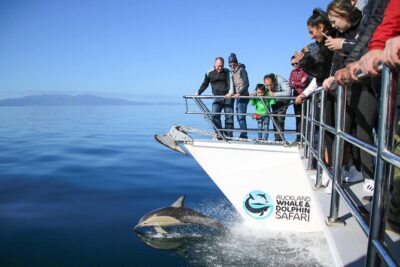
Auckland Dolphin and Whale Watching Eco-Safari Cruise
Read our review →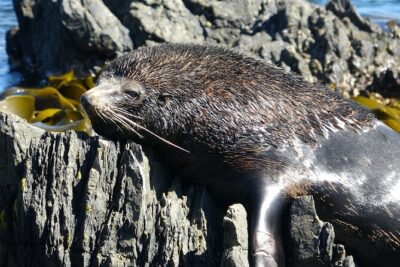
Seal Coast Safari – Exclusive access to Wellington’s secret coast
Read our review →
From Wairarapa: Star Safari with Astronomers & VR Experience
Read our review →Browse the lists this tour appears in