
REVIEW · WILDLIFE
Zealandia – Twilight Guided Eco Wildlife Tour
Twilight changes everything. Zealandia’s 2.5-hour evening walk catches native birds between day and night, with a real chance to hear or see kiwi, tuatara, wētā, takahē, and ruru. I like the small groups of up to 12 and the warm kawakawa tea served in the forest, two details that make this feel more personal than a standard wildlife visit.
I also like that your ticket includes general entry on the same day or the following day, giving you time to explore the sanctuary in daylight. The main consideration is simple: kiwi sightings are never guaranteed. You may hear them clearly without seeing one, and the tour takes place outdoors in changeable Wellington weather.
In This Review
- Key points to know before you book
- Why Zealandia works best at twilight
- Starting inside the exhibition
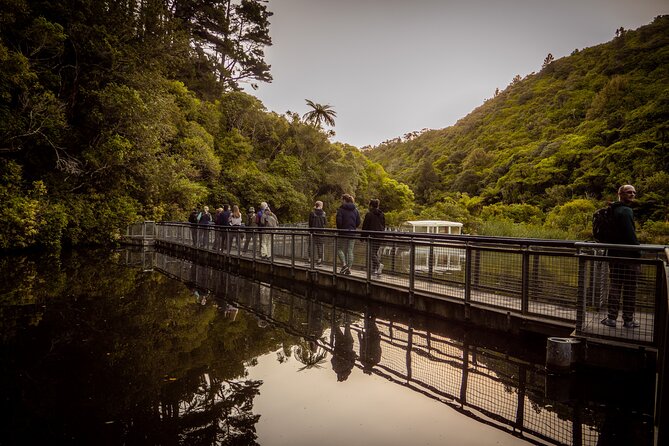
- Walking the regenerating valley before sunset
- Wildlife you might see in the fading light
- The forest tea stop
- What the second entry is really worth
- Getting there and handling the timing
- Who will enjoy this most
- Practical ways to make the evening better
- Should you book the Zealandia Twilight Tour?
- FAQ
- Where does the Zealandia Twilight Tour begin?
- How long does the tour last?
- When does the tour start?
- Is admission to Zealandia included?
- Is food included?
- Can I see a kiwi?
- What should I wear?
- Is the tour suitable for children?
- How many people are in the group?
Key points to know before you book
- The timing is the star: The tour begins about two hours before sunset, catching both daytime birds and early nocturnal activity.
- A kiwi is possible, not promised: Some groups see kiwi foraging nearby, while others hear their calls in the dark.
- Hot kawakawa tea is included: You get a warm, local herbal drink during the forest walk.
- Your ticket gives you extra time: General admission is included on the day of the tour or the following day.
- The group stays small: A maximum of 12 people makes it easier to hear the guide and spot small wildlife.
- Wear real walking gear: Sturdy shoes, extra layers, and a waterproof jacket matter in Wellington.
Why Zealandia works best at twilight
Zealandia Te Māra a Tāne is a wildlife sanctuary on Wellington’s outskirts, but this is not just a quick animal-spotting outing. The sanctuary is built around the long-term return of native plants and animals, and the evening tour helps you understand both the wildlife and the work behind its protection.
The timing is carefully chosen. The tour starts roughly two hours before sunset, after the last daytime visitors have left. At first, you may see birds still active in the fading light. As the walk continues, daytime species settle down and nocturnal creatures begin to stir.
That transition gives the tour its character. A daytime visit is better for seeing the sanctuary clearly and moving at your own pace. The twilight walk adds sound, patience, and a little uncertainty. You may spend several quiet minutes listening to the bush before the guide points out a small movement or distant call.
I would not book this expecting a rapid parade of animals. The pleasure comes from slowing down and paying attention. That suits birders and nature fans especially well, but it can also work for families and first-time visitors who are happy to let the guide lead the search.
A few more to weigh up in Wellington
- Wellington: Wētā Workshop Guided Tour Ticket
★ 4.7 · 997 reviews - Wētā Workshop Experiences Tour – Wellington
★ 5.0 · 875 reviews - Wellington: Return Cable Car Ticket
★ 4.6 · 714 reviews
Starting inside the exhibition
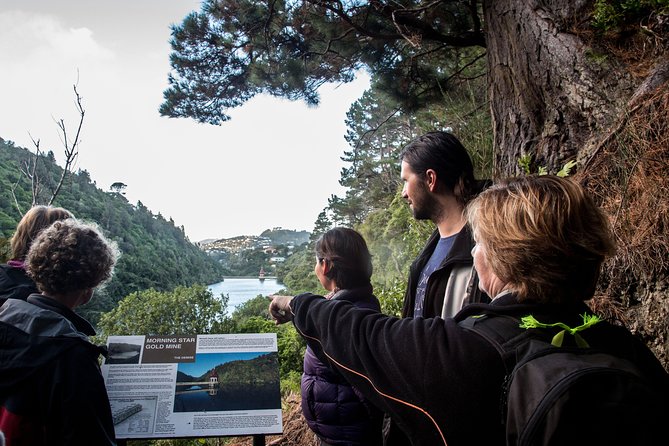
The tour begins indoors with the highlights of Zealandia’s interactive exhibition. This is a useful opening rather than a filler stop, because it gives you the basic story of New Zealand’s unusual natural world before you enter the valley.
You’ll learn about the sanctuary’s 500-year vision and the effort to restore native life in an area where introduced predators and habitat loss have caused serious damage. The exhibition helps explain why animals such as tuatara, takahē, and kiwi matter, and why seeing them in a protected setting is unusual.
I like this introduction because it adds meaning to the walk. Without it, a sighting can feel like a lucky wildlife moment. With it, you begin to understand the careful protection, fencing, and habitat work that allow these species to live and breed here.
The guides are a major part of the experience. Names praised during the tour include Oliver, Matt, Chris, Sara, Lind, Bre, Allison, Ash, and AJ. The strongest guide comments focus on clear explanations, patience, sharp eyes, and real care for conservation.
Your guide may also help you read the sounds around you. That matters at dusk, when you often hear a bird before you see it. A good guide can turn a dark path and a distant call into a useful lesson about what is active, where it may be hiding, and how to watch without disturbing it.
Walking the regenerating valley before sunset
After the exhibition, you head into Zealandia’s regenerating valley. The tour is described as a moderate walk, and one review calls it a nice, easy walk, but you should still wear closed, sturdy shoes. Paths become darker as the evening goes on, and Wellington weather can shift quickly.
The first part of the walk belongs mainly to the daytime wildlife. You might see native birds moving through the trees or hear them calling before they settle for the night. This is one reason the tour is better timed than a fully dark night walk: you get a chance at both kinds of activity.
The sanctuary’s scenery also becomes part of the experience. You are walking through protected bush rather than moving between display enclosures. That makes sightings less predictable, but it also gives them more force. A bird crossing the path or a tuatara moving through the undergrowth feels like a moment you found, not a scheduled presentation.
The walk is not a race. You may stop often while the guide checks branches, listens for calls, or points out an animal that is easy to miss. Patience pays off here. The tour works best if you enjoy quiet observation instead of needing constant action.
Wildlife you might see in the fading light
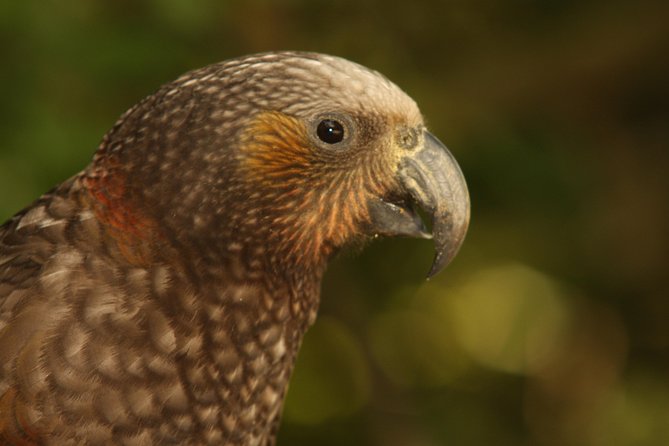
Zealandia is known for rare native species, and the tour gives you a chance to encounter several of them. The animals specifically associated with the walk include wētā, takahē, tuatara, kiwi, and ruru, also called morepork.
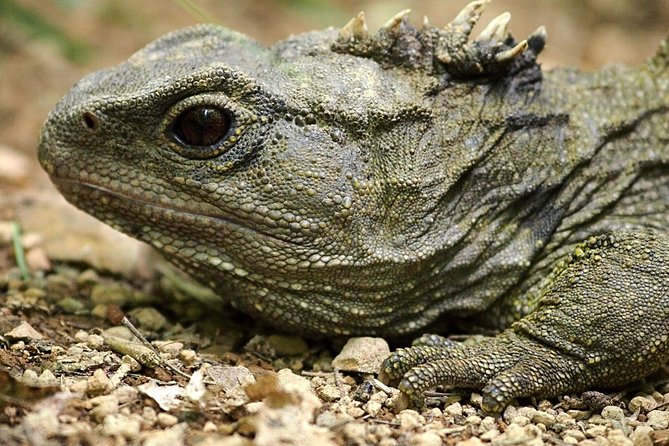
Tuatara can be a highlight because they are ancient reptiles found only in New Zealand. On one successful evening, visitors saw tuatara moving around rather than sitting still, which made the sighting especially memorable. You may also spot lizards, frogs, insects, and other small creatures along the path.
Wētā are another good reason to look closely. They are not large, flashy animals, so you might miss them without help. Your guide’s ability to find small creatures is part of the value of a guided walk.
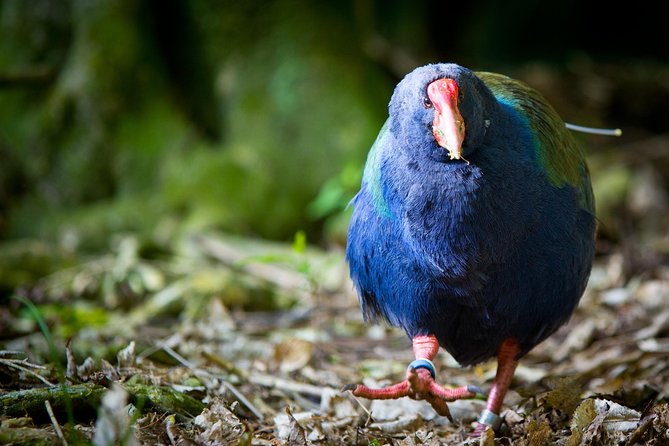
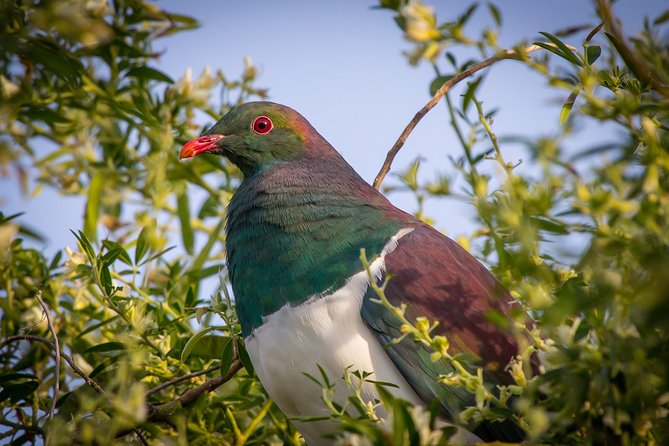
Bird life remains central. You might see several native birds before sunset and then hear nocturnal calls as darkness arrives. Takahē can be a rewarding sight, while ruru may announce themselves from nearby trees even when they remain hidden.
The kiwi is the prize many people hope for. Some groups have seen one or even two small spotted kiwi foraging with their long bills. Other groups have heard kiwi calling but never seen them. That difference is not a flaw in the tour. Kiwi are wild, nocturnal animals, and a sighting depends on timing, weather, animal movement, and plain luck.
I would treat a kiwi sighting as a bonus, not the whole reason to book. If you need a guaranteed close look, this is the wrong kind of wildlife experience. If you value seeing native animals in a protected but natural setting, the uncertainty is part of the appeal.
A completely different sort of day out:
- Half Day Tour of Wellington
★ 4.5 · 638 reviews - Wellington: Guided City Tour with Cable Car Ticket
★ 4.8 · 553 reviews - Wellington’s Original LOTR Experience – includes Weta and Lunch
★ 5.0 · 529 reviews - Kapiti Island Classic Guided Day Tour
★ 5.0 · 522 reviews
The forest tea stop
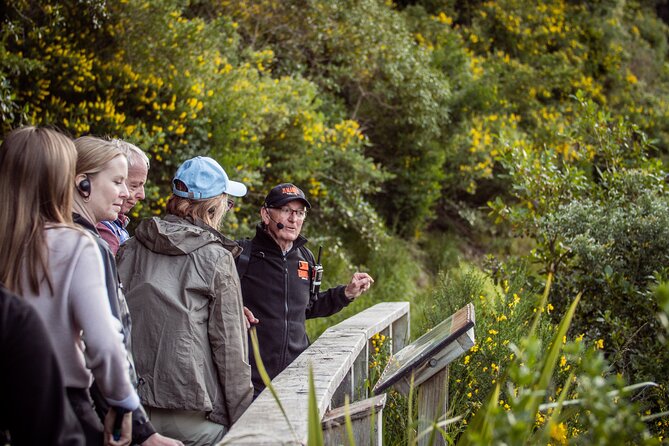
The included hot drink is a small feature, but it matters. Kawakawa tea is a natural herbal tea, served warm during the forest walk. As the air cools and the light fades, holding a hot cup gives you a pleasant pause.
This is not a meal, and food and other drinks are not included. You should eat beforehand if you need dinner, especially since the tour lasts about two and a half hours and takes place around sunset.
I like the local touch. The tea fits the setting better than a generic bottled drink would, and the stop gives the group time to listen and ask questions. It also helps take the edge off a cool Wellington evening.
Bring your own extra layers anyway. A waterproof jacket is specifically recommended, and you should dress for rain even if the forecast looks friendly. The tour operates in all weather conditions unless poor weather causes a cancellation, so practical clothing is more useful than stylish clothing here.
What the second entry is really worth
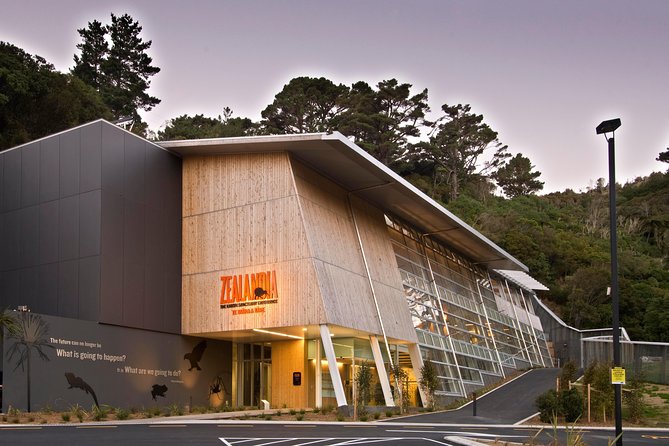
At $68.26 per person, this is not the cheapest way to spend an evening in Wellington. The value improves considerably because the price includes the guided walk, the exhibition, the sanctuary valley, the hot tea, and general admission on the day of the tour or the day after.
That extra daytime entry is a strong benefit. The twilight tour is about mood and animal activity, but daylight lets you see the paths, plants, water, exhibition spaces, and wider sanctuary setting more clearly. You can also move at your own pace instead of stopping whenever the group stops.
One useful plan is to visit during the day, leave when the daytime park closes, then return for the evening tour. Be aware that the sanctuary closes at 5 p.m., and one group had a long wait before its later tour. Check your start time carefully and plan the gap rather than assuming you can remain inside continuously.
Another option is to take the tour first and return the next day. That may be easier if you want a relaxed morning visit, and it prevents the evening from becoming a long day in the bush.
The extra admission makes the tour more than a single short outing. For anyone interested in conservation, bird life, or New Zealand’s native animals, that added visit helps justify the price.
Getting there and handling the timing
The meeting point is 53 Waiapu Road in Karori, Wellington 6012. The tour ends back there, and hotel pickup and drop-off are not included.
You can reach the area by public transport, and the number 2 bus runs to and from downtown with a stop near Zealandia. A free shuttle is also available from the top of the cable car station. Since the tour ends after dark, the sanctuary recommends arranging a taxi through your hotel concierge or calling Wellington Combined Taxis at (04) 384 44 44.
Arrive 15 minutes before departure. The group size is capped at 12, which is small enough for the guide to manage questions and help several people see a bird or reptile at once.
Children must be with an adult, and the minimum age is five. The moderate fitness requirement should be taken seriously without making the walk sound harder than it is. You need to manage a two-hour-plus walk outdoors, often in dim light, and stay comfortable on uneven or quiet bush paths.
Who will enjoy this most
I would recommend the tour to you if you like birds, conservation, reptiles, insects, and slow walks with frequent stops. It is also a good choice if you want an evening activity that feels tied to Wellington rather than a generic city attraction.
Families with children aged five and older may enjoy the sense of searching for animals, though younger children need to cope with quiet waiting and darkness. The tour is not built around entertainment every few minutes, so talk with your family about patience before booking.
Birders will get the most from the changing calls and the chance to see both daytime and nocturnal species. You do not need specialist knowledge, but you should be willing to listen and look closely.
This may be less suitable if you want a guaranteed kiwi encounter, dislike rain, or prefer a fully illuminated path and a fast schedule. It is also not the best pick if you need hotel transport arranged for you.
Practical ways to make the evening better
Plan your clothing first. Wear sturdy footwear, bring an extra warm layer, and pack a waterproof jacket. Wellington’s weather can change, and the tour continues outdoors in ordinary poor conditions.
Have food before or after the walk because only coffee and tea, specifically hot kawakawa tea, are included. Bug spray is not necessary according to one useful tour tip, so you can leave that out of your small day pack.
Use the included extra admission wisely. If you arrive in Wellington early enough, visit Zealandia during the day before the evening tour. Otherwise, return the next day and see what you missed in the dark.
Keep your expectations realistic. The best evening may involve birds, frogs, tuatara, insects, and kiwi calls rather than a perfect kiwi photograph. The guides can help you spot more, but they cannot control wild animals.
The tour has a 4.8 rating from 63 reviews and a 95 percent recommendation rate, which fits the main pattern: people value the guides, the setting, the conservation message, and the unusual timing. The occasional disappointment centers on not seeing a kiwi or having too much time between the daytime closure and the evening start.
Free cancellation is available up to 24 hours before the start time. If poor weather forces cancellation, you are offered another date or a full refund. Last-minute cancellations or changes are not accepted, so watch the local cut-off time.
Should you book the Zealandia Twilight Tour?
Yes, if you want to meet New Zealand wildlife on its own terms. The small group, excellent guides, hot kawakawa tea, and second admission make the $68.26 price reasonable, especially if you use the daytime entry.
Book it with patience, warm clothing, and no promise to yourself that you must see a kiwi. You may see one close by, or you may hear its call in the darkness. Either way, you’ll experience the sanctuary at the hour when its character changes, which is the real strength of this Wellington outing.
FAQ
Where does the Zealandia Twilight Tour begin?
The tour begins at Zealandia Te Māra a Tāne, 53 Waiapu Road, Karori, Wellington 6012.
How long does the tour last?
The experience lasts approximately 2 hours and 30 minutes.
When does the tour start?
The tour starts about two hours before sunset. The exact start time changes with the season.
Is admission to Zealandia included?
Yes. Guided entry to the exhibition and sanctuary valley is included, along with general admission on the day of the tour or the following day.
Is food included?
Food is not included. A hot coffee or tea is included, specifically kawakawa tea served in the forest.
Can I see a kiwi?
You may see a kiwi, but sightings are not guaranteed. You might instead hear kiwi calls as the nocturnal birds become active.
What should I wear?
Wear sturdy footwear, extra layers, and a waterproof jacket. The tour operates outdoors in all weather conditions.
Is the tour suitable for children?
Children must be accompanied by an adult, and the minimum age is five.
How many people are in the group?
The tour has a maximum of 12 participants.
Just added in Wellington
- Wellington: Secret Realms of Middle-earth – Lothlorien★ 5.0 · 2 reviews
- Wellington Zoo General Entry Tickets★ 3.9 · 7 reviews
- Wellington: Remutaka Rail Trail Cycle Tour★ 4.9 · 17 reviews
- Wellington Helicopters Scenic Harbour Flight★ 4.4 · 19 reviews
- Wellington: Lord of the Rings Half-Day Guided Tour inc Weta★ 5.0 · 5 reviews
- Wellington: Martinborough Private Winery Tour with Lunch★ 5.0 · 3 reviews
- Wellington: Private custom tour with a local guide★ 4.6 · 3 reviews
- Wellington: Half-Day City Highlights Tour and Cable Car Ride★ 4.5 · 60 reviews
Wildlife, compared.

Clearwater Wildlife Tours (small group 10max) Otago Peninsula
Read our review →

6 Ziplines, Swing-Bridges & Wildlife Encounters
Read our review →
Island Hopper Day Cruise – sailing to wildlife sanctuary island – 6 hr cruise
Read our review →
Browse the lists this tour appears in