
REVIEW · MOUNT COOK TOURS
Mount Cook, Lake Pukaki: Billion Star Dining
Dinner under a billion stars sounds hard to beat. This four-hour evening pairs fine dining at The Moraine with a guided visit to Pukaki Observatory, giving you both a polished meal and a close look at the Southern sky. I like the thoughtful two-part design: you begin indoors with excellent food and a welcome drink, then move outside to a purpose-built observatory with a retractable roof. The small group, limited to 10 people, also keeps the night personal.
I especially like the chance to see Saturn’s rings, Jupiter’s bands, star clusters, and nebulae through a 9-inch reflector telescope. The other strong point is the setting itself, where the wine cellar introduction gives the astronomy session some useful context instead of sending you straight into a cold, dark field. The main catch is weather. Stargazing can be cancelled by cloud, although the dining portion still goes ahead. At $224 per person, this is a special-occasion outing, not a casual meal with a free look at the sky.
In This Review
- Key points to know before booking
- Why this Mount Cook evening feels different
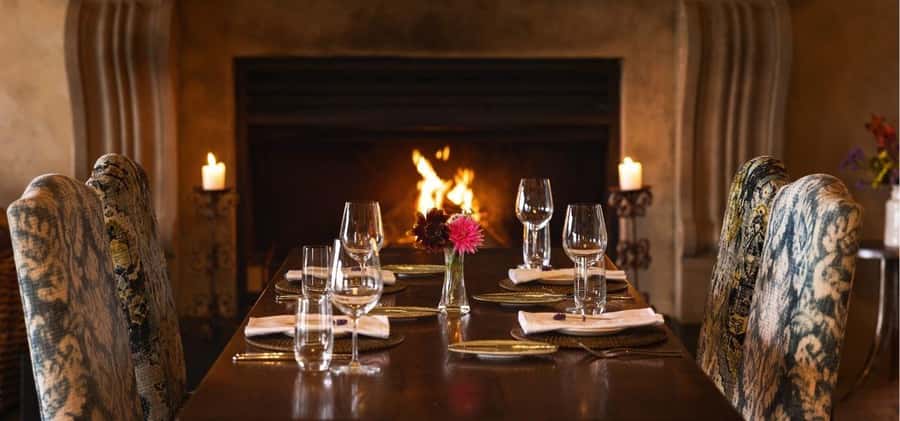
- Starting at The Moraine with a refined dinner
- The wine cellar welcome drink and Southern sky introduction
- Inside Pukaki Observatory and beneath the retractable roof
- What the 9-inch reflector telescope can show you
- The guide makes the difference
- Weather is the biggest variable
- Location and arrival near the SH80 and SH8 turnoff
- Is $224 per person good value?
- Who will enjoy Billion Star Dining most?
- My verdict: book it for the complete evening
- FAQ
- Where does Billion Star Dining take place?
- How long does the experience last?
- How much does Billion Star Dining cost?
- Is dinner included?
- Is a welcome drink included?
- What telescope is provided?
- What might I see through the telescope?
- Does the stargazing happen in bad weather?
- Are children allowed to join?
- How large is the group?
- Where is the meeting point?
- Can I cancel for a refund?
Key points to know before booking
- The evening begins at The Moraine, with fresh, innovative cuisine as the first major part of the experience.
- A wine-cellar welcome drink introduces you to the Southern sky before the telescope session.
- The retractable-roof observatory frames the night sky while protecting the group from some of the discomfort of open-air stargazing.
- The 9-inch reflector telescope can show Saturn’s rings, Jupiter’s bands, nebulae, planets, and star clusters.
- The group is limited to 10 people, a useful size for asking questions and getting time at the telescope.
- Weather affects only part of the evening, since dinner continues even if clouds prevent stargazing.
Why this Mount Cook evening feels different
Many evening outings make you choose between a good meal and a memorable view. Billion Star Dining puts the two together, but the order matters. You eat first, settle into the evening, and then shift your attention to the sky. That makes the astronomy feel like the main event rather than a rushed add-on.
The setting near Lake Pukaki gives the experience a strong sense of place. You are not simply visiting a restaurant followed by an unrelated telescope session. The welcome drink, the Southern sky introduction, and the observatory all point toward the same theme: New Zealand’s unusually dark night skies and the stars visible from the southern hemisphere.
The experience has also received a TIME designation as one of the Greatest Places in the World. That label is not a substitute for practical details, but it helps explain why this is priced above an ordinary dinner. You are paying for a carefully planned evening, a small group, specialist guidance, and use of a dedicated observatory.
More Mount Cook trips:
- From Queenstown: Mount Cook Heli-Hike and Bus Tour Combo
★ 4.8 · 42 reviews - Mount Cook: Tasman Glacier & National Park Scenic Flight
★ 4.8 · 20 reviews - Mount Cook Day Tour from Christchurch
★ 3.7 · 5 reviews
Starting at The Moraine with a refined dinner
The first part takes place at The Moraine, where the focus is fresh and innovative cuisine. The supplied information does not give a fixed menu, so you should treat the food as a fine dining component rather than booking this for one particular dish. That is useful if you enjoy seasonal cooking and presentation, but less helpful if you need to plan around a specific menu or dietary preference.
The meal gives you a warm indoor start before the astronomy begins. This is important in the Mount Cook area, where evenings can feel cold even after a pleasant day. Rather than spending the first half of the experience standing outside waiting for darkness, you can sit down, eat, and enjoy the evening at a slower pace.
The food is also the part of the experience least affected by clouds. If the sky turns gray, your dinner does not disappear. The dining portion proceeds in bad weather, so the evening still has a clear value even when the telescope cannot be used.
At the same time, keep your expectations in the right place. The $224 price covers a combined dining and astronomy experience, not simply a restaurant booking. If you are mainly seeking a high-end meal, you may find the astronomy portion less relevant. If you want an evening built around both food and the sky, the price makes more sense.
The wine cellar welcome drink and Southern sky introduction
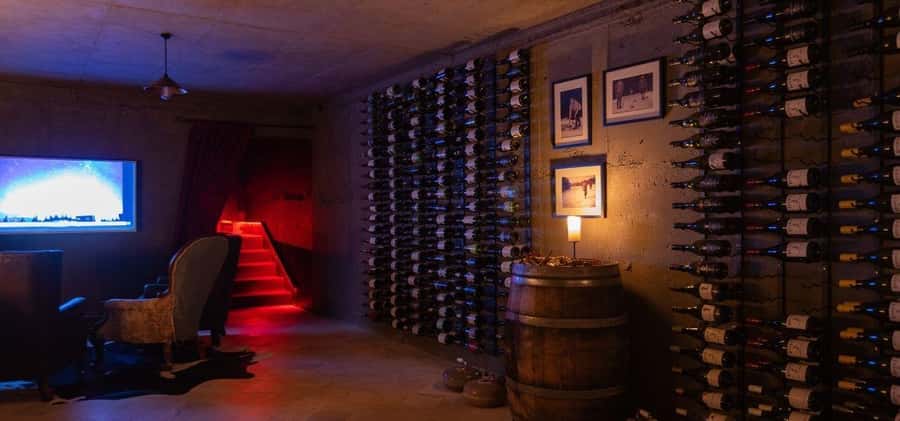
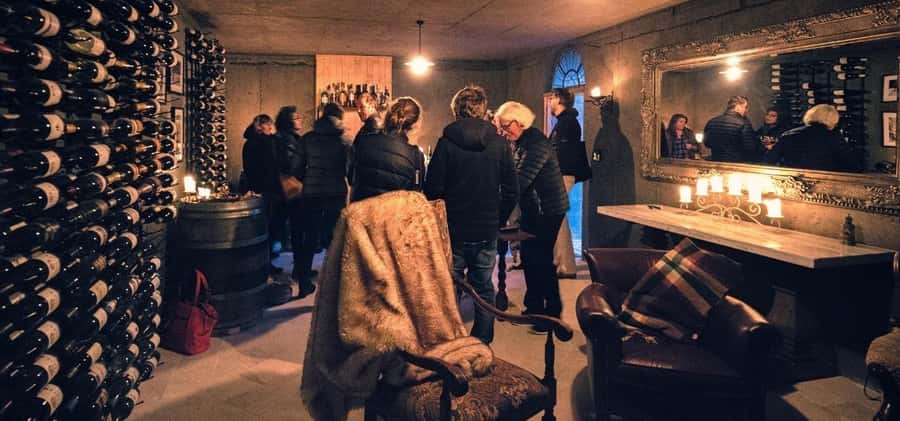
Before heading to the observatory, you enjoy a welcome drink in the wine cellar. This is a small detail, but it gives the evening a better rhythm. You have a chance to get comfortable, hear about the Southern sky, and understand what you may see once the roof opens.
A short introduction can make a big difference when you are looking at unfamiliar stars. The Southern Hemisphere offers celestial sights that many northern visitors rarely see, and an explanation beforehand helps turn a field of bright points into something easier to follow. The information provided does not promise a formal astronomy lecture or a particular list of constellations, so expect an accessible introduction rather than a full course in astrophysics.
The cellar setting adds a sense of occasion without taking over the night. You are not just handed a drink while waiting for the next activity. The drink is tied to the astronomy program, and that connection makes the transition from dinner to stargazing feel deliberate.
You should still bring warm clothing. A welcome drink indoors does not remove the need to prepare for the colder outdoor section, especially when you are spending time under an open roof and waiting for your eyes to adjust to the dark.
Inside Pukaki Observatory and beneath the retractable roof
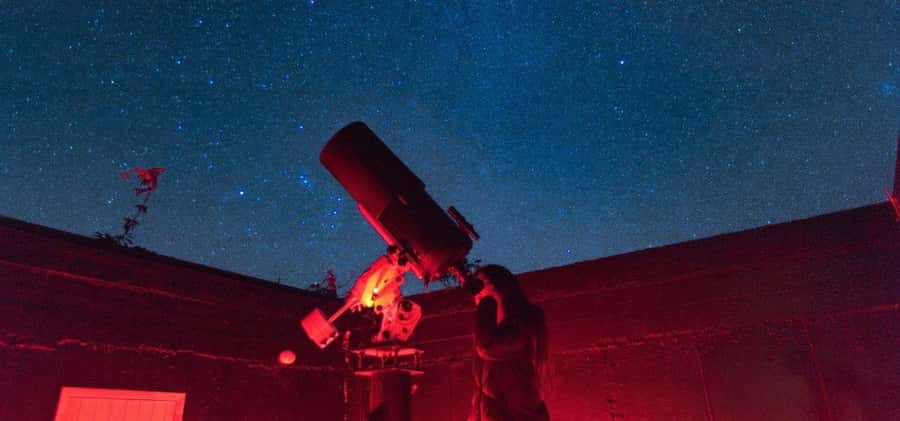
The Pukaki Observatory is purpose-built for this experience. Its retractable roof is one of the most interesting features because it changes the way you see the sky. As the roof recedes, the observatory walls frame the stars, creating a focused view rather than leaving you to search across a wide, open area.
That design has two benefits. First, it gives the group a clear shared setting for the guide’s explanation. Second, it keeps the experience more structured than ordinary outdoor stargazing. You know where to look, where the telescope is positioned, and how the night will unfold.
The walls framing the sky should not be mistaken for a guarantee of perfect viewing. Clouds can still block the stars, and stargazing is weather dependent. But on a clear night, the observatory gives the sky a strong visual frame and makes the telescope session feel like a proper astronomy experience.
The group limit of 10 participants matters here. A large crowd can turn telescope viewing into a long wait, with only a few seconds at the eyepiece. A small group gives you a better chance to listen closely, ask questions, and view several objects as the guide moves the telescope.
More Dining Experiences in Canterbury:
- Mitai Maori Village: Cultural Experience and Dinner Buffet
★ 4.7 · 3,575 reviews - Rotorua: Te Pa Tu Māori Cultural Experience with Dinner
★ 4.8 · 1,193 reviews - Dinner at Walter Peak High Country Farm and Cruise from Queenstown
★ 4.5 · 576 reviews - Auckland Harbour Sailboat Cruise Including Three Course Dinner
★ 4.5 · 476 reviews
What the 9-inch reflector telescope can show you
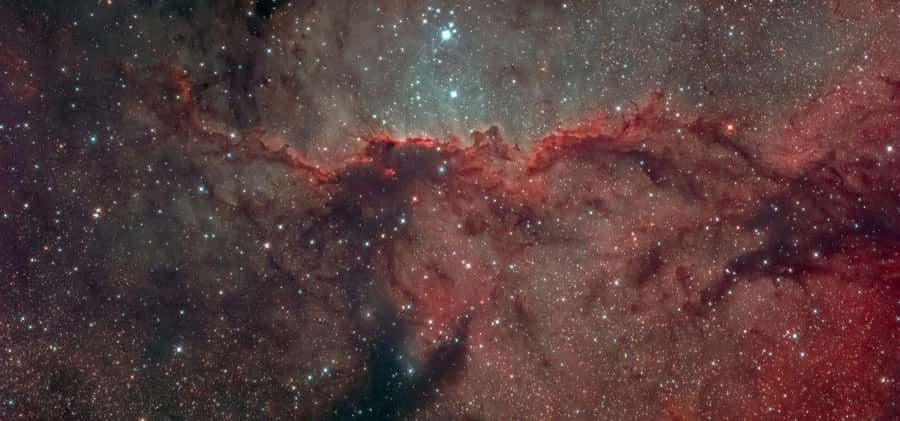
The telescope is a 9-inch reflector model, and it is the practical heart of the astronomy portion. You may see the rings of Saturn, the bands of Jupiter, star clusters, nebulae, and planets. These are not just abstract names. They are the kinds of objects that can make the sky suddenly feel three-dimensional and alive.
Saturn is likely to be the most instantly memorable sight when it is visible. Its rings give the planet a shape that you can recognize at once. Jupiter offers a different kind of view, with visible bands that show it as more than a bright point of light.
Star clusters can appear as concentrated patches of light, while nebulae may look softer and less obvious than people expect. The guide’s role matters here. An astronomer can explain what you are seeing and help you understand why some objects look sharp, bright, faint, or hazy through the telescope.
The exact objects visible will depend on the season, the time of night, and the weather. The program lists the major possibilities, but you should not assume every object will appear during every visit. Astronomy is partly about timing and conditions, which is also why the experience cannot promise a fixed viewing list.
On special nights, you may also catch the Southern Lights, known as Aurora Australis. This is a possibility, not a guarantee. You should book the experience for the meal and observatory session, then regard an aurora sighting as a rare extra rather than the reason to pay $224.
The guide makes the difference
The astronomy session includes a live English-speaking guide, described as an astronomer. That specialist role is important. A telescope can show you a bright object, but a guide helps you understand what it is, where it sits in the sky, and why it matters.
The strongest praise in the supplied feedback is aimed at the people running the experience. One person specifically described the astronomer as brilliant, while another praised how passionate and excited the staff were about their work. That tells you something useful: the human side of the evening is a major part of its appeal.
No individual guide names are provided, so you should not expect to book a particular person. Still, the format gives you a good chance to interact with the guide. With no more than 10 people, the session should feel closer to a conversation than a large public presentation.
The language is English. If you are comfortable following an English explanation of the Southern sky, you should be able to get much more from the telescope session than you would by looking through it alone.
Weather is the biggest variable
The most important practical warning is simple: clouds can cancel the stargazing. One verified booking in January 2026 received a four-star rating because the food and setting were excellent, but the astronomy portion could not go ahead due to weather. That is a useful reminder that a clear sky is never part of the guarantee.
The dining portion still proceeds in bad weather. This makes the booking less risky than an outdoor-only astronomy trip, but it does not erase the disappointment of missing the telescope session. You should be comfortable paying for an evening where the meal is certain and the sky is not.
Warm clothing is essential. The supplied instructions do not specify a particular temperature range or clothing list, so bring practical layers rather than relying on the mild conditions you may have enjoyed earlier in the day.
The best mindset is to treat the observatory as weather-sensitive. If the sky is clear, the telescope and retractable roof can make the evening exceptional. If clouds roll in, you still receive the meal and wine-cellar introduction, but the experience becomes a dining evening with an astronomy theme rather than a full stargazing night.
Location and arrival near the SH80 and SH8 turnoff

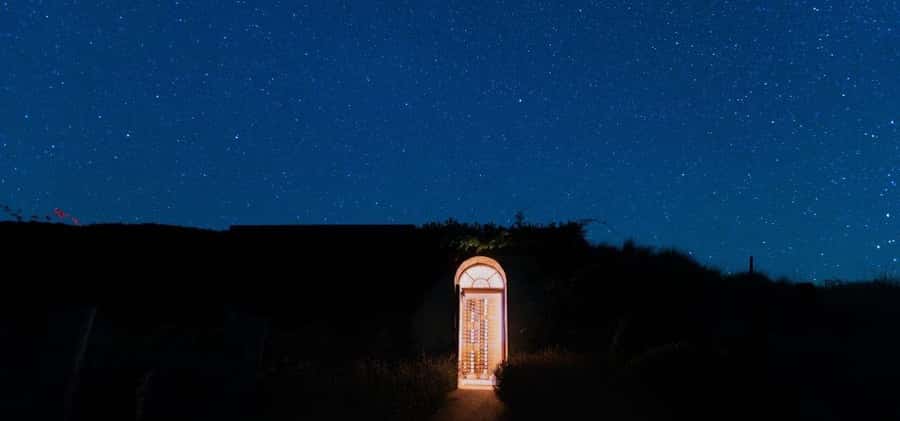
The entrance gate to the property is only 860 meters from the SH80 and SH8 turnoff. Once you reach the gate, the observatory is another 1.2 kilometers away. Follow the signs to the Observatory rather than stopping at the entrance.
These distances are short, but they matter because the meeting point is not described as a town-center venue. Allow time to find the gate, read the signs, and continue to the observatory. The information provided does not include transport from Mount Cook Village, so you should confirm your own way of reaching the property before booking.
The rural location is part of the appeal. The observatory is positioned away from ordinary city activity, which suits a night focused on stars. It also means you should pay attention to the meeting instructions and avoid assuming that a general Lake Pukaki or Mount Cook address is enough.
Is $224 per person good value?
At $224 per person, this is an expensive evening. The value comes from combining several elements: fine dining at The Moraine, a welcome drink, an introduction to the Southern sky, a small-group astronomy session, an astronomer, and access to a 9-inch reflector telescope in a dedicated observatory.
I would consider it good value for a special occasion or for anyone who has already planned time around Mount Cook and wants one polished evening activity. The combination saves you from arranging dinner and a separate astronomy outing, while the group size adds a level of personal attention that a large tour may not offer.
I would be more cautious if you are on a tight budget, traveling with children, or mainly interested in casual stargazing. Children under 10 are not permitted, and the minimum charge is for two people. Solo booking therefore does not reduce the cost to a single-person rate.
The weather risk also affects the value calculation. You receive dinner in any weather, but the astronomy portion is not guaranteed. If missing the telescope would ruin the night for you, this may be a gamble. If you would still enjoy a refined meal and an atmospheric setting, the booking is easier to justify.
Who will enjoy Billion Star Dining most?
I think this experience suits couples, small groups of friends, and adults who want a quiet, well-planned evening rather than a packed sightseeing schedule. It also fits people who enjoy having context with their views. The guide and wine-cellar introduction give the stars some meaning, instead of treating them as a backdrop for photographs.
It is a good match for anyone with a strong interest in astronomy but without much telescope experience. You do not need to bring equipment. The observatory provides the 9-inch reflector telescope, and the guide explains what you are seeing.
It may not suit families with young children, budget-conscious diners, or anyone who needs a guaranteed outdoor attraction. Children under 10 cannot join, weather can cancel the stargazing, and the price is high for an evening that depends partly on conditions outside anyone’s control.
The four-hour duration is long enough for dinner, the welcome drink, and a proper telescope session without making the night feel like a quick add-on. Check the available starting time when you book, since the exact start time is not fixed in the supplied information.
My verdict: book it for the complete evening
I would book Billion Star Dining if I wanted one memorable evening near Mount Cook and could accept that clouds may win. The outstanding food, passionate staff, small group, and well-designed observatory give it more substance than a simple dinner followed by a quick look upward.
Book it especially if you value quality food and expert astronomy in one outing. If the sky is clear, Saturn, Jupiter, clusters, and nebulae can turn the evening into a real highlight. If the forecast is poor, keep your expectations measured: you will still dine at The Moraine, but the main telescope experience may not happen.
The cancellation policy gives you flexibility, with a full refund available when you cancel at least 24 hours ahead. Use that option wisely if the forecast is clearly unfavorable. For a special night with a partner or a small adult group, this is a strong choice. For a guaranteed attraction or a low-cost meal, choose something else.
FAQ
Where does Billion Star Dining take place?
The experience takes place at The Moraine and Pukaki Observatory near Lake Pukaki in New Zealand’s South Island.
How long does the experience last?
The experience lasts four hours.
How much does Billion Star Dining cost?
The price is $224 per person.
Is dinner included?
Yes. Fine dining at The Moraine is included.
Is a welcome drink included?
Yes. You receive a welcome drink in the wine cellar before heading to the observatory.
What telescope is provided?
The experience includes use of a 9-inch reflector telescope.
What might I see through the telescope?
You may see Saturn’s rings, Jupiter’s bands, star clusters, nebulae, and planets. On special nights, you may also see the Southern Lights, or Aurora Australis.
Does the stargazing happen in bad weather?
Stargazing is weather dependent. The dining portion proceeds in bad weather, but clouds may prevent the telescope session.
Are children allowed to join?
Children under 10 years are not permitted.
How large is the group?
The group is limited to 10 participants, and the live tour is conducted in English.
Where is the meeting point?
The entrance gate is 860 meters from the SH80 and SH8 turnoff. The observatory is another 1.2 kilometers from the gate, and you should follow the signs to the Observatory.
Can I cancel for a refund?
Yes. You can cancel up to 24 hours in advance for a full refund. You can also reserve now and pay later.
Just added in Canterbury
- Helicopter trial Flight. Have a go at being the pilot★ 5.0 · 1 review
- Merino Farm Experience★ 5.0 · 3 reviews
- Christchurch Alpaca Farm Tour From Kaiapoi★ 5.0 · 2 reviews
- Oasis Cottage Gardens and Floristry Studio in Oxford, NZ★ 5.0 · 1 review
- Canterbury Helicopter Scenic Flight with Hilltop Landing★ 5.0 · 1 review
- Lyttelton Shore Excursion – Guided Walking Tour and Picnic★ 5.0 · 57 reviews
- North Canterbury Helicopter Winery lunch★ 5.0 · 1 review
- Arthurs Pass and Southern Alps Day Excursion from Port Lyttelton or Christchurch★ 5.0 · 1 review
Mount Cook Tours, compared.

Mount Cook: Scenic Helicopter Flight with Alpine Landing
Read our review →
Mt Cook Small Group Scenic Day Tour from Queenstown
Read our review →

Mount Cook, Lake Tekapo and Tasman Glacier Tour from Christchurch
Read our review →
Tekapo Shuttle: Mt Cook Day Tour via Pukaki & Tasman Lake
Read our review →
Mt Cook & Tasman Glacier lookout Small Group Tour from Queenstown
Read our review →
Mount Cook: Ski Plane and Helicopter Glacier Combo Flight
Read our review →
Browse the lists this tour appears in