
REVIEW · PENGUIN TOURS
Wildlife and Penguin Tour
Penguins reward patience. This 90-minute Otago Peninsula tour combines a conservation presentation, close views at a rehabilitation centre, and a guided walk into protected habitat. I like the small group of up to 15 and the included high-quality binoculars, which make it easier to ask questions and spot wildlife without carrying extra gear.
I also like the practical waterproof jackets and the chance to see fur seals, sea lions, and birds along with the endangered yellow-eyed penguin, or hoiho. The main consideration is simple: wild animals set the schedule. You may see a penguin close by, or only one far off, so this is not a guaranteed wildlife show.
In This Review
- Key points to know before you book
- Why the Otago Peninsula is the right setting
- Part one: a short introduction to hoiho conservation
- Part two: penguins at the rehabilitation centre
- Part three: the reserve and its 2-kilometre walk
- The guide and the small-group advantage
- How the wildlife viewing can vary
- Is $46.54 good value?
- The best timing and how to prepare
- Who will enjoy this experience most
- Booking details that matter
- Should you book the Wildlife and Penguin Tour?
- FAQ
- Where does the Wildlife and Penguin Tour begin?
- Where does the tour finish?
- How long does the tour last?
- Are binoculars provided?
- Are waterproof jackets included?
- How much walking is involved?
Key points to know before you book
- The tour has three parts: a conservation presentation, a rehabilitation-centre visit when penguins are present, and a guided nature walk.
- The wild penguin viewing is unpredictable: sightings can range from several penguins to one distant bird, depending on weather, season, and animal behavior.
- A 2-kilometre walk is included: you should be comfortable walking this distance over the reserve route.
- Penguins can be seen up close in care: the rehabilitation centre offers a more reliable view than the open reserve, though animals are seen behind barriers.
- Binoculars and waterproof jackets are supplied: these useful extras make the outing easier in changeable coastal weather.
- The price is $46.54 per person: for a small group, guide, conservation content, transport within the reserve, and included admission, it is a reasonable wildlife experience.
Why the Otago Peninsula is the right setting
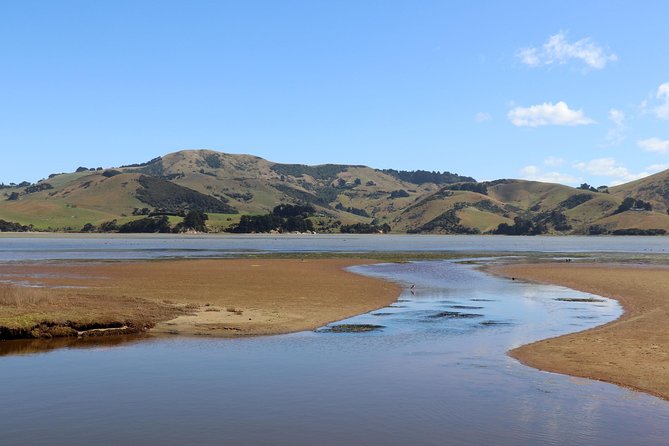
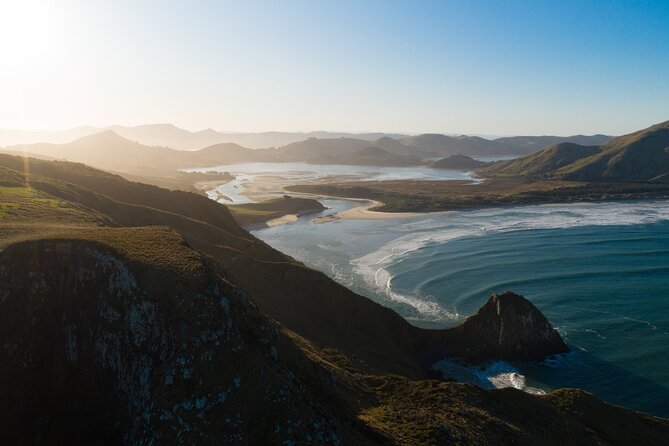
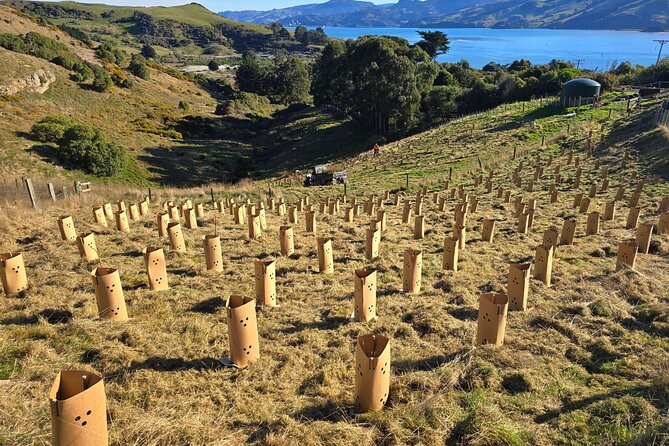
The Otago Peninsula gives this experience its meaning. You are not simply being driven to a spot where penguins appear on cue. You are visiting a protected coastal area connected to a long-running effort to restore native habitat and help endangered hoiho survive.
The tour begins at the Otago Peninsula Eco Restoration Alliance, at 45 Pakihau Road in Portobello. That location matters because the experience is tied to local conservation work from the first few minutes. You learn why yellow-eyed penguins need protection before you go looking for them.
I like this approach. It gives you something useful to carry into the wildlife viewing. You understand why a quiet approach matters, why distance is important, and why an apparently empty beach may still be valuable penguin habitat.
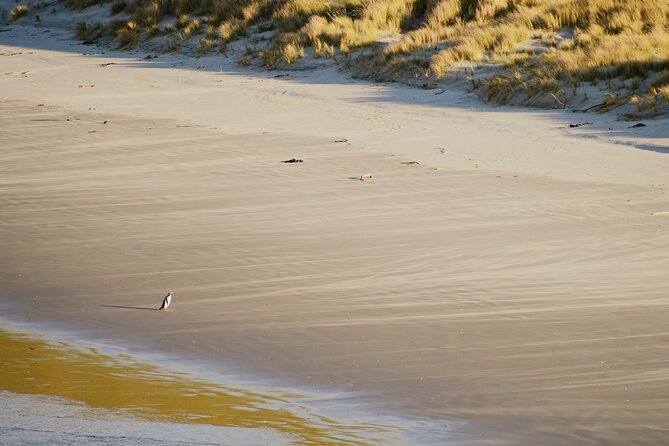
The yellow-eyed penguin is native to New Zealand and endangered. It is also a shy animal, which makes the sighting feel less like a performance and more like a privilege. You will need to accept that a good wildlife tour is partly about conditions and luck.
More Wildlife Trips in Dunedin
- Clearwater Wildlife Tours (small group 10max) Otago Peninsula
★ 5.0 · 531 reviews - Dunedin: Wildlife and Penguin Tour
★ 4.6 · 239 reviews - Otago Peninsula Wildlife Cruise with Monarch
★ 4.5 · 227 reviews
Part one: a short introduction to hoiho conservation
The first section takes place in a theatre setting. You learn about the yellow-eyed penguin and the work being done to protect it. The presentation gives the tour a useful foundation rather than sending you straight outside with only a pair of binoculars.
For someone new to New Zealand wildlife, this is helpful. You learn what you are hoping to see and why the species needs special care. The conservation message also explains why the organization protects and rehabilitates penguins instead of treating the reserve as a simple sightseeing stop.
This part is not the most exciting section for a child who wants immediate wildlife action. Still, it earns its place. I would rather spend a few minutes learning how to behave around an endangered species than rush outdoors and miss the point of the visit.
The presentation also helps balance expectations. You are not promised a close wild encounter. Instead, you are prepared for a range of outcomes, from a penguin returning from the water to a distant glimpse through binoculars.
Part two: penguins at the rehabilitation centre
Next, you visit the rehabilitation centre when yellow-eyed penguins or other penguin species are present. This is likely to be the most dependable place to see penguins at close range.
The birds are viewed behind a fence or other barrier, so you should not expect to touch them or watch them in an open enclosure. That distance is part of the conservation ethic. The animals are there for care, not for a staged photo opportunity.
This section has been praised for giving you a close look at penguins while also explaining local conservation work. It is especially valuable on a day when wild penguins stay hidden or remain far from the viewing area.
You might see yellow-eyed penguins in care, along with other species. The exact animals present can change, so the tour cannot promise a particular penguin at the rehabilitation centre. The important point is that this section gives the experience a second chance at a meaningful penguin sighting.
I would also keep your expectations sensible. A close view behind a barrier is not the same as watching a hoiho walk across a beach. Some people may find this part a little limited, but I see it as a responsible compromise. You get to observe the birds without disturbing them.
Part three: the reserve and its 2-kilometre walk
After the indoor sections, a short bus ride takes you into the reserve. From there, your guide leads an approximately 2-kilometre nature walk, or about 1.25 miles.
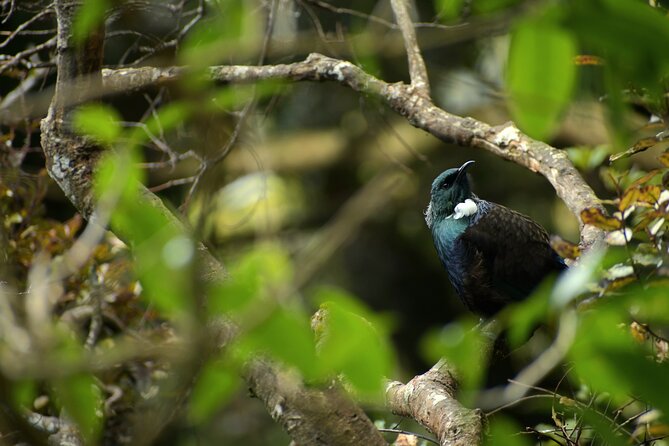
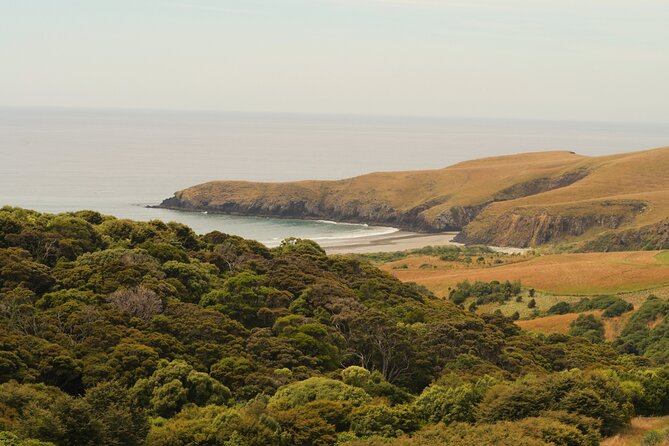
This is where the outing becomes less predictable and more rewarding. You are looking for yellow-eyed penguins in their natural habitat, but the walk can also bring views of fur seals, sea lions, and coastal birds.
The walk gives you time to notice more than the main target. If the hoiho stays out of sight, the other wildlife helps keep the experience worthwhile. Several sea lions and seals may be visible, and birdlife adds variety to the route.
The included binoculars are important here. A wild penguin may be far from the path, and your eyes alone may not be enough. Good binoculars let you study the animal without moving closer or causing stress.
You should be ready for some waiting and scanning. One of the biggest disappointments reported about this type of outing is seeing only a single penguin at a great distance. That can happen because yellow-eyed penguins may be out at sea, hidden from view, or slow to return to shore.
On better days, you may see a pair near the beach for a longer period. Late afternoon or evening departures have been suggested as a useful choice by people who had especially good sightings, though no departure time can control wild behavior.
The walk requires a moderate level of fitness. The distance is not extreme, but it is long enough that you should be comfortable walking around the reserve. The supplied waterproof jackets are a thoughtful touch because coastal weather can change quickly, and staying dry makes it easier to concentrate on wildlife.
More penguin trips:
- Guided Evening Penguin Viewing Otago Peninsula, Dunedin, New Zealand
★ 5.0 · 471 reviews - Otago Peninsula In-Depth Tour & Blue Penguins Pukekura Experience
★ 5.0 · 163 reviews - Dunedin City Highlights, Otago Peninsula Scenery & a Guided Penguin Reserve Tour
★ 4.5 · 77 reviews - Dunedin: Otago Peninsula with Guided Penguin Reserve Tour
★ 4.7 · 66 reviews
The guide and the small-group advantage
The group is limited to 15 people. That is not a private tour, but it is small enough to feel more personal than a large coach outing.
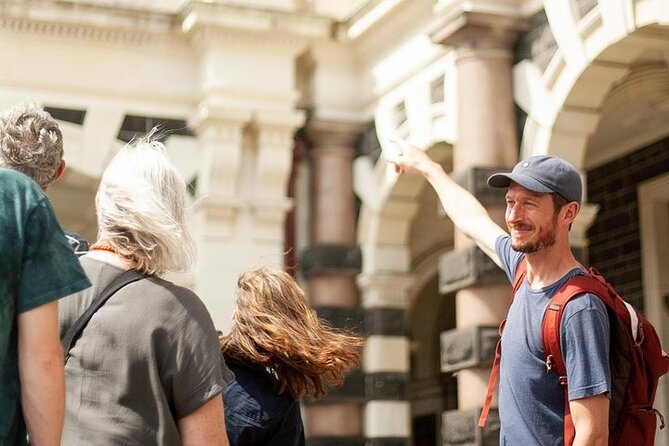
I like the practical benefit of this size. You have a better chance to hear explanations, ask questions, and get help using the binoculars. A guide can also point out wildlife that you might miss on your own.
The staff have been described as friendly, approachable, and informative. That combination matters on a wildlife tour. You want clear explanations, but you also want a guide who understands that people may be excited, inexperienced, or unsure where to look.
The guide cannot produce a penguin. What the guide can do is explain the conservation work, set sensible viewing behavior, identify animals, and help you make the most of a quiet day.
I would ask questions during the indoor presentation and again on the reserve walk. This is the sort of tour where the quality of the information can shape the day, especially if sightings are modest.
How the wildlife viewing can vary
The biggest factor in deciding if this tour suits you is your attitude toward uncertainty.
Yellow-eyed penguins are not predictable. They may return from the ocean at different times, and conditions can change from day to day. Weather, season, and the birds’ own behavior all affect what you see.
You might see several nesting penguins, seals, and sea lions. You might see a pair remain near the beach for a good while. You might also see one penguin far away and spend more time looking at seals than hoiho.
That range is not a flaw in the reserve. It is the nature of wildlife viewing. Still, the distinction matters when you spend your money. If you need guaranteed close views of yellow-eyed penguins in the wild, no ethical tour can offer that.
The rehabilitation centre helps soften the risk. It offers close views when penguins are present, while the reserve gives you the chance to see them living freely. The two parts work better together than either would alone.
I would book this tour if you enjoy learning about conservation and can take pleasure in smaller sightings. If your only goal is a close wild penguin photograph, you may leave disappointed on a quiet day.
Is $46.54 good value?
At $46.54 per person, the price is fair for a 90-minute guided experience with admission included. You receive a guide, binoculars, waterproof jackets, a short bus transfer into the reserve, the conservation presentation, the rehabilitation-centre visit when penguins are present, and the guided walk.
The small group improves the value. You are not paying only for transport to a viewpoint. You are paying for access to a conservation setting, help finding wildlife, and explanations that would be difficult to get from a self-guided visit.
The price also compares well if you would otherwise need to purchase binoculars or outdoor clothing for a single outing. Those included items are not glamorous, but they are exactly what you need when an animal is distant and the weather turns wet.
The value becomes less certain if your expectations focus narrowly on yellow-eyed penguins in the wild. A day with one distant penguin may feel expensive if you measure success only by the number of birds seen.
I would treat the cost as payment for the full experience, not a ticket to a guaranteed animal encounter. You are supporting a conservation operation while receiving a guided introduction to the reserve.
The best timing and how to prepare
A late afternoon or evening tour may be worth considering. A good sighting has occurred during those later hours, when penguins may return from the sea, but timing remains no guarantee.
Bring comfortable clothing for a 2-kilometre walk and be ready for wet conditions. Waterproof jackets are supplied, which helps, but you should still arrive prepared for outdoor weather and a moderate amount of walking.
Keep your phone ready for the mobile ticket, and arrive at the meeting point on Pakihau Road in Portobello. The activity ends back at that same location, so you do not need to arrange a separate return point.
The experience lasts about 90 minutes. That makes it easy to fit into a wider Dunedin or Otago Peninsula schedule, though you should allow enough time to reach the meeting point and avoid rushing before the start.
I would not plan a tightly packed activity immediately afterward. Wildlife viewing may involve pauses, and you will enjoy the walk more if you are not watching the clock.
Who will enjoy this experience most
This tour suits nature lovers, first-time visitors to the Otago Peninsula, and anyone who wants more context than a quick roadside wildlife stop can provide.
It is also a good choice if you want to support local conservation while seeing animals in a setting designed around their welfare. Families may appreciate the mix of presentation, close penguin views, bus transport, and outdoor exploration, though children should be able to manage the walk and wait quietly.
Birdwatchers and photographers should bring realistic expectations. Binoculars are included, but the wild animals may be distant. The experience is better for observing and learning than for guaranteeing a perfect close-up photograph.
People who dislike uncertainty should think carefully before booking. A reserve cannot promise that hoiho will appear on schedule, and one account of the experience found too much time spent seeing very little. That is an honest warning, not a reason to dismiss the tour entirely.
The strong overall rating of 4.8 from 27 ratings and a 93 percent recommendation rate suggest that most people find the mix of conservation, close rehabilitation-centre viewing, and outdoor wildlife worthwhile. Still, the lower rating points to the central tradeoff: the tour is excellent when the animals cooperate and merely adequate when they do not.
Booking details that matter
The meeting point is 45 Pakihau Road, Portobello, Dunedin 9077, New Zealand. The activity returns to the same place.
The maximum group size is 15 people. Confirmation is provided when you book, and the tour includes admission, a guide, binoculars, waterproof jackets, and the bus ride into the reserve.
Alcoholic drinks are not included. That is unlikely to affect the wildlife experience, but it is worth knowing if you are comparing this outing with a longer food or drink tour.
Free cancellation is available if you cancel at least 24 hours before the local start time. Cancellations or changes made inside that window are not accepted for a refund.
Should you book the Wildlife and Penguin Tour?
Book it if you want a small-group conservation experience with a real chance to see endangered yellow-eyed penguins, plus seals, sea lions, and birds. The rehabilitation centre gives you a useful close view, while the reserve walk offers the more special possibility of seeing hoiho in the wild.
I especially recommend it for people who value local conservation and can accept that wildlife may remain distant or absent. Choose a later departure if your schedule allows, bring patience, and think of the penguin sighting as a possibility rather than a promise.
Skip it if you need guaranteed close contact or a packed schedule of constant animal sightings. For everyone else, $46.54 is a sensible price for a thoughtful, well-supported introduction to one of New Zealand’s most important coastal species.
FAQ
Where does the Wildlife and Penguin Tour begin?
The tour begins at 45 Pakihau Road, Portobello, Dunedin 9077, New Zealand.
Where does the tour finish?
The activity ends back at the meeting point on Pakihau Road.
How long does the tour last?
The tour lasts approximately 1 hour and 30 minutes.
Are binoculars provided?
Yes. High-quality binoculars are included for use during the experience.
Are waterproof jackets included?
Yes. Complimentary waterproof jackets are provided.
How much walking is involved?
The reserve portion includes an approximately 2-kilometre, or 1.25-mile, guided nature walk. A moderate level of physical fitness is recommended.
Just added in Dunedin
- Otago Peninsula Tour and Larnach Castle City Sights (min 4 )★ 4.0 · 5 reviews
- Clearwater Private Penguin & Wildlife Tour from Port Otago (5hrs)★ 5.0 · 7 reviews
- Dunedin Nature & City Tour – Full Day Cruise Excursion★ 4.5 · 87 reviews
- Otago Peninsula Scenery and Dunedin City Highlights Tour★ 4.5 · 33 reviews
- Shore Excursion: Dunedin City, Otago Peninsula, Castle Gardens & Olveston Tour★ 5.0 · 81 reviews
- Castle, Coast & City Tour – 8 pax max – Castle Entrance Included★ 5.0 · 102 reviews
- Harbour, Albatross and Wildlife Cruise on Otago Harbour★ 4.5 · 22 reviews
- Dunedin Shore Excursion – Sightseeing, Larnach Castle, Chinese Garden & Museum★ 3.5 · 13 reviews
Penguin Tours, compared.
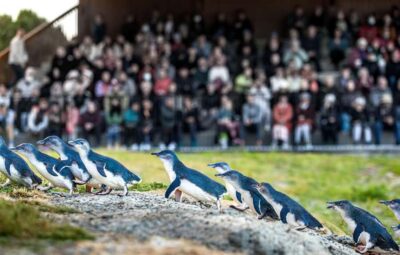
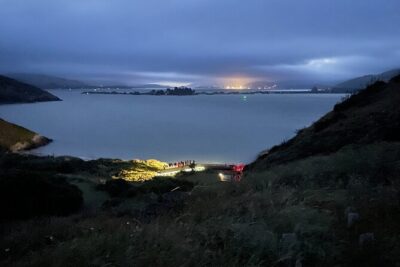
Guided Evening Penguin Viewing Otago Peninsula, Dunedin, New Zealand
Read our review →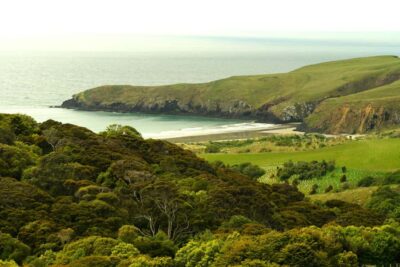

Otago Peninsula In-Depth Tour & Blue Penguins Pukekura Experience
Read our review →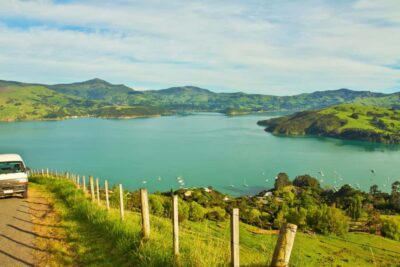
Pohatu Penguins Scenic Nature 2-Hour or 4-Hour Tour
Read our review →
Pohatu Little Penguins 3-Hour Evening Experience
Read our review →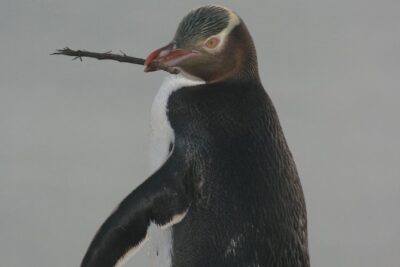
Dunedin City Highlights, Otago Peninsula Scenery & a Guided Penguin Reserve Tour
Read our review →
Otago Peninsula with Guided Penguin Reserve Tour
Read our review →Browse the lists this tour appears in