
REVIEW · KIWI BIRD ENCOUNTERS
Auckland (Tawharanui): Wild Kiwi Bird Spotting Encounter
Kiwi watching rewards patience. This two-hour night walk at Tāwharanui Regional Park gives you a rare chance to see North Island brown kiwi moving freely through protected bush, far from cages and daytime crowds. I especially like the skilled guides, who use calls, tracks, and careful observation to find birds, and the dark-sky setting, where stargazing becomes part of the evening rather than a quick extra. The main drawback is simple: kiwi are wild animals, so sightings are never guaranteed, and the search can feel slow if you expect a fast wildlife show.
The $89 price is fair for a guided encounter that combines wildlife tracking, local ecology, Māori star knowledge, and stargazing equipment. I also like that private or small-group options are available, although you should bring warm clothing and comfortable shoes. The coastal park can feel cold at night, and cloudy weather may replace the star show with more time spent looking for kiwi.
In This Review
- Key things to know before you go
- Why Tawharanui is a special place for kiwi watching
- The two-hour search for a North Island brown kiwi
- What seeing a kiwi in the wild is really like
- Stargazing under a dark coastal sky
- A chance of blue shoreline bioluminescence
- How the timing and optional overnight stay work
- Is $89 good value?
- Who will enjoy this most?
- Practical advice for a better night
- Should you book it?
- FAQ
- How long does the kiwi spotting experience last?
- Where does the tour meet?
- Is transport from Auckland included?
- How much does the experience cost?
- Are kiwi sightings guaranteed?
- What type of kiwi might I see?
- Is stargazing included?
- Can I see planets during the tour?
- Is an overnight stay included?
- What should I bring?
- Can I cancel the booking?
- Is the tour available as a private experience?
Key things to know before you go
- Wild kiwi in a protected park: You search for North Island brown kiwi in their natural habitat, not in an enclosure.
- Patient tracking is part of the experience: Your guide may spend a long time listening and scanning before a bird appears.
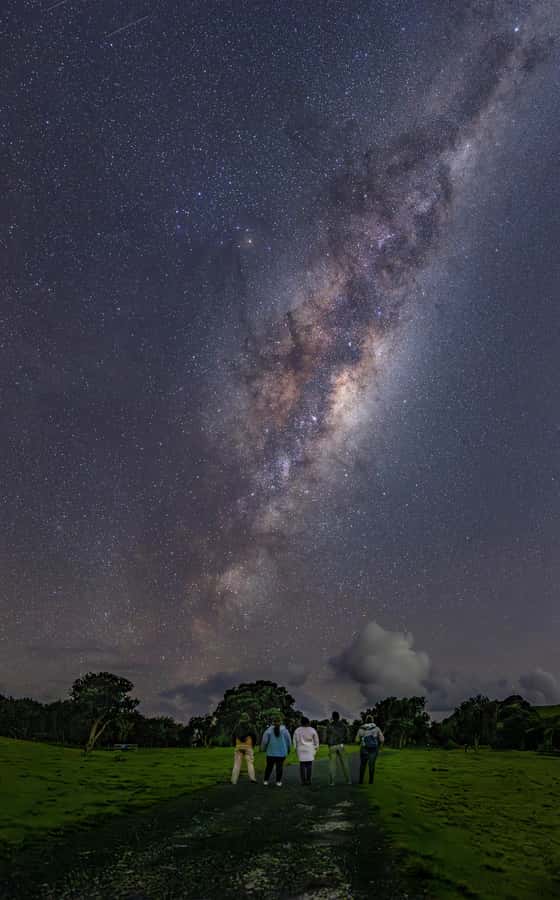
- Excellent night skies: Tawharanui has very little light pollution, making stars, planets, and constellations easy to study when skies are clear.
- Guides make the difference: Guides such as Legend, Chris, Millie, Lucas, Sean, Ryan, and Sharn have helped turn quiet waiting into an engaging nature lesson.
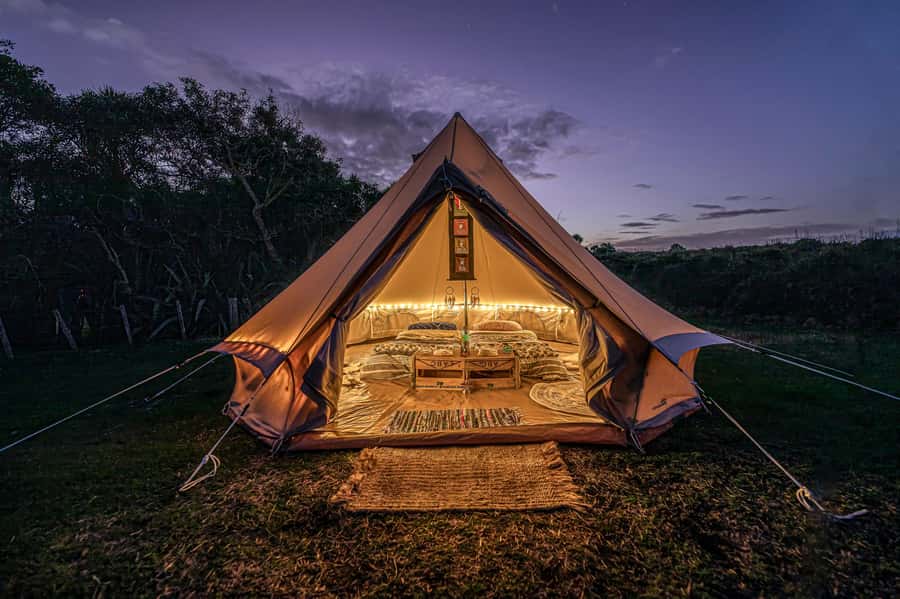
- Optional overnight setup: A glamping stay can be added, but campsite booking and fees are separate.
- Transport is not automatic: You meet at the public bathrooms at the end of Takatu Road unless you add transport at checkout.
Why Tawharanui is a special place for kiwi watching
Tāwharanui Regional Park lies north of Auckland on the Takatu Peninsula. It is a conservation sanctuary with native bush, open areas, coastal scenery, and a protected habitat for native species. Reaching the end of Takatu Road feels like leaving the city behind, which matters once darkness arrives.
The setting is not just pretty scenery around a wildlife tour. The park’s protection work creates the conditions kiwi need to move and feed. Your guide explains how native forest restoration, predator control, and careful management help bring back species that are difficult to find elsewhere.
That conservation context gives the walk a purpose beyond ticking off New Zealand’s national bird. You are seeing an animal in the sort of setting conservation programs are trying to preserve. A kiwi may appear for only a few seconds, but the surrounding forest tells the larger story.
You meet near the public bathrooms at the end of Takatu Road. From there, the guide gives a relaxed briefing about the route, safety, the park, and the animals you may hear or see. Expect an evening that depends on quiet movement. Bright lights, loud voices, and quick footsteps would work against the very thing you came to find.
More kiwi encounters:
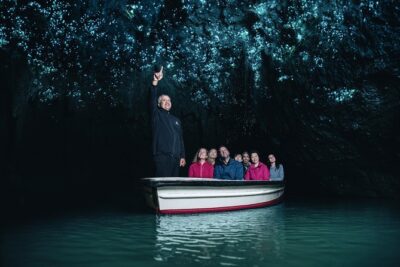
- Private tour from Auckland – Waitomo Glowworm Caves, Zealong Tea & Kiwi Bird
★ 5.0 · 20 reviews - From Auckland: Waitomo Caves and Kiwi House Group Tour
★ 4.8 · 20 reviews - From Auckland: Hobbiton, Waitomo Caves & Kiwi House Tour
★ 5.0 · 4 reviews
The two-hour search for a North Island brown kiwi
The walk begins as daylight fades. This is a useful transition because you get to see the bush change from a familiar daytime park into a darker, quieter habitat. As the light drops, your attention shifts from distant views to small sounds and movements close to the track.
Your guide leads the group slowly through native bush and open sections of the park. The search may involve listening for kiwi calls, watching the edge of the track, checking likely feeding areas, and spotting signs of activity. You may also hear ruru, the morepork, and other night sounds as the park wakes up.
The guides are the strongest part of this experience. Legend is repeatedly praised for his energy, wildlife knowledge, stories, and ability to locate birds. Chris, Millie, Lucas, Sean, Ryan, Hayley, and Sharn have also led highly regarded walks. Their personalities differ, but the best guides share the same useful skill: they keep you interested when nothing is happening.
That patience is not a minor detail. One evening may begin with a long wait before the first kiwi appears, then suddenly produce several birds close together. Another group may see only a small number. Sightings have ranged from two birds to more than fifteen, but you should treat those figures as possible outcomes, not promises.
The birds are quick. Even when your guide spots one clearly, you may have only a brief look before it moves into the bush. A torch or headlamp helps you follow the action, while the guide controls the search and points out where to look. Some outings also use thermal equipment, binoculars, or other kiwi-spotting gear.
You should not expect close contact or staged behavior. The best part is watching a kiwi forage, cross the track, or pause briefly while carrying on with its night. A respectful viewing distance protects the birds and makes the encounter feel genuine.
What seeing a kiwi in the wild is really like
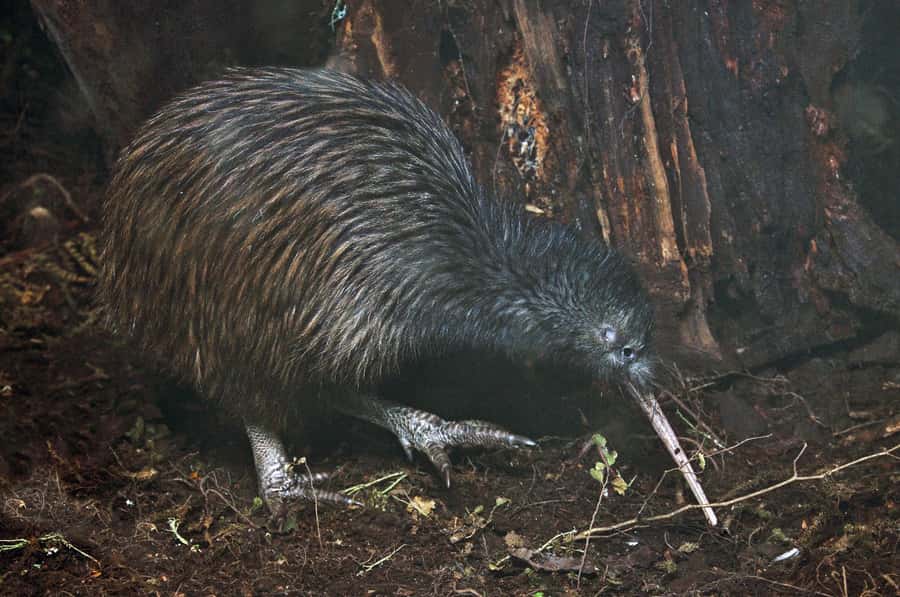
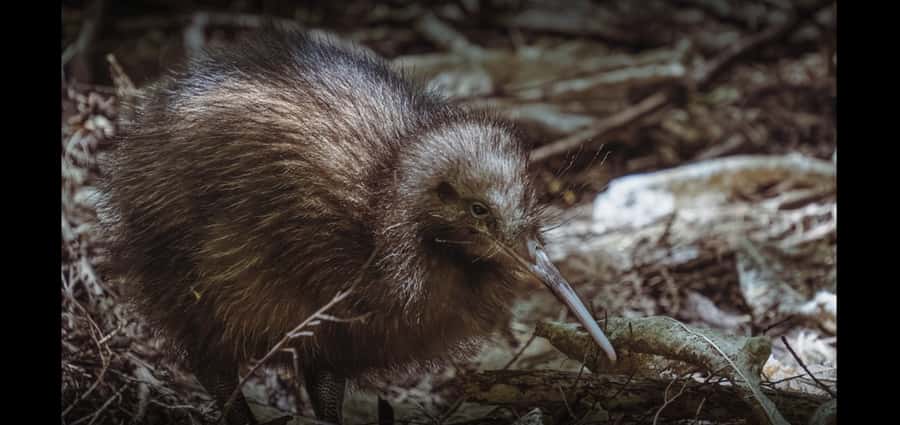
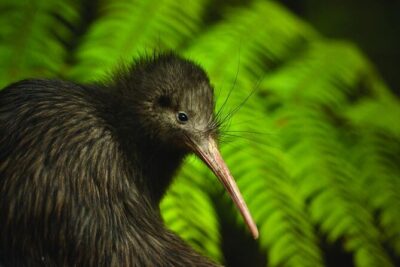
A kiwi is not a large, dramatic bird that poses in the open. It is a small, flightless, nocturnal forest bird with a habit of appearing when your eyes are least ready for it. That makes the guide’s role central.
You might first hear a sound, notice a shape near the vegetation, or catch movement at ground level. Then the bird may vanish almost at once. This can frustrate anyone who wants a guaranteed photograph, but it also keeps the encounter honest.
Some groups have seen male and female birds together, young birds farther along the track, or several kiwi scattered through the park. One evening produced a bird that paused long enough for several photographs. On another, a nine-year-old child loved seeing kiwi in the wilderness. These moments show why the tour works well for families, as long as children can walk quietly and wait without constant entertainment.
Photography should be treated as a bonus. The reviews describe successful sightings, but the emphasis is on watching rather than collecting perfect images. Your guide’s torch, timing, and instructions matter more than a powerful phone camera.
Stargazing under a dark coastal sky
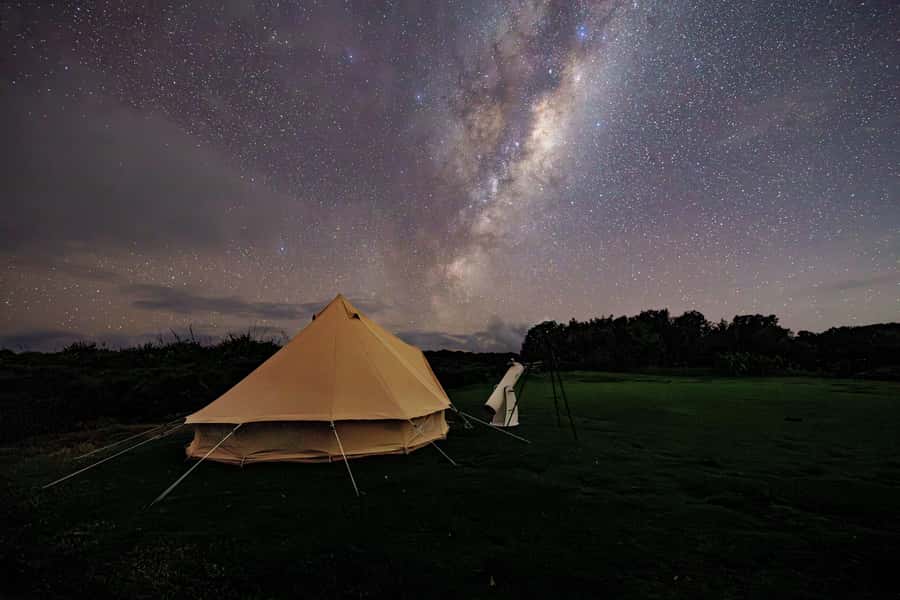
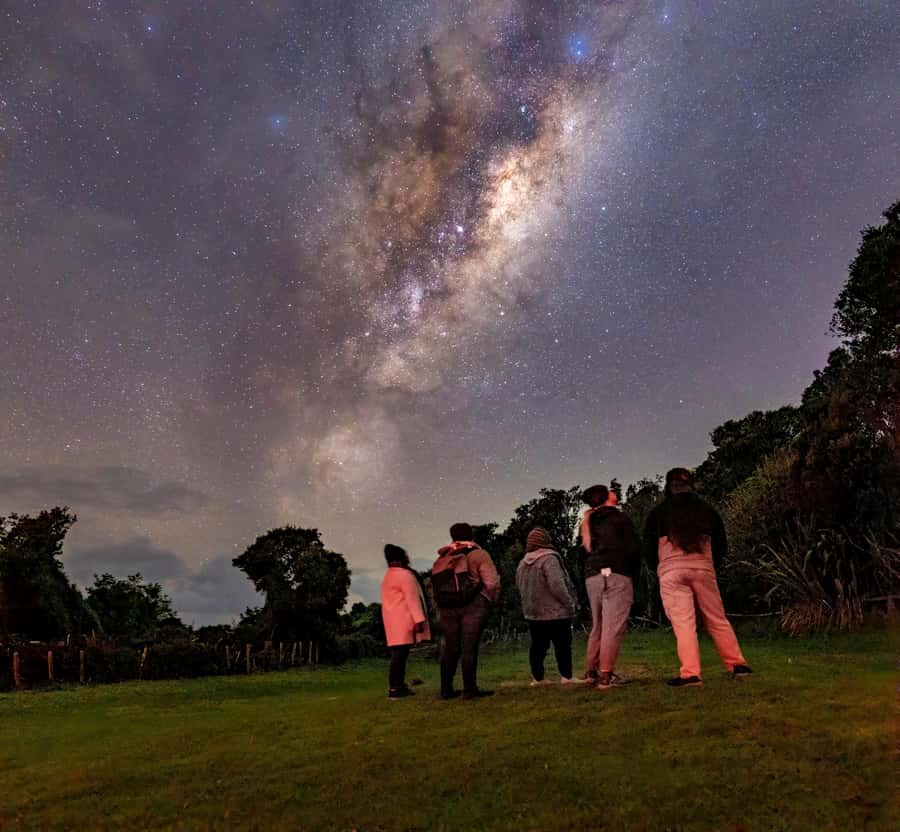
Once full darkness arrives, Tāwharanui offers a second kind of wildlife encounter overhead. The park is far from strong city lighting and surrounded by the sea, so the night sky can be striking when clouds stay away.
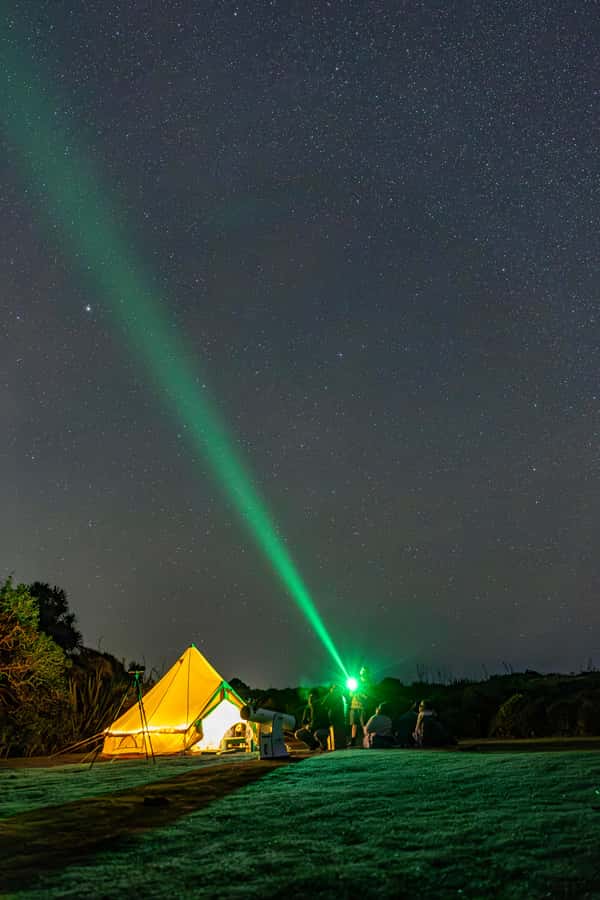
Your guide uses stargazing equipment, which may include binoculars and a telescope, to show stars and planets. Past outings have included views of Venus, Jupiter, Saturn, and the Moon’s craters. You also learn about seasonal constellations and Southern Hemisphere features that look different from the skies of Europe or North America.
The Māori astronomy stories add a welcome sense of place. Rather than treating the sky as a collection of isolated objects, the guide connects stars with navigation, culture, and local traditions. That makes the stargazing feel tied to New Zealand instead of being a generic astronomy stop.
Weather decides how much you see. Clear winter conditions can produce superb stars, while cloud may block the sky altogether. One cloudy night shifted the focus entirely to kiwi spotting, and the group still saw seven birds. That is a good way to think about the activity: stargazing is a strong second feature, but it cannot be guaranteed.
Some guides have added hot chocolate to the stargazing portion. It is a small touch, but welcome on a cold winter evening. Bring your own water and warm layers regardless, since extra food and drinks are not included.
A few more to weigh up in Auckland
- Waiheke Island: Ferry & Hop-On Hop-Off Explorer Bus Tickets
★ 4.6 · 3,311 reviews - Hobbiton & Waitomo Caves Guided Day Trip from Auckland incl lunch
★ 5.0 · 2,677 reviews - From Auckland: Hobbiton & Waitomo Caves Day Trip with Lunch
★ 4.9 · 2,505 reviews - Auckland Dolphin and Whale Watching Eco-Safari Cruise
★ 4.5 · 1,790 reviews
A chance of blue shoreline bioluminescence
When conditions are right, you may see bioluminescence near the shoreline or in shallow water. Movement in the sand or water can trigger a soft blue glow from microscopic organisms.
This is not guaranteed, and it should not be the reason you book the tour. Still, it gives the night another possible surprise. Your guide explains the science behind the glow and how tiny living organisms create the effect.
The experience may focus mainly on bush tracks, but the coastal setting gives the outing a wider feel. You are not simply walking through darkness. You are paying attention to sounds in the forest, stars above, and perhaps light in the water.
How the timing and optional overnight stay work
The core activity lasts two hours, with starting times varying by date and sunset. You should check availability before booking because the walk needs darkness, and the best start time changes during the year.
The meeting point is practical but remote: the public bathrooms at the end of Takatu Road inside Tāwharanui Regional Park. Transport is not included in the base price, though it can be added at checkout. One group specifically praised a comfortable pickup from Auckland and a safe return to accommodation around 2 a.m., so transport can make a big difference if you do not have a car.
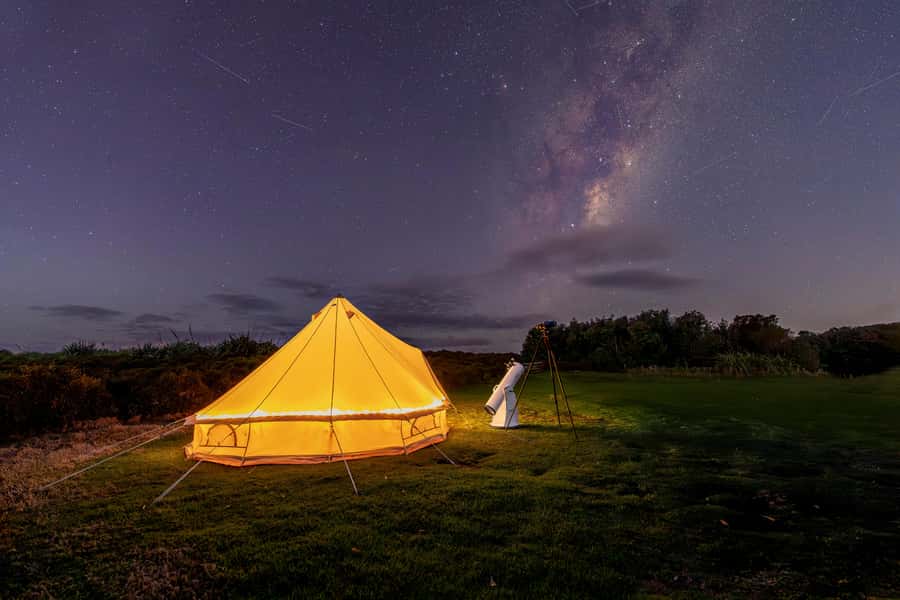
The program can also be paired with a longer park visit or an overnight stay. A glamping option is available if selected, but campsite booking and fees are not included. The supplied setup has included a tent, blankets, foam mattresses, small snacks, and basic necessities, with the tent prepared before the night walk.
Read the overnight details carefully before assuming the $89 covers a full camping package. The base price is for the encounter. The stay and park-related charges are separate choices.
Is $89 good value?
At $89 per person, this is not a cheap evening stroll. It is good value if you want a serious attempt at seeing wild kiwi and would struggle to find them alone.
The price includes a guide and stargazing and kiwi-spotting equipment. You are also paying for local tracking skill, conservation knowledge, and access to a protected setting at the right time of night. A casual walk through the park would not give you the same chance of finding a bird.
The value rises for small groups. You can ask questions, hear the guide more easily, and spend less time trying to see around a crowd. Private options cost more in many tour settings, but the private or small-group format here may suit families, couples, and keen bird watchers who want a quieter outing.
The value falls if you need certainty. You might see two kiwi, ten kiwi, or none. The guides work hard, but wildlife does not follow a timetable. I would book this for the quality of the search and the setting, not for a guaranteed number of birds.
Free cancellation up to 24 hours before the activity and reserve-now-pay-later booking make it easier to fit into a changing Auckland schedule. Those policies help, but they do not change the need to dress for a cool night.
Who will enjoy this most?
This is a strong choice for nature lovers, bird watchers, families with older children, and anyone who wants a distinctly New Zealand evening. It also suits visitors without much time in Auckland, since Tāwharanui is a scenic trip north of the city and the activity combines several night-time experiences.
It is especially good for people who value patient observation. You should be comfortable walking slowly, standing quietly, and accepting that the first part may seem uneventful. The reward can come late, sometimes with several sightings close together.
Families have done well on the tour, including one with a nine-year-old and another with an eleven-year-old. Children should be able to manage warm clothing, uneven walking conditions, and a quiet search. The tour is less suitable if you want a fast-moving attraction or a guaranteed photo opportunity.
Couples may like the mix of wildlife and stars, while solo visitors can enjoy the small-group atmosphere. One group of mixed ages found the guides welcoming and entertaining, which suggests the tone is friendly rather than highly formal.
Practical advice for a better night
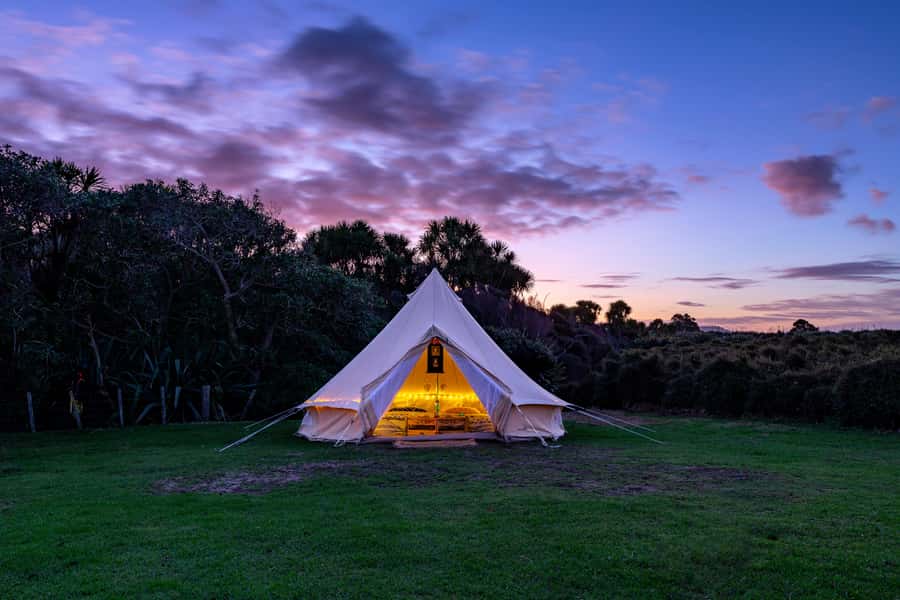
Wear comfortable shoes with enough grip for a slow bush walk. Bring warm clothing even during summer, since the activity continues after dark and the park is exposed to coastal weather.
Carry water. Extra food and drinks are not included, though some guide teams have provided hot chocolate or small snacks with an overnight setup.
Arrive ready to switch off bright phone lights and follow the guide’s instructions. Your eyes need time to adjust, and a sudden beam can spoil both your view and the bird’s behavior.
Do not judge the experience during the first quiet stretch. One outing began with the feeling that the kiwi were avoiding the group, then ended with six or seven different birds. The waiting is part of the tracking process.
If the sky is cloudy, do not assume the night is lost. The kiwi search can still be excellent, and some groups have seen many birds without any stargazing at all.
English is the tour language. You can choose a private or small-group format, and transport can be added if reaching Takatu Road is inconvenient.
Should you book it?
Book this encounter if seeing a wild kiwi matters more to you than having a guaranteed wildlife performance. The guides, especially people such as Legend, Chris, Millie, and Lucas, add real value through tracking skill, stories, Māori astronomy, and a clear respect for the park.
I would also book it if you like combining one main activity with worthwhile extras. A kiwi search, dark-sky viewing, native forest, ruru calls, and possible blue bioluminescence give the evening plenty of texture.
Skip it if you dislike cold nights, slow walks, or uncertain results. For everyone else, $89 is a sensible price for one of Auckland’s more memorable nature experiences, especially when you understand that the prize is not simply seeing a kiwi. It is seeing one where it belongs.
FAQ
How long does the kiwi spotting experience last?
The main guided kiwi-spotting experience lasts two hours. Check availability for the exact starting time.
Where does the tour meet?
You meet near the public bathrooms at the end of Takatu Road in Tāwharanui Regional Park.
Is transport from Auckland included?
No. Transport is not included in the base activity, but it can be added at checkout.
How much does the experience cost?
The listed price is $89 per person.
Are kiwi sightings guaranteed?
No. Kiwi are wild animals, so sightings depend on weather, conditions, and animal activity.
What type of kiwi might I see?
The experience focuses on the endemic North Island brown kiwi.
Is stargazing included?
Yes. Stargazing and kiwi-spotting equipment are included, with views depending on cloud and weather conditions.
Can I see planets during the tour?
You might see planets when conditions are clear. Past outings have included Venus, Jupiter, Saturn, and the Moon through a telescope.
Is an overnight stay included?
A glamping stay is included only if you select that option. Campsite booking and fees are not included.
What should I bring?
Bring comfortable shoes, warm clothing, and water.
Can I cancel the booking?
You can cancel up to 24 hours in advance for a full refund.
Is the tour available as a private experience?
Yes. Private and small-group options are available.
Just added in Auckland
- Yonder Star Sailing Yacht★ 5.0 · 2 reviews
- Auckland Airport Private One-Way or Round-Trip Transfer★ 4.5 · 14 reviews
- Zombie Bite Escape Room Experiences★ 5.0 · 54 reviews
- Kumeu Wine Region Shuttle from Auckland★ 4.5 · 19 reviews
- Auckland’s Wild West Coast & Black Sand Beaches Tour inc Lunch★ 5.0 · 12 reviews
- Wētā Workshop Unleashed Tour – Mandarin Speaking Guide★ 5.0 · 2 reviews
- Vineyards Honey and Black Sand Beaches from Auckland★ 5.0 · 93 reviews
- West Coast Discovery Tour★ 5.0 · 37 reviews
Kiwi Bird Encounters, compared.
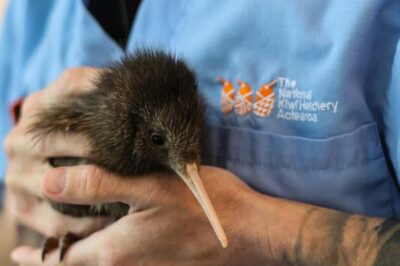
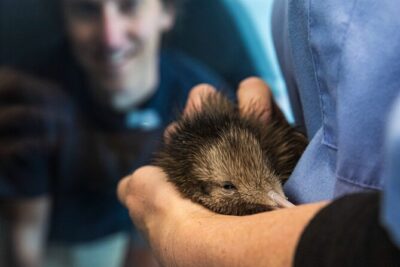
National Kiwi Hatchery – Kiwi Encounter Guided Tour
Read our review →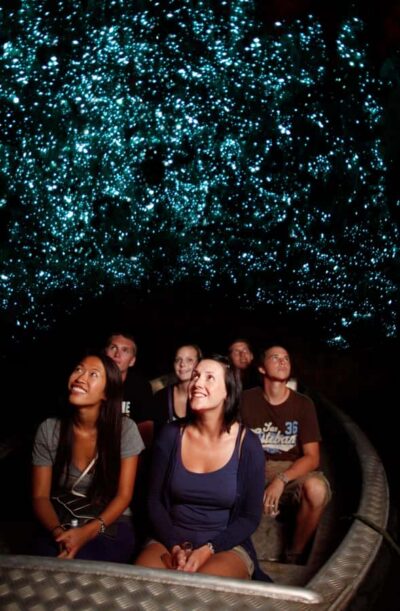
Private tour from Auckland – Waitomo Glowworm Caves, Zealong Tea & Kiwi Bird
Read our review →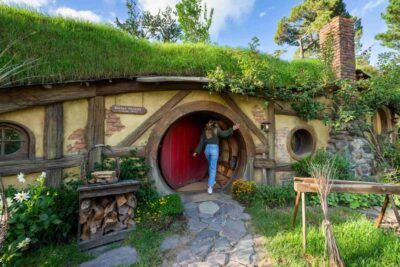
AKL: WAITOMO Glowworm, KIWI Bird, LUNCH & Hamilton Gardens
Read our review →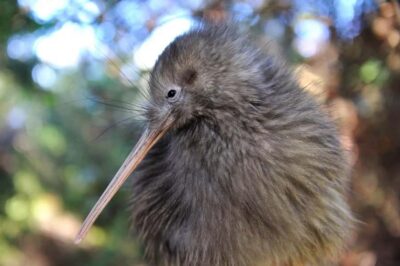
Browse the lists this tour appears in