
REVIEW · KIWI BIRD ENCOUNTERS
National Kiwi Hatchery – Kiwi Encounter Guided Tour
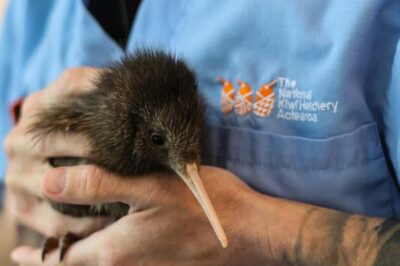
Kiwi birds are hard to see in the wild. Rotorua’s National Kiwi Hatchery gives you a much better chance, while showing how New Zealand protects its national bird. I especially like the close look at egg incubation and the chance to watch adult kiwi forage in a dark Nocturnal House. The one catch is timing: outside the September to March hatching season, you may not see eggs or chicks.
The one-hour visit is compact, indoors, and easy to fit into a Rotorua day. I also like that your entry fee supports the hatchery’s conservation work, rather than paying only for an animal display. Children must be at least five years old, and photography is not allowed, so this is more about seeing and learning than collecting pictures.
In This Review
- Key points to know before you book
- Why this hatchery matters in New Zealand
- Starting at the Agrodome in Rotorua
- Inside the purpose-built hatchery
- Watching adult kiwi in the Nocturnal House
- The interactive kiwi burrow
- How the guides shape the experience
- What the $47.74 price gives you
- The best time to visit
- Who will enjoy this one-hour visit
- Booking, cancellation, and practical notes
- Should you book the National Kiwi Hatchery?
- FAQ
- How long does the National Kiwi Hatchery guided tour last?
- Where is the National Kiwi Hatchery located?
- Is transportation included?
- What is the best season to see kiwi chicks?
- Can I see kiwi outside the September to March hatching season?
- Are children allowed on the tour?
- Are photographs allowed inside the hatchery?
- What does the ticket price include?
Key points to know before you book
- September to March offers the best chance of seeing chicks: This is the hatchery season, when you may see eggs, newborn birds, health checks, weighing, or feeding.
- Adult kiwi are viewed in a dark enclosure: The Nocturnal House is designed for these night-active birds, so silence and patience matter.
- Your ticket supports kiwi conservation: Admission money goes directly back into the hatching program.
- The tour is nearly all indoors: That makes it a useful rainy-day activity in Rotorua, with only a short walk between buildings.
- No photography is permitted: You will need to put the phone away and enjoy the sighting in real time.
- A shuttle connects the Agrodome check-in area with the hatchery: You do not need to arrange separate transport once you arrive at the farm.
Why this hatchery matters in New Zealand
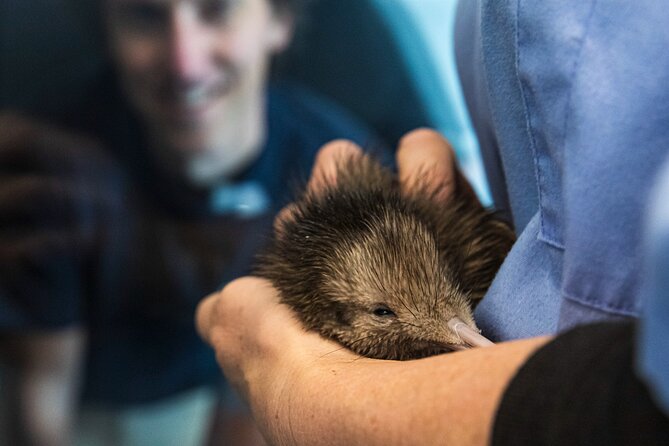
The kiwi is more than a cute national symbol. It is an endangered native bird, and its survival depends on careful protection from the threats it faces in the wild. The National Kiwi Hatchery has become a major center for kiwi husbandry, egg incubation, hatching, and early chick care.
The point of the visit is not simply to show you an unusual bird behind glass. You see how a conservation program works from egg to adult. That gives the tour more weight than a quick animal encounter. You can learn why eggs are collected, how chicks are raised, and how birds are prepared for life in a safer outdoor setting.
I like this direct connection between your ticket and the work itself. The entry price is listed at $47.74 per person, which is not the cheapest short activity in Rotorua. Still, the money goes back into the kiwi program, and the visit gives you access to a specialized facility that most people could not see on their own.
The 4.8 rating from 228 reviews, with 96 percent recommending the experience, reflects the strongest parts of the visit: clear explanations, friendly guides, and the rare chance to see kiwi at different stages of life. It is a small attraction with a serious purpose.
More kiwi encounters:
- Rotorua: The National Kiwi Hatchery Kiwi Encounter Tour
★ 4.7 · 671 reviews - Auckland (Tawharanui): Wild Kiwi Bird Spotting Encounter
★ 4.9 · 78 reviews - Private tour from Auckland – Waitomo Glowworm Caves, Zealong Tea & Kiwi Bird
★ 5.0 · 20 reviews
Starting at the Agrodome in Rotorua
The hatchery is located at the Agrodome, outside central Rotorua. Your ticket includes a return shuttle from the check-in zone to the hatchery facility, so the transfer is simple. The shuttle was described as air conditioned and comfortable, which is useful on a warm Rotorua day.
Arrive at least 15 minutes before departure. The tour lasts about one hour, and that short length makes it easy to pair with another activity at the Agrodome or elsewhere in Rotorua. Hotel pickup and drop-off are not included, so you need to make your own way to the Agrodome.
The setting is part of the appeal. The facility sits on a working farm property, and the short walk between buildings is the only outdoor portion described for the experience. Most of the tour takes place inside, making this a sensible choice when rain threatens your geothermal plans.
Children younger than five cannot join. For families with older children, the mix of live animals, a quiz, video, physical examples, and hands-on visual displays gives the hour some variety. It is not just a talk, and it is not just a dark room with a bird in it.
Inside the purpose-built hatchery
The guided portion begins with an introduction to kiwi life and the conservation program. You learn about the bird’s unusual body, its life cycle, and the reasons the species needs help. The presentation is supported by video, a quiz, and physical examples, which helps keep the information clear for children and adults alike.
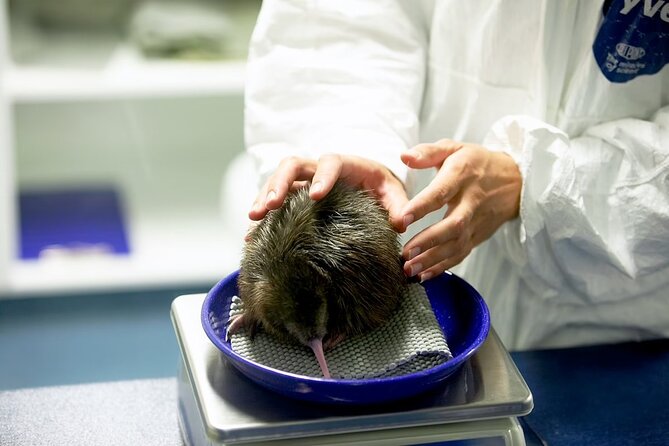
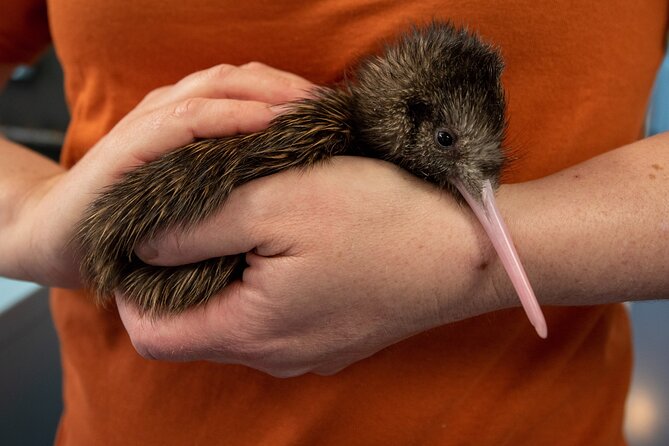
The most valuable part for many people is the view into the working hatchery. You may see eggs being incubated, the hatching process, or newly hatched chicks. During the September to March season, you might also see staff checking a chick’s health, weighing it, or feeding it.
These moments are not guaranteed. Hatching is a biological process, not a scheduled stage show. One visit may reveal several chicks, while another may focus more on the equipment and methods used to care for them. That uncertainty is worth understanding before you book, especially if seeing a newborn kiwi is your main goal.
The luck can be extraordinary during the right period. Some visits have included a chick only a day old, several newly hatched birds, or an egg inspection. Other visitors have seen a chick preparing to move toward an outside enclosure before release. Those glimpses make the tour memorable, but you should book for the full conservation lesson rather than promise yourself a particular sight.
Watching adult kiwi in the Nocturnal House
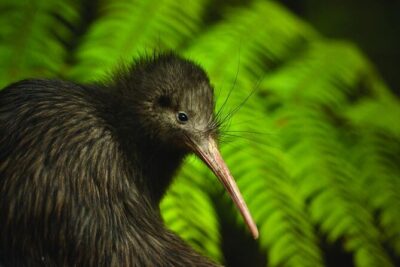
The Nocturnal House is where the visit becomes a true wildlife encounter. Kiwi are active at night, so the enclosure is kept dark and quiet. You watch the birds through glass as they roam and forage in a setting designed to reflect their natural behavior.
This is not the sort of exhibit where an animal performs on cue. A kiwi may be easy to spot, or it may keep to the shadows. You may see one bird moving slowly through the enclosure, or you may be lucky enough to see several. Reports from the tour include sightings of male and female kiwi, as well as all three resident birds during a single visit.
The darkness can be a drawback if you want a bright, close photograph. It is also exactly what makes the viewing more authentic. The room asks you to slow down, stay quiet, and watch for movement. You might see a long bill working through the ground cover as a bird searches for food.
No photography is allowed, and the birds and exhibits are behind glass. I see this as a reasonable rule for a shy, nocturnal animal, but it is still important to know in advance. If you want a souvenir, plan on remembering the scene rather than taking a picture of it.
A few more to weigh up in Rotorua
- Rotorua Canopy Tours: 2.5Hour Native Forest Zipline Adventure
★ 5.0 · 4,563 reviews - Mitai Maori Village: Cultural Experience and Dinner Buffet
★ 4.7 · 3,575 reviews - Rotorua: Wai-O-Tapu Geothermal Park Entry Ticket
★ 4.6 · 2,601 reviews - Rotorua’s Ultimate Zipline: 6 ziplines, 400 m Tandem, Cliff Walk
★ 5.0 · 2,557 reviews
The interactive kiwi burrow
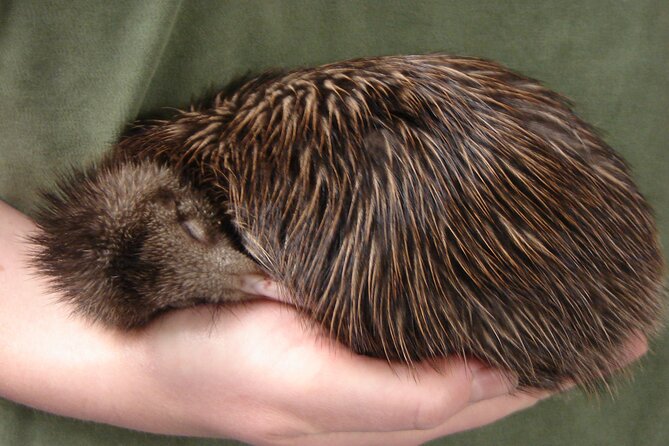
After the guided hatchery experience, you can explore the interactive kiwi burrow. This section helps connect the different stages you have just seen, from egg to chick to adult bird.
The burrow is especially useful for younger visitors. The hatchery work can involve technical details, while the burrow turns the kiwi life cycle into something easier to picture. It gives children a physical setting to explore and helps explain why the bird’s habits and environment matter.
I would not expect a large museum or a full day of activities here. The attraction is focused and compact. Its strength is the combination of a working hatchery, an adult kiwi enclosure, and a simple interactive space within one short visit.
How the guides shape the experience
The guide makes a real difference because the facility involves more than looking through glass. You need someone to explain what you are seeing, why the birds are handled carefully, and how the hatchery fits into wider conservation work.
Guides praised by name include Theresa, Carol, Nico, and Kai. Theresa was described as informative, polite, professional, and funny. Carol was noted for her passion for brown kiwi, while Nico answered questions clearly and explained the resident birds during a particularly good sighting. Kai also received praise for explaining the hatchery and its chicks.
Those details matter because the tour depends on explanation. A quiet bird behind glass can be easy to miss without context. A guide can point out what the kiwi is doing and explain the difference between ordinary care and preparation for release.
The staff are also described as friendly and approachable. That is useful if you are visiting with children, or if you arrive with basic questions about kiwi conservation. The tone appears welcoming without losing sight of the serious work taking place.
What the $47.74 price gives you
At $47.74 per person, this is a fairly high price for an hour-long activity. You are paying for a specialized facility, a guided tour, shuttle transport from the Agrodome check-in area, and access to a conservation program that is not set up as a standard zoo exhibit.
The value improves if you care about seeing a kiwi responsibly. In the wild, spotting one is difficult, especially because kiwi are nocturnal and shy. The hatchery gives you a realistic opportunity to see adult birds, and during the right months, you may see chicks at close range.
The price also carries a direct conservation benefit. Your entry fee goes back into the kiwi hatching program, so the visit supports the work you are learning about. That does not make the cost insignificant, but it gives the ticket a purpose beyond entertainment.
I would be more cautious if you are looking for a long attraction with many animals, outdoor space, or a full-day schedule. Food and drinks are not included, and the visit itself lasts about an hour. Think of it as a focused Rotorua activity that works best alongside other plans.
The best time to visit
September through March is the key period if you hope to see eggs or chicks. This is the stated hatching season, and the chance of seeing staff carry out health checks, weighing, or feeding is higher then.
Even in those months, a chick sighting is not guaranteed. Hatching depends on the birds and the timing of your visit. Some people see several babies, while others mainly see adult kiwi and the hatchery systems.
Outside September to March, the visit still has value. You can learn about the incubation program, see the interactive burrow, and watch resident adult kiwi in the Nocturnal House. If your priority is simply seeing a live kiwi, the off-season can still work well.
For the best chance of seeing a wide range of ages, book during the hatching season and keep your expectations flexible. The hatchery is a working conservation center, not a display arranged around a guaranteed timetable.
Who will enjoy this one-hour visit
I would recommend the tour to anyone who wants to understand New Zealand’s national bird rather than just check it off a list. Animal lovers will appreciate the close look at care, incubation, and chick rearing. Families with children five and older should find the quiz, video, physical examples, and burrow easy to follow.
It also suits visitors who need an indoor activity. Rotorua weather can change quickly, and almost the entire experience takes place inside. The short duration leaves room for a meal, another Agrodome activity, or a separate Rotorua attraction.
The tour may not suit you if you need photography, dislike dark enclosures, or expect a guaranteed baby kiwi. It is also less useful for toddlers because children under five cannot participate.
Allow extra time for check-in, but do not plan your entire day around the hatchery alone. The one-hour guided experience is the main event, and the shuttle makes the transfer from the Agrodome area straightforward.
Booking, cancellation, and practical notes
Confirmation is provided when you book, and the experience is near public transport. You must cancel at least 24 hours before the local start time to receive a full refund. Cancellations or changes made inside that window are not accepted for a refund.
There is no hotel pickup or drop-off. Food and drinks are also not included, so handle those before or after the tour if needed.
The most important practical rule is simple: arrive 15 minutes early, keep your camera put away, and listen carefully in the Nocturnal House. The birds are easiest to appreciate when the room stays quiet.
Should you book the National Kiwi Hatchery?
Yes, if seeing a kiwi is high on your Rotorua list and you want the sighting to support conservation. The tour offers a strong combination of adult birds, possible chicks, useful explanations, and a clear look at how endangered kiwi are protected.
Book during September to March if newborn birds are your priority. Outside that season, go for the adult kiwi and the conservation story, not a guaranteed egg or chick.
At $47.74 for about an hour, it is not a bargain attraction. But the purpose is genuine, the facility is specialized, and the chance to see a kiwi at close range is hard to match. For families with children five and older, wildlife enthusiasts, and anyone facing a rainy Rotorua afternoon, I would put this near the top of the list.
FAQ
How long does the National Kiwi Hatchery guided tour last?
The guided experience lasts approximately one hour.
Where is the National Kiwi Hatchery located?
The hatchery is located onsite at the Agrodome in Rotorua, New Zealand.
Is transportation included?
A return shuttle from the check-in zone at the Agrodome to the hatchery facility is included. Hotel pickup and drop-off are not included.
What is the best season to see kiwi chicks?
The hatching season is September through March. During this period, you have the best chance of seeing eggs, newly hatched chicks, health checks, weighing, or feeding.
Can I see kiwi outside the September to March hatching season?
Yes. Outside the hatching season, you can still see resident adult kiwi foraging in the Nocturnal House, although eggs and chicks may not be visible.
Are children allowed on the tour?
Children must be at least five years old to participate. Children under five cannot join the experience.
Are photographs allowed inside the hatchery?
No. Photography is not allowed, and the kiwi and exhibits are viewed behind glass.
What does the ticket price include?
The $47.74 ticket includes the one-hour guided experience, entry to the hatchery, the Nocturnal House, the interactive kiwi burrow, and the return shuttle from the Agrodome check-in zone. Food, drinks, and hotel transfers are not included.
Just added in Rotorua
- Te Puia: Tuku Iho Trail with Cultural Show★ 5.0 · 5 reviews
- Te Puia: Te Rā Guided Day Tour + Haka Cultural Performance★ 4.7 · 128 reviews
- Te Puia: Te Pō Indigenous Combo – Tour, Dinner + Haka★ 4.4 · 52 reviews
- Rotorua: Wai Ariki Hot Springs & Spa 1hr Restorative Bathing★ 4.8 · 16 reviews
- Rotorua: White Island, Mount Tarawera & Waimangu Volcanic …★ 4.4 · 5 reviews
- Rotorua: Velocity Valley – NEW Vertigo 43m drop★ 5.0 · 3 reviews
- Rotorua: Volcano Landing and Geothermal Park Helicopter Tour★ 5.0 · 1 review
- Rotorua: Velocity Valley – Two Ride Pass★ 4.6 · 8 reviews
Kiwi Bird Encounters, compared.
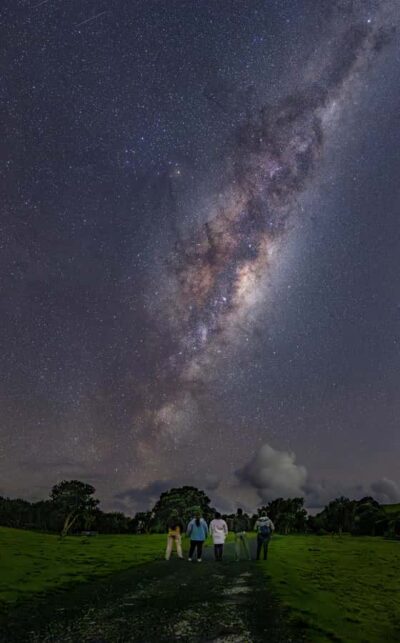
Auckland (Tawharanui): Wild Kiwi Bird Spotting Encounter
Read our review →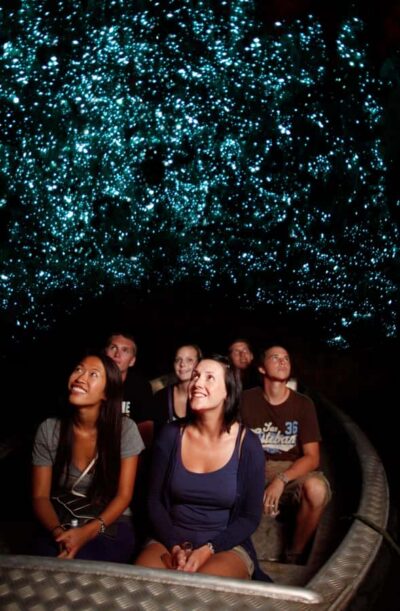
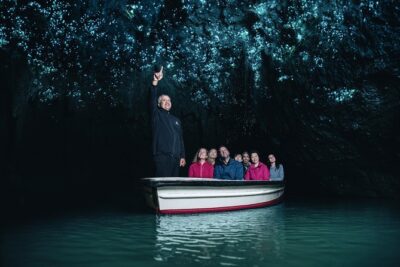
Private tour from Auckland – Waitomo Glowworm Caves, Zealong Tea & Kiwi Bird
Read our review →
AKL: WAITOMO Glowworm, KIWI Bird, LUNCH & Hamilton Gardens
Read our review →
Browse the lists this tour appears in