
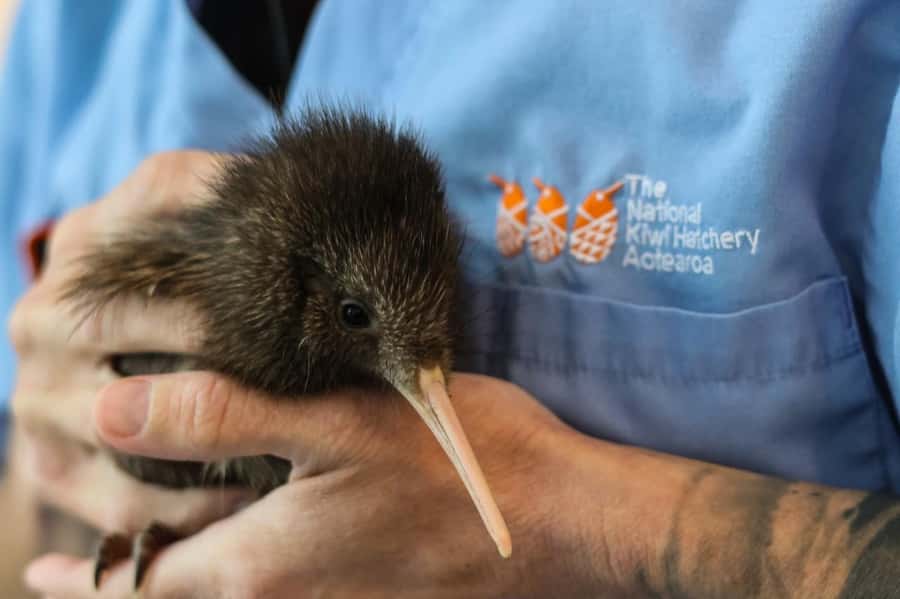
REVIEW · KIWI BIRD ENCOUNTERS
Rotorua: The National Kiwi Hatchery Kiwi Encounter Tour
Kiwis are easier to hear than to see. Rotorua’s National Kiwi Hatchery solves that problem with a close look at kiwi care, from egg incubation to chick rearing and eventual release. I like the hands-on conservation work and the way guides such as Mya, Nico, Kai, and Teresa turn complicated bird science into clear, lively storytelling. The main catch is simple: you cannot take photos or video, and seeing a newly hatched chick depends on the season and the day’s hatchery activity.
This one-hour tour also offers good value at $44, since all ticket income goes back into the kiwi hatching program. I especially like the short shuttle ride from the Agrodome to the hatchery, the chance to see adult kiwi in the nocturnal house all year, and the possibility of watching an egg check or chick health check. Just note that children under five are not allowed, and the most exciting egg-and-chick viewing happens from September through March.
In This Review
- Key points at a glance
- Why the National Kiwi Hatchery matters
- Starting at the Agrodome north of Rotorua
- What happens during the one-hour Kiwi Encounter
- Eggs, candling, and the careful work behind each chick
- The nursery and the unforgettable young kiwi moments
- Adult kiwi in the nocturnal house
- The no-photo rule is frustrating but sensible
- Is $44 good value for one hour?
- Who will enjoy this Rotorua experience most?
- Practical tips for planning your visit
- Should you book the National Kiwi Hatchery?
- FAQ
- Where is the National Kiwi Hatchery?
- How long does the Kiwi Encounter tour last?
- How much does the tour cost?
- Does the ticket money support kiwi conservation?
- Can I see kiwi eggs and chicks all year?
- Can I see adult kiwi outside hatching season?
- Are photographs allowed inside the hatchery?
- Are children under five allowed on the tour?
- Is transportation to the hatchery included?
- Is the tour wheelchair accessible?
Key points at a glance
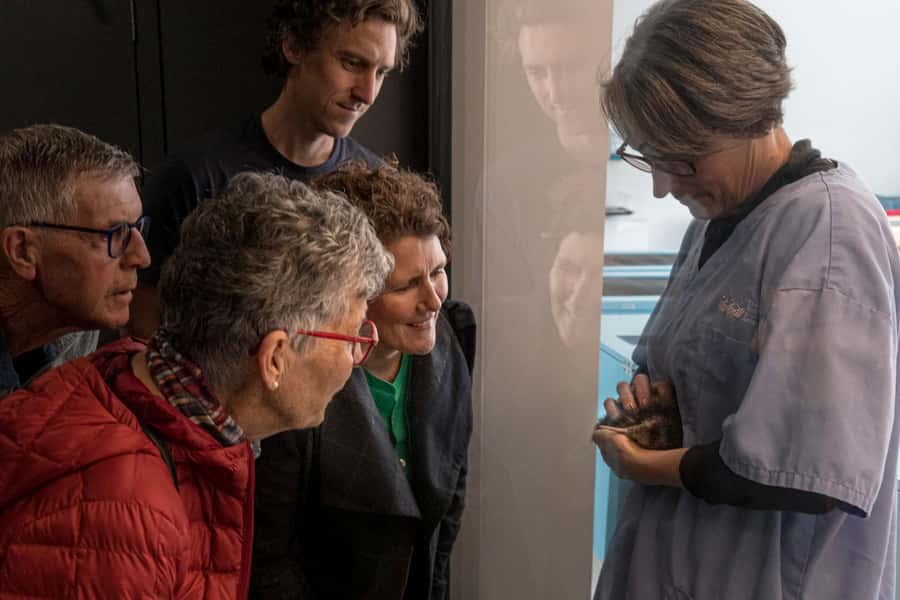
- See kiwi at several stages: Depending on timing, you may view eggs, incubating chicks, newly hatched birds, young kiwi, and adults in the nocturnal house.
- Every ticket supports conservation: The $44 admission is also a direct donation to the charitable hatchery program.
- September to March is the best time: This is the main hatching season, though adult kiwi can be seen year-round.
- Expect a short, focused visit: The guided tour lasts one hour, with a shuttle from the Agrodome check-in area.
- Guides make the difference: Staff members such as Teresa, Mya, Nico, Kai, and Max have been praised for clear explanations, humor, and patience with questions.
- Photography is not allowed: No flash photography or video recording is permitted, so you need to enjoy the sight in the moment.
Why the National Kiwi Hatchery matters
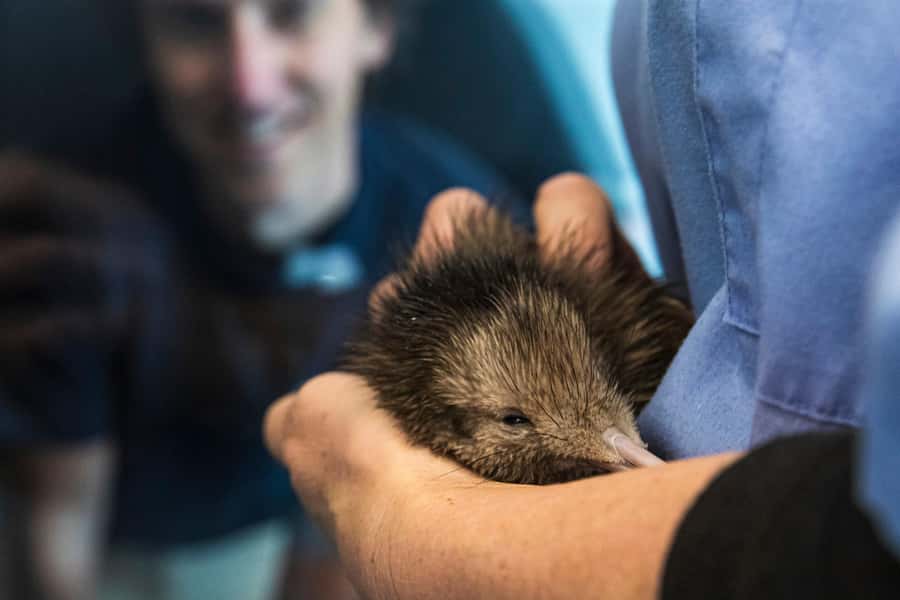
The kiwi is New Zealand’s national icon, but it is not an easy bird to spot in the wild. Kiwis are nocturnal, secretive, and threatened by predators and habitat loss. The National Kiwi Hatchery Aotearoa gives you a look at the work needed to help these unusual birds survive.
This is not simply an animal display. The hatchery is a not-for-profit charitable trust focused on breeding and raising kiwi in captivity before supporting their return to the wild. It has hatched more than 2,500 kiwi chicks, making it one of the most important kiwi hatching centers in the country.
I find the conservation purpose especially important when judging the $44 price. You are paying for a guided experience, but your money also helps fund the staff, care, incubation, and rearing work that keeps the program going. The ticket is not just an entrance fee with a donation added as an afterthought. The entire tour income goes back into the kiwi hatching program.
That gives the visit a stronger sense of purpose than a standard wildlife attraction. You are still there to see a rare bird, but you also learn why the bird needs help and what practical care looks like.
More kiwi encounters:
- National Kiwi Hatchery – Kiwi Encounter Guided Tour
★ 5.0 · 228 reviews - Auckland (Tawharanui): Wild Kiwi Bird Spotting Encounter
★ 4.9 · 78 reviews - Private tour from Auckland – Waitomo Glowworm Caves, Zealong Tea & Kiwi Bird
★ 5.0 · 20 reviews
Starting at the Agrodome north of Rotorua
The hatchery is at the Agrodome, about 10 minutes north of Rotorua city center. You check in at the Kiwi Hatchery area 15 minutes before your scheduled departure, then take a shuttle to the hatchery buildings.
The shuttle is included and takes you across the wider farm property. One useful detail is that the hatchery is separate from the main farm attractions, so do not assume that the first building you see is the tour location. The short ride gives you a glimpse of the Agrodome grounds and its farm animals, including sheep, alpacas, and pigs.
There is free parking onsite, which makes this an easy stop if you have your own car. Hotel pickup and drop-off are not included, so you need to make your own way to the Agrodome.
If you use a wheelchair, contact the hatchery after booking. Guests who need wheelchair access should drive directly to the hatching facility, and the team can provide directions. The tour itself is listed as wheelchair accessible.
What happens during the one-hour Kiwi Encounter
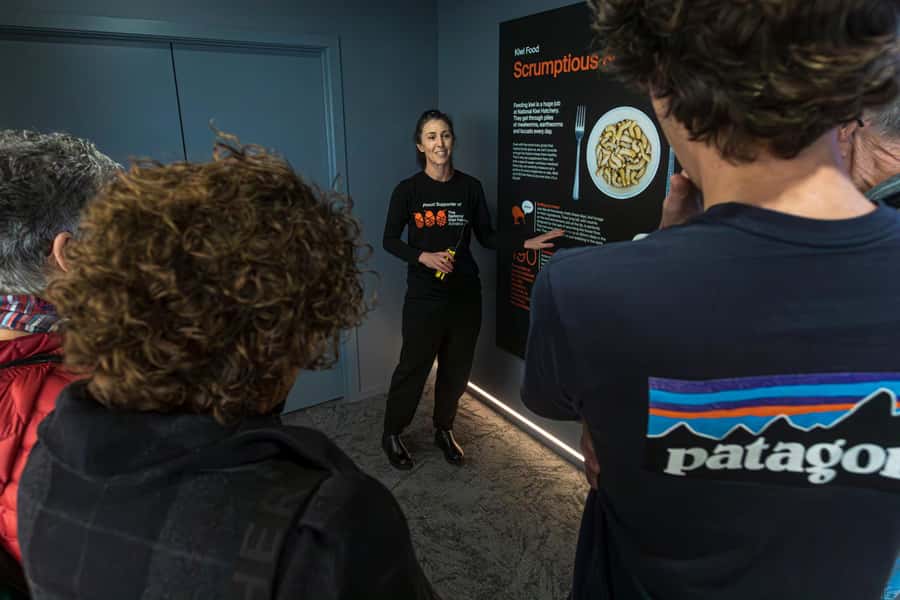
The tour is guided in English and moves through the hatchery in a clear sequence. You begin with the kiwi itself, learning about its unusual body, behavior, and place in New Zealand culture. The guides use visual aids and explain each part of the process as you move from one section to the next.
This step-by-step format works well because you do not just see a bird in a dark room with a few signs on the wall. You learn how an egg is handled, how a chick is monitored, and how the young bird is prepared for life beyond the hatchery.
The guides also leave time for questions. That matters here, since kiwi biology is full of surprises. One guide may be serious and highly detailed, while another, such as Teresa, adds plenty of humor. The best feedback about the tour repeatedly points to staff who are friendly, clear, and able to explain the subject without making it feel like a school lecture.
Names that have drawn particular praise include Mya, Nico, Kai, Teresa, and Max. Your guide will depend on the day, but you can expect a staff member trained to discuss incubation, hatching, chick care, and kiwi conservation.
Eggs, candling, and the careful work behind each chick
The hatchery section gives you the clearest look at conservation in action. You may see kiwi eggs in incubators and learn how staff monitor their development.
One especially interesting possibility is candling, which means scanning an egg to check its development. This is the sort of quiet, careful work that is easy to miss when you only see the final animal in an enclosure. The tour shows you that kiwi conservation depends on regular checks, close observation, and precise care.
During the September to March hatching season, you have the best chance of seeing eggs and chicks. You might watch a health check, see a chick being fed, or catch a very young bird in the nursery. Some visitors have been lucky enough to see chicks only a few hours old, including birds born that same morning.
That is an exciting possibility, but it should not be treated as a promise. A hatchery is a working facility, not a stage show. The exact birds and activities available will depend on the timing of your visit and the needs of the animals.
A few more to weigh up in Rotorua
- Rotorua Canopy Tours: 2.5Hour Native Forest Zipline Adventure
★ 5.0 · 4,563 reviews - Mitai Maori Village: Cultural Experience and Dinner Buffet
★ 4.7 · 3,575 reviews - Rotorua: Wai-O-Tapu Geothermal Park Entry Ticket
★ 4.6 · 2,601 reviews - Rotorua’s Ultimate Zipline: 6 ziplines, 400 m Tandem, Cliff Walk
★ 5.0 · 2,557 reviews
The nursery and the unforgettable young kiwi moments
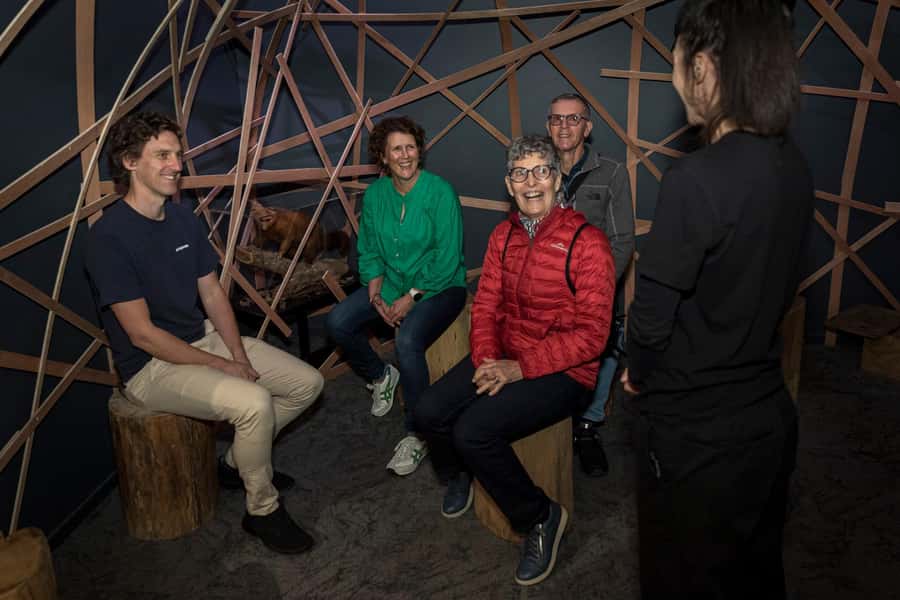
For many people, the nursery is the emotional center of the tour. You may see newly hatched chicks in incubators or slightly older birds receiving care. A feeding session or health check can be especially memorable because it shows how much attention each vulnerable bird requires.
Do not picture a flock of tiny, fluffy chicks racing around like farmyard birds. Kiwi chicks have a very different appearance, and the experience is more about careful observation than constant action. The young birds may be resting, receiving care, or being checked by the husbandry team.
The chance to see a one-day-old kiwi is one of the strongest reasons to visit during hatching season. Several visitors have described seeing chicks that were only 30 minutes, one day, or two days old. That kind of timing is pure luck, so plan for an informative tour first and treat a newborn sighting as a bonus.
You may also see the feeding of a baby kiwi. One visit included a hand-fed young bird outside the main hatching period, showing that the nursery can still be worthwhile when there are no fresh hatchings.
Adult kiwi in the nocturnal house
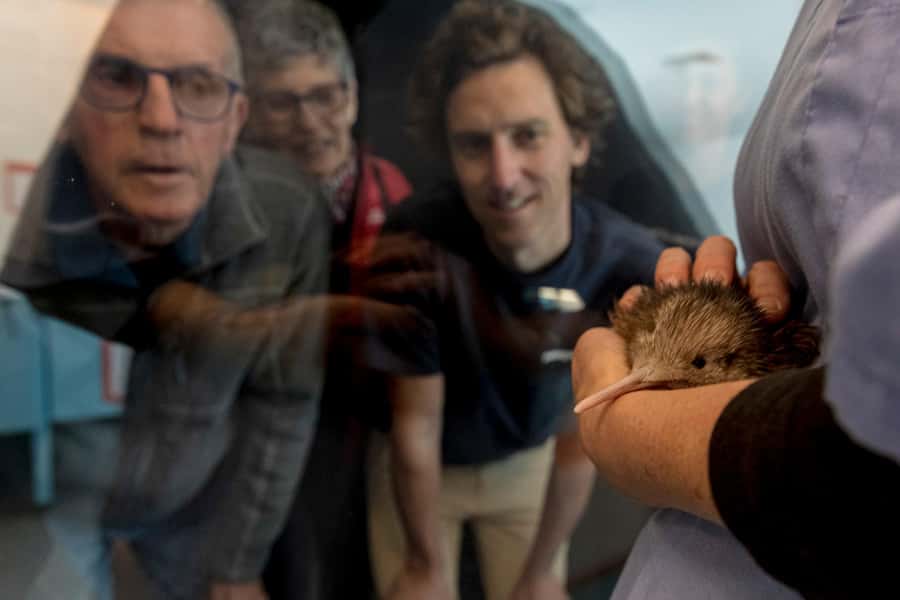
The final part of the visit usually brings you to the nocturnal house, where resident adult kiwi can be seen throughout the year. The room is dark, with red lighting, to match the birds’ nighttime habits and protect their natural routine.
This is your best chance to see kiwi outside the September to March hatching season. The birds may forage, walk, and probe around with their long bills. You need to slow down and watch carefully. Kiwi are not brightly displayed animals, and you may not see several birds at once.
Some visits have produced sightings of two adult brown kiwi, while others have included three, four, or even more birds at different stages of care. The number you see can vary. The tour is worthwhile even if the birds are quiet because the guide explains what you are looking at and why the nocturnal setting is necessary.
One useful timing tip is to consider an early tour. A visit around 9 a.m. may catch the kiwi as they become active after their artificial night. This is not a guarantee, but it may improve your chance of seeing movement rather than a bird tucked away in a dark corner.
The no-photo rule is frustrating but sensible
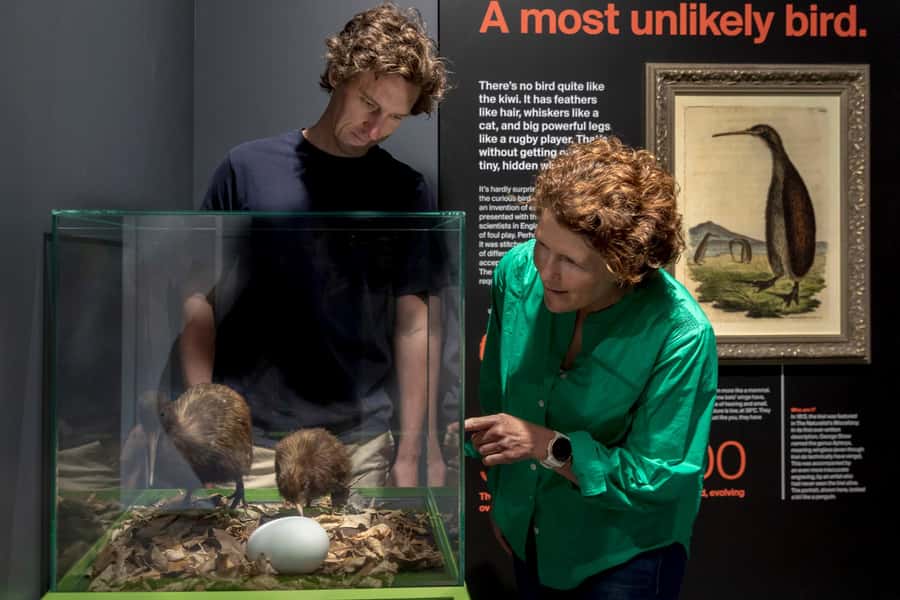
You cannot use flash photography or record video inside the hatchery. That may disappoint you, especially if you see a newly hatched chick or an adult kiwi moving close by.
Still, the rule makes sense. Flash and camera activity can disturb nocturnal birds, and the facility’s priority is animal welfare. You should arrive ready to watch rather than document every moment. The lack of photos also means you should pay close attention to the guide and the birds while you are there.
A small improvement would be the option to buy official photos in the shop. That is not currently guaranteed, so bring your memories rather than expecting a personal photo opportunity.
The rule also helps keep the tour calm. This is a quiet wildlife experience, not a place for phones held over every enclosure.
Is $44 good value for one hour?
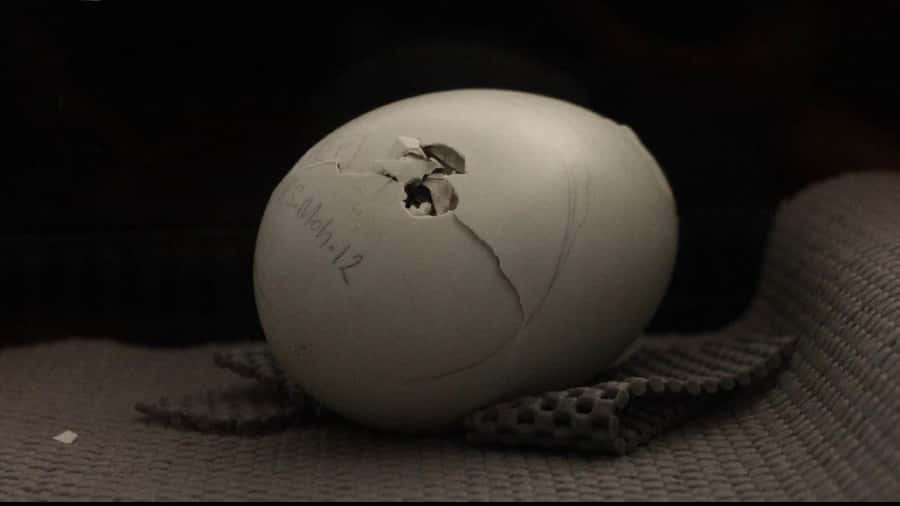
At $44 per person, the National Kiwi Hatchery is not the cheapest short activity in Rotorua. The tour lasts one hour, and food, drinks, and hotel transportation are not included.
I still consider it good value for three reasons. First, kiwi are difficult to see in the wild, so the hatchery provides a realistic chance to observe the species. Second, the tour offers access to working conservation areas, including incubators, nurseries, and the nocturnal house. Third, 100 percent of the ticket income supports the hatching program.
The value is strongest if you care about wildlife and want your admission to serve a clear purpose. It is also a sensible choice if you have limited time in Rotorua and want one focused activity rather than a full-day attraction.
The value is weaker if you expect a long visit, guaranteed newborn chicks, or constant animal action. The tour is short and controlled, and the birds’ needs come first. You are paying for expert interpretation and a conservation visit, not a promise of a particular kiwi sighting.
Souvenirs are available, and the shop has received positive comments for reasonable pricing. The Agrodome site also has a cafe, where you can get drinks such as oat flat whites, though food and drinks are not part of the tour price.
Who will enjoy this Rotorua experience most?
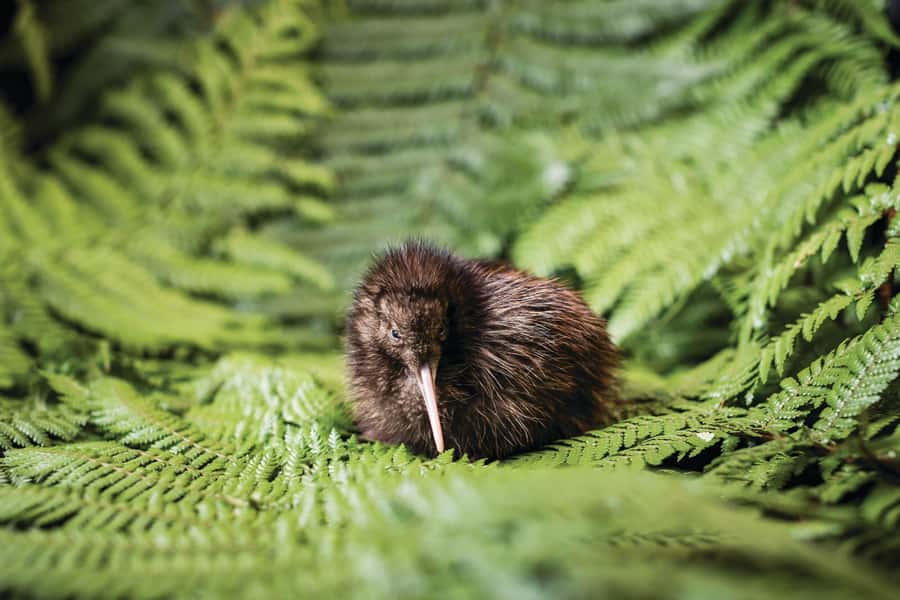
I would recommend the hatchery to adults, older children, bird lovers, and anyone who wants more than a quick photo of an animal. It suits curious people who enjoy learning how conservation works behind the scenes.
It is also a strong choice for international visitors who may never get another chance to see a kiwi. You may not spot one in the bush during a short New Zealand holiday, even if you spend days in suitable habitat. The hatchery gives you a more reliable setting and helps explain the bird before you enter the nocturnal house.
Children under five cannot enter, so families with very young children need to choose another activity or arrange care. Older children should be prepared for a quiet, guided visit. This is not a petting experience, and there is no guarantee of a chick being fed during your departure.
The tour also suits repeat visitors to Rotorua who have already seen geothermal sites and adventure attractions. It adds a distinctly New Zealand subject to your itinerary and supports a local conservation effort at the same time.
Practical tips for planning your visit
Book a morning departure if possible, especially if you want to see active adult kiwi. Arrive 15 minutes early for check-in, since the shuttle leaves from the Agrodome area and the hatchery is across the property.
For eggs and chicks, plan your visit between September and March. Outside that period, you can still see adult kiwi in the nocturnal house and learn about the hatchery’s work, but you should not expect the same nursery activity.
Keep your phone and camera ready to put away before entering. Flash photography and video recording are not allowed, and the tour is better when you are not worrying about getting a perfect shot.
The experience is available in English, and free cancellation is offered up to 24 hours before the scheduled visit. You can also reserve now and pay later, which helps if your Rotorua plans are still shifting.
Should you book the National Kiwi Hatchery?
Yes, if you want a short, worthwhile wildlife experience with a direct conservation purpose. The strongest reasons to book are the chance to see kiwi at close range, the quality of the guides, and the fact that your full ticket supports the hatchery program.
Choose the September to March period if newly hatched chicks and eggs are your priority. Outside those months, book for the adult kiwi, the nocturnal house, and the chance to understand how the birds are protected.
I would skip it only if you need guaranteed animal activity, unrestricted photography, or an attraction that occupies most of a day. For everyone else, this is a focused and meaningful Rotorua stop, especially when you remember that the most memorable moment may be a quiet glimpse of a bird that New Zealand works very hard to save.
FAQ
Where is the National Kiwi Hatchery?
The National Kiwi Hatchery is located at the Agrodome, about 10 minutes north of Rotorua city center.
How long does the Kiwi Encounter tour last?
The guided tour lasts one hour.
How much does the tour cost?
The listed price is $44 per person.
Does the ticket money support kiwi conservation?
Yes. All ticket income goes back into the kiwi hatching program and supports the hatchery’s conservation work.
Can I see kiwi eggs and chicks all year?
Eggs and chicks are best viewed during hatching season, which runs from September through March. Outside those months, you can still see resident adult kiwi in the nocturnal house.
Can I see adult kiwi outside hatching season?
Yes. Resident adult kiwi can be viewed in the nocturnal house throughout the year.
Are photographs allowed inside the hatchery?
No. Flash photography and video recording are not allowed.
Are children under five allowed on the tour?
No. Children under five are not permitted inside the facility.
Is transportation to the hatchery included?
Yes. A shuttle runs from the check-in area at the Agrodome to the hatchery facility.
Is the tour wheelchair accessible?
Yes, the tour is listed as wheelchair accessible. Guests using wheelchairs should contact the team after booking and drive directly to the hatching facility for directions.
Just added in Rotorua
- Te Puia: Tuku Iho Trail with Cultural Show★ 5.0 · 5 reviews
- Te Puia: Te Rā Guided Day Tour + Haka Cultural Performance★ 4.7 · 128 reviews
- Te Puia: Te Pō Indigenous Combo – Tour, Dinner + Haka★ 4.4 · 52 reviews
- Rotorua: White Island, Mount Tarawera & Waimangu Volcanic …★ 4.4 · 5 reviews
- Rotorua: Wai Ariki Hot Springs & Spa 1hr Restorative Bathing★ 4.8 · 16 reviews
- Rotorua: Velocity Valley – NEW Vertigo 43m drop★ 5.0 · 3 reviews
- Rotorua: Volcano Landing and Geothermal Park Helicopter Tour★ 5.0 · 1 review
- Rotorua: Velocity Valley – Two Ride Pass★ 4.6 · 8 reviews
Kiwi Bird Encounters, compared.
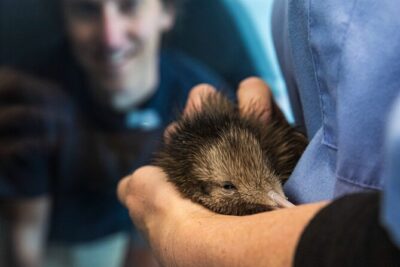
National Kiwi Hatchery – Kiwi Encounter Guided Tour
Read our review →
Auckland (Tawharanui): Wild Kiwi Bird Spotting Encounter
Read our review →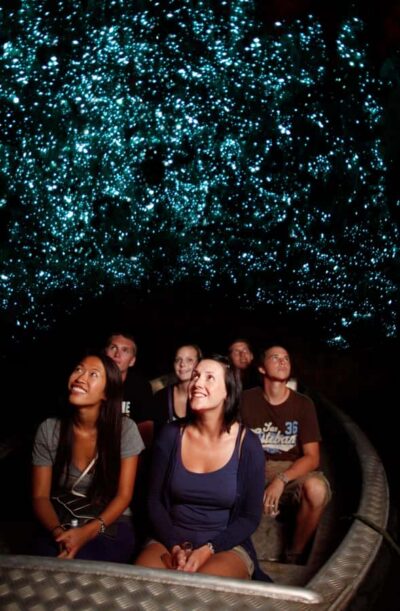
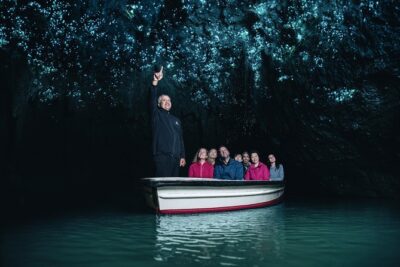
Private tour from Auckland – Waitomo Glowworm Caves, Zealong Tea & Kiwi Bird
Read our review →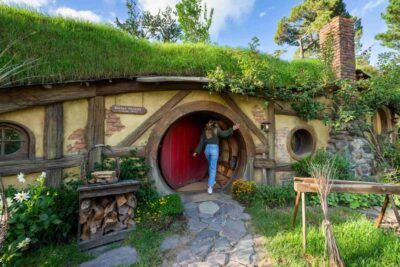
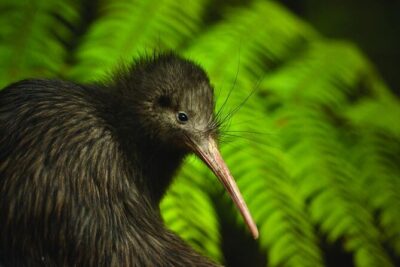
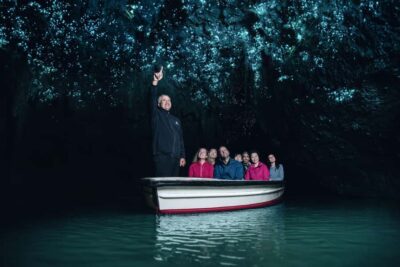
AKL: WAITOMO Glowworm, KIWI Bird, LUNCH & Hamilton Gardens
Read our review →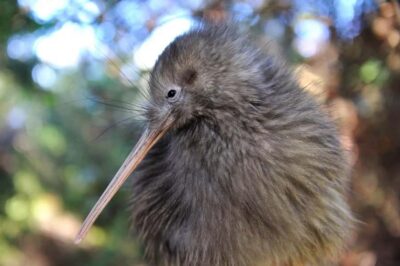
Browse the lists this tour appears in