
REVIEW · CRUISES & BOAT TOURS
Dunedin Wildlife Cruise-Albatross, seals and harbour
Albatross can pass close enough to surprise you. This small-boat trip around Otago Harbour gives you two things I especially like: a maximum of 14 people and a guide who handles the boat, wildlife spotting, and commentary. You may see albatross, fur seals, sea lions, penguins, shags, dolphins, and other birds, often with a far better view than from a large sightseeing vessel. The main drawback is simple: wildlife is wild, and rough weather can shorten the view or cancel the sailing altogether.
You can board at Port Chalmers or Portobello, with several departure times from late morning to late afternoon. I also like the practical touches: binoculars, warm jackets, a restroom, and a pictorial checklist of the animals and birds you see. Still, this is an open-water trip, so you need to accept sea spray, changing weather, and the possibility of a quieter wildlife day.
In This Review
- Key points to know before booking
- Why this Otago Harbour cruise is worth your time
- Boarding at Port Chalmers or Portobello
- A low boat with indoor and outdoor seating
- Otago Peninsula wildlife: what you may see
- Taiaroa Head by boat
- Weather, sea spray, and realistic wildlife expectations
- The guide makes the small boat work
- Is $105.50 fair value?
- Who should book this cruise?
- Should you book the Dunedin wildlife cruise?
- FAQ
- How long does the Dunedin wildlife cruise last?
- Where does the cruise depart?
- Does the tour provide transport from the cruise terminal?
- What animals might I see?
- Are binoculars and warm clothing provided?
- Is there a restroom on the boat?
- How many people can join the cruise?
- What happens if the weather cancels the cruise?
Key points to know before booking
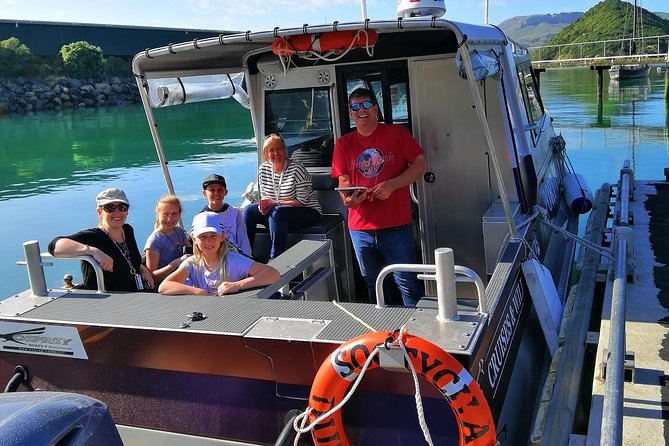
- Small boat, small group: The vessel carries no more than 14 people, allowing better sightlines and a more personal outing.
- Two useful departure points: Port Chalmers is a short, flat five to ten minute walk from the cruise terminal building. Portobello is another option.
- Strong wildlife focus: The trip searches for albatross, seals, sea lions, penguins, shags, ocean birds, and occasional dolphins.
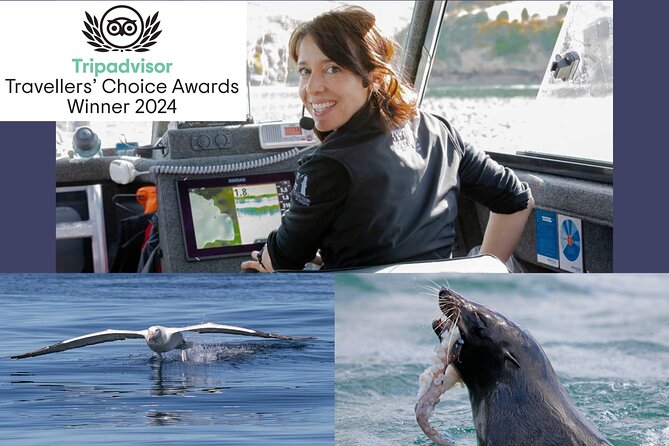
- Rachel is a hands-on skipper: Rachel has been praised for piloting, spotting wildlife, answering questions, and giving lively commentary, though the specific skipper may vary.
- Weather matters: Wind and rain can make the water rough, reduce sightings, or stop the cruise for safety reasons.
- Good support for birdwatchers: Binoculars, warm jackets, and a wildlife information sheet are supplied, so you need not arrive with specialist equipment.
Why this Otago Harbour cruise is worth your time
Dunedin gives you an unusual wildlife opportunity: you do not need to spend a full day driving around the Otago Peninsula before reaching the animals. From the harbour, a small boat can take you toward Taiaroa Head, where ocean birds, seals, and albatross gather near the entrance to the Pacific.
I like the scale of this outing. A boat limited to 14 people feels quite different from a large sightseeing cruise. You have a better chance of looking over the side without someone blocking your view, and the skipper can keep the commentary connected to what is happening around you.
The trip lasts roughly 90 minutes to two hours. That is long enough to reach the main viewing areas but short enough to fit into a cruise-ship day or a busy Dunedin schedule. Families also get a manageable outing rather than an all-day commitment. A shorter Port Chalmers departure can work especially well if you are travelling with younger children.
The experience is not only about ticking off animals. You also get views of Otago Harbour, shipwrecks, working harbour areas, heritage sites, the lighthouse at Taiaroa Head, and the wider Otago Peninsula. If the wildlife is quiet, the scenery and commentary still give the trip some value.
More Boat Trips in Dunedin
- Otago Peninsula Wildlife Cruise with Monarch
★ 4.5 · 227 reviews - Albatross, seals, and sea birds-Wildlife Cruise
★ 5.0 · 189 reviews - Cruise Dunedin City and Castle Tour
★ 5.0 · 142 reviews
Boarding at Port Chalmers or Portobello
Your choice of departure point matters. If you arrive by cruise ship, Port Chalmers is particularly convenient. The meeting point is not directly at the cruise building entrance, but the boat leaves after an easy five to ten minute walk from the terminal building.
That walk is flat, but leave enough time to find the departure point. One passenger accidentally selected the wrong pickup location and was helped by Rachel, who changed the meeting place and sent detailed directions. That sort of direct communication is useful, especially when you have a fixed ship departure later in the day.
Portobello gives you another way to join the same general wildlife experience. Check your confirmation carefully so you know which harbour location applies to your booking. The tour does not provide transport from the cruise building, so you must make your own way to the boat.
The cruise offers late-morning, early-afternoon, and late-afternoon departures. Pick a time that leaves a cushion before any onward travel. Weather changes can affect the schedule, and you do not want to arrange a tight connection after a boat trip.
A low boat with indoor and outdoor seating
The vessel is small and low compared with many harbour tour boats. That has a clear benefit: animals at the waterline may feel surprisingly close. One outing brought albatross and giant petrels within about six feet of the boat, though such close encounters are never promised.
The low profile also helps you feel near the water and can make wildlife watching more direct. You are not looking down from a high deck. At the same time, a low boat is more exposed to spray and movement, particularly in windy conditions.
There are indoor and outdoor seating areas. The indoor space gives you shelter if the weather turns wet, while the outside area is the natural place for clear views and photographs. Jackets are provided, and binoculars are available for everyone, which is a real advantage when birds stay farther away.
The boat has a restroom, a small but important comfort on a two-hour trip. Snacks are not included, so eat beforehand or bring something suitable if allowed. Do not count on refreshments being part of the outing, even though one family review mentioned homemade oatmeal cookies on the return journey.
Otago Peninsula wildlife: what you may see
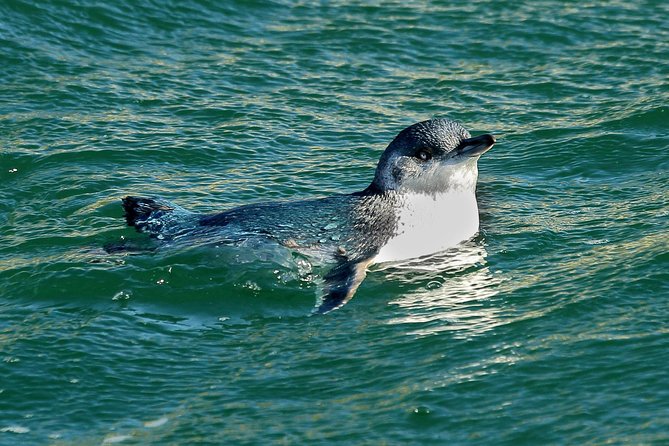
The first part of the trip explores the Otago Peninsula and nearby harbour waters. The exact sightings change from day to day, but the area can produce a long list of birds and marine animals.
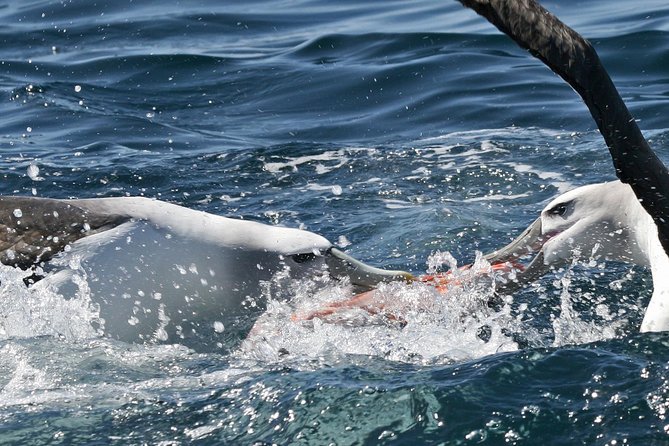
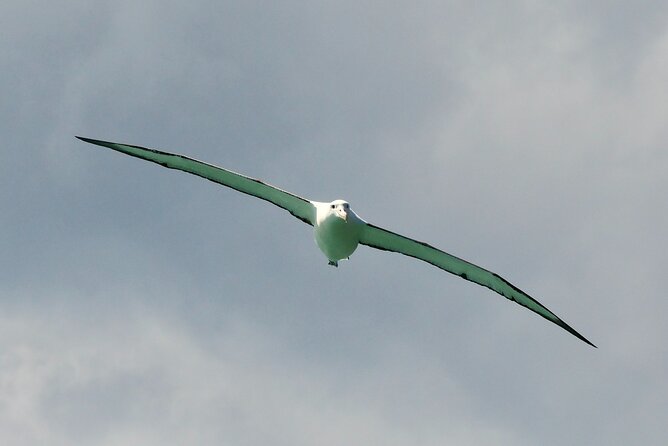
Albatross are the headline attraction. The northern royal albatross is especially impressive, with its great wingspan and effortless flight. You may see several kinds of albatross, and one trip recorded four varieties. Close approaches are rare, so consider any low pass over the boat a special bonus rather than the normal expectation.
Fur seals and sea lions are also important targets. You might see seals resting, swimming, or playing in the water, while a sea lion may be much larger and more dramatic. A huge sea lion appeared for one group, and other trips found seal pups. Their activity can vary, so a quiet animal may be just as normal as an energetic one.
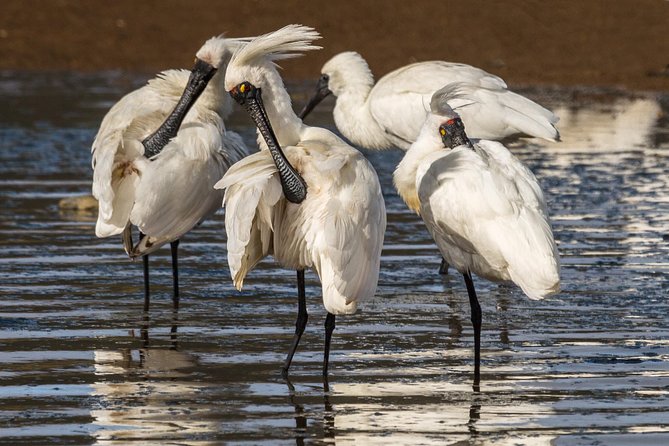
Penguins are possible, including little blue penguins. They can be hard to spot, particularly when the water is choppy, but seeing even one can become the highlight of the cruise. Black swans have also been seen, along with shags, black-backed gulls, giant petrels, and many other native seabirds.
Hector’s dolphins are an occasional surprise. They appeared during more than one outing, including a day when the sea was rough. Do not book this as a dolphin-watching guarantee, but keep your eyes open. The skipper’s ability to scan the water is part of the value of a small guided trip.
More Wildlife Trips in Dunedin
- Clearwater Wildlife Tours (small group 10max) Otago Peninsula
★ 5.0 · 531 reviews - Dunedin: Wildlife and Penguin Tour
★ 4.6 · 239 reviews - Dunedin City, Wildlife and Larnach Castle
★ 4.5 · 96 reviews - Dunedin: Monarch – One Hour Wildlife Cruise
★ 4.5 · 48 reviews
Taiaroa Head by boat
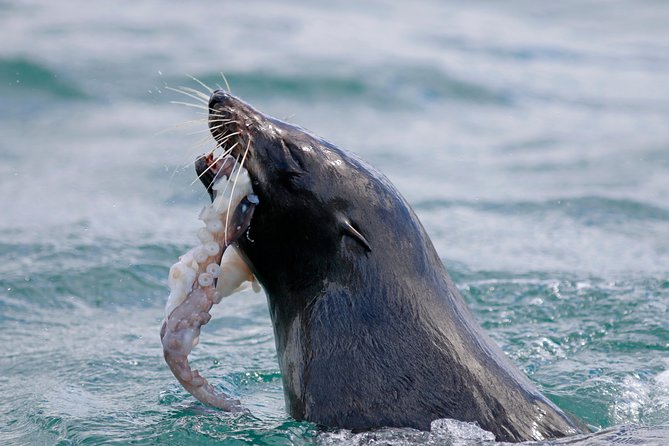
Taiaroa Head is where the cruise feels most closely tied to the open ocean. The headland marks the outer end of Otago Harbour, and the boat provides views of the lighthouse, seabird areas, seals, and the water beyond.
The location is important for albatross watching, but the birds are not performing on a schedule. They may soar above the boat, sit on the water, or remain too far away for a close look. Wind direction and sea conditions can change how near the boat can safely approach.
This is also where the trip’s commentary earns its keep. Rachel has been praised for explaining albatross behaviour, identifying birds at a distance, and adding information about local industry and the area’s past. You get more than a series of names. You learn what you are looking at and why the headland matters.
The guide may run the boat alone, piloting, watching for wildlife, and narrating the trip. That is an impressive amount of work on a small vessel, but it also means the commentary may pause while the skipper concentrates on navigation. Safety has to come first, especially in stronger wind or swell.
Weather, sea spray, and realistic wildlife expectations
The biggest factor in your enjoyment is the weather. The operator can cancel if conditions are unsafe, and one scheduled sailing was called off during winds reported at more than 120 kilometres per hour, or above 60 knots. That is not a minor inconvenience. In those conditions, staying in port is the sensible choice.
A cancellation can still disrupt your day, especially if you are visiting on a cruise ship. The policy provides either a different date or a full refund when poor weather causes the cancellation. If the minimum number of passengers is not met, the same alternatives apply.
Even when the cruise runs, wind and rain can affect the experience. On one wet, grey day, the boat kept the group warm and dry, but the wildlife was limited. On another choppy trip, the group saw animals but could not get as close to flying albatross as hoped.
Dress warmly, even if the harbour looks calm from shore. Sea spray may reach the boat, and conditions can feel colder on the water. Wear layers and shoes that you do not mind getting damp. The supplied jackets help, but they are not a substitute for sensible clothing.
Most important, book with flexible expectations. You might see several albatross, seals, a sea lion, penguins, and dolphins. You might instead get a strong birding outing, harbour scenery, and an informative boat ride with only distant wildlife. Neither result means the trip failed. The animals decide the schedule.
The guide makes the small boat work
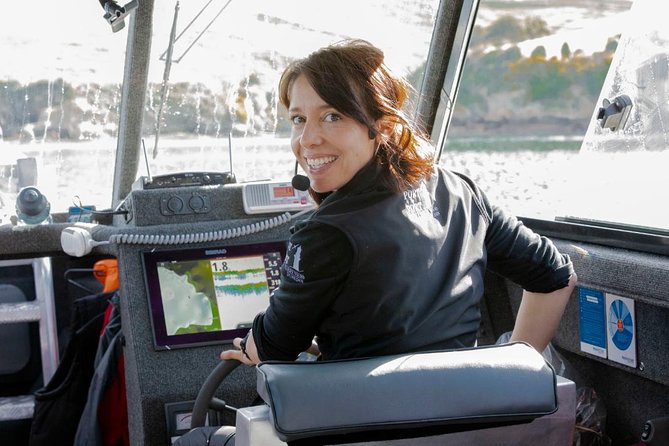
The strongest part of this experience is the human side. Rachel is repeatedly praised for her enthusiasm, clear explanations, sharp eye, and ability to make non-birdwatchers care about what is passing by.
She has been described as doing everything from steering and docking to spotting birds and answering questions. Her commentary covers wildlife, harbour industry, local history, and the geography around Port Chalmers. That broad approach helps if you are travelling with someone who would not normally choose a birdwatching trip.
The binoculars are useful, but the skipper’s eye is often more valuable. Rachel can spot birds at a distance and direct your attention quickly. On a small boat, you can then move your view without competing with a large crowd.
At the end, the pictorial wildlife checklist gives you a way to identify what you saw. This is a thoughtful touch for children and casual birdwatchers, as well as anyone keeping a species list. It turns a fast glimpse into something you can remember and discuss later.
The tone appears personal rather than slick or corporate. The tour is run by Port To Port Cruises and Wildlife Tours Ltd, and the experience has the feel of a local operation. That can mean more direct help with meeting points and timing, though it may also mean less of the fixed structure found on a large company excursion.
Is $105.50 fair value?
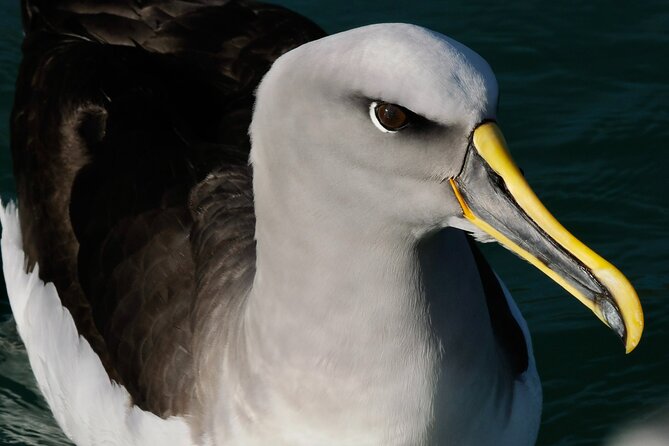
At $105.50 per person, this is not a cheap harbour ride. I think the price makes the most sense if you value a small group, live interpretation, supplied binoculars, and the chance to get close to wildlife from a low boat.
You are paying for access to a specialised setting as well as the boat ride. The trip reaches the harbour entrance and Taiaroa Head, areas where the mix of ocean birds, seals, sea lions, and albatross gives the outing real variety. The small passenger limit is also meaningful. Fourteen people or fewer gives you a much better chance of seeing over the side and hearing the skipper.
The value is weaker if you require guaranteed sightings or dislike rough water. Wildlife tours cannot promise a particular species, and poor conditions may leave you with a scenic harbour cruise rather than close animal encounters.
Pay close attention to the currency shown during booking. One person booking through Viator from New Zealand did not realise the price was displayed in US dollars and found the final cost much higher than expected. It is worth checking the total before payment and comparing the direct Port To Port option if available, while confirming that the departure point and cancellation terms suit you.
Who should book this cruise?
I would recommend it to birdwatchers, families, cruise passengers, photographers, and anyone who wants a short wildlife outing without committing to a full peninsula day. It is also a good choice if you prefer local, small-scale tours over a crowded vessel.
Children can enjoy it because the trip is not too long, and the wildlife checklist gives them something to do between sightings. Adults who are not serious birdwatchers can still enjoy the seals, sea lions, harbour views, lighthouse, and stories about the area.
I would think twice if you have significant mobility problems. You must step down about 300 millimetres into the vessel, and the operator does not recommend the trip for people who cannot manage that movement. Service animals are allowed, and most people can participate, but the boat is not designed for every mobility need.
The trip also may not suit you if you need a guaranteed return time with no weather risk. Build in spare time, particularly when connecting with a cruise ship or another booked activity.
Should you book the Dunedin wildlife cruise?
Yes, if you want a personal wildlife trip with a real chance of seeing albatross and seals close to Dunedin. The combination of a small boat, skilled wildlife spotting, live commentary, binoculars, jackets, and a short duration gives you a lot in two hours.
Book it with three conditions in mind: check the currency, confirm Port Chalmers or Portobello, and dress for spray and wind. I would choose this over a larger harbour boat if the priority is getting close to the water and hearing useful local information.
The best reason to go is not a guaranteed checklist. It is the possibility of a royal albatross gliding over the boat, a seal popping up beside you, or an unexpected Hector’s dolphin appearing in the swell. Those moments cannot be scheduled, but this small operation gives you a good chance to be in the right place when they happen.
FAQ
How long does the Dunedin wildlife cruise last?
The cruise lasts approximately 90 minutes to two hours. The Port Chalmers departure can be a slightly shorter option, which may suit families with younger children.
Where does the cruise depart?
You can depart from Port Chalmers or Portobello. From the cruise ship terminal building at Port Chalmers, the meeting point is an easy five to ten minute walk away.
Does the tour provide transport from the cruise terminal?
No. You need to walk from the cruise terminal building to the Port Chalmers departure point. The walk is flat and takes about five to ten minutes.
What animals might I see?
Possible sightings include albatross, fur seals, sea lions, little blue penguins, shags, black swans, black-backed gulls, giant petrels, other ocean birds, and Hector’s dolphins. Wildlife sightings are not guaranteed.
Are binoculars and warm clothing provided?
Yes. Binoculars and warm jackets are included, along with wildlife information sheets. You should still dress warmly because sea spray is possible.
Is there a restroom on the boat?
Yes. The vessel has a restroom for passenger use.
How many people can join the cruise?
The maximum group size is 14 people. The small capacity allows for a more personal outing and less crowding around the viewing areas.
What happens if the weather cancels the cruise?
If poor weather makes the trip unsafe, you will be offered a different date or a full refund. The same alternatives apply if the minimum number of passengers is not reached. Free cancellation is available when you cancel at least 24 hours before the start time.
Just added in Dunedin
- 5 Day South Island New Zealand Private Tour from Dunedin★ 5.0 · 2 reviews
- Queenstown to Dunedin Incl Taieri Gorge Train (One-Way)★ 4.3 · 3 reviews
- Queenstown: Southern Highlights – 3 Days & 2 Nights★ 5.0 · 2 reviews
- Private Dunedin City Highlights and Otago Peninsula Day Tour★ 4.3 · 7 reviews
- From Dunedin: City, Otago Peninsula & Albatross Guided Tour★ 4.7 · 35 reviews
- Dunedin: Peninsula with Lanarch Castle gardens & Olveston★ 5.0 · 8 reviews
- Dunedin: Scenic Railway Tour Through the Taieri Gorge★ 4.7 · 73 reviews
- Dunedin: Small Group City Highlights Tour★ 5.0 · 3 reviews
Cruises & Boat Tours, compared.
Premium Milford Sound Small Group Tour & Cruise from Queenstown
Read our review →
Cruise Milford NZ Small Boutique Cruise Experience
Read our review →

Walter Peak Gourmet BBQ & Lake Whakatipu Cruise
Read our review →
Shotover River Extreme Jet Boat Ride in Queenstown
Read our review →Browse the lists this tour appears in