
REVIEW · MAORI CULTURAL EXPERIENCES
Lake Tekapo: Indoor Māori Cultural Astronomy Experience
Stars tell more than time. At Lake Tekapo’s Māori Cultural Astronomy Experience, you’ll see the sky through both Indigenous tradition and modern science. I like the genuine cultural focus, and I like that the tour works in daylight or bad weather. The main drawback is that a heavy accent or noise from young children can make the guide difficult to follow.
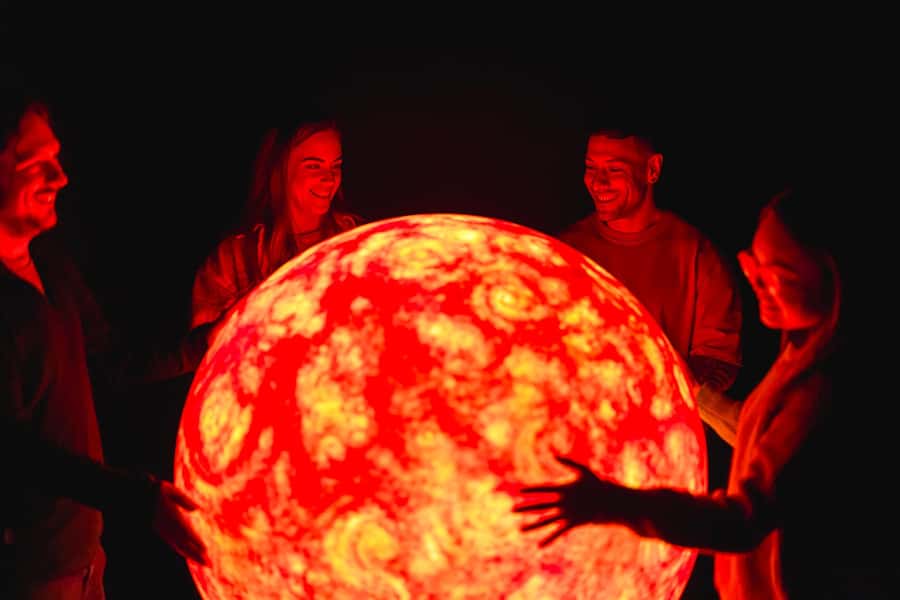
The 45-minute visit takes place indoors, close to the Four Square Supermarket, and uses theatrical light and sound to guide you through four interactive zones. It is a smart choice if cloud ruins your outdoor stargazing plans, or if you want more context before looking up at the real night sky.
I’d give yourself a little breathing room before the start time. The experience is short, and clear audio matters here. A parent with children under five could enjoy it, but a noisy room may make the storytelling harder to catch.
In This Review
- Key points to know before you go
- Why Māori astronomy changes the way you see the sky
- Four zones, four ways to read the heavens
- Māori navigation across stars and ocean currents
- Star clusters and their wider meaning
- Creation, living beings, and the Milky Way
- Mythology written across the stars
- The Brashear telescope adds a real object to the story
- The theatrical setup keeps a short tour moving
- What the $35 price buys you
- Planning your visit at Lake Tekapo
- Who will enjoy this most
- Should you book the Māori astronomy experience?
- FAQ
- Where does the Māori Cultural Astronomy Experience take place?
- How long does the experience last?
- Is the tour indoors?
- What languages are available?
- Is the experience wheelchair accessible?
- Does the price include food or drinks?
- Is hotel pickup and drop-off provided?
Key points to know before you go
- Māori astronomy comes first: Learn how Māori traditions connect stars, navigation, creation, and the natural world.
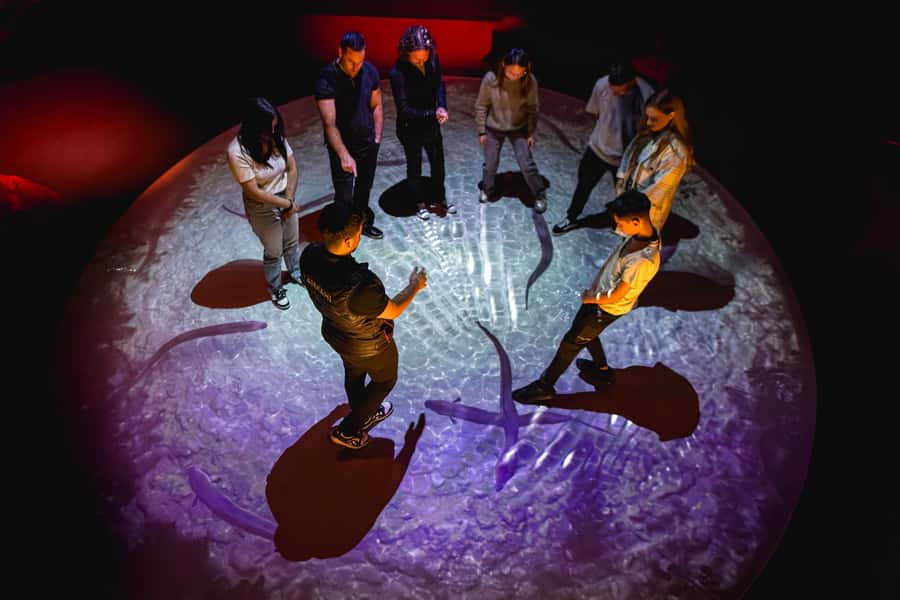
- Four indoor zones shape the visit: Each section adds a different piece to the story, from ocean travel to star clusters and the Milky Way.
- The Brashear telescope is a star attraction: See the restored 125-year-old Victorian telescope at close range.
- Daylight will not spoil the experience: This is a purpose-built indoor tour that runs in all weather.
- The tour lasts 45 minutes: That makes it easy to fit into a day around Lake Tekapo.
- English and Chinese tours are available: A live guide leads the experience in either language.
Why Māori astronomy changes the way you see the sky
Most astronomy tours begin with planets, galaxies, and distances so large they are hard to picture. This one begins with people and place. You learn how Māori communities read the sky as part of daily life, linking stars with navigation, seasonal knowledge, origin stories, and relationships between living things.
That approach gives the science a human scale. Instead of treating the night sky as a collection of objects, the tour presents it as a system of signs and connections. You are not simply told where a star cluster sits. You learn why it mattered and how it could guide people across land and water.
The experience is operated by Dark Sky Project in the Aoraki Mackenzie International Dark Sky Reserve. That setting is important, even though this particular activity happens indoors. Lake Tekapo is famous for its dark skies, and this tour gives you a cultural framework for appreciating them before, or instead of, heading outside at night.
I particularly like that the experience does not force you to choose between Māori knowledge and Western astronomy. The program brings cultural storytelling and science into the same journey. For many people, that will be more memorable than a standard list of constellations.
More Maori cultural experiences in Lake Tekapo:
- Mitai Maori Village: Cultural Experience and Dinner Buffet
★ 4.7 · 3,575 reviews - Cultural Experience & Seasonal Māori Cuisine at Te Pā Tū
★ 5.0 · 1,546 reviews - Mitai Maori Village Cultural Experience in Rotorua
★ 4.5 · 1,294 reviews
Four zones, four ways to read the heavens
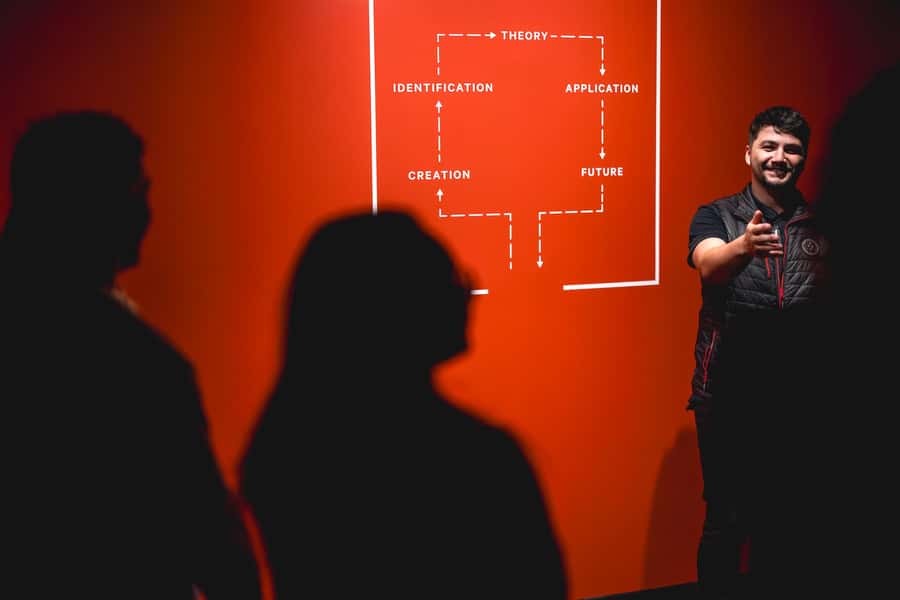
The tour is a guided walk through four interactive zones. The exact presentation depends on the live guide and the theatrical setup, but the subject matter covers several distinct ideas.
Māori navigation across stars and ocean currents
One of the most useful sections explains how Māori used constellations and ocean currents for navigation. This makes the stars practical rather than decorative. You begin to understand that reading the sky was part of a wider navigation system, not a trick based on memorizing a few bright points.
The reference to ocean currents is especially valuable. It shows that successful travel depended on reading several parts of the natural world together. The stars provided direction, while the sea itself offered additional clues. This is a good reminder that traditional navigation relied on close observation and accumulated knowledge.
I find this section likely to appeal to anyone interested in exploration, sailing, or Pacific history. It should also work well for families because the basic question is easy to grasp: how do you find your way when there are no roads or signs?
Star clusters and their wider meaning
Another zone looks at the importance of star clusters. Here, the focus shifts from individual stars to patterns and groupings. That matters because cultures often organize the sky differently, assigning different meanings to the same points of light.
This part can help you spot the difference between astronomy as measurement and astronomy as cultural memory. Scientific facts tell you what a cluster is. Māori tradition adds a layer of meaning about how it fits into human life, seasonal awareness, and the stories passed between generations.
The theatrical lighting should help turn abstract ideas into something easier to follow. Still, the guide’s spoken explanation remains central. If the room is noisy or you have trouble with an accent, stand where you can hear clearly and keep young children close during the storytelling.
More Lake Tekapo trips:
- Lake Tekapo: Alpine Stargazing Experience with a Guide
★ 4.5 · 626 reviews - Lake Tekapo: Stargazing Experience
★ 4.9 · 607 reviews - From Christchurch: Mount Cook & Lake Tekapo Day Tour & Lunch
★ 4.6 · 405 reviews - Mount Cook, Lake Tekapo and Tasman Glacier Tour from Christchurch
★ 5.0 · 353 reviews
Creation, living beings, and the Milky Way
The tour also presents a science-based account of how living beings came to be, then connects that story with the Milky Way. This is one of the broader parts of the experience, moving from life on Earth to the huge structure visible above us.
You can expect the presentation to shift in scale. It starts with the origins of living things and then takes you toward the enormous sweep of the galaxy. The contrast helps make the Milky Way feel less like a glowing band in a photograph and more like a vast setting in which our world sits.
This section is likely to suit visitors who enjoy a blend of cultural ideas and natural science. It is not a long university lecture. At 45 minutes, the tour has to keep moving, so you get a clear introduction rather than an exhaustive astronomy course.
Mythology written across the stars
The final themes include Māori mythology in the stars. Here, the sky becomes a place where stories are held and remembered. The result is more personal than a simple explanation of star names or distances.
Storytelling also gives families a useful way to talk about astronomy after the tour. Younger children may remember the characters and patterns first, while older children and adults may focus on the science behind them. That range is one reason this works as a family activity, even though very young children can make the guide harder to hear.
The Brashear telescope adds a real object to the story
The restored Brashear telescope is one of the most distinctive parts of the visit. You get close to a 125-year-old Victorian-era instrument, and that physical encounter gives the history of astronomy some weight.
A telescope can look like a piece of old equipment when seen only in a photograph. Here, it helps connect earlier generations of sky watchers with the modern instruments used to study the universe. Its age also adds a sense of continuity. People have long built tools to make the sky clearer, whether their purpose was scientific study, navigation, or cultural observation.
You should not book this experience expecting a traditional nighttime telescope session. The Brashear is viewed indoors as part of the guided program. There is no promise of live viewing through it during this 45-minute daytime visit. Its value is in the story, craftsmanship, and link to the history of astronomy.
The theatrical setup keeps a short tour moving
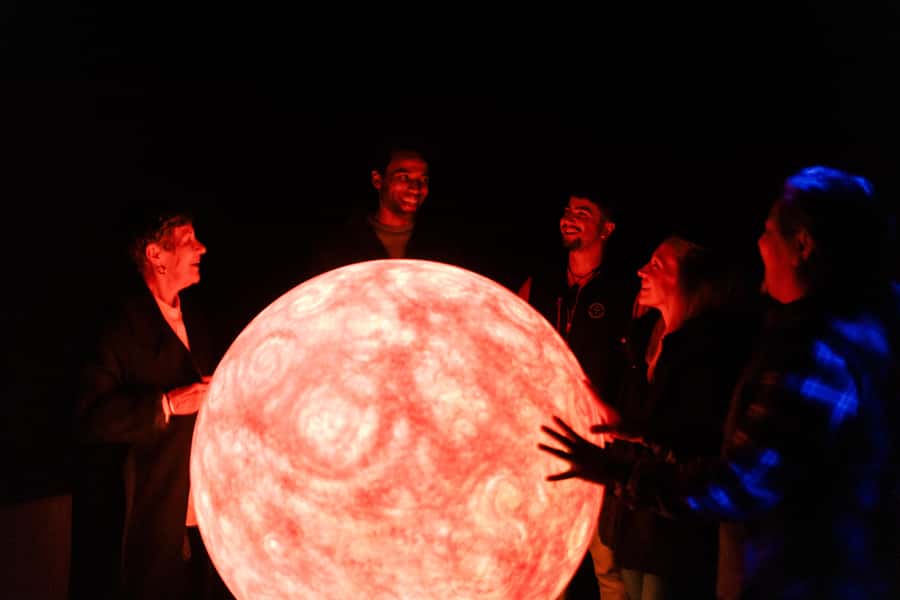
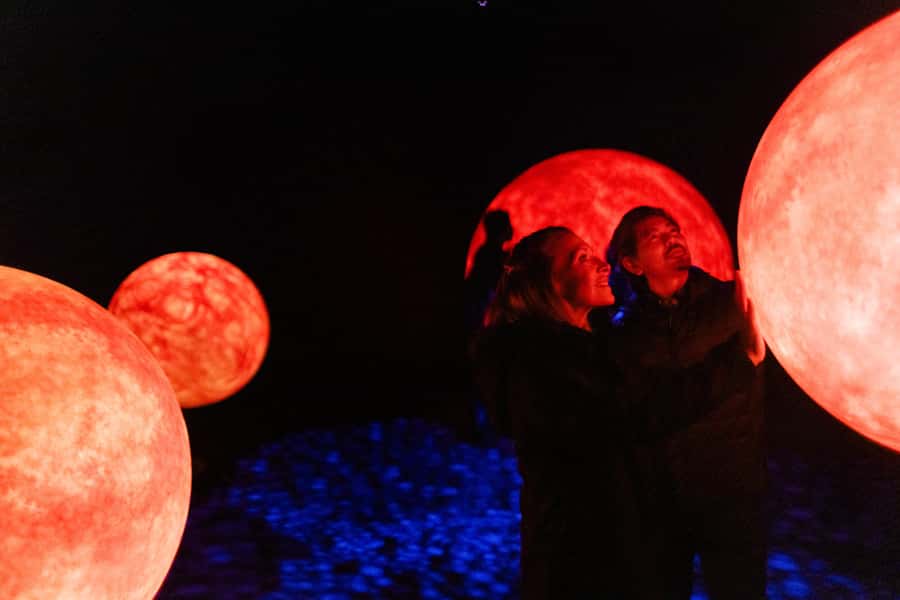
This is not a quiet museum room with labels beside static displays. The tour uses theatrical lighting and sound, with a live guide leading you through the purpose-built experience zone.
That format helps the material land quickly. Light can suggest the movement from Earth to the stars, while sound supports the guide’s storytelling. You are given several ways to take in the information, which is helpful when the subject matter moves between mythology, navigation, and science.
The trade-off is that the experience depends on presentation quality. One visitor found the guide lovely and informative but difficult to understand. Another had trouble hearing because two children under five were noisy, and also found the guide’s heavy accent hard to follow despite very good English.
That is useful practical information. The problem was not a lack of care or subject knowledge. It was hearing and comprehension in a busy room. If you have any concern about accents or audio, choose a position near the guide and avoid standing beside the noisiest part of the group. The tour is short enough that a clear start makes a real difference.
What the $35 price buys you
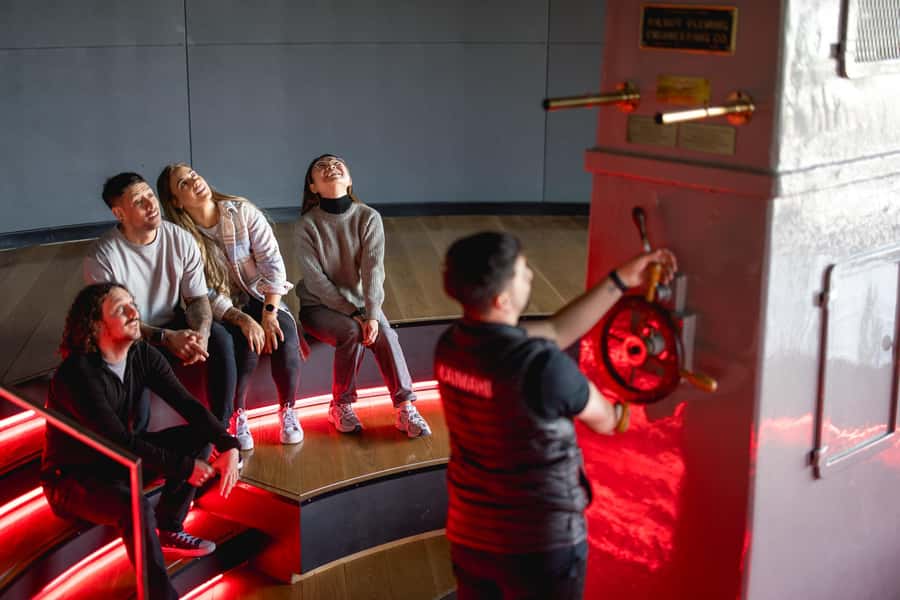
At $35 per person, this is not the cheapest short activity in Lake Tekapo. You are paying for a 45-minute guided production, a cultural astronomy presentation, four interactive zones, and access to the historic Brashear telescope.
I think the price makes sense if you value interpretation. You are not just filling time indoors. You are getting a focused explanation of how Māori knowledge connects with the stars, plus a science-based account of living beings and the Milky Way.
The value is stronger when the weather is poor. An outdoor stargazing plan can fail under cloud, rain, or strong wind. This indoor experience operates in all conditions, so your ticket still provides a complete activity when the sky outside is hidden.
The price may feel less worthwhile if you want a long technical astronomy session or several hours of telescope viewing. This is a compact cultural and educational visit. Think of it as a well-shaped introduction, not a full night at an observatory.
A rating of 4.5 from 43 bookings suggests the experience generally delivers what it promises. The praise centers on the interesting material, the universe, the stars, and Māori use of the sky. The reservations focus on hearing the guide in the presence of noise or a strong accent. That balance seems fair: the content is the attraction, while the spoken delivery can affect how much you take away.
Planning your visit at Lake Tekapo

The meeting point is at 1 Motuariki Lane, Lake Tekapo 7999. It is about 100 metres from the Four Square Supermarket, which makes it easy to locate in the town center.
No hotel pickup or drop-off is included, so you need to make your own way there. Since the activity is short, it fits neatly between other Lake Tekapo plans. You can schedule it during daylight, before dinner, or as background for a later visit outside under the dark sky.
Check the available start times when booking. The 45-minute duration is fixed, but the departure time can vary. I would avoid squeezing it between two activities with no spare time, especially if you want to find the location without rushing.
The experience is wheelchair accessible and family-friendly. It is also fully indoors, which makes it useful for visitors who want shelter from changing weather or prefer not to spend an evening outside.
English and Chinese live-guided options are available. Choose the language that gives you the best chance of following the storytelling, since the spoken explanation is the backbone of the visit.
Who will enjoy this most
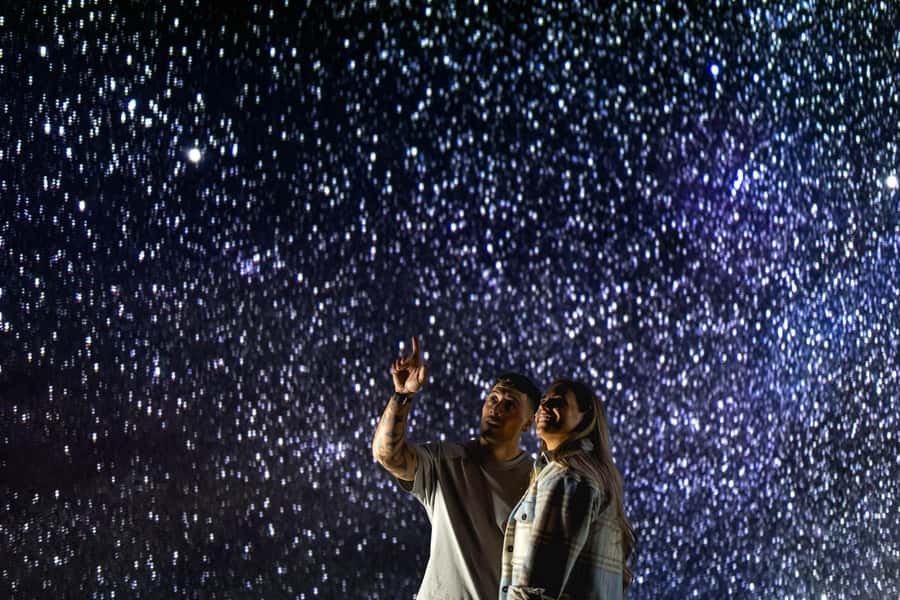
I would recommend the tour to:
- Families looking for an indoor activity that is educational without taking half a day
- Visitors interested in Māori culture and the relationship between people and nature
- Anyone planning outdoor stargazing who wants useful background first
- People visiting Lake Tekapo in uncertain weather
- Adults and children curious about navigation, mythology, or the origins of life
- Visitors who appreciate historic instruments as well as modern science
I would be more cautious if your main aim is a hands-on nighttime telescope session. That is not what this program offers. You see the Brashear telescope, but the core experience is a guided cultural and scientific presentation indoors.
It may also be less satisfying if you struggle to hear in group settings. The tour has a lot to say in a short time, and one difficult-to-understand section could reduce the value. Asking for a position close to the guide is sensible.
Should you book the Māori astronomy experience?
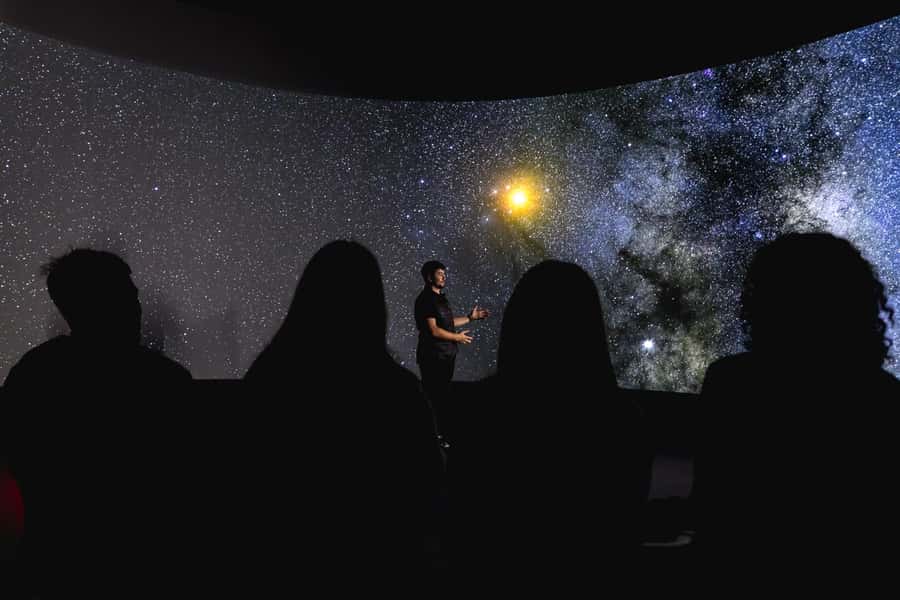
I would book this if you want to understand why the night sky matters, not just learn the names of objects in it. The Māori perspective, navigation stories, star mythology, and science-based explanation give the 45 minutes a clear purpose.
The best reason to choose it is flexibility. You can enjoy the program in daylight and in any weather, then use what you learned when you step outside later. At $35, that is a fair price for a concise, carefully staged introduction, especially for families or anyone with only a short window in Lake Tekapo.
Skip it if you want a long technical observatory visit or a live night-sky viewing session. But for a cultural astronomy experience with a historic telescope and a strong connection to the region, it is an appealing addition to your South Island plans.
FAQ
Where does the Māori Cultural Astronomy Experience take place?
It takes place at 1 Motuariki Lane, Lake Tekapo 7999, New Zealand, approximately 100 metres from the Four Square Supermarket.
How long does the experience last?
The guided experience lasts 45 minutes.
Is the tour indoors?
Yes. It takes place in a purpose-built indoor experience zone and operates in all weather conditions.
What languages are available?
Live guided tours are available in English and Chinese.
Is the experience wheelchair accessible?
Yes, the activity is wheelchair accessible.
Does the price include food or drinks?
No. Food and drinks are not included.
Is hotel pickup and drop-off provided?
No. Hotel pickup and drop-off are not included, so you need to reach the meeting point yourself.
Just added in Lake Tekapo
- Christchurch to Queenstown via Lake Tekapo and Mt Cook (1 way)★ 4.5 · 60 reviews
- Private Mt Cook Day Tour From Christchurch via Lake Tekapo★ 4.5 · 5 reviews
- Mt Cook & Tekapo Day Tour from Christchurch (lunch included)★ 5.0 · 145 reviews
- Mt. Cook Private Day Tour from Christchurch via Lake Tekapo★ 5.0 · 1 review
- Mt. Cook Full Day Private Tour via Tekapo from Christchurch★ 5.0 · 7 reviews
- Christchurch to Mt Cook via Tekapo (1 way) (Small Group)★ 4.5 · 8 reviews
- Lake tekapo & Mt. Cook Private tour from Christchurch★ 5.0 · 1 review
- Mt. Cook Private Day Trip From Christchurch Via Lake Tekapo★ 5.0 · 12 reviews
Maori Cultural Experiences, compared.

Mitai Maori Village: Cultural Experience and Dinner Buffet
Read our review →
Cultural Experience & Seasonal Māori Cuisine at Te Pā Tū
Read our review →
Mitai Maori Village Cultural Experience in Rotorua
Read our review →
Lake Taupo: Classical Sailing to the Māori Rock Carvings
Read our review →
Te Pa Tu Māori Cultural Experience with Dinner
Read our review →
Lake Taupō Māori Rock Carvings Scenic Cruise aboard Ernest Kemp
Read our review →
Waitomo Caves & Rotorua – Te Puia Small-Group Tour from Auckland
Read our review →
Lake Taupo: Maori Rock Carvings 10.30 AM 1.5-Hour Cruise
Read our review →Browse the lists this tour appears in