
REVIEW · MAORI CULTURAL EXPERIENCES
Dark Sky Indoor Maori Cultural Astronomy Experience
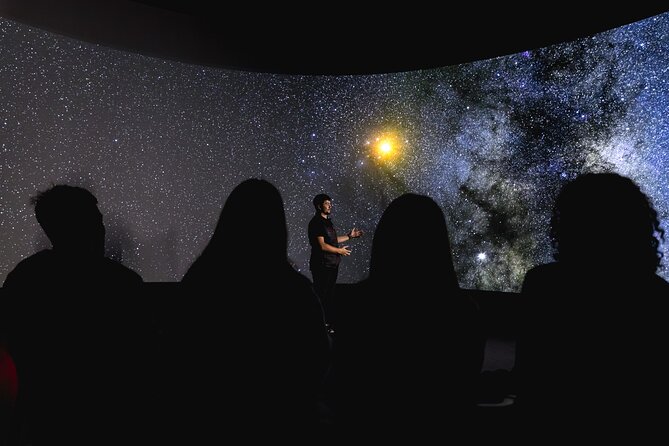
Clouds cannot hide these stars. At Lake Tekapo’s Dark Sky Experience, you explore Māori astronomy and Western science indoors, making this a smart choice when rain or daylight spoils your plans for stargazing. I like the clear cultural focus, and I like that children have hands-on exhibits rather than a long, quiet lecture. The main drawback is timing: the guided visit lasts about 45 minutes, within an experience of roughly one hour, so serious astronomy fans may want more time.
This is also a useful backup for families. You learn how Māori used stars and ocean currents for navigation, then connect those ideas with modern science and the Southern Sky. At $37.56 per person, it is not a cheap rainy-day filler, but the year-round indoor setting and strong guide-led presentation give it fair value when the real sky is hidden.
In This Review
- Key things to know before you go
- Why Lake Tekapo’s indoor astronomy visit matters
- Four zones that turn astronomy into a story
- Māori navigation by stars and ocean currents
- Star clusters and the Southern Sky
- Mythology and stories in the stars
- Science, life, and the wider universe
- The restored Brashear Telescope
- How the guide-led format affects your visit
- Why this is useful on a rainy day
- Is $37.56 per person good value?
- Who will enjoy this most?
- Booking and timing tips that matter
- My verdict: should you book it?
- FAQ
- How long does the Dark Sky Indoor Māori Cultural Astronomy Experience last?
- Where does the experience start?
- Is the experience suitable for children?
- Does the experience operate during the day?
- What cultural topics are covered?
- Is the Brashear Telescope included?
- What is included in the ticket price?
- Can I cancel for a full refund?
Key things to know before you go
- Māori astronomy leads the story: Learn how stars shaped navigation, farming, daily life, and ideas about the universe.
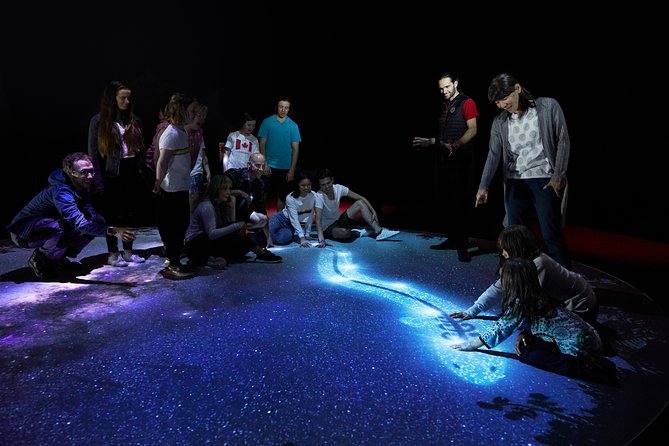
- Four interactive zones: The route uses multimedia displays and hands-on activities to keep children and adults involved.
- A good weather-proof plan: The experience operates year-round, so clouds and rain do not cancel your astronomy lesson.
- The guide makes a difference: The presentation is praised for being lively, clear, and easy to follow. One particularly relaxed guide welcomed people calling him To, bro, or boy.
- A historic telescope adds weight: You see the restored 125-year-old Brashear Telescope, which rises nine metres above the floor.
- Small groups help: The maximum group size is 26 people, enough for a shared visit without feeling like a huge crowd.
Why Lake Tekapo’s indoor astronomy visit matters
Lake Tekapo sits inside the Aoraki Mackenzie International Dark Sky Reserve, a place known for its unusually dark night skies. That makes the setting a natural home for an astronomy attraction, but this experience is not simply a substitute planetarium show.
The focus is the relationship between people and the sky. You are introduced to Māori ways of understanding the universe, then shown how those ideas sit alongside scientific discovery. That balance matters. You are not asked to choose between cultural knowledge and Western astronomy. Instead, the visit shows how each can help you see the Southern Sky with more care.
I especially value that the Māori material is tied to practical life. Stars were not just pretty points above the horizon. They helped with navigation, agriculture, and the ordering of life. The story gains force when you understand that the night sky could serve as a guide, calendar, and source of meaning.
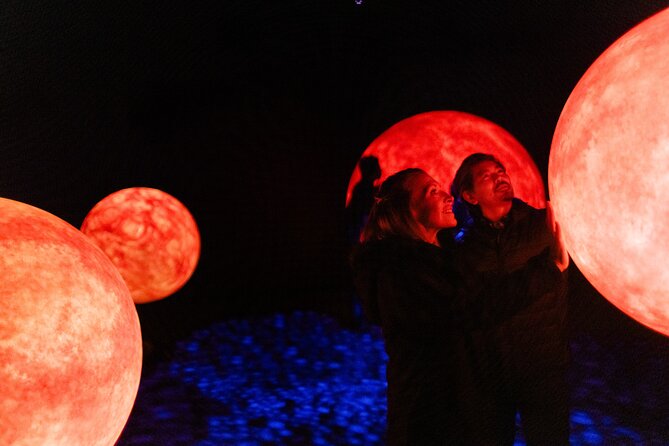
The attraction also has a useful family angle. Younger children may not follow every idea about the origins of living beings or the structure of the universe, but the interactive displays give them something to see and do. Adults can pay closer attention to the cultural stories and scientific links while children remain occupied.
More Maori cultural experiences in Lake Tekapo:
- Lake Tekapo: Indoor Māori Cultural Astronomy Experience
★ 4.5 · 43 reviews - Mitai Maori Village: Cultural Experience and Dinner Buffet
★ 4.7 · 3,575 reviews - Cultural Experience & Seasonal Māori Cuisine at Te Pā Tū
★ 5.0 · 1,546 reviews
Four zones that turn astronomy into a story
The guided route moves through four interactive zones. The exact pace can depend on the guide and group, but you should expect a structured presentation rather than a free-roaming museum visit.
Māori navigation by stars and ocean currents
The first major idea is navigation. You learn how Māori read the sky and understood ocean currents as part of long-distance travel. This is one of the strongest parts of the experience because it connects astronomy to human skill.
I find this more memorable than a list of constellation names. A star becomes useful when you understand what it helped people do. The same point in the sky could guide a journey, mark a season, or help place a community within the wider world.
The presentation also gives children a way into the subject. Navigation sounds like an adventure, and the link between stars and the sea is easy to grasp. If your family has just been driving through the South Island, this section gives a new meaning to the sky above the road.
Star clusters and the Southern Sky
Another zone explains the importance of star clusters. You are introduced to the Southern Sky through Māori tradition and scientific observation, rather than being shown a generic collection of northern constellations.
That regional focus is important. Many astronomy displays default to star patterns familiar from the Northern Hemisphere. Here, the story is tied to the sky you may see above New Zealand, giving the visit a stronger sense of place.
The attraction also explains how star clusters carry significance beyond their appearance. They can act as markers in time, culture, and seasonal knowledge. I like that the experience treats astronomy as something connected to daily life, not only as a technical subject for specialists.
More Lake Tekapo trips:
- Lake Tekapo: Alpine Stargazing Experience with a Guide
★ 4.5 · 626 reviews - Lake Tekapo: Stargazing Experience
★ 4.9 · 607 reviews - From Christchurch: Mount Cook & Lake Tekapo Day Tour & Lunch
★ 4.6 · 405 reviews - Mount Cook, Lake Tekapo and Tasman Glacier Tour from Christchurch
★ 5.0 · 353 reviews
Mythology and stories in the stars
The cultural stories give the visit its human voice. Māori mythology helps explain how the heavens are understood and why certain stars or groups of stars matter.
The presentation does not rely only on folklore. It blends story with science, which was one of the most praised features of the experience. The result is easier to follow than a highly technical astronomy talk, but it still offers substance for adults who already have an interest in space.
A strong guide is especially important here. Storytelling needs warmth and pace. One guide was described as highly interactive, with an informal style that made the session feel friendly rather than stiff. That kind of approach can help children stay attentive and make the cultural material feel alive.
Science, life, and the wider universe
The final themes connect scientific discovery with the question of how living beings came to be. This gives the visit a wider reach. You begin with stars and navigation, then move toward big questions about life and the universe.
I would not expect an advanced astronomy course. The material is designed for a broad audience, and the talk is described as easy to understand. That is a strength for families and mixed-age groups, though visitors seeking detailed astrophysics may find the treatment fairly introductory.
The balance is sensible. You get enough science to understand the main ideas, while the cultural story keeps the experience from becoming a string of dry facts.
The restored Brashear Telescope
A highlight is the restored Brashear Telescope, a 125-year-old instrument that reaches nine metres in height. Even without using it for night viewing, the telescope gives the attraction a physical centerpiece.
Its age also adds historical texture. The telescope is not just another screen or projection. It is a large, tangible reminder of how people once built tools to study the sky, and it links the scientific side of the visit to an earlier era of observation.
I would allow a little time to look closely at it rather than treating it as something you pass on the way out. The telescope helps tie the indoor displays to the wider history of astronomy, while the Māori content reminds you that sky knowledge existed long before modern instruments.
There is a useful contrast here. Māori astronomy developed through careful observation, memory, travel, and cultural teaching. The Brashear Telescope represents a later scientific tradition built around mechanical precision. Seeing both within the same visit supports the experience’s central idea: different knowledge systems can offer different ways to understand the same sky.
How the guide-led format affects your visit
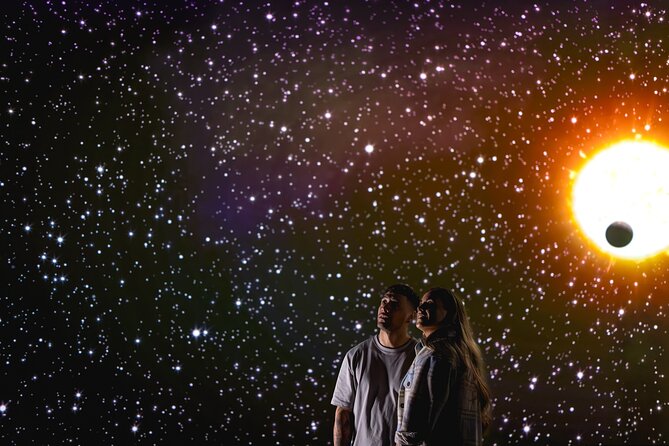
The main presentation lasts about 45 minutes, while the overall visit is listed at approximately one hour. That means you should plan for a compact experience, not a half-day museum outing.
I like the guided format because the subject has several layers. A guide can explain why a constellation matters, connect it to navigation, and answer questions in a way that a wall panel cannot. The strongest comments about the experience focus on the guides’ delivery. They are described as enthusiastic, clear, and able to make the material easy to understand.
One guide was comfortable with visitors calling him To, bro, or boy, which gives you a sense of the relaxed tone possible during the presentation. That detail may not apply to every session, but it shows how a warm presenter can make a cultural and scientific subject feel approachable.
The limitation is that you follow the group’s pace. You may want to spend longer with one exhibit, but the guide needs to keep everyone moving. With a maximum of 26 people, the group is manageable, though it is still a shared presentation rather than a private lesson.
If you have a particular interest in Māori astronomy, navigation, or the Brashear Telescope, listen closely and save questions for the guide. The content moves through several topics in a short time.
Why this is useful on a rainy day
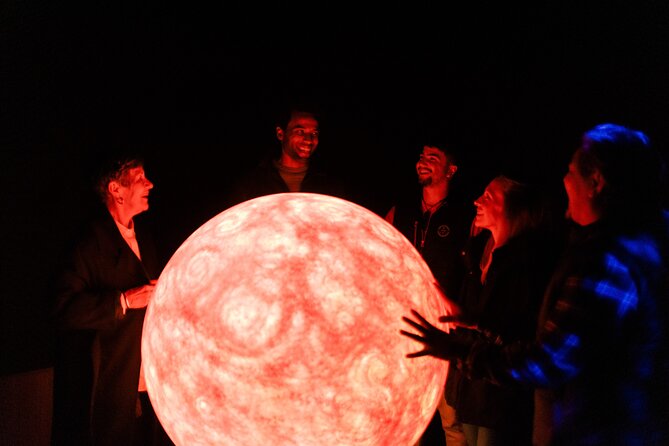
Lake Tekapo is famous for outdoor scenery and night-sky viewing, but weather can change quickly. Cloud, rain, or poor visibility can leave you with a carefully planned evening and nothing to see overhead.
This indoor visit removes that risk. You can learn about the Southern Sky during daylight and still have a worthwhile activity when the weather is poor. One family chose it specifically because clouds were expected at night, hoping their children could hear about the constellations even without seeing them outdoors.
That is the best way to think about this attraction. It does not replace standing beneath a clear sky. It gives you context before or instead of that experience. If the night later clears, you will have a better sense of what you are looking at. If it does not, your visit still has a clear purpose.
Rainy-day value is especially strong for families. You are not forced into another café stop, and the presentation gives children a structured activity with visual material and interactive elements. The lack of included snacks, coffee, or tea is not a major concern, but you should plan those separately if you need a break before or after the visit.
Is $37.56 per person good value?

At $37.56 per person, this is a moderate cost for an indoor attraction, but the value depends on how you use it.
I think the price makes the most sense in three cases:
- You are visiting during poor weather.
- You are traveling with children who need a dependable indoor activity.
- You want cultural context before attempting night-sky viewing.
The ticket includes the guided tour through all four zones, the scientific and cultural presentation, and access to the historic telescope. It is not simply entry to a room of displays. The guide-led format is a meaningful part of what you pay for.
The value is weaker if you only want to look at stars through a telescope. This is not presented as a dedicated night observation session, and the experience takes place indoors during the day. Visitors expecting a long technical astronomy program may find one hour too short.
I would also judge the price against the rest of your Lake Tekapo plans. If you already have a clear night planned for another astronomy activity, this indoor experience can still add Māori cultural context. If your schedule is tight and your main goal is outdoor stargazing, you may prefer to save the money for that.
Who will enjoy this most?
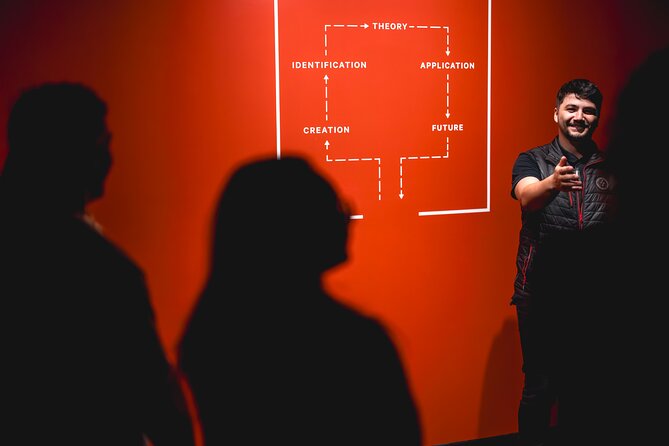
Families are the obvious audience, and the attraction is designed to suit all ages. The multimedia displays and hands-on activities give children a role, while the cultural and scientific content gives adults something substantial to consider.
It also suits anyone curious about Māori connections to the sky. You do not need an astronomy background. The presentation is built around stories, practical uses, and clear explanations rather than specialist vocabulary.
I would recommend it for:
- Families needing a weather-proof plan
- First-time visitors to Lake Tekapo
- People interested in Māori culture and navigation
- Anyone who wants a basic introduction to the Southern Sky
- Visitors whose evening stargazing plans may be affected by cloud
- Adults who enjoy science presented through story
It may be less satisfying for advanced astronomy fans who want long observation time or detailed technical discussion. It is also not the best match if you are looking only for an outdoor night experience.
The site is near public transportation, service animals are allowed, and most people can participate. Confirmation is received when you book. These details make it a fairly easy addition to a Lake Tekapo day, especially since the visit starts and ends at 1 Motuariki Lane.
Booking and timing tips that matter
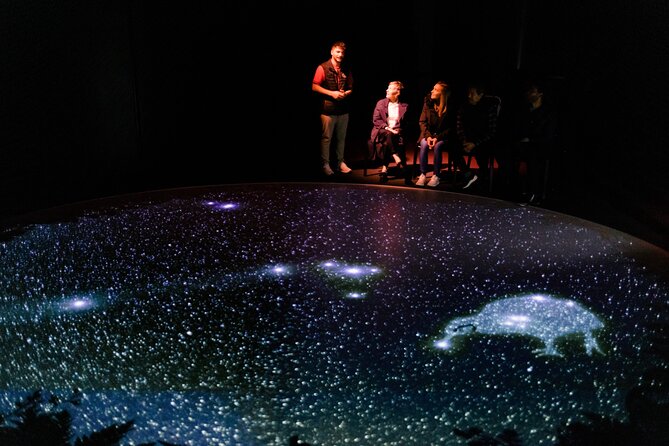
Booking ahead is sensible because the attraction is promoted as a leading family activity in Lake Tekapo, and the group size is limited to 26 people. Advance booking also lets you place the visit around meals, drives, and any evening plans.
The mobile ticket is convenient. You can keep the confirmation on your phone rather than manage a paper voucher, though you should make sure your phone is charged before setting out.
Allow about an hour at the venue. The guided section is about 45 minutes, with the remaining time allowing for the start and finish of the visit. I would not schedule something immediately afterward if your transport timing is tight.
The cancellation terms are straightforward: cancel at least 24 hours before the start time for a full refund. Changes or cancellations inside that window are not accepted for a refund. The activity also needs a minimum number of people to operate. If the provider cancels for that reason, you are offered another date or experience, or a full refund.
My verdict: should you book it?
I would book the Dark Sky Indoor Māori Cultural Astronomy Experience if you want more than a simple star show, especially if you are visiting with children or facing uncertain weather.
Its best qualities are the Māori focus, the clear blend of cultural stories and science, and the guides’ friendly presentation. The restored Brashear Telescope gives the visit a memorable object to see, while the four interactive zones prevent the hour from feeling like a classroom lecture.
I would skip it only if your schedule is very short, your interest is limited to outdoor stargazing, or you expect advanced astronomy. For most visitors spending time in Lake Tekapo, the experience offers a useful hour indoors and may make the night sky more meaningful later. At $37.56 per person, it is a reasonable choice when you want a reliable, family-friendly activity with genuine cultural content.
FAQ
How long does the Dark Sky Indoor Māori Cultural Astronomy Experience last?
The full experience lasts approximately one hour. The guided tour through the four zones lasts about 45 minutes.
Where does the experience start?
It starts at 1 Motuariki Lane, Lake Tekapo 7999, New Zealand. The activity ends back at the same meeting point.
Is the experience suitable for children?
Yes. It is designed for all ages and includes multimedia exhibits and hands-on activities, making it suitable for families.
Does the experience operate during the day?
Yes. You can explore the night sky during daylight hours in the indoor exhibition.
What cultural topics are covered?
The experience explains Māori astronomy, including its links to navigation, ocean currents, agriculture, daily life, star clusters, and mythology.
Is the Brashear Telescope included?
Yes. The experience includes the restored 125-year-old Brashear Telescope, which is nine metres tall.
What is included in the ticket price?
The ticket includes the guided tour through four zones and the indoor astronomy experience. Snacks, coffee, and tea are not included.
Can I cancel for a full refund?
Yes, if you cancel at least 24 hours before the experience start time. Cancellations or changes made less than 24 hours before the start are not refunded.
More Stargazing Nights in Lake Tekapo
- Chameleon Stargazing Shared Tour
★ 5.0 · 181 reviews - Lake Tekapo: Mountaintop Stargazing at Mount John Summit
★ 4.5 · 176 reviews - Mount John Observatory Stargazing Experience, Tekapo
★ 4.5 · 160 reviews - Silver River Stargazing Experience in Lake Tekapo
★ 4.5 · 106 reviews
Just added in Lake Tekapo
- Queenstown to Lake Tekapo via Mt Cook One-Way Small Group Tour★ 4.5 · 13 reviews
- Queenstown to Christchurch One-Way Tour via Mt Cook & Lake Tekapo★ 4.5 · 134 reviews
- Queenstown to Christchurch One Way Tour Via Lake Tekapo & Mt Cook★ 5.0 · 10 reviews
- Private 3 Day Queenstown Glenorchy Wanaka and Tekapo★ 5.0 · 3 reviews
- Mount Cook & Lake Tekapo the Ultimate combo from Queenstown★ 5.0 · 3 reviews
- Mt. Cook Private Day Trip From Queenstown with Lake Tekapo★ 5.0 · 10 reviews
- Lake Tekapo Private Day Trip from Queenstown★ 5.0 · 7 reviews
- Mt Cook to Christchurch One-Way Small Group Tour via Lake Tekapo★ 5.0 · 16 reviews
Maori Cultural Experiences, compared.
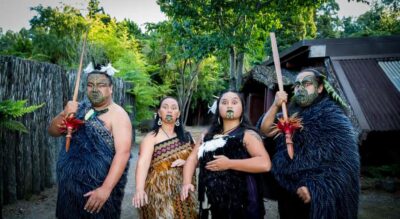
Mitai Maori Village: Cultural Experience and Dinner Buffet
Read our review →
Cultural Experience & Seasonal Māori Cuisine at Te Pā Tū
Read our review →
Mitai Maori Village Cultural Experience in Rotorua
Read our review →
Lake Taupo: Classical Sailing to the Māori Rock Carvings
Read our review →
Te Pa Tu Māori Cultural Experience with Dinner
Read our review →
Lake Taupō Māori Rock Carvings Scenic Cruise aboard Ernest Kemp
Read our review →
Waitomo Caves & Rotorua – Te Puia Small-Group Tour from Auckland
Read our review →
Lake Taupo: Maori Rock Carvings 10.30 AM 1.5-Hour Cruise
Read our review →Browse the lists this tour appears in