

REVIEW · MUSEUMS
Matakohe: The Kauri Museum Entry Ticket
Kauri stories reach far beyond timber. At Matakohe’s Kauri Museum, you get a clear, moving look at the tree, the people who depended on it, and the cost of turning forests into a nation. I like the well-organized displays and the way humble tools, gum, furniture, and family stories make the past easy to grasp.
I also like that this is more than a rainy-day museum. The new Once-and-Future Forest gives the visit a quiet, imaginative center. The main consideration is time: at least one to three hours makes sense, and you could easily spend much longer if you read every display.
In This Review
- Key points to know before you go
- Why the Kauri Museum matters in Matakohe
- Begin with the people behind the kauri trade
- See kauri in rough, practical, and beautiful forms
- Take the Once-and-Future Forest walkway
- How long should you spend inside?
- Is the $14 ticket good value?
- Practical details for a smooth visit
- Who will get the most from this visit?
- Should you book the Kauri Museum entry ticket?
- FAQ
- Where is the Kauri Museum located?
- How much does admission cost?
- How long is the ticket valid?
- What does the ticket include?
- How long should I allow for the visit?
- What are the museum’s opening hours?
- Is the museum wheelchair accessible?
- Can I take photographs inside?
- Is transportation included?
- Can I cancel my booking?
Key points to know before you go
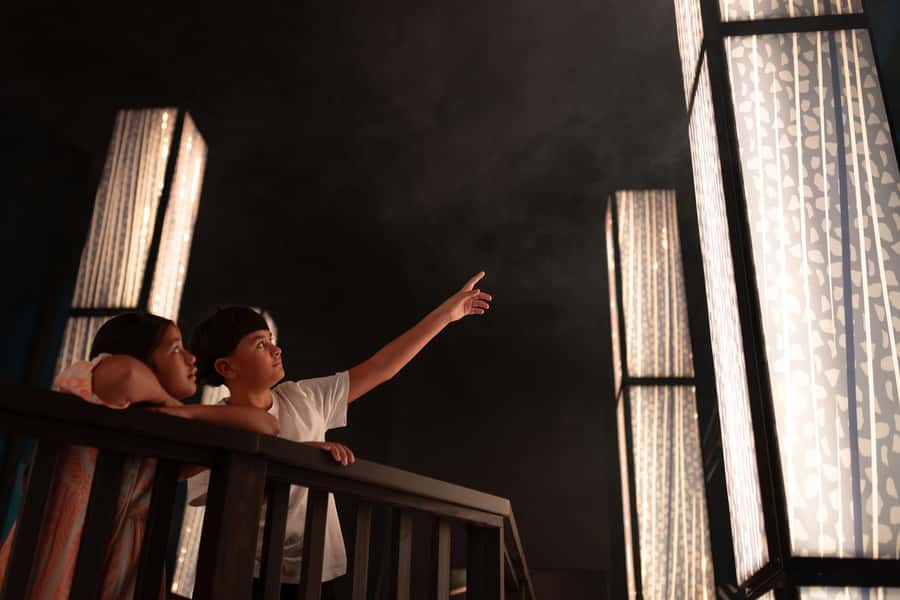
- A 4,500-square-metre indoor visit: The museum is one of the largest covered attractions north of Auckland, with halls, galleries, and rooms filled with kauri material.
- Kauri gum gets star treatment: See precious hardened resin alongside the tools and working objects that shaped the local economy.
- The story includes ordinary people: Gum diggers, farmers, business owners, and families all have a place here.
- The Once-and-Future Forest adds atmosphere: This walkway moves from darkness to light and connects kauri with the Māori creation story of Te Waonui o Tāne.
- Plan around opening hours: The museum is open daily from 9:00 AM to 5:00 PM.
- The ticket covers the full museum: You get access to all exhibits for $14 per person, but food, drinks, and transport are extra.
Why the Kauri Museum matters in Matakohe
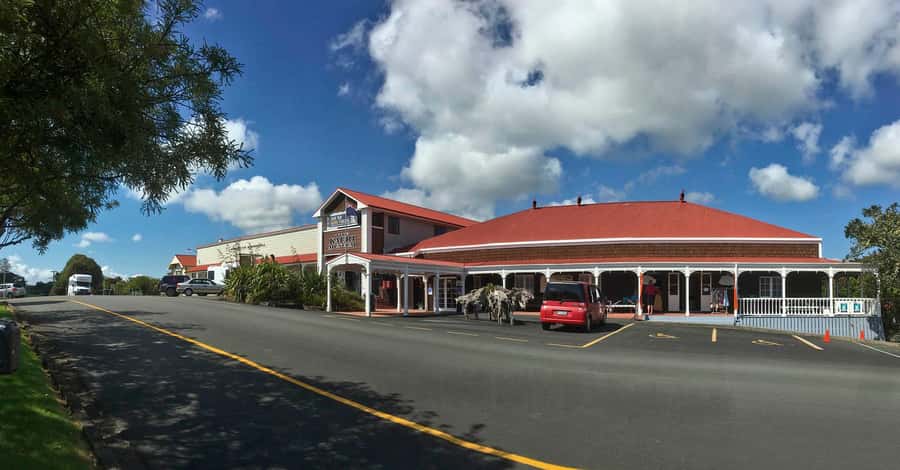
The Kauri Museum is in Matakohe, on New Zealand’s North Island, and its subject is much bigger than one species of tree. Kauri shaped work, trade, settlement, craft, and family life across the north. The museum asks you to look at both the tree and the people who changed the region because of it.
That balance matters. You are not simply looking at giant pieces of wood behind glass. You are seeing how people worked in mud, grit, smoke, and fire. You are also seeing the courage, loss, ambition, and hope tied to an industry that helped build a nation while placing great pressure on the forests themselves.
I find the museum’s approach useful because it avoids reducing the past to a simple good or bad story. Kauri provided income and material for communities. At the same time, vast forests disappeared. A visit gives you room to understand both sides.
The attraction has been collecting and sharing its material since 1962. That long period of collecting helps explain the variety of what you will see, from rough working tools to finely made objects and displays of kauri gum.
More Museums in New Zealand:
- Auckland War Memorial Museum Entry Ticket
★ 4.5 · 293 reviews - Explore gardens & galleries filled with incredible art, Matakana
★ 5.0 · 186 reviews - Skip the Line: Auckland Museum General Admission Ticket
★ 4.5 · 183 reviews
Begin with the people behind the kauri trade
Give yourself time at the start to get oriented. The museum’s displays cover gum diggers, farmers, business people, and families who made their homes in the area. These are important subjects because they put names, work, and daily effort around a tree that can otherwise feel almost mythical.
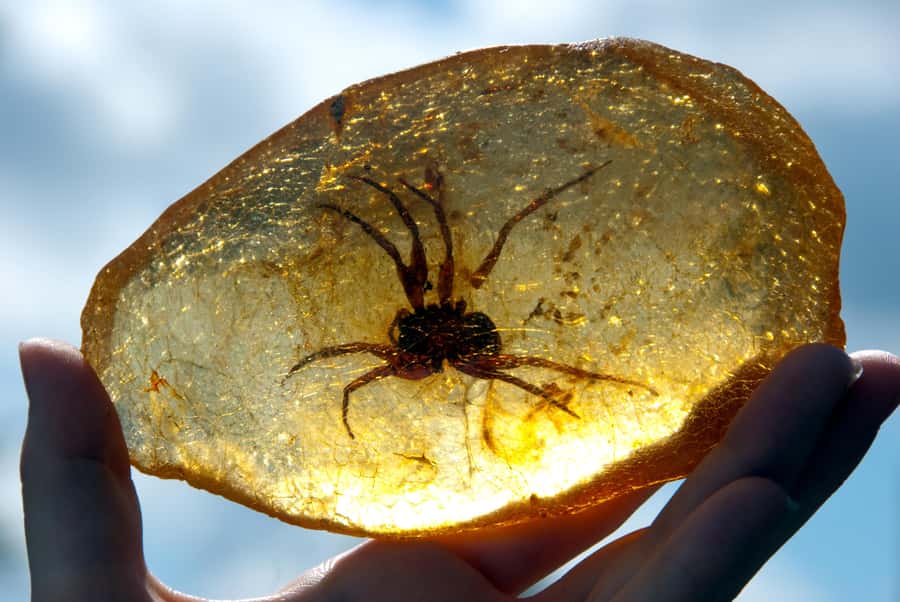
The gum digger displays are likely to hold your attention first. Kauri gum is hardened resin from kauri trees, and it became an important material and source of income. The tools connected with gum digging show how demanding the work could be. Their value is not based on fine design. These were practical objects, made important by harsh conditions.
You might find yourself lingering over the contrast between the tools and the polished objects elsewhere in the museum. One side shows hard labor and basic equipment. The other shows what skilled hands could make from kauri and its resin.
The farming and business stories widen the picture. Kauri was not isolated from the rest of local life. It affected work, trade, and the growth of communities. Family stories then bring the subject down to a human scale. You get a sense of how several generations made a home in this part of New Zealand.
The displays are described as well set out and informative, and that is important here. There is a lot of ground to cover. Clear presentation helps you follow the connections instead of feeling buried under dates and objects.
See kauri in rough, practical, and beautiful forms
The museum’s collection includes three broad types of material, each offering a different reason to stop.
First are the humble tools. They tell you about work under difficult conditions. Mud, smoke, grit, and fire are not decorative details. They suggest the physical setting in which people earned a living and transformed raw material into something useful.
Second are handcrafted objects. Here, kauri shifts from a working resource to a material of beauty. The collection includes objects described as rare and finely made. You can compare the natural character of the wood with the care taken by the makers.
Third is the kauri gum. The hardened resin can be precious, and the displays show why it has held such appeal. Its color, texture, and polished finish give you a different view of kauri than timber alone. You are looking at material that began as part of a living tree and later became an object of value.
I like this three-part progression because it gives the museum a natural rhythm. You see the effort required to obtain materials, the skill used to shape them, and the beauty that made them worth preserving.
Do not rush through the smaller objects in search of the biggest display. Large pieces catch the eye, but small tools and crafted items often explain the human story better. If you have children with you, these practical objects can also make the past easier to picture.
Take the Once-and-Future Forest walkway
The Forest Walkway is the museum’s newer addition and provides a different kind of experience from the collection rooms. It is presented as a journey from darkness to light, with kauri at the center of the Māori creation legend Te Waonui o Tāne.
This space gives you a pause from the historical displays. Instead of focusing mainly on labor, trade, and settlement, it turns toward the forest itself and the idea of renewal. The name Once-and-Future Forest points to what has been lost and what may still come again.
That theme gives the visit emotional weight without requiring a long lecture. You move through a space that echoes a forest gone and yet to come. The result is less about collecting facts and more about thinking about time, memory, and hope.
I would save this walkway for the middle or later part of your visit. Seeing the working tools and human stories first gives the forest setting more meaning. You have already learned what kauri meant to people, so the walkway can help you consider what the tree means beyond human use.
It is also a good place to slow down. The museum covers a large area, and the Forest Walkway changes the pace. You do not need to treat every part of the visit like a checklist.
A few more to weigh up in New Zealand
- Hobbiton Movie Set: Guided Tour Ticket
★ 4.9 · 8,167 reviews - Waiheke Island: Ferry & Hop-On Hop-Off Explorer Bus Tickets
★ 4.6 · 3,311 reviews - Rotorua: Wai-O-Tapu Geothermal Park Entry Ticket
★ 4.6 · 2,601 reviews - Auckland: Hop-On Hop-Off Explorer Bus Ticket
★ 4.4 · 1,064 reviews
How long should you spend inside?
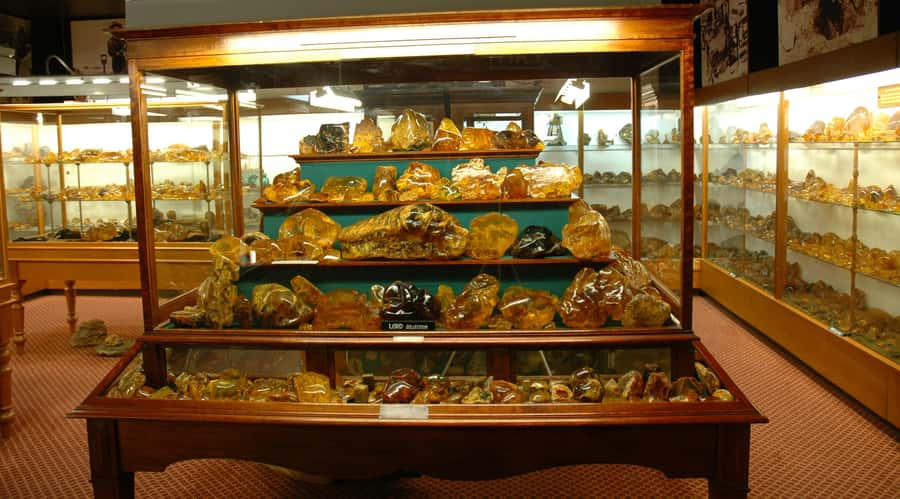
The museum recommends allowing at least one to three hours. I agree with that range for a useful visit, though your pace will depend on how closely you read and how much time you give the displays.
One hour would be a quick look at the main themes. You could see the key collection areas and the forest walkway, but you would need to keep moving. That may work if Matakohe is one stop on a busy day.
Two to three hours gives you a better balance. You can read more of the stories about gum diggers, farmers, business people, and families. You can also take time with the tools, kauri gum, handcrafted objects, and the Forest Walkway without feeling hurried.
The museum is large enough for a longer visit too. With 4,500 square metres of exhibition halls, galleries, and rooms, it is not a small local display that you can finish in twenty minutes. If you have a strong interest in New Zealand history, Māori stories, woodcraft, or environmental change, plan for several hours.
Because the attraction is indoors, the weather does not need to control your schedule. Rain or sunshine works equally well. That makes it a practical stop when outdoor plans are uncertain.
Is the $14 ticket good value?
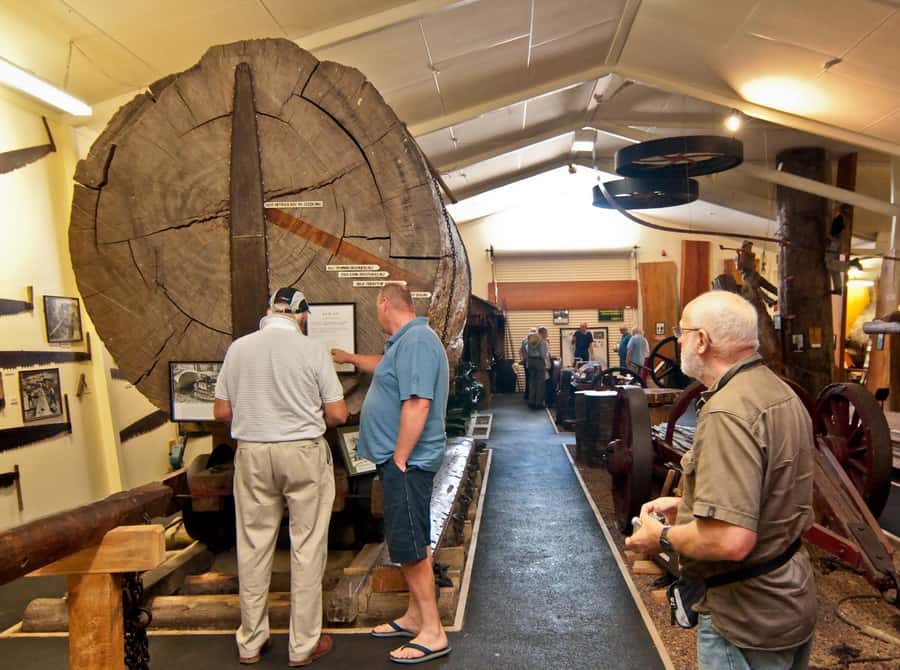
At $14 per person, the ticket is reasonably priced for the amount of material on offer. You get access to all museum exhibits, not just one special room or temporary display. A one to three-hour visit gives the ticket a particularly good return.
The value is strongest if you take time to read and think about the displays. This is not an attraction designed only for a quick photograph. Its collection covers tools, crafted objects, kauri gum, local families, and the wider story of kauri’s role in New Zealand.
The ticket does not include transportation, food, drinks, or personal expenses. You need to make your own way to the museum entrance in Matakohe, so the real cost of the outing depends on your wider travel plans.
For families, the price may feel manageable because the museum offers several layers of interest. Children can look at large timber and unusual objects, while adults can spend more time with the social and environmental story. The museum is also wheelchair accessible, which helps make the visit practical for a wider range of people.
Practical details for a smooth visit
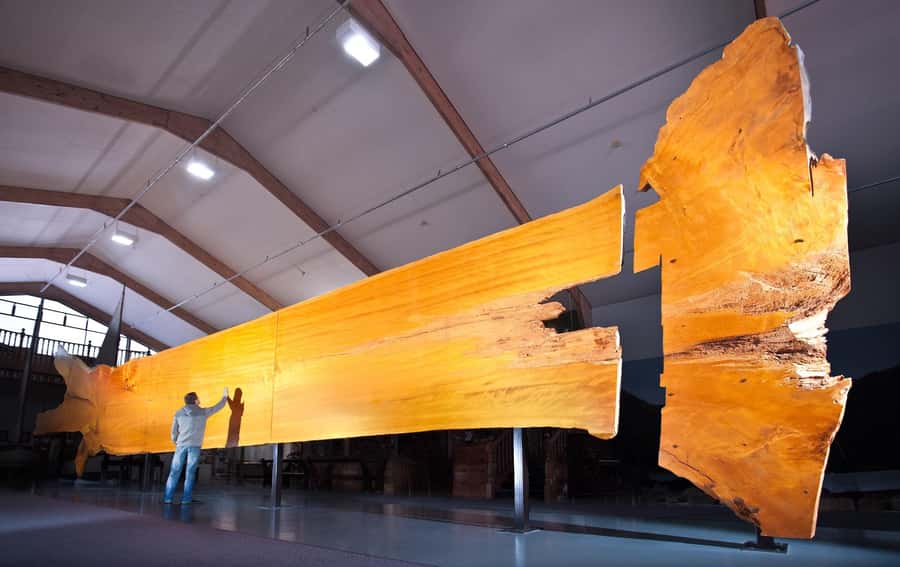
The museum is open daily from 9:00 AM to 5:00 PM. Since the ticket is valid for one day, check the available starting times when you book, then go straight to the entrance and present your voucher.
An English-speaking host or greeter is available, and the museum’s language is English. You can take photographs, but flash photography is not permitted. Smoking is not allowed.
There is no transport included, so you must arrange your own way to Matakohe. That is the main logistical point to consider before booking. If you are already driving through the North Island, the museum can make a strong scheduled stop. If you are relying on transport arranged by someone else, confirm that reaching the entrance is practical.
The museum is wheelchair accessible. For anyone who prefers a slower pace, the large indoor setting and suggested visit length make it possible to take regular breaks instead of trying to cover everything at once.
Flexible booking is available. You can reserve now and pay later, and cancellation is free up to 24 hours in advance for a full refund. These terms are useful if your North Island plans depend on weather or changing road schedules.
Who will get the most from this visit?
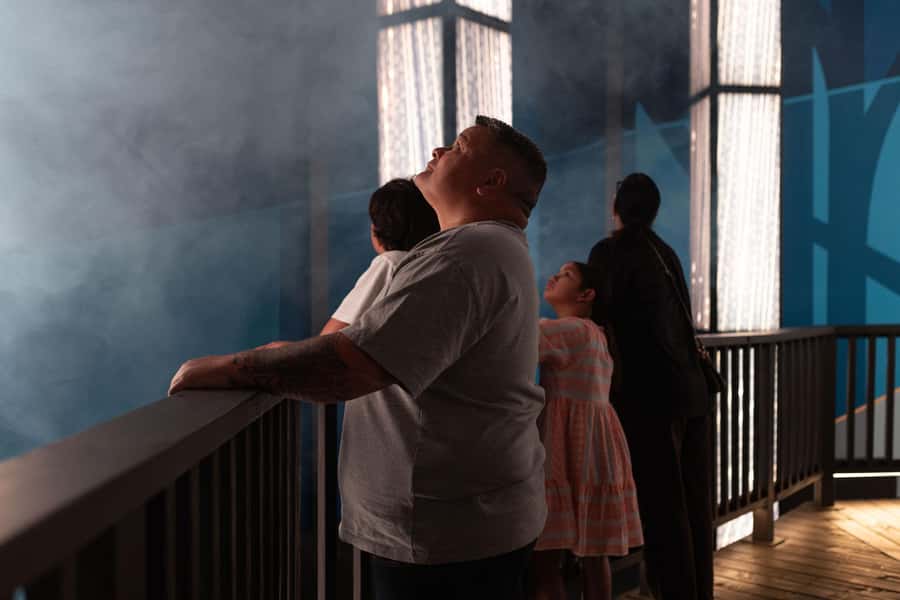
I would recommend the Kauri Museum to anyone interested in New Zealand’s natural story and the human work tied to it. It suits families, children, history fans, woodworkers, researchers, and people who simply want a substantial indoor stop north of Auckland.
It is especially good for you if you prefer museums that connect objects with real lives. The tools are not displayed as isolated antiques. They help explain what people did, how they worked, and why kauri mattered.
The museum also suits anyone looking for more than scenery. A forest can be beautiful, but a museum can explain what happened there. At Matakohe, you get the material evidence and the stories that help you see kauri as part of a much larger national story.
You may want to choose another activity if you only have a few minutes or dislike reading displays. The museum rewards patience. Its strength is the amount of context, not a short, high-speed attraction.
Should you book the Kauri Museum entry ticket?
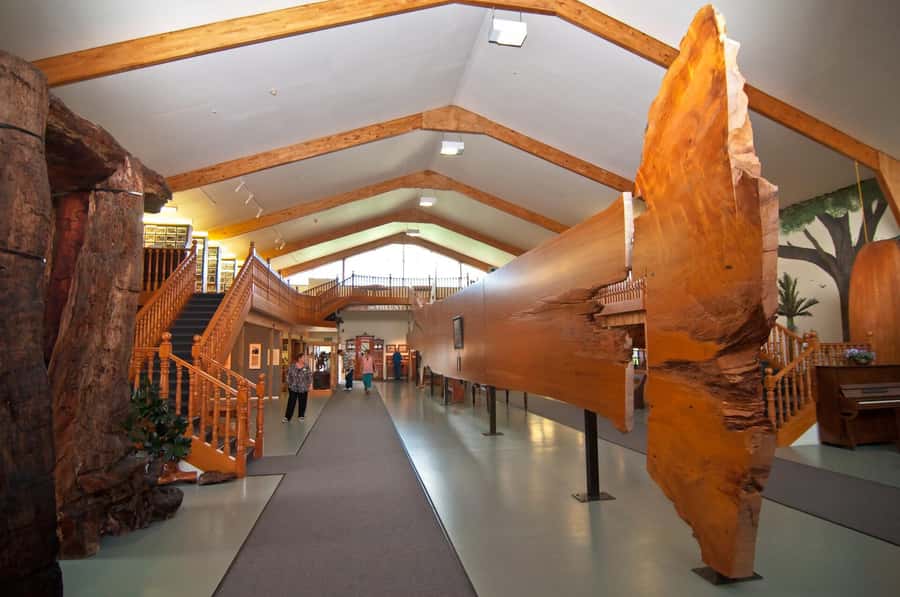
Yes, if you want a thoughtful, affordable stop with enough material for one to three hours or more. The $14 entry gives you the complete museum collection, including kauri gum, working tools, handcrafted objects, family stories, and the Once-and-Future Forest walkway.
Book it if you are driving through Matakohe, need a reliable indoor activity, or want to understand how kauri affected both people and place. Allow at least two hours if you can, arrive with your voucher ready, and save the Forest Walkway for a slower part of your visit.
The main reason to skip it is lack of time, not lack of substance. This museum is well organized, staff are helpful, and the subject reaches from practical labor to Māori creation stories and hopes for the future. For $14, that is a lot of New Zealand in one roofed visit.
FAQ
Where is the Kauri Museum located?
The Kauri Museum is in Matakohe on New Zealand’s North Island.
How much does admission cost?
The entry ticket costs $14 per person.
How long is the ticket valid?
The ticket is valid for one day.
What does the ticket include?
It includes entry to the Kauri Museum and access to all museum exhibits.
How long should I allow for the visit?
You should allow at least one to three hours. The museum also has enough material for a longer visit.
What are the museum’s opening hours?
The museum is open daily from 9:00 AM to 5:00 PM.
Is the museum wheelchair accessible?
Yes, the museum is wheelchair accessible.
Can I take photographs inside?
Yes, photography is allowed, but flash photography is not permitted.
Is transportation included?
No. Transportation to and from the museum is not included.
Can I cancel my booking?
Yes. You can cancel up to 24 hours in advance for a full refund.
Just added in New Zealand
- Creative Wheel Throwing Pottery Class in Coromandel★ 4.0 · 2 reviews
- Coromandel Adventure and Wildlife Boat Tour to Aldermen Islands★ 5.0 · 9 reviews
- Wine trail and Christchurch City – Luxury, Small Group Tour★ 5.0 · 15 reviews
- 5 Day South Island New Zealand Private Tour from Dunedin★ 5.0 · 2 reviews
- Waipara Wine Trail Tour From Christchurch★ 5.0 · 1 review
- Willowbank Wildlife Reserve Day Entry★ 4.5 · 94 reviews
- Waipara Wine Trail Private Group Tour From Christchurch★ 5.0 · 1 review
- Waimakariri River Jet Boating from Christchurch★ 4.0 · 9 reviews
Museums, compared.

Explore gardens & galleries filled with incredible art, Matakana
Read our review →
Skip the Line: Auckland Museum General Admission Ticket
Read our review →
Museum of NZ Te Papa Tongarewa: Gallipoli Exhibition Guided Tour
Read our review →
Museum of New Zealand Te Papa Tongarewa: Introducing Te Papa Tour
Read our review →
Māori Cultural Experience & Auckland Museum General Admission
Read our review →
Skip the Line:WWI & WWII Combo Exhibitions at the Omaka Aviation Heritage Centre
Read our review →Browse the lists this tour appears in