
REVIEW · WILDLIFE
Willowbank Wildlife Reserve Day Entry Ticket
Kiwi are easier to find here than in the wild. Willowbank Wildlife Reserve puts New Zealand’s rare native animals in one accessible Christchurch stop, including the famous kiwi in a nocturnal house without glass between you and the birds. I like the close views of the kea, takahe, tuatara, kaka, and kiwi, and I like the simple farm experience where you can feed deer, birds, and eels. The main catch is timing: the kiwi house opens at 10:30 AM, and rain can make the outdoor paths less pleasant.
This is a friendly, flexible outing rather than a formal guided tour. You can spend about four hours walking at your own pace, pause at the cafe, and give children something hands-on to do. At $21 per person, it offers particularly good value if you want to see native wildlife without arranging a remote sanctuary visit, though serious birders may want more detailed specialist interpretation.
In This Review
- Key points to know before you go
- Why Willowbank works so well near Christchurch
- Start with the New Zealand Big 5
- The kiwi nocturnal house is the essential stop
- A walk that changes from rare birds to friendly farm animals
- Conservation information gives the visit more meaning
- Four hours is a sensible visit length
- The cafe and open fire make a useful break
- Who will get the most from a $21 ticket
- Timing, cancellations, and planning details
- Should you book Willowbank Wildlife Reserve?
- FAQ
- Where is Willowbank Wildlife Reserve?
- How long should I spend at Willowbank?
- What time does the kiwi viewing house open?
- Is kiwi viewing guaranteed?
- Can I feed the animals?
- Is Willowbank suitable for children?
- Is the reserve wheelchair accessible?
Key points to know before you go
- Kiwi viewing without glass: The specially built nocturnal house gives you a clear chance to see kiwi in a dark, purpose-made setting.
- New Zealand’s native Big 5: Look for kea, kaka, takahe, tuatara, and kiwi in one reserve.
- Five minutes from Christchurch Airport: Willowbank works well as an arrival-day or departure-day stop if your schedule allows.
- Hand-feeding adds a farmyard element: Buy feed on site for deer, birds, and wild eels.
- Plan around the opening hours: The reserve runs from 9:30 AM to 5:00 PM, while the kiwi house opens at 10:30 AM.
- A good family price: Children aged 15 and under must be with a paying adult, and the paths and facilities are wheelchair accessible.
Why Willowbank works so well near Christchurch
Willowbank Wildlife Reserve is at 60 Hussey Road in Northwood, about five minutes by car from Christchurch Airport and 20 minutes from Christchurch’s city center. That location matters. You do not need to give up a full day to see New Zealand wildlife, and you can fit the visit around a flight, a rental-car pickup, or a city stay.
I would allow the full four hours if you want to move slowly, read the conservation information, feed animals, and stop at the cafe. Several hours is enough for a satisfying visit, but you can also make it a shorter stop if your schedule is tight.
The reserve combines a wildlife park with a more informal farm setting. That mix gives you two different experiences in one place. One moment you are looking for a rare flightless bird in a carefully managed habitat. A few minutes later, you are walking alongside ducks or offering food to deer.
It is not a wilderness trek, and you should not expect animals to appear on demand in every enclosure. Instead, Willowbank gives you a practical introduction to native species and the work needed to protect them. For a first visit to New Zealand, that makes the reserve a useful orientation to the country’s unusual wildlife.
A few more to weigh up in New Zealand
- Hobbiton Movie Set: Guided Tour Ticket
★ 4.9 · 8,167 reviews - Waiheke Island: Ferry & Hop-On Hop-Off Explorer Bus Tickets
★ 4.6 · 3,311 reviews - Rotorua: Wai-O-Tapu Geothermal Park Entry Ticket
★ 4.6 · 2,601 reviews
Start with the New Zealand Big 5
Willowbank’s main draw is the chance to see five famous native species in one visit: the kea, kaka, takahe, tuatara, and kiwi. Each animal represents a different part of New Zealand’s natural story.
The kea is the world’s only alpine parrot. It is known for living in the South Island’s mountain areas, and the large kea enclosure lets you get close without simply viewing the bird from a distant platform. Give yourself time here. Kea are intelligent, active birds, and this is one of the reserve’s most entertaining stops.
The kaka is another native parrot, but it has a different character and habitat from the kea. It is a rare bush parrot, and seeing it alongside the kea helps you understand that New Zealand’s parrot family is more varied than many people expect.
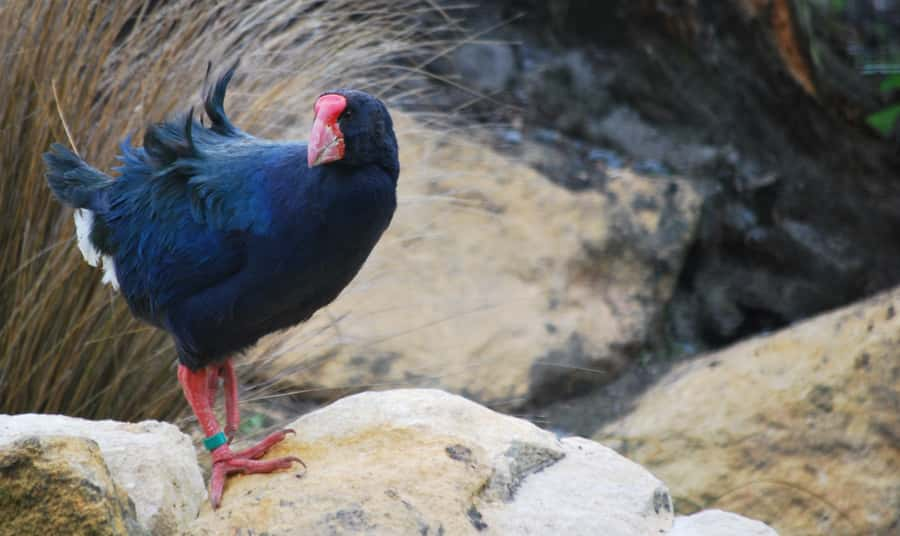
The takahe is one of the rarest birds in the world. Its size and bold coloring make it easier to notice than some smaller forest birds, but the important point is its scarcity. Willowbank’s conservation message becomes real when you are looking at a species that has survived only through determined protection.
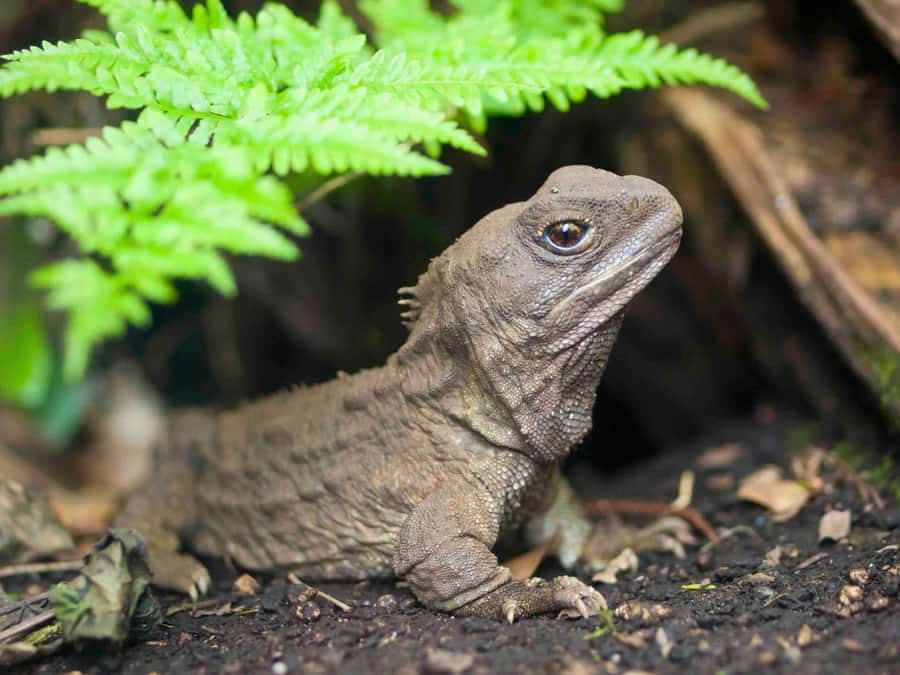
The tuatara is often described as the world’s only living dinosaur. That phrase is a little theatrical, but it captures why this animal feels so unusual. The tuatara is not a lizard, and its long survival gives it a place unlike any other animal at the reserve. Take time to read the information rather than rushing past this enclosure.
Then there is the kiwi, New Zealand’s national symbol and the animal most people hope to see. Unlike the other four, kiwi are nocturnal, so you need a special viewing area and a little patience.
The kiwi nocturnal house is the essential stop
The kiwi viewing facility opens at 10:30 AM daily, even though Willowbank itself opens at 9:30 AM. This one-hour difference is the most important timing detail to remember.
If you arrive early, use the first hour for other parts of the reserve, then return to the kiwi house once it opens. If kiwi are your top priority, plan your visit around that opening time rather than assuming every area will be operating from 9:30 AM.
The viewing facility is designed so you can see kiwi without glass in the way. That makes a real difference. You are still observing protected animals in a controlled nocturnal setting, but the lack of a window can make the encounter feel much more direct.
The room is dark because kiwi are active at night. You may need to slow down and let your eyes adjust. Do not expect the bird to pose in bright light. The reward is the chance to watch a genuinely unusual animal in conditions suited to its natural behavior.
Seeing a kiwi is never something to treat as a casual tick on a list. The reserve guarantees kiwi viewing, which removes much of the uncertainty found in trying to spot one in the wild. You still need to pay attention, but you are not relying on luck in a forest after dark.
A walk that changes from rare birds to friendly farm animals
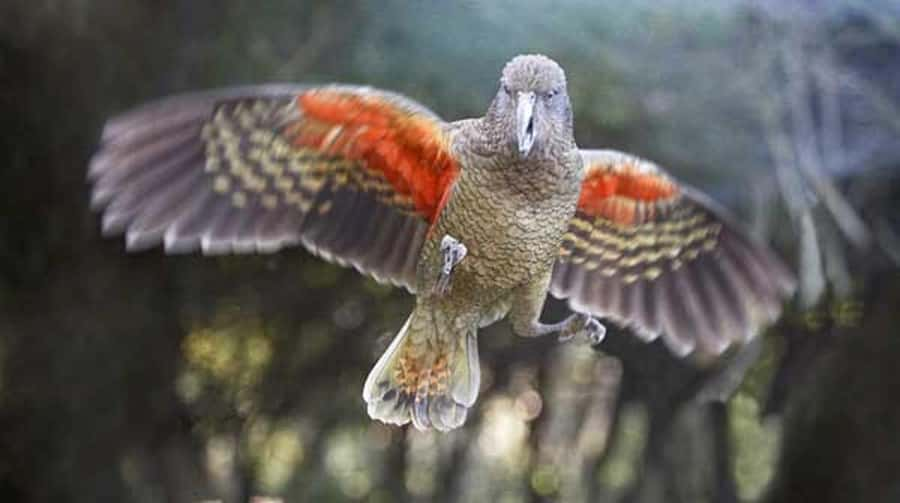
The farm section gives Willowbank a lighter, more playful side. You can buy food for hand-feeding animals on the day, including farm animals, wild eels, and birds.
Deer are a particular highlight for many people because they come close and are gentle when taking food. Hand-feeding turns the visit into an active experience, especially for children who might lose interest in a standard animal enclosure.
The eels offer a more unusual feeding stop. They are not the cuddly part of the visit, but feeding them gives you a memorable look at a native animal that you might otherwise ignore. The extra food costs a small amount, so you can decide on the spot if it fits your budget.
Walking alongside ducks and moving between the farm areas also helps keep the experience relaxed. You are not rushing from one scheduled show to another. You can stop when something catches your eye and spend less time at areas that do not interest you.
There is a trade-off. The reserve is not only about rare New Zealand species, so some of the farm experience may feel less special to adults who came solely for conservation. For families, though, this variety is a strength. Children can see a kiwi, then feed an animal, then look at birds, all during the same outing.
A completely different sort of day out:
- Waitomo: Glowworm Caves Guided Tour by Boat
★ 4.5 · 4,908 reviews - Rotorua Canopy Tours: 2.5Hour Native Forest Zipline Adventure
★ 5.0 · 4,563 reviews - Hobbiton™ Movie Set Walking Tour from Shires Rest
★ 5.0 · 3,577 reviews - Mitai Maori Village: Cultural Experience and Dinner Buffet
★ 4.7 · 3,575 reviews
Conservation information gives the visit more meaning
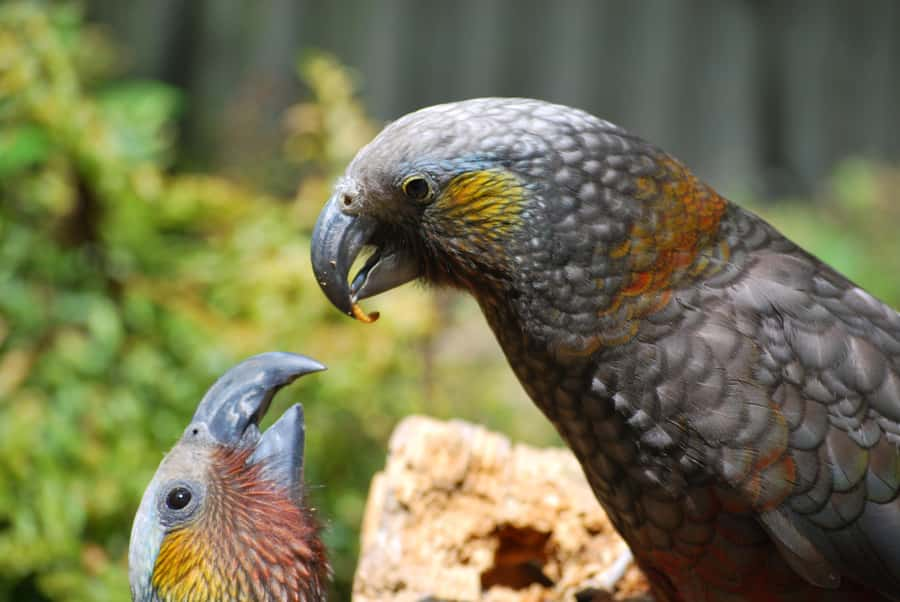
Willowbank does more than display animals. The reserve explains New Zealand’s endangered wildlife and its continuing involvement in conservation.
That context is important because many native species here face threats that are not obvious when you first arrive. A bird can look healthy in a protected enclosure while its wider population remains vulnerable. Seeing the animals alongside information about their protection helps you understand why sanctuaries and breeding programs matter.
The takahe and kiwi are especially useful examples. They are not just unusual creatures for a photo. They represent the work required to preserve species that have small or fragile populations.
I recommend reading the signs as you go, even if you are usually the person who skips exhibit text. The reserve’s value is not limited to how many animals you can see. It also gives you a basic understanding of New Zealand’s conservation challenges before you continue to national parks or remote wildlife areas.
The setting is natural, but this is still a managed reserve. That balance is worth keeping in mind. You get more dependable viewing than in the wild, along with a clearer explanation of the animals, but you do not get the same sense of searching through a remote habitat.
Four hours is a sensible visit length
The advertised duration is four hours, and that gives you enough time to see the main wildlife, visit the kiwi house, try the feeding experience, and take a break.
You could hurry through in less time, but that would weaken the experience. The kiwi house may require patience, and the reserve rewards a slower pace. If you are visiting with children, add time for stopping at every animal that draws their attention.
A practical order might look like this:
- Arrive after opening and get your bearings.
- Walk through the native bird areas, including the kea enclosure.
- Visit the kiwi house from 10:30 AM onward.
- Continue through the tuatara, takahe, kaka, and other wildlife areas.
- Buy animal feed if you want the hands-on element.
- Finish with the farm areas, cafe, or another look at your favorite animals.
This is only a suggested flow. The reserve does not require you to follow a fixed route, and that freedom is useful if weather or children’s energy changes your plans.
Allow extra care on a rainy day. One family outing was described as enjoyable despite poor weather, but rain can make outdoor walking less comfortable. Wear weather-appropriate clothing and sensible footwear. That advice sounds basic, but it matters when your visit involves several hours outside.
The cafe and open fire make a useful break
The onsite cafe and bar overlooks the deer paddock, giving you a place to pause without leaving the reserve. You can stop before exploring, take a break halfway through, or sit down after the wildlife walk.
The cafe matters most for families and for anyone using Willowbank as a longer half-day stop. You do not need to cut your visit short simply because someone needs food or a warm drink.
In winter, the open fire adds a pleasant touch. The contrast between the cool outdoor paths and a warm indoor rest gives the visit a natural rhythm. It also makes Willowbank more workable in colder weather, although you should still dress for the conditions.
The cafe is not the reason to book the reserve, but it improves the overall value. A wildlife attraction that lets you rest on site is easier to enjoy at an unhurried pace.
Who will get the most from a $21 ticket
At $21 per person, the entry fee is modest for a four-hour activity, especially when kiwi viewing is guaranteed. You are paying for access to a wide range of animals, a conservation-focused setting, the farm experience, and the chance to see the five signature native species in one place.
The value is strongest if you would otherwise spend money and time arranging several separate wildlife stops. It is also strong for families because the visit mixes education, animal viewing, and hand-feeding rather than relying on one type of attraction.
I would recommend it for:
- Families with children who need variety and hands-on activity
- First-time visitors to Christchurch
- People with a few hours near the airport
- Anyone determined to see a kiwi
- Visitors interested in New Zealand conservation
- Those who want an affordable wildlife stop without a long journey
You might find it less satisfying if you want a completely wild encounter or a specialist birding tour. The reserve offers dependable access and close views, but the animals are in managed habitats. That is the trade-off for convenience and a guaranteed kiwi sighting.
Children aged 15 and under must be accompanied by a paying adult. The reserve is wheelchair accessible, which makes it a practical option for a wider range of visitors, although you should still choose sensible footwear for walking around the grounds.
Timing, cancellations, and planning details
Willowbank is open daily from 9:30 AM to 5:00 PM, except on Christmas Day. The kiwi nocturnal house opens at 10:30 AM, so do not judge the visit by the first hour alone.
The meeting point is Willowbank Wildlife Reserve, 60 Hussey Road, Northwood, Christchurch. The information provided does not include transport from the airport or city center, so plan to make your own way to the reserve.
You can cancel up to 24 hours before the experience for a full refund. A reserve-now, pay-later option is also available, which helps if your Christchurch plans may shift.
Book early enough to secure the date you want, but keep the weather in mind. A dry day will make the outdoor portion more comfortable, while the indoor kiwi and animal areas still give you useful shelter if conditions turn wet.
Should you book Willowbank Wildlife Reserve?
Yes, if you want a reasonably priced, easy-to-reach introduction to New Zealand wildlife and especially if seeing a kiwi is high on your list. The rare native birds, glass-free kiwi viewing, and gentle farm feeding make this more than a standard zoo visit.
I would give it priority during a short Christchurch stay, particularly if you are arriving or departing through the nearby airport. Families should allow close to four hours, while adults with limited time can focus on the native species and kiwi house.
Skip it only if your schedule is already packed with remote wildlife trips or if you want animals seen solely in the wild. For most visitors, Willowbank offers a useful balance: close encounters, conservation insight, a few playful surprises, and a price that makes the stop easy to justify.
FAQ
Where is Willowbank Wildlife Reserve?
Willowbank Wildlife Reserve is at 60 Hussey Road, Northwood, Christchurch, New Zealand. It is about five minutes by car from Christchurch Airport and 20 minutes by car from Christchurch CBD.
How long should I spend at Willowbank?
The experience is designed for about four hours. You can use that time to see the native wildlife, visit the kiwi house, feed animals, read the conservation information, and take a break at the cafe.
What time does the kiwi viewing house open?
The Kiwi Nocturnal House opens at 10:30 AM daily. The reserve itself opens at 9:30 AM.
Is kiwi viewing guaranteed?
Yes. Entry includes guaranteed kiwi viewing in the specially constructed nocturnal house.
Can I feed the animals?
Yes. Food for hand-feeding can be purchased for a small cost on the day. The food can be used for farm animals, wild eels, and birds as you walk around the grounds.
Is Willowbank suitable for children?
Yes. The reserve is suitable for all ages and offers wildlife viewing and hands-on feeding. Children aged 15 and under must be accompanied by a paying adult.
Is the reserve wheelchair accessible?
Yes, Willowbank Wildlife Reserve is wheelchair accessible. Weather-appropriate clothing and sensible footwear are recommended for exploring the grounds.
Just added in New Zealand
- Christchurch: Helicopter Trial Flight★ 5.0 · 7 reviews
- WLG: Museum of NZ Māori Highlights Tour & General Admission★ 4.7 · 30 reviews
- From Blenheim/Picton: Marlborough Gourmet Wine Tasting Tour★ 4.8 · 35 reviews
- Whakaari – White Island Cultural and Flight Experience★ 5.0 · 138 reviews
- From Rotorua: Whirinaki Rainforest Guided Cultural Tour★ 5.0 · 6 reviews
- Whitianga: 2-Hour Glass Bottom Boat Cathedral Cove Tour★ 4.8 · 126 reviews
- Whakarewarewa: Self-Guided Geothermal Trails★ 4.5 · 41 reviews
- From AKL: Living MAORI Village, Haka Dance & BLUE Springs★ 5.0 · 2 reviews
Wildlife, compared.
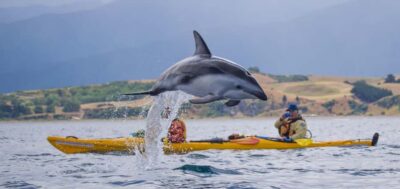
Clearwater Wildlife Tours (small group 10max) Otago Peninsula
Read our review →
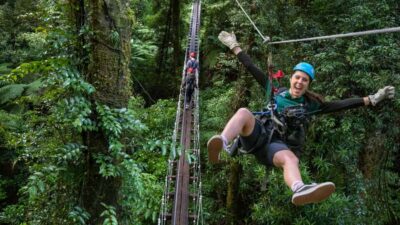
6 Ziplines, Swing-Bridges & Wildlife Encounters
Read our review →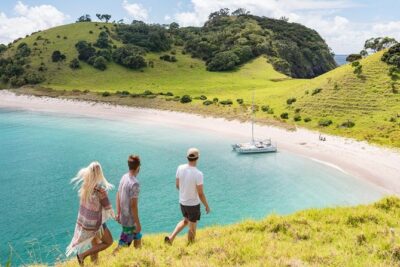
Island Hopper Day Cruise – sailing to wildlife sanctuary island – 6 hr cruise
Read our review →
Browse the lists this tour appears in