
REVIEW · MAORI CULTURAL EXPERIENCES
Whakarewarewa: Self-Guided Geothermal Trails
Steam rises from the earth here. Whakarewarewa’s self-guided trails give you a close look at bubbling mud, hot-spring lakes, native bush, and geyser views without locking you into a tour group. I like the freedom to set your own pace and the clear information boards along the route. I also like the mix of Māori village history and raw geothermal scenery. The main drawback is simple: there is no live guide, so you need to read the displays and find your own context.
You begin at the Geyser Café, exchange your voucher at the admissions office, and then pass beneath a memorial archway into the village area. The walk takes about an hour, though your ticket is valid for the day. Plan your visit between 9:00 AM and 3:00 PM, with final entry at 3:00 PM.
In This Review
- Key points at a glance
- Starting at the Geyser Café
- Passing through the memorial archway
- Hot-spring lakes, bubbling mud, and native bush
- Viewpoints toward the village and geysers
- What the self-guided format is really like
- Is $23 good value?
- Timing your visit between 9:00 AM and 3:00 PM
- Who will enjoy this walk most?
- How to make the most of the admission
- Should you book Whakarewarewa’s trails?
- FAQ
- Where does the Whakarewarewa geothermal walk begin?
- How long does the walk take?
- What are the opening hours?
- What does the ticket include?
- Is a live guide included?
- What can you see on the trail?
- Is the experience wheelchair accessible?
- What should you bring?
- Can you cancel for a refund?
Key points at a glance
- Steam, mud, and hot-spring lakes: See bubbling pools, colorful thermal water, and steaming lakes at close range.
- Easy self-guided format: Walk at your own speed, stop for photos, and spend more time at the displays that interest you.
- Views from the trail: Look back toward the village and geysers from marked viewpoints.
- Māori setting: Begin with information about Whakarewarewa’s guiding legacy and pass through a significant village area.
- Good value for a flexible visit: At $23 per person, the ticket suits anyone who wants geothermal scenery without paying for a longer guided outing.
- Practical access: The experience is wheelchair accessible, though comfortable shoes are still recommended for the walking route.
Starting at the Geyser Café
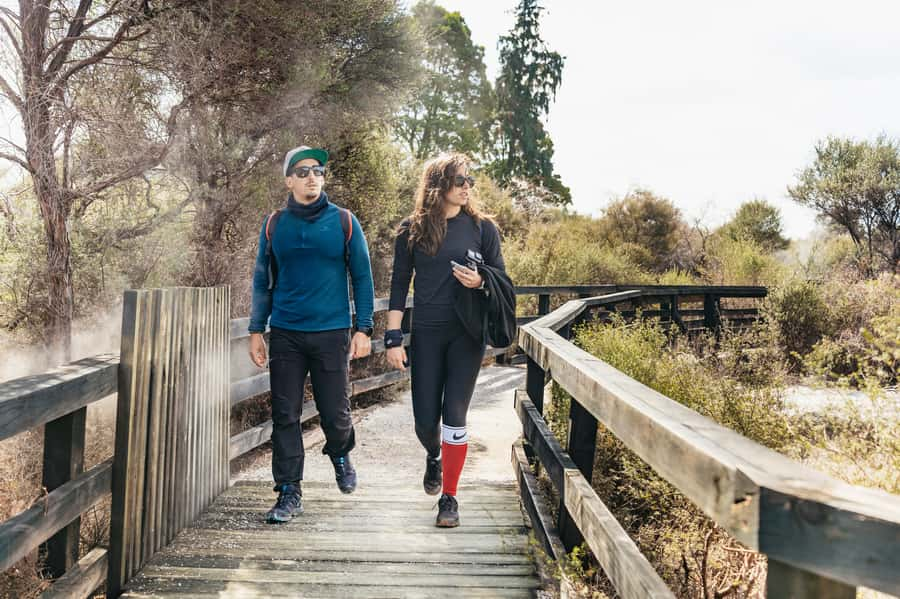
Your visit begins at the Geyser Café, where you make your way to the admissions office. This is where you exchange your voucher before entering the geothermal trails, so do not walk straight past the entrance and expect to scan in later.
The admissions area gives you a useful introduction to Whakarewarewa’s guiding legacy and its well-known guides from the past. That short orientation matters because this is more than a walk beside hot pools. The area connects Māori community life, local guiding, and the geothermal forces that shape Rotorua.
You will not have a live guide explaining each stop as you go. Instead, the route relies on information boards and your own attention. I see that as a strength if you enjoy independence, but a limitation if you want stories delivered in person or the chance to ask questions.
The format also makes the visit easy to fit into a busy Rotorua day. The stated walk takes about one hour, but your ticket remains valid for one day. You can take a fairly direct walk or pause often for photographs and signs.
More Maori cultural experiences in Rotorua:
- Mitai Maori Village: Cultural Experience and Dinner Buffet
★ 4.7 · 3,575 reviews - Cultural Experience & Seasonal Māori Cuisine at Te Pā Tū
★ 5.0 · 1,546 reviews - Mitai Maori Village Cultural Experience in Rotorua
★ 4.5 · 1,294 reviews
Passing through the memorial archway
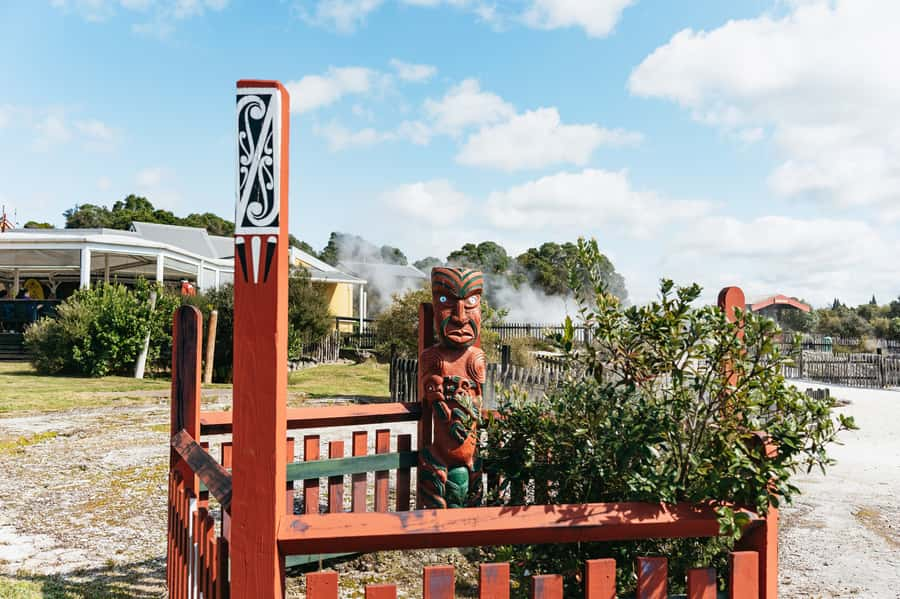
After the admissions office, you pass under a memorial archway and continue toward Rahui, described as the main area of the village. This opening gives the walk a sense of place before the geothermal features take over.
That transition is one of the more meaningful parts of the visit. You are not simply arriving at a collection of hot pools with names on signs. You first encounter the setting as a lived-in Māori village, then move into the steaming ground around it.
The route soon begins to feel almost prehistoric, with rising steam, wet ground, and unusual colors around the pools. The supplied description compares parts of the walk to Jurassic Park, which is a fair shorthand for the strange visual effect. You get the drama of the geothermal setting without needing a long trek into remote country.
Keep your camera ready, but keep your attention on the marked route too. Geothermal areas are not ordinary parks, and the safest, most useful experience comes from following the designated path and reading the information provided.
Hot-spring lakes, bubbling mud, and native bush
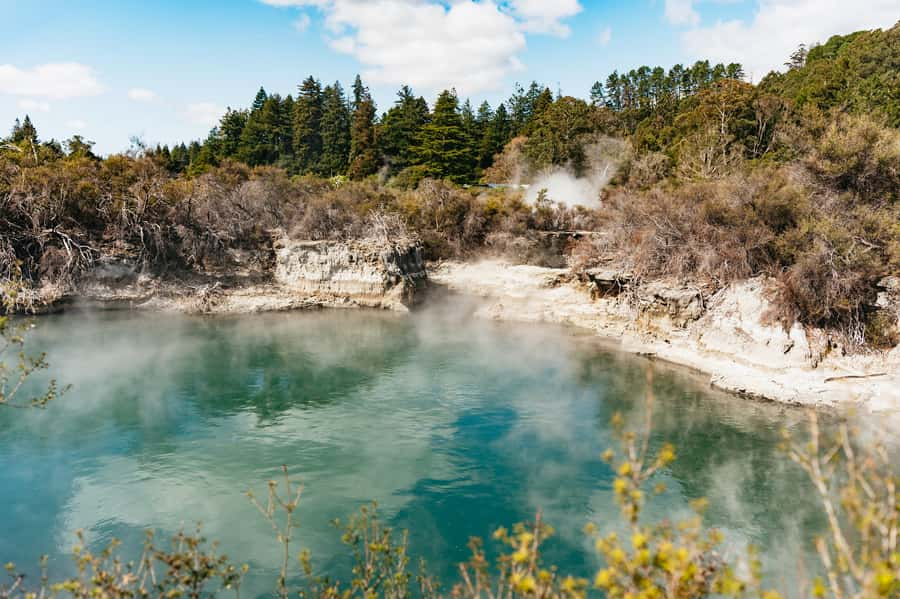
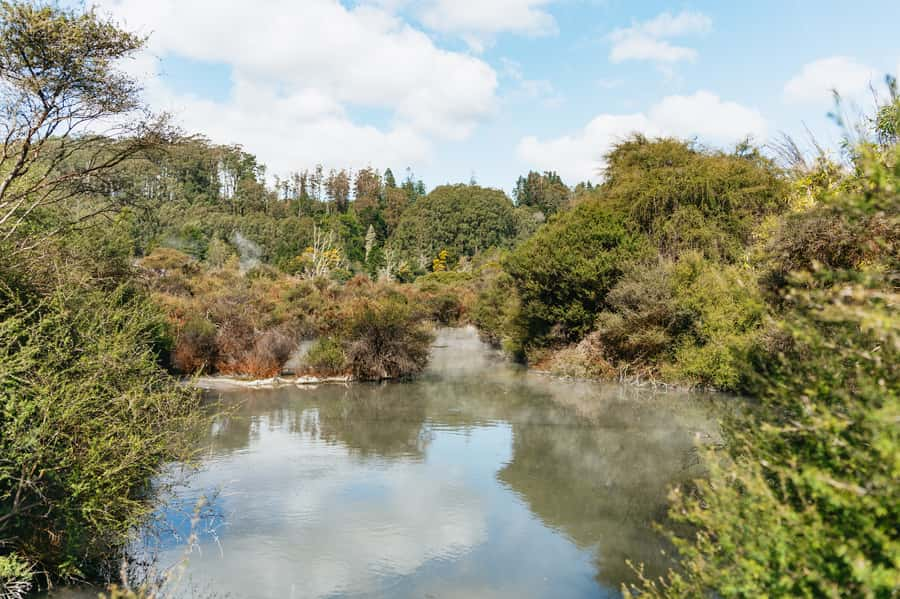
The main reward is the variety of sights packed into a relatively short walk. You encounter hot-spring lakes, bubbling mud pools, steaming thermal pools, and native manuka bushland.
The hot-spring lakes give you the broadest views. Their steam can soften the edges of the water and make the colors look changeable, particularly in photographs. The bubbling mud pools are more active in character, with the ground appearing to rise and collapse in slow, irregular movements.
I like this contrast. The lakes feel broad and quiet, while the mud pools show the earth at work. You are seeing different expressions of the same geothermal force within an easy walking circuit.
The trail also includes native ferns and edible plants. That detail helps you notice that the area is not only about heat and steam. Plant life continues around the thermal ground, and the displays can help you identify some of what you are seeing.
Some people believe the bubbling waters have healing properties. Treat that as part of the local atmosphere and tradition, not as medical advice. The important point for your visit is that these are natural thermal features, not swimming facilities.
Viewpoints toward the village and geysers
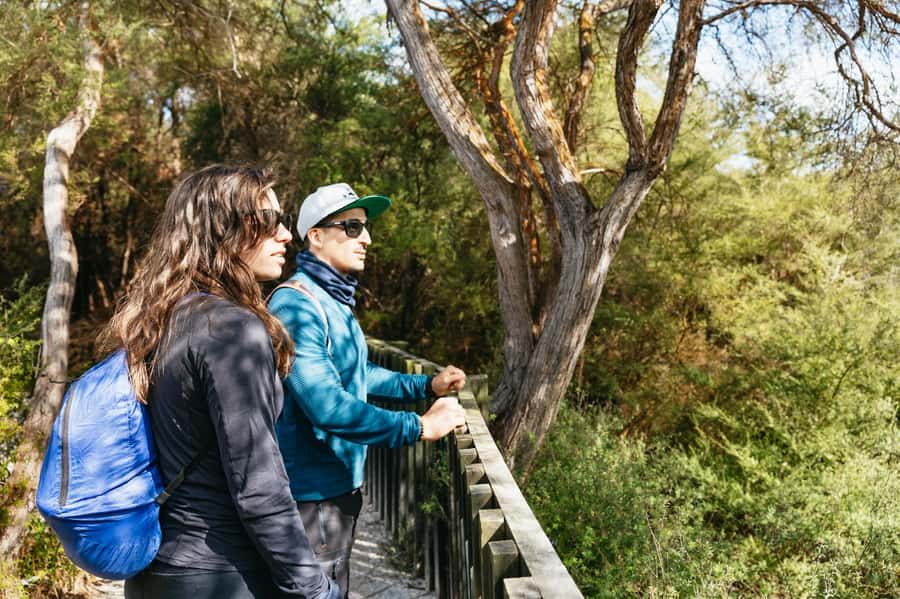
Marked viewpoints provide a change of scale. Instead of looking down into one pool, you can take in wider views toward the village and geysers.
These stops are especially useful for photographs. A close image of steam rising from a pool can be striking, but a broader view shows how the geothermal area relates to the settlement around it.
The viewpoints also break up the walking route. If you prefer an unhurried visit, use them as natural places to stop, check the signs, and let the scene settle. You do not need to rush through the trail in the one-hour estimate.
The exact timing of geothermal activity can vary, and the information provided does not promise a scheduled geyser eruption during your walk. You should come for the overall geothermal setting, with geyser views as part of the experience, rather than treating this as a timed geyser show.
A few more to weigh up in Rotorua
- Rotorua Canopy Tours: 2.5Hour Native Forest Zipline Adventure
★ 5.0 · 4,563 reviews - Rotorua: Wai-O-Tapu Geothermal Park Entry Ticket
★ 4.6 · 2,601 reviews - Rotorua’s Ultimate Zipline: 6 ziplines, 400 m Tandem, Cliff Walk
★ 5.0 · 2,557 reviews - Rotorua Rafting: Kaituna River White Water Rafting & Free Sauna
★ 5.0 · 1,952 reviews
What the self-guided format is really like
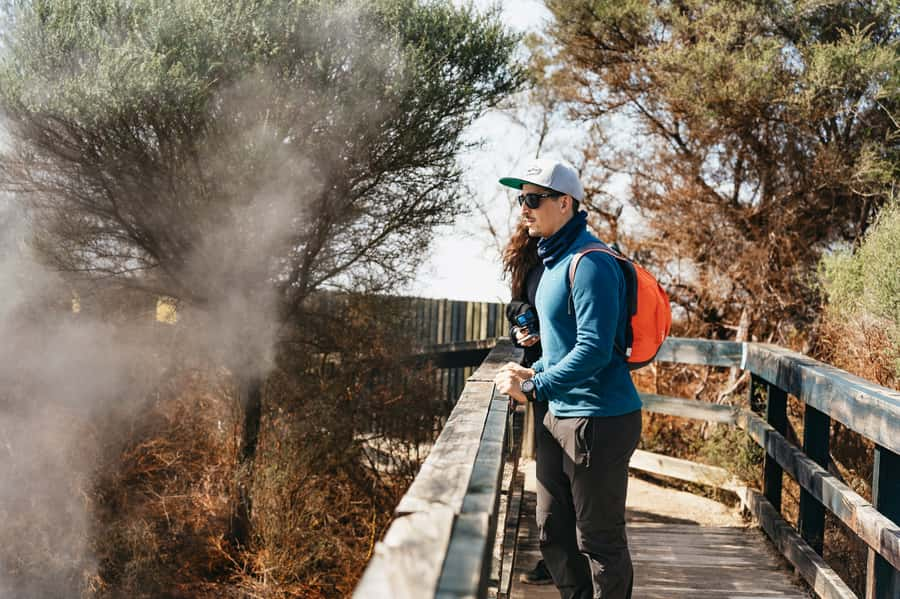
The strongest feature is control. You can move at your own speed, linger at a mud pool, take several photos, or keep walking if a display does not interest you.
Information boards do much of the interpretive work. One clear benefit is that you can read at your own pace rather than trying to hear a guide while standing near other people. That suits independent visitors and anyone who prefers a quiet walk.
The tradeoff is that a board cannot respond to a question. You will not have a guide pointing out small details, explaining Māori traditions in conversation, or adjusting the talk to your interests. If personal storytelling is central to your idea of a good cultural visit, you may want to pair this with another guided experience.
The English-language host or greeter can help with the entry process, but the trail itself is self-guided. The available language information lists English only, so do not assume that printed explanations are offered in several languages.
Is $23 good value?
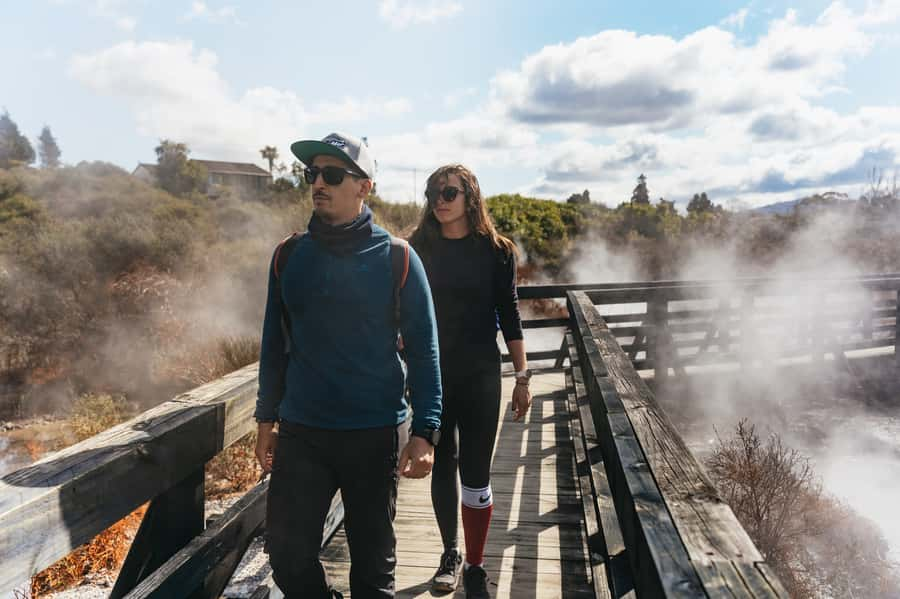
At $23 per person, I consider this a reasonable price for a flexible geothermal walk in Rotorua. The ticket includes entrance to the trails, and you are paying for access to hot-spring lakes, mud pools, bushland, and viewpoints rather than for a short photo stop.
Value depends on how you like to explore. If you want an affordable, easy outing and are happy to read signs, the price works well. The one-day validity is useful because you are not forced to squeeze every stop into a strict hour.
The value is less convincing if you expect a full guided cultural program, hotel transport, meals, or a long excursion. None of those are included. You pay for admission only, so add your own food and drink plans and arrange your own way to the starting point.
For a couple of hours around a wider Rotorua schedule, the ticket is easy to justify. It offers more than a single viewpoint and less commitment than a full organized tour.
Timing your visit between 9:00 AM and 3:00 PM
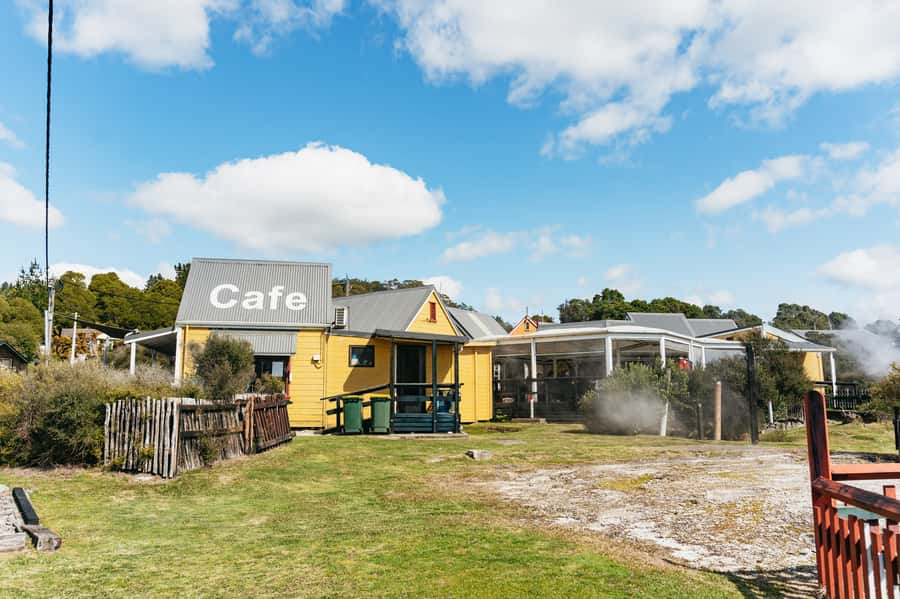
The geothermal trails are available from 9:00 AM to 3:00 PM, with the last call at 3:00 PM. Because the final entry time is firm, I would avoid arriving just before the cutoff. You need time to exchange your voucher, enter, and walk the route without feeling hurried.
A morning visit gives you the most flexibility for the rest of the day. An early afternoon visit can also work, but leave a sensible margin before 3:00 PM. The walk is described as lasting about one hour, though you may spend longer if you stop at the displays and viewpoints.
The ticket is valid for one day, but the available information does not promise re-entry rules. If you plan to leave and return, confirm that detail at the admissions office.
Comfortable shoes are the practical choice. The walk is described as easy, but you are still moving through a geothermal area with several points of interest. Bring a camera, and keep your hands free enough to read signs and manage the route.
Who will enjoy this walk most?
I would recommend Whakarewarewa’s self-guided trails to independent visitors who want scenery without a fixed group schedule. It also suits photographers, families who prefer to pause often, and anyone building a flexible day around Rotorua.
The route is a good match for people who enjoy a clear path with information boards rather than constant commentary. You can take in the pools, plants, steam, and viewpoints in your own order.
The wheelchair-accessible status is important for visitors planning around mobility needs. Since the supplied details do not describe every surface, slope, or restroom feature, you should confirm any specific access requirements before arrival.
This may be less satisfying for someone who wants a detailed, live explanation of Māori culture or geothermal science at every stop. The entry ticket does not include a live guide, and the English-language information is presented through the admissions welcome and trail displays.
How to make the most of the admission
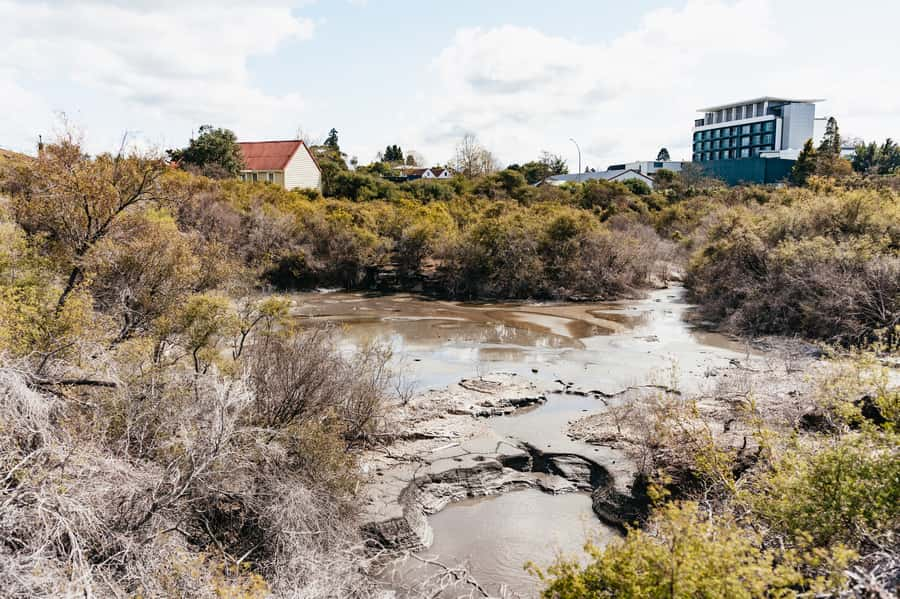
Read the opening material before heading out. The information about the guiding legacy and past world-famous guides gives the geothermal walk a stronger human setting.
Then take your time at the first hot pools rather than treating them as a quick photo stop. Early impressions help you understand the mix of steam, water, mud, and bush that continues along the trail.
At each viewpoint, look in two directions. First, study the nearby thermal feature. Then turn toward the village and geysers to understand the wider setting.
Use the boards as part of the walk, not as an optional extra. The self-guided experience works best when you combine the visual drama with the explanations. Without them, you may remember the steam but miss the cultural and natural details.
Finally, wear shoes you can walk in comfortably and bring a camera. Food and drink are not included, so plan those separately rather than expecting the admission ticket to cover them.
Should you book Whakarewarewa’s trails?
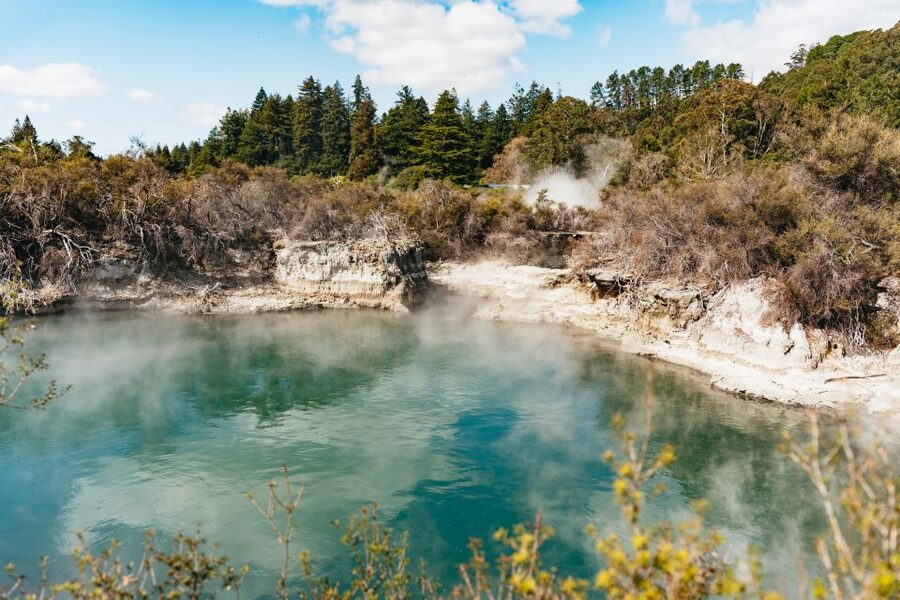
Book it if you want an easy, flexible geothermal walk at a modest price and you are comfortable exploring without a live guide. The combination of bubbling mud, steaming lakes, native plants, village views, and geyser viewpoints gives you plenty to see within roughly an hour, with room to linger.
Skip it if your priority is a guided cultural story, transport from your hotel, or a meal included in the ticket. For everyone else, the $23 admission is a practical way to experience Whakarewarewa at your own pace. Free cancellation up to 24 hours ahead and the reserve-now, pay-later option also make it easier to fit into a changing Rotorua plan.
FAQ
Where does the Whakarewarewa geothermal walk begin?
The stated starting location is the Geyser Café. You must exchange your voucher at the admissions office before entering the trails.
How long does the walk take?
The scenic walk is listed as taking about one hour. You can spend longer if you stop at the information boards, viewpoints, and geothermal features.
What are the opening hours?
The geothermal trails are available from 9:00 AM to 3:00 PM. The last call for entry is 3:00 PM.
What does the ticket include?
The $23 ticket includes entrance to the geothermal trails.
Is a live guide included?
No. This is a self-guided experience. An English-speaking host or greeter is available, and information boards provide details along the route.
What can you see on the trail?
You can see hot-spring lakes, bubbling mud pools, steaming thermal pools, native manuka bushland, ferns, edible plants, village views, and geyser views from viewpoints.
Is the experience wheelchair accessible?
Yes, the activity is listed as wheelchair accessible. The supplied information does not provide further details about specific surfaces or slopes.
What should you bring?
Comfortable shoes and a camera are recommended.
Can you cancel for a refund?
Yes. You can cancel up to 24 hours in advance for a full refund. You can also reserve now and pay later, subject to availability and booking conditions.
Just added in Rotorua
- From Rotorua: Whirinaki Rainforest Guided Cultural Tour★ 5.0 · 6 reviews
- Rotorua: Waimangu Volcanic Valley Entry Ticket★ 4.8 · 129 reviews
- Rotorua Sledging White Water Sledging | Kaitiaki Adventures★ 5.0 · 90 reviews
- Wonderworld Rotorua – New Zealand’s leading maze park★ 5.0 · 11 reviews
- White Island & Mount Tarawera Floatplane Adventure★ 5.0 · 8 reviews
- Whirinaki Forest Footsteps: Māori Guided Tour, Picnic & Transfer★ 5.0 · 5 reviews
- Rotorua to Auckland Afternoon Transfer with Waitomo Glow Worms★ 4.5 · 22 reviews
- Whaka Geothermal Trails Self-Guided Tour★ 3.5 · 44 reviews
Maori Cultural Experiences, compared.
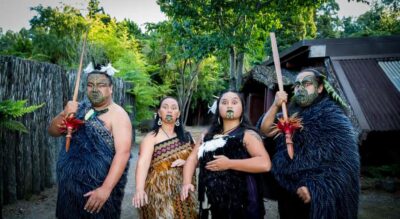
Mitai Maori Village: Cultural Experience and Dinner Buffet
Read our review →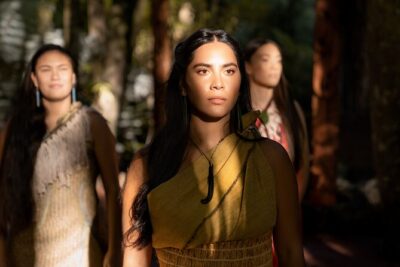
Cultural Experience & Seasonal Māori Cuisine at Te Pā Tū
Read our review →
Mitai Maori Village Cultural Experience in Rotorua
Read our review →
Lake Taupo: Classical Sailing to the Māori Rock Carvings
Read our review →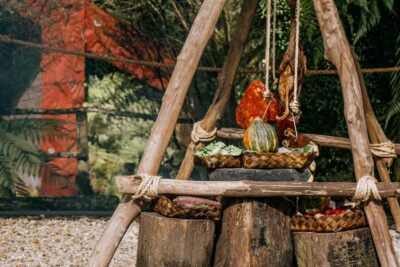
Te Pa Tu Māori Cultural Experience with Dinner
Read our review →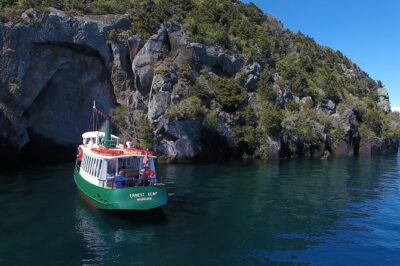
Lake Taupō Māori Rock Carvings Scenic Cruise aboard Ernest Kemp
Read our review →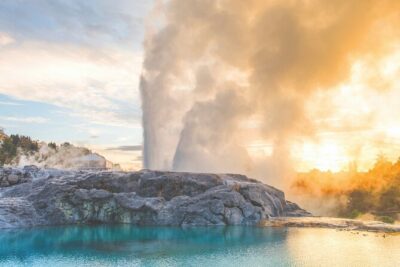
Waitomo Caves & Rotorua – Te Puia Small-Group Tour from Auckland
Read our review →
Lake Taupo: Maori Rock Carvings 10.30 AM 1.5-Hour Cruise
Read our review →Browse the lists this tour appears in