
REVIEW · HISTORICAL TOURS
From Rotorua: Whirinaki Rainforest Guided Cultural Tour
Old trees carry living stories. From Rotorua, this seven-hour outing takes you into Whirinaki Forest for a Māori cultural walk among ancient tōtara, traditional medicine plants, native birds, and quiet forest trails. It also adds a rare visit to Te Ana a Tokowaru, a cave site with Māori rock carvings not signposted for general visitors.
I like the way the tour joins nature and culture instead of treating them as separate attractions. I also like the personal touch: guides such as Hare and Destiny share songs, humour, family knowledge, and stories during the drive and walk. The main drawback is the time on the road. The route includes winding sections, and the forest itself is roughly 75 to 85 minutes from Rotorua once the Murupara stop is included.
This is a strong choice if you want more than a scenic bush walk. You will spend about two hours on foot, but the day is also about Māori customs, spiritual connection, traditional plant use, and the long story of people and place in Aotearoa. At $176 per person, it is not a cheap outing, but the return shuttle, lunch, tea, cultural welcome, forest guide, and private rock-carving visit make it a substantial day.
In This Review
- Key points to know before booking
- Why Whirinaki feels different from a standard forest walk
- The 8:30 AM departure from Rotorua
- Entering the forest with a Mihi Whakatau
- Ngā Rākau Rangatira and the plants used by Māori
- Forest bathing, chants, and the quiet parts
- Picnic lunch and hot Kawakawa Tea
- Te Ana a Tokowaru and the oldest Māori rock carvings
- What the $176 price includes
- Who should book this experience
- Practical tips for a smoother day
- Should you book the Whirinaki tour?
- FAQ
- Where does the Whirinaki tour leave from?
- What time should I arrive?
- How long does the tour last?
- How far is the forest walk?
- Is transport from Rotorua included?
- Is lunch included?
- What language is the tour conducted in?
- What should I bring?
Key points to know before booking
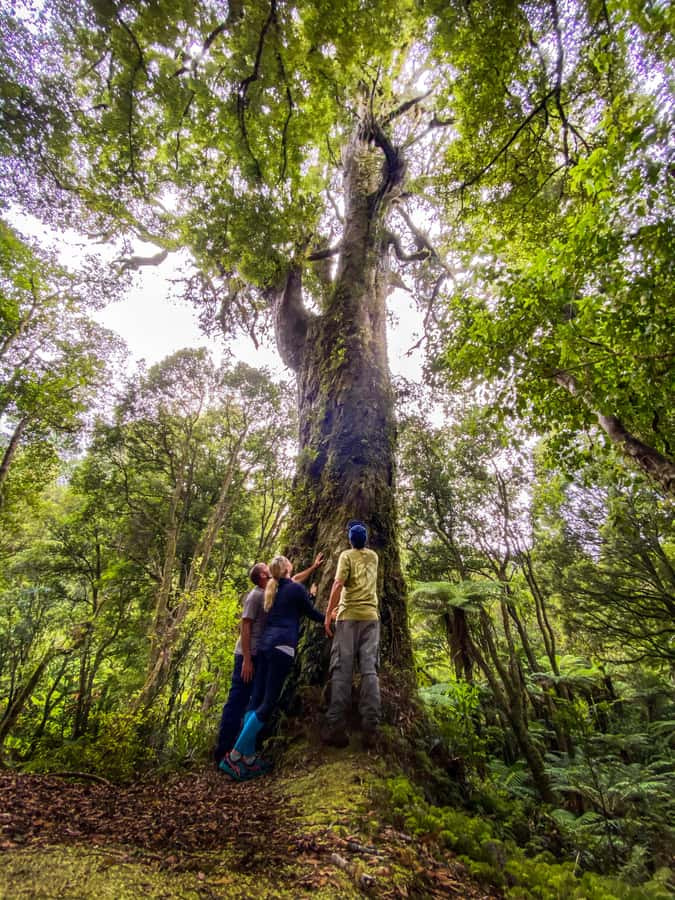
- Ancient Whirinaki forest: Walk 2.5 kilometres beneath huge podocarp trees, including tōtara said to be more than 1,000 years old.
- A Māori-led experience: Begin with a Mihi Whakatau and Karakia, then hear stories, chants, music, and traditional knowledge from local hosts.
- A useful extra stop: Visit Te Ana a Tokowaru near Murupara, home to Māori rock carvings carbon-dated to more than 400 years before the Great Migration.
- A full day from Rotorua: Meet at 8:15 AM, leave at 8:30 AM, and expect to return at about 3:30 PM.
- Lunch in the bush: A packed picnic and hot Kawakawa Tea are included.
- Come prepared for the road: Bring sensible shoes, water, insect repellent, sunscreen, a jacket, and any motion-sickness medication you may need.
Why Whirinaki feels different from a standard forest walk
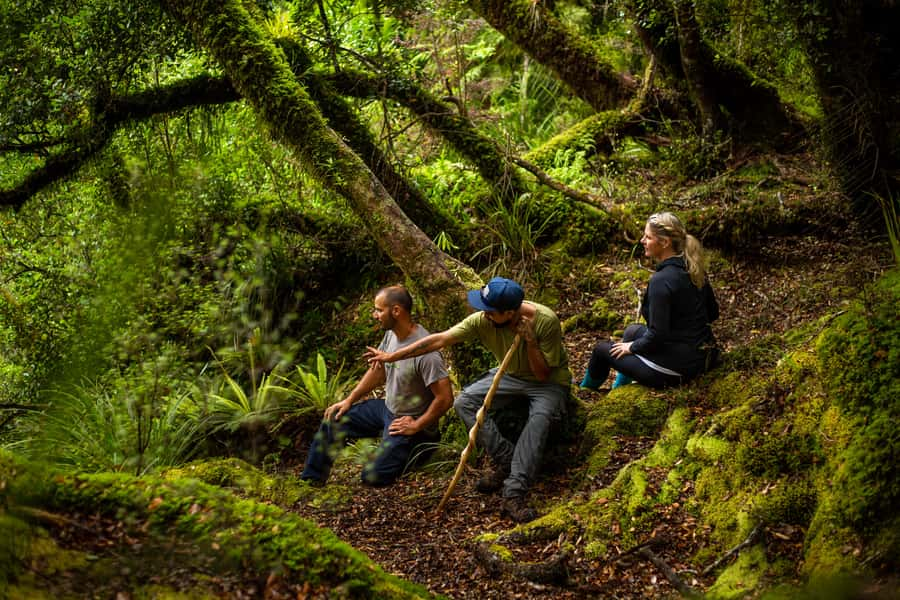
Whirinaki Forest Park is not presented as scenery alone. Your guides frame the forest as a living relative and a source of food, medicine, identity, and memory. That changes how you look at the trees. A tōtara is not just a large trunk beside the trail. It becomes one of Ngā Rākau Rangatira, the chiefly trees of the forest.
The walk covers 2.5 kilometres, so you are not signing up for a strenuous all-day hike. The value comes from stopping often and listening. You learn about rongoā Māori, or traditional Māori plant medicine, and hear how native plants and trees were used in daily life.
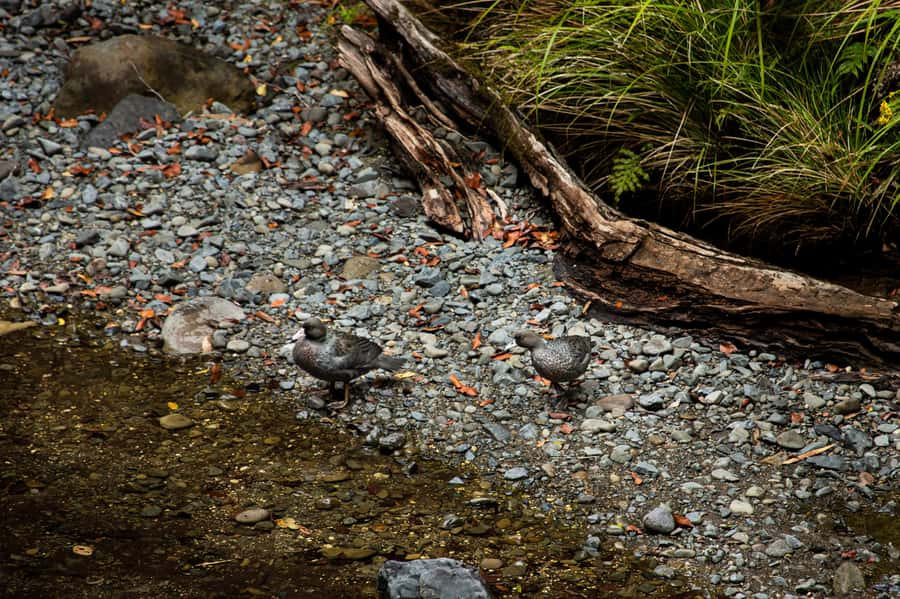
The forest also provides a good setting for learning about native and endangered birds. You may hear bird calls even when the birds stay out of sight. That is worth knowing in advance: this is not a wildlife-spotting trip with guaranteed sightings. It is a slower way to notice the forest, its sounds, and its plant life.
The tour includes periods described as forest bathing. Here, that means quiet time to pay attention to the forest’s stillness, energy, and natural sounds. Traditional chants and Māori wind instruments add to those pauses. If you like guided reflection, this can be a memorable part of the day. If you prefer constant walking and sightseeing, the slower pace may require some patience.
More History Tours in Rotorua:
- Auckland: All Blacks Experience Guided Cultural Tour
★ 4.7 · 453 reviews - All Blacks Experience: Interactive Guided Cultural Tour
★ 4.5 · 228 reviews - Olveston Historic Home Guided Tour
★ 5.0 · 205 reviews
The 8:30 AM departure from Rotorua
Your day begins at the Rotorua i-SITE on Fenton Street. Check in at 8:15 AM for the 8:30 AM departure. This is an early start, but it leaves enough time to reach Whirinaki, complete the walk, visit the carvings, and return to Rotorua around 3:30 PM.
The shuttle is included, so you do not need to arrange a rental car or find your own way into the forest. That matters because the outing is not simply a short Rotorua activity. It travels through Murupara and then continues along winding roads toward the native rainforest.
The first bus section lasts about 45 minutes. During the drive, the guide and driver provide information, humour, music, and conversation. One particularly appealing detail is the use of songs and stories during the journey, which helps the transfer feel like part of the cultural experience rather than dead time.
After roughly 45 minutes, you stop in Murupara for about 15 minutes. This is the practical break before the final road section. You also meet the forest guide and collect the picnic lunches here.
From Murupara, allow another 30 to 40 minutes by vehicle. The roads are described as winding, so take motion-sickness tablets before departure if you normally need them. Bring water with you, and do not count on buying drinks along the way.
Entering the forest with a Mihi Whakatau
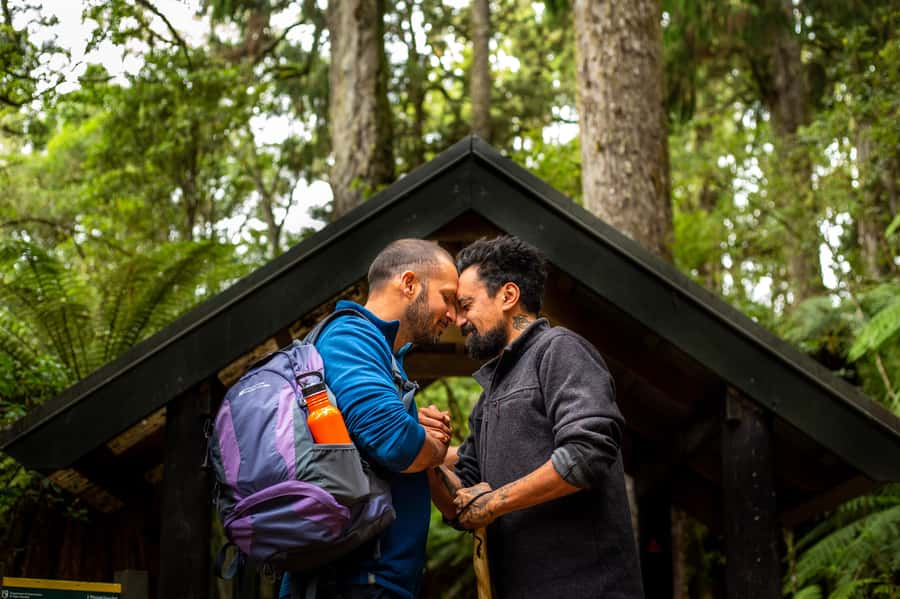
At the forest gateway, called the waharoa, your hosts welcome you with a Mihi Whakatau and Karakia. The Mihi Whakatau is a formal welcome, while the Karakia is a prayer or spiritual preparation. Together, they mark the shift from ordinary sightseeing to a more intentional visit.
This opening is important because it gives the forest walk a clear cultural frame. You are not simply arriving, taking photographs, and leaving. You are being welcomed into a place your hosts and their families have cared for over generations.
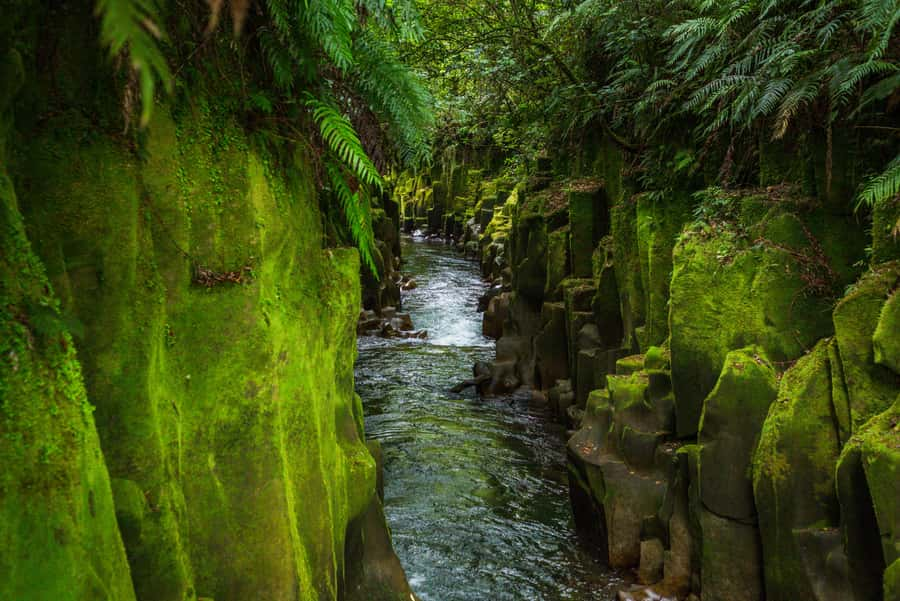
From there, the walking tour follows native trails through the Jurassic podocarp rainforest. The word Jurassic refers to the ancient character of the forest and its towering podocarp trees, not to a dinosaur attraction. You will see native species and learn why certain trees carry special status.
The route is 2.5 kilometres and the guided portion lasts about two hours. Wear shoes that are comfortable for uneven forest paths. The supplied information does not give a difficulty grade, so anyone with specific mobility concerns should ask the operator before booking.
Ngā Rākau Rangatira and the plants used by Māori
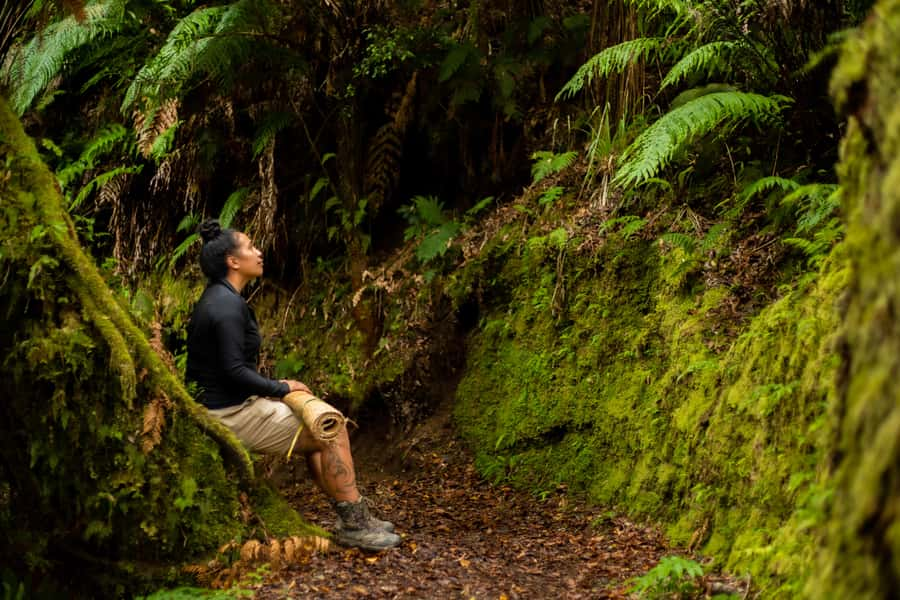
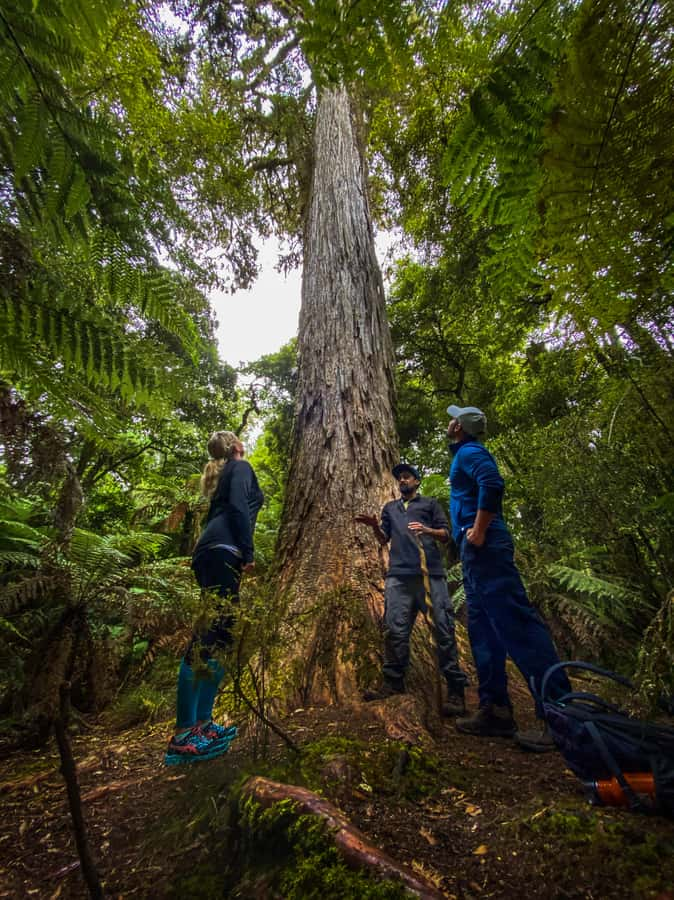
The ancient tōtara are among the strongest features of this part of the tour. Some are more than 1,000 years old, giving you a direct link to centuries of ecological and human history. The guides explain the role of the chiefly trees, rather than leaving you to admire their size without context.
The section on rongoā Māori adds practical detail. You learn which plants have traditional medicinal uses and how native plants and trees supported everyday life. This is more useful than a list of botanical names because it connects the forest to Māori knowledge and customs.
The cultural information is also intergenerational. The guides share stories, myths, and legends passed down through families. Hare and Destiny have been praised for their warmth and teaching, with Destiny sharing information about medicinal plants and daily Māori uses during the walk. That family connection gives the experience a personal feel.
You should bring insect repellent, sunscreen, lip balm, and a jacket or windbreaker. Weather can change in a forest, and a comfortable layer is more useful than relying on a clear morning in Rotorua. A camera is welcome, but the quiet portions of the walk ask you to put it away now and then.
A few more to weigh up in Rotorua
- Rotorua Canopy Tours: 2.5Hour Native Forest Zipline Adventure
★ 5.0 · 4,563 reviews - Mitai Maori Village: Cultural Experience and Dinner Buffet
★ 4.7 · 3,575 reviews - Rotorua: Wai-O-Tapu Geothermal Park Entry Ticket
★ 4.6 · 2,601 reviews - Rotorua’s Ultimate Zipline: 6 ziplines, 400 m Tandem, Cliff Walk
★ 5.0 · 2,557 reviews
Forest bathing, chants, and the quiet parts
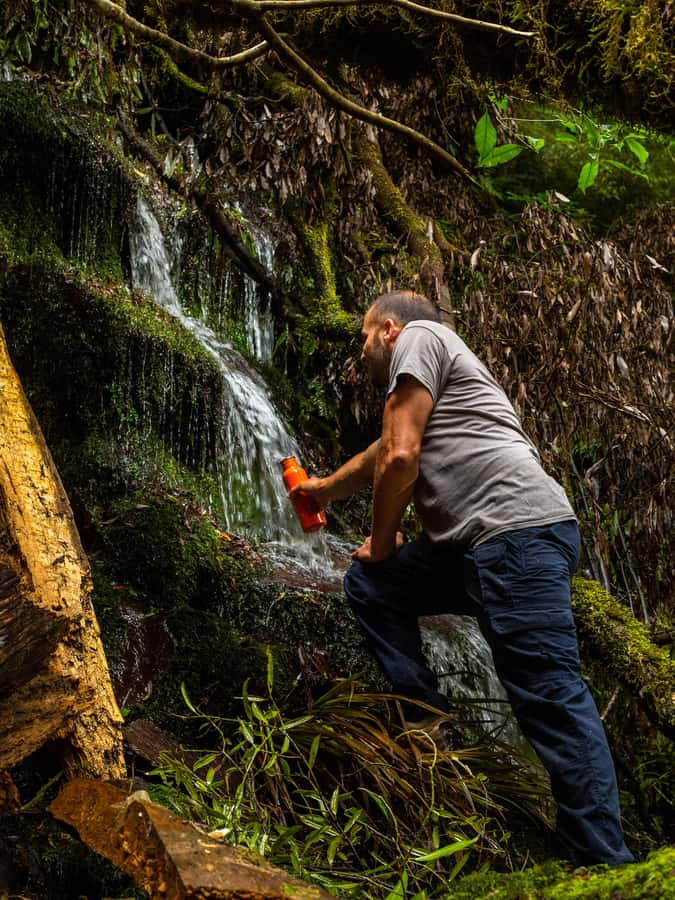
Forest bathing is one of the less familiar parts of the program. It is not a spa treatment. It is guided time in the bush, with attention on stillness, natural sounds, vibrations, and your connection with the setting.
The guides may perform traditional chants and play Māori wind instruments during these moments. That gives the forest a different kind of atmosphere and helps explain the idea of wairua, the spirit or spiritual character of a place.
I would not book this section expecting a performance at every turn. The appeal lies in the pauses between the stories and walking. You have time to listen, observe, and let the forest feel less like a backdrop.
This is also where the tour may divide people. Some visitors will find the reflective pace calming and meaningful. Others may prefer more active walking or a greater focus on birds and photography. The description promises a cultural and mindfulness element, so it is best to choose this outing for the whole experience rather than for scenery alone.
Picnic lunch and hot Kawakawa Tea
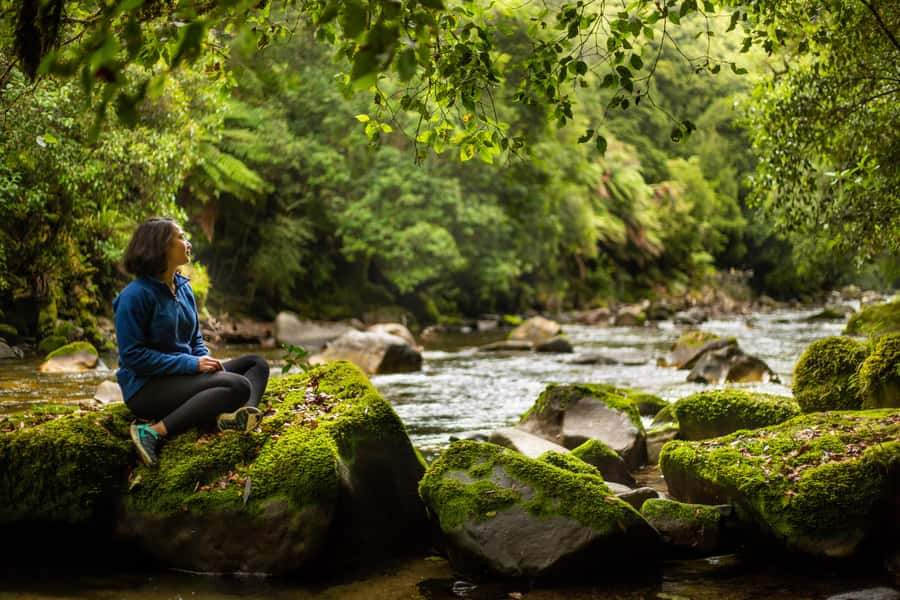
The picnic takes about 30 minutes and is included in the price. The lunch is described as packed food with local flavours, giving you a chance to eat in the forest rather than lose time at a café or return to town.
The meal also creates an informal chance to kōrero with the guides. You can ask about Māori culture, identity, history, environmental knowledge, or the plants you have just seen. Those conversations may be one of the most valuable parts of the outing because they let you guide the discussion toward your own interests.
After lunch, you receive a hot cup of Kawakawa Tea. Kawakawa is a treasured traditional medicinal plant, and the tea provides a simple closing ritual for the forest section. It is a small inclusion, but it gives the walk a clear sense of place.
Bring your own water bottle. Kawakawa Tea is included, but it should not replace the water you need during a half-day outdoor activity.
Te Ana a Tokowaru and the oldest Māori rock carvings
The day does not end when you leave the rainforest. On the return route, the group stops near Murupara for about 30 minutes of sightseeing and a short bush walk to Te Ana a Tokowaru.
The caves contain Māori rock carvings described as the oldest in New Zealand. They are carbon-dated to more than 400 years before the Great Migration. The site is unmarked and not signposted for general visitors, which explains why this stop feels more private and less like a standard attraction.
Your guides explain the carvings and share stories about the arrival of Māori in Aotearoa. The emphasis is on history that is rarely presented outside the local community. That makes this stop especially valuable for anyone who wants cultural context rather than a quick photograph.
The cave visit is short, but it adds a second setting to the day. Whirinaki teaches you about the forest and its living resources. Te Ana a Tokowaru connects you with early settlement and ancestral memory.
You should still wear practical footwear because reaching the caves involves a bush walk. The information provided does not give a detailed description of the path, so ask the operator if you need specific access details.
What the $176 price includes
At $176 per person, this is priced above a simple Rotorua shuttle or short nature walk. The comparison is not quite fair, though, because transport is only one part of the package.
Your price includes:
- Return transport from the Rotorua i-SITE
- A fully guided 2.5-kilometre cultural and nature walk
- The formal forest welcome and prayer
- Māori storytelling, chants, and wind instruments
- Interpretation of ancient trees and medicinal plants
- A packed picnic lunch
- Hot Kawakawa Tea
- The Te Ana a Tokowaru cave and rock-carving visit
- Cultural commentary during the return trip
The value is strongest if you would otherwise need to hire a car, plan the route to Whirinaki, arrange a local guide, and find a separate cultural experience. The day also supports a small family business, which can give the hosting a more direct and personal quality.
The value is weaker if you only want a short forest outing. You spend a good portion of the day in the shuttle, and the central walk covers just 2.5 kilometres. You are paying for access, transport, interpretation, lunch, and cultural hosting, not for a long-distance hike.
Who should book this experience
I would recommend this tour to you if you want to understand Māori connections to land and nature while seeing an important native forest. It suits curious visitors who enjoy stories, questions, quiet observation, and a guide-led day.
It is also a good fit if you are staying in Rotorua without a car. The shuttle removes the driving work and takes you to a place that is not part of the usual central Rotorua sightseeing circuit.
Families and mixed-age groups may appreciate the manageable walking distance, though the tour remains a full seven-hour day. People interested in plants, conservation, traditional medicine, history, and indigenous culture will get the most from it.
You may want a different outing if your priority is a challenging hike, a guaranteed close look at endangered birds, or a fast-moving schedule. The road trip and forest pauses are central to the experience.
Practical tips for a smoother day
Arrive at the Rotorua i-SITE by 8:15 AM. The shuttle leaves at 8:30 AM, and missing it would be a serious problem because the tour travels well beyond the city.
Wear sensible walking shoes and pack a rain jacket or windbreaker, a jersey, sunscreen, insect repellent, lip balm, and a camera. Bring any medication you may need, including motion-sickness tablets if winding roads bother you.
Keep drinks other than water out of the vehicle. Alcohol and drugs are not allowed, and the tour also prohibits littering, climbing, and explosive substances.
The tour operates in English with a live guide. Free cancellation is available up to 24 hours before departure, and you can reserve now and pay later, useful if your Rotorua plans are still shifting.
Should you book the Whirinaki tour?
Book it if you want a thoughtful, Māori-led day that combines ancient forest, local food, traditional plant knowledge, and a rare rock-carving site. The strongest parts are the personal guiding, the family stories, the old trees, and the chance to ask questions over lunch.
Skip it if you want minimal driving or a long, physically demanding hike. For everyone else, $176 is a fair price for a seven-hour outing with transport and several experiences that would be difficult to arrange independently. The most useful tip is simple: take motion-sickness precautions, wear good shoes, and arrive ready to listen as much as you look.
FAQ
Where does the Whirinaki tour leave from?
The tour leaves from the Rotorua i-SITE Visitor Information Centre on Fenton Street.
What time should I arrive?
You should arrive at 8:15 AM to check in. Departure is at 8:30 AM.
How long does the tour last?
The full experience lasts about seven hours, with an expected return to the Rotorua i-SITE at approximately 3:30 PM.
How far is the forest walk?
The guided walk covers 2.5 kilometres through Whirinaki Forest Park.
Is transport from Rotorua included?
Yes. A complimentary return shuttle from the Rotorua i-SITE is included.
Is lunch included?
Yes. The tour includes a packed picnic lunch with local flavours, followed by hot Kawakawa Tea.
What language is the tour conducted in?
The live guided tour is conducted in English.
What should I bring?
Bring comfortable walking shoes, a water bottle, camera, sunscreen, insect repellent, a jacket or windbreaker, a jersey, lip balm, and any medication you may need. Motion-sickness tablets may be useful because parts of the road are winding.
Just added in Rotorua
- Whakarewarewa: Self-Guided Geothermal Trails★ 4.5 · 41 reviews
- Rotorua: Waimangu Volcanic Valley Entry Ticket★ 4.8 · 129 reviews
- Rotorua Sledging White Water Sledging | Kaitiaki Adventures★ 5.0 · 90 reviews
- Wonderworld Rotorua – New Zealand’s leading maze park★ 5.0 · 11 reviews
- White Island & Mount Tarawera Floatplane Adventure★ 5.0 · 8 reviews
- Whirinaki Forest Footsteps: Māori Guided Tour, Picnic & Transfer★ 5.0 · 5 reviews
- Rotorua to Auckland Afternoon Transfer with Waitomo Glow Worms★ 4.5 · 22 reviews
- Whaka Geothermal Trails Self-Guided Tour★ 3.5 · 44 reviews
Historical Tours, compared.
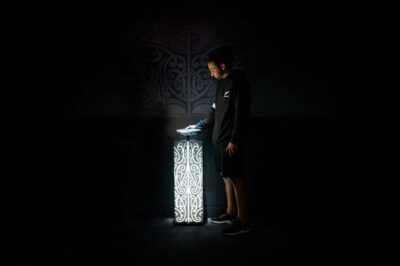

All Blacks Experience: Interactive Guided Cultural Tour
Read our review →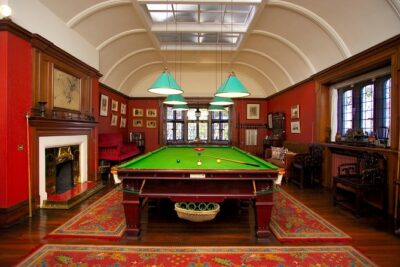
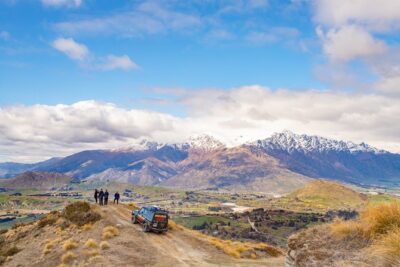
Skippers Canyon 4WD Heritage half day Tour from Queenstown
Read our review →
Scenic Cruise & Guided Walk on Historic Motor Yacht Lake Te Anau
Read our review →
Tauranga Shore Excursion: History & Kiwifruit Tasting – 4 Hours
Read our review →
Skip the Line:WWI & WWII Combo Exhibitions at the Omaka Aviation Heritage Centre
Read our review →Scenic Cruise & Guided walk on Historic Motor Yacht Lake Te Anau
Read our review →Browse the lists this tour appears in