
REVIEW · MAORI CULTURAL EXPERIENCES
Whirinaki Forest Footsteps: Māori Guided Tour, Picnic & Transfer
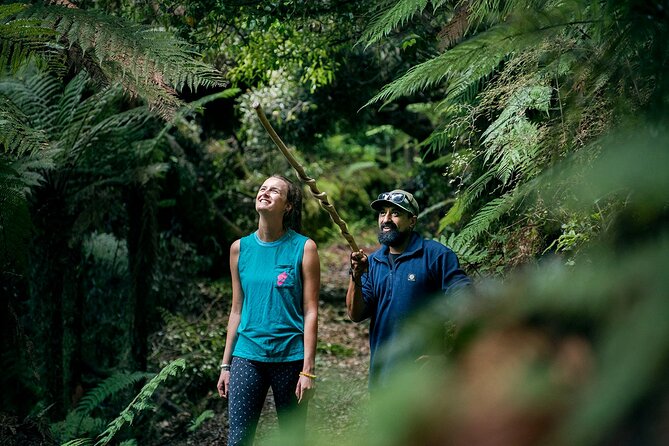
Ancient trees, living stories, and a quiet forest await. The Māori-led welcome gives this Rotorua day trip a sense of purpose, while the chance to walk beneath 1,000-year-old tōtara makes the setting genuinely special. I like the calm pace and the thoughtful work of guides Harry and Kiitti, who help connect the forest to Māori culture rather than treating it as scenery alone.
I also like that transport, lunch, and hot kawakawa tea are included, so you can leave Rotorua without sorting out a car or picnic. The main consideration is the seven-hour commitment, plus the need for good weather and a minimum group size before the tour can operate.
In This Review
- Key points to know before booking
- Leaving Rotorua for Whirinaki Forest
- A meaningful welcome before the forest walk
- Walking beneath ancient tōtara
- Rakau Rongoa, the forest pharmacy
- Forest Bathing with chants and music
- A picnic with traditional flavors
- Is the $170.66 price good value?
- Who will enjoy this forest day most?
- Practical details that affect your day
- Should you book Whirinaki Forest Footsteps?
- FAQ
- Where does the tour start?
- How long does the experience last?
- What is included in the tour?
- Is the tour conducted by Māori guides?
- Will I definitely see rare native birds?
- How many people can join the tour?
- Can I bring a service animal?
- What happens if the weather is poor?
Key points to know before booking
- 1,000-year-old tōtara trees: Walk among enormous native trees in Whirinaki Te Pua a Tane Conservation Park.
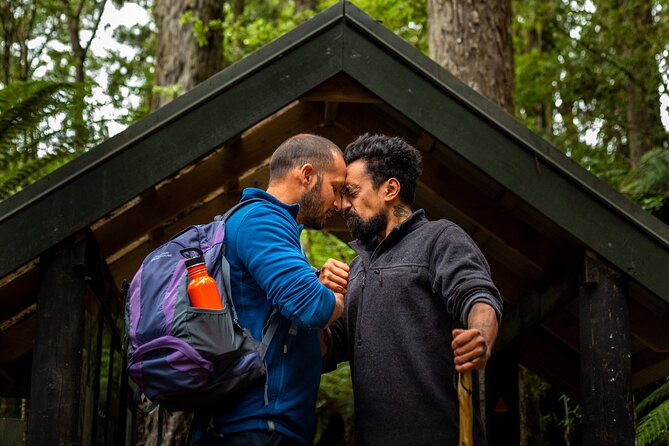
- Mihi Whakatau and Karakia: Begin with a Māori welcome and prayer that set a respectful tone for the day.
- Guides Harry and Kiitti: Expect patient, personal interpretation of Māori culture, forest traditions, and local plants.
- Forest Bathing with Māori music: Pause among the trees for a quiet nature experience supported by chants and music.
- Picnic and kawakawa tea: A packed lunch with traditional flavors and warm herbal tea are included.
- Small group format: The maximum group size is 20, useful for a more personal walk and easier conversation.
Leaving Rotorua for Whirinaki Forest
The day begins at 8:30am from the Rotorua iSite, with pickup also offered. The bus ride is part of the experience rather than a minor transfer between attractions. You leave the geothermal sights and tourist center behind, then head toward a very different side of the region: a large native forest shaped by time, weather, and Māori connection.
I like this arrangement because it removes one of the harder parts of visiting a remote natural area. You do not need to arrange a rental car, plan a route, or pack a full day of food. The ride also gives you time to settle into the day before the walking begins.
The tour lasts about seven hours, though the forest portion is listed at around four hours with admission included. That leaves time for transport, the welcome, food, and pauses along the way. Plan your day around it. This is not a quick morning outing that leaves you free for several other Rotorua attractions.
The group can include up to 20 people. That is large enough to create a social atmosphere, but still modest compared with a big coach excursion. A small group matters here because the cultural parts work best when you can hear the guide clearly and ask questions without shouting across a crowd.
More Maori cultural experiences in Rotorua:
- Mitai Maori Village: Cultural Experience and Dinner Buffet
★ 4.7 · 3,575 reviews - Cultural Experience & Seasonal Māori Cuisine at Te Pā Tū
★ 5.0 · 1,546 reviews - Mitai Maori Village Cultural Experience in Rotorua
★ 4.5 · 1,294 reviews
A meaningful welcome before the forest walk

On arrival, Harry and Kiitti welcome the group with a Mihi Whakatau and Karakia. The Mihi Whakatau is a formal Māori welcome, while the Karakia is a prayer or blessing. Together, they frame the day as more than a standard nature walk.
This opening is important because it gives the forest visit a cultural context from the start. You are not simply being taken to see large trees. You are being introduced to a place with meaning, and the ceremony asks you to enter it with care.
The welcome may feel unfamiliar if your usual sightseeing consists of photos, short explanations, and moving on. Give it your attention. The quiet beginning helps you understand why the guide later speaks about plants, birds, and trees as part of a living relationship rather than as separate points on a checklist.
The guides are a major part of the experience. Harry received especially strong praise for helping explain Māori culture in a clear and approachable way. Kiitti and Harry were also noted for being thoughtful and for keeping a pleasant pace. That last detail matters: a forest walk should give you time to look around, not leave you trying to keep up.
Walking beneath ancient tōtara
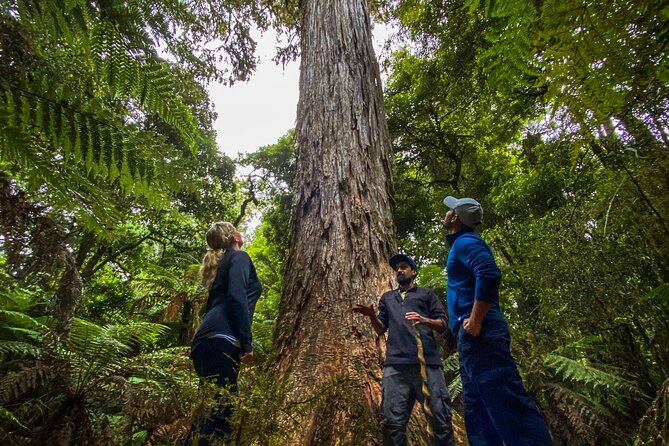
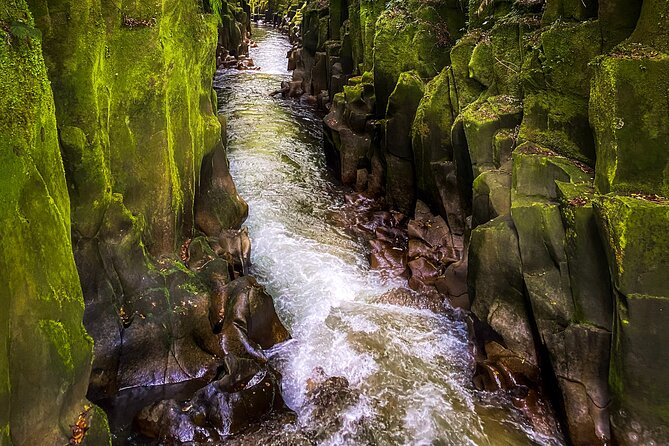
Whirinaki Te Pua a Tane Conservation Park is the heart of the day. Its Jurassic podocarp rainforest includes towering tōtara trees estimated at up to 1,000 years old. That age is difficult to grasp until you are standing beneath trunks that make ordinary park trees look young.
The appeal is not only size. The forest gives you a sense of continuity. Native plants grow below the tall canopy, and the guides explain how the forest supports birdlife and traditional knowledge. You might spot rare native birds in their natural setting, but this is not presented as a guaranteed wildlife encounter.
That is a useful distinction. If you need a specific bird sighting to feel the trip was worthwhile, this outing carries some uncertainty. If you enjoy moving slowly through a forest and noticing sound, shape, and texture, the setting does much of the work.
The walk is described as educational as well as beautiful. Your guide adds meaning to details you could easily miss on your own, from the role of particular plants to the way Māori traditions connect people with the natural world. The forest becomes easier to read when someone points out why a plant matters and how it has been used.
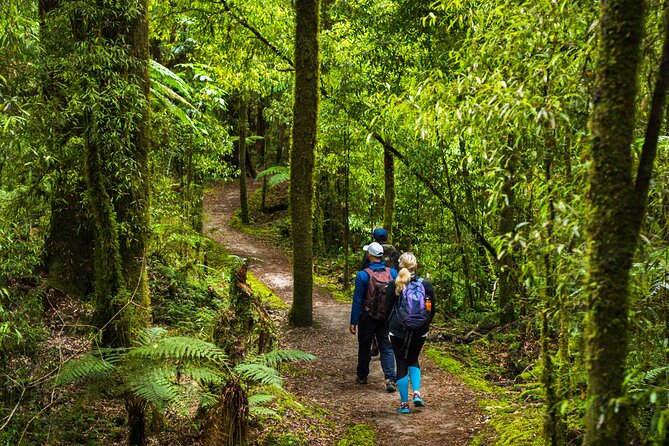
The pace is another strength. The available feedback describes it as nice and unhurried. That suits this type of place. You have time to listen, take photographs, and absorb the scale of the trees without turning the outing into a race.
Specific trail length, elevation gain, and difficulty ratings are not provided. Most people can participate, but you should still be comfortable with a forest walk lasting several hours. If you have concerns about mobility or walking stamina, contact the operator before booking rather than assuming the trail will be easy.
Rakau Rongoa, the forest pharmacy
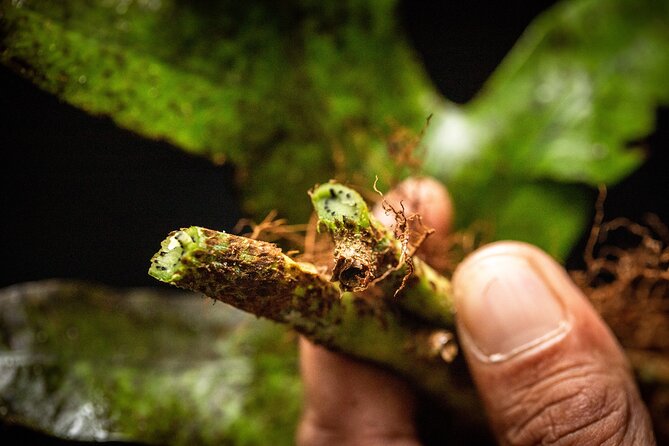
One of the more distinctive parts of the walk is the introduction to Rakau Rongoa, traditional Māori plant medicine. The guides explain the plants and their place in Māori knowledge, giving the forest a practical human dimension.
This is more useful than a generic list of plant names. You begin to see the forest as a source of food, remedies, materials, stories, and spiritual connection. The subject also shows why a Māori guide changes the experience. A self-guided walk could show you the same leaves and trunks, but it would not necessarily explain their cultural meaning.
The tour does not suggest that the plants replace modern medical care, and you should treat the information as cultural and historical knowledge rather than personal medical advice. The value is in understanding how Māori communities have observed and worked with native plants over generations.
I would pay close attention during this section and ask questions. Plant knowledge can be one of the easiest parts of a nature tour to forget if you only take photographs. The guide’s explanation is what turns it into something you can remember.
More Private Transfers in Rotorua:
- Rotorua to Auckland Afternoon Transfer with Waitomo Glow Worms
★ 4.5 · 22 reviews - Arrival Transfer: Auckland Airport to Auckland Central City Centre
★ 4.0 · 493 reviews - Franz Josef: 2.5 Hour Glacier Hike with Helicopter Transfer
★ 4.7 · 322 reviews - Fox Glacier: Up to 3 Hours Hike with Helicopter Transfer
★ 4.9 · 309 reviews
Forest Bathing with chants and music
At some point in the forest, the group takes part in forest bathing. The phrase can sound fashionable, but here it means a deliberate pause to slow down and connect with the surroundings. Māori chants and music accompany the moment, adding a cultural element rather than making it simply a silent nature break.
This may be the most restful part of the day. Rotorua is full of active attractions, from geothermal parks to adventure rides. Forest bathing offers the opposite: less movement, less noise, and more attention to the place around you.
You should know that this section may not suit everyone equally. If you prefer a fast walk with constant facts and activity, the pause could feel long. I see it as a strength, especially because the whole point is to experience the rainforest at a gentler speed.
The music and chants also reinforce the tone established by the Mihi Whakatau and Karakia. Culture is not added as a short performance at the end. It is woven through the way the day begins, the way the guides interpret the forest, and the way the group is asked to pause within it.
A picnic with traditional flavors
A packed picnic lunch is included, with flavors described as traditional. This is a welcome practical touch. You do not need to carry a separate meal, and the picnic keeps the day from becoming a series of explanations on an empty stomach.
Exact menu details are not supplied, so do not book expecting a particular dish. If you have dietary requirements, ask the provider before the tour. The available information confirms the picnic and its traditional influence, but not the ingredients or accommodation for every diet.
Hot kawakawa tea follows as a fitting finish. Kawakawa is a native New Zealand plant with a long place in Māori use. Served warm in the forest, it gives the meal a clear local connection and makes the refreshment feel tied to the setting rather than added as an ordinary beverage.
Food is a modest part of the price, but it adds convenience. More important, it supports the rhythm of the experience: walk, listen, pause, eat, and reflect. You are not being rushed back to Rotorua after a quick look at the trees.
Is the $170.66 price good value?
At $170.66 per person, this is not the cheapest way to spend a day near Rotorua. You are paying for a roughly seven-hour experience, transport from Rotorua, admission, Māori guiding, a picnic lunch, tea, and a small-group setting.
The value depends on what you want from a tour. If you only want to reach the forest and walk independently, a self-drive visit may cost less, assuming you have transport and are comfortable arranging the details yourself. That option would not provide the formal welcome, cultural interpretation, forest bathing, or guided discussion of Rakau Rongoa.
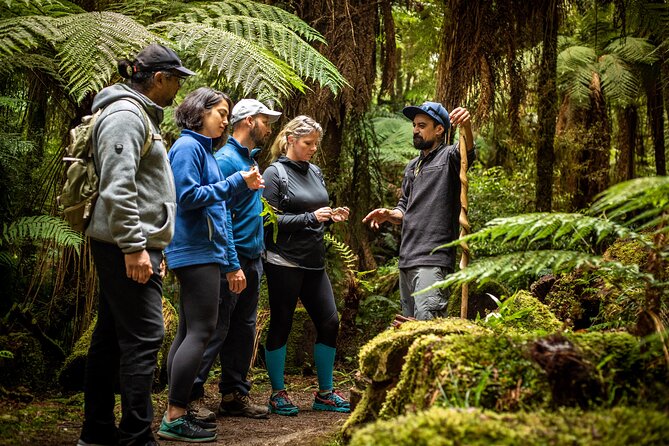
I think the price is easier to justify if you want the cultural elements to be central rather than decorative. The guide is not simply leading you along a path. Harry and Kiitti help explain why the forest matters, and the welcome, chants, and plant knowledge give the day a stronger identity.
The small maximum of 20 also helps. You are not paying for a private tour, but you are avoiding the feel of a huge group. For a full day outside Rotorua with most major details handled, the cost is reasonable for the right kind of visitor.
The experience is booked, on average, about 50 days ahead. That does not guarantee every date sells out, but it is a useful sign that you should not leave it until the last moment if this is important to your Rotorua plans.
Who will enjoy this forest day most?
I would recommend this outing to you if you want:
- A strong Māori cultural element, not just a scenic walk
- Time in an old-growth native rainforest
- A moderate, unhurried pace
- Transport from Rotorua
- A small group rather than a large sightseeing crowd
- A full day built around nature, stories, food, and reflection
It is particularly suited to people who enjoy learning through conversation. The best moments are likely to come from listening to the guides, asking questions, and noticing the forest slowly.
Families and mixed-age groups may appreciate that most people can participate, but the exact trail difficulty is not supplied. The experience is also suitable for people traveling with service animals, and it is near public transportation. Those details make it more accessible in planning terms, though you should still check the walking conditions for your own needs.
I would be more cautious about booking if you have only one free morning in Rotorua, need a guaranteed bird sighting, or prefer a highly active adventure. The forest is the attraction, and its rewards come through patience.
Practical details that affect your day
The start time is 8:30am at the Rotorua iSite. Pickup is offered, so check the available arrangement when you book. The experience uses a mobile ticket, which keeps check-in simple.
Confirmation is provided when you book. The tour can be canceled if poor weather makes it unsuitable, or if the minimum number of participants is not reached. In either case, you are offered another date or experience, or a full refund.
You can cancel for a full refund up to 24 hours before the start time. Changes or cancellations made inside that 24-hour window are not accepted for a refund. The cut-off follows local time, so keep that in mind if you are arranging the tour from another country.
Good weather matters here for more than comfort. Rain can affect the forest walk and the overall feel of the day. Keep the date flexible if possible, and avoid scheduling an important evening commitment too close to the expected return because the total duration is approximate.
Should you book Whirinaki Forest Footsteps?
Book it if you want your time in Rotorua to include Māori culture, ancient forest, and a slower pace. The combination of a formal welcome, guides Harry and Kiitti, Rakau Rongoa, forest bathing, picnic food, and kawakawa tea gives the outing a clear sense of place.
Skip it if your priority is a short attraction, a guaranteed wildlife sighting, or a strenuous hike. The main rewards are quiet attention and cultural understanding, not adrenaline.
For many people, this will be one of the more memorable ways to see the Rotorua region. The trees are impressive, but the thoughtful guiding is what gives the day its meaning.
FAQ
Where does the tour start?
The tour starts at the Rotorua iSite at 8:30am. Pickup is also offered.
How long does the experience last?
The full experience lasts approximately seven hours. The guided forest portion is listed at about four hours, including admission.
What is included in the tour?
The experience includes transport, admission to Whirinaki Te Pua a Tane Conservation Park, Māori guiding, a packed picnic lunch, and hot kawakawa tea.
Is the tour conducted by Māori guides?
Yes. Māori guides welcome the group with a Mihi Whakatau and Karakia, and explain Māori culture, traditional plant medicine, and the forest.
Will I definitely see rare native birds?
No. The forest offers a chance to see rare native birds in their natural setting, but sightings are not guaranteed.
How many people can join the tour?
The maximum group size is 20 people.
Can I bring a service animal?
Yes. Service animals are allowed.
What happens if the weather is poor?
If poor weather causes the tour to be canceled, you are offered a different date or experience, or a full refund. The same options apply if the minimum number of participants is not reached.
Just added in Rotorua
- From Rotorua: Whirinaki Rainforest Guided Cultural Tour★ 5.0 · 6 reviews
- Whakarewarewa: Self-Guided Geothermal Trails★ 4.5 · 41 reviews
- Rotorua: Waimangu Volcanic Valley Entry Ticket★ 4.8 · 129 reviews
- Rotorua Sledging White Water Sledging | Kaitiaki Adventures★ 5.0 · 90 reviews
- Wonderworld Rotorua – New Zealand’s leading maze park★ 5.0 · 11 reviews
- White Island & Mount Tarawera Floatplane Adventure★ 5.0 · 8 reviews
- Rotorua to Auckland Afternoon Transfer with Waitomo Glow Worms★ 4.5 · 22 reviews
- Whaka Geothermal Trails Self-Guided Tour★ 3.5 · 44 reviews
Maori Cultural Experiences, compared.
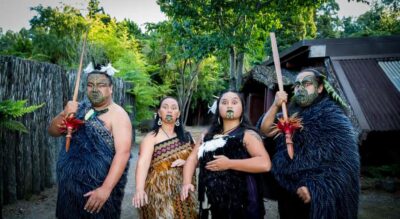
Mitai Maori Village: Cultural Experience and Dinner Buffet
Read our review →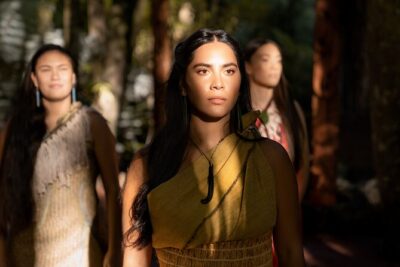
Cultural Experience & Seasonal Māori Cuisine at Te Pā Tū
Read our review →
Mitai Maori Village Cultural Experience in Rotorua
Read our review →
Lake Taupo: Classical Sailing to the Māori Rock Carvings
Read our review →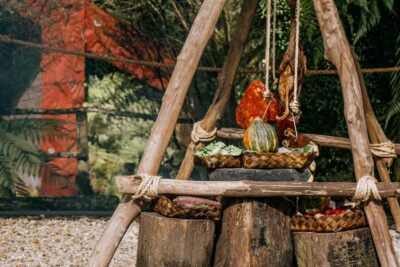
Te Pa Tu Māori Cultural Experience with Dinner
Read our review →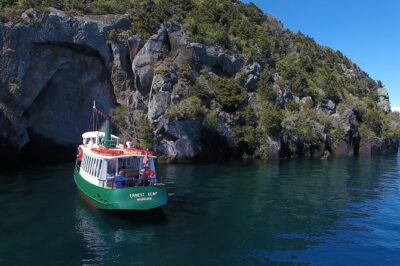
Lake Taupō Māori Rock Carvings Scenic Cruise aboard Ernest Kemp
Read our review →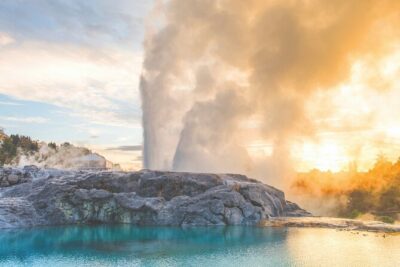
Waitomo Caves & Rotorua – Te Puia Small-Group Tour from Auckland
Read our review →
Lake Taupo: Maori Rock Carvings 10.30 AM 1.5-Hour Cruise
Read our review →Browse the lists this tour appears in