
REVIEW · ROTORUA TOURS
Buried Village of Te Wairoa
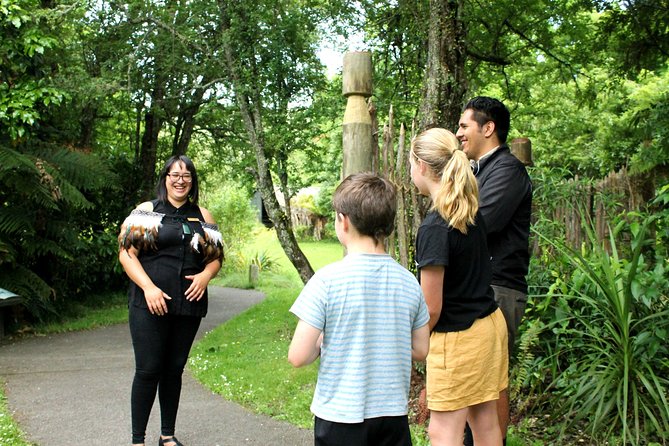
History can feel startlingly close here. The Buried Village of Te Wairoa combines an archaeological site, a thoughtful museum, and a pretty walk to Wairere Falls, giving you a clear picture of how the 1886 Mt. Tarawera eruption changed this part of New Zealand forever. I especially like the personal letters from Margaret, a visitor who recorded life before and after the disaster, and the children’s clue map, which gives younger visitors a reason to look closely. The main consideration is that some of the experience is self-guided, so the excavated remains may feel quiet or hard to imagine without a scheduled talk or guide.
I also like that the admission includes more than the buried village itself. You can study artifacts, join a guided group tour or audio and video experience, hear talks by costumed staff, and walk through native bush to a 30-metre waterfall. The optional Waterfall Trail includes several flights of stairs, so bring proper shoes and allow at least 90 minutes if you want to take your time.
In This Review
- Key points to know before you go
- Why Te Wairoa matters in New Zealand history
- Starting with the Museum of Te Wairoa
- Walking through the excavated village
- The Waterfall Trail to Wairere Falls
- How long to allow for the visit
- What the $16.55 admission gives you
- Practical advice for weather and walking
- Who will enjoy Buried Village most
- Booking, cancellation, and the final decision
- FAQ
- Where is the Buried Village of Te Wairoa?
- How long does the experience take?
- What is included with admission?
- Is the Waterfall Trail difficult?
- Is food included in the ticket?
- What are the opening hours?
- Can I cancel the booking for a refund?
Key points to know before you go
- The eruption happened in 1886: Mt. Tarawera buried Te Wairoa and ended more than 150 lives.
- The museum gives the story a human voice: Margaret’s letters help turn a major disaster into a personal account.
- The waterfall walk is worth adding: Wairere Falls drops 30 metres and is reached by a trail with steep stair sections.
- You can choose your pace: Arrive any time during opening hours and stay as long as you like.
- The attraction is close to Rotorua: The drive takes about 15 minutes from the city.
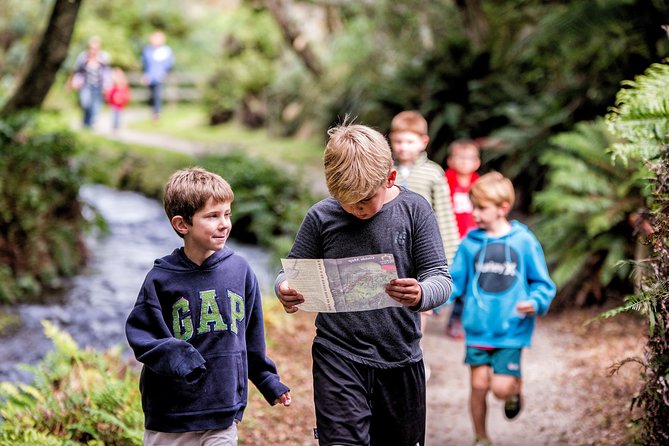
- The experience suits families: Children can follow a special clue map through the excavated village.
Why Te Wairoa matters in New Zealand history
Before the eruption, Te Wairoa was a village occupied by Maori and early settlers, including missionaries. It also served visitors heading toward the famous Pink and White Terraces, a natural attraction later destroyed or buried by the eruption of Mt. Tarawera.
The eruption began during the night of June 10, 1886. The volcanic activity devastated the surrounding area, buried Te Wairoa, destroyed the terraces, and killed more than 150 people. The site you see today is not a reconstructed village or a themed attraction. It is an excavated place, with the remains of buildings and household life exposed after more than a century under ash and mud.
That distinction matters. You are not simply looking at old structures. You are seeing the physical result of a sudden disaster that interrupted ordinary life. The museum helps explain that change, while the archaeological area lets you view it at ground level.
I find the site most effective when you take it slowly. Read the signs. Look at the photographs. Pause at the excavated buildings instead of treating the area as a quick stop between Rotorua activities. The tragedy can feel abstract at first, but small details about the people who lived and worked here make it much more immediate.
A few more to weigh up in Rotorua
- Rotorua Canopy Tours: 2.5Hour Native Forest Zipline Adventure
★ 5.0 · 4,563 reviews - Mitai Maori Village: Cultural Experience and Dinner Buffet
★ 4.7 · 3,575 reviews - Rotorua: Wai-O-Tapu Geothermal Park Entry Ticket
★ 4.6 · 2,601 reviews
Starting with the Museum of Te Wairoa
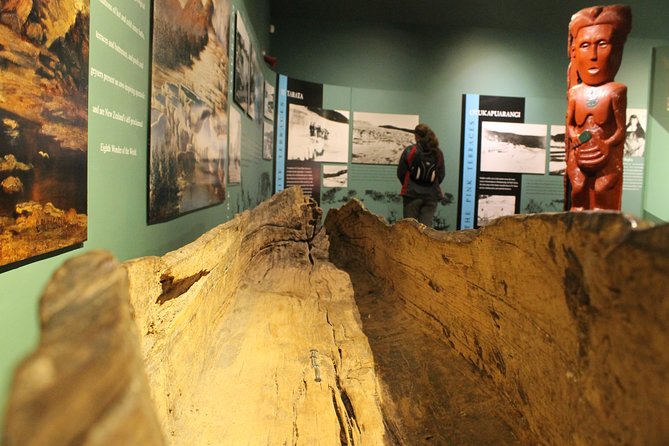
The museum is the best place to begin because it gives you the basic timeline before you walk among the remains. Exhibits explain the eruption, the lives of people in Te Wairoa, and the fate of the Pink and White Terraces.
You will also find artifacts connected with the village and the eruption. Photographs showing Te Wairoa before the disaster, then covered in mud and volcanic material afterward, help you picture the scale of the destruction. The contrast between the old village and the excavated site today is one of the strongest parts of the visit.
One especially worthwhile feature is the collection of letters written by Margaret, a visitor who described her time at Te Wairoa before the eruption and what happened afterward. These letters add a personal angle that dates and geological explanations cannot provide. They help you picture the village as a lived-in place, not simply a historic site.
The museum is informative, but it may not satisfy you if you want a large, highly interactive exhibition. One review noted that more graphics could help explain what the buried village looked like and how people once traveled to see the terraces. That is fair criticism. The material is useful, but you need to bring some imagination with you.
Walking through the excavated village
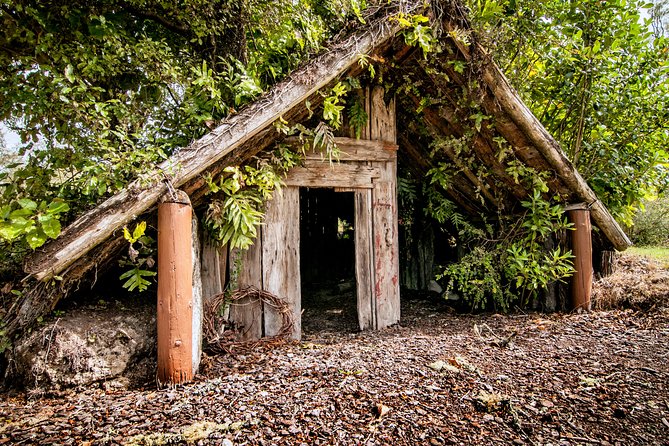
After the museum, follow the route through the archaeological site. The paths are flat and paved, making the main village area manageable for most people. Signs, exhibits, and scheduled talks help explain the Maori and early settler communities that lived here before the eruption.
The remains can be subtle. You may see foundations, walls, household traces, and exposed sections rather than complete buildings. That is why the guided group tours and talks are valuable. They give shape to what might otherwise look like scattered stones and earth.
The attraction schedules guided tours, audio and video tours, and talks during the day. The additional information also describes the visit as self-guided, so you should expect a mixture of formats rather than one continuous guide-led tour. If you want the most context, ask at the entrance when the next talk or guided walk begins, then plan the museum and village route around it.
A guide can make a real difference here. One visitor found the site less engaging without a guide, while another praised the front desk explanation of the village. That tells you something practical: this is not an attraction where every detail explains itself. Take advantage of the talks when the timing works.
Families have a useful extra task. Children can use a special guide map to search for clues around the excavated area. That turns a serious history lesson into an active walk without making light of the disaster. It is a good way to keep children involved while adults read the more detailed displays.
The Waterfall Trail to Wairere Falls
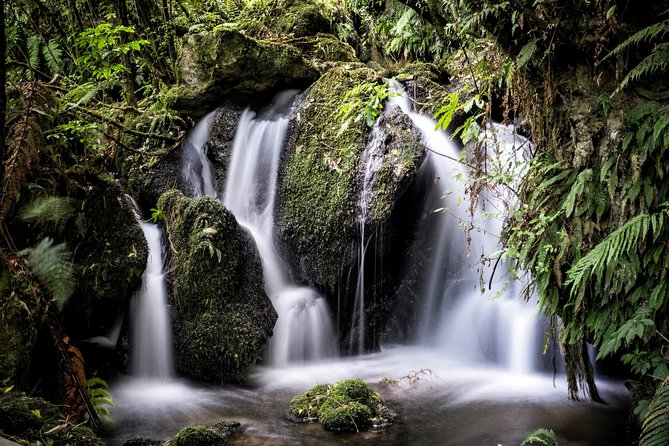
The Waterfall Trail is the scenic part of the visit, and I would make time for it if conditions allow. The route leads to Wairere Falls, where water drops about 30 metres into the valley below. You can feel spray from the falls, which makes the finish more memorable than a simple viewpoint.
The main paths through the historic area are flat and paved, but the waterfall route includes several flights of stairs. It is not just a level stroll. Wear walking shoes, take your time, and be honest about how much climbing suits your group.
This walk also gives you a better sense of the natural setting around Lake Tarawera and Mt. Tarawera. Talks and displays explain the area’s geothermal features, while the route adds trees, running water, and a quieter mood after the museum and excavation area.
Several strong comments about the attraction focus on the falls. One family enjoyed the history while the children followed the clue hunt, then found the waterfall path especially beautiful. Another visitor nearly treated the trail as an optional extra but was glad to follow staff advice and tackle the stairs.
The waterfall should not replace the historic site, though. If you have limited time or find stairs difficult, the museum and main archaeological route still provide the heart of the experience.
A completely different sort of day out:
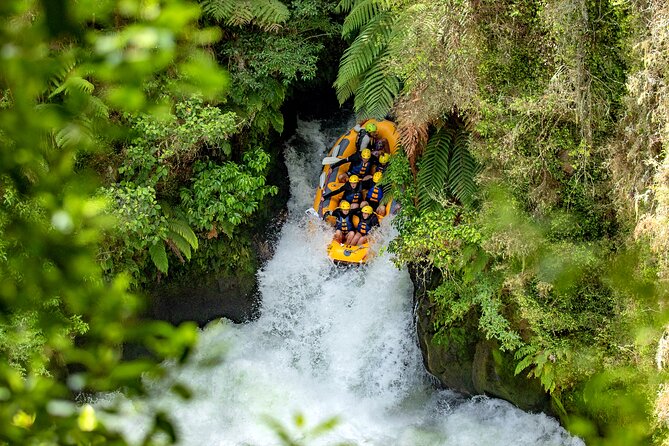
- Rotorua’s Ultimate Zipline: 6 ziplines, 400 m Tandem, Cliff Walk
★ 5.0 · 2,557 reviews - Rotorua Rafting: Kaituna River White Water Rafting & Free Sauna
★ 5.0 · 1,952 reviews - Cultural Experience & Seasonal Māori Cuisine at Te Pā Tū
★ 5.0 · 1,546 reviews - Mitai Maori Village Cultural Experience in Rotorua
★ 4.5 · 1,294 reviews
How long to allow for the visit
The advertised duration ranges from about 45 minutes to two hours, but I would plan for at least 90 minutes. That gives you enough time for the museum, the excavated village, a talk or audio experience, and the Waterfall Trail.
You can arrive at any time during opening hours and stay as long as you like. That flexible setup works well if you are fitting Te Wairoa between other Rotorua activities. It also means you do not need to rush through every section to meet a fixed departure time.
A quick 45-minute visit would likely mean choosing carefully. You could see the museum, walk the main historic route, and skip or shorten the waterfall trail. For a more satisfying visit, allow two hours, especially if you stop to read Margaret’s letters and examine the photographs.
The attraction is open Wednesday through Sunday from 10:00 a.m. to 4:00 p.m. for the stated period from April 1, 2025, through March 31, 2026. Check the date of your visit against these hours before setting out, particularly if you are planning a Monday or Tuesday visit.
What the $16.55 admission gives you
At $16.55 per person, the admission is a modestly priced Rotorua activity. The value comes from the combination of several parts: the museum, the archaeological site, the scheduled guided options, the family clue activity, and the Waterfall Trail to Wairere Falls.
I would not judge the price by the number of dramatic ruins you see. The remains are meaningful, but they are not a huge open-air monument. The value is in the story and the setting. If you enjoy New Zealand history, volcanic events, Maori and settler life, or short scenic walks, the admission covers a good range of interests.
Food and drinks are not included. Vi’s Teahouse sells scones with tea or coffee, and the gift shop carries souvenirs. Souvenir photographs are also available for an additional cost. You will need to pay separately for those extras.
There is no hotel pickup or drop-off, so arrange your own transport. The meeting point is at 1180 Tarawera Road, Lake Tarawera, about a 15-minute drive from Rotorua city. Public transportation is nearby, although the information provided does not specify routes or frequency.
Practical advice for weather and walking
The attraction operates in all weather conditions. Rotorua weather can change, and the outdoor sections are a major part of the visit, so pack for rain and sun rather than assuming a clear day.
Bring walking shoes, a hat, sunscreen, and either an umbrella or raincoat. A raincoat is the more useful choice if you plan to stand near Wairere Falls, where spray and wet conditions can add to the chill.
The main paths are flat and paved, but the optional waterfall route has several flights of stairs. Most people can participate, yet the site is not equally easy for every visitor once you add the falls. You can still focus on the museum and main village route if the stair sections are not suitable for you.
The maximum group size is listed as 150 people, though the flexible arrival system means your visit may not feel like one large group moving through every section at once. Scheduled talks may have more people at popular times, so arriving earlier in the day could help if you prefer a quieter pace. That timing suggestion is practical rather than guaranteed.
Who will enjoy Buried Village most

I would recommend Te Wairoa to anyone who wants a history stop with an outdoor element. It is particularly suitable if you are already staying in Rotorua and want an activity that does not require a full day.
Families have a clear reason to consider it. The clue map gives children something specific to do, while the waterfall adds a physical reward at the end. Adults can focus on the eruption, the people who lived in the village, and the photographs and letters.
It also suits visitors interested in geology and natural disasters. You will learn about Mt. Tarawera, Lake Tarawera, geothermal features, and the destruction of the Pink and White Terraces. The visit does not present the eruption as an isolated event. It connects the volcano with the people, settlements, and attractions around it.
You may be less satisfied if you expect a fully guided experience from beginning to end or a large collection of standing buildings. Some of the story must be assembled from displays, signs, talks, and your own imagination. Choose a guided talk or audio and video option if available during your visit, and the site should feel more complete.
Booking, cancellation, and the final decision
The ticket uses a mobile format, and free cancellation is available if you cancel at least 24 hours before the experience start time. Changes or cancellations made within 24 hours are not accepted for a refund, based on local time.
Should you book it? I would say yes if you have at least 90 minutes, your schedule includes Rotorua, and you want something quieter and more thoughtful than a standard geothermal attraction. The museum and archaeological area tell a serious story, while Wairere Falls gives the visit an attractive outdoor finish.
Book it with realistic expectations. This is an excavated village, not a fully rebuilt settlement. The guided talks matter, the letters are worth seeking out, and the waterfall stairs require a bit of effort. If you make time for those details, the $16.55 admission offers a memorable look at one of New Zealand’s most powerful natural disasters.
FAQ
Where is the Buried Village of Te Wairoa?
It is located at 1180 Tarawera Road, Lake Tarawera, Rotorua 3076, New Zealand. The site is about a 15-minute drive from Rotorua city.
How long does the experience take?
The visit can take about 45 minutes to two hours. Plan for at least 1.5 hours if you want to see the museum, archaeological site, talks or audio material, and the Waterfall Trail.
What is included with admission?
Admission includes access to the Buried Village of Te Wairoa, the Museum of Te Wairoa, the archaeological site, the Waterfall Trail, and scheduled guided, audio, video, or staff-led talk options.
Is the Waterfall Trail difficult?
The main paths are flat and paved, but the optional Waterfall Trail includes several flights of stairs. Walking shoes are recommended.
Is food included in the ticket?
No. Food and drinks are separate. Vi’s Teahouse sells scones with tea or coffee, and there is also a gift shop.
What are the opening hours?
For the stated period from April 1, 2025, to March 31, 2026, the attraction is open Wednesday through Sunday from 10:00 a.m. to 4:00 p.m.
Can I cancel the booking for a refund?
Yes. You can receive a full refund if you cancel at least 24 hours before the experience start time. Cancellations or changes made less than 24 hours before the start time are not refunded.
Just added in Rotorua
- From Rotorua: Whirinaki Rainforest Guided Cultural Tour★ 5.0 · 6 reviews
- Whakarewarewa: Self-Guided Geothermal Trails★ 4.5 · 41 reviews
- Rotorua: Waimangu Volcanic Valley Entry Ticket★ 4.8 · 129 reviews
- Rotorua Sledging White Water Sledging | Kaitiaki Adventures★ 5.0 · 90 reviews
- Wonderworld Rotorua – New Zealand’s leading maze park★ 5.0 · 11 reviews
- White Island & Mount Tarawera Floatplane Adventure★ 5.0 · 8 reviews
- Whirinaki Forest Footsteps: Māori Guided Tour, Picnic & Transfer★ 5.0 · 5 reviews
- Rotorua to Auckland Afternoon Transfer with Waitomo Glow Worms★ 4.5 · 22 reviews
Rotorua Tours, compared.
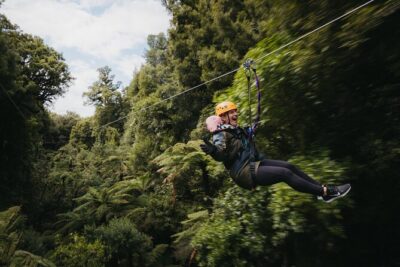
Rotorua Canopy Tours: 2.5Hour Native Forest Zipline Adventure
Read our review →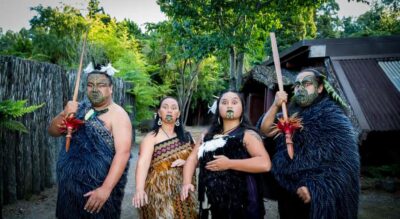
Mitai Maori Village: Cultural Experience and Dinner Buffet
Read our review →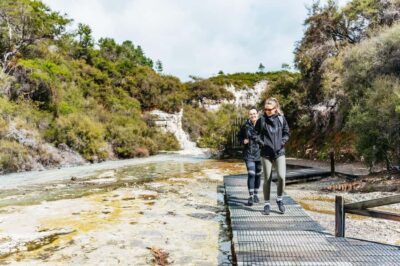
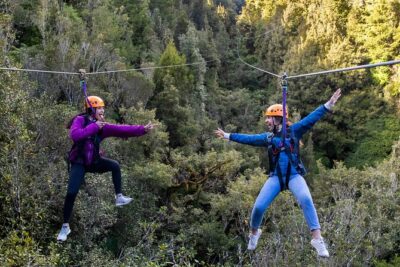
Rotorua’s Ultimate Zipline: 6 ziplines, 400 m Tandem, Cliff Walk
Read our review →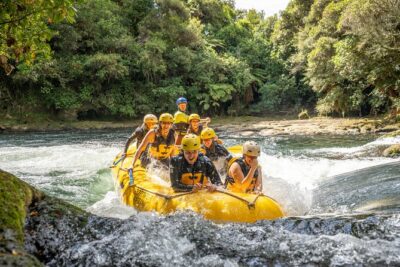
Rotorua Rafting: Kaituna River White Water Rafting & Free Sauna
Read our review →
Cultural Experience & Seasonal Māori Cuisine at Te Pā Tū
Read our review →
Mitai Maori Village Cultural Experience in Rotorua
Read our review →
Rafting Rotorua: Kaituna River White Water Experience
Read our review →Browse the lists this tour appears in