
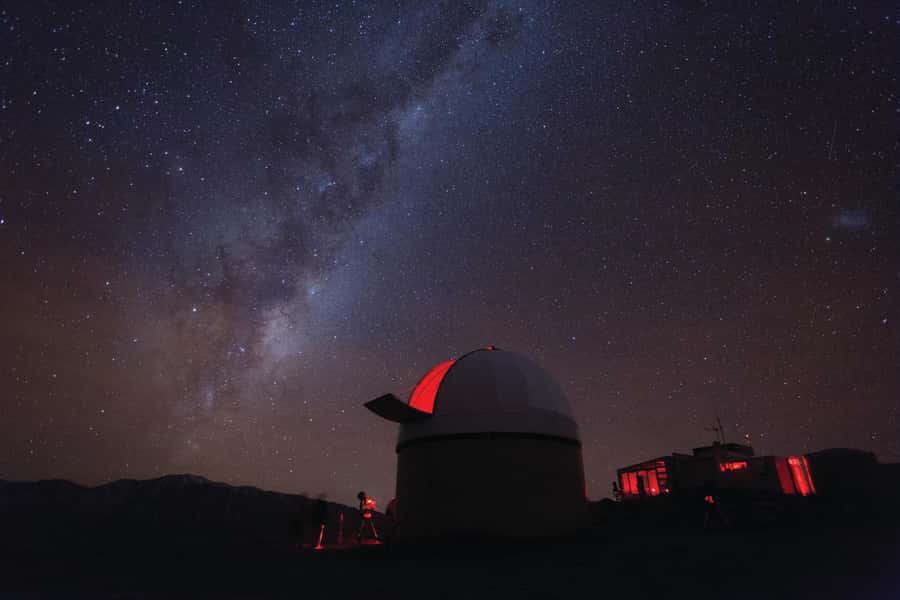
REVIEW · LAKE TEKAPO TOURS
Lake Tekapo: Mountaintop Stargazing at Mount John Summit
Look up, and the night sky takes over. This 105-minute Mount John stargazing tour gives you access to the 1,029-meter summit above Lake Tekapo, far from the lights of town and inside the Aoraki Mackenzie International Dark Sky Reserve. I like the expert astronomy guides, who explain the Southern Hemisphere sky in a clear, friendly way, and I like that return transport and heavy cold-weather jackets are included. The main catch is simple: this is an outdoor activity at altitude, so clouds, wind, moonlight, and cold can shape the evening more than the tour company can.
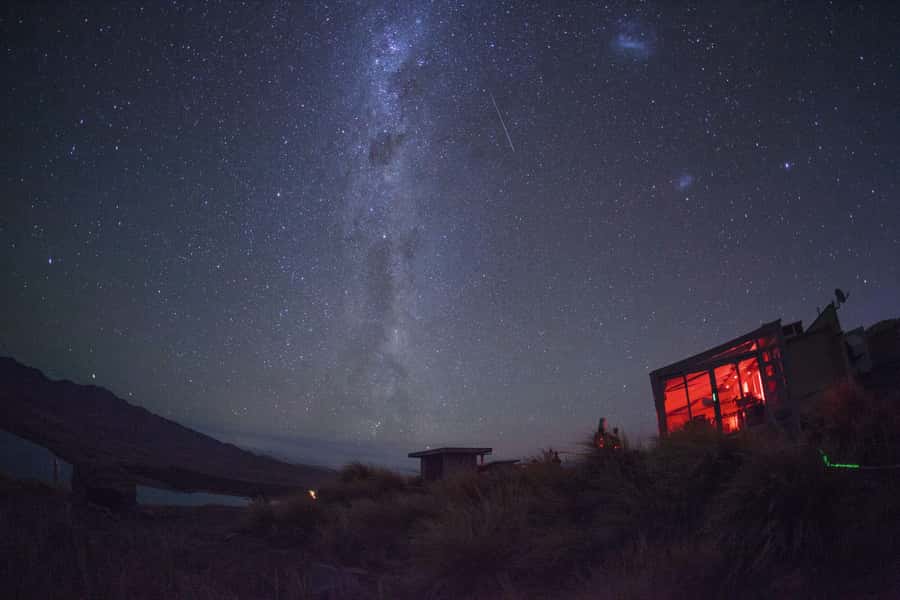
The setting is the real prize. You begin with the naked eye, using handheld lasers to find stars and constellations, then move to high-powered telescopes for a closer look. On a clear night, you may see the Southern Celestial Pole, Alpha Centauri, Jupiter, Mercury, and other objects. On a cloudy night, the company offers an indoor alternative or a full refund, but you should still treat the weather as part of the gamble.
In This Review
- Key points before you book
- Starting at the Dark Sky Project base
- The ride up Mount John
- Learning the Southern Hemisphere sky
- Telescopes and what you may see
- Moon phase, clouds, and the luck factor
- Cold, darkness, and the short walk
- Is NZD $130 good value?
- What makes the guides important
- Who should book Mount John stargazing?
- FAQ
- Where does the Mount John stargazing tour begin?
- How long does the experience last?
- Is transport to Mount John included?
- What should I wear?
- Can children join the tour?
- What happens if the weather is bad?
- Can I use flash photography?
- Should you book it?
Key points before you book
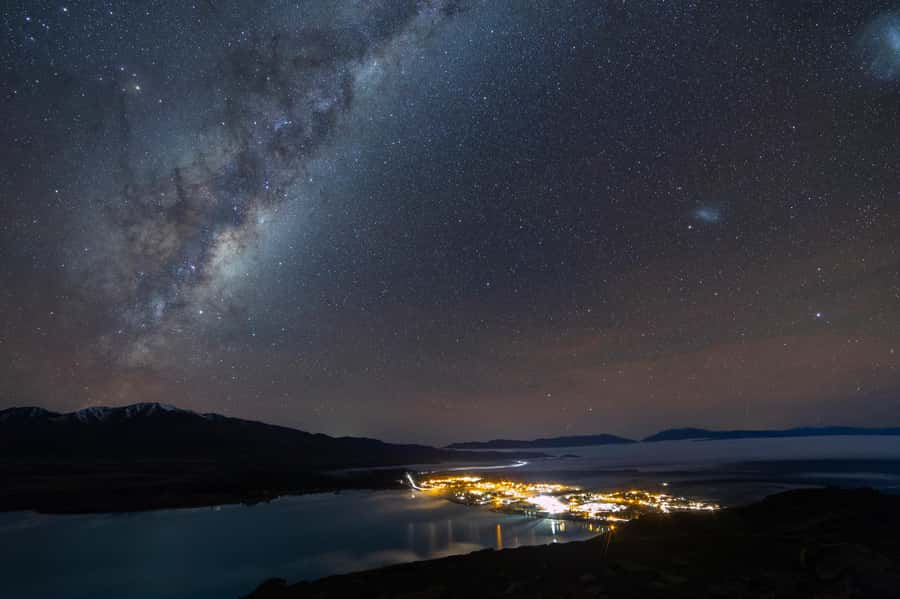
- Summit access: You stargaze at Mount John’s 1,029-meter summit, beside the University of Canterbury research centre.
- Southern sky lessons: Guides explain how to find major stars and celestial markers with the naked eye before using telescopes.
- Warm gear provided: Extreme cold weather jackets are supplied, but you should still wear warm clothing year-round.
- Short mountain transfer: Return transport runs from the Dark Sky Project base at the Takapō lakefront to the summit.
- Clear nights matter: Clouds and wind can cancel the summit trip, while a bright moon can reduce the view of the Milky Way.
- Age and mobility limits: The tour is for ages 10 and older and requires a 100-meter walk up a gravel incline plus a few steps in darkness.
Starting at the Dark Sky Project base
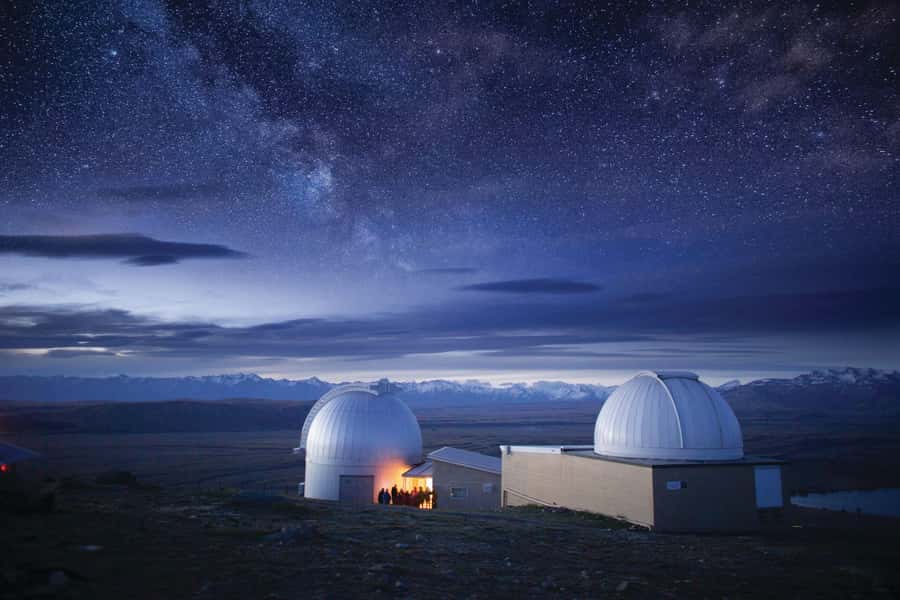
Your evening begins at the Dark Sky Project base beside the Takapō lakefront. Check in at least 20 minutes before departure. That buffer matters because the group needs to gather, receive instructions, and prepare for the trip up Mount John.
The base is also the practical place to sort out your clothing. The company provides an extreme cold weather jacket, which has been especially welcome on clear nights when the temperature drops. Still, do not arrive in light clothes simply because a jacket is included. Wear warm layers, covered shoes, and clothing suited to an exposed mountain summit.
Food and drinks are not listed as part of the tour. One recent evening included hot chocolate on arrival, which sounds like a welcome touch, but you should not count on it as a guaranteed inclusion. Eat beforehand and bring anything you need for the evening within the rules of the activity.
The meeting point is easy to understand, but remember the local spelling: Takapō is also commonly written Tekapo. If you book a departure after midnight, check the date carefully. A late-night start can technically belong to the following calendar day, an easy detail to get wrong when you are tired.
More Lake Tekapo trips:
- Lake Tekapo: Alpine Stargazing Experience with a Guide
★ 4.5 · 626 reviews - Lake Tekapo: Stargazing Experience
★ 4.9 · 607 reviews - From Christchurch: Mount Cook & Lake Tekapo Day Tour & Lunch
★ 4.6 · 405 reviews
The ride up Mount John
The trip to the summit is included, so you do not need to arrange your own transport. The bus ride is short enough to keep the evening focused, but it also adds a little character. One guide jokingly described it as the only nightclub in Tekapo, a good reminder that this is a quiet town with a very different idea of nightlife.
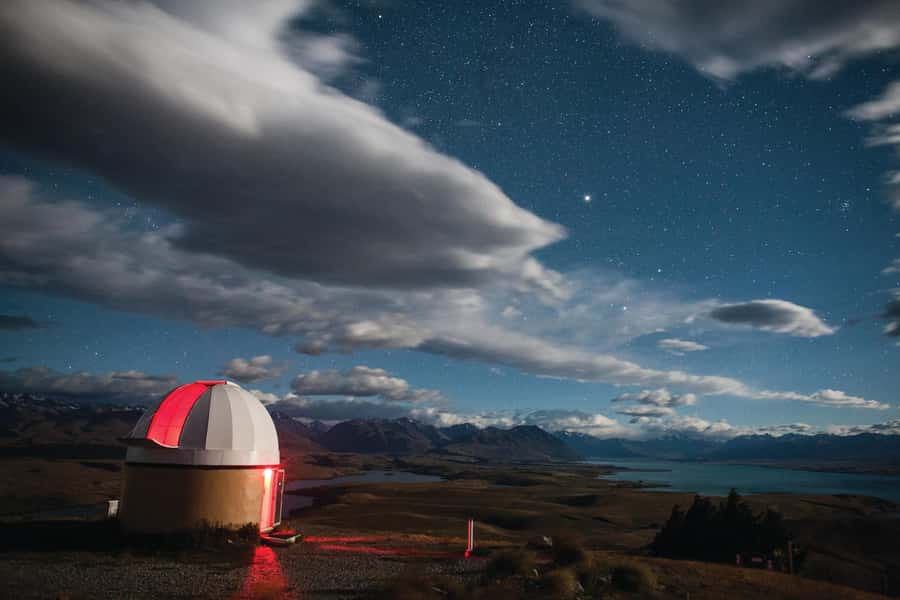
At the top, the change in setting is immediate. You are above the lake and away from the strongest local lights, surrounded by the University of Canterbury research centre. The summit location gives the guides a strong platform for teaching, but it also means you are exposed to the weather. Wind and cloud can arrive quickly, and there is no sheltered café waiting at the top.
The summit is not just a scenic lookout used for a star show. The university connection gives the place a working astronomy feel. You are not simply pointed toward a few famous stars and sent back down. The guides explain how the sky is arranged and help you become less dependent on a phone app or printed chart.
Learning the Southern Hemisphere sky
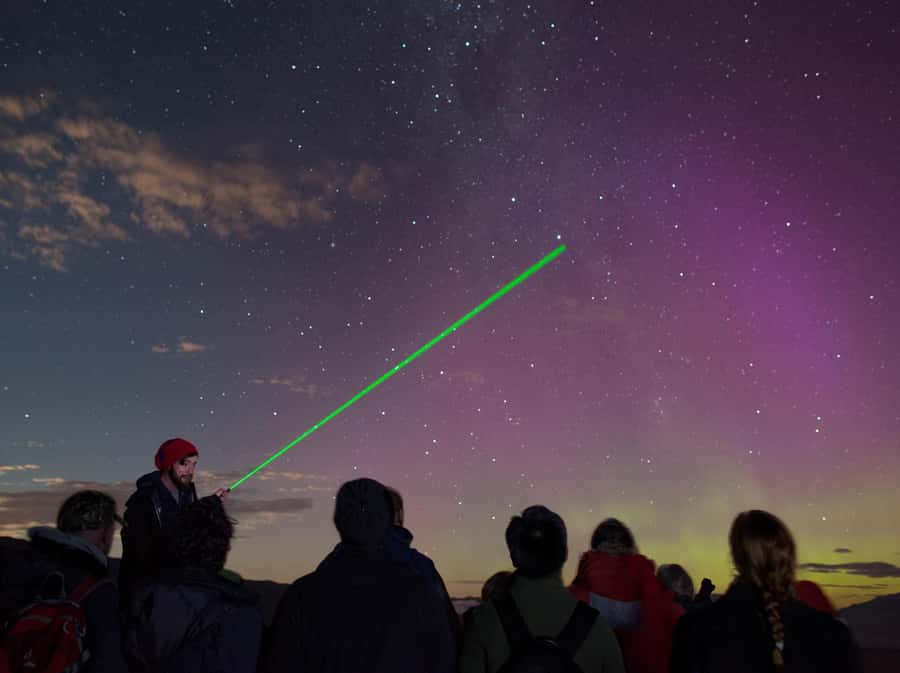
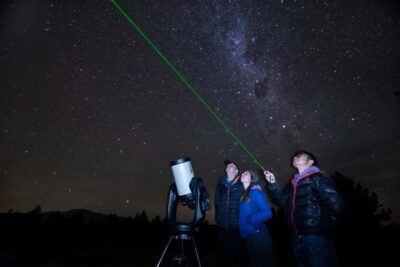
The first proper part of the program uses no telescope at all. Your guide takes you outside and points a handheld laser toward stars and constellations. This is a smart way to begin because the Southern Hemisphere sky can be unfamiliar, even if you already know the Big Dipper or Orion from home.
The aim is to help you find your own way around. You may learn to identify the Southern Celestial Pole, locate Alpha Centauri, and understand how the stars appear to move across the sky. On one clear evening, the guide also pointed out Jupiter and several other objects. Another group managed to see Mercury through a telescope.
This section is often the most useful part for the future. Telescope images are memorable, but learning how to recognize a few key points gives you something to use during the rest of your South Island trip. From a dark campsite, lakeside path, or rural road, you can try finding the same markers again.
The guides are a major part of the experience. They are described as enthusiastic, well-informed, and closely connected with the university research centre. That matters because astronomy can become dry when it is reduced to dates, names, and distances. Here, the explanations are paired with the actual sky above you, which makes the information easier to hold on to.
The tour is available in English, Japanese, and Chinese. For safety, you must speak the language of the tour you choose. This is not a tour where you can join without understanding instructions, especially since you will walk on uneven ground and climb a few steps in the dark.
Telescopes and what you may see
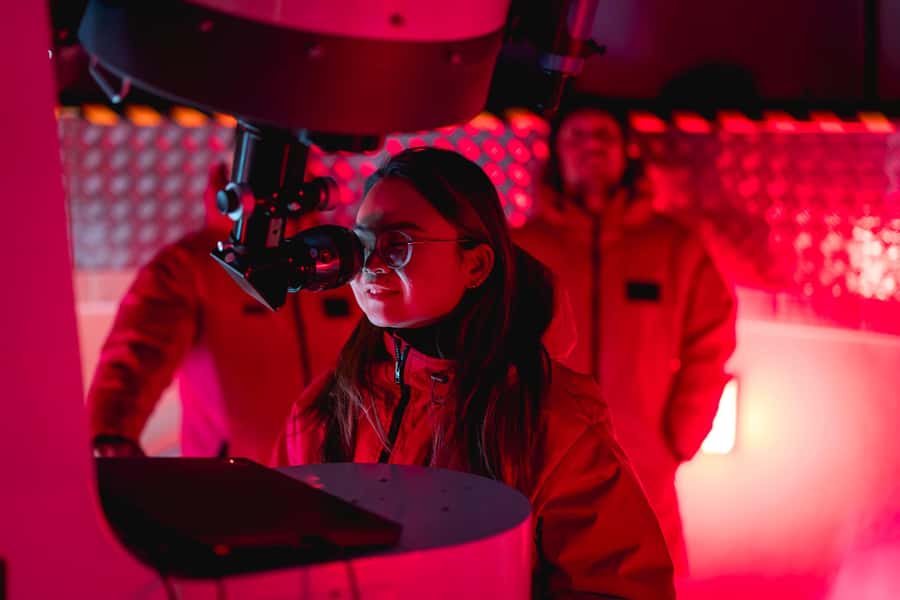
After the naked-eye lesson, the group uses high-powered telescopes to look more closely at selected objects. Every evening will be different because the visible sky changes with the season, time, cloud cover, and moon phase.
On a clear night, the view through the telescope can be the emotional high point. Seeing a planet or star group enlarged, after first locating it overhead, gives the session a satisfying sense of progress. You are not looking at a random image. You know where the object is and why it matters.
Keep your expectations sensible. A telescope does not turn every planet into a giant, detailed picture. One person felt the telescope showed stars only slightly larger than they appeared to the naked eye and expected a larger instrument. That is a fair warning if you imagine an observatory-style view with dramatic color and fine detail.
The strongest value comes from the combination of teaching, location, and equipment. If you want a very large telescope or a technical observatory session focused on advanced astrophysics, this may feel modest for the price. If you want to learn the sky and see selected objects from a superb dark-sky site, it makes more sense.
More stargazing nights in Lake Tekapo:
- Chameleon Stargazing Shared Tour
★ 5.0 · 181 reviews - Lake Tekapo: Stargazing Experience at Cowan’s Observatory
★ 4.7 · 52 reviews - Lake Tekapo: 1.5-Hour Hot Pools & Stargazing Experience
★ 4.0 · 45 reviews - Lake Tekapo: Ultimate Stargazing Experience
★ 4.3 · 12 reviews
Moon phase, clouds, and the luck factor
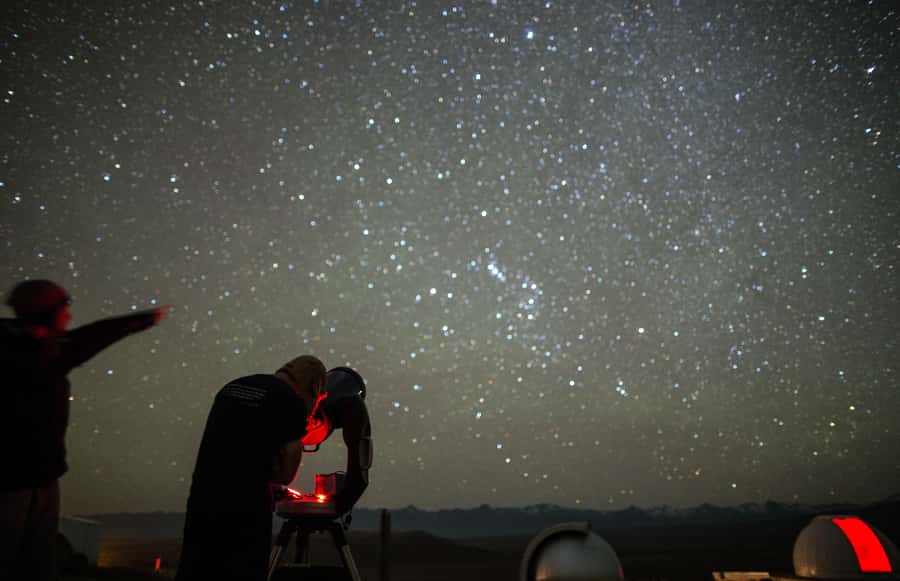
Stargazing always involves some luck, and Mount John is no exception. Clear skies give you the best chance of seeing the Milky Way and a broad field of stars. Clouds can block the view altogether, while wind can prevent the group from safely going to the summit.
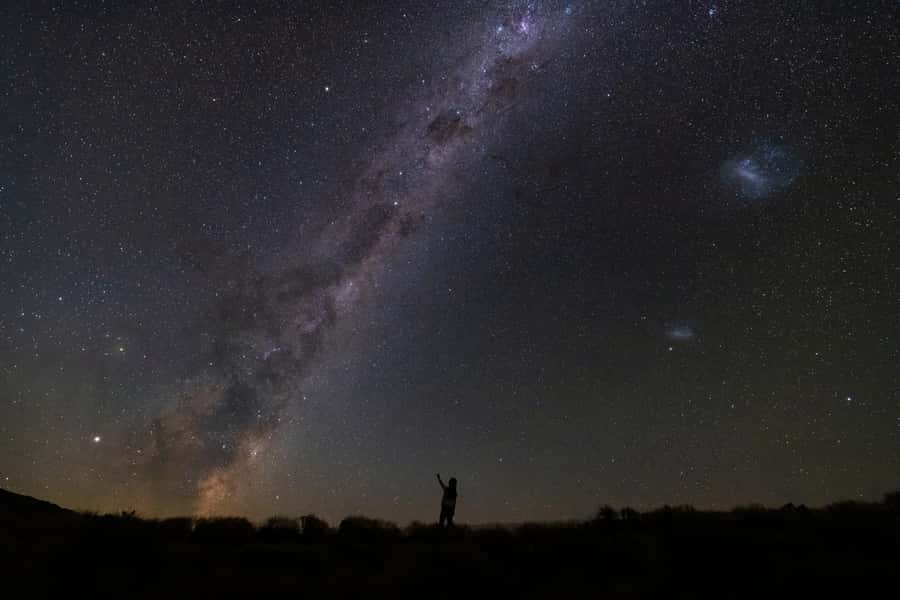
The moon deserves special attention. A bright moon is beautiful through a telescope, but it can wash out faint stars and make the Milky Way harder to see. One visitor found that the moon looked lovely through the telescope but made the wider sky too bright for the best Milky Way view.
If you can choose your date, aim for a night near the new moon. That does not guarantee clear weather, but it improves the darkness. If you have flexibility in your schedule, keep the next evening open as a backup. One participant rescheduled after poor weather and had a far better night with less wind and no cloud.
The company can cancel the summit trip in bad weather. In that case, you are offered an indoor alternative or a full refund. This policy softens the risk, but it does not remove the disappointment of missing the mountain. I would avoid booking this as your only possible evening activity in Tekapo if the forecast looks poor.
Cold, darkness, and the short walk
The summit is cold even when the day felt mild beside the lake. The supplied jacket helps, but wear warm layers underneath it. A hat and gloves are sensible choices, and you should not assume summer means warm conditions after dark.
You will need to walk about 100 meters up a gravel incline and climb a couple of steps in the dark. The activity requires a minimal level of fitness and confidence on uneven ground. It is not suitable for people with mobility impairments, and children must be at least 10 years old.
The darkness is part of the point, but it changes how you move. A small lanyard torch may be provided, and you should follow the guide’s instructions rather than wander off to find a better photo. Flash photography is not allowed because it disrupts night vision and can spoil the viewing for everyone nearby.
Photography is tricky here. A phone camera may capture a few stars, but it will not recreate what your eyes see. One person managed only four seconds of a 30-minute time-lapse, which is a useful warning for anyone planning to film the whole sky. Put the phone away for much of the session and let your eyes adjust.
Is NZD $130 good value?
The stated price is $130 per person. For that amount, you receive the 105-minute summit session, return transport, an astronomy guide, access to the summit, telescope viewing, and a cold-weather jacket.
That is a fair package if the night is clear and you care about the teaching. The summit location is not something you can replicate simply by walking beside Lake Tekapo, and the guide’s explanation gives the evening more purpose than a self-guided look at the stars.
The value is less certain if you judge the tour mainly by telescope size or by the number of objects viewed. A recent price comment cited NZD $209, so confirm the current rate before paying. Prices can change, and the difference between $130 and more than $200 would noticeably affect my judgment.
I would also price in the weather risk. You may pay for a summit visit and end up with an indoor alternative, even though the refund option is helpful. This is not a fault in the tour, but it is a reason to leave room in your schedule and check the forecast close to departure.
For families, couples, and adults who enjoy science, the tour offers more than a pretty view. Children under 10 cannot join, so families with younger children will need another plan. People who prefer a warm indoor evening or who dislike standing outside in the cold may find the cost harder to justify.
What makes the guides important
The guides receive the strongest praise for good reason. They explain the sky with energy, answer questions, and help you find objects rather than simply naming them. Oscar was singled out for his enthusiasm, while other guides were praised for making the session clear, engaging, and fun.
A university connection adds credibility, but the real benefit is practical. The guide can adjust the lesson to the conditions and point out what is actually visible that night. You may arrive hoping to see one planet and end up learning about a different group of stars because the sky has changed.
I like that the program begins with basic orientation. You do not need to know astronomy before arriving. At the same time, people who already enjoy stargazing should still find useful detail in the Southern Hemisphere focus.
Who should book Mount John stargazing?
I would choose this tour if you want a guided introduction to the southern night sky, especially if you are visiting from the Northern Hemisphere. The laser lesson, summit setting, and telescope work together well.
It also suits anyone who wants a special evening in Tekapo that feels tied to the place. The Dark Sky Reserve is not just a label here. The experience asks you to notice how much more the sky reveals when artificial light is kept low.
I would hesitate if you need guaranteed views, dislike cold conditions, or expect huge, highly detailed telescope images. I would also think twice if your only available date has a bright moon and a poor weather forecast.
Book early enough to get a preferred time, but keep your plans flexible if you can. Check the moon phase, watch the forecast, eat before you go, and dress warmly. Those small choices can make the difference between merely attending and having a memorable night.
FAQ
Where does the Mount John stargazing tour begin?
You check in at the Dark Sky Project base beside the Takapō, also known as Tekapo, lakefront. Arrive at least 20 minutes before departure.
How long does the experience last?
The tour lasts 105 minutes, or 1 hour and 45 minutes.
Is transport to Mount John included?
Yes. Return transport from the Dark Sky Project base to the summit of Mount John is included.
What should I wear?
Wear warm, weather-appropriate clothing year-round. An extreme cold weather jacket is provided at check-in, but you should still bring warm layers.
Can children join the tour?
Children must be at least 10 years old. The tour is not suitable for children under 10.
What happens if the weather is bad?
The summit tour can be cancelled in poor weather. An indoor alternative is offered, or you can receive a full refund.
Can I use flash photography?
No. Flash photography is not allowed during the experience.
Should you book it?
Book Mount John Summit Stargazing if you want expert help finding the Southern Hemisphere stars and you can accept the weather risk. The best parts are the summit access, the dark setting, and the guides who turn a cold wait beneath the sky into a proper lesson.
For the best chance of seeing the Milky Way, choose a date near the new moon and keep one backup evening available. If clear skies arrive, the combination of Mount John, the university setting, and the wide southern sky can become one of the most memorable nights of a South Island visit.
Just added in Lake Tekapo
- Christchurch to Queenstown via Lake Tekapo and Mt Cook (1 way)★ 4.5 · 60 reviews
- Private Mt Cook Day Tour From Christchurch via Lake Tekapo★ 4.5 · 5 reviews
- Mt Cook & Tekapo Day Tour from Christchurch (lunch included)★ 5.0 · 145 reviews
- Mt. Cook Private Day Tour from Christchurch via Lake Tekapo★ 5.0 · 1 review
- Mt. Cook Full Day Private Tour via Tekapo from Christchurch★ 5.0 · 7 reviews
- Christchurch to Mt Cook via Tekapo (1 way) (Small Group)★ 4.5 · 8 reviews
- Lake tekapo & Mt. Cook Private tour from Christchurch★ 5.0 · 1 review
- Mt. Cook Full Day Group Tour via Tekapo from Christchurch★ 4.5 · 10 reviews
Lake Tekapo Tours, compared.
Mount Cook, Lake Tekapo and Tasman Glacier Tour from Christchurch
Read our review →
Tekapo Shuttle: Mt Cook Day Tour via Pukaki & Tasman Lake
Read our review →
Mount Cook & Lake Tekapo Day Tour from Christchurch with Lunch
Read our review →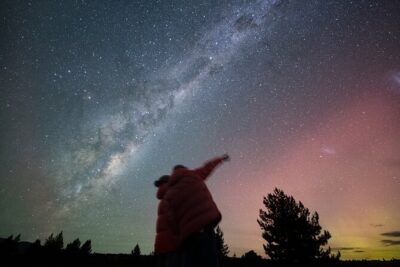
Browse the lists this tour appears in