
REVIEW · ROTORUA TOURS
Mountain Jade Highlights Tour
Jade tells a story in Rotorua. At Mountain Jade, you get a close look at New Zealand pounamu, learn why it matters to Māori culture, and watch local artists shape the stone by hand. I especially like the live carving demonstration and the chance to choose and string a piece of pounamu into a necklace. It turns a quick workshop visit into a personal keepsake.
The tour costs $27.93 per person and lasts about 40 minutes, though some visits may run a little longer. That is fair value for a guided cultural introduction and a piece of jade to take home. The main drawback is that you do not carve the stone yourself, and seating is limited, so standing for much of the visit may be difficult for some people.
In This Review
- Key points to know before you go
- Entering Mountain Jade in Rotorua
- Why pounamu matters beyond its green color
- Watching the artists shape the stone
- Choosing your own piece of New Zealand pounamu
- The gallery and optional shopping
- Is $27.93 good value?
- Timing, comfort, and practical planning
- Who will enjoy this Rotorua activity?
- Should you book the Mountain Jade Highlights Tour?
- FAQ
- How long does the Mountain Jade Highlights Tour last?
- What time does the tour start?
- What does the ticket cost?
- Is a piece of jade included?
- Do children aged 0 to 2 receive a piece of pounamu?
- Do I get to carve my own jade?
- Can I see artists working in the studio?
- Is shopping required after the tour?
- Is the tour suitable for people with limited ability to stand?
- Can I cancel for a refund?
Key points to know before you go
- You watch real jade carving: Local artists demonstrate the careful process by hand in the working studio.
- You learn the meaning of pounamu: The guide explains its importance to Māori people, along with traditional uses, values, and designs.
- You make a simple necklace: You select a piece of New Zealand pounamu and string it to take home.
- The visit is compact: Allow around 40 minutes, making it easy to fit into a busy Rotorua day.
- Shopping is optional: You can browse the jade gallery after the guided portion, with no pressure to buy.
- Expect limited seating: Most of the tour involves standing, so plan accordingly.
Entering Mountain Jade in Rotorua
The tour begins at Mountain Jade with a guided introduction to the stone, the studio, and the gallery. This is not simply a shop visit with a quick talk added on. The focus is on showing you how pounamu connects geology, Māori culture, design, and skilled handwork.
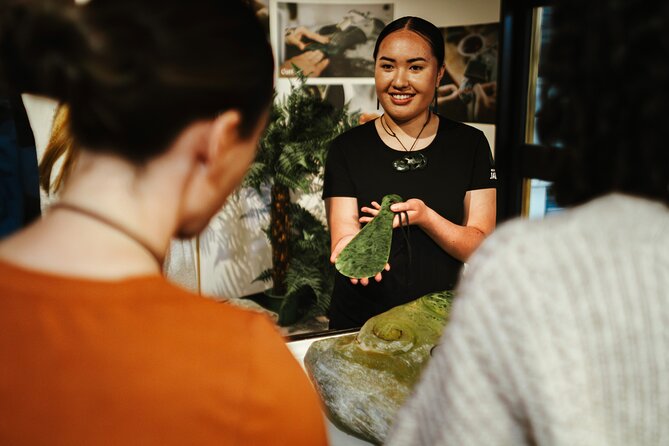
Your guide leads the first part of the visit and sets out the basics: what jade is, how different types look, and why the stone carries such weight in New Zealand culture. You will hear about traditional uses and values, as well as the meanings attached to different forms and designs.
The small-group feel can make this part especially useful. A group of four, for example, allows plenty of room for questions. The guide can explain a detail again, compare different stones, or answer questions about the objects in the gallery without turning the visit into a rushed speech.
I would pay attention to the questions you have before arriving. Ask about color, markings, carving methods, Māori customs, or the difference between traditional and contemporary designs. The guide and artists are used to explaining their work, and the question-and-answer time is one of the strongest parts of the visit.
A few more to weigh up in Rotorua
- Rotorua Canopy Tours: 2.5Hour Native Forest Zipline Adventure
★ 5.0 · 4,563 reviews - Mitai Maori Village: Cultural Experience and Dinner Buffet
★ 4.7 · 3,575 reviews - Rotorua: Wai-O-Tapu Geothermal Park Entry Ticket
★ 4.6 · 2,601 reviews
Why pounamu matters beyond its green color
Many people first notice pounamu because of its appearance. The polished stone can show several shades and patterns, and even small pieces have a distinct feel. But the central lesson here is that pounamu is not just attractive material for jewelry.
The guide explains its cultural significance for Māori people and discusses the stone’s traditional uses. You may also hear about weapons and other important objects, which helps place jade within a wider cultural setting rather than treating it as a simple souvenir.
That context changes the way you look at the display cases. A pendant is no longer just a green ornament. Its shape, polish, and design can carry meaning, and the person who wears it may value it as a personal or cultural symbol.
The tour also covers traditional and contemporary designs. This is useful because it shows how the craft continues to develop. You see the old values of the material alongside modern jewelry and artistic work. The result is a more balanced picture than a presentation focused only on ancient customs or only on retail products.
You should not expect a long academic lecture. The tour is short, clear, and aimed at people who want a meaningful introduction during a Rotorua visit. That makes it accessible, though anyone seeking a full museum-style study of Māori art will probably find the 40-minute format too brief.
Watching the artists shape the stone
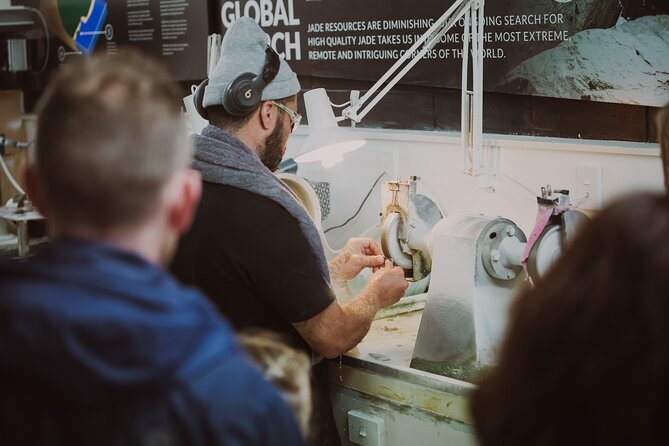
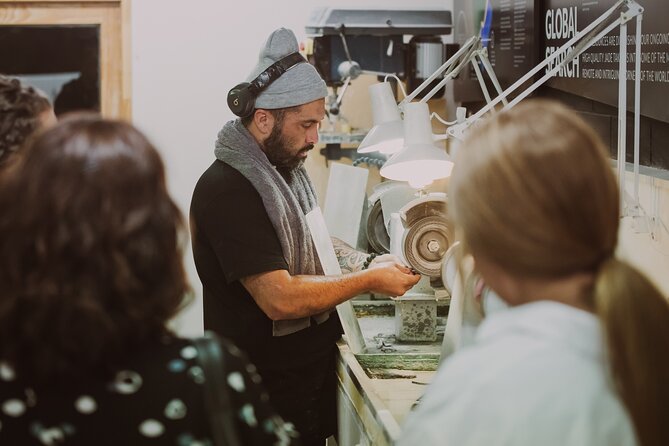
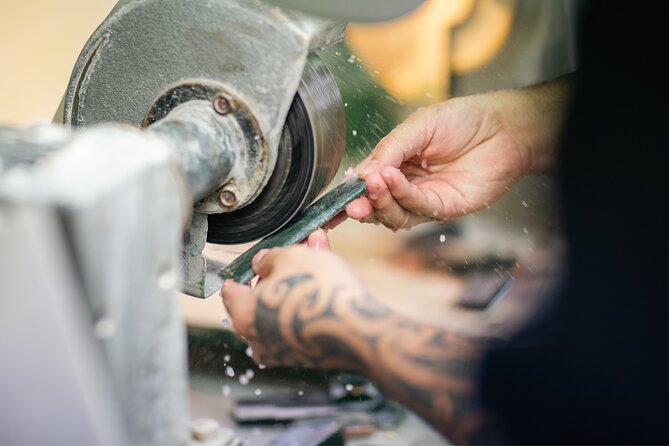
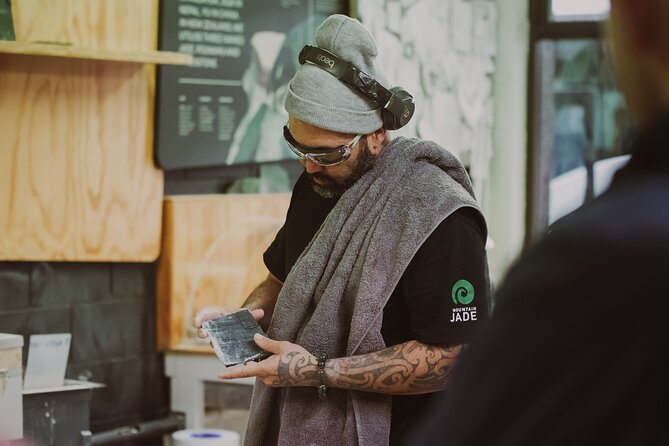
After the opening talk, you go into the studio to see the artists at work. This is the part that gives the tour its energy. Instead of only looking at finished pieces, you see the tools, sounds, and steady pace of jade carving.
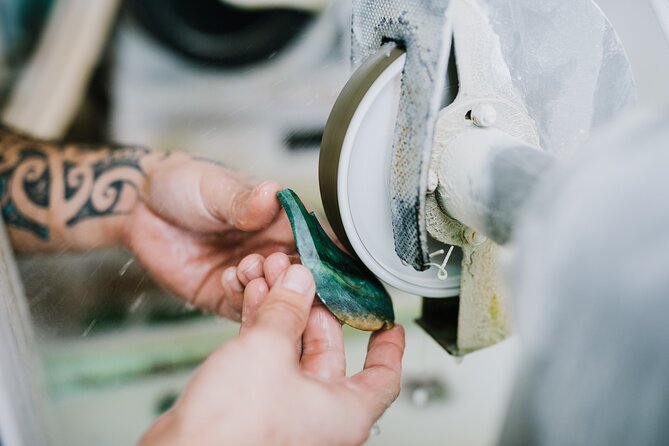
Pounamu does not reveal its final form quickly. The artist must work carefully, paying attention to the shape and quality of the stone. A small mistake can affect the finished piece, so the process rewards patience rather than speed.
The live demonstration helps you understand the skill behind the jewelry in the gallery. A polished pendant may look simple until you watch an artist transform rough material into a smooth, shaped object. The work is precise, physical, and slow enough to make you appreciate the time involved.
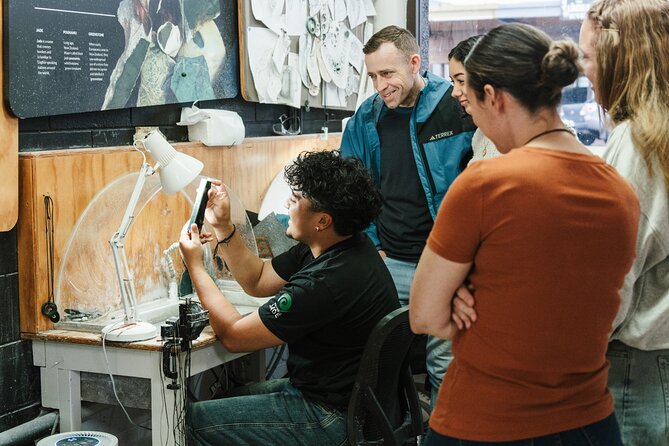
The artists also add a personal side to the visit. You have the opportunity to speak with them, ask questions, and hear about their work. The carvers are described as approachable and confident when explaining the craft, which matters because visitors often want more than a silent demonstration.
One artist named Ariana has been singled out for the strength and beauty of her artwork. If she is working during your visit, you may have the chance to see her style firsthand, but specific artists cannot be guaranteed at every start time.
There is an important limit here: you do not carve your own pounamu. The hands-on part comes later, when you select and string a prepared piece. If you booked this expecting to use carving tools, adjust your expectations before you arrive.
Choosing your own piece of New Zealand pounamu
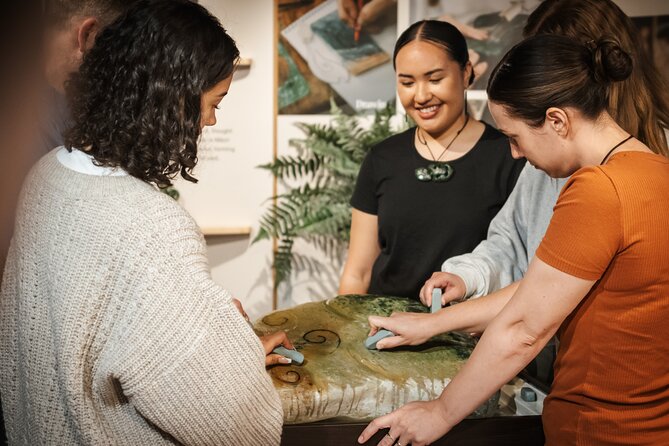
The final part of the tour is the simplest and most personal. You choose a piece of New Zealand pounamu and string it into a necklace to take home.
There are several reasons this small activity works well. First, you do not leave with a generic souvenir chosen for you. You look at the available pieces and select one that appeals to you. Different colors, shapes, and markings give the choice a personal feel.
Second, the necklace links the cultural lesson to something you can keep. After hearing about the stone’s meaning and watching it being worked, you are holding a small piece of the subject you have just learned about.
Take your time with the choice. Look closely at the shape and natural markings instead of grabbing the first piece available. You might find that a less polished or less uniform piece has more character. The act of choosing is part of the memory, not just a quick add-on at the end.
This is also a thoughtful option if you want a small gift. The piece can be worn, displayed, or given to someone else. An infant ticket is free for children aged 0 to 2, but it does not include a piece of pounamu, so families should keep that distinction in mind.
The activity is not difficult, but it is not a full craft workshop. You will string the stone rather than shape it. That makes it suitable for visitors who want a personal souvenir without committing to a long class.
A completely different sort of day out:
- Rotorua’s Ultimate Zipline: 6 ziplines, 400 m Tandem, Cliff Walk
★ 5.0 · 2,557 reviews - Rotorua Rafting: Kaituna River White Water Rafting & Free Sauna
★ 5.0 · 1,952 reviews - Cultural Experience & Seasonal Māori Cuisine at Te Pā Tū
★ 5.0 · 1,546 reviews - Mitai Maori Village Cultural Experience in Rotorua
★ 4.5 · 1,294 reviews
The gallery and optional shopping
The guided visit includes the highlights of the jade gallery. You can see finished jewelry, carved objects, and examples of the artistic range possible with pounamu.
The gallery helps you compare the raw or partly worked material with completed pieces. It also gives you a clearer idea of the difference between a simple keepsake and a more elaborate work of art.
After the tour, you are free to browse the store. This is worth knowing if you are watching your budget. The tour price includes a piece of pounamu, but the shop contains additional pieces that cost extra. You do not need to buy anything else to receive the included keepsake.
The absence of sales pressure improves the visit. You can look at the higher-priced work, ask questions, and leave with only the necklace included in your ticket. For many people, that is a better way to shop for cultural objects than being pushed into a purchase.
If you do want to buy something, use the earlier explanation about designs and meanings to guide your choice. Ask what a shape represents and where the stone comes from if that information matters to you. The tour gives you a better basis for choosing than a quick stop at a souvenir counter.
Is $27.93 good value?
At $27.93 per person, the value depends on what you want from Rotorua. If your main goal is a long practical workshop, this will feel short and limited. You watch the artists rather than carving the stone, and the entire visit usually takes less than an hour.
For a compact cultural activity, the price is more convincing. You receive a guided explanation, access to the working studio, a live demonstration, time with artists, a gallery visit, and a piece of pounamu to string and keep.
The included necklace is not the only thing you are paying for. The guide helps explain why the material matters, and the artists show the labor behind the finished objects. That combination gives the souvenir more meaning than a purchase made without context.
The short length also helps with scheduling. You can begin at 10:00 a.m. and still have most of the day available for Rotorua’s other activities. If rain interrupts an outdoor plan, or you want a quieter cultural stop between larger attractions, the time commitment is manageable.
The value is strongest for art lovers, families with older children, first-time visitors to New Zealand, and anyone looking for a small but thoughtful memento. It is less suited to someone who wants an extended craft session or a full day focused on Māori art.
Timing, comfort, and practical planning
The listed start time is 10:00 a.m. The tour itself lasts around 30 to 40 minutes, but I would allow the full 40 minutes so you are not rushing to another booking.
Mountain Jade is near public transportation, and a mobile ticket is accepted. Confirmation arrives when you book, which makes the visit easy to add to a Rotorua schedule.
Most people can take part, and service animals are allowed. The main comfort issue is standing. Seating is limited, so the tour is not recommended for anyone who cannot stand for about 40 minutes.
Wear comfortable shoes and avoid planning a tight connection immediately afterward. The official duration is short, but a few visits have lasted just under an hour, especially when questions and the demonstration run long.
The free cancellation rule is straightforward: cancel at least 24 hours before the local start time for a full refund. Cancellations or changes made less than 24 hours ahead are not refunded or accepted.
Who will enjoy this Rotorua activity?
I would recommend Mountain Jade to you if you enjoy craftsmanship, small museums, cultural learning, or locally made objects. It is particularly good for someone who wants a souvenir with a story attached.
Families can also find plenty to like here, especially if children are curious about tools, stone, and making things by hand. The short format helps hold attention, though young children may not receive the included pounamu piece unless they have a regular ticket.
This is a good first activity in Rotorua because it provides cultural and historical context before you visit other places in the region. It gives you useful background without taking up half a day.
You may want to skip it if you strongly prefer hands-on work. The tour lets you string a necklace, but the carving remains in the hands of the studio artists. You should also choose another activity if standing for much of the visit will be uncomfortable.
The 4.9 rating from 31 reviews and the 100 percent recommendation rate suggest a very consistent experience, especially for the guide’s clear explanations, the artists’ skill, and the included keepsake. I would still judge it by the format: short, guided, cultural, and craft-focused.
Should you book the Mountain Jade Highlights Tour?
Book it if you want a short cultural experience with a real object to take home. The best parts are the clear explanation of pounamu, the chance to watch artists carve it, and the final choice of your own necklace piece.
I would place it high on a Rotorua list for art lovers, first-time visitors, and anyone who wants more meaning behind a New Zealand souvenir. Just remember that you are observing the carving, not doing it yourself, and that much of the visit takes place on your feet.
At $27.93, the package is well priced for a guided 40-minute visit that includes a pounamu keepsake. It will not replace a longer workshop or museum visit, but it offers a friendly, focused look at an important New Zealand craft without demanding much of your day.
FAQ
How long does the Mountain Jade Highlights Tour last?
Allow about 40 minutes. The guided portion is described as lasting around 30 minutes, though some visits may run just under an hour.
What time does the tour start?
The stated start time is 10:00 a.m.
What does the ticket cost?
The price is $27.93 per person.
Is a piece of jade included?
Yes. You choose a piece of New Zealand pounamu and string it into a necklace to take home.
Do children aged 0 to 2 receive a piece of pounamu?
No. Infant tickets are free, but they do not include a piece of pounamu.
Do I get to carve my own jade?
No. You watch the studio artists carve the stone. The hands-on activity is choosing and stringing a prepared piece of pounamu.
Can I see artists working in the studio?
Yes. The tour includes time in the studio, where you can watch a live jade carving demonstration and speak with the artists.
Is shopping required after the tour?
No. You can browse the gallery and store, but buying additional items is optional and there is no pressure to purchase.
Is the tour suitable for people with limited ability to stand?
The tour is not recommended for people who cannot stand for about 40 minutes because seating is limited.
Can I cancel for a refund?
Yes. You can receive a full refund if you cancel at least 24 hours before the experience start time. Cancellations or changes made less than 24 hours before the start are not accepted or refunded.
Just added in Rotorua
- From Rotorua: Whirinaki Rainforest Guided Cultural Tour★ 5.0 · 6 reviews
- Whakarewarewa: Self-Guided Geothermal Trails★ 4.5 · 41 reviews
- Rotorua: Waimangu Volcanic Valley Entry Ticket★ 4.8 · 129 reviews
- Rotorua Sledging White Water Sledging | Kaitiaki Adventures★ 5.0 · 90 reviews
- Wonderworld Rotorua – New Zealand’s leading maze park★ 5.0 · 11 reviews
- White Island & Mount Tarawera Floatplane Adventure★ 5.0 · 8 reviews
- Whirinaki Forest Footsteps: Māori Guided Tour, Picnic & Transfer★ 5.0 · 5 reviews
- Rotorua to Auckland Afternoon Transfer with Waitomo Glow Worms★ 4.5 · 22 reviews
Rotorua Tours, compared.

Rotorua Canopy Tours: 2.5Hour Native Forest Zipline Adventure
Read our review →
Mitai Maori Village: Cultural Experience and Dinner Buffet
Read our review →

Rotorua’s Ultimate Zipline: 6 ziplines, 400 m Tandem, Cliff Walk
Read our review →
Rotorua Rafting: Kaituna River White Water Rafting & Free Sauna
Read our review →
Cultural Experience & Seasonal Māori Cuisine at Te Pā Tū
Read our review →
Mitai Maori Village Cultural Experience in Rotorua
Read our review →
Rafting Rotorua: Kaituna River White Water Experience
Read our review →Browse the lists this tour appears in