
REVIEW · ROTORUA TOURS
Rotorua: Floatplane Flight with Orakei Korako Landing
Rotorua looks different from above. This two-hour floatplane trip links wide lake views with the scarred craters of Mount Tarawera, then lands on the Waikato River for a one-hour walk through Orakei Korako. I like the small six-person cabin, which keeps the flight personal, and the river landing is a wonderfully unusual way to arrive at a geothermal park. The main consideration is comfort: the plane is compact, the ride can be bumpy, and you need to be reasonably flexible getting in and out.
I also like how much ground you cover without spending a full day on the road. You see Rotorua’s lakes, forest, farms, volcanoes, and several major thermal areas in one sweep. Pilot Ben received special praise for his relaxed, friendly commentary and confident handling, though weather can affect the views and you should dress for an outdoor walk rather than treating this as only a scenic flight.
In This Review
- Key points to know before you book
- Why this floatplane trip is different
- Taking off from Lake Rotorua
- Mount Tarawera and the scar of 1886
- Waimangu, Frying Pan Lake, and Inferno Crater
- Wai-O-Tapu from the air
- The unusual approach to Orakei Korako
- One hour walking through Orakei Korako
- A short café stop before the return flight
- The return over farms and mountains
- Is $505 per person good value?
- Who should book, and who should think twice?
- Final verdict: book it for the river landing
- FAQ
- How long does the floatplane experience last?
- Where does the flight begin and end?
- How many people can join the flight?
- Is the Orakei Korako entrance included?
- How much time do I have at Orakei Korako?
- What can I see at Orakei Korako?
- Are food and drinks included?
- What should I bring?
Key points to know before you book
- River landing at Orakei Korako: The floatplane glides along the Waikato River before docking, making the arrival part of the attraction.
- Mount Tarawera from the air: The 17-kilometer volcanic rift and its colorful craters are easier to understand from above.
- One hour on foot: You have time to see hot springs, geysers, mud pools, a thermal cave, and large silica terraces at your own pace.
- Six seats only: The intimate aircraft gives you a close view, but the cabin is compact and requires some agility.
- Several famous geothermal sites in one flight: You pass over Waimangu Volcanic Valley, Frying Pan Lake, Inferno Crater, Wai-O-Tapu, Artist’s Palette, and Champagne Pool.
- $505 per person: The price is high, but it covers the flight, river landing, and Orakei Korako admission, with no long coach transfer between sights.
Why this floatplane trip is different
Rotorua is famous for steam, colored pools, volcanic peaks, and lakes. You can visit those places from the ground, but the scale is harder to grasp when you are following a path or sitting in a vehicle. From a floatplane, the connections become clear: the lakes sit among forest and farmland, volcanic scars cut across the hills, and the thermal areas appear as concentrated pockets of heat and color.
This is not simply a flight with a quick photo stop. The Orakei Korako landing gives the trip a proper destination. You fly out from Lake Rotorua, see a broad sweep of the central North Island, spend an hour walking through a geothermal park, then return by air.
The six-person limit matters. A small cabin means less crowding at the windows and a more direct exchange with the pilot. You should not expect airline-style space. One passenger described the aircraft as having six small bucket seats and noted that getting in and out requires flexibility. That is a fair warning, not a deal breaker for most able-bodied people.
A few more to weigh up in Rotorua
- Rotorua Canopy Tours: 2.5Hour Native Forest Zipline Adventure
★ 5.0 · 4,563 reviews - Mitai Maori Village: Cultural Experience and Dinner Buffet
★ 4.7 · 3,575 reviews - Rotorua: Wai-O-Tapu Geothermal Park Entry Ticket
★ 4.6 · 2,601 reviews
Taking off from Lake Rotorua
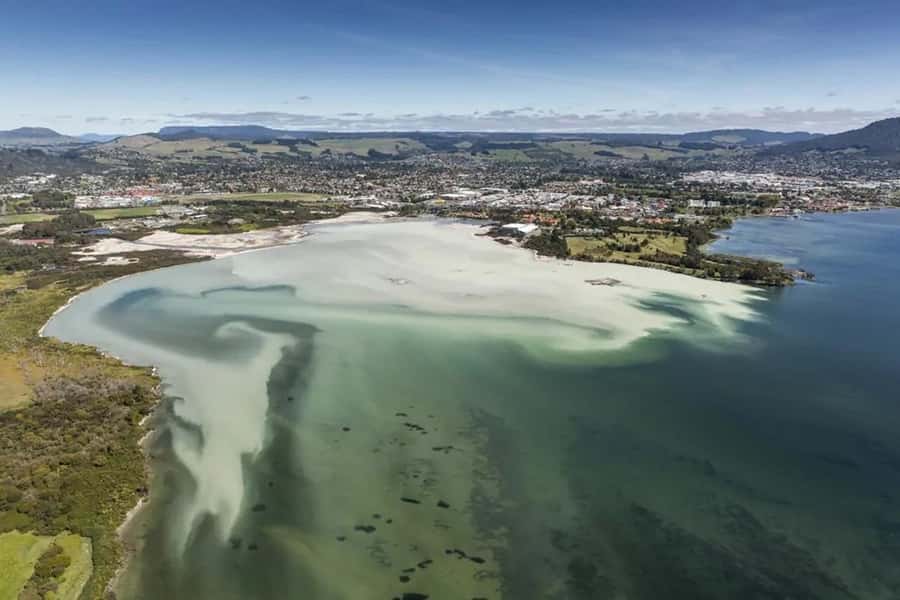
The flight begins at Volcanic Air’s Lake Rotorua base. Once airborne, you look back toward Rotorua city, Mokoia Island, and Sulfur Bay. The first minutes help you get your bearings, because the famous lake district can seem like a jumble of water and hills from street level.
Try counting the lakes as the aircraft moves across the district. The full view includes forest and rolling farmland, not just volcanic features. That variety is part of the appeal: Rotorua is not one giant thermal field. It is a living region where pasture, native bush, lakes, and active volcanic ground sit close together.
The short lake section is also a useful reminder that this is a working floatplane, not a sightseeing helicopter with a large glass cabin. Views depend on your seat and the turn of the aircraft. You should be ready to look in every direction rather than waiting for one fixed viewing side.
Mount Tarawera and the scar of 1886
The flight then heads toward Mount Tarawera, a dormant volcano with a powerful place in Rotorua’s story. Its eruption in 1886 tore open a 17-kilometer rift and changed the region forever. From the air, the long line of craters makes more sense than it does from a road or lookout.
The craters have different tones and shapes, with deep hollows and colored ground showing the force of the eruption. The view is not polished or tidy. That is exactly why it works. You are looking at volcanic damage on a huge scale, softened now by time, water, and plant growth.
The flight also passes over the area where the Pink and White Terraces once drew visitors from around the world. Those terraces were later covered by volcanic activity and lakes. Seeing the wider area from above gives you a better sense of how much has changed, and how unstable this part of the island remains.
Your pilot’s commentary can make a real difference here. Ben was praised for explaining the geology and geography in a calm, enthusiastic way without turning the flight into a lecture. You will get more from the view if you listen, then look down and match the explanation to the land below.
Waimangu, Frying Pan Lake, and Inferno Crater
Next comes Waimangu Volcanic Valley, described as the youngest geothermal park on Earth. The flight passes above its major features, including Frying Pan Lake and Inferno Crater. From ground level, you experience these places through paths, steam, and close-up details. From the plane, you see how the thermal activity runs through the valley.
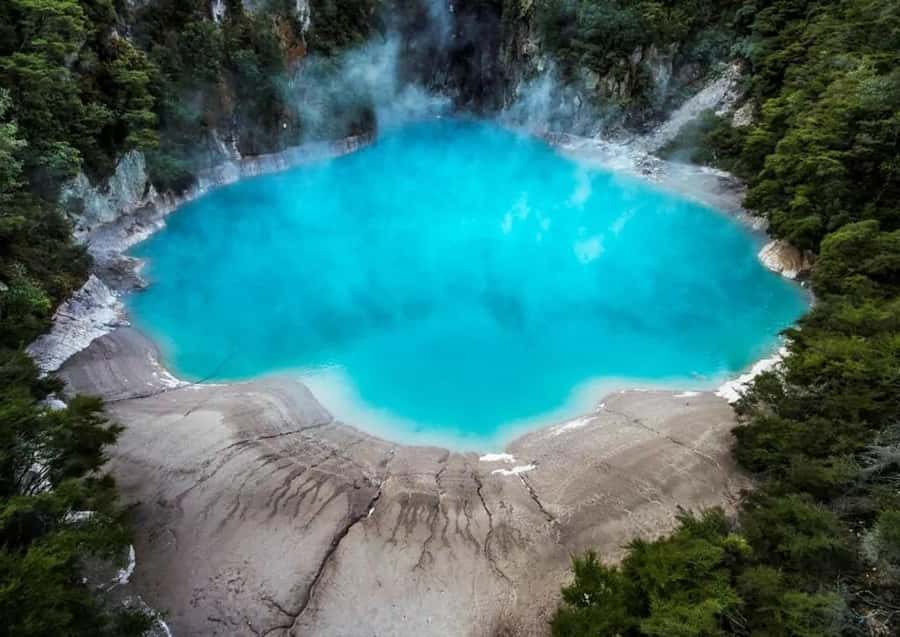
Frying Pan Lake is a particularly memorable sight because its broad, steaming surface reads clearly from above. Inferno Crater is known for its striking blue water, which can look almost unreal against the surrounding volcanic ground. The contrast is strongest on a clear day, so weather plays a real part in the quality of this section.
This is also where you should manage your expectations. An aerial view is excellent for scale and pattern, but it cannot replace walking beside a thermal pool. You will not get the same close look at steam, mineral crust, or bubbling mud that you would on a ground tour. The value here is seeing several features in context, quickly and without another transfer.
A completely different sort of day out:
- Rotorua’s Ultimate Zipline: 6 ziplines, 400 m Tandem, Cliff Walk
★ 5.0 · 2,557 reviews - Rotorua Rafting: Kaituna River White Water Rafting & Free Sauna
★ 5.0 · 1,952 reviews - Cultural Experience & Seasonal Māori Cuisine at Te Pā Tū
★ 5.0 · 1,546 reviews - Mitai Maori Village Cultural Experience in Rotorua
★ 4.5 · 1,294 reviews
Wai-O-Tapu from the air
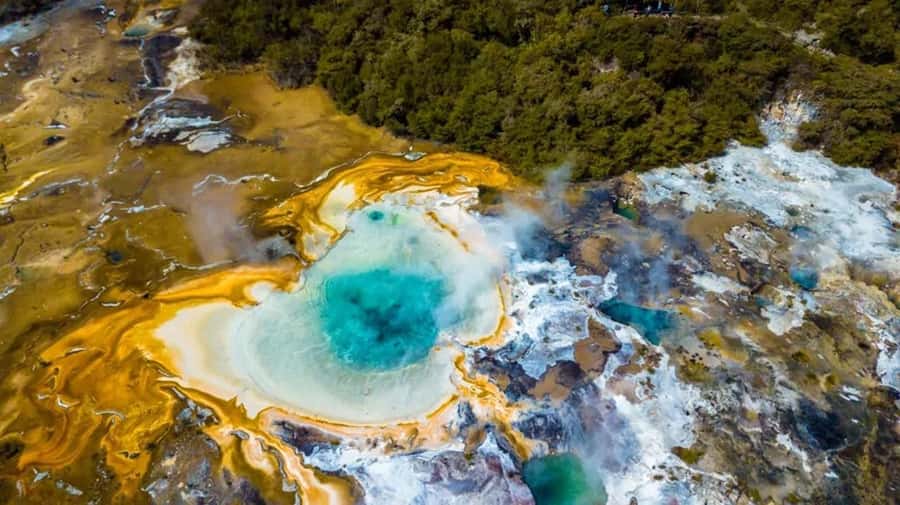
The route continues over Wai-O-Tapu Thermal Wonderland. From the plane, you may see the colorful Artist’s Palette and Champagne Pool, two of the area’s best-known features. The colors come from geothermal minerals and heat, and they show up as vivid patches amid the surrounding bush.
The aerial view is brief, so you should not expect time to study every pool. Still, this is a clever addition to the route. You get a look at Wai-O-Tapu without spending another half day visiting it on foot, which is useful if your Rotorua schedule is already full.
The flight’s pace keeps changing. Lakes and farmland give way to volcanic craters, then thermal pools and steaming valleys. That variety prevents the trip from feeling like a repeated circuit of hot springs.
The unusual approach to Orakei Korako
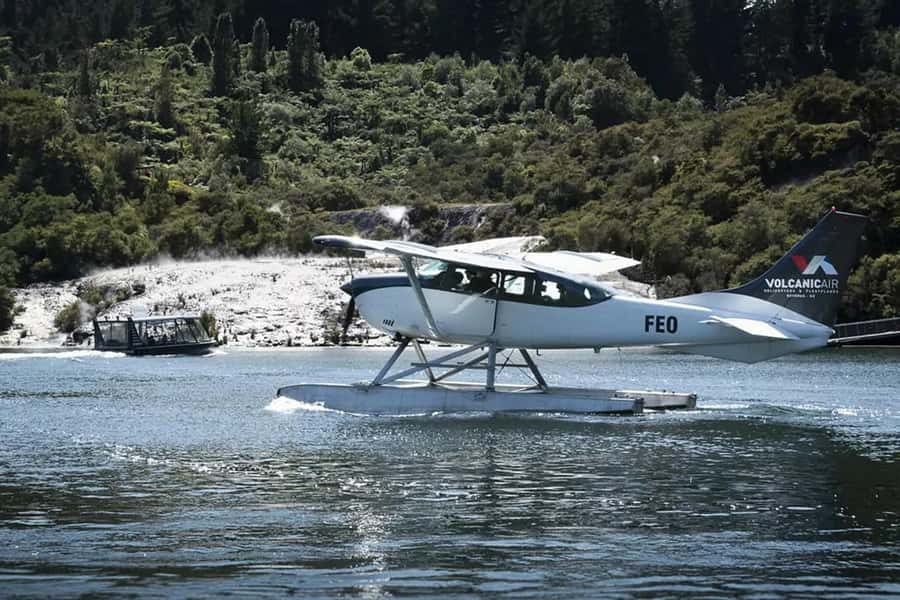
The best transition comes as the aircraft heads south toward Orakei Korako. Rather than landing at a conventional airstrip, the pilot follows the Waikato River, passing native bush and navigating its bends before touching down on the water.
A river landing is the kind of small adventure that gives this trip its character. The aircraft slows on the river and docks near the geothermal park, creating a quiet arrival after the noise and motion of the flight. You are not simply stepping off beside a terminal. You are arriving by water at a place that feels removed from the usual sightseeing route.
This part also depends on conditions and the pilot’s skill. A passenger described the river landing and takeoff as the highlight of the trip, while another noted that the flight could be somewhat bumpy. You should expect a real small-plane ride, not a perfectly smooth platform for photographs.
One hour walking through Orakei Korako
Once ashore, you have about an hour to explore Orakei Korako on a self-guided walk. The park contains hot springs, gushing geysers, bubbling mud pools, a thermal cave, and some of the largest silica terraces in the world.
The self-guided format gives you control over the hour. You can pause for photographs, read the information along the route, or move steadily if you want more time at the main features. I prefer this arrangement to being rushed behind a guide, especially after the flight has already supplied commentary.
You should wear proper walking shoes. The path is an outdoor route through an active geothermal area, not a quick stroll from the pier to a café. Comfortable footwear, water, sunscreen, and a hat are practical choices. Bring a camera, but keep your attention on the route and the safety instructions around hot ground and pools.
The silica terraces are the visual centerpiece. Their pale surfaces and layered forms show how mineral-rich water builds up over time. Nearby steam, mud, and geysers add movement and sound, so the park feels different from the broad aerial views earlier in the morning.
A thermal cave is another unusual feature. It gives the walk a change of mood, moving you from open terraces and steaming pools into a more enclosed volcanic space. The hour is enough for a useful visit, but not enough for a slow, detailed study of every part of the park. If Orakei Korako is your main interest, you may wish for longer.
A short café stop before the return flight
After the walk, there is time for coffee, tea, or a local snack before reboarding. Meals and drinks are not included, so plan to pay separately. This pause is welcome because the walk takes place outdoors and the flight schedule leaves little room for an extended meal.
Do not count on this as a full lunch stop. The supplied information only promises a café break with drinks and local snacks. Bring water with you, especially if the day is sunny.
The return over farms and mountains
The return flight crosses farmland and the Paeroa mountain range before heading back toward Rotorua. This section is quieter than the volcanic highlights, but it rounds out the trip by showing the region beyond the thermal parks.
You see how quickly the scenery shifts from active geothermal ground to pasture and native bush. That contrast helps explain why Rotorua offers such a wide range of day trips. The flight then returns to Rotorua city and lands at the Lakefront pier.
The full experience lasts about two hours. That includes the flight time, the Orakei Korako walk, and the café pause. It is a busy two hours, but the schedule is varied enough that you are not sitting in the plane for the entire period.
Is $505 per person good value?
At $505 per person, this is an expensive Rotorua activity. You are paying for a scenic flight, a six-person operation, the unusual water landing, access to Orakei Korako, and the time saved by linking several distant sights in one outing.
The price makes more sense if you value access and overview rather than the lowest possible admission cost. A standard visit to one geothermal park will cost less. A road-based plan can also let you spend longer at each site. But recreating this flight’s route by car would require separate visits, extra driving, and more planning.
I would consider it good value for a special occasion, a short Rotorua stay, or anyone especially interested in volcanoes and aerial photography. I would hesitate if your budget is tight or if you want a long, slow walk through one thermal park.
The strongest value is the combination of experiences. You see Mount Tarawera from above, compare several geothermal areas, and then land at Orakei Korako in a way that ordinary transport cannot match.
Who should book, and who should think twice?
This suits adults and older children who enjoy scenery, geology, and a little aircraft adventure. It is particularly good for people who want a broad view of Rotorua instead of spending a whole day at one attraction.
You should be comfortable with a compact aircraft and a walking route. Pregnancy, back problems, and heart problems are listed as reasons not to take this activity. Smoking is not allowed.
The weather matters. Clouds, rain, or poor visibility can reduce the impact of the aerial sections, so check conditions and dress appropriately. The company offers free cancellation up to 24 hours in advance and allows you to reserve now and pay later, which gives you some flexibility if the forecast looks uncertain.
Final verdict: book it for the river landing
I would book this floatplane trip if I wanted one memorable Rotorua activity that combined flight, volcanoes, and a geothermal walk. The Waikato River landing is the feature that turns a scenic flight into a real outing, and Orakei Korako gives you time to step out of the plane and experience the ground-level heat.
I would skip it if you dislike small aircraft, need a smooth ride, or want to spend several hours exploring one park in detail. For everyone else, the high price buys something genuinely different: Rotorua from the sky, followed by a quiet arrival at a thermal valley few people reach by air.
FAQ
How long does the floatplane experience last?
The experience lasts about two hours, including the scenic flight, the landing at Orakei Korako, the self-guided walk, and the café break.
Where does the flight begin and end?
It begins and ends at Volcanic Air on the Lake Rotorua waterfront, with the return landing at the Lakefront pier.
How many people can join the flight?
The group is limited to six participants. The aircraft has six compact bucket seats.
Is the Orakei Korako entrance included?
Yes. The experience includes the floatplane flight, the landing at Orakei Korako, and the self-guided walk through the park.
How much time do I have at Orakei Korako?
You have about one hour to walk through the geothermal park at your own pace.
What can I see at Orakei Korako?
The park includes hot springs, geysers, bubbling mud pools, a thermal cave, and large silica terraces.
Are food and drinks included?
No. Meals and drinks are not included, though you have time to buy coffee, tea, or local snacks at the café.
What should I bring?
Bring comfortable walking shoes, a hat, sunscreen, water, and a camera. Check the weather and dress appropriately for the outdoor walk.
Just added in Rotorua
- Te Puia: Tuku Iho Trail with Cultural Show★ 5.0 · 5 reviews
- Te Puia: Te Rā Guided Day Tour + Haka Cultural Performance★ 4.7 · 128 reviews
- Te Puia: Te Pō Indigenous Combo – Tour, Dinner + Haka★ 4.4 · 52 reviews
- Rotorua: Wai Ariki Hot Springs & Spa 1hr Restorative Bathing★ 4.8 · 16 reviews
- Rotorua: White Island, Mount Tarawera & Waimangu Volcanic …★ 4.4 · 5 reviews
- Rotorua: Velocity Valley – NEW Vertigo 43m drop★ 5.0 · 3 reviews
- Rotorua: Volcano Landing and Geothermal Park Helicopter Tour★ 5.0 · 1 review
- Rotorua: Velocity Valley – Two Ride Pass★ 4.6 · 8 reviews
Rotorua Tours, compared.
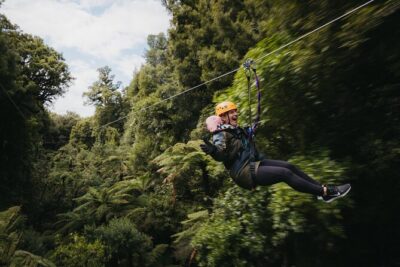
Rotorua Canopy Tours: 2.5Hour Native Forest Zipline Adventure
Read our review →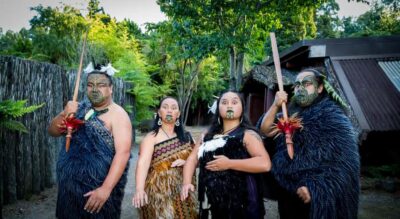
Mitai Maori Village: Cultural Experience and Dinner Buffet
Read our review →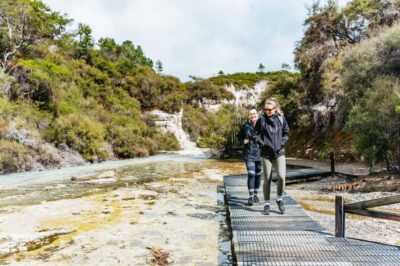
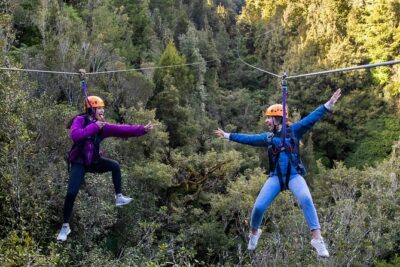
Rotorua’s Ultimate Zipline: 6 ziplines, 400 m Tandem, Cliff Walk
Read our review →
Rotorua Rafting: Kaituna River White Water Rafting & Free Sauna
Read our review →
Cultural Experience & Seasonal Māori Cuisine at Te Pā Tū
Read our review →
Mitai Maori Village Cultural Experience in Rotorua
Read our review →
Rafting Rotorua: Kaituna River White Water Experience
Read our review →Browse the lists this tour appears in