
REVIEW · MAORI CULTURAL EXPERIENCES
Rotorua: Māori Cultural Performance with Dancing
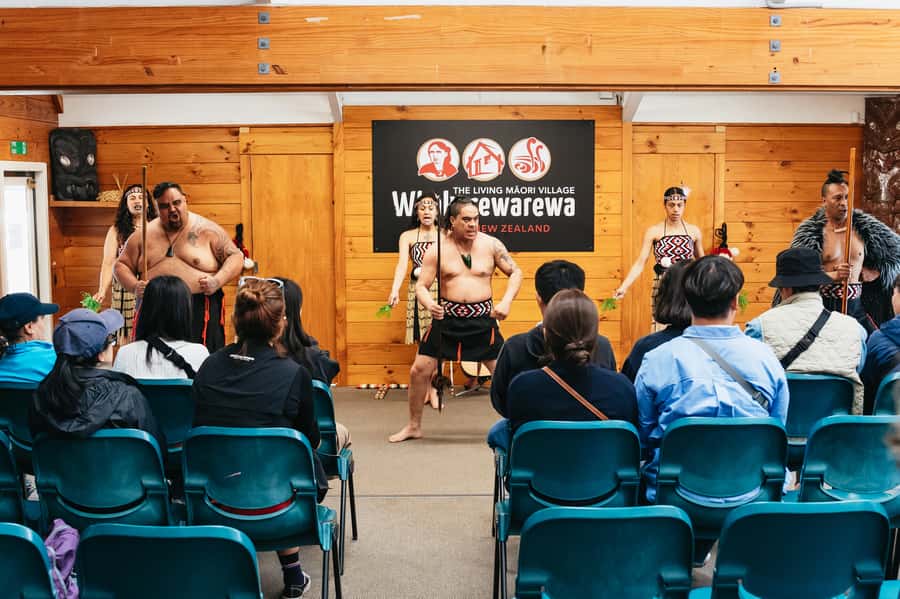
Thirty minutes can carry real weight. This Rotorua performance gives you a focused introduction to Māori song and dance, with the famous haka, poi dancing, stick games, and traditional harmonies presented by performers at Whakarewarewa, The Living Māori Village. I especially like the low $20 price and the way the show keeps its attention on Māori arts rather than adding a buffet or a long list of unrelated activities. My one reservation is that half an hour may leave you wanting more, especially if the singing and stories catch you.
You check in at the admissions building, receive your tickets, and are shown to the performance area by a host. Seating is free, so arriving early is a smart move if you want a clear view from the front. The show is in English, wheelchair accessible, and easy to add after a guided village visit, though that broader tour is not included.
In This Review
- Key points at a glance
- Why this short Rotorua show works
- Checking in at Whakarewarewa
- Finding a good seat before the singing begins
- Songs that give the performance its heart
- Seeing the haka at close range
- Poi dance and stick games
- What the living village setting adds
- Is $20 good value?
- Who should book this performance?
- Practical details before you book
- Should you book the Rotorua Māori cultural performance?
- FAQ
- How long does the Māori cultural performance last?
- How much does the performance cost?
- What does the performance include?
- Is the village tour included?
- What will I see during the performance?
- Is the experience wheelchair accessible?
Key points at a glance
- A compact Māori introduction: The 30-minute format works well when you want culture without giving up a full morning or afternoon.
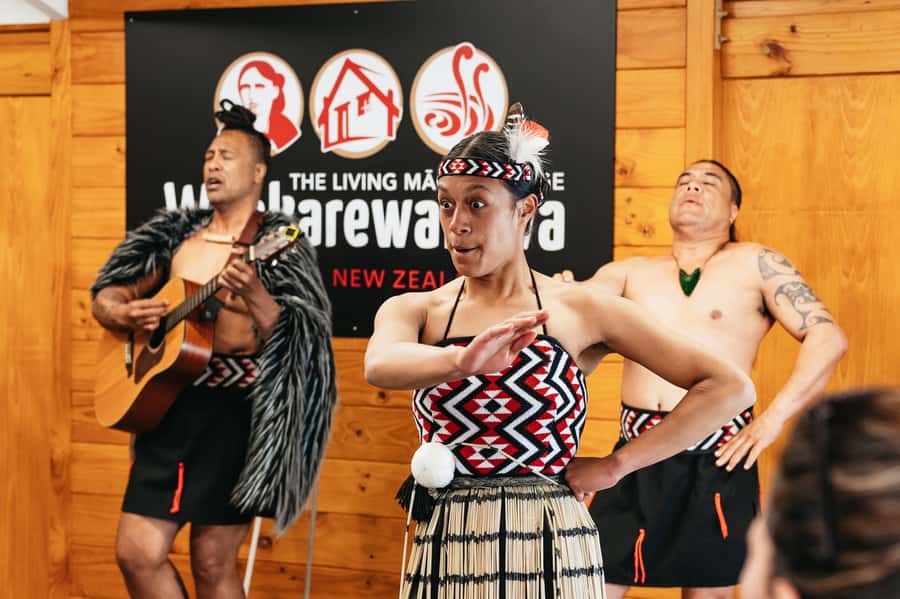
- The haka is part of the show: You see the famous challenge dance performed live, with its force and energy close at hand.
- Poi and stick games add movement: These demonstrations show that Māori performance is not just singing or stamping.
- Story gives the dances meaning: The performers explain what you are watching, including background to songs such as Pokarekare Ana.
- Arrive early for free seating: The room has limited seats, and the best positions go first.
- A focused ticket, not a full village visit: The $20 admission covers the performance and host, but not a village tour or other activities.
Why this short Rotorua show works
Rotorua is one of New Zealand’s main places to encounter Māori culture, but not every visitor wants a long package with dinner, transport, and several add-ons. This performance takes a simpler route. You enter, sit down, and watch a live presentation built around singing, dancing, and explanation.
That simplicity is a strength. At $20 per person, you are paying for a concentrated cultural experience rather than a full-day outing. If you already have plans around Rotorua, the short running time lets you fit the show into a busy schedule. It can also serve as a first look before deciding if you want to spend more time at the village.
I like that the performance does not rely on spectacle alone. The singing, dance movements, and demonstrations are introduced with enough explanation to help you understand what you are seeing. The result is not a classroom lecture, but it is more meaningful than watching a series of unfamiliar movements without context.
The show is still a staged performance, and you should approach it that way. It is designed for an audience, with set pieces and a clear presentation. One useful way to think about it is as an accessible introduction to Māori performing arts, presented in a living Māori village setting. It offers a window into culture, not a replacement for learning about Māori communities in greater depth.
More Maori cultural experiences in Rotorua:
- Mitai Maori Village: Cultural Experience and Dinner Buffet
★ 4.7 · 3,575 reviews - Cultural Experience & Seasonal Māori Cuisine at Te Pā Tū
★ 5.0 · 1,546 reviews - Mitai Maori Village Cultural Experience in Rotorua
★ 4.5 · 1,294 reviews
Checking in at Whakarewarewa
Your first step is the admissions building, where you check in and receive your tickets. A host or greeter then shows you to the performance area. The process is straightforward, which matters when you are fitting the show between other Rotorua plans.
The activity information identifies the host language as English. That means you can follow the explanations without needing to guess at the meaning of each song or movement. You are not simply placed in a room and left to work it out.
The performance takes place at Whakarewarewa, The Living Māori Village. That setting gives the experience more context than a show in a generic theatre. You are visiting a place specifically associated with Māori heritage, and the performance forms part of a wider village experience.
Keep the limits in mind. Your ticket covers the performance and host. It does not include a village tour or other village activities. If you want to see more of Whakarewarewa, you need to arrange those separately rather than assuming they come with the $20 admission.
Finding a good seat before the singing begins
Seating is free, so you do not receive an assigned place. That makes timing useful. Arriving early gives you a better chance of sitting near the front, where facial expressions, hand movements, and the details of the poi and stick work are easier to see.
The room is not described as having unlimited capacity, and the available information notes limited seats. You should not cut it too close if the performance is important to your day. A few extra minutes at the start can make the difference between a clear view and watching from farther back.
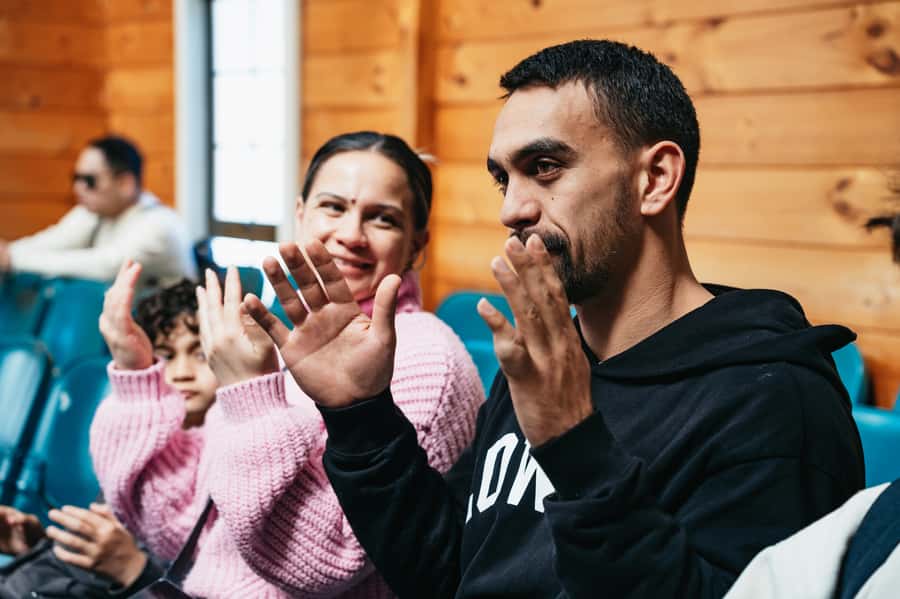
This is especially relevant for families. Children may follow the action better from a front or central position, and the performance includes an audience participation section. You may be invited to try some of the movements, so a good view helps you copy along.
The setting is intended to welcome an audience rather than intimidate one. The show has a strong emotional side, but it is also entertaining and approachable. You can sit quietly and watch, or join in when invited.
Songs that give the performance its heart
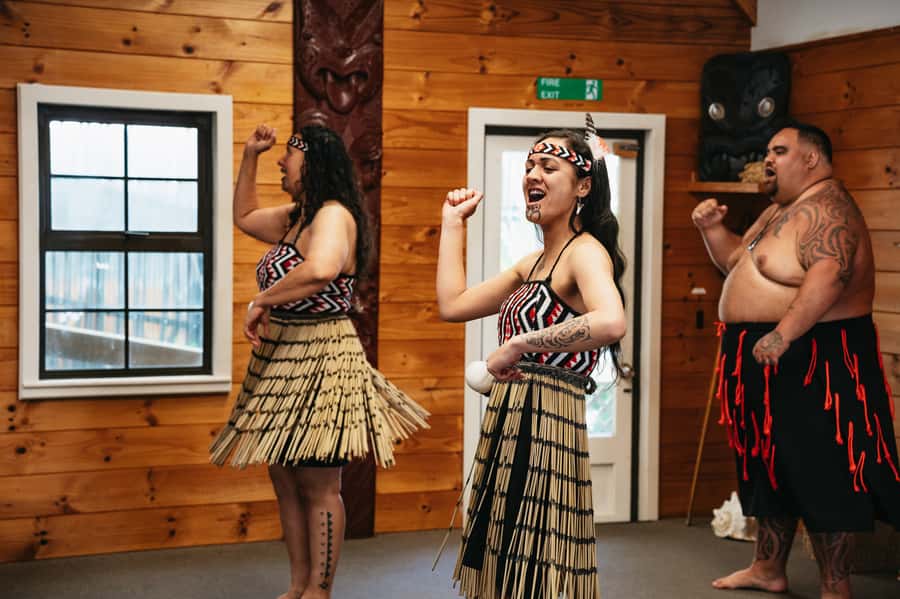
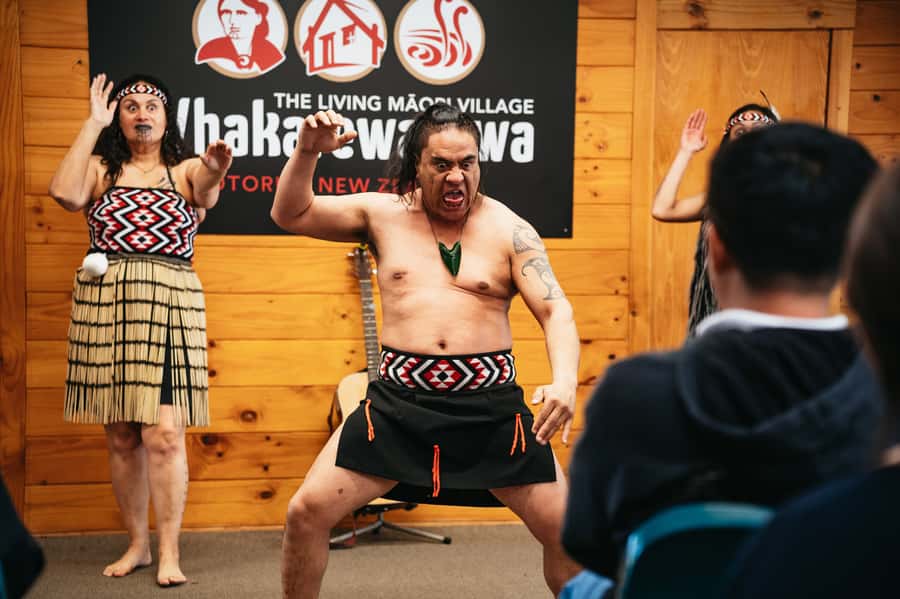
The singing is one of the strongest parts of the experience. Traditional songs are performed in harmony, and the voices help set a warm, reflective tone before the more forceful dances arrive.
One song specifically connected with the performance is Pokarekare Ana. The background story adds value here. You hear more than a familiar melody, because the explanation gives you a reason to listen for the feeling behind the words.
That balance between song and story is important. Without it, a cultural performance can become a string of attractive images with little connection. Here, the introductions help you understand that the music carries memory, feeling, and shared identity.
I would not expect a long lecture on Māori history. The show has only 30 minutes, so the information is necessarily selective. Still, the short explanations are enough to give the songs a place within the presentation. If you enjoy music, you may find this section the emotional centre of the show.
The singing also creates a gentler contrast with the haka. That change in mood keeps the performance from feeling one-note. You move from harmonious melodies to sharp, energetic movements, then into demonstrations and shared participation.
A few more to weigh up in Rotorua
- Rotorua Canopy Tours: 2.5Hour Native Forest Zipline Adventure
★ 5.0 · 4,563 reviews - Rotorua: Wai-O-Tapu Geothermal Park Entry Ticket
★ 4.6 · 2,601 reviews - Rotorua’s Ultimate Zipline: 6 ziplines, 400 m Tandem, Cliff Walk
★ 5.0 · 2,557 reviews - Rotorua Rafting: Kaituna River White Water Rafting & Free Sauna
★ 5.0 · 1,952 reviews
Seeing the haka at close range
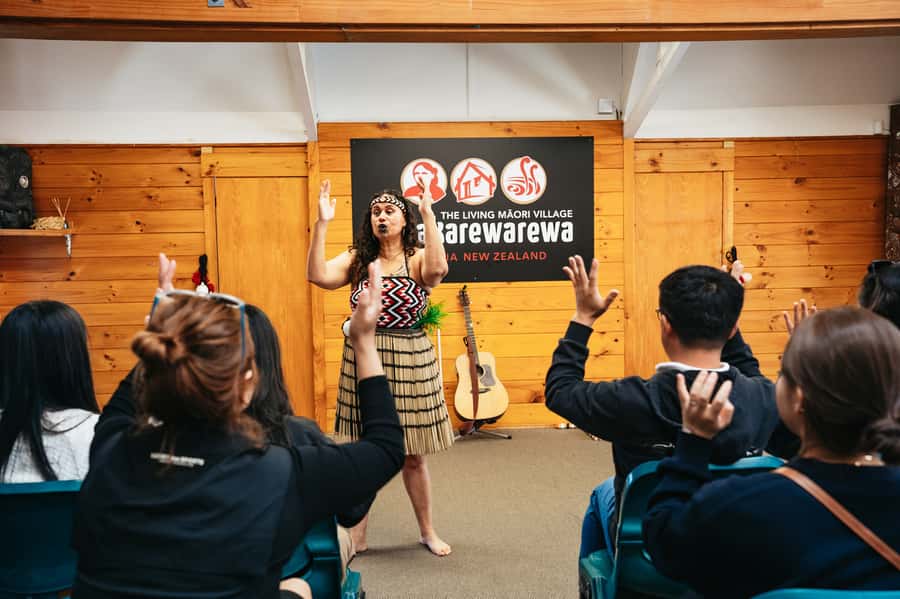
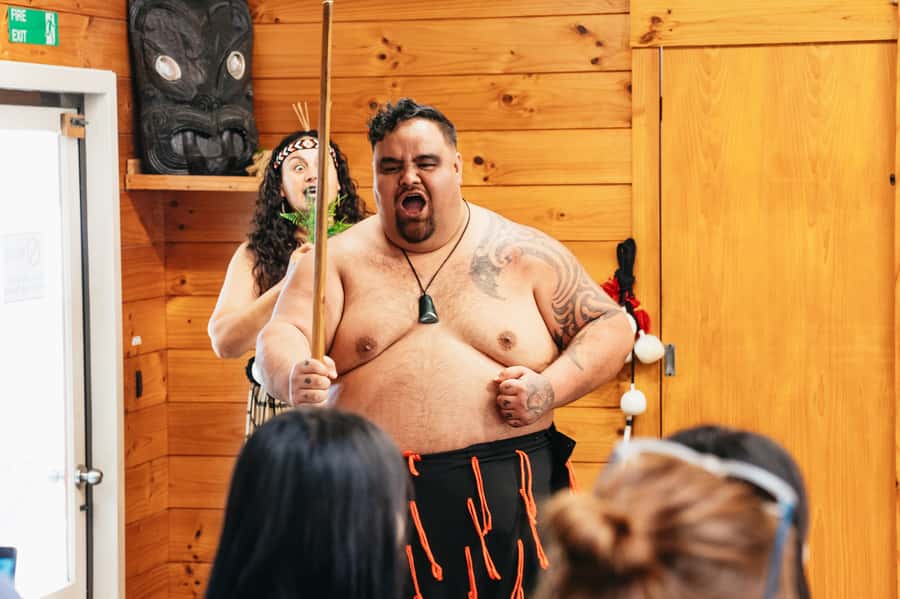
The haka is the moment many people are waiting for, and the performance delivers it live. You see the force of the movements, the facial expressions, and the collective energy in a way that a screen cannot match.
It is worth watching the haka as more than a warlike display. The performance uses posture, voice, rhythm, and group unity to communicate strength and purpose. The intensity is part of its power, but the meaning does not stop at loud calls and dramatic gestures.
The room setting makes the experience immediate. You are close enough to feel the energy from the performers, while the host’s explanation helps place the dance within the wider presentation. If you have seen the haka at a sporting event, this gives you a different setting and a more direct cultural frame.
The haka is also a useful reason to bring teenagers. The show has enough movement and energy to hold their attention, while the song and explanations give the experience substance. Younger children may enjoy the action, especially when the audience is invited to take part.
Do not expect the haka to fill the entire half hour. It is one part of a varied program that also includes songs, poi dancing, stick games, and other dances. That variety is a benefit, because you get a broader look at Māori performance traditions in one sitting.
Poi dance and stick games
The poi dance adds a different kind of visual rhythm. The performers handle poi with control and timing, creating repeated patterns that are easy to admire but harder to perform. The demonstration helps you see how movement, music, and coordination work together.
The stick games bring another change in pace. They are lively and precise, and they show how traditional performance can include skill, timing, and play. These sections prevent the show from becoming only a formal presentation. They give you a sense of movement passed between people and practiced as a group.
You may also see other dances beyond the headline items. The program is described as a selection of traditional songs and dancing, so the haka, poi, and stick games form part of a wider performance rather than the whole event.
The details matter because they make the $20 ticket feel well used. You are not paying to watch one short routine repeated. You receive several types of performance, each with its own mood and physical style.
There is also an audience participation segment. You may be asked to copy some simple movements, which adds a lighthearted moment and breaks down the distance between stage and seats. You do not need to be a dancer. The point is taking part, not getting every movement perfect.
What the living village setting adds
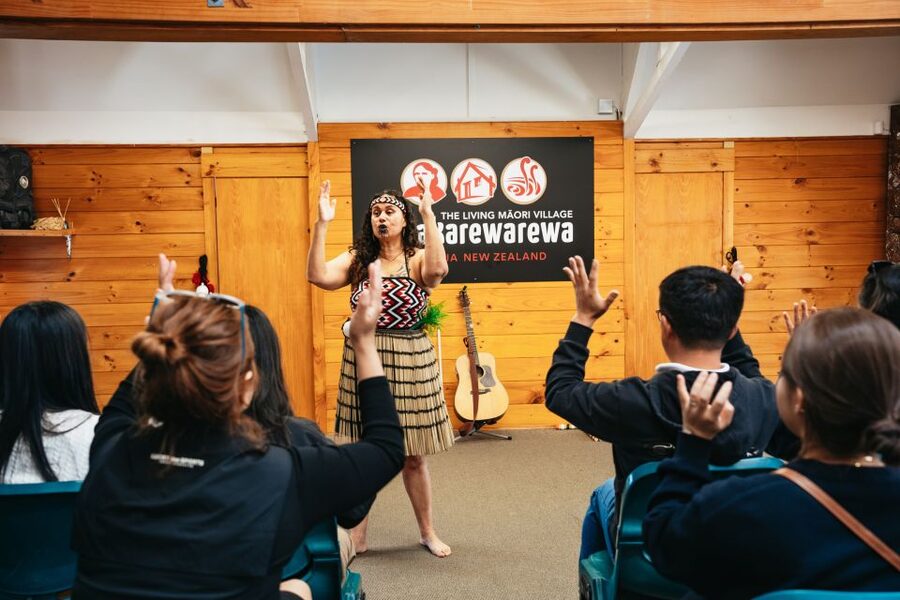
Whakarewarewa gives the show a sense of place. The performance is not presented as an isolated cultural display with no connection to its surroundings. It takes place at a living Māori village, and that setting helps frame the singing and dancing as part of an ongoing community and cultural environment.
One particularly striking detail is that people from the village may join in with singing behind the audience. That can make the experience feel less like a sealed-off theatre show and more like a shared local event. You might notice smiles, informal warmth, and a sense that the performers enjoy what they are doing.
At the same time, keep your expectations sensible. The event is still arranged for paying visitors, with a host, a performance area, and a planned program. Calling it a live presentation at a living village is fair. Calling it an unplanned glimpse into private daily life would go beyond what the activity promises.
That distinction does not reduce its value. A well-presented show can be a respectful way to introduce visitors to Māori arts, especially when the performers explain the story and invite the audience to participate. You are given a starting point for further learning rather than being expected to understand everything in one visit.
If you have booked a guided village tour separately, the performance fits naturally with it. It can add the sound and movement that a walking visit cannot provide. If you only have time for the performance, you still receive a complete, self-contained half hour, but you should not expect the wider village activities to be part of the ticket.
Is $20 good value?
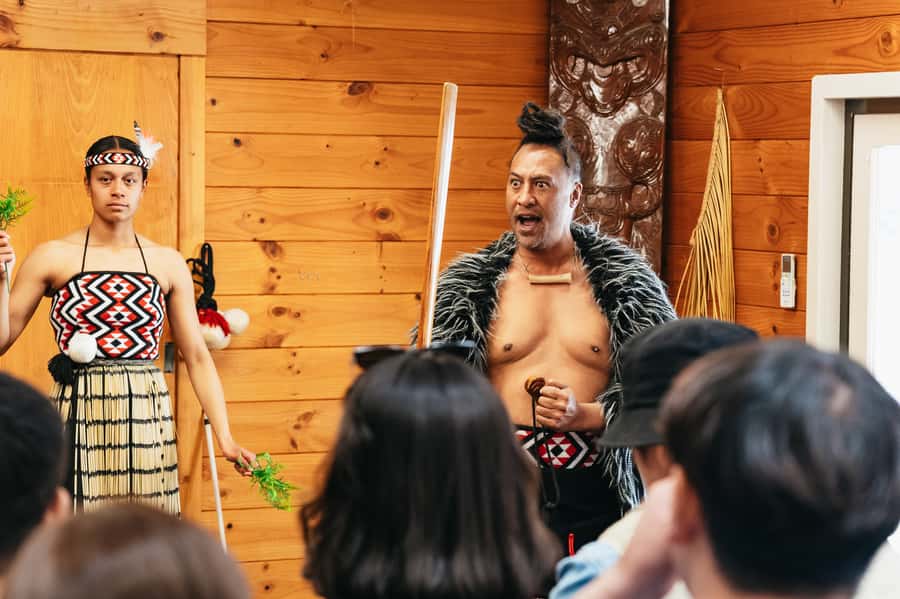
For a 30-minute performance, $20 is a reasonable price in Rotorua, especially if you want a focused cultural stop. The ticket includes the show and a host, and the program includes several different forms of Māori performance rather than a single dance.
The value is strongest for you if you want:
- A short cultural activity between other plans
- A first introduction to Māori song and dance
- A family-friendly performance with audience participation
- A live haka without committing to a full dinner package
- A village setting rather than a standard concert venue
The value is weaker if you want a long visit, extensive cultural interpretation, or a complete look at Whakarewarewa. The admission does not include a village tour or other activities, so you will need a separate plan for those.
The half-hour length is both the main advantage and the main limitation. It is easy to fit into a day, but the program moves quickly. If you prefer slow, detailed presentations, you may feel that some topics receive only a brief introduction.
You can also reserve now and pay later, which keeps your plans flexible. Free cancellation is available up to 24 hours before the activity for a full refund. Those terms are useful when your Rotorua schedule includes weather-sensitive outings, though you should still check the available starting time before booking.
Who should book this performance?
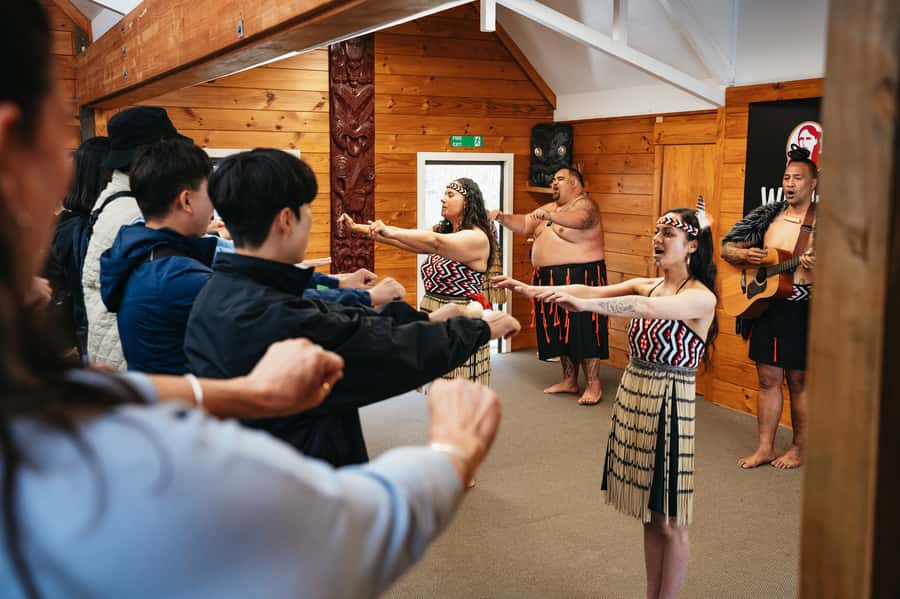
I would recommend it to first-time visitors who want a clear, manageable introduction to Māori culture. You get singing, dance, the haka, poi, stick games, and short explanations without surrendering a whole afternoon.
Families should also consider it. The changing pace keeps the show lively, and the audience participation gives children and teenagers something active to do. The performance is not only for people already interested in cultural history.
It suits anyone who has already booked a guided village tour as well. The two experiences offer different things: the tour helps you understand the place, while the performance lets you hear the music and see the dances brought together.
Music lovers may find the harmonies especially rewarding, while anyone curious about the haka will appreciate seeing it presented in person. The welcoming tone also helps if you are unsure how to approach a cultural performance respectfully. Sit attentively, listen to the explanations, and join in when invited.
I would be less likely to choose it as my only Rotorua activity if I wanted a full cultural day. The performance is a taste, not an extensive program. Its purpose is to give you a memorable introduction, and it does that well within its short format.
Practical details before you book
Check in at the admissions building to receive your tickets. An English-speaking host or greeter shows you to the performance area, so the arrival process should be simple.
Allow time to arrive early because seating is free and the number of seats is limited. Front rows are not guaranteed, but arriving before the start gives you a better chance of a clear view.
The activity lasts 30 minutes. Starting times vary, so check availability for the date you want. The performance itself is included, but a tour of the village and other activities are not.
The experience is wheelchair accessible. English is the stated language for the host and explanations.
Should you book the Rotorua Māori cultural performance?
Book it if you want a short, affordable, well-rounded introduction to Māori performing arts. The live haka, strong singing, poi, stick games, and audience participation give the half hour plenty of variety. The setting at Whakarewarewa adds context, and the explanations make the show easier to appreciate.
Skip it only if you are looking for a much longer village visit or an activity that includes a guided tour and other attractions in one price. For everyone else, $20 buys a focused and welcoming cultural experience. Arrive early, choose your seat carefully, and treat the performance as an introduction worth following up with more time at the village.
FAQ
How long does the Māori cultural performance last?
The performance lasts 30 minutes.
How much does the performance cost?
The price is $20 per person.
What does the performance include?
The ticket includes the performance and a host who shows you to the performance area.
Is the village tour included?
No. The ticket does not include a tour of the village or other village activities.
What will I see during the performance?
You can expect traditional singing and dancing, including the haka, poi dance, stick games, and other performances.
Is the experience wheelchair accessible?
Yes. The activity is listed as wheelchair accessible.
Just added in Rotorua
- Te Puia: Tuku Iho Trail with Cultural Show★ 5.0 · 5 reviews
- Te Puia: Te Rā Guided Day Tour + Haka Cultural Performance★ 4.7 · 128 reviews
- Te Puia: Te Pō Indigenous Combo – Tour, Dinner + Haka★ 4.4 · 52 reviews
- Rotorua: White Island, Mount Tarawera & Waimangu Volcanic …★ 4.4 · 5 reviews
- Rotorua: Wai Ariki Hot Springs & Spa 1hr Restorative Bathing★ 4.8 · 16 reviews
- Rotorua: Velocity Valley – NEW Vertigo 43m drop★ 5.0 · 3 reviews
- Rotorua: Volcano Landing and Geothermal Park Helicopter Tour★ 5.0 · 1 review
- Rotorua: Velocity Valley – Two Ride Pass★ 4.6 · 8 reviews
Maori Cultural Experiences, compared.
Mitai Maori Village: Cultural Experience and Dinner Buffet
Read our review →
Cultural Experience & Seasonal Māori Cuisine at Te Pā Tū
Read our review →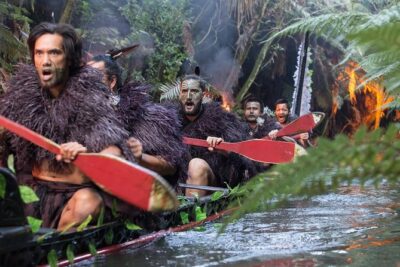
Mitai Maori Village Cultural Experience in Rotorua
Read our review →
Lake Taupo: Classical Sailing to the Māori Rock Carvings
Read our review →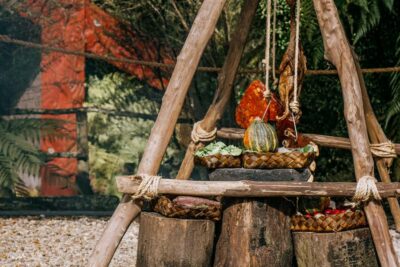
Te Pa Tu Māori Cultural Experience with Dinner
Read our review →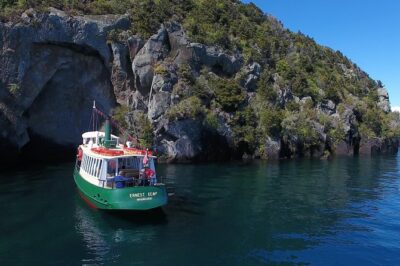
Lake Taupō Māori Rock Carvings Scenic Cruise aboard Ernest Kemp
Read our review →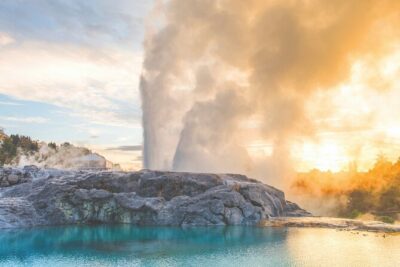
Waitomo Caves & Rotorua – Te Puia Small-Group Tour from Auckland
Read our review →
Lake Taupo: Maori Rock Carvings 10.30 AM 1.5-Hour Cruise
Read our review →Browse the lists this tour appears in