REVIEW · SELF-GUIDED TOURS
Rotorua Railcruising: Self-Drive Rail Car with Audio Guide
Slow rails, big views, and your own controls. Rotorua Railcruising gives you a rare chance to drive a small petrol-electric rail car along a historic railway at a gentle 20 km/h. I like the unobstructed views and the chance to hear local stories through the audio guide. The main drawback is pace: this is a calm scenic outing, not a fast, thrill-seeking rail ride.
I also like the cozy covered seating, clear side windows, and blankets for cooler weather. The friendly staff at the stations add plenty of warmth to the experience, with one recent passenger especially praising the men working at each end of the journey. At $44 per person for two hours, it offers fair value if you enjoy unusual transport, railway history, and quiet scenery.
In This Review
- Key points before you book
- What Rotorua Railcruising actually feels like
- Starting at Ngongotaha or Mamaku Railway Station
- Driving the petrol-electric rail car at 20 km/h
- Lake Rotorua, Mount Tarawera, and open views
- Audio commentary about the railway and local area
- Covered seating, clear windows, and Rotorua weather
- The destination turn and return journey
- Is $44 per person good value?
- Who will enjoy this two-hour outing?
- Practical advice for a smoother ride
- Should you book Rotorua Railcruising?
- FAQ
- How long does Rotorua Railcruising take?
- How fast does the rail car travel?
- Where does the experience begin?
- Is the rail car self-drive?
- What is included in the price?
- What scenery can I see?
- What should I bring?
- Is the experience suitable for wheelchair users?
- Can I cancel my booking?
Key points before you book
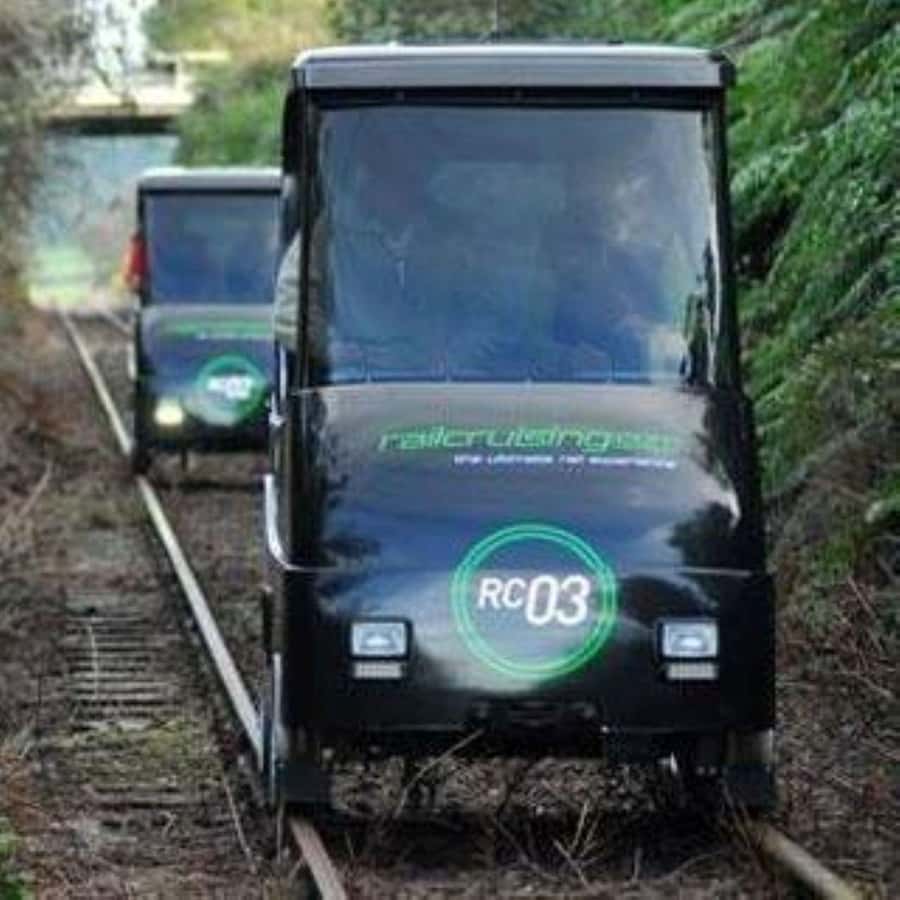
- You drive your own hybrid rail car: The petrol-electric vehicle gives you a more active role than a standard train ride, though the speed remains a relaxed 20 km/h.
- The journey begins at Ngongotaha or Mamaku: Your exact starting point depends on the trip selected, so check the departure details carefully.
- Lake Rotorua and Mount Tarawera may be part of the view: The scenery is a major reason to bring your camera and keep your eyes up.
- The audio guide adds railway and local history: It gives the ride a sense of place, though a little static may occur in some areas.
- The cars are made for changing weather: Covered seats, blankets, and clear waterproof side windows help on cool, windy, or wet days.
- This is private and low-key: It suits couples, families with patient children, and anyone who prefers a gentle outing over a high-energy attraction.
What Rotorua Railcruising actually feels like
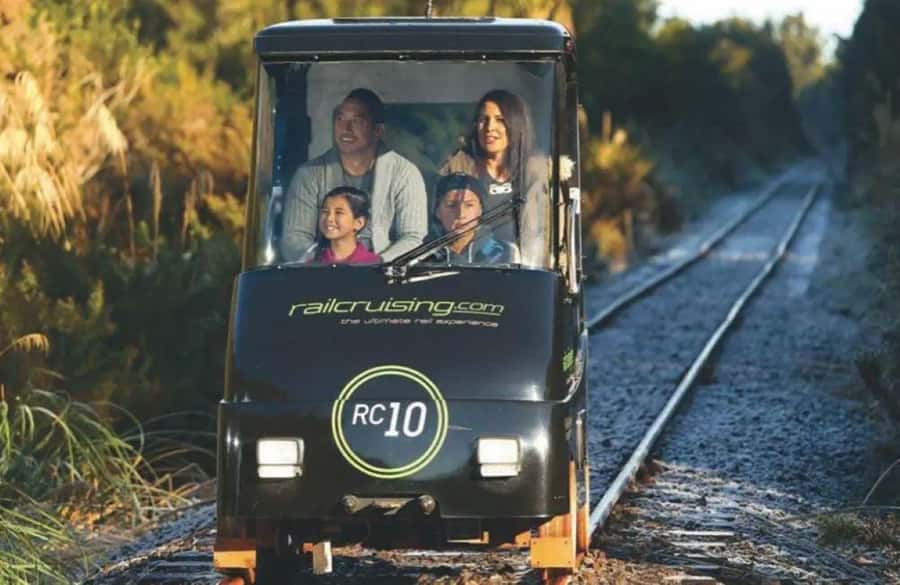
Rotorua Railcruising is a small-scale railway outing with a simple idea: you sit in your own rail car, take control, and follow the track through the Rotorua area. The vehicle is petrol-electric, so you get the novelty of driving without the noise and feel of a conventional road vehicle.
The top speed is 20 km/h. That number tells you a great deal about the experience. You are not racing through the countryside or riding a roller coaster. You are moving slowly enough to watch the scenery, listen to the commentary, and enjoy the odd pleasure of operating a vehicle that belongs on a railway rather than a road.
I see the self-drive element as the central appeal. A normal train places you behind a window while someone else handles the journey. Here, you have a direct role, even though the trip remains supervised and structured. It is a good fit if you enjoy transport museums, heritage railways, and hands-on activities with a gentle pace.
The two-hour duration is long enough to feel like a proper outing. It is also short enough to fit neatly around other Rotorua plans. You should not expect a full-day excursion or a packed schedule of stops. The experience is mainly about the ride itself, the views, and the stories connected with the railway.
A few more to weigh up in New Zealand
- Hobbiton Movie Set: Guided Tour Ticket
★ 4.9 · 8,167 reviews - Waitomo: Glowworm Caves Guided Tour by Boat
★ 4.5 · 4,908 reviews - Hobbiton & Waitomo Caves Guided Day Trip from Auckland incl lunch
★ 5.0 · 2,677 reviews
Starting at Ngongotaha or Mamaku Railway Station
The trip begins at either Ngongotaha Station or Mamaku Railway Station. These are not simply loading points. They set the tone for the experience, because you start with a working railway environment rather than a large visitor complex.
Check your chosen departure point before setting out. The available information gives both stations as possible starting places, but the exact option depends on the booking. This matters because Rotorua-area plans can involve several separate attractions, and you do not want to treat Ngongotaha and Mamaku as interchangeable without checking the details.
At the station, you receive instructions for the rail car and prepare for the outward journey. The setup is private-group rather than a large shared coach experience, which should appeal to people who prefer a more personal outing. The staff are an important part of the welcome. Direct feedback gives particular credit to the men positioned at each end of the route, describing them as friendly, helpful, and informative.
That human touch matters here. A small rail operation depends on staff who can explain the equipment, keep the trip moving, and add context without turning the ride into a formal lecture. The audio guide carries much of the historical commentary, but the people on site appear to supply the practical side of the experience.
Driving the petrol-electric rail car at 20 km/h
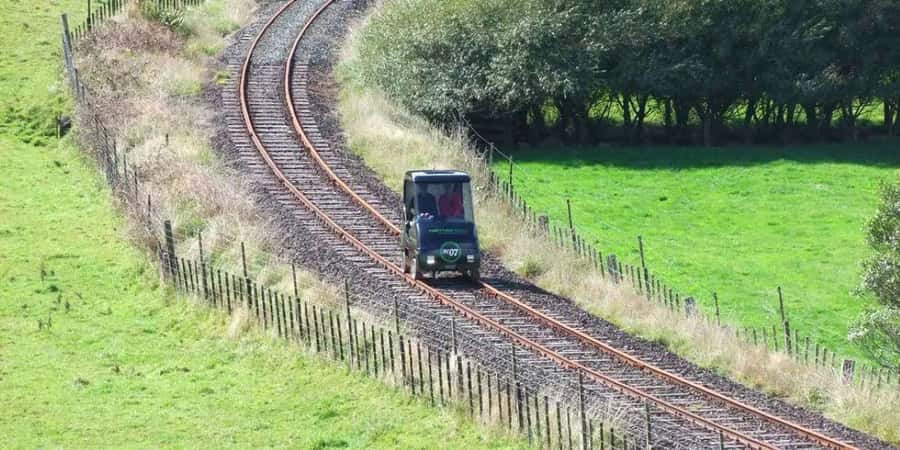
Once you set off, the rail car moves along the historic Rotorua Railway at a maximum of 20 km/h. That is a slow speed by road standards, but it is right for this kind of railway outing. You have time to look from side to side instead of choosing between watching the scenery and holding on.
The vehicle is described as a hybrid electric rail car, with petrol and electric power working together. That technical detail gives the activity its special character. You are not merely sitting in an old carriage, but you are also not operating a powerful locomotive. The experience falls somewhere between a heritage railway ride and a gentle driving activity.
I would set expectations carefully if you are booking for children. The controls may sound exciting, but the ride itself is unhurried. One piece of feedback makes this clear: a child expecting a high-speed rail adventure could find the outing too quiet. Children who enjoy trains, machines, and spotting scenery are more likely to appreciate it than children seeking speed or dramatic action.
The slow pace also makes the rail car suitable for people who want time to talk. You can listen to the audio commentary, take photographs, and simply watch the track ahead. Bring a charged smartphone so you can use it for the audio guide and keep it ready for photos.
Lake Rotorua, Mount Tarawera, and open views
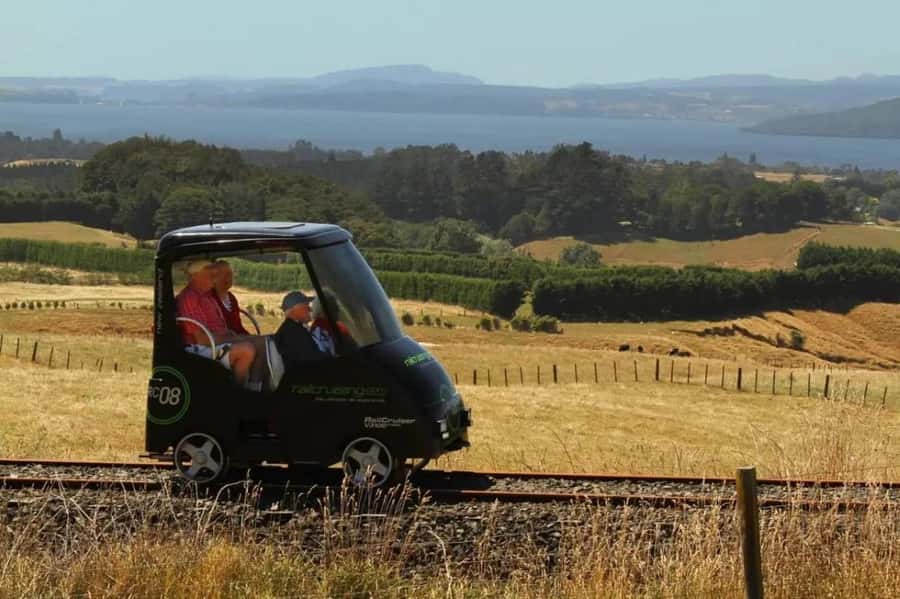
The car provides unobstructed views, which is one of the strongest reasons to choose it over a standard enclosed train. You are close to the surroundings, with no large coach seats or thick window frames blocking as much of the view.
The scenery can include views of Lake Rotorua and Mount Tarawera. Those are substantial visual rewards, especially when the weather is clear. The outing does not promise constant dramatic scenery, though, and that is worth keeping in mind. Parts of the route may feel quiet or ordinary, which explains why some people find the journey short on major highlights.
I would bring a camera, but I would also bring patience. This is a place to watch the changing view rather than chase a list of photo stops. Since the rail car moves at only 20 km/h, you have a fair chance to notice details along the track, but the route is still a railway journey, not a series of guided viewpoints.
Sun protection is sensible, even in cooler weather. The activity information specifically recommends sunscreen, drinks, weather-appropriate clothing, and a camera. Take that advice seriously because the covered seating does not mean every part of the ride will feel warm or sheltered.
A completely different sort of day out:
- Rotorua Canopy Tours: 2.5Hour Native Forest Zipline Adventure
★ 5.0 · 4,563 reviews - Hobbiton™ Movie Set Walking Tour from Shires Rest
★ 5.0 · 3,577 reviews - Mitai Maori Village: Cultural Experience and Dinner Buffet
★ 4.7 · 3,575 reviews - Waiheke Island: Ferry & Hop-On Hop-Off Explorer Bus Tickets
★ 4.6 · 3,311 reviews
Audio commentary about the railway and local area
The audio guide explains the story of the Rotorua Railway and the surrounding area. This gives the ride a useful sense of purpose. Without the commentary, you would still have an unusual vehicle and pleasant scenery, but you would miss much of the background that explains why the railway matters.
The emphasis appears to be on the railway itself and the people connected with building it. One recent passenger found the trip especially worthwhile for learning about the man who built the railway. That points to the kind of history you should expect: focused, local, and connected to the line beneath your wheels.
The audio is informative, though sound quality may vary. A little static was noticed in some locations. That may not ruin the experience, but you should not expect a polished museum-quality production at every point along the route. If you miss a sentence, the staff may be able to add context at the station.
I like the combination of self-driving and commentary. You have something to do with your hands, while the audio gives you a reason to pay attention to the route. It avoids the empty feeling that can come with a scenic ride where nobody explains what you are seeing.
Covered seating, clear windows, and Rotorua weather
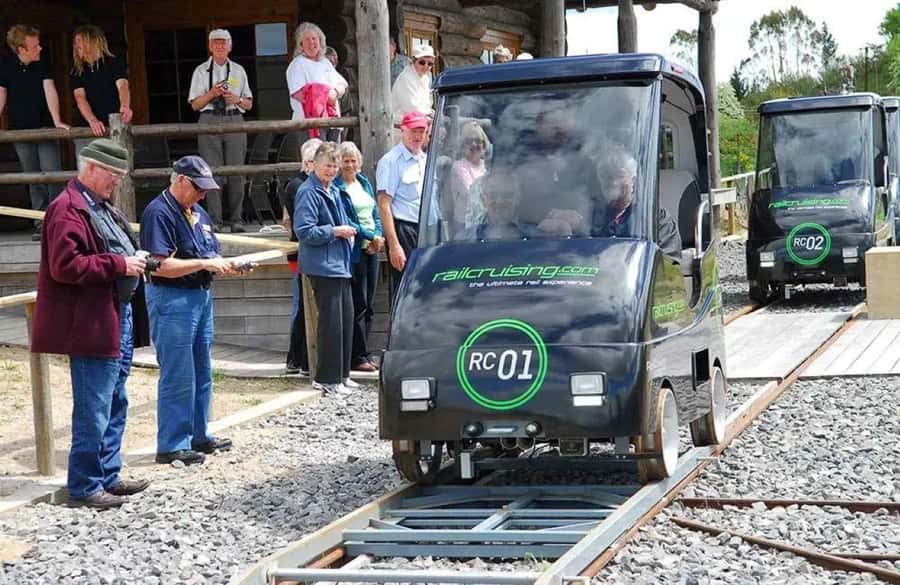
Weather can change the mood of any outdoor activity, especially in the Rotorua area. Railcruising prepares for this with covered seating, blankets for cooler days, and waterproof clear side windows for rain or wind.
Those clear windows are practical rather than decorative. They help preserve the views when the weather turns unpleasant, while the roof offers some protection. You should still dress for the conditions instead of relying entirely on the rail car. The recommended approach is simple: wear suitable clothing, bring a drink, and pack sunscreen.
Blankets are available for cooler days. This is a small feature, but it can make a big difference on a slow ride. At 20 km/h, wind chill may be noticeable, and you are not generating much body heat through movement.
Tea, coffee, and Milo are included at Mamaku Station. This adds a pleasant station-side pause or welcome, depending on the route and direction of your trip. It also gives the outing a friendly, old-fashioned railway feel. Do not treat it as a full meal stop, but it is a useful comfort detail.
The destination turn and return journey
At the destination, the rail cars are turned around for the return journey. This is one of the more distinctive parts of the outing because you get to watch the equipment being repositioned before heading back.
The turn is practical, but it also makes the railway operation visible. You are not simply arriving at a platform, stepping off, and waiting for a separate train. The car you have been using must be prepared for the journey in the opposite direction.
The return leg follows the same general railway experience, giving you another chance to listen, photograph the scenery, and take in views you may have missed on the way out. If you are hoping for a route with different scenery in each direction, this may feel repetitive. If you enjoy spotting details and seeing the railway from another angle, the return trip is part of the charm.
For a one-way trip, a complimentary shuttle is available. The information provided does not spell out every shuttle arrangement, so confirm the details when booking. A shuttle can be useful if you want to combine the rail experience with plans near the other station instead of returning in the rail car.
Is $44 per person good value?
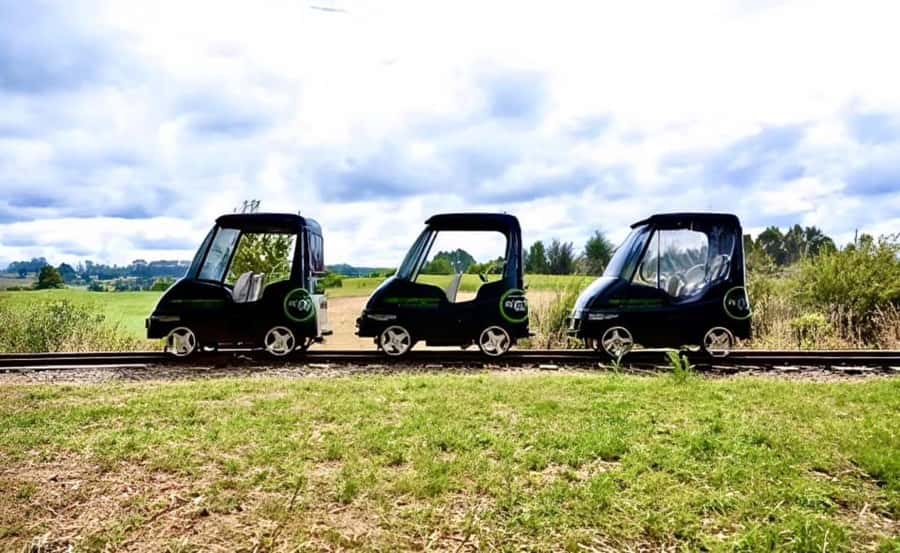
At $44 per person, this is not the cheapest way to spend two hours in Rotorua, but it offers something that ordinary sightseeing does not. You are paying for access to a historic railway, a self-drive vehicle, an audio tour, weather protection, and staff support.
The value depends heavily on your interests. I think the price is fair if you enjoy trains, unusual vehicles, local history, or slow scenic activities. The private-group format also adds value for couples or families who prefer not to share a crowded tour vehicle.
The calculation changes if you want dramatic scenery or constant action. The ride reaches only 20 km/h, and some of the route may not deliver a major visual surprise. One passenger described the commentary as fine but felt there were not enough highlights. That is a useful warning: the experience is special because of its format, not because every minute brings a spectacular view.
Compared with a standard scenic train, you get more involvement. Compared with an adventure activity, you get much less excitement. I would call it a good-value niche experience rather than a must-do attraction for everyone.
Who will enjoy this two-hour outing?
I would recommend Rotorua Railcruising most strongly to:
- Railway fans and transport enthusiasts
- Couples looking for a quiet shared activity
- Adults interested in local railway stories
- Families with children who enjoy machines and trains
- Photographers who want open views from a slow-moving vehicle
- Visitors who want a relaxed break between busier Rotorua activities
The trip may not suit you if you get motion sickness. It is also not suitable for wheelchair users, according to the available accessibility information. If either point affects your plans, check carefully before paying.
I would also think twice if your main goal is speed. The self-drive label may suggest a more active ride than you actually get. The controls provide involvement, but the experience remains gentle and controlled.
Practical advice for a smoother ride
Bring a charged smartphone because it is specifically recommended and may be useful for the audio guide. Pack a camera, drinks, sunscreen, and clothing suited to the weather.
Keep your expectations modest and specific. You are booking a railway experience with scenery and stories, not a high-adrenaline attraction. If you frame it that way, the slow pace becomes part of the appeal rather than a disappointment.
Listen carefully to the commentary, but do not expect perfect sound at every point. Some static has been reported in parts of the route. You can also ask the station staff about the railway, since the people working the experience add an important personal layer.
If you are planning around other activities, allow the full two hours rather than assuming the ride will finish early. If you select a one-way trip, confirm how and when the complimentary shuttle operates. For changeable weather, use the covered seats and clear side panels, but still bring warm or waterproof clothing.
Free cancellation is available up to 24 hours before the activity, and you can reserve now while paying later. Those terms help if your Rotorua schedule is still changing, but you should still check the available starting time before finalizing your day.
Should you book Rotorua Railcruising?
Book it if you want a personal, unusual railway outing with a gentle pace, open views, and local stories. The friendly station staff, blankets, clear weather panels, and hot drinks at Mamaku make the experience more comfortable than its simple setup might suggest.
Skip it if your ideal rail trip involves speed, grand scenery at every turn, or a long list of stops. The ride can feel quiet, and the audio commentary may have occasional static. For the right audience, though, that quiet is the point: two hours of railway history, Lake Rotorua and Mount Tarawera views, and the novelty of driving your own small rail car.
FAQ
How long does Rotorua Railcruising take?
The experience lasts two hours.
How fast does the rail car travel?
The rail car travels at speeds of up to 20 km/h.
Where does the experience begin?
The journey begins at either Ngongotaha Station or Mamaku Railway Station, depending on the selected trip.
Is the rail car self-drive?
Yes. You ride in and drive your own petrol-electric, hybrid rail car.
What is included in the price?
The experience includes the self-drive rail car ride, an audio tour, blankets for cooler days, clear waterproof side windows, and tea, coffee, and Milo at Mamaku Station. A complimentary shuttle is included for one-way trips.
What scenery can I see?
The route can provide views of Lake Rotorua, Mount Tarawera, and the surrounding scenery.
What should I bring?
Bring a camera, drinks, sunscreen, weather-appropriate clothing, and a charged smartphone.
Is the experience suitable for wheelchair users?
No. The activity is not suitable for wheelchair users.
Can I cancel my booking?
Yes. You can cancel up to 24 hours in advance for a full refund. You can also reserve now and pay later.
Just added in New Zealand
- Creative Wheel Throwing Pottery Class in Coromandel★ 4.0 · 2 reviews
- Coromandel Adventure and Wildlife Boat Tour to Aldermen Islands★ 5.0 · 9 reviews
- Wine trail and Christchurch City – Luxury, Small Group Tour★ 5.0 · 15 reviews
- 5 Day South Island New Zealand Private Tour from Dunedin★ 5.0 · 2 reviews
- Waipara Wine Trail Tour From Christchurch★ 5.0 · 1 review
- Willowbank Wildlife Reserve Day Entry★ 4.5 · 94 reviews
- Waipara Wine Trail Private Group Tour From Christchurch★ 5.0 · 1 review
- Waipara Valley Winery Tour Wine Tastings and Scenic Views★ 5.0 · 5 reviews
Self-Guided Tours, compared.
Queen Charlotte Track: Cruise & Self-Guided Hike from Picton
Read our review →
Self-Guided Wine Tours by Bike with Lorelle & Greg
Read our review →
Volcanic Valley Self Guided Walking and Hiking at Waimangu
Read our review →
Abel Tasman National Park: Sailing and Self-Guided Walk
Read our review →
Marlborough: Full-Day Self-Guided Biking Wine Tour
Read our review →
Self-Guided Biking Wine Tour (full day) in the Marlborough Region.
Read our review →