
REVIEW · HELICOPTER TOURS
Rotorua: Scenic Flight over Mt Tarawera & Waimangu Valley
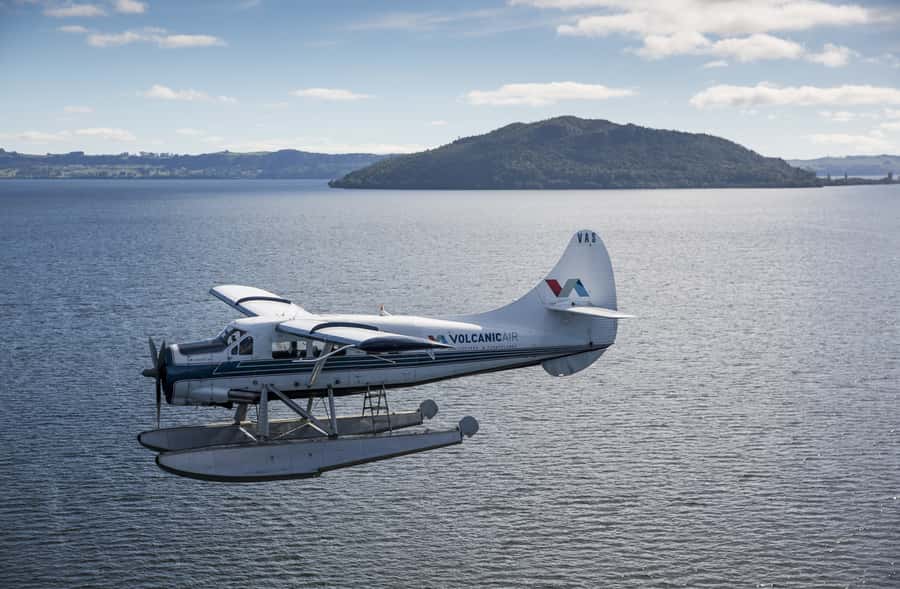
Take off from the lake. See Rotorua from above. This floatplane flight packs a lot into 40 minutes, from a water takeoff on Lake Rotorua to the enormous crater rift of Mount Tarawera. I especially like the window seat for every passenger and the way the flight links Rotorua’s lakes, volcanic peaks, and geothermal valleys in one compact outing. The main catch is weather: poor visibility can shorten or cancel the route.
I also like the small group size, limited to 10 people, and the live commentary that gives meaning to the colored craters below. Pilot Ben earned special praise for a smooth flight and for patiently helping a passenger with Parkinson’s disease, a useful sign that the crew takes care with passengers. Still, this is not a good choice if you fear heights, need wheelchair access, or want a guaranteed full circuit.
In This Review
- Key things to know before you fly
- Why this short flight is worth considering
- Meeting the floatplane at Lake Rotorua
- The thrill of taking off from the water
- Mount Tarawera and the 1886 eruption
- Waimangu Volcanic Valley from the air
- The return over Rotorua City and Pohutu Geyser
- What the pilot commentary adds
- Weather, safety, and the real drawbacks
- Who gets the best value from $236?
- Should you book the Mount Tarawera floatplane?
- FAQ
- How long does the Rotorua floatplane experience last?
- Where does the flight begin?
- Does the aircraft take off from Lake Rotorua?
- What sights can I see from the plane?
- How high is Mount Tarawera?
- Is every passenger guaranteed a window seat?
- What language is the tour conducted in?
- What should I bring?
- Can the flight be changed or canceled because of weather?
- Is the experience suitable for wheelchair users?
Key things to know before you fly
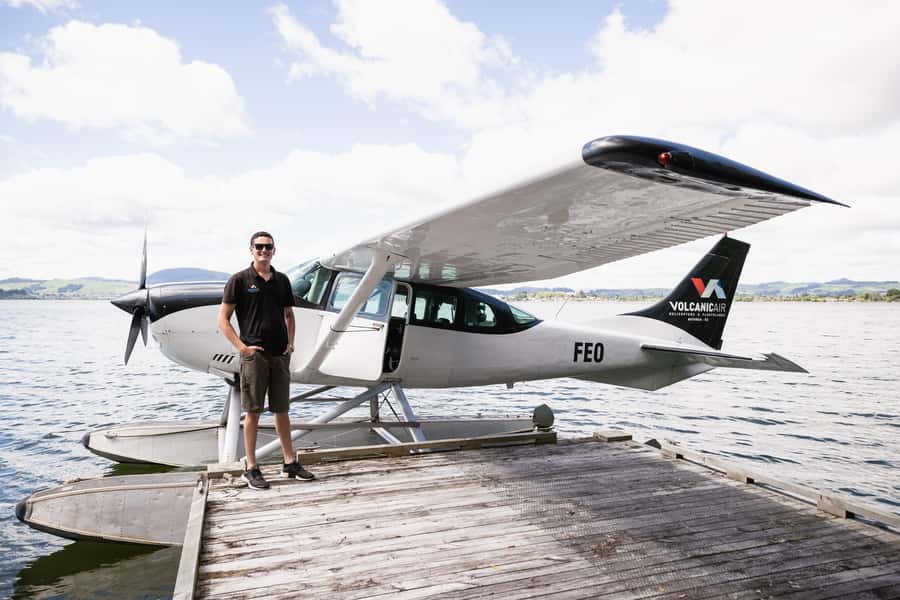
- Water takeoff on Lake Rotorua: The aircraft lifts off from the lake, giving you a fun start that feels quite different from an ordinary sightseeing flight.
- Mount Tarawera from above: You fly over the 8-kilometer crater rift formed by the 1886 eruption, one of the most important volcanic events in New Zealand’s modern history.
- Waimangu’s famous thermal features: Look down on Inferno Crater and Frying Pan Lake, where the colors and steaming ground show the region’s active volcanic character.
- A view for every passenger: The small aircraft is arranged so each person has a window seat, important on a short flight packed with sights.
- About 30 minutes in the air: The full experience lasts 40 minutes, including a 20-minute safety briefing and time around the aircraft.
- Weather controls the day: The operator may shorten the route, change flight times, or cancel if conditions make flying unsafe or obscure the views.
Why this short flight is worth considering
At $236 per person, this is not a casual add-on. You are paying for a specialized floatplane, a pilot-guide, and an aerial route over several major Rotorua sights in less than an hour. I see the value most clearly if you have limited time or want to understand how the lakes and volcanic features fit together.
A ground visit to Waimangu Volcanic Valley lets you walk among the thermal features. A visit to Mount Tarawera can bring you closer to the volcano. This flight offers something neither can provide: a broad view of the region at once. From above, the lakes, bush, craters, city, and thermal valleys become part of one connected volcanic setting.
The short duration also makes the experience easy to fit into a Rotorua day. You do not lose half a day to transport, and you return to the same lakefront meeting point. The trade-off is that you cannot linger anywhere. This is a visual overview, not a walking tour or a full geothermal visit.
The flight has earned a 4.9 rating from 25 published customer evaluations, with repeated praise for the scenery, smooth handling, organization, and pilot commentary. One person who could not complete the full route because of weather still considered the outing worthwhile and received a partial refund. That is a useful reminder: the experience can remain good even when nature edits the plan, but you should not book it expecting perfect conditions.
More Helicopter Flights in Rotorua
- Mt Tarawera Helicopter Tour with Volcano Landing
★ 5.0 · 40 reviews - Mount Tarawera Volcanic Adventure by Helicopter
★ 5.0 · 11 reviews - Rotorua: Helicopter Flight and Guided Walk on Mt Tarawera
★ 5.0 · 10 reviews
Meeting the floatplane at Lake Rotorua
You check in at 1 Lakefront Drive, inside the office building marked by large signs on the roof. The setting matters because the flight begins right at Lake Rotorua, rather than with a long transfer to an airport outside town.
Allow about 20 minutes for the safety briefing and preparation. This time is part of the 40-minute experience, so the actual flight lasts about 30 minutes. You should arrive ready to listen carefully, especially because water takeoffs and landings are different from standard aircraft operations.
Bring a camera and warm clothing. Even if Rotorua feels mild at street level, you are going up to view Mount Tarawera at around 3,680 feet, and the aircraft environment may feel cool. Bags are not allowed, so keep your gear simple. A compact camera or phone is more practical than a large daypack.
The group is limited to 10 people. That gives the outing a personal feel and helps prevent the aircraft from becoming a crowded sightseeing box. Each passenger has a window seat, one of the strongest practical features of the trip. You will not need to bargain for a good view or lean across someone else to see the volcano.
The thrill of taking off from the water
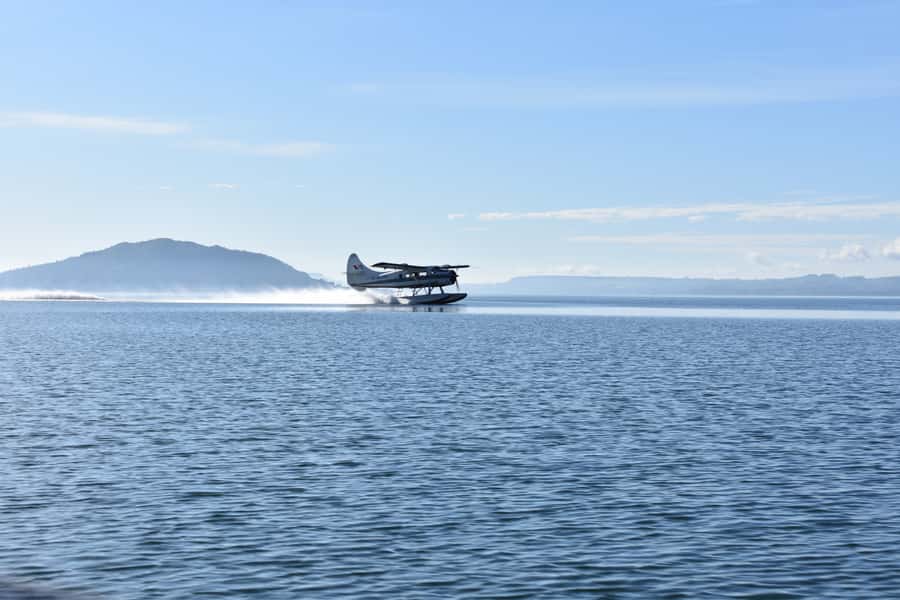
The first memorable moment comes before the volcano. The floatplane accelerates across Lake Rotorua and lifts from the water, an experience that feels more connected to the setting than a runway departure.
As you climb, the route takes you around Mokoia Island and over the ridge toward the less familiar lake district. You begin with broad views of Rotorua’s water, then see native New Zealand bush and smaller lakes spread across the region. This opening section helps you get your bearings before the major volcanic sights arrive.
I like this part because it is not simply a flight straight to Mount Tarawera. You see the wider setting first. The lakes are not isolated attractions, and from the air you can understand how much water surrounds Rotorua’s volcanic country.
The pilot provides live English commentary, with an English audio guide also included. The spoken information covers Rotorua’s story and its geothermal parks. On a flight this short, good commentary matters. Without it, you might see colorful water and crater rims but miss why they formed and what happened here.
Mount Tarawera and the 1886 eruption
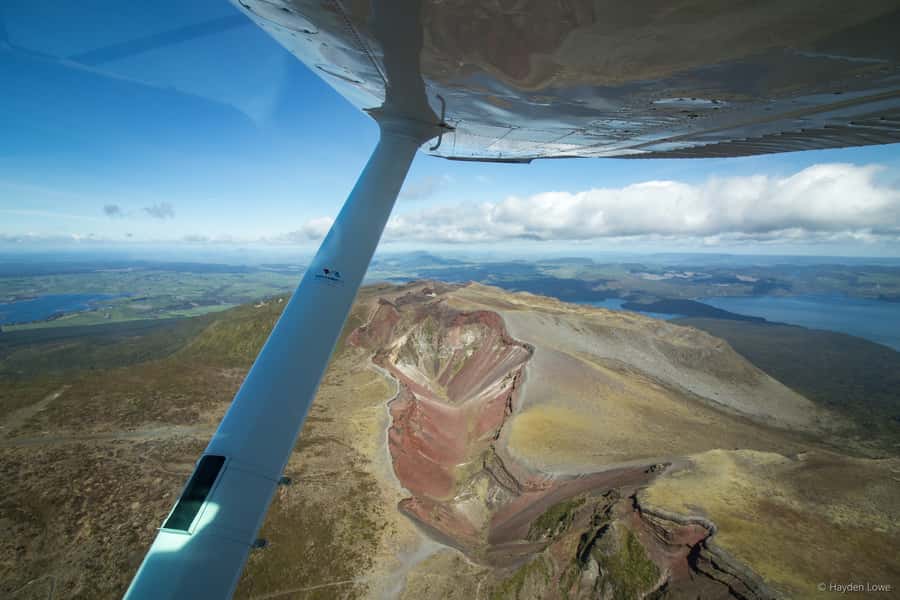
Mount Tarawera becomes the centerpiece of the flight. At 3,680 feet, the dormant volcano dominates the surrounding lakes and rises in a form that makes its past activity easy to imagine.
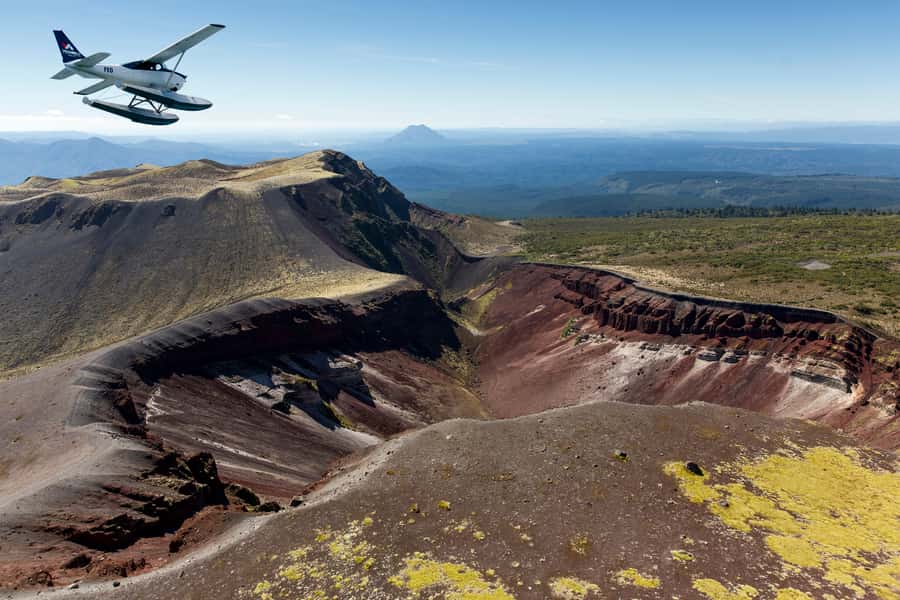
The aircraft flies directly over the crater rift, an opening that runs for about 8 kilometers. From ground level, the scale of a volcanic rupture can be hard to grasp. From the plane, the length and broken shape of the rift become much clearer.
The 1886 eruption devastated the local area and destroyed the Pink and White Terraces, once described as the eighth wonder of the world. Those terraces are no longer visible as they were before the eruption, but their story gives the flight real historical weight. You are not just looking at an inactive peak. You are looking at the source of a disaster that reshaped Rotorua and erased one of its best-known natural attractions.
The crater colors are one of the visual highlights. From above, the different tones in the volcanic ground can appear more organized and striking than they do from a road or trail. Your exact view will depend on the weather, light, and route, so keep your camera ready but do not spend the whole flight staring at a screen.
This is also where the weather limitation matters most. Cloud or poor visibility can hide the summit and crater details. The operator says the flight may not go ahead if the views cannot be seen, and the route may change because of weather, volcanic activity, or passenger loading.
A completely different sort of day out:
- Rotorua Canopy Tours: 2.5Hour Native Forest Zipline Adventure
★ 5.0 · 4,563 reviews - Mitai Maori Village: Cultural Experience and Dinner Buffet
★ 4.7 · 3,575 reviews - Rotorua: Wai-O-Tapu Geothermal Park Entry Ticket
★ 4.6 · 2,601 reviews - Rotorua’s Ultimate Zipline: 6 ziplines, 400 m Tandem, Cliff Walk
★ 5.0 · 2,557 reviews
Waimangu Volcanic Valley from the air
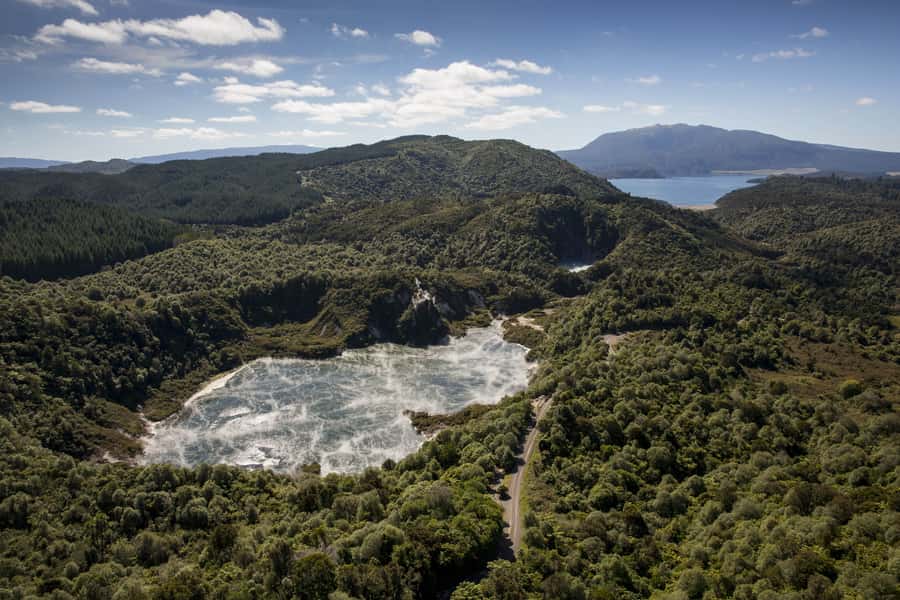
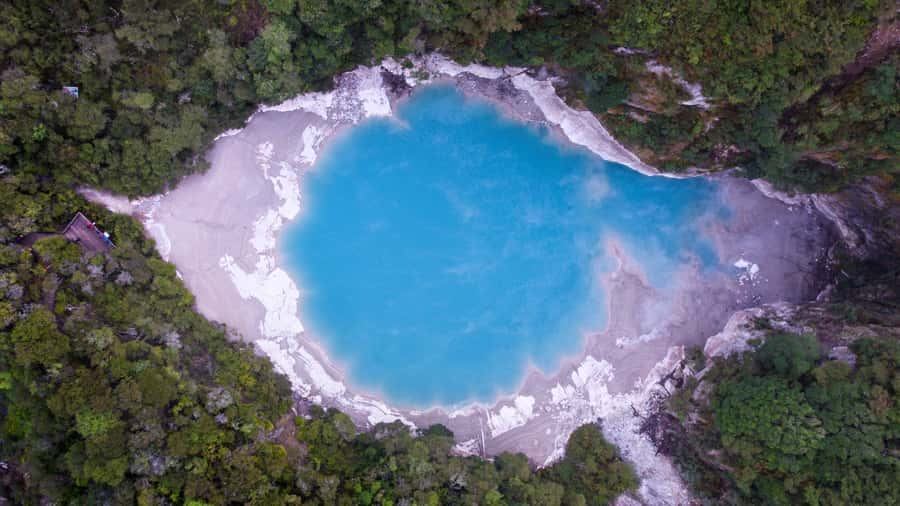
The flight continues over Waimangu Volcanic Valley, a major geothermal area south of Rotorua. You see the valley from above, including Inferno Crater and Frying Pan Lake.
These features are especially effective from the air because their colors and shapes form a clear pattern below you. Inferno Crater is known for its intense blue tones, while Frying Pan Lake spreads through the valley as a large geothermal body. The aerial view lets you compare the different crater lakes without walking between them.
I find this section valuable for visitors who are deciding how to spend more time in Rotorua. The flight gives you a preview of the thermal valley, but it does not replace a ground visit. From the aircraft, you gain scale and a quick visual survey. On foot, you would have more time to read signs, follow paths, and examine the geothermal activity at close range.
The route also puts Waimangu in context with the other volcanic sites. Instead of seeing one thermal park as a stand-alone stop, you see a chain of lakes, craters, and ridges spread through the region. That broader view is the strongest reason to choose the flight over a simple lookout.
The return over Rotorua City and Pohutu Geyser
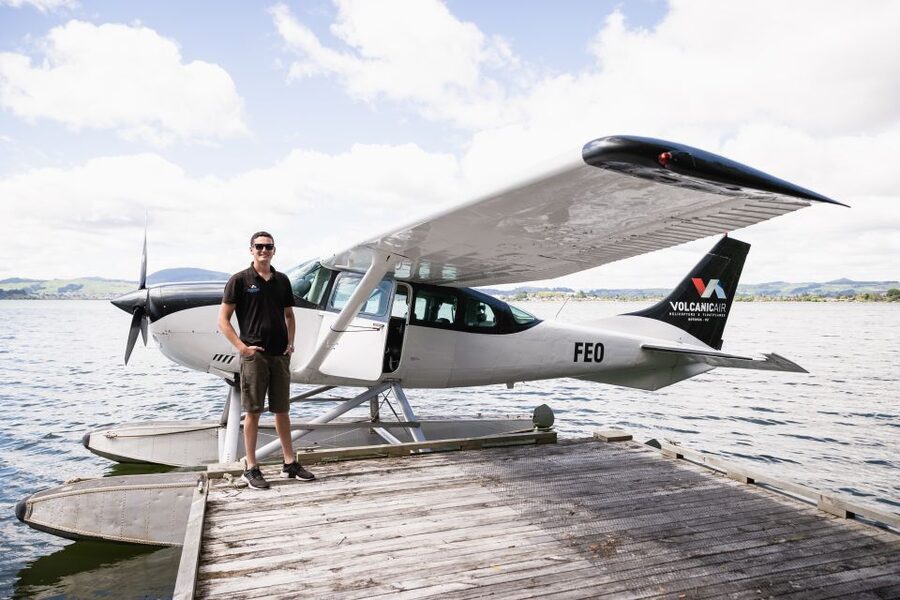
On the way back, the aircraft passes the Whakarewarewa Thermal Valley and Pohutu Geyser before crossing over Rotorua City. This gives you a final set of views that shifts from volcanic wilderness to the built-up center of the area.
Pohutu Geyser is one of Rotorua’s signature sights, and spotting it from the air adds a different angle to a feature many people see from the ground. The city crossing helps you locate the lakefront, the urban area, and the surrounding thermal zones.
The flight then descends toward Lake Rotorua for a water landing. Like the takeoff, this is part of the attraction. The aircraft returns to the lake rather than ending at a distant airfield, and the whole outing remains compact.
After landing, the walking portion is only about three minutes. That makes the experience easy to combine with other Rotorua plans, though you should still allow extra time around the scheduled start in case weather or aircraft operations cause changes.
What the pilot commentary adds
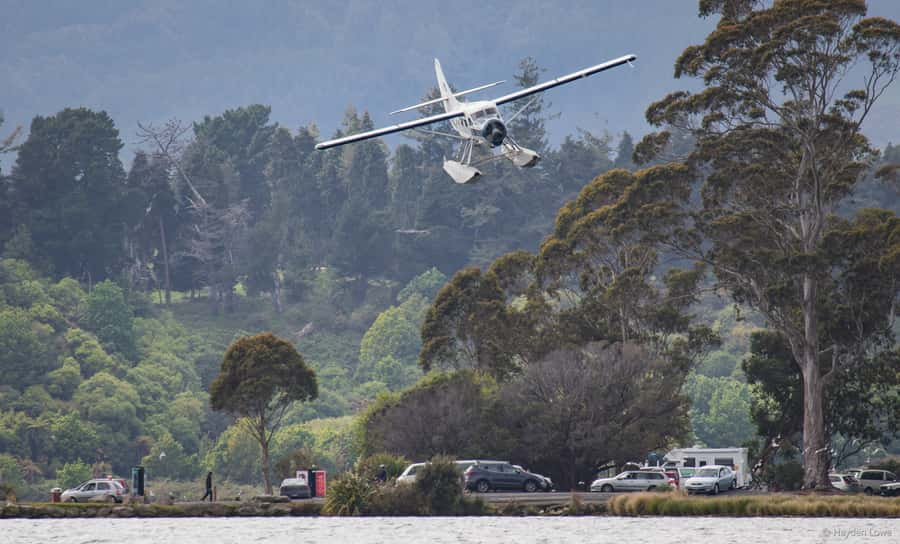
The flight includes a live English-speaking guide and an English audio guide. The pilot’s role is more than simply steering the aircraft. The commentary explains Rotorua, the geothermal parks, Mount Tarawera, and the eruption that changed the area.
That information helps you read the view. A crater is more meaningful when you understand that it belongs to an 8-kilometer rift created in 1886. A geothermal lake becomes more memorable when you know you are looking down on Inferno Crater or Frying Pan Lake.
Pilot Ben received particular praise for being friendly, capable, and clear in his explanations. His smooth takeoff and landing were also noted. He patiently helped one passenger with Parkinson’s disease into and out of the aircraft, which suggests a considerate approach to passenger care. That does not remove the stated limits for wheelchair users, but it does show that individual mobility needs may receive thoughtful attention when they can be managed safely.
Weather, safety, and the real drawbacks
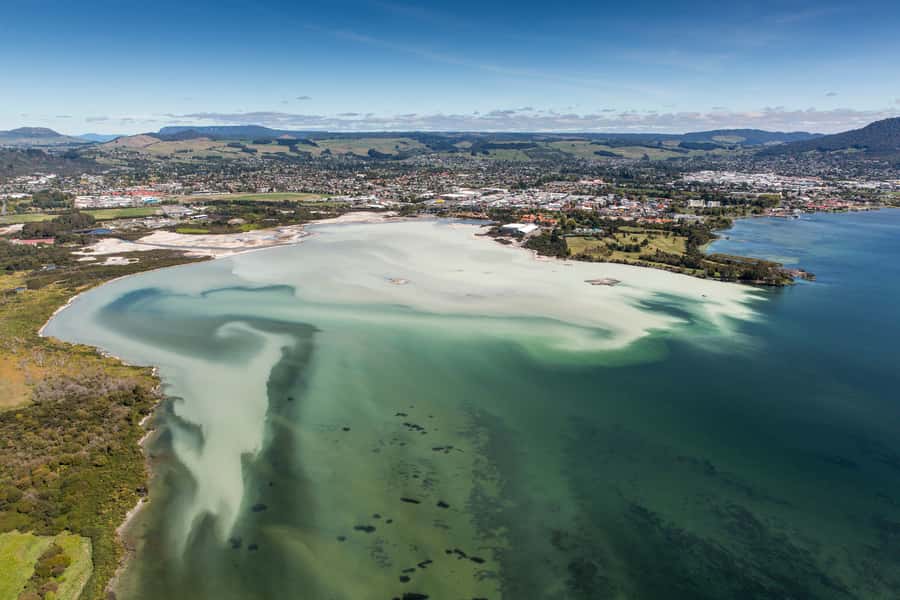
Weather is the biggest variable. This is an aerial activity, so the operator will not fly if it is unsafe or if the important views are blocked. A route may also change because of volcanic activity or passenger loading.
That means you should keep your schedule flexible. If seeing Mount Tarawera clearly is the main reason you are booking, consider placing the flight early enough in your Rotorua stay to allow another attempt if conditions do not cooperate. The supplied information confirms free cancellation up to 24 hours in advance, but same-day weather decisions can still affect your plans.
One completed flight did not follow the full circuit because of weather. The group still flew over some local scenery, and a small refund was provided. This is fair handling, but it also shows why you should judge the activity as a scenic flight rather than a guaranteed checklist of every sight.
The flight is not suitable for people afraid of heights or those with altitude sickness. Wheelchair users are also listed as unsuitable. Individual passenger weights are required under New Zealand law. If a passenger weighs more than 110 kilograms, a surcharge may apply, and anyone over 135 kilograms, as measured by the operator, must pay two adult fares.
You cannot bring bags. Warm clothing and a camera are the practical choices. If you tend to feel motion sickness or anxiety in small aircraft, think carefully before paying the full price.
Who gets the best value from $236?
I think the price makes most sense for a first-time Rotorua visitor who wants a strong overview in a short period. You see 13 lakes, Mount Tarawera, Waimangu Volcanic Valley, Whakarewarewa, Pohutu Geyser, and Rotorua City without arranging several separate viewpoints.
It is also a good choice for photographers. Every passenger has a window, and the route offers changing subjects throughout the flight: water, bush, crater colors, volcanic ridges, thermal lakes, and city views. The short flight means you need to work quickly, but you are unlikely to run out of worthwhile scenes.
Families and couples who want a memorable special activity may also find the price easier to justify. The water takeoff and landing add an element of fun beyond a standard sightseeing flight.
I would hesitate if you are mainly interested in walking through geothermal parks. For $236, you could prefer a longer ground-based outing where you spend more time close to the pools and craters. The floatplane is best when the aerial view itself is the point.
Reserve now and pay later is available, which helps if you are still arranging your Rotorua schedule. You can cancel up to 24 hours ahead for a full refund under the stated policy. The exact start times depend on availability.
Should you book the Mount Tarawera floatplane?
Book it if you want a compact, high-impact view of Rotorua’s volcanic country and you like the idea of taking off and landing on the water. The best reasons are the window seat for every passenger, the small group, the 8-kilometer Mount Tarawera crater rift, and the aerial look at Waimangu’s Inferno Crater and Frying Pan Lake.
Skip it if heights make you uncomfortable, you need wheelchair access, or you want complete control over your sightseeing schedule. Weather can shorten the route, and 30 minutes in the air passes quickly.
For most suitable passengers, this is a memorable way to connect Rotorua’s lakes and volcanic sites. Keep your camera handy, wear warm clothes, leave the bags behind, and treat the route as weather-dependent. That approach gives you the best chance of enjoying what this unusual flight does particularly well.
FAQ
How long does the Rotorua floatplane experience last?
The full experience lasts 40 minutes. About 30 minutes are spent flying, with a 20-minute safety briefing included in the overall activity timing.
Where does the flight begin?
The experience begins at 1 Lakefront Drive on the Lake Rotorua waterfront. Check in at the office building with large signs on the roof.
Does the aircraft take off from Lake Rotorua?
Yes. The experience includes a floatplane takeoff and landing on Lake Rotorua.
What sights can I see from the plane?
The route includes Rotorua’s lakes, Mokoia Island, Mount Tarawera, its volcanic crater rift, Waimangu Volcanic Valley, Inferno Crater, Frying Pan Lake, Whakarewarewa Thermal Valley, Pohutu Geyser, and Rotorua City.
How high is Mount Tarawera?
Mount Tarawera reaches about 3,680 feet in elevation.
Is every passenger guaranteed a window seat?
The activity information states that window seats are provided for all passengers.
What language is the tour conducted in?
The live tour guide and audio guide are in English.
What should I bring?
Bring a camera and warm clothing. Bags are not allowed on the tour.
Can the flight be changed or canceled because of weather?
Yes. The tour is weather dependent and may not operate if conditions are unsafe or the views cannot be seen. Flight times, duration, and inclusions may also change because of weather, volcanic activity, or passenger loading.
Is the experience suitable for wheelchair users?
No. Wheelchair users are listed as unsuitable for this activity. People afraid of heights and people with altitude sickness are also advised not to take part.
Just added in Rotorua
- Te Puia: Tuku Iho Trail with Cultural Show★ 5.0 · 5 reviews
- Te Puia: Te Rā Guided Day Tour + Haka Cultural Performance★ 4.7 · 128 reviews
- Te Puia: Te Pō Indigenous Combo – Tour, Dinner + Haka★ 4.4 · 52 reviews
- Rotorua: Wai Ariki Hot Springs & Spa 1hr Restorative Bathing★ 4.8 · 16 reviews
- Rotorua: White Island, Mount Tarawera & Waimangu Volcanic …★ 4.4 · 5 reviews
- Rotorua: Velocity Valley – NEW Vertigo 43m drop★ 5.0 · 3 reviews
- Rotorua: Volcano Landing and Geothermal Park Helicopter Tour★ 5.0 · 1 review
- Rotorua: Velocity Valley – Two Ride Pass★ 4.6 · 8 reviews
Helicopter Tours, compared.
Franz Josef Glacier: Helicopter Flight & Alpine Landing
Read our review →
Mount Cook: Scenic Helicopter Flight with Alpine Landing
Read our review →
Franz Josef & Fox Glaciers Helicopter Flight & Snow Landing
Read our review →
Milford Sound Small Group Tour from Queenstown with Scenic Flight
Read our review →
2.5 Hour Glacier Hike with Helicopter Transfer
Read our review →
Fox Glacier: Up to 3 Hours Hike with Helicopter Transfer
Read our review →
Pilot’s Choice Helicopter Tour & Alpine Landing
Read our review →Browse the lists this tour appears in